17 Extreme Sports That Were Banned for Being Too Dangerous
The human desire to push boundaries knows few limits. Throughout history, thrill-seekers have invented increasingly daring ways to test their courage, skill, and mortality. While many extreme sports continue to thrive despite inherent risks, others have crossed the line into territory that governments, sporting bodies, and communities deemed simply too dangerous to allow.
These banned activities represent the outer edges of what society considers acceptable risk, even in a world that celebrates daredevils.
Tower Running
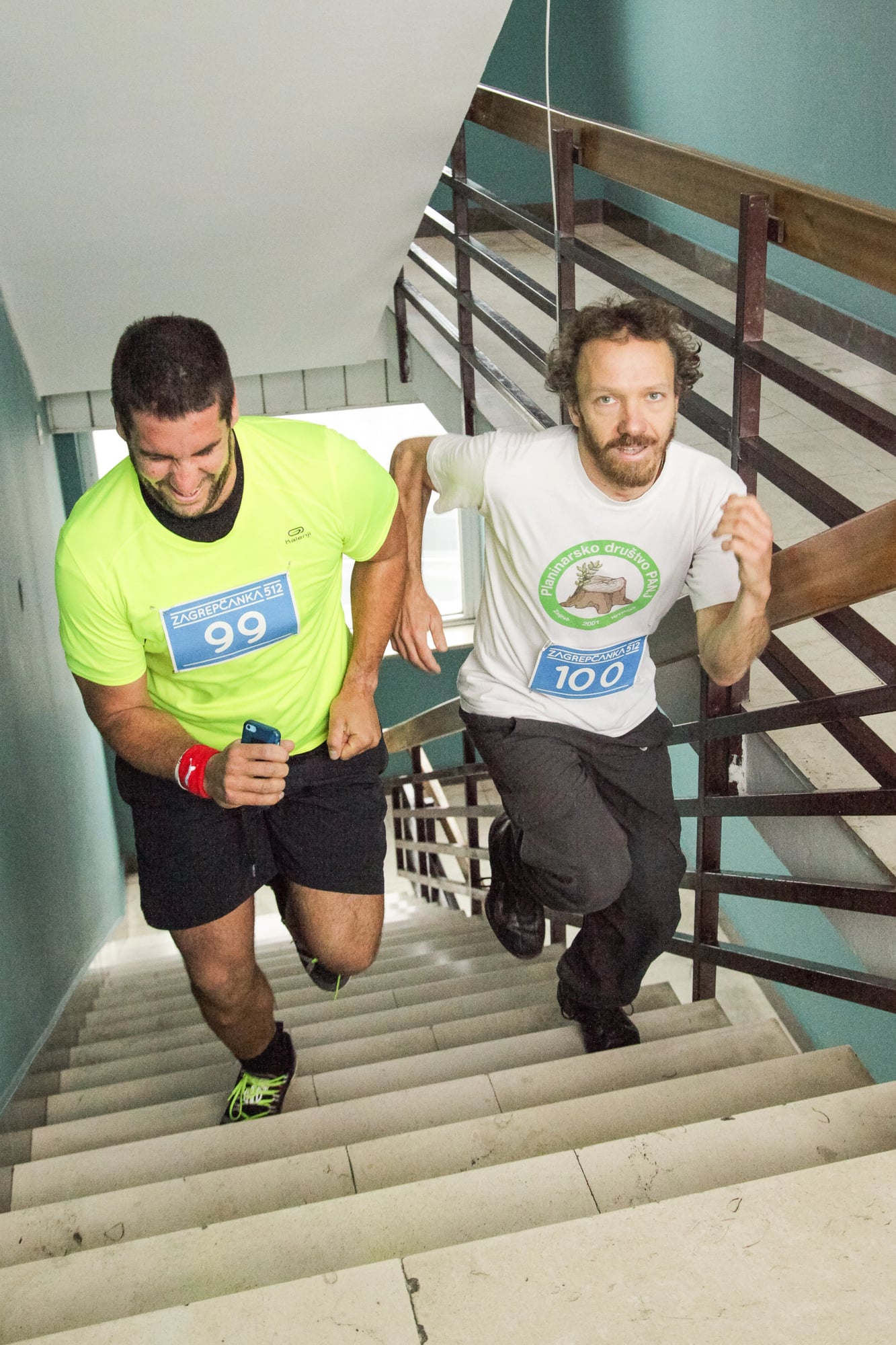
This urban climbing sport involved scaling skyscrapers without safety equipment, often done at night to avoid security. Russia and China banned the practice after several high-profile deaths, including a famous incident where a climber fell 62 stories from a Shanghai tower in 2017.
The activity gained notoriety through viral videos showing climbers dangling from architectural features hundreds of feet above city streets, performing stunts that left viewers with sweaty palms and racing hearts.
Base Jumping
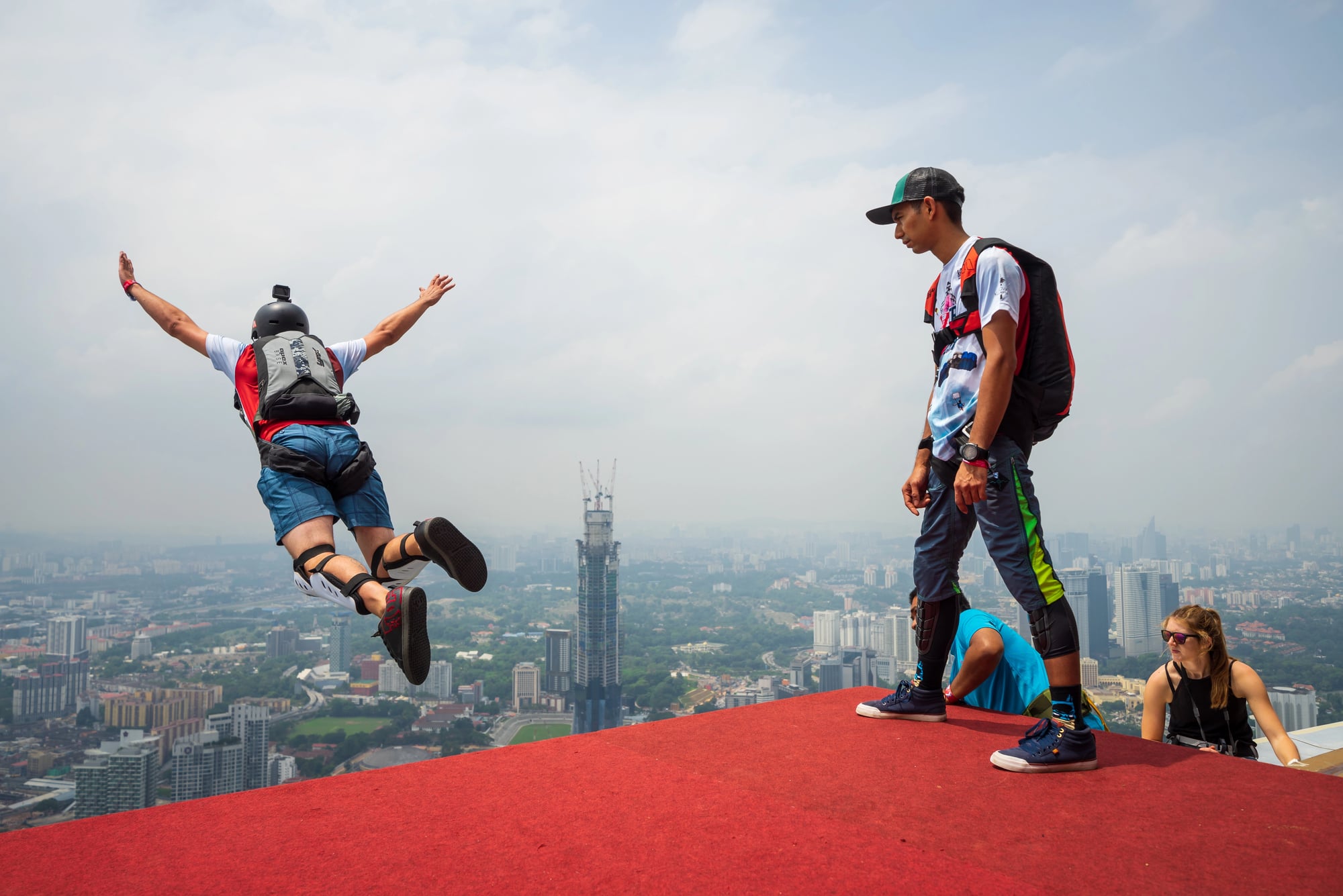
While not universally banned, base jumping (parachuting from Buildings, Antennas, Spans, and Earth) is prohibited at most potential jump sites worldwide. The sport claims the highest fatality rate of any extreme activity, with one death per every 2,300 jumps compared to one per 101,000 for traditional skydiving.
National parks like Yosemite famously outlawed the practice after numerous deaths, though dedicated jumpers continue to pursue their passion illicitly or at the few legal locations that remain.
Volcano Boarding

Nicaragua’s Cerro Negro volcano once hosted thrill-seekers who would slide down its active slopes on wooden boards at speeds approaching 50 mph. Authorities banned the practice after several tourists suffered severe burns and injuries from falls onto the razor-sharp volcanic rock.
The combination of scorching surfaces, toxic gases, and unpredictable volcanic activity ultimately proved too hazardous even for extreme sport standards, though modified versions with enhanced safety measures operate in a few controlled locations.
Street Luge
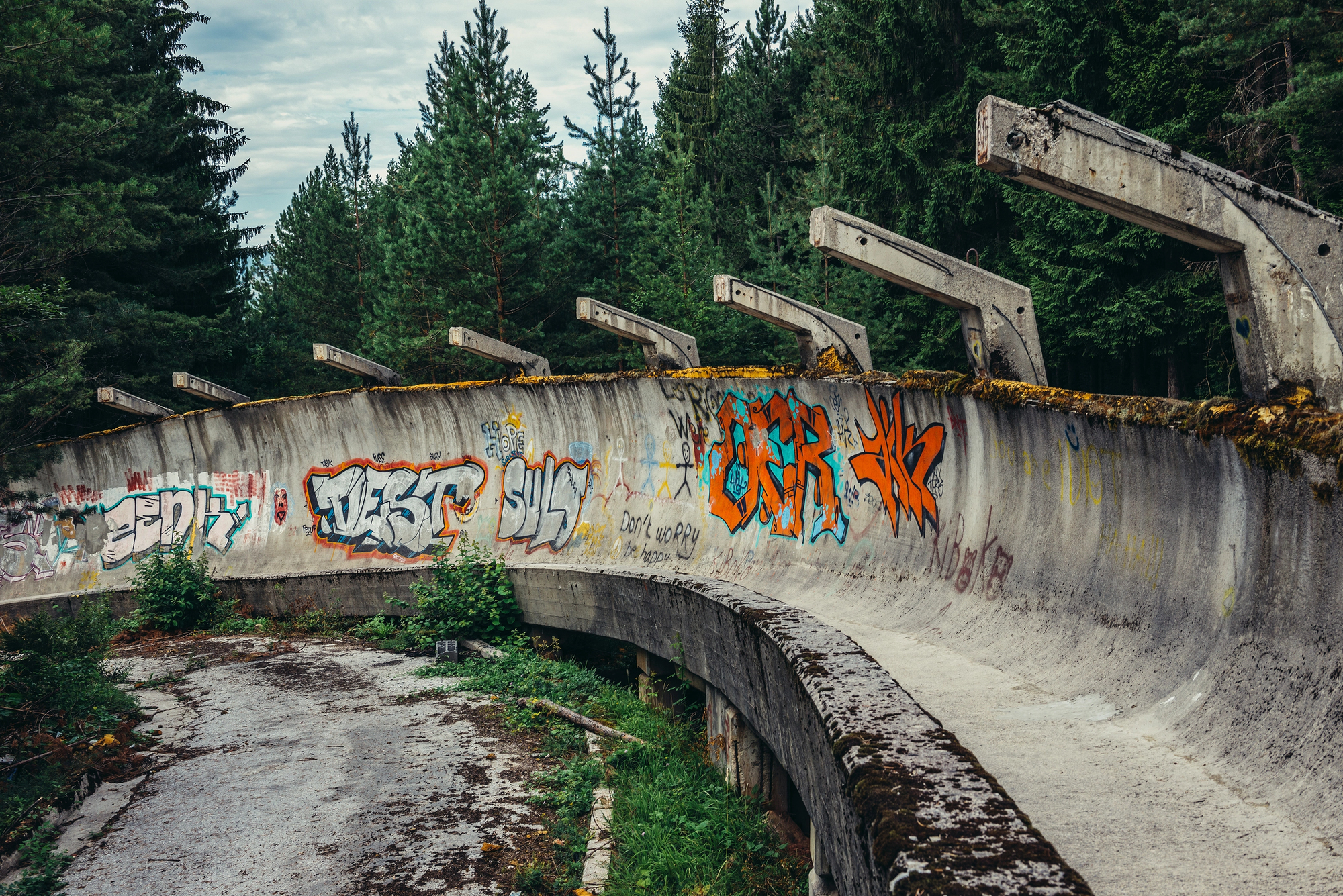
This gravity-powered sport puts riders on wheeled sleds mere inches from asphalt while reaching speeds over 70 mph. After multiple fatalities and countless serious injuries, California and several European countries banned street versions of the sport.
The X Games dropped street luge from competition in 2001 following safety concerns, though sanitized track versions continue with guardrails and safety barriers that eliminate the deadly consequences of the original roadway versions.
Cliff Diving from Certain Heights

While organized cliff diving competitions continue under strict safety protocols, many famous diving spots have been banned after fatal accidents. Locations like Jamaica’s famous Rick’s Cafe prohibited jumps from their highest platforms after tourists miscalculated jumps into shallow landing zones.
The combination of height assessment errors, shifting tides affecting water depth, and hidden underwater hazards has prompted authorities worldwide to close numerous natural diving spots despite centuries-old traditions in some locations.
Urban Kayaking
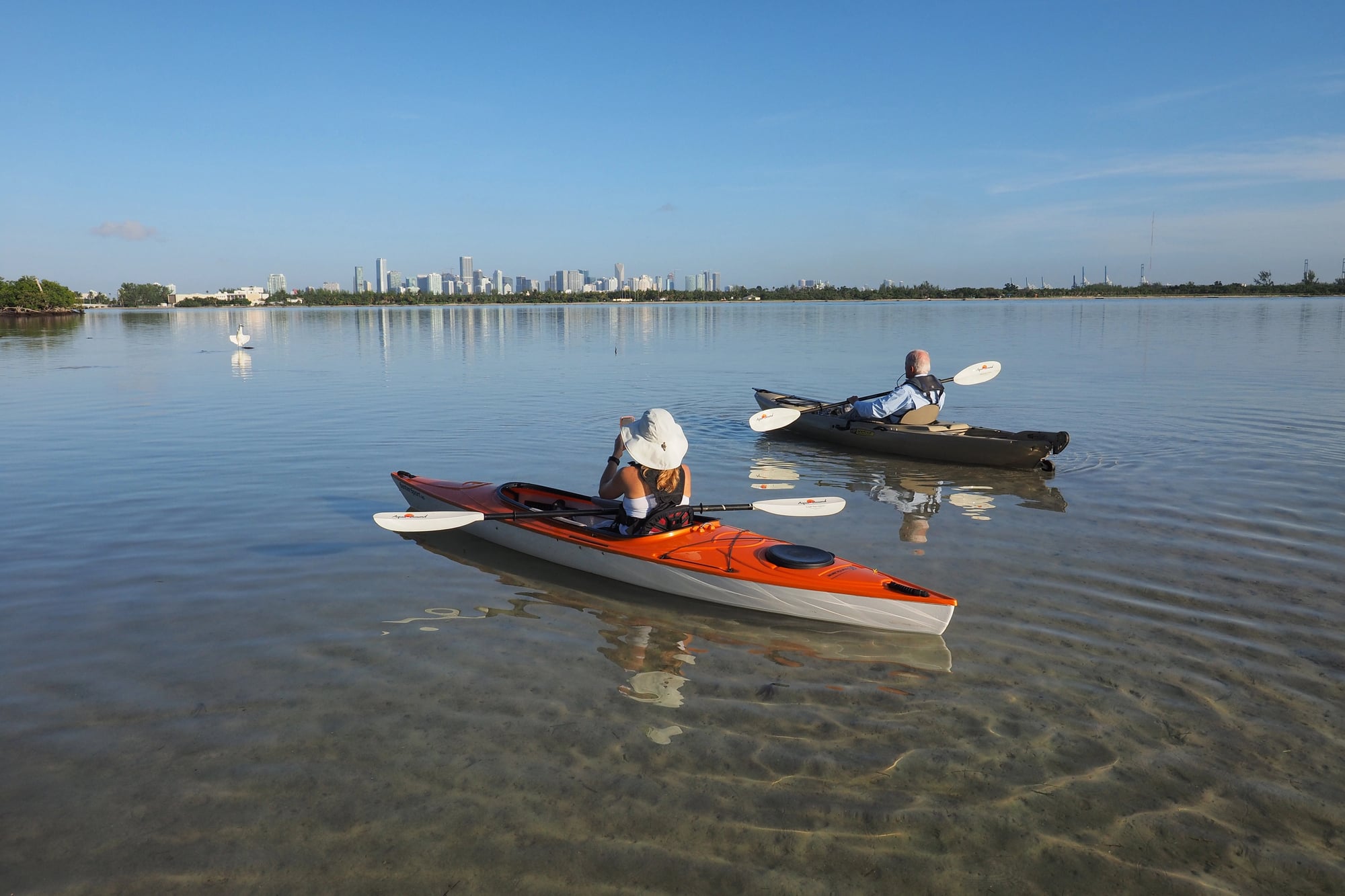
During heavy storms, some extreme kayakers began running urban drainage systems and flood channels, a practice now banned in most major cities. Los Angeles explicitly criminalized concrete channel kayaking after several drownings during flash floods, with paddlers unable to escape the powerful hydraulics created by drain systems designed to move water rapidly.
The unpredictable water levels and submerged hazards in these artificial waterways proved deadly even for experienced whitewater veterans.
Highlining Without Safety Equipment
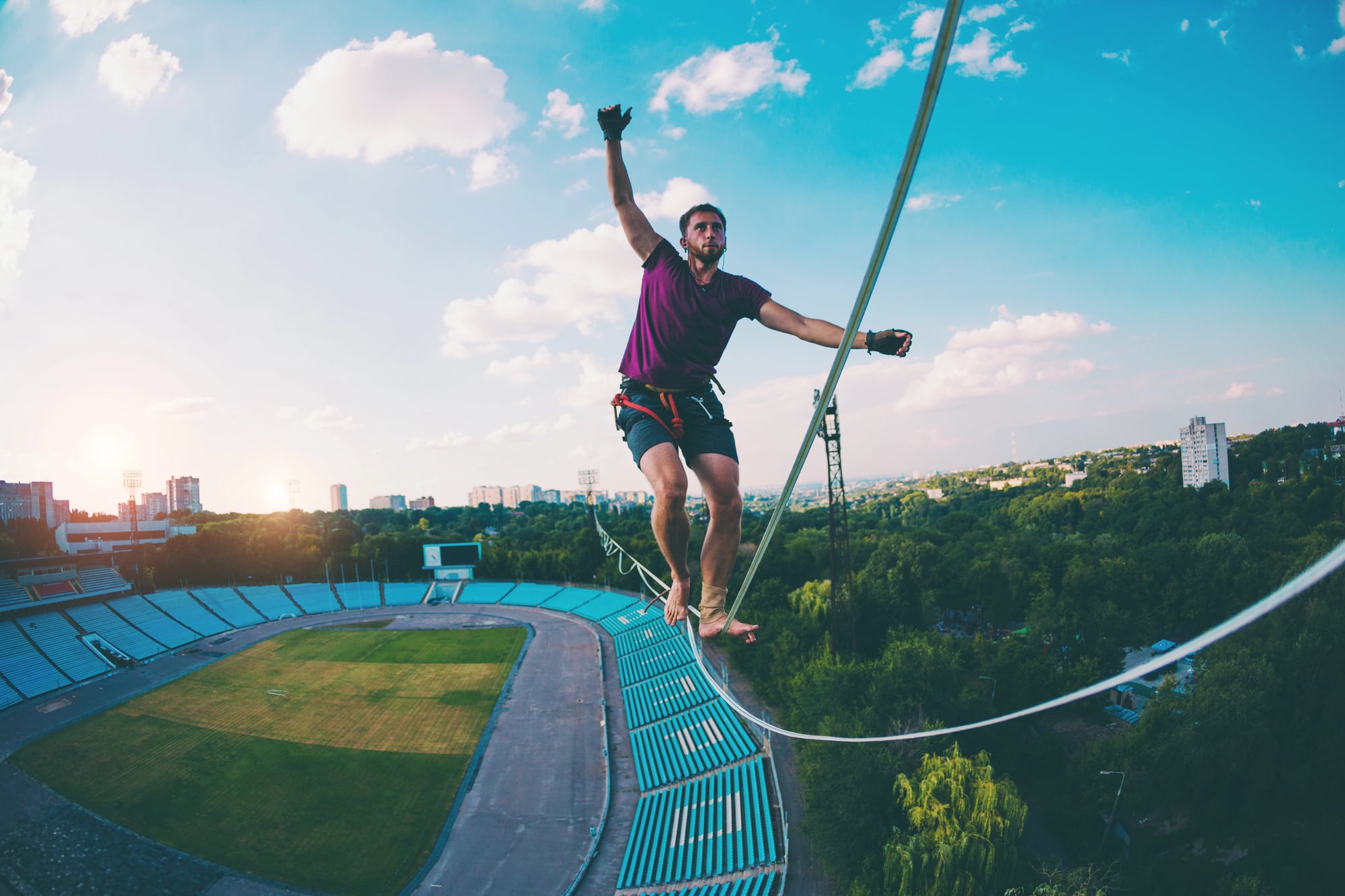
While highlining (walking slacklines stretched across canyons or buildings) remains legal with proper safety gear, the practice of crossing without harnesses has been prohibited at most public lands and urban areas. Several social media personalities attempting untethered crossings for viral fame have fallen to their deaths, prompting stricter enforcement.
The distinction between artistic expression and reckless endangerment continues to challenge regulators as they balance personal freedom against preventable tragedy.
Free Solo Ice Climbing
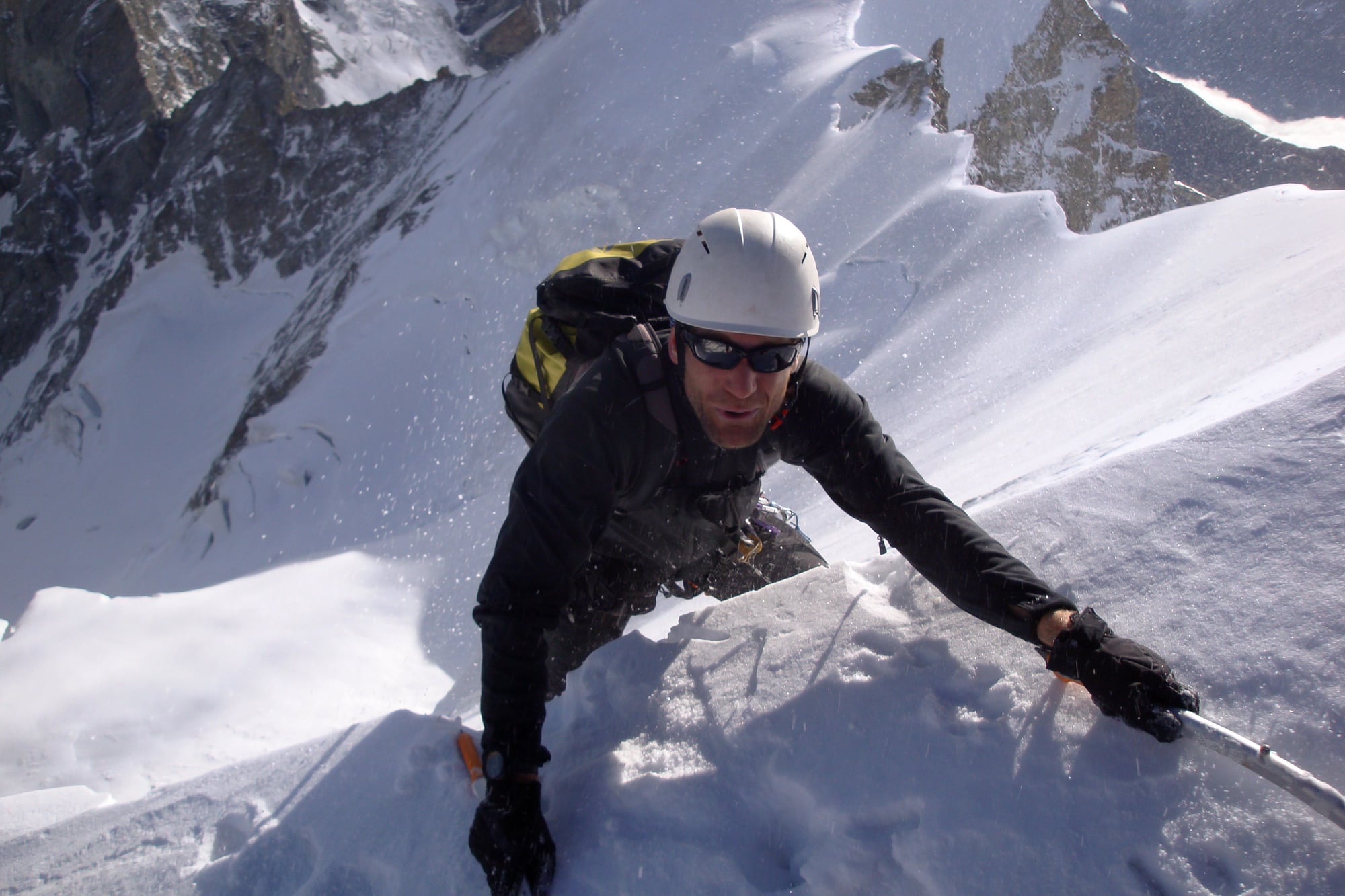
Climbing frozen waterfalls without ropes or protection has been officially banned in several alpine regions after numerous fatalities. The combination of brittle ice, extreme cold affecting decision-making, and the catastrophic consequences of even minor mistakes proved too deadly.
Canada’s Banff National Park specifically prohibits ropeless ice climbing after losing several experienced climbers to the practice, though traditionally protected ice climbing continues to be permitted under established safety guidelines.
Cage-Free Shark Diving
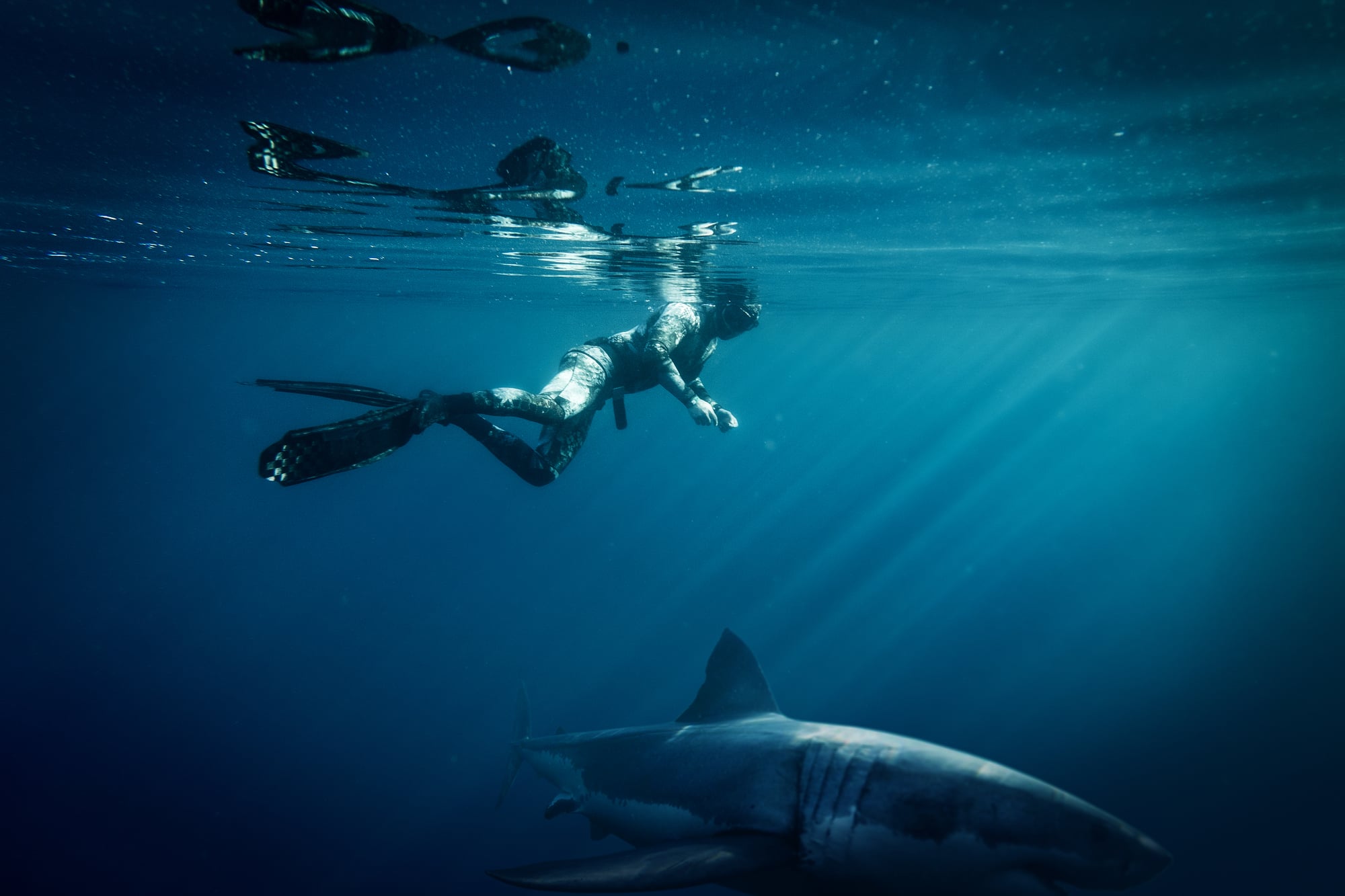
Swimming with great white sharks outside protective cages became popular among extreme divers seeking closer encounters with the ocean’s apex predators. Australia and South Africa banned the practice after several high-profile attacks and near-misses, with marine biologists warning that such activities altered natural shark behavior and created unnecessary risks for both humans and animals.
The regulated cage diving industry continues to thrive, offering safer alternatives that maintain a critical barrier between tourists and multi-ton predators.
Train Surfing

This dangerous activity involving riding on the exterior of moving trains gained popularity in South Africa, India, and parts of Eastern Europe before being aggressively criminalized. Beyond the obvious risks of falling from moving trains, participants frequently suffered fatal injuries from bridge strikes and electrocution from overhead power lines.
Despite severe penalties including jail time, the practice continues in some areas, claiming dozens of lives annually and prompting transportation authorities to implement physical deterrents on train exteriors.
Jet-Powered Vehicle Racing
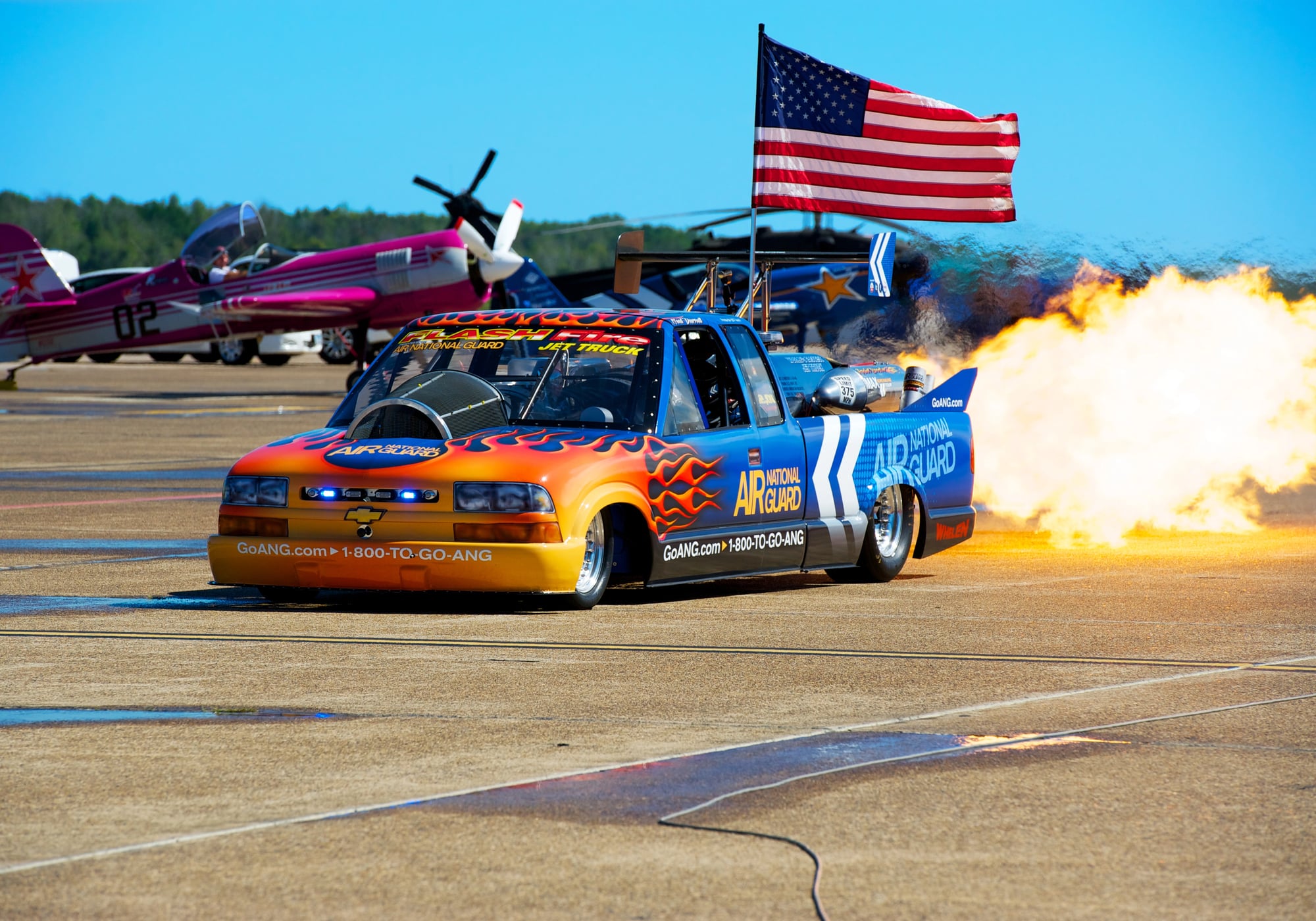
After multiple catastrophic accidents including a crash that killed world land speed record holder Jessi Combs in 2019, several racing organizations banned jet and rocket-powered vehicles from competition. The extreme speeds, limited control systems, and catastrophic failure modes of such vehicles created risks beyond acceptable safety engineering capabilities.
While specialized land speed record attempts continue in remote locations like the Bonneville Salt Flats, mainstream motorsport organizations have prohibited such powerplants in competitive environments.
Deep Cave Diving
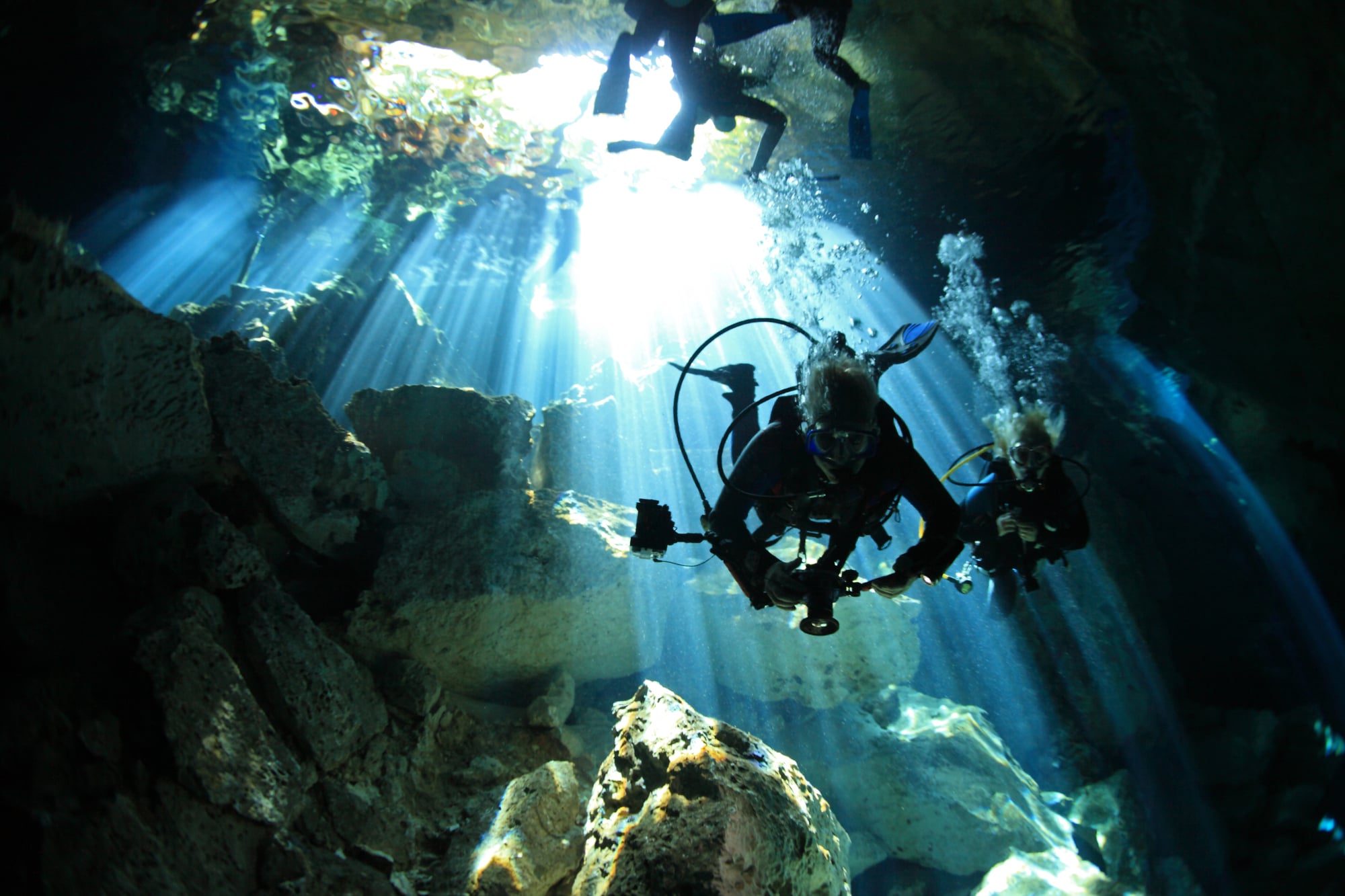
Exploring underwater cave systems beyond certain depths has been banned in numerous locations after repeated recovery operations ended with additional rescuer deaths. Mexico’s cenote systems and Florida’s extensive underwater caves have specific legal limitations on penetration distances and depths following particularly tragic incidents where entire diving teams perished.
The combination of extreme environmental pressure, limited visibility, and the impossibility of rapid emergency ascents creates situations where even minor equipment failures become fatal.
Wingsuit Flying in Certain Locations
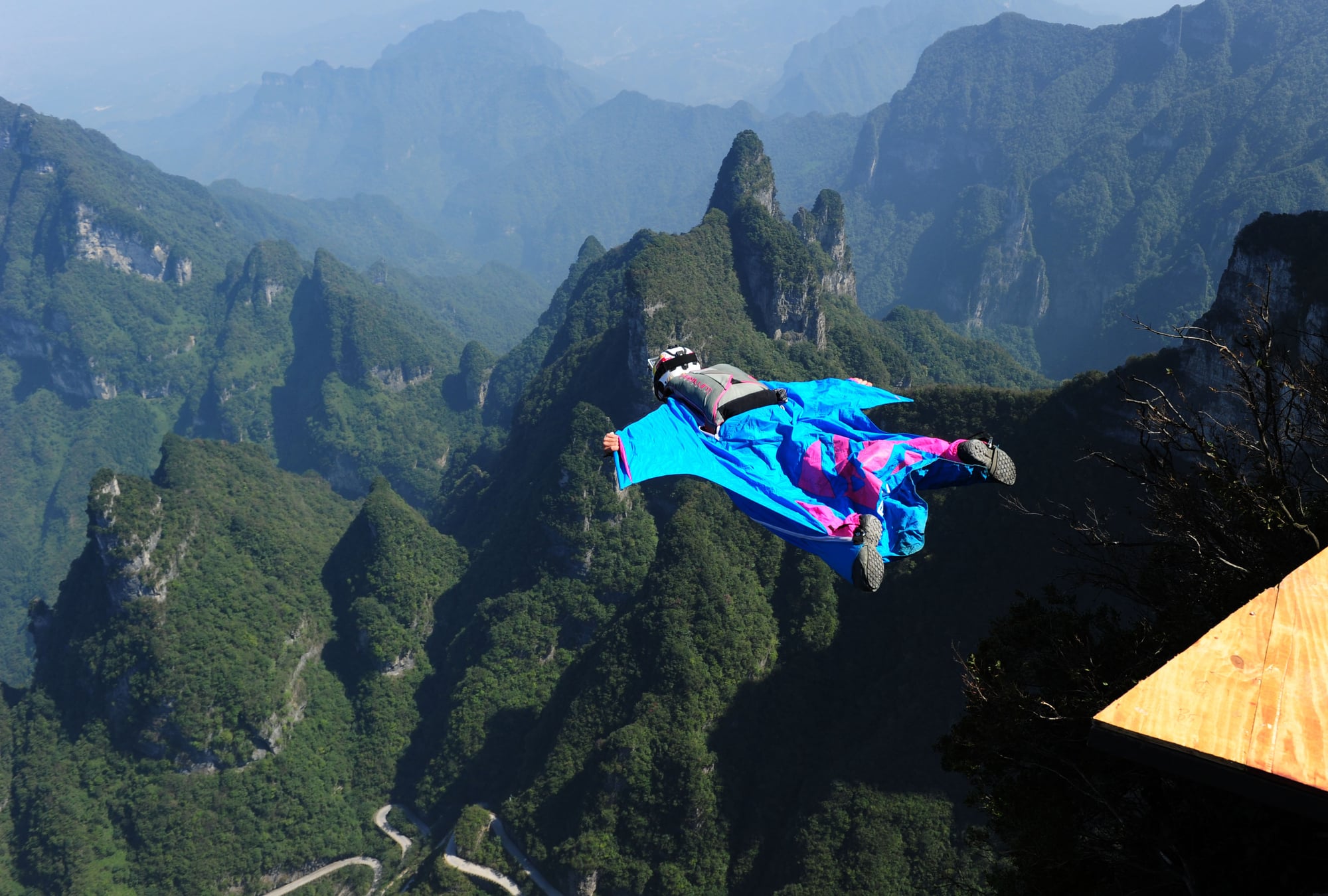
While wingsuit flying itself remains legal, many popular flying locations have been banned after discovering the fatality rates approached 50% among regular participants. Switzerland’s Lauterbrunnen Valley prohibited proximity flying (skimming close to cliff faces) after losing dozens of experienced pilots to miscalculations measured in fractions of seconds.
The extraordinary skill requirements combined with zero margin for error eventually forced authorities to act despite the economic benefits brought by adventure tourism.
Ultra-Extreme Parkour
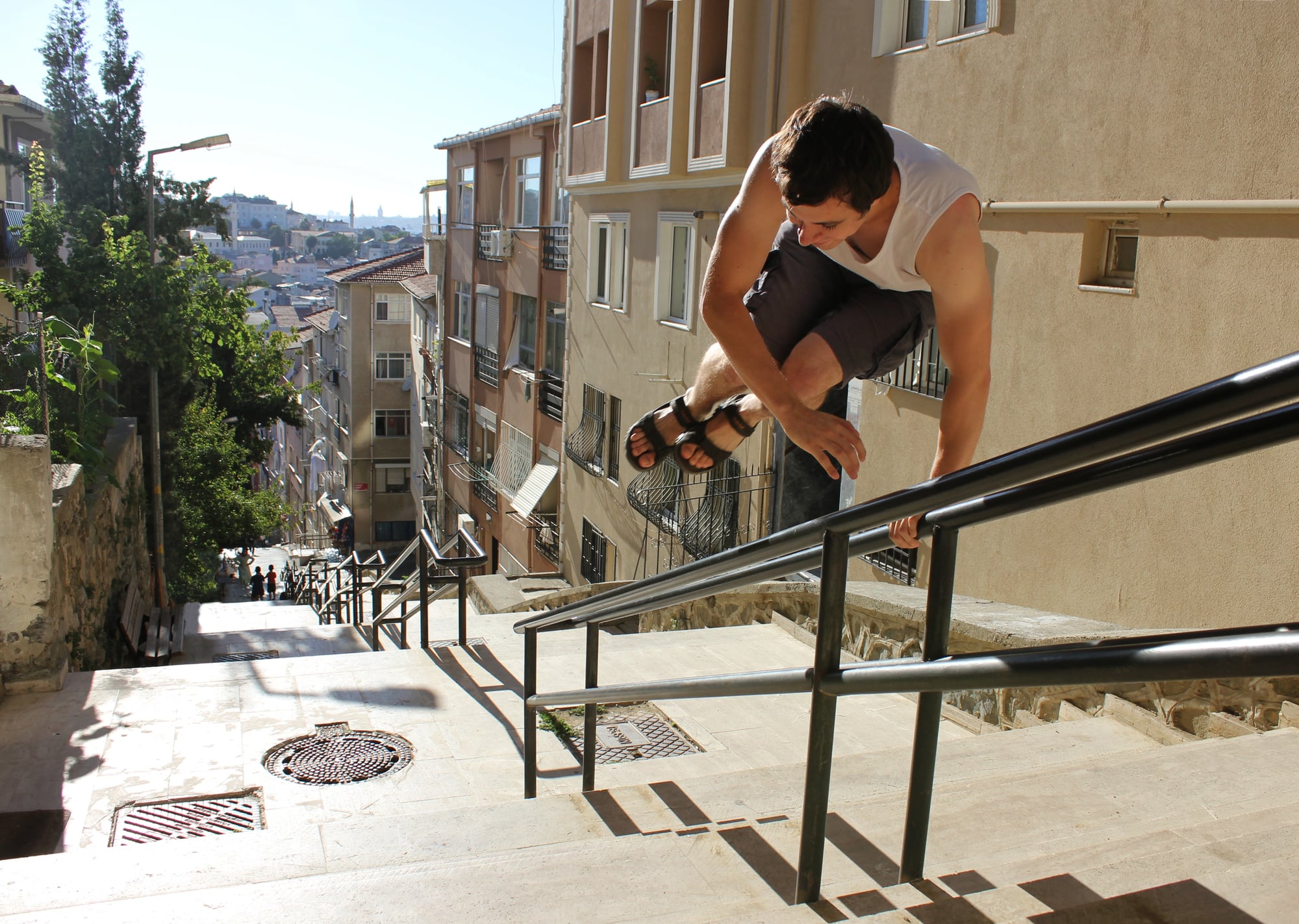
Cities worldwide have banned certain high-rise parkour practices following deaths during building-to-building jumps. Dubai specifically criminalized stunt performances on skyscrapers after social media stars fell while attempting to create viral content.
The distinction between athletic urban parkour and life-threatening stunts has prompted more nuanced regulations that permit the sport’s practice at reasonable heights while prohibiting activities virtually guaranteed to end in tragedy without perfect execution.
Powerboat Racing in Venice
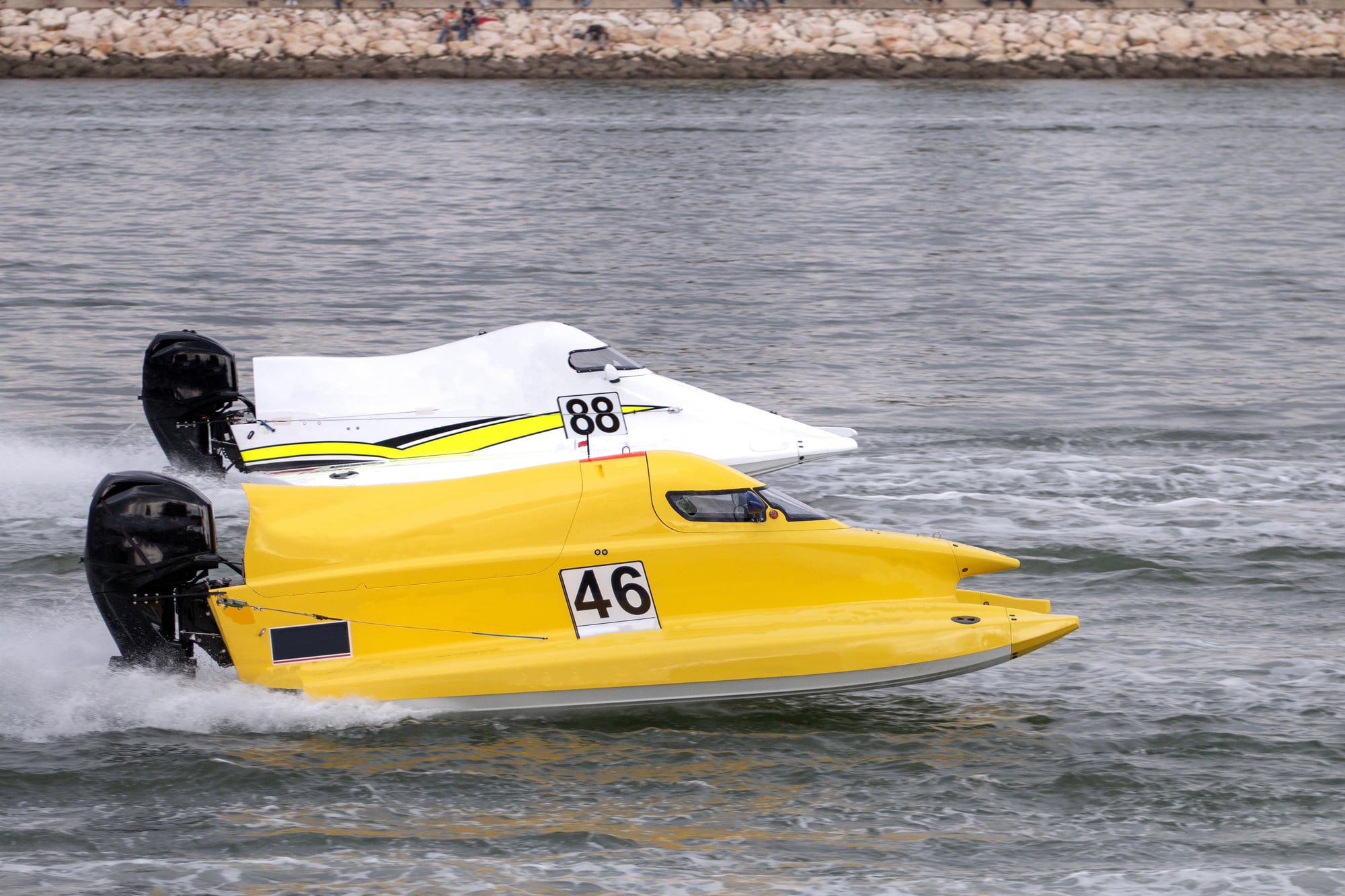
The historic Italian city banned high-speed powerboat racing in its central canals after wake damage threatened ancient structures and multiple collisions resulted in deaths. The combination of narrow waterways, limited visibility around corners, and the catastrophic damage potential to irreplaceable historical architecture ultimately outweighed the spectacular racing backdrop.
Modified events now take place in designated areas of the lagoon away from the fragile city center under strict speed limitations.
Zorbing Without Containment
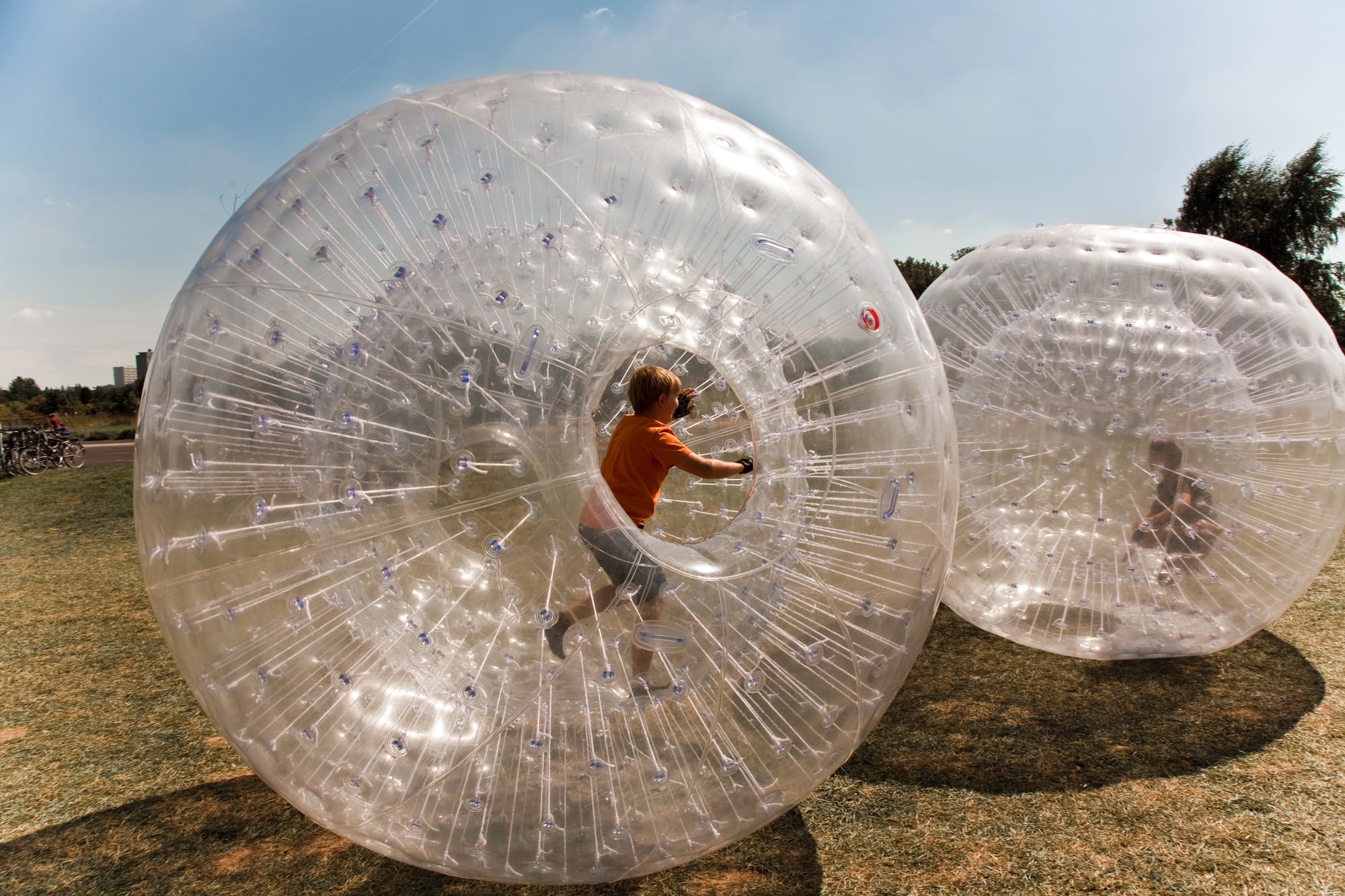
After a fatal incident in Russia where an inflatable zorb ball rolled off course down a mountain and off a cliff, many countries implemented strict regulations requiring contained courses with proper barriers. The inability to control or stop the sphere once in motion created unpredictable trajectories and impact risks that were too severe to mitigate through participant skill.
Modern zorbing facilities now feature recessed tracks or enclosed areas that physically prevent the balls from reaching dangerous terrain.
Cliff Camping Without Permits
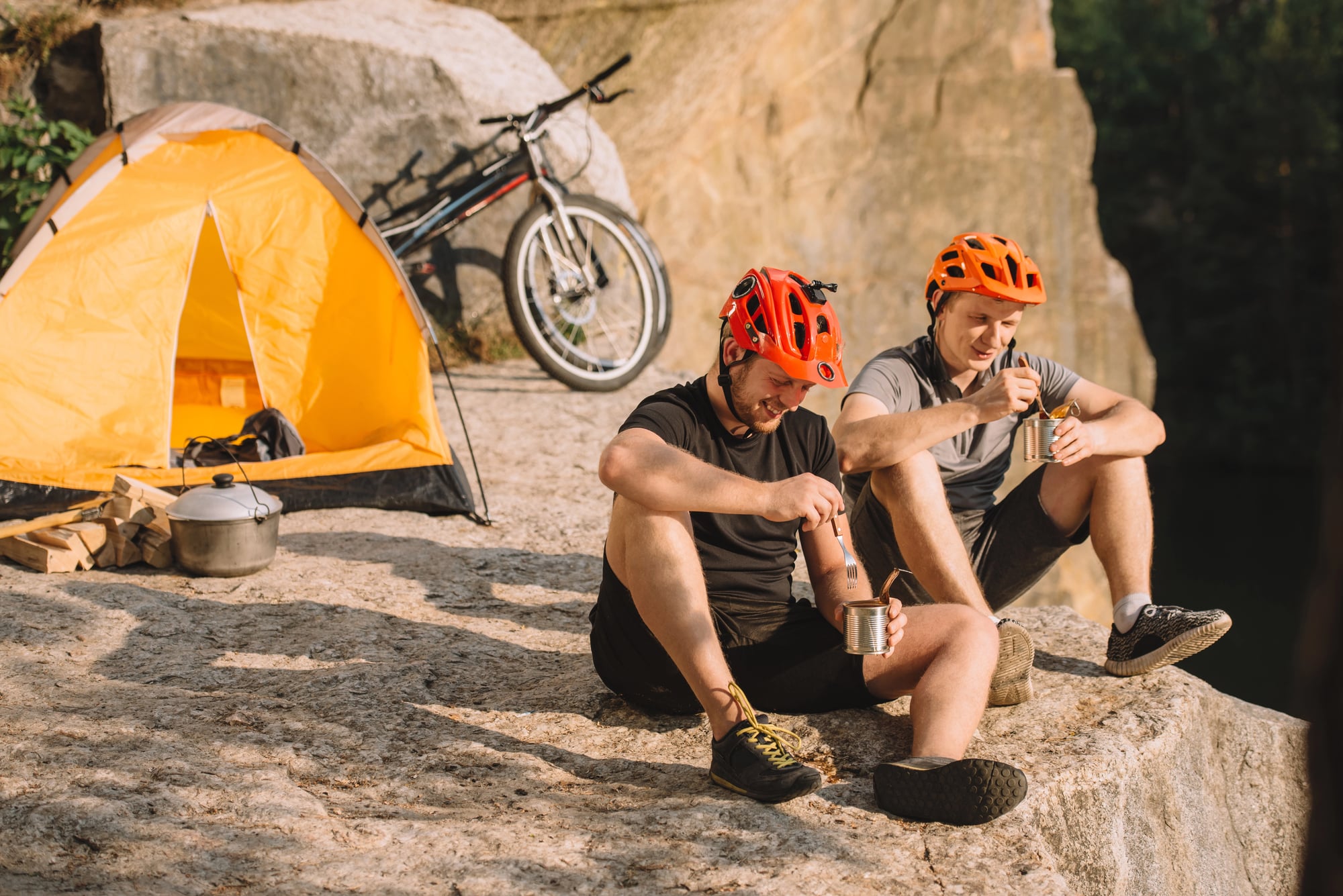
The practice of setting up tents on tiny ledges hundreds of feet above the ground has been banned in most national parks and climbing areas without special permits. The activity gained popularity through social media but resulted in several fatal falls during nighttime movement and equipment failures.
Yosemite National Park specifically prohibits unauthorized cliff camping on its famous walls after rescue attempts for stranded campers resulted in additional injuries to both participants and rescuers attempting to reach precarious positions.
Calculated Risks

The boundary between exhilarating challenge and unacceptable danger continues to shift as safety technology advances and our understanding of risk evolves. Many formerly banned activities have returned in modified forms with enhanced safety systems, suggesting prohibition often represents a temporary response rather than permanent judgment.
The psychology driving humans to test these limits remains a constant throughout history, ensuring that as certain extreme sports face restriction, innovative risk-takers will inevitably develop new ways to experience the ultimate adrenaline rush—ideally with somewhat better survival odds than their banned predecessors.
More from Go2Tutors!

- The Romanov Crown Jewels and Their Tragic Fate
- 13 Historical Mysteries That Science Still Can’t Solve
- Famous Hoaxes That Fooled the World for Years
- 15 Child Stars with Tragic Adult Lives
- 16 Famous Jewelry Pieces in History
Like Go2Tutors’s content? Follow us on MSN.



