17 Forgotten Websites That Once Ruled the Web
The internet looks completely different today than it did 15 or 20 years ago. Back then, sites like Google, Facebook, and YouTube were either non-existent or just getting started, while other platforms commanded millions of daily visitors and shaped how we experienced the web.
These digital dinosaurs weren’t just popular—they defined entire categories of online experience. Here is a list of 17 forgotten websites that once ruled the web before being overtaken by newer, shinier competitors.
AOL

America Online wasn’t just a website; it was the internet for millions of people in the ’90s and early 2000s. In the early days of the Internet, America Online (AOL) was the most popular internet service company and a well-known brand. It offered dial-up internet and a well-known instant message service.
AOL’s walled garden approach meant users often stayed within their ecosystem for email, chat rooms, and news rather than venturing into the broader web.
MySpace

Before Facebook dominated social media, MySpace was the undisputed king of social networking. The platform lets users customize their profiles with wild HTML designs, music playlists, and flashy backgrounds that often crash slower computers.
MySpace peaked around 2005-2008, when having someone in your ‘Top 8’ friends was serious social currency, especially among teenagers and musicians.
Like Go2Tutors’s content? Follow us on MSN.
GeoCities

GeoCities was like the first version of personal websites for regular people. Yahoo owned it for years before shutting it down in 2009, but during its heyday, it hosted millions of amateur websites organized into themed ‘neighborhoods.’
These sites were famous for their spinning GIF animations, rainbow text, and visitor counters that people checked obsessively.
AltaVista

Long before Google became synonymous with search, AltaVista was the go-to search engine for finding information online. It launched in 1995 and was actually quite advanced for its time, offering features like image search and translation tools.
However, Google’s cleaner interface and better search algorithm eventually made AltaVista irrelevant by the mid-2000s.
Ask Jeeves
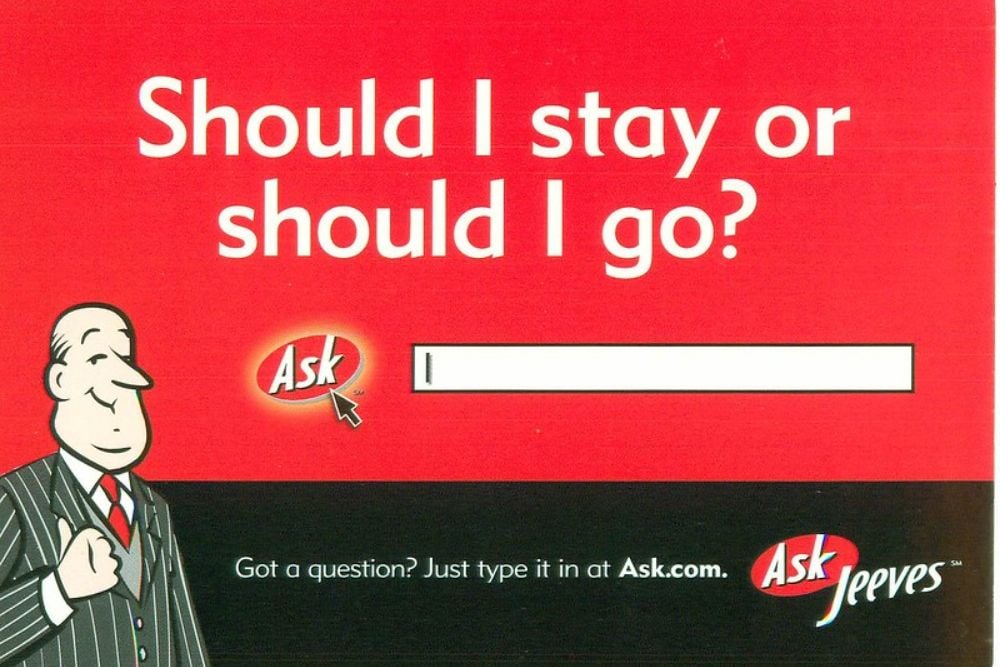
Ask Jeeves tried to make search more conversational by letting users type questions in plain English instead of keywords. The cartoon butler mascot, Jeeves, was supposed to help find answers to whatever you asked.
While the concept was clever, the execution never quite matched Google’s efficiency, and the site eventually dropped the butler and became simply Ask.com.
Like Go2Tutors’s content? Follow us on MSN.
Friendster
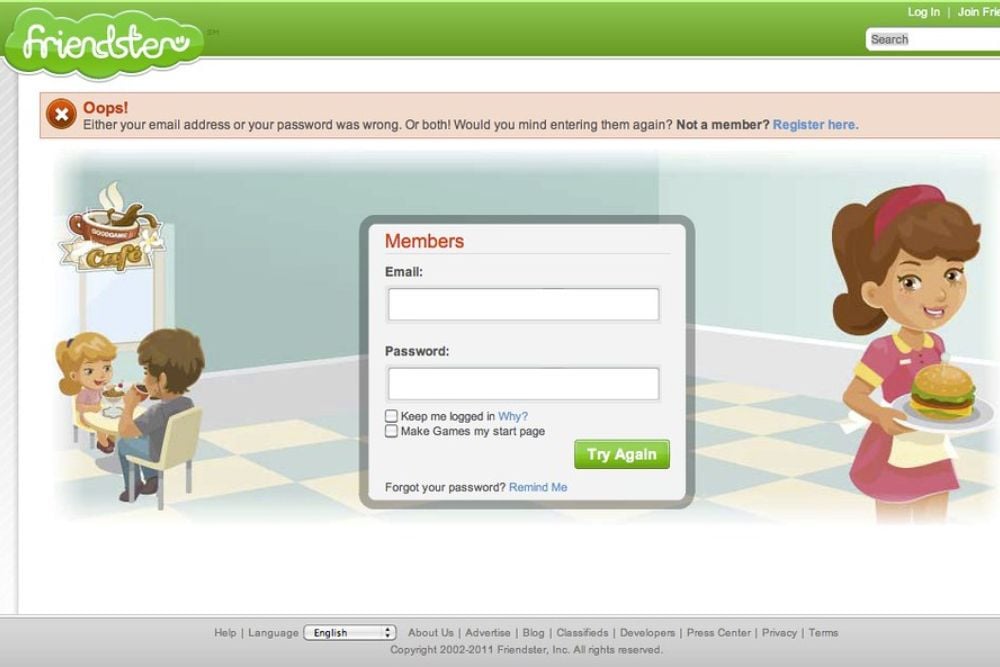
Friendster was a social networking service originally based in Mountain View, California, founded by Jonathan Abrams and launched in March 2003. It was essentially the Facebook before Facebook, letting users connect with friends and share content.
Technical problems and slow loading times killed its momentum just as MySpace was gaining popularity, showing how quickly internet users will abandon a platform that doesn’t work smoothly.
Digg
Digg pioneered the concept of social news sharing, where users could submit links and vote them up or down to determine what appeared on the front page. The site had massive influence over internet culture and could send so much traffic to smaller sites that it would crash their servers—a phenomenon known as the ‘Digg effect.’
A controversial redesign in 2010 drove users away to competitors like Reddit.
Lycos
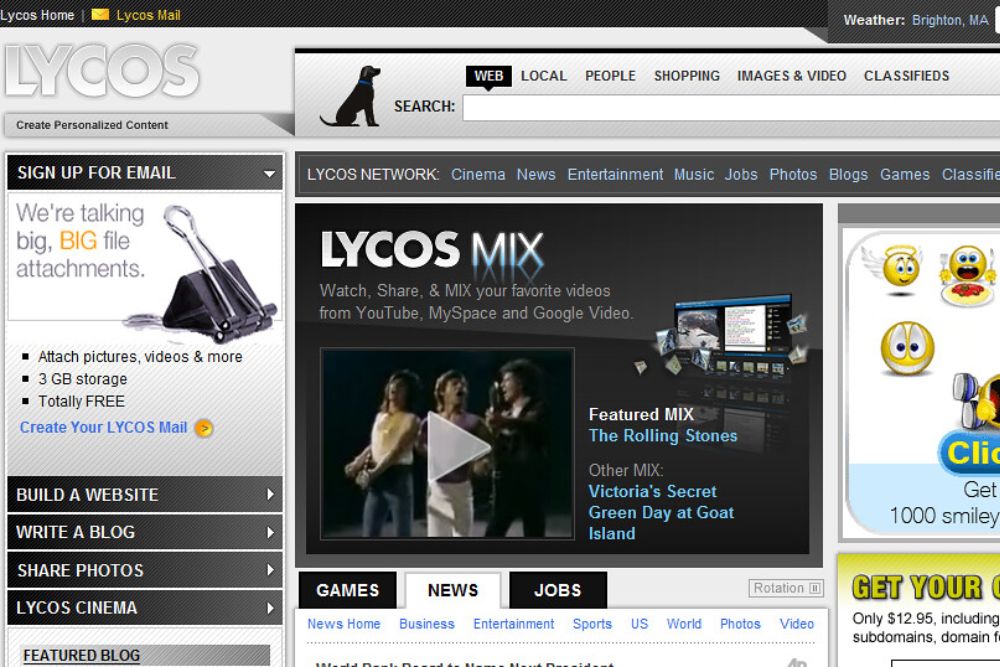
Lycos was one of the first major search engines and web portals, competing directly with Yahoo in the late ’90s. The company went all-in on being a comprehensive web destination with email, chat, and news, but it couldn’t keep up with Google’s superior search technology.
Lycos still exists today but is a shadow of its former self.
Like Go2Tutors’s content? Follow us on MSN.
Netscape
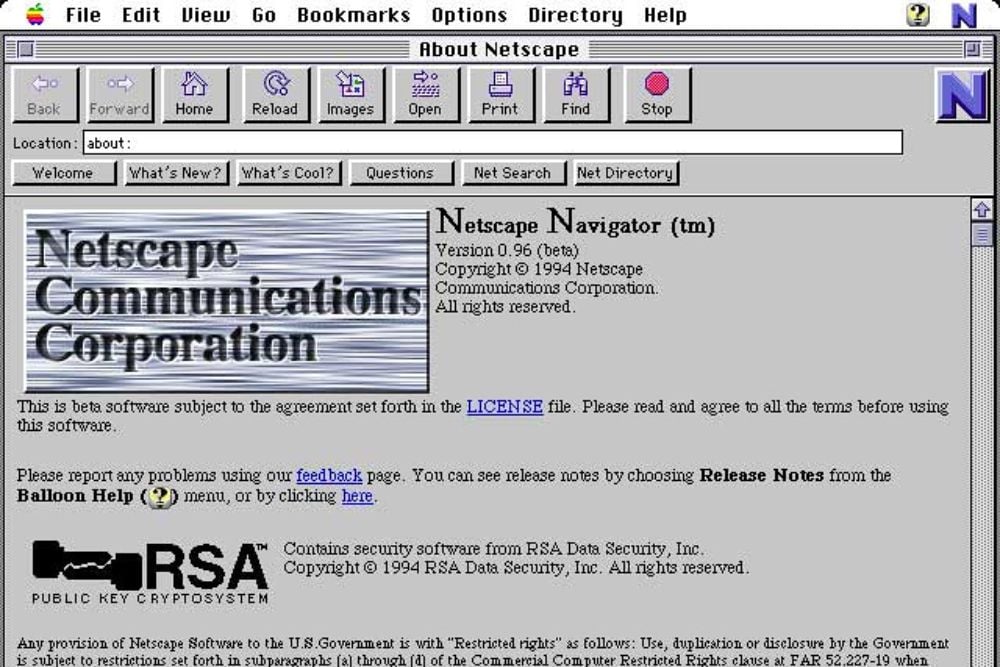
Netscape Navigator was the browser that introduced most people to the World Wide Web in the mid-’90s. The company’s IPO in 1995 essentially launched the dot-com boom, and for years, Netscape battled Microsoft’s Internet Explorer in the famous ‘browser wars.’
Microsoft’s decision to bundle Internet Explorer with Windows ultimately killed Netscape’s market share.
CompuServe
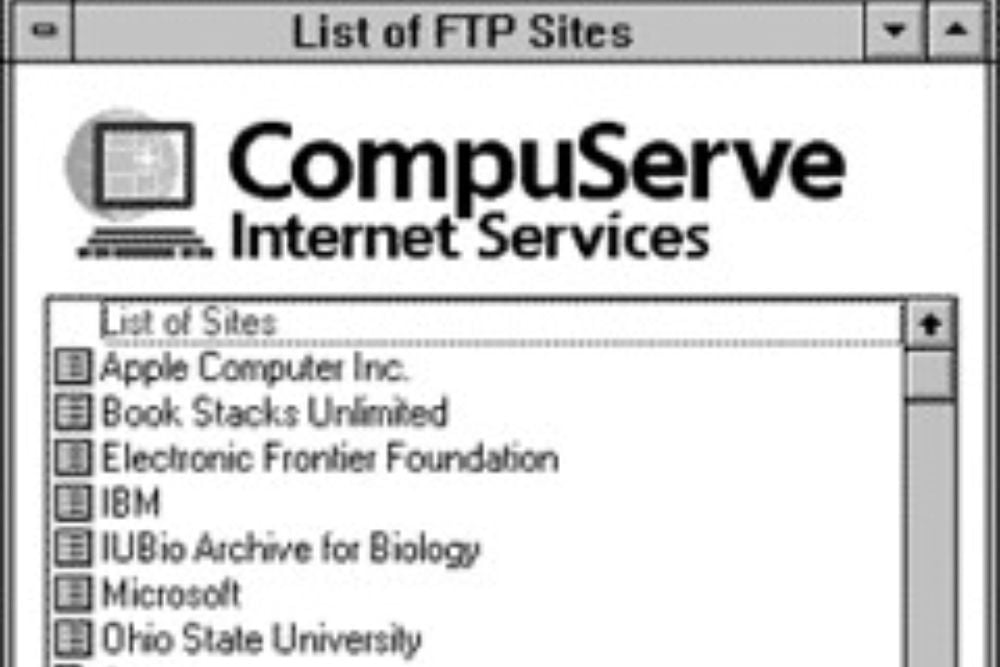
CompuServe was like the internet before the internet—a dial-up online service that connected users to forums, news, and basic web access. It was hugely popular among tech-savvy users and business professionals throughout the ’80s and early ’90s.
AOL’s more user-friendly approach eventually made CompuServe seem outdated and overly technical.
Excite
Excite was another major search engine and web portal that competed with Yahoo and Lycos during the dot-com era. The site offered search, email, news, and other services, but never developed the clean, focused approach that made Google successful.
Excite’s cluttered interface and slower search results couldn’t compete once better alternatives emerged.
Like Go2Tutors’s content? Follow us on MSN.
Webshots
Before Instagram and Flickr, Webshots was where people went to share and view digital photos online. The site hosted millions of user-uploaded images and offered desktop wallpapers that people downloaded constantly.
Social media platforms with built-in photo sharing eventually made standalone photo sites like Webshots unnecessary.
Kazaa
Kazaa was the file-sharing program that let millions of people download music, movies, and software—often illegally. While not technically a website, Kazaa’s peer-to-peer network was accessed through downloaded software and became synonymous with digital piracy in the early 2000s.
Legal pressure and the rise of legitimate streaming services eventually shut down most file-sharing networks.
LiveJournal

LiveJournal was the blogging platform of choice for millions of users who wanted to share their thoughts, poetry, and daily experiences online. The site had a strong community feel with friend networks and comment threads that fostered real relationships.
Platforms like Facebook and Twitter eventually absorbed much of LiveJournal’s social functionality, while WordPress became the go-to for serious bloggers.
Like Go2Tutors’s content? Follow us on MSN.
ICQ

ICQ wasn’t a website but rather an instant messaging program that predated AOL Instant Messenger and became wildly popular internationally. The ‘uh-oh’ notification sound was instantly recognizable to anyone who used the internet in the late ’90s.
Skype, and later WhatsApp and other messaging apps, eventually made ICQ feel ancient and clunky.
Angelfire
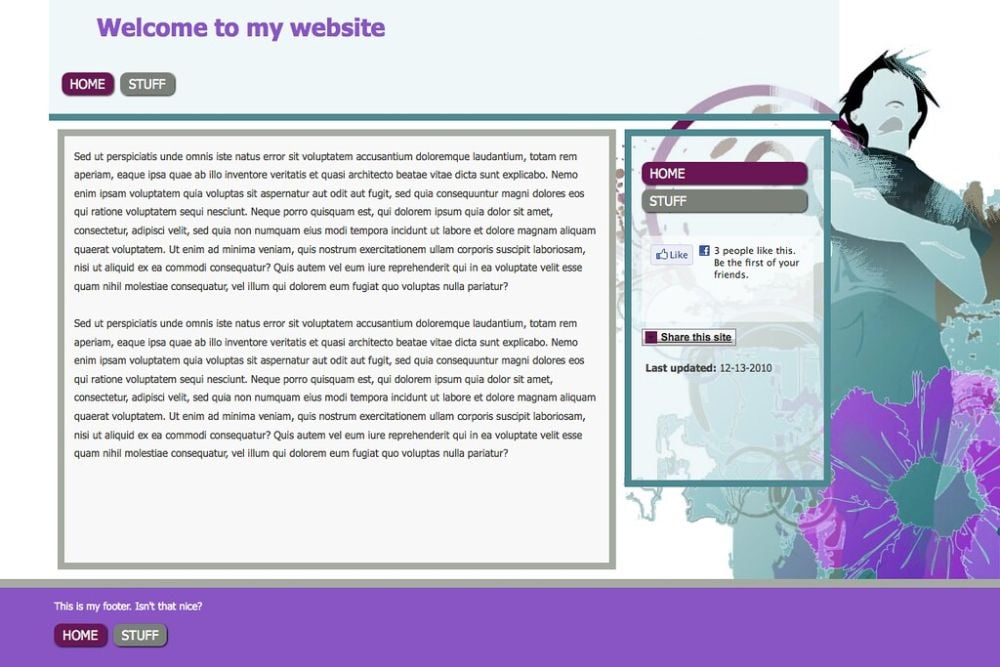
Angelfire was another free web hosting service that competed with GeoCities for amateur website creators. The platform was known for its simple website building tools and the infamous Angelfire banner ads that appeared on every free site.
Like GeoCities, most Angelfire sites were wonderfully terrible examples of early web design, complete with auto-playing MIDI files and animated backgrounds.
Altavista’s Babel Fish
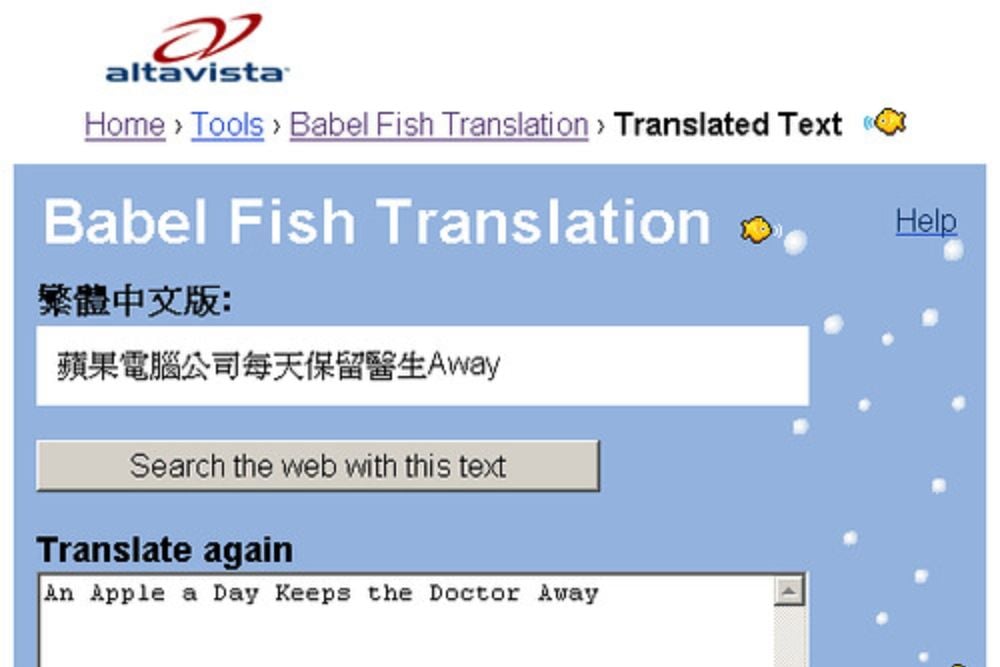
While technically part of AltaVista, Babel Fish deserves its own mention as one of the first online translation tools that regular people actually used. The service could translate text between dozens of languages instantly, though the results were often hilariously inaccurate.
Google Translate eventually provided much better translations and made Babel Fish obsolete.
Like Go2Tutors’s content? Follow us on MSN.
When Giants Fall and New Ones Rise

These forgotten websites remind us that internet dominance is never permanent. The great can fail, for example CompuServe, Geocities, Lycos, Netscape, AOL, Google+, Del.icio.us, Yahoo (without Alibaba’s revenue), DIGG, Ask Jeeves, AltaVista, Friendster, and MYSPACE to name a few.
Each of these platforms seemed unstoppable during their peak years, yet they all eventually succumbed to better technology, changing user preferences, or simple business mistakes. Today’s internet giants would do well to remember that the web’s only constant is change, and what seems permanent today might be tomorrow’s digital fossil.
More from Go2Tutors!

- 16 Historical Figures Who Were Nothing Like You Think
- 12 Things Sold in the 80s That Are Now Illegal
- 15 VHS Tapes That Could Be Worth Thousands
- 17 Historical “What Ifs” That Would Have Changed Everything
- 18 TV Shows That Vanished Without a Finale
Like Go2Tutors’s content? Follow us on MSN.