17 Strange Habits of Powerful Historical Figures
History books love to tell us about the grand achievements and world-changing decisions of influential leaders, but they usually skip over the weird personal quirks that made these figures human. Behind every statue and portrait was a real person with bizarre daily routines, odd obsessions, and habits that would raise eyebrows today. From Napoleon’s battlefield candy addiction to Tesla’s romantic relationship with a pigeon, these powerful figures proved that genius often comes with a hefty dose of eccentricity.
The truth is, many of history’s most influential people had personal habits that were downright strange. Here’s a list of 17 bizarre behaviors that reveal the surprisingly human side of power.
Napoleon’s Licorice Obsession
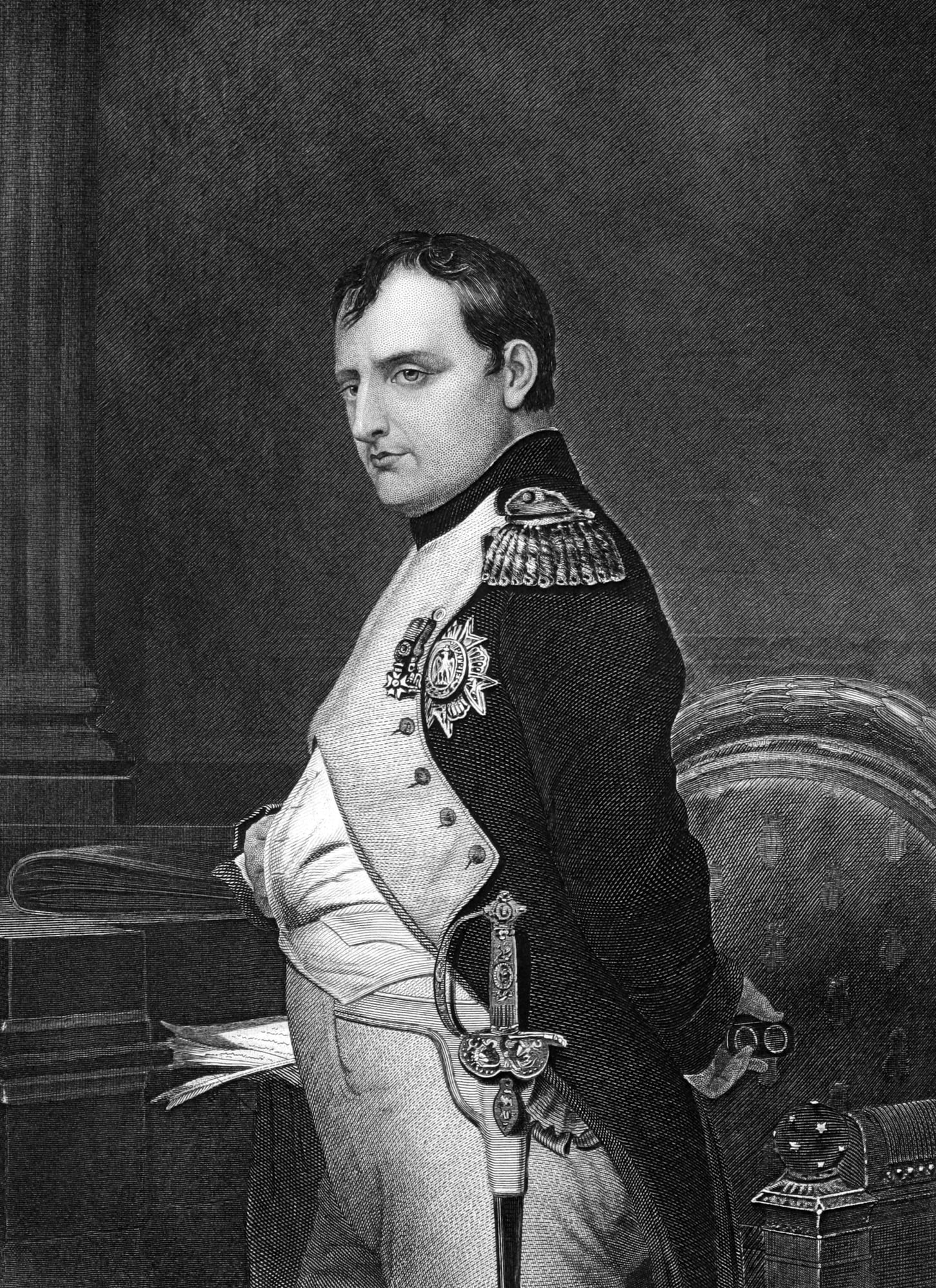
The great military strategist had a sweet weakness that followed him everywhere, including into battle. Napoleon Bonaparte carried licorice lozenges with him during his most important military campaigns, often reaching for the candy during intense moments of warfare.
His love for this particular treat was so well-known among his staff that they made sure to keep a steady supply available even in the most remote battlefields.
Benjamin Franklin’s Air Baths
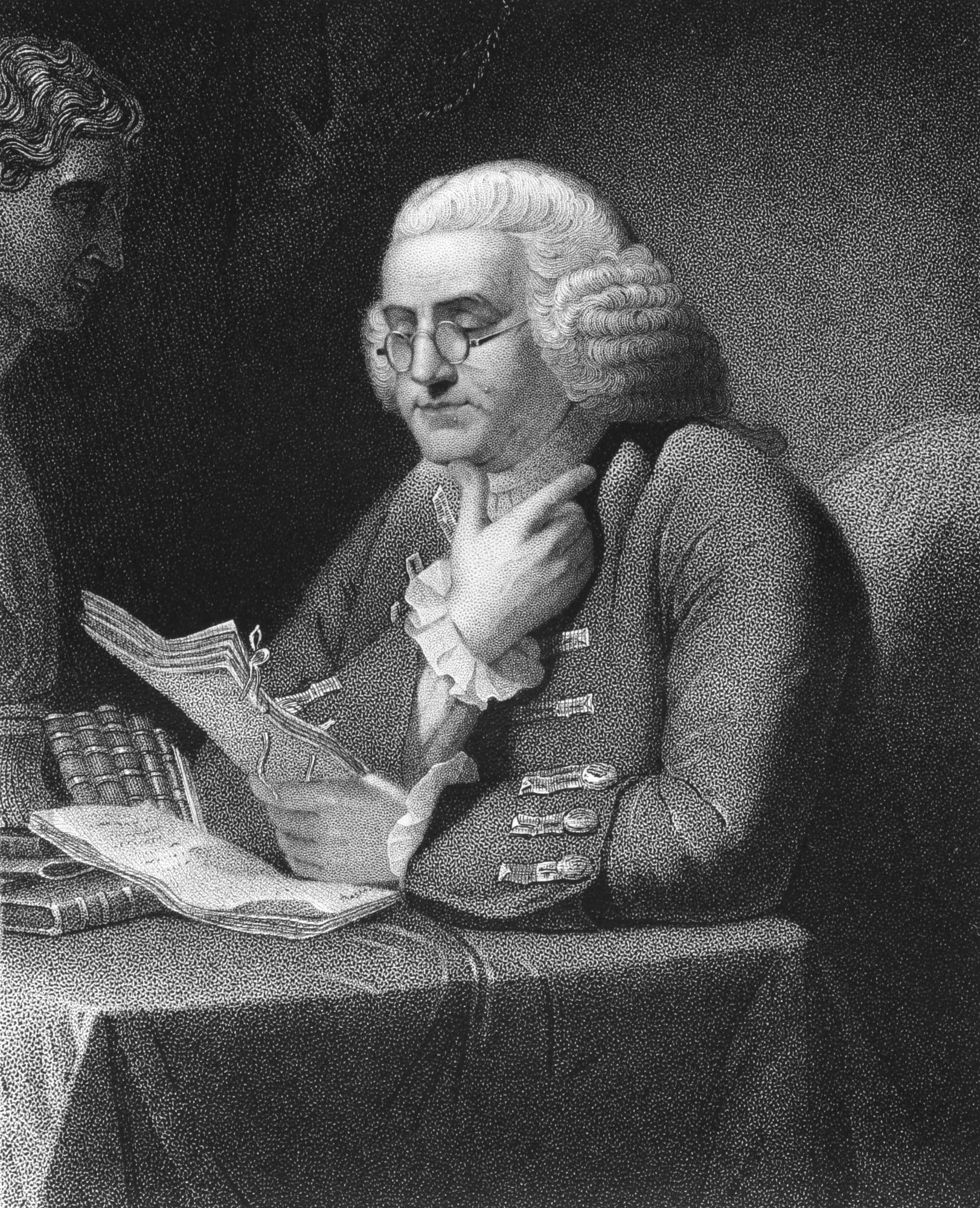
One of America’s founding fathers had a morning routine that would shock his Philadelphia neighbors. Franklin believed in taking ‘air baths,’ which involved sitting completely unclothed by an open window for up to an hour each morning, regardless of the weather.
He was convinced this practice strengthened his immune system and prevented illness, considering it essential to his daily health regimen.
Tesla’s Pigeon Romance

The brilliant inventor formed deep emotional connections with pigeons, particularly one white pigeon he claimed was the love of his life. Nikola Tesla spent his final years in New York hotel rooms, caring for injured pigeons and feeding flocks in nearby parks.
When his beloved white pigeon died, Tesla mourned the loss so deeply that he considered it a cosmic tragedy and believed his life’s work was finished.
Like Go2Tutors’s content? Follow us on MSN.
Churchill’s Undressed Dictation
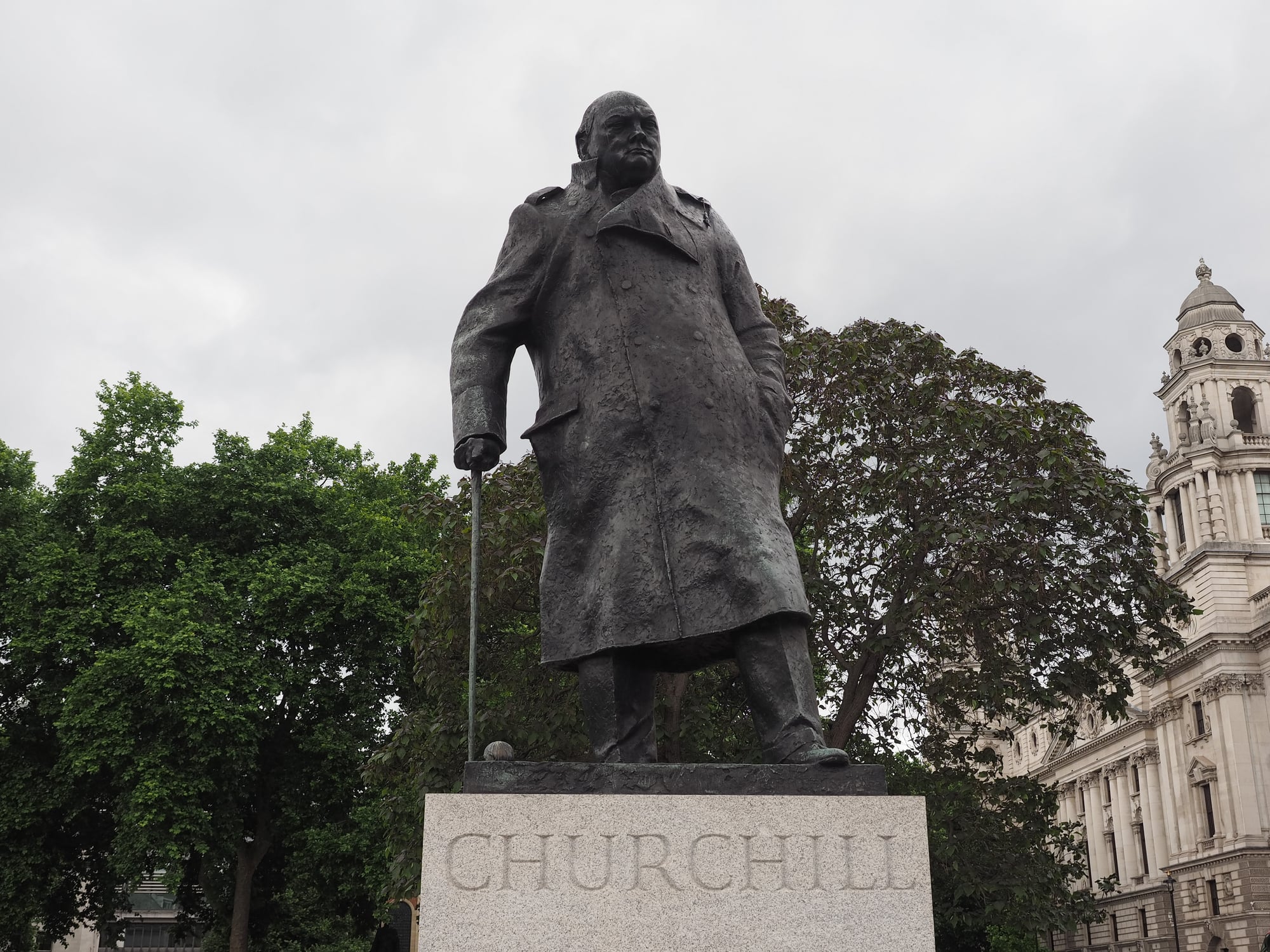
Britain’s wartime leader had zero shame about conducting official business while undressed. Winston Churchill regularly emerged from his bath and dictated speeches, letters, and important government correspondence while completely without clothing.
His staff became accustomed to taking notes while their Prime Minister paced around his room in his natural state, treating it as just another day at the office.
Dickens’ Obsessive Arrangements
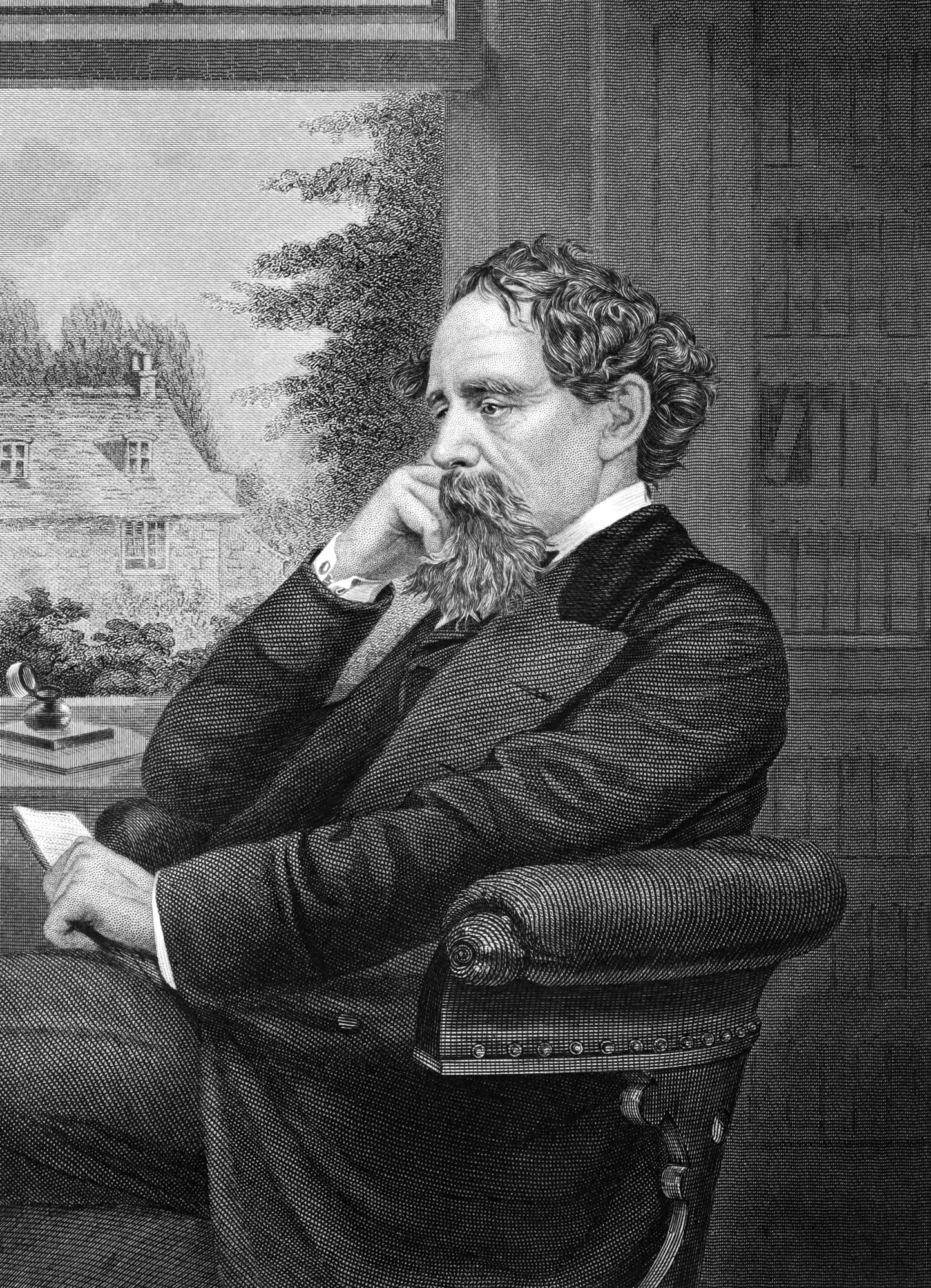
The beloved author couldn’t write unless everything in his workspace was perfectly positioned. Charles Dickens demanded absolute silence during his strict 9 a.m. to 2 p.m. writing hours and required his pens, ink, and collection of small statuettes to be arranged in exactly the same way on his desk every single day.
He carried these talismans everywhere he traveled and would rearrange hotel furniture to recreate his home office layout as closely as possible.
Edison’s Soup Test
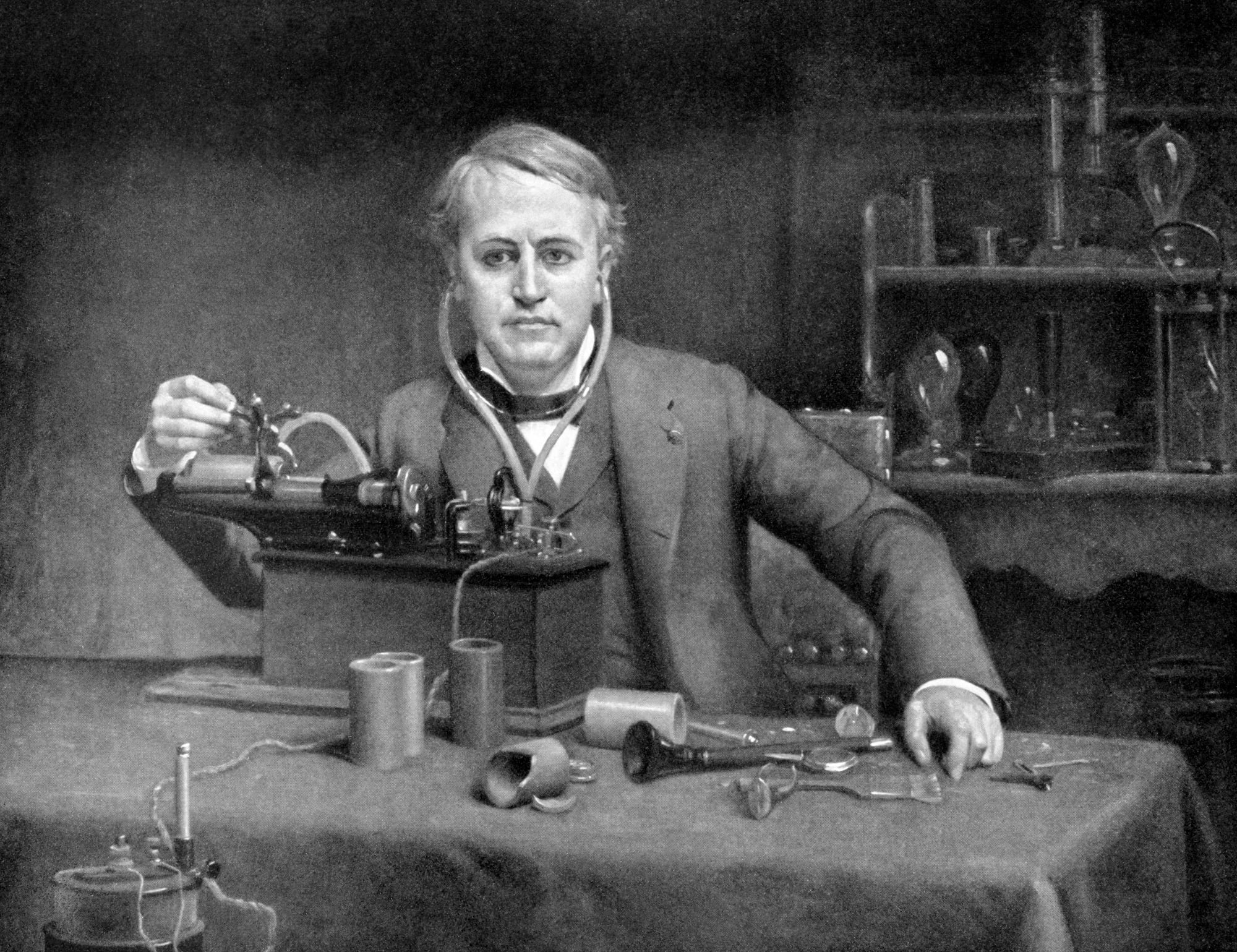
The famous inventor had an unusual way of screening potential employees during job interviews. Thomas Edison required every applicant for research positions to eat a bowl of soup while he watched carefully.
If they added salt before tasting it, they were immediately rejected from consideration. Edison believed this simple test revealed whether candidates made assumptions before gathering facts, a trait he considered essential for scientific work.
Like Go2Tutors’s content? Follow us on MSN.
Einstein’s Sockless Philosophy
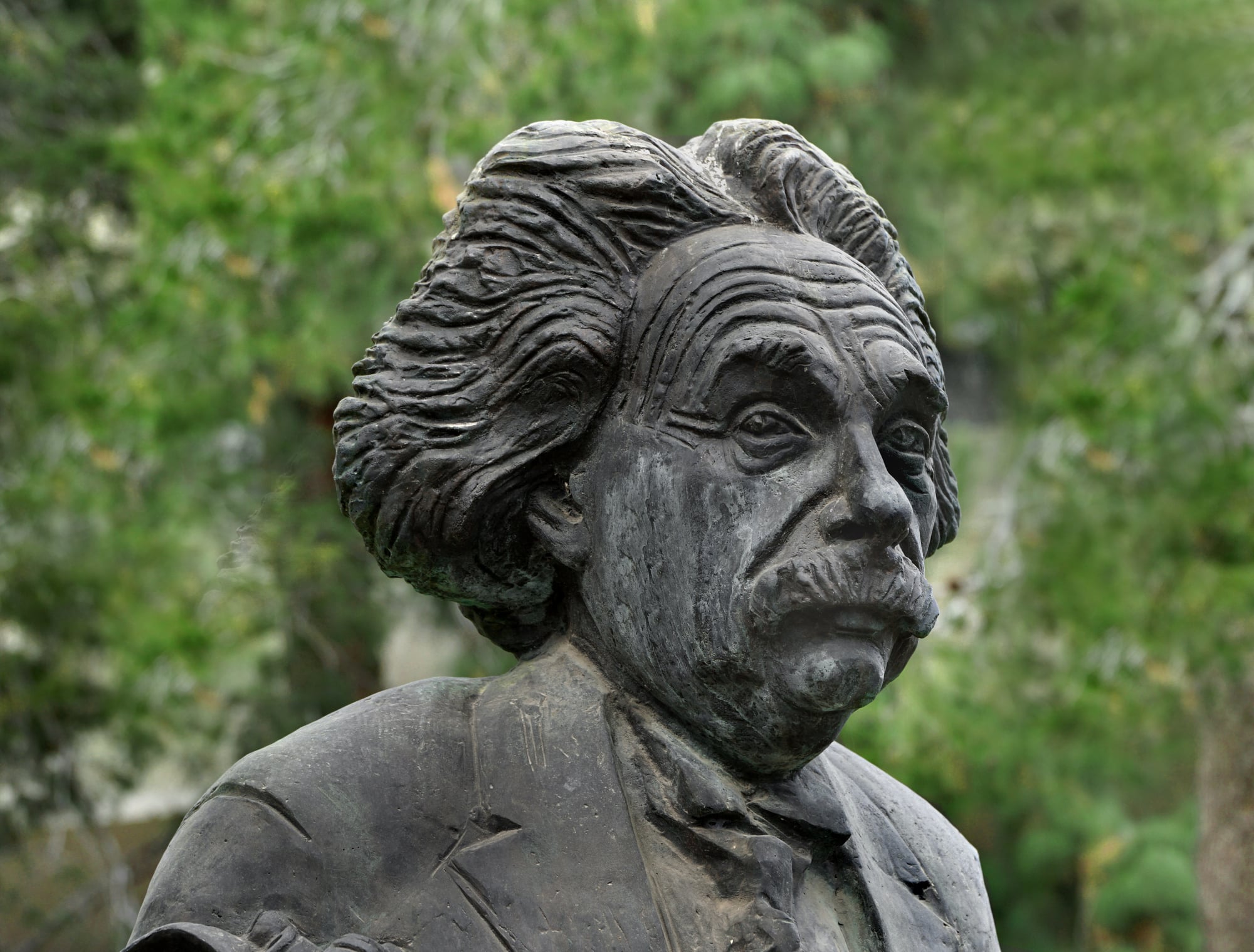
One of history’s greatest minds had strong opinions about foot coverings. Albert Einstein rarely wore socks, believing them to be an unnecessary hassle that served no real purpose.
He maintained this sockless lifestyle throughout his adult years, even in cold weather, considering it a matter of personal comfort and freedom from pointless social conventions.
Beethoven’s Coffee Ritual

The great composer started each day with an elaborate coffee preparation ceremony. Ludwig van Beethoven obsessively counted out exactly 60 coffee beans by hand every morning for his daily cup, believing this precise number was essential for the perfect brew.
After his coffee ritual, he would take long walks through the countryside, often stopping to jot down musical ideas in his large sketchbook.
Marie Antoinette’s Miniature Menagerie

The last Queen of France collected tiny animals like other people collected jewelry. Marie Antoinette kept a private menagerie of miniature creatures in her palace apartments, including small dogs, cows, and even a tiny giraffe.
She spent hours playing with these diminutive pets, treating them as her personal entertainment during the increasingly tense political climate of pre-revolutionary France.
Like Go2Tutors’s content? Follow us on MSN.
John Quincy Adams’ Dawn Swimming
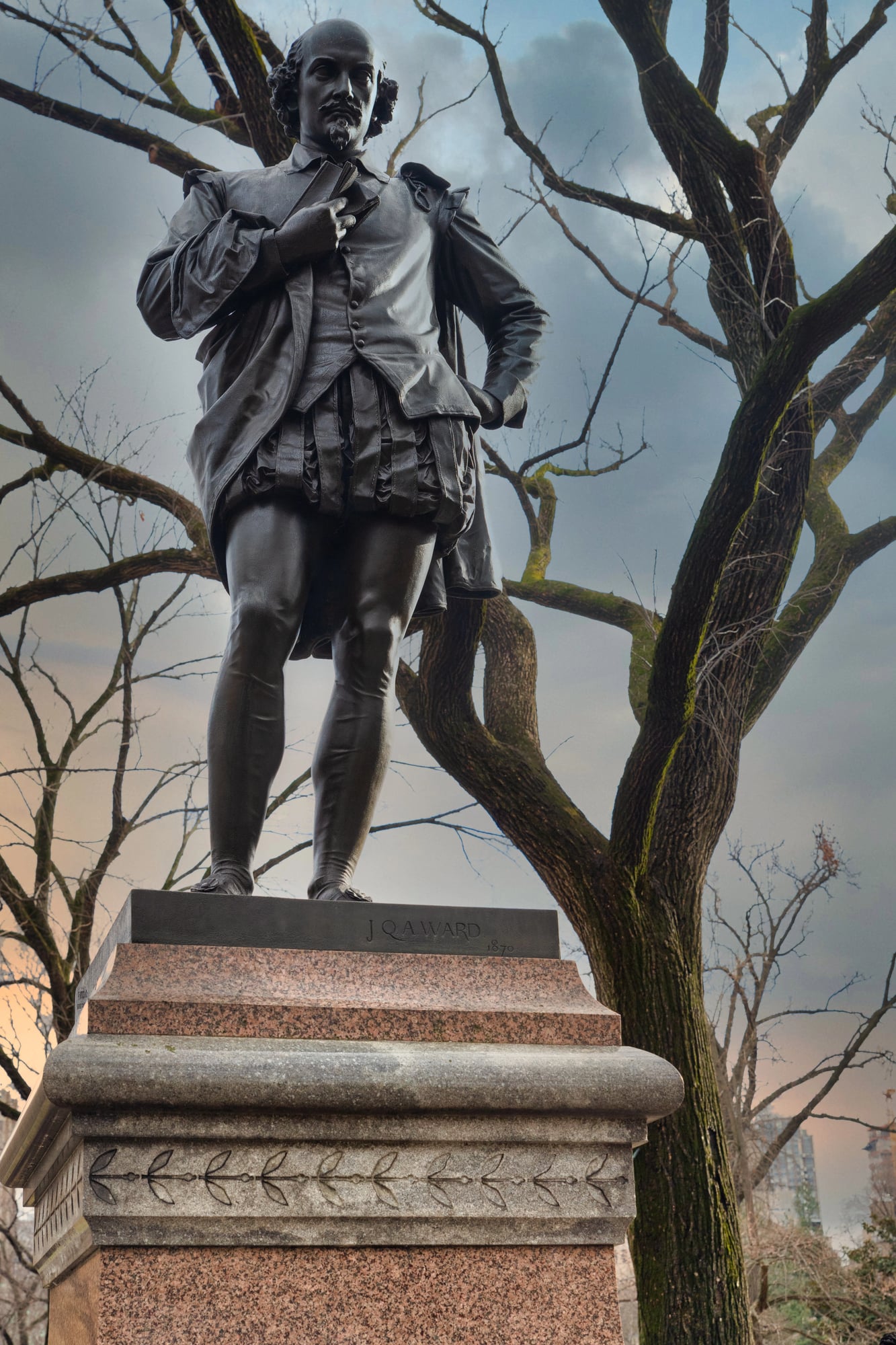
The sixth U.S. President had a morning routine that would scandalize modern politicians. John Quincy Adams swam without clothing in the Potomac River every morning at 5 a.m., believing the cold water energized him for presidential duties.
His routine became legendary when journalist Anne Royall sat on his clothes by the riverbank and refused to return them until he granted her an interview.
Lyndon Johnson’s Bathroom Meetings

LBJ redefined the concept of presidential accessibility by conducting official business in the most private of spaces. Lyndon B. Johnson regularly held meetings with advisors while seated in his private washroom, considering it an efficient use of time and part of his intimidating ‘Johnson treatment’ political strategy.
He even had phones installed in White House washrooms and continued conversations while bathing.
Tesla’s Number Three Compulsion

Beyond his pigeon romance, Tesla had an intense obsession with the number three that governed his daily life. He would walk around buildings three times before entering, demanded hotel rooms with numbers divisible by three, and used exactly 18 napkins at every meal (three sets of six).
This compulsion extended to his work, where he often incorporated mathematical relationships based on three into his inventions.
Like Go2Tutors’s content? Follow us on MSN.
Catherine the Great’s Golden Bathroom
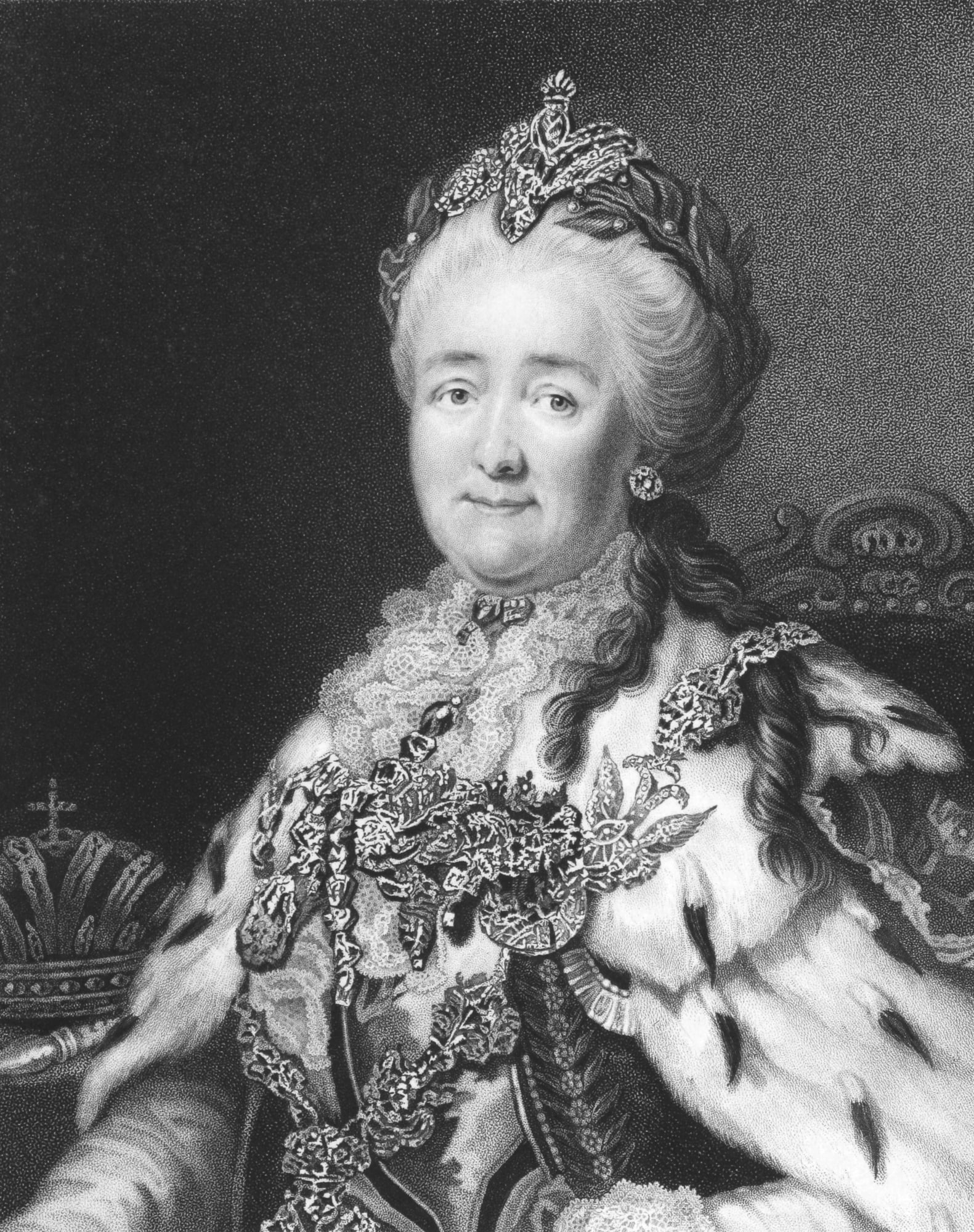
Russia’s powerful empress never compromised on luxury, even in the most private moments. Catherine the Great traveled with a custom-made golden washroom setup and an entire set of personalized hygiene tools wherever she went across her vast empire.
Her elaborate bathroom rituals and obsession with cleanliness became legendary among European royalty, setting new standards for imperial luxury.
Salvador Dalí’s Paranoid-Critical Method

The surrealist master turned mental instability into artistic technique. Salvador Dalí deliberately worked himself into paranoid states by brooding over bizarre and illogical thoughts until feelings of ‘concrete irrationality’ overwhelmed him, then painted the strange visions these episodes produced.
He also used a key-dropping technique while napping, holding a metal key over a tin pan so the noise would wake him when he began to drift off, allowing him to capture dream imagery.
Lord Byron’s Exotic Pets
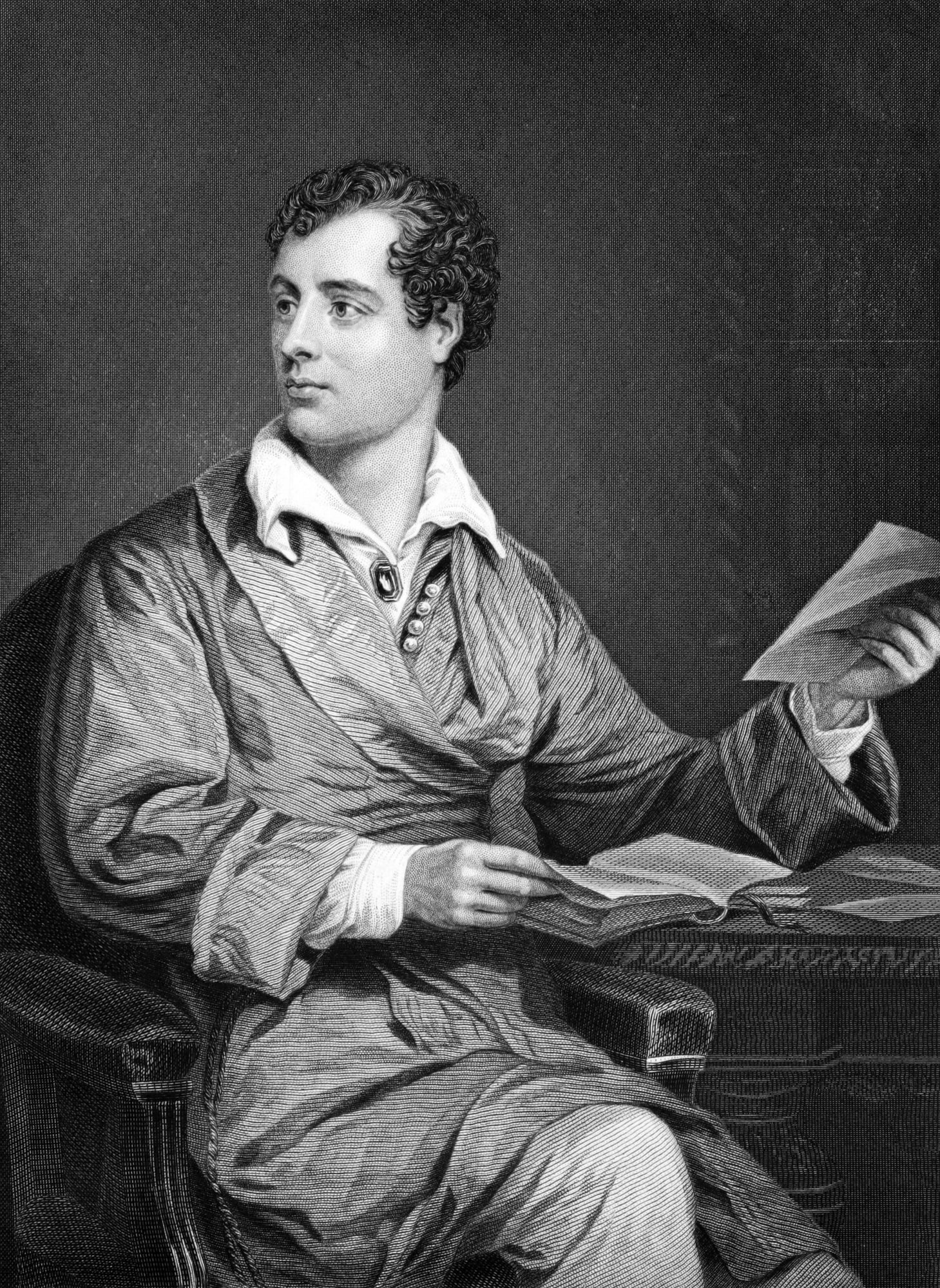
When Cambridge University banned dogs, the rebellious poet found a creative loophole. Lord Byron brought a tame bear to university and walked it around campus like a loyal companion, defying the pet prohibition through technicality.
He later traveled with an extensive menagerie including monkeys, a fox, and various other exotic animals, treating them as his extended family.
Like Go2Tutors’s content? Follow us on MSN.
General Blucher’s Elephant Delusion

One of Napoleon’s most effective opponents suffered from bizarre mental episodes that his troops learned to ignore. Prussian General Gebhard von Blücher sometimes believed he was pregnant with a baby elephant and would pace around keeping his feet raised, convinced that French spies had heated his floor to lava-like temperatures.
Despite these episodes, his military brilliance at Waterloo helped defeat Napoleon.
Rasputin’s Deliberate Filth

The Russian mystic turned poor hygiene into a spiritual practice. Grigori Rasputin deliberately avoided bathing or changing clothes for months at a time, believing his powerful body odor was a sign of natural vitality and spiritual power.
His intentional uncleanliness became part of his carefully cultivated image as a holy man detached from worldly concerns, both repulsing and fascinating the Russian aristocracy.
The Genius Behind the Madness

These strange habits remind us that extraordinary achievements often come from minds that process the world differently. What seemed eccentric to their contemporaries might have been the very quirks that enabled these figures to think outside conventional boundaries and change history.
Whether it was Franklin’s fresh air obsession or Tesla’s numerical compulsions, these bizarre behaviors were often inseparable from the brilliance that made these individuals legendary. Their oddities prove that being powerful doesn’t mean being normal—sometimes it’s quite the opposite.
More from Go2Tutors!

- 18 Unexpectedly Valuable Collectibles You Might Have Lying Around
- 20 Little-Known Historical Battles That Had Huge Consequences
- 20 Historical Artifacts That Scientists Can’t Explain
- 15 Inventions That Were Immediately Banned After Being Created
- 20 Actors Who Were Almost Cast in Iconic Roles
Like Go2Tutors’s content? Follow us on MSN.