17 Hidden Facts About the Sydney Opera House Design
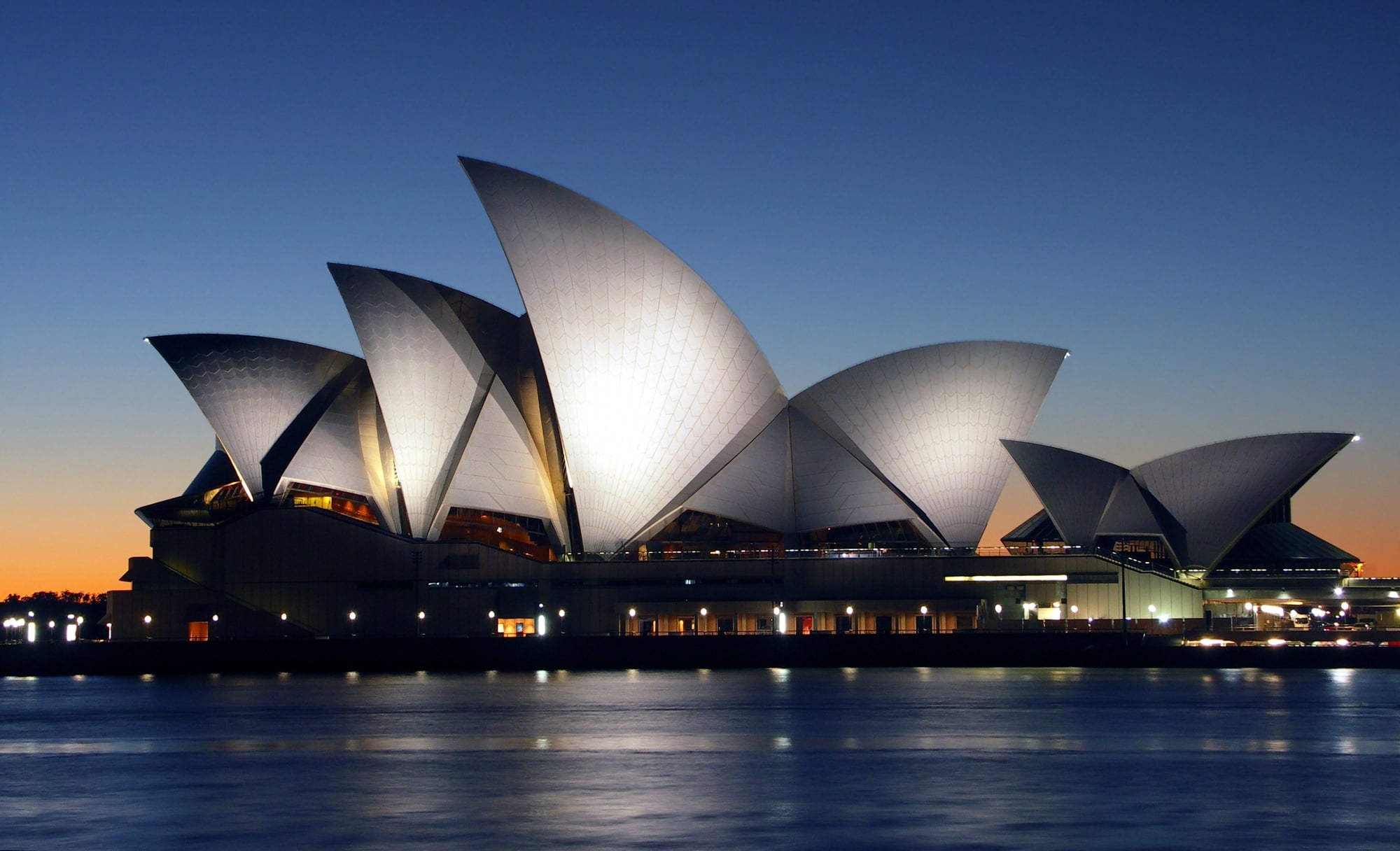
Most people see the Sydney Opera House and think they know what they’re looking at. The white shells rise from Sydney Harbour like sails catching wind, and that feels like enough of a story.
But the building’s design holds secrets that even frequent visitors miss — details that reveal how close this architectural icon came to never existing at all.
The Winning Design Was Technically Impossible to Build
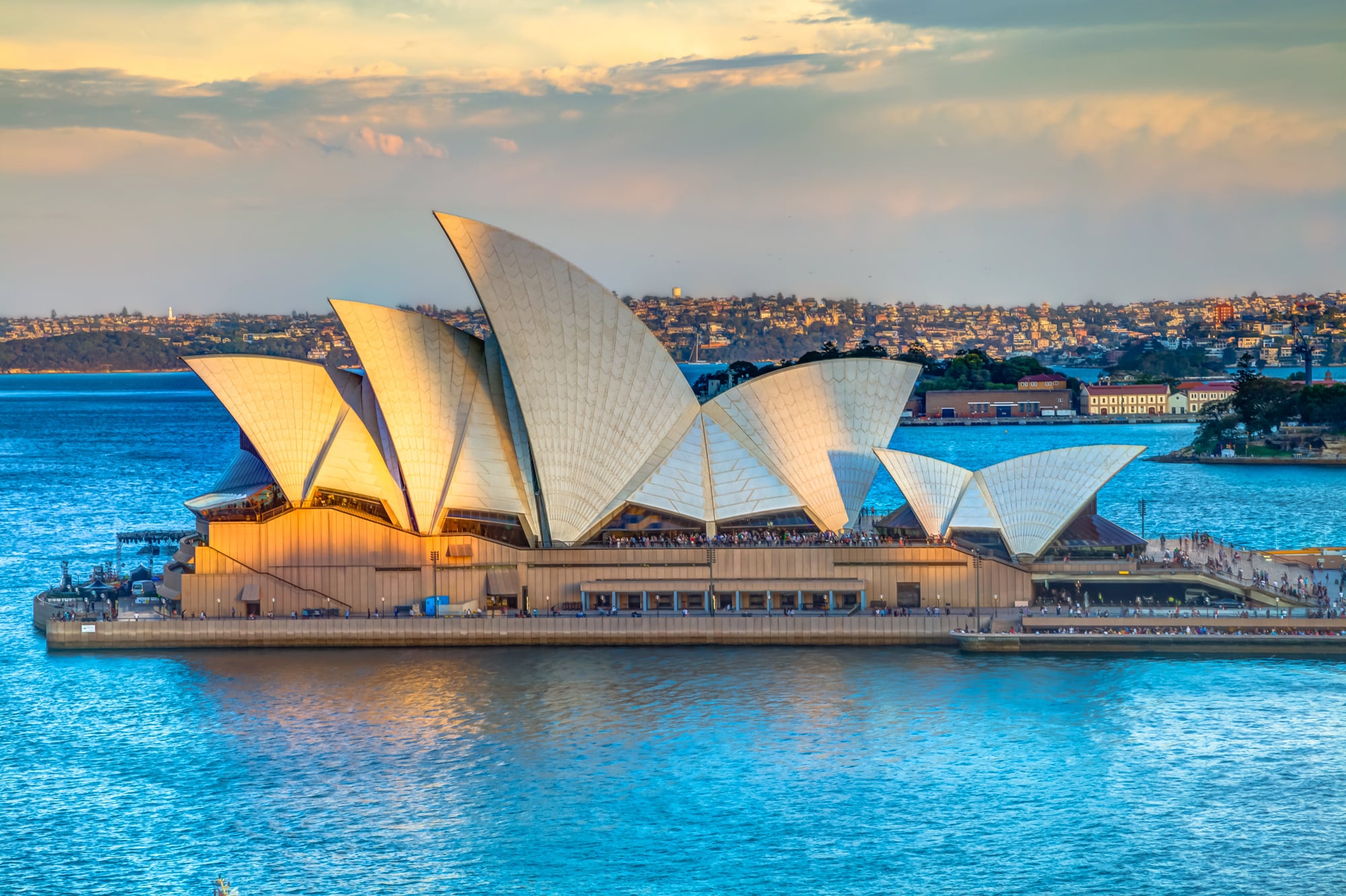
Jørn Utzon’s 1957 competition entry looked stunning on paper. The structural engineering didn’t exist yet.
His famous shells were drawn as free-form curves that no one knew how to construct, but the judges picked it anyway because it looked unlike anything else on earth.
The Shell Problem Took Six Years to Solve
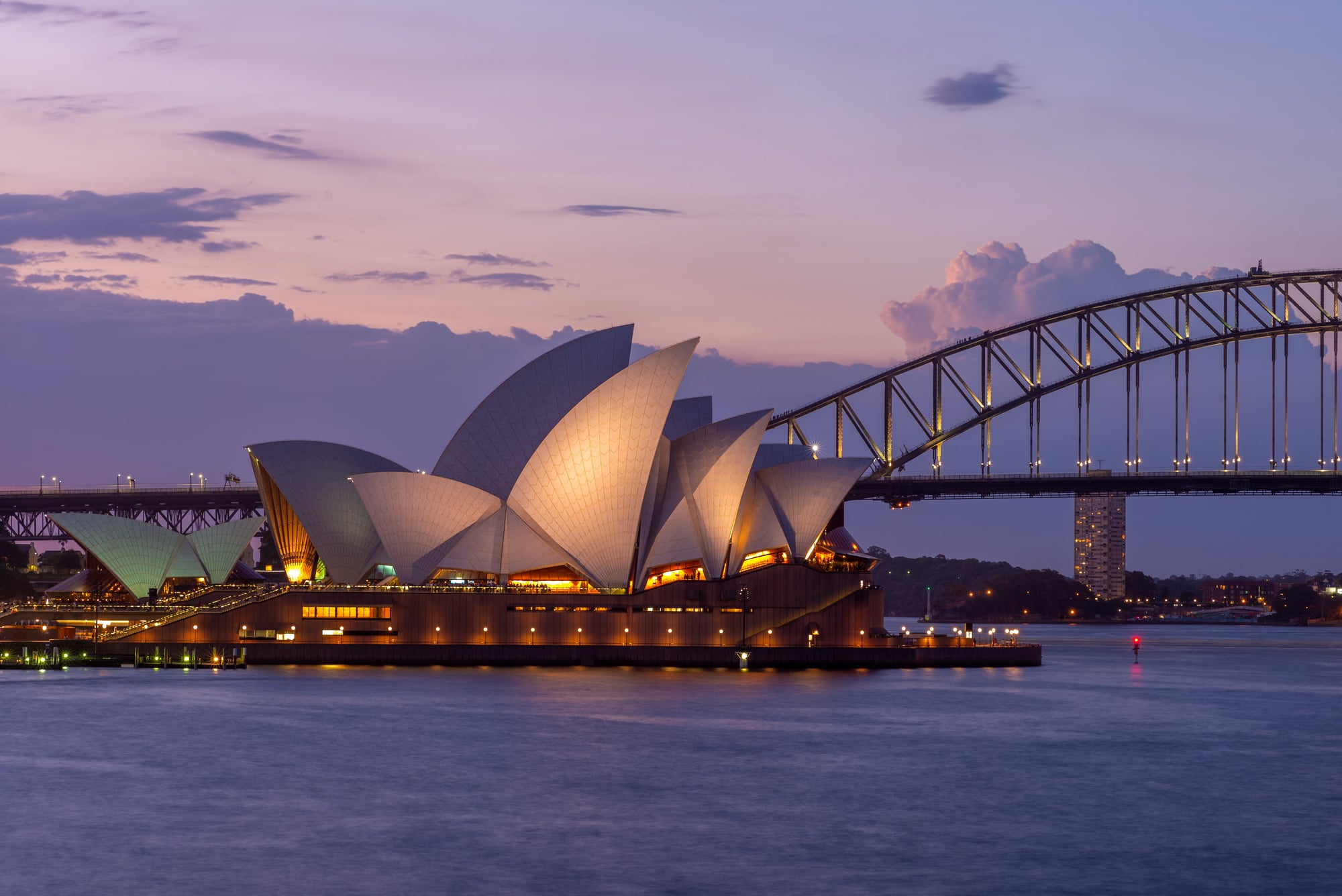
The original design assumed the shells would be built as thin concrete membranes (a technique that proved impossible at that scale and complexity, given the engineering knowledge of the time). Engineers spent years trying different approaches before Utzon had his breakthrough: every shell could be cut from the surface of a single sphere.
So instead of dozens of unique curves, they were all sections of one massive orb— which meant they could actually be built using repeatable techniques and precast concrete segments.
But here’s where it gets interesting: this solution completely changed the building’s proportions, and not everyone was thrilled about that. The shells became taller and more pointed than Utzon originally intended, which gave the Opera House its distinctive profile — the one everyone recognizes today — but also sparked heated debates about whether the new geometry was as elegant as the original concept.
The Tiles Were Designed to Change Color Throughout the Day
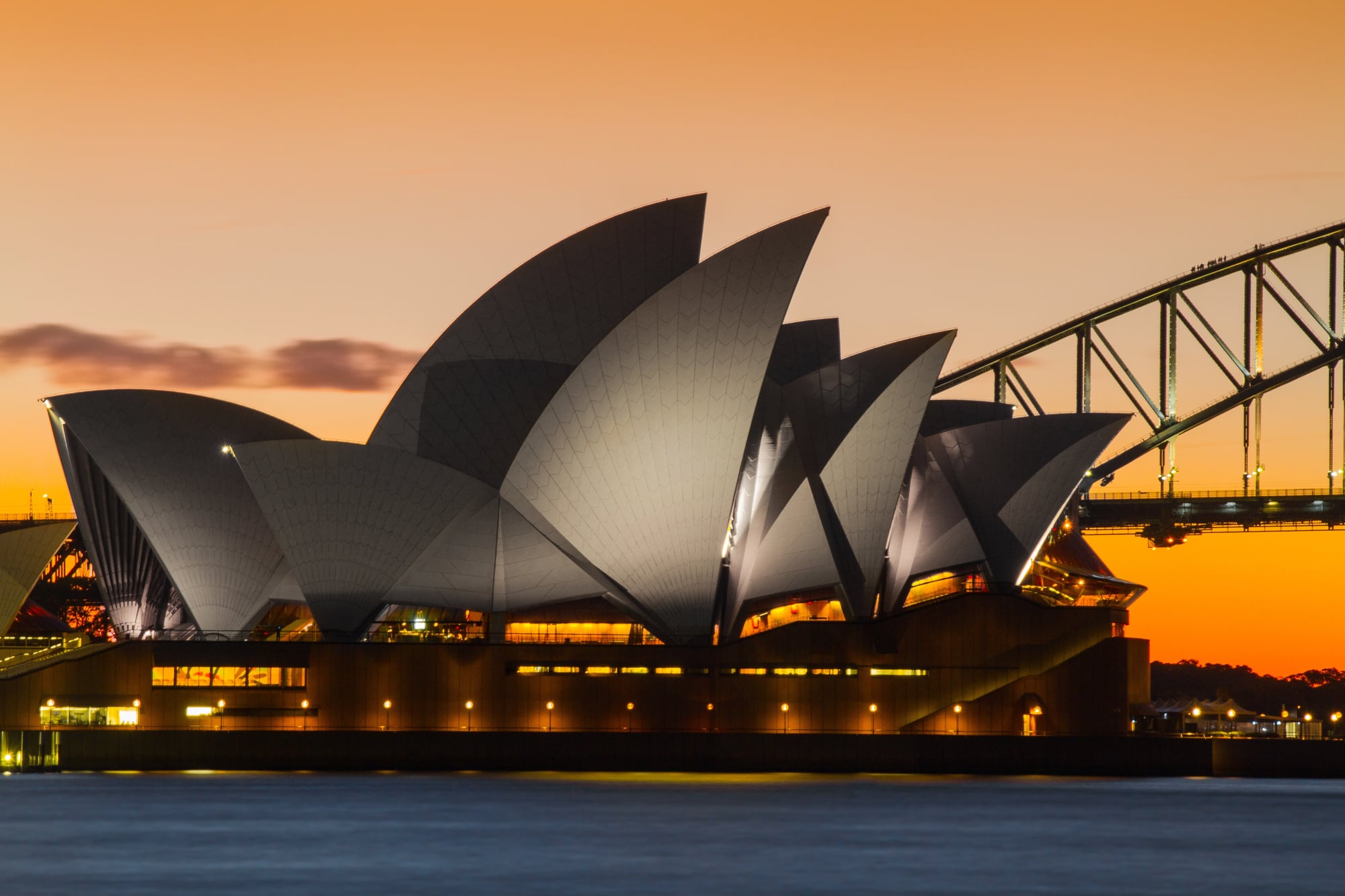
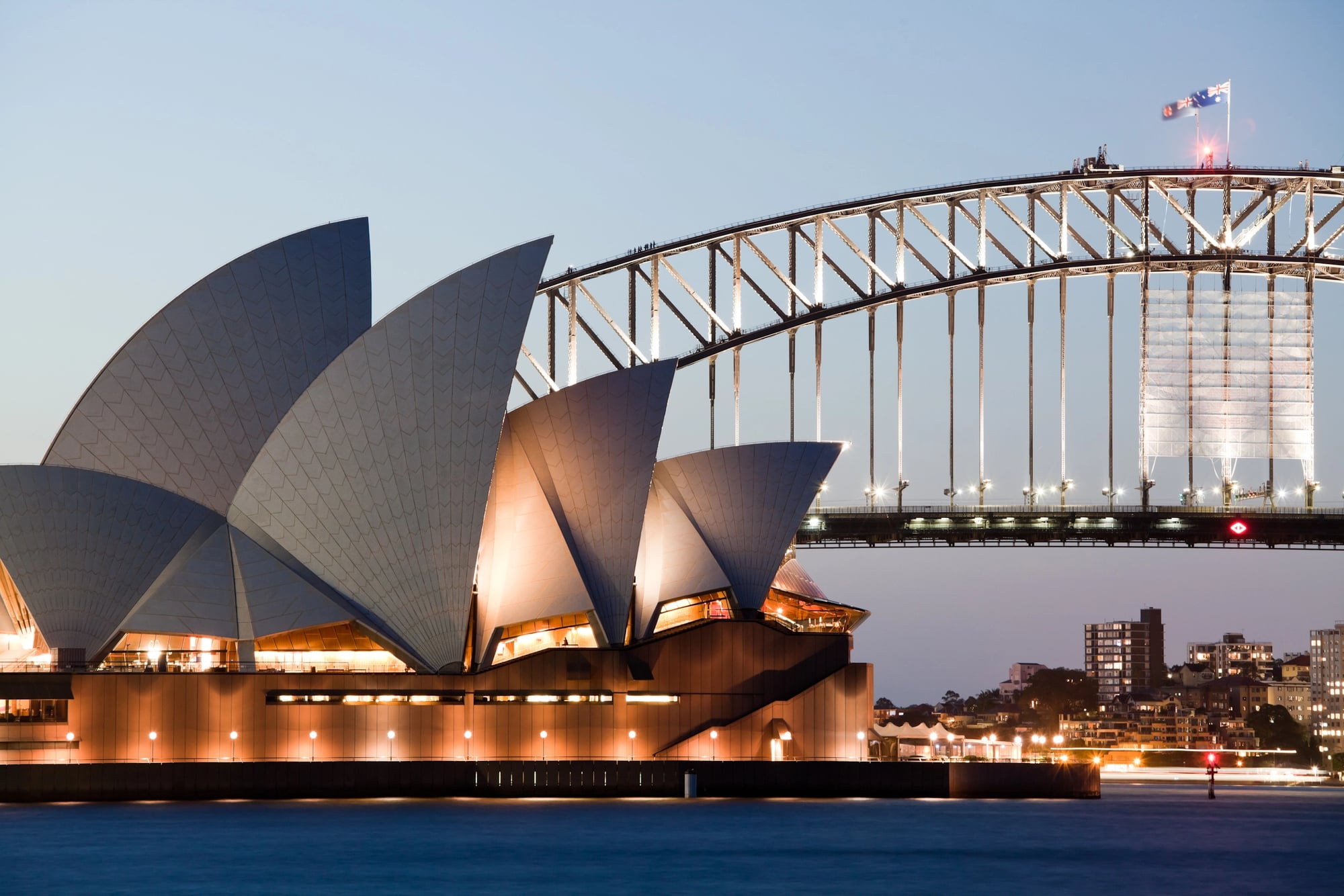
The building’s surface isn’t just white. It’s covered in more than one million ceramic tiles arranged in a specific pattern — matte cream tiles mixed with glossy white ones.
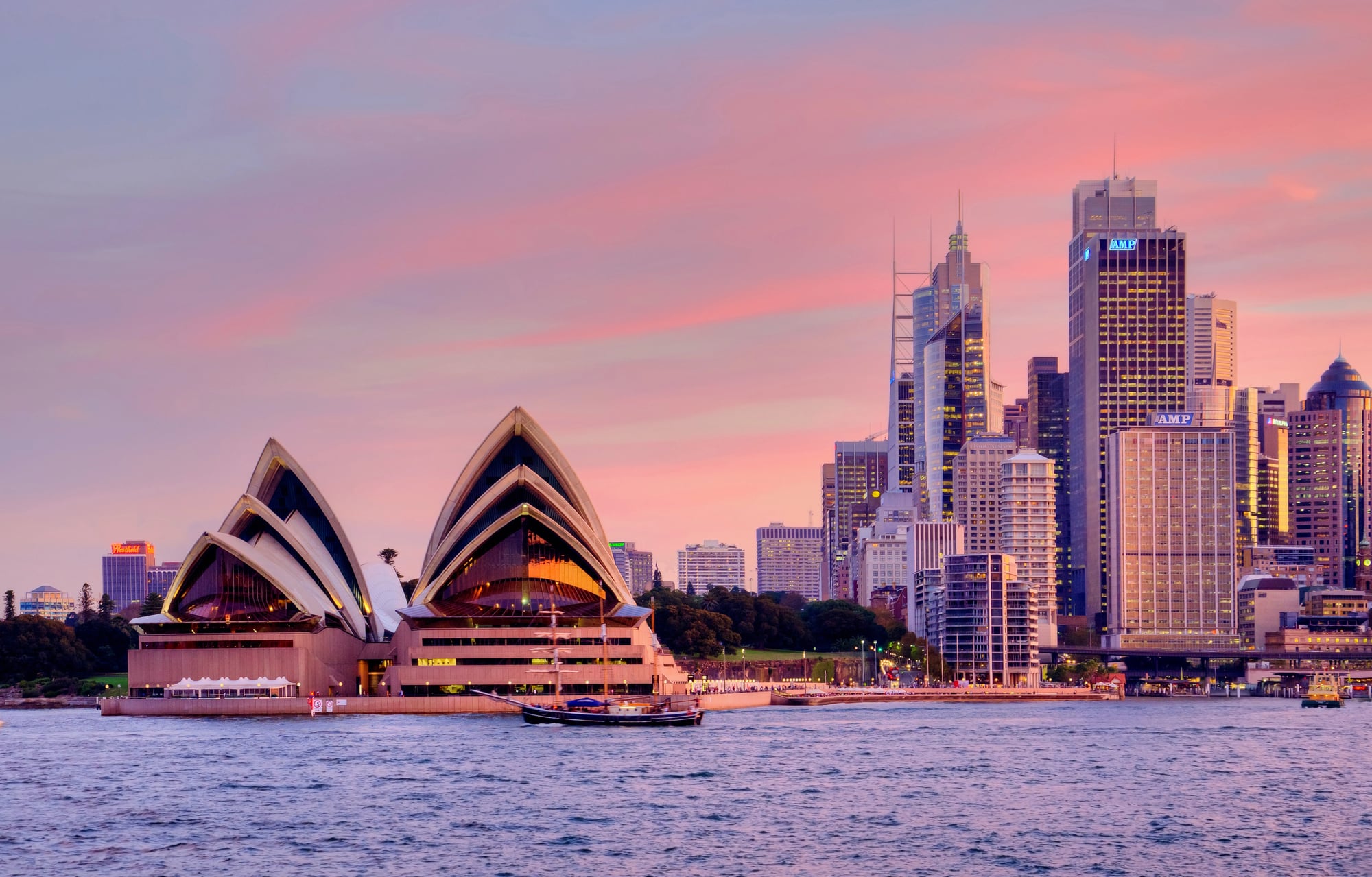
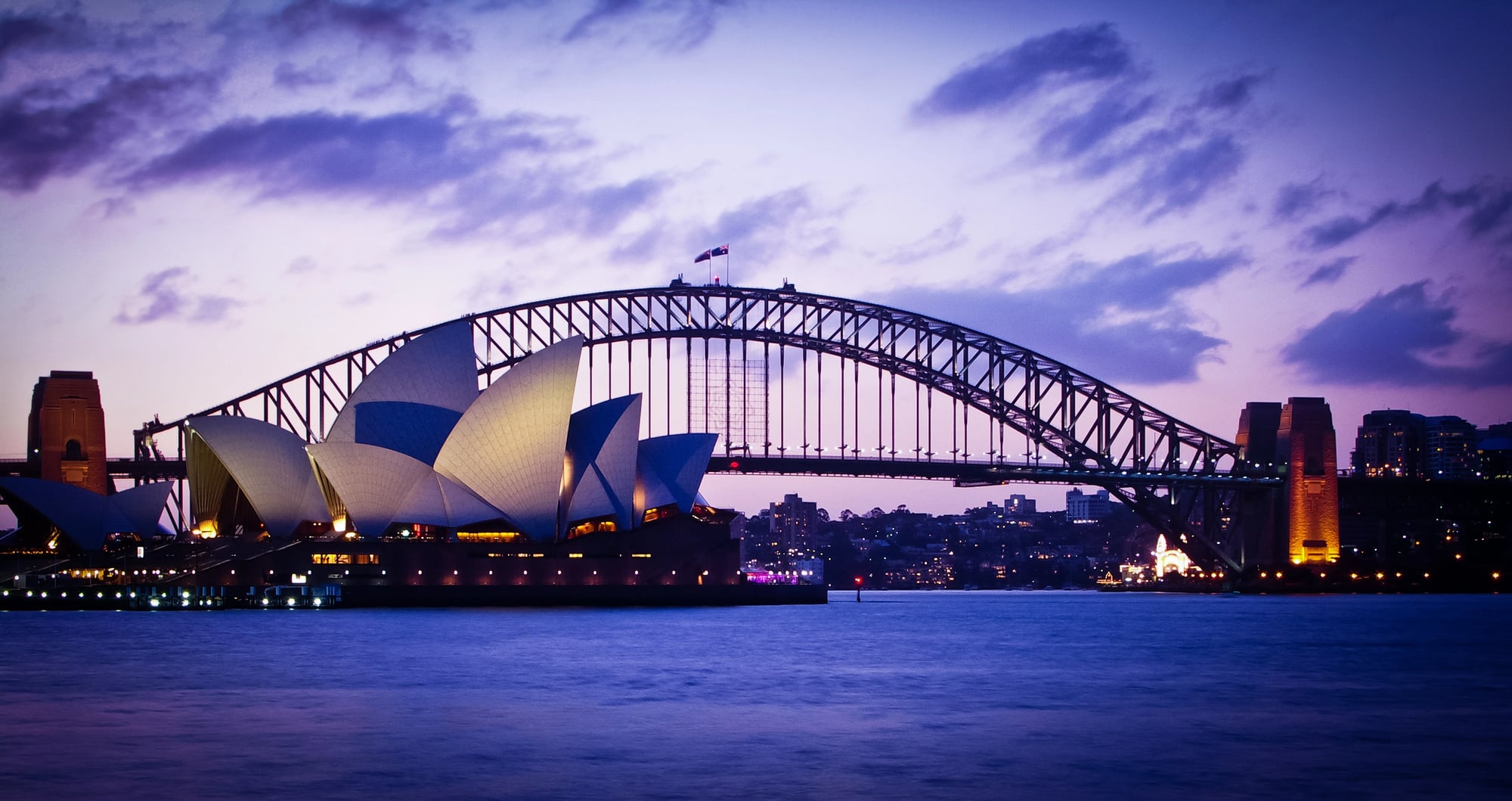
This creates subtle variations that shift as light moves across the building. At dawn, the shells appear almost golden. By midday, they’re stark white. At sunset, they glow warm again.
Utzon Never Saw His Building Completed
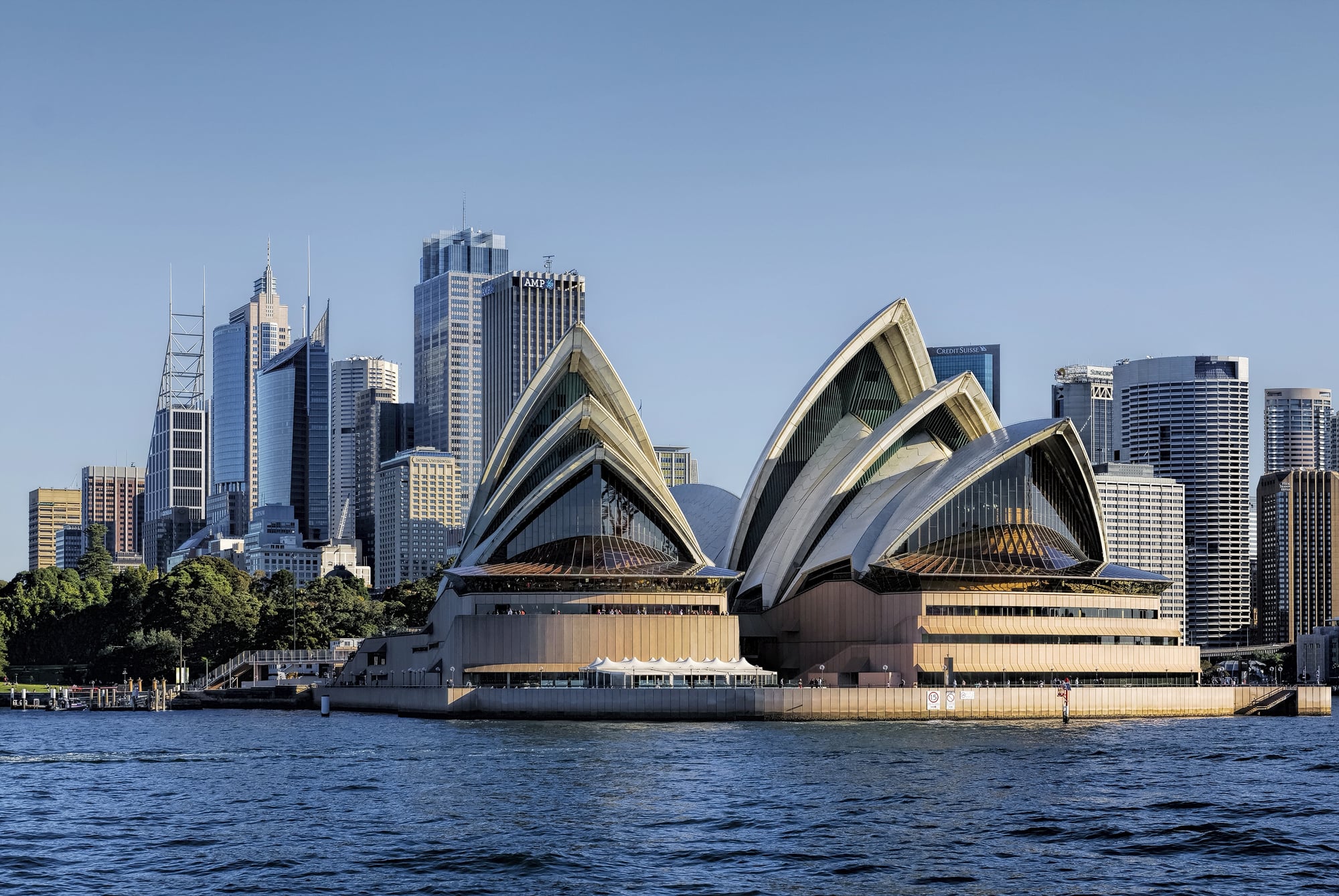
The architect resigned in 1966 after a bitter dispute with the New South Wales government over costs and design changes. The Opera House opened in 1973, but Utzon didn’t set foot inside until 2006 — thirty-three years later.
His son had to describe the interior to him over the phone for decades.
The Interior Was Designed by Committee After Utzon Left
Everything you see inside the building — the concert hall acoustics, the seating arrangements, the interior finishes — was completed by a team of Australian architects who had to work without Utzon’s input.
The original design called for two large halls of roughly equal size, but the final building ended up with one large concert hall and one smaller opera theater, plus several additional performance spaces that weren’t in the original plan.
The Building Sits on 588 Concrete Piers
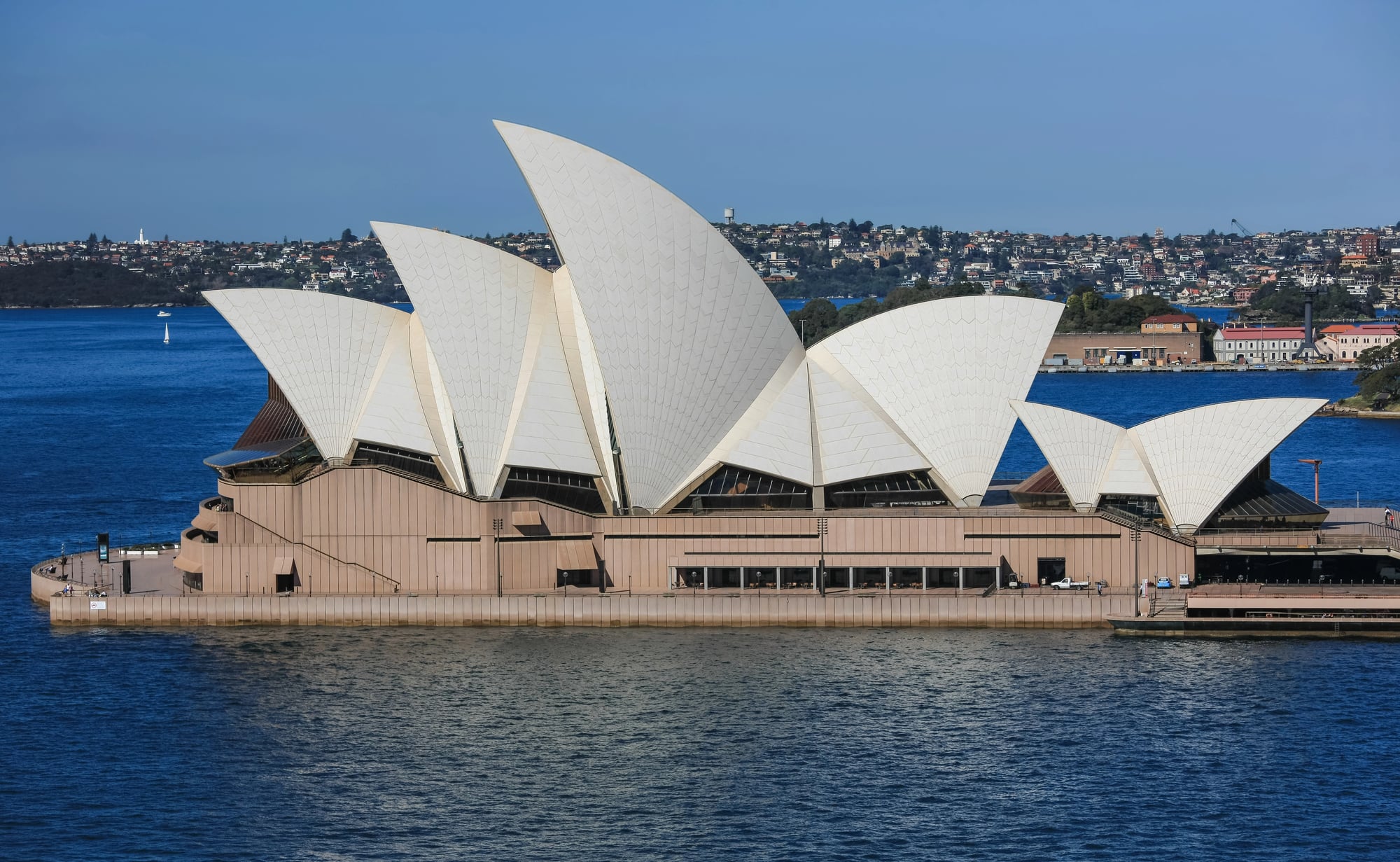
Those elegant shells rest on a forest of concrete columns driven deep into the harbor floor. The piers descend up to 80 feet below sea level, anchoring the building to solid rock beneath the harbor mud.
Most visitors never think about what’s holding the building up — they’re too busy looking at what’s above ground.
Construction Required Inventing New Techniques
Standard construction methods couldn’t handle Utzon’s geometric complexity, so engineers had to innovate as they went. They developed new ways to cast curved concrete, created custom lifting equipment for the shell segments, and pioneered computer-aided design techniques that wouldn’t become standard in architecture for another decade.
The Opera House was built using technology that didn’t exist when it was designed.
The Original Budget Was Off by More Than 1,400 Percent
The 1957 estimate put construction costs at 7 million Australian dollars. The final bill reached 102 million.
Even accounting for inflation and scope changes, that’s a spectacular miscalculation. The cost overruns nearly killed the project several times and remain one of the most notorious budget disasters in construction history.
Weather Shaped the Final Design More Than Anyone Admits
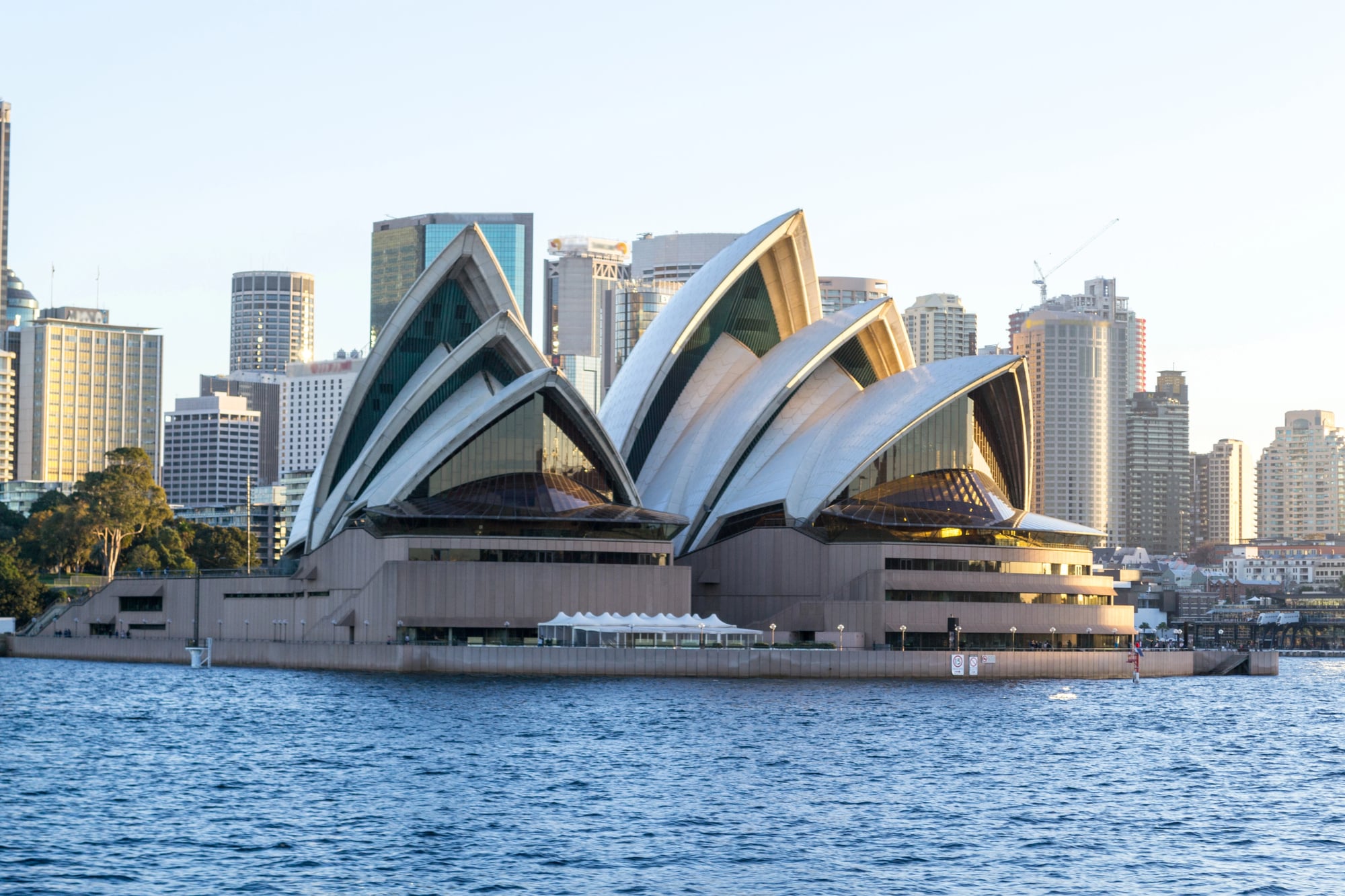
Sydney’s harbor winds, salt air, and intense sunlight forced dozens of design modifications that fundamentally changed how the building looks and functions. The original glass walls couldn’t withstand the wind loads, so they were redesigned.
The shell surfaces had to be treated for salt corrosion. Even the famous sails had to be reinforced beyond what Utzon initially envisioned — nature had the final say in many design decisions.
The Acoustics Were an Afterthought
Concert hall acoustics require careful planning from day one, but the Opera House’s interior spaces were designed around the exterior shell geometry instead of sound requirements. Engineers spent years trying to make the spaces work acoustically, installing everything from adjustable ceiling panels to electronic sound enhancement systems.
The results are good but not great — many musicians still complain about dead spots and uneven sound distribution.
There’s a Massive Unused Space Beneath the Building
The podium that supports the shells contains enormous voids that were never finished or put to use. These cathedral-sized spaces sit empty beneath the performance halls, accessible only to maintenance crews.
They represent millions of cubic feet of potential that the building’s designers never figured out how to use.
The Construction Photographs Were Classified
The New South Wales government controlled access to construction images so tightly that most progress photos remained restricted for years. Officials worried that pictures of the chaotic building site, cost overruns, and design changes would damage the project’s reputation.
Many construction images only became public decades after the building opened.
Utzon’s Inspiration Came From Orange Segments
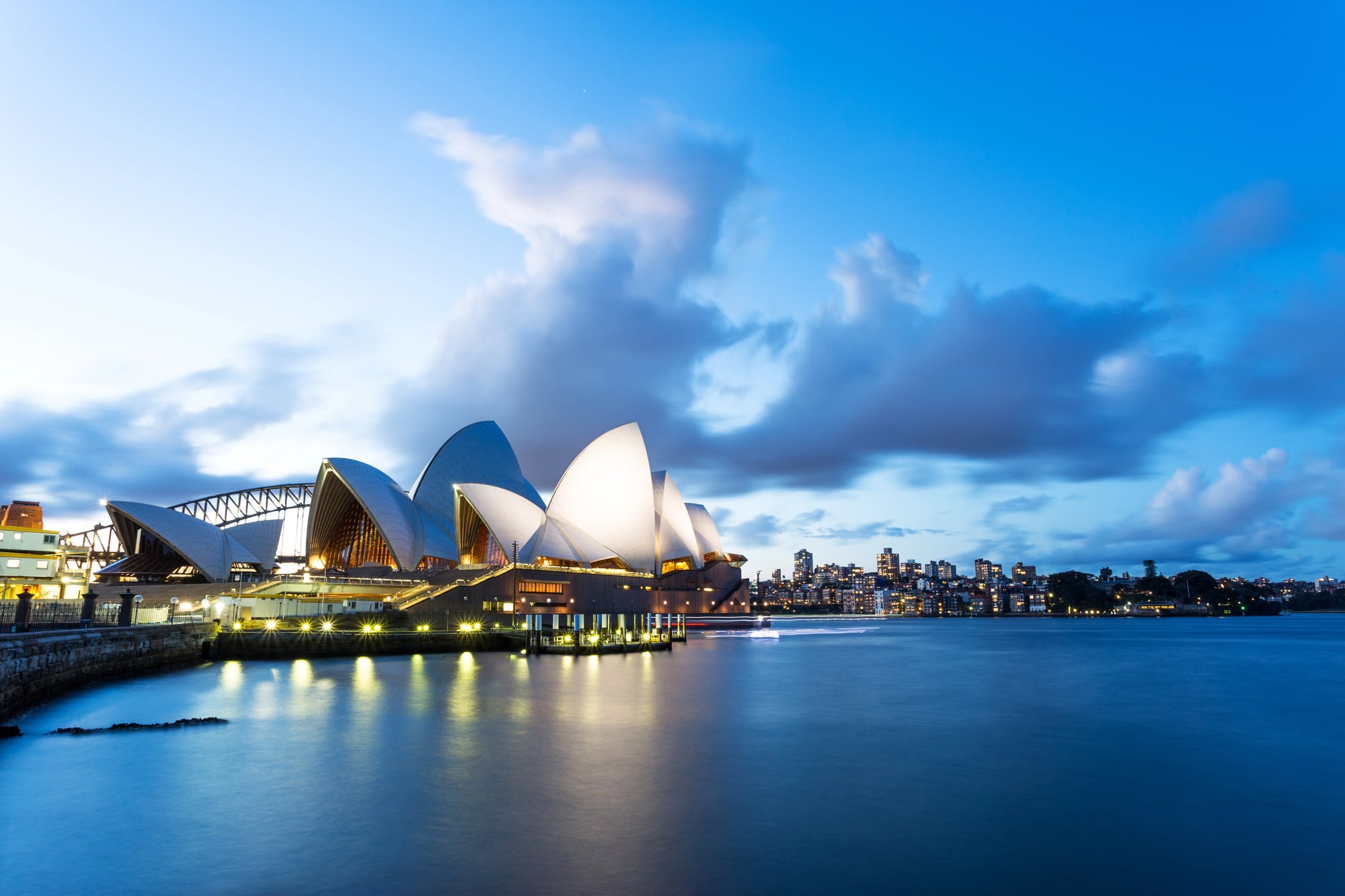
The architect later revealed that his breakthrough moment — realizing all the shells could be cut from one sphere — came while eating an orange. He noticed how the segments all curved the same way despite pointing in different directions.
That casual observation solved the Opera House’s biggest engineering problem and gave the building its final form.
The Building Changes Shape Depending on Where You Stand
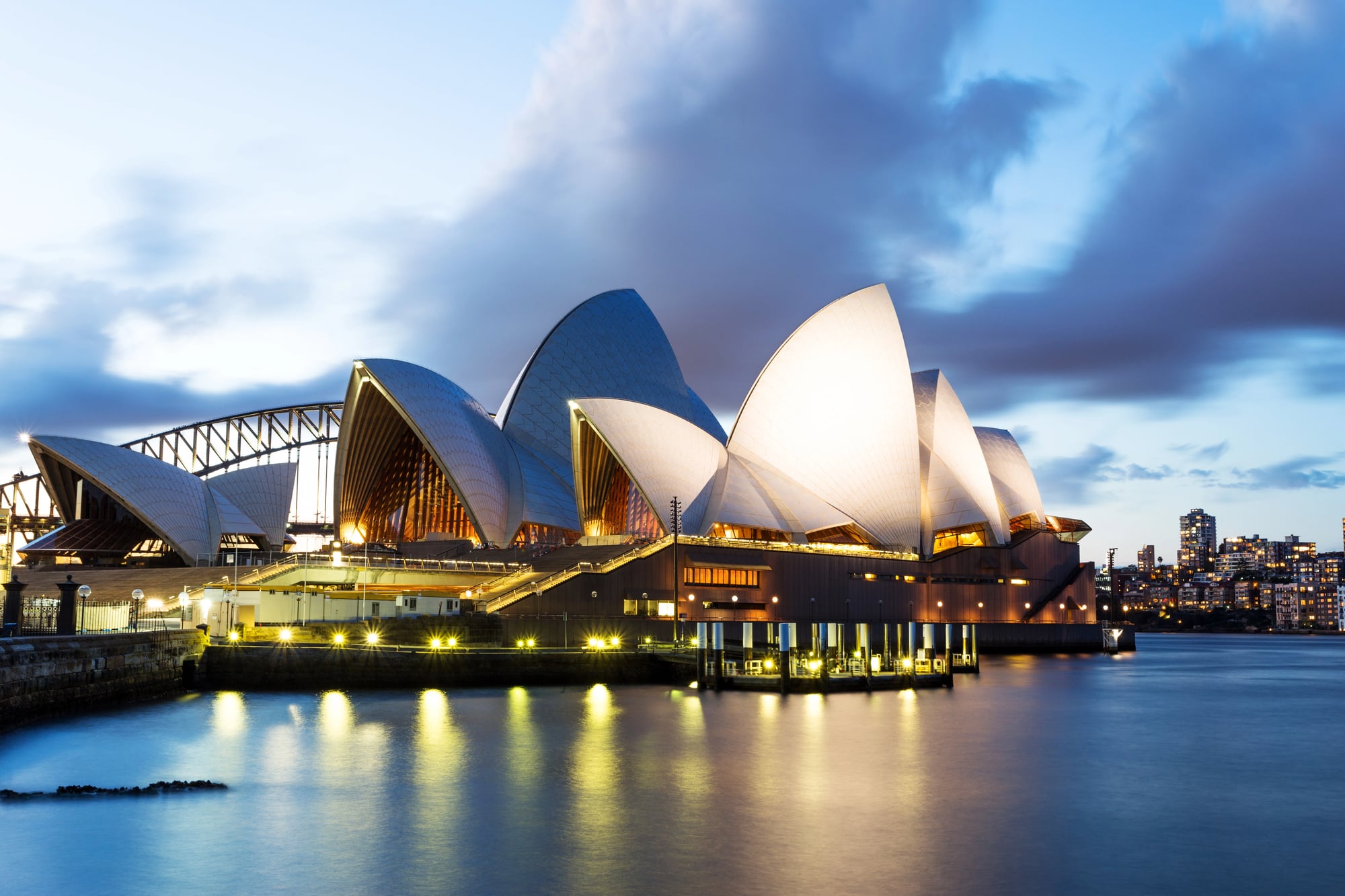
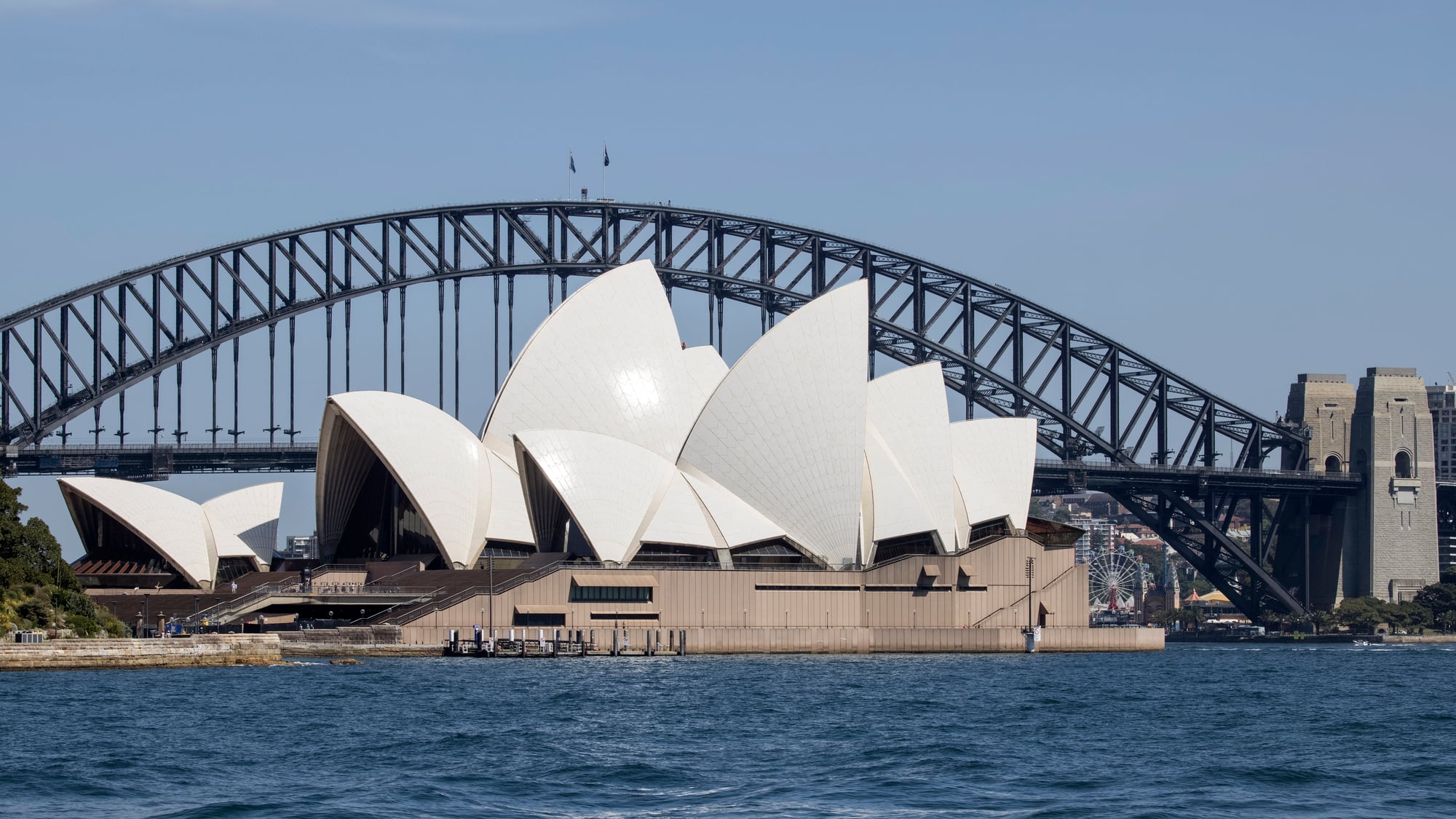
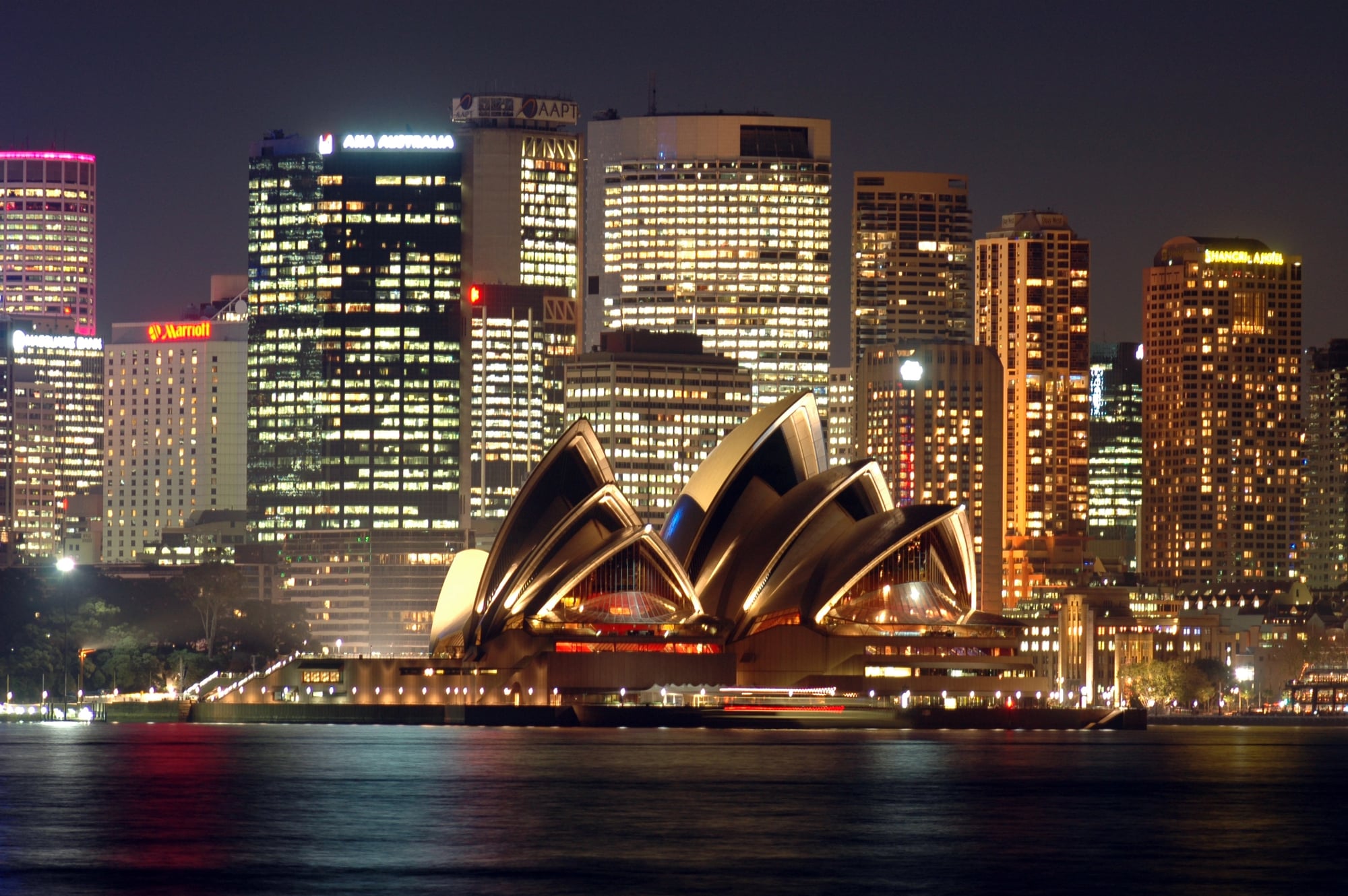
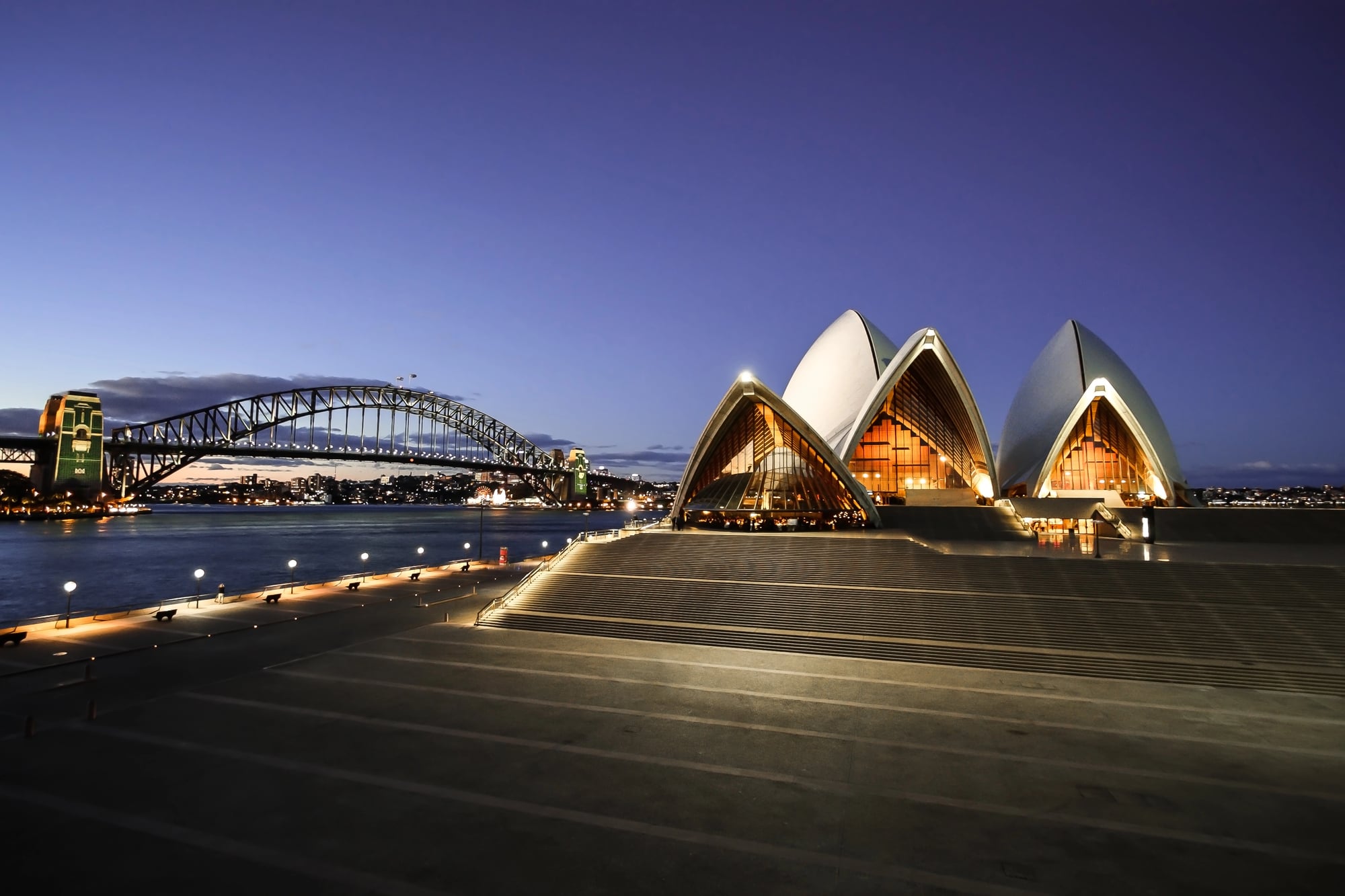
The shells are positioned so they appear different from every angle around the harbor. There’s no single “correct” view of the Opera House — it was designed to be seen from multiple vantage points, with each perspective revealing different relationships between the shell groupings.
Walk around the building and you’re essentially seeing several different structures.
Modern Analysis Shows the Structure Is Overbuilt
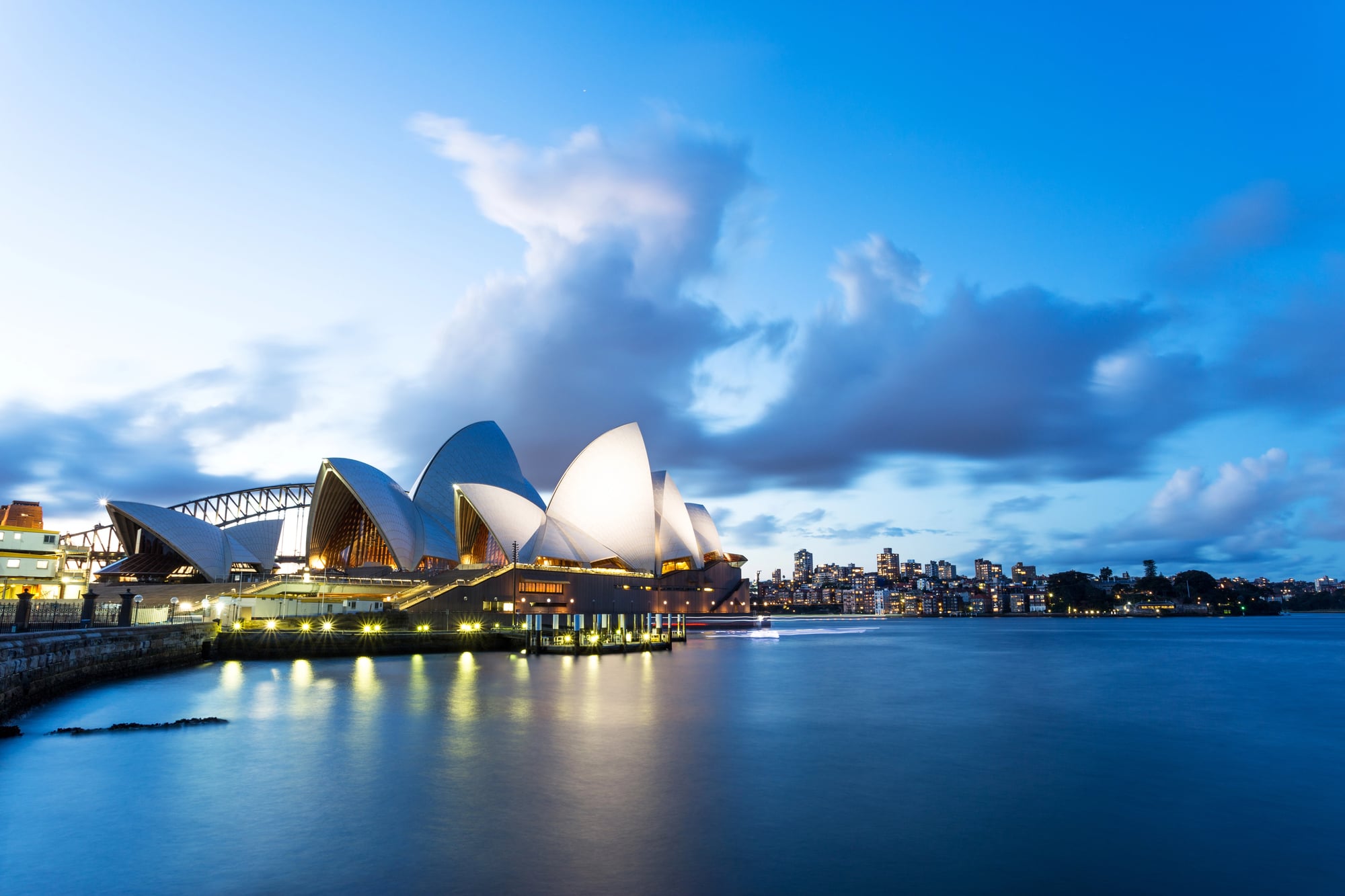
Computer modeling that wasn’t available in the 1960s reveals that many elements of the Opera House are far stronger than necessary. The shells could support much more weight than they’ll ever carry.
The foundation system could handle a building twice as large. This over-engineering wasn’t intentional — it resulted from conservative assumptions made when the actual loads were unknown.
The Shells Contain a Hidden Grid System
Each shell surface is divided into segments by an underlying geometric grid that’s invisible from a distance but controls every aspect of the building’s construction.
This grid determined where joints could be placed, how the precast segments would fit together, and even how the tiles would be arranged. The apparently organic curves are actually highly systematic.
The Colors Were Chosen to Hide Dirt
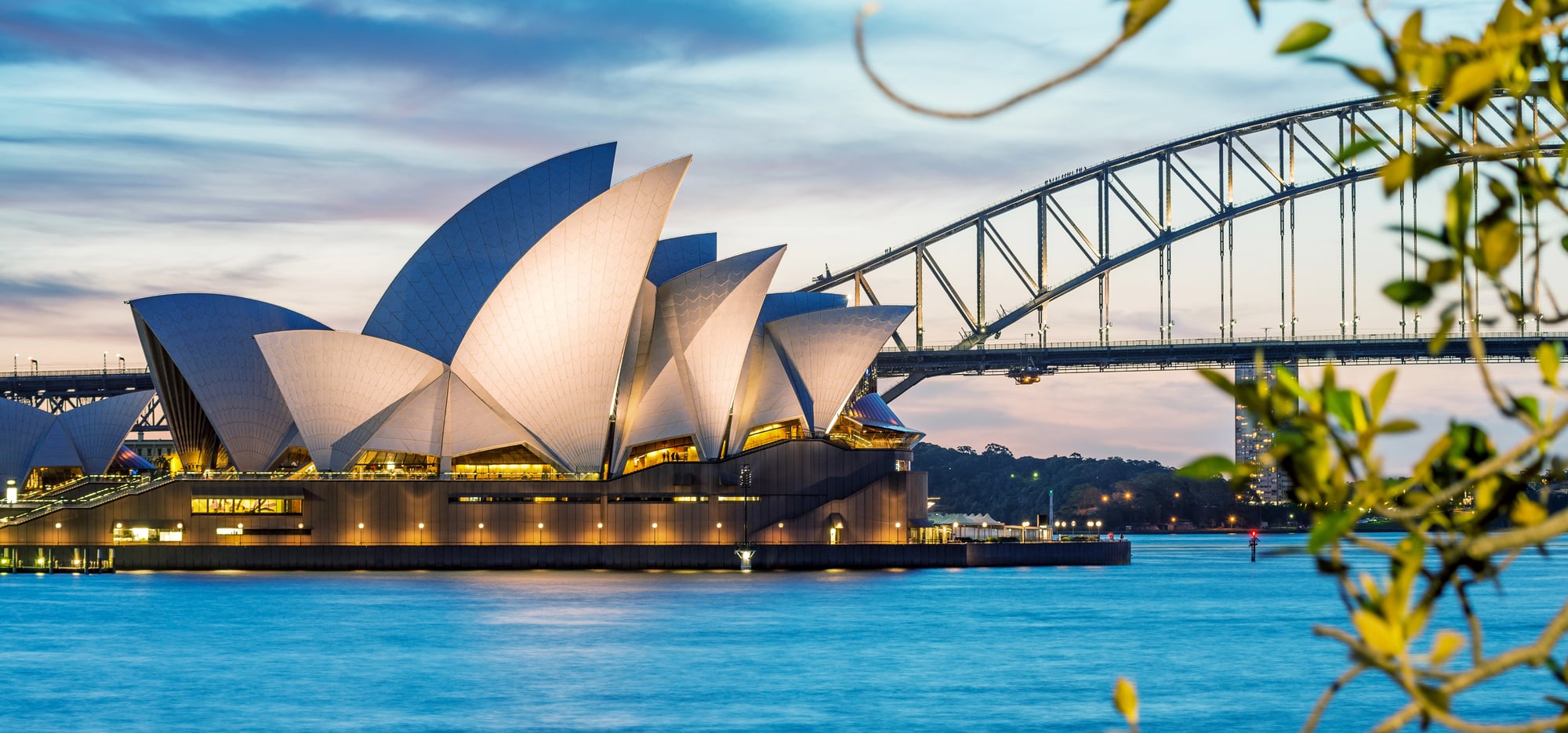
That specific combination of cream and white tiles wasn’t just an aesthetic choice. The color palette was selected to camouflage the salt stains, bird droppings, and general weathering that inevitably accumulate on any building exposed to harbor conditions.
The Opera House stays visually clean not because it doesn’t get dirty, but because the dirt doesn’t show.
A Monument to Beautiful Stubbornness
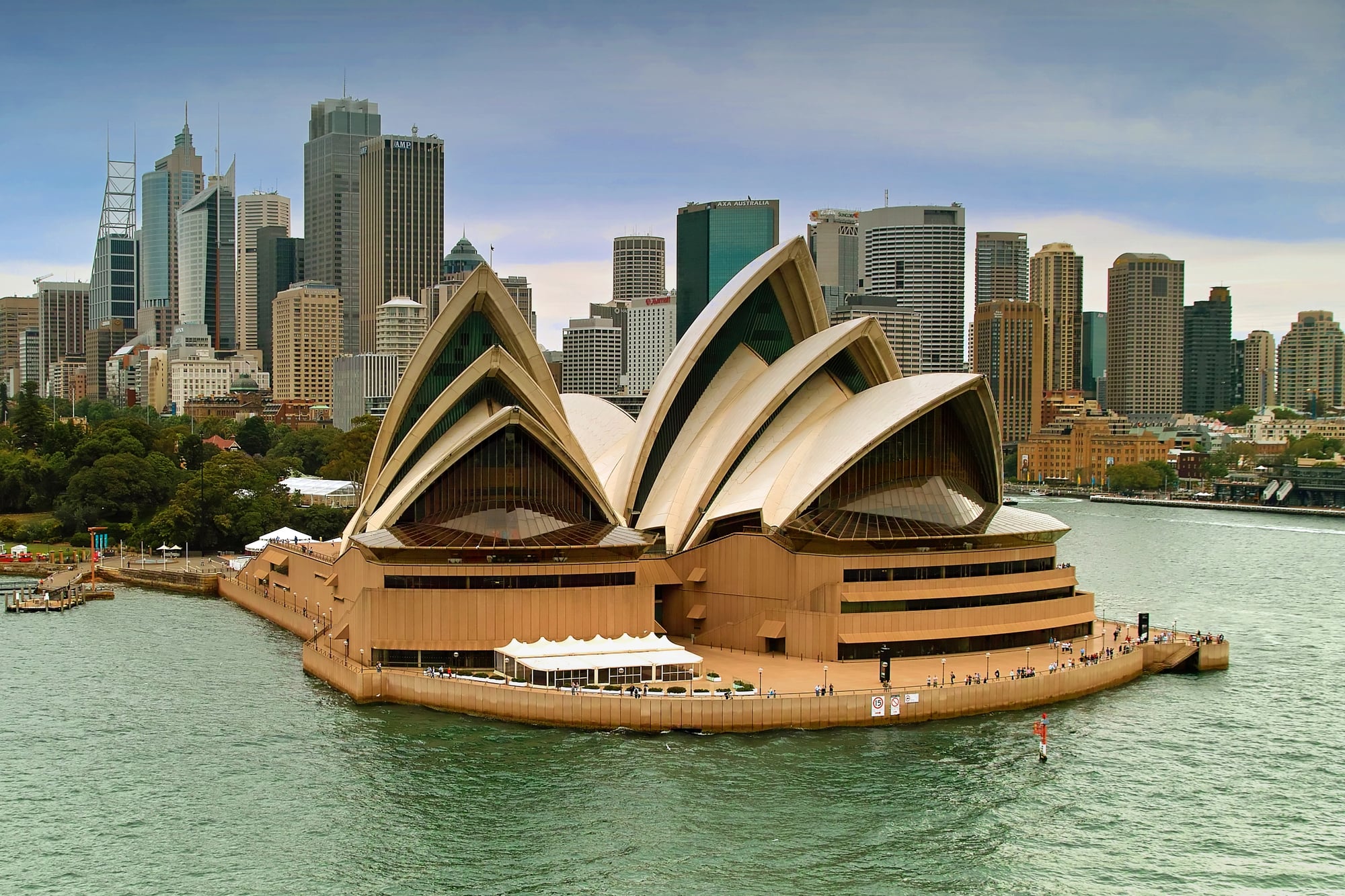
The Sydney Opera House shouldn’t exist. It was too expensive, too technically challenging, and too politically controversial to survive.
But sometimes the most important buildings are the ones that succeed despite every rational reason to quit. The Opera House proves that architectural ambition, even when it goes wildly over budget and takes twice as long as planned, can create something that makes the struggle worthwhile.
The hidden complexity behind those elegant shells tells a story about what happens when vision meets reality — and refuses to back down.
More from Go2Tutors!

- The Romanov Crown Jewels and Their Tragic Fate
- 13 Historical Mysteries That Science Still Can’t Solve
- Famous Hoaxes That Fooled the World for Years
- 15 Child Stars with Tragic Adult Lives
- 16 Famous Jewelry Pieces in History
Like Go2Tutors’s content? Follow us on MSN.