25 School Cafeteria Lunches from the ’80s That Every Kid Either Loved or Dreaded
Walking into a school cafeteria in the 1980s meant navigating a minefield of mystery meat, questionable vegetables, and the occasional genuine treat that made your day. The lunch ladies wore hairnets and wielded ice cream scoops like weapons, doling out portions with the efficiency of a factory line.
Some days you’d race to the front of the line, knowing pizza squares were on the menu. Other days you’d spot the dreaded liver and onions from across the room and suddenly remember you’d packed a sandwich.
These cafeteria classics shaped an entire generation’s relationship with institutional food. Whether you loved them, dreaded them, or fell somewhere in between, they were impossible to ignore.
Pizza Squares
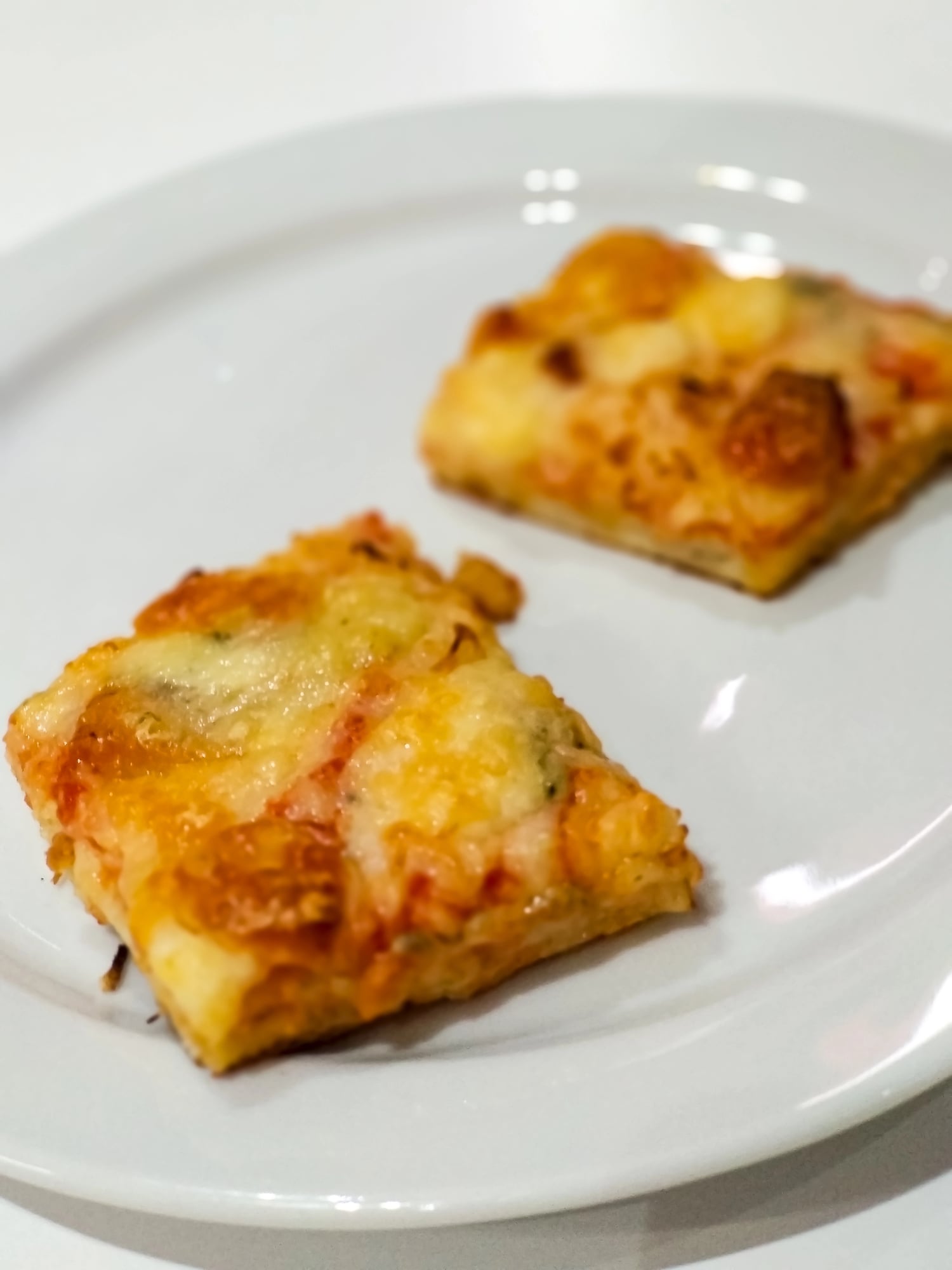
The rectangular pizza slice remains the gold standard of cafeteria excellence. That slightly sweet sauce, the cheese that stretched for miles, and the way it burned the roof of your mouth every single time.
Smart kids learned to wait. Impatient ones nursed tongue burns for the rest of the day.
Sloppy Joes
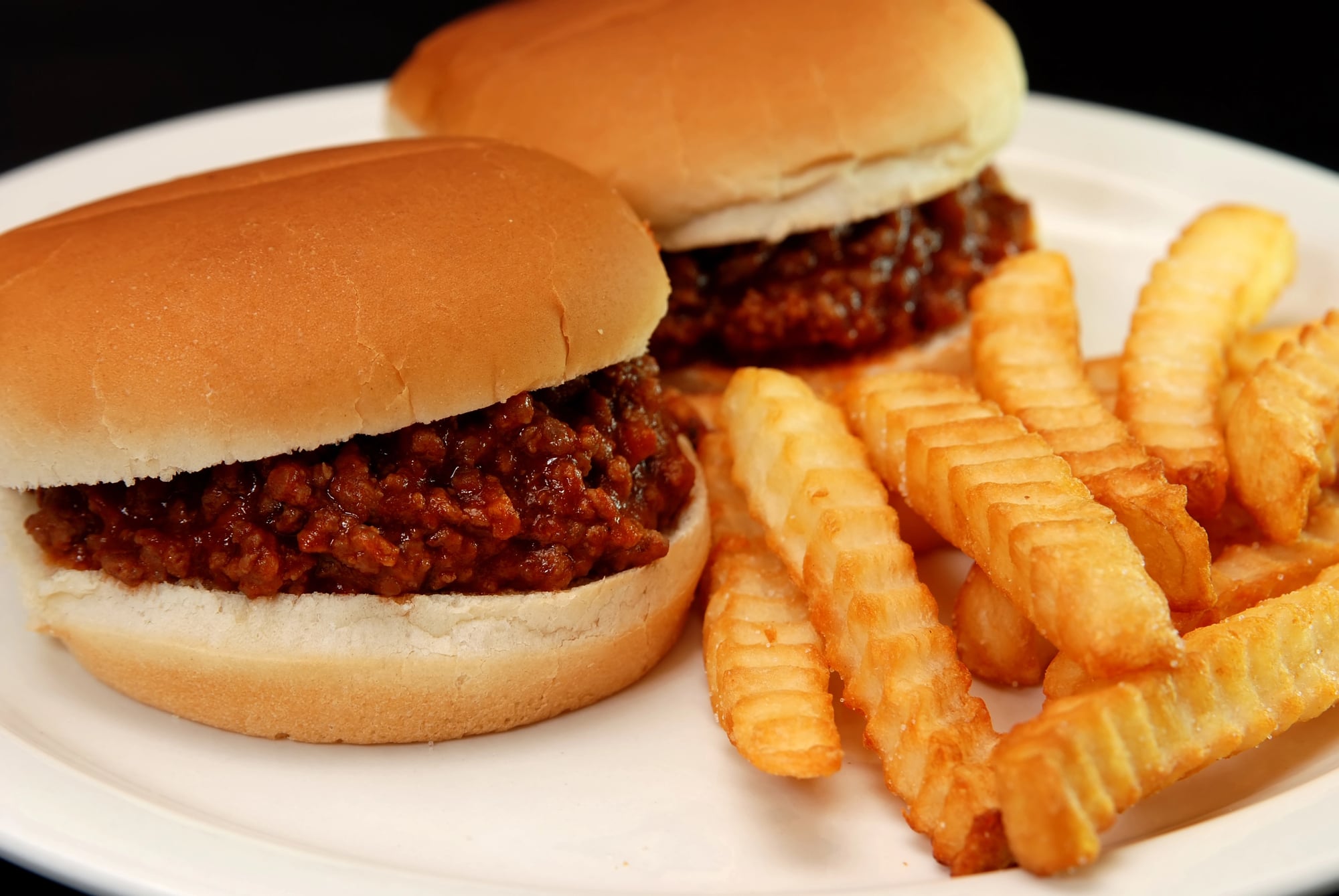
Nothing prepared you for the structural engineering required to eat a sloppy joe without wearing half of it on your shirt. The meat sauce (using the term loosely) had a sweetness that bordered on candy, and the hamburger buns turned to mush within minutes.
The name wasn’t false advertising—these things were disasters waiting to happen.
Mystery Meat
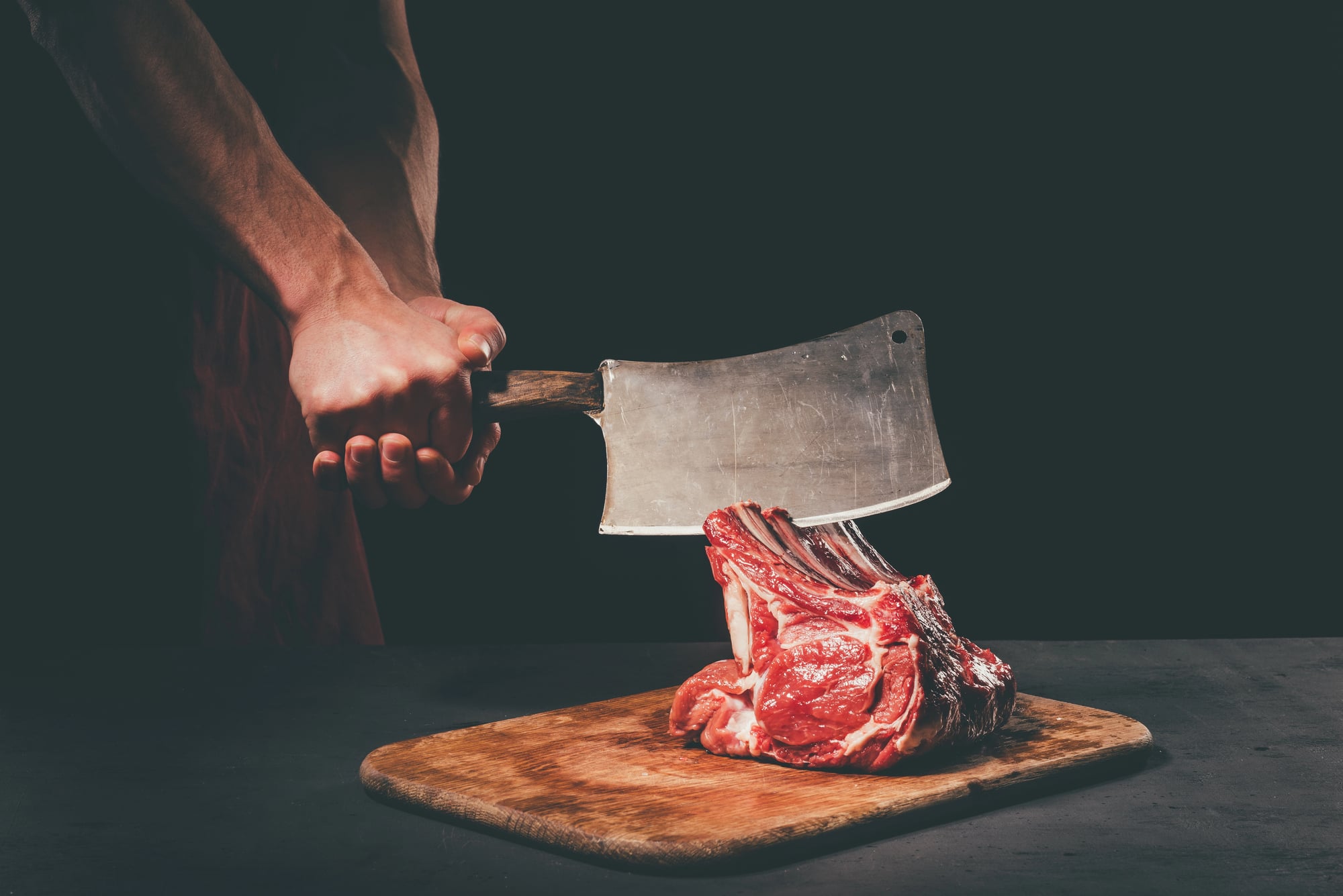
Every cafeteria had its version, and the ingredients remained classified information that not even the lunch ladies seemed to know. Sometimes it appeared as a gray patty claiming to be hamburger, other times as unidentifiable chunks swimming in brown gravy.
The texture lived somewhere between rubber and cardboard, which might explain why so many kids discovered they “weren’t that hungry” on mystery meat days. And yet some kids actually requested seconds—a phenomenon that defied all logic and suggested either extremely adventurous palates or severe calcium deficiency affecting their judgment.
So you’d sit there, poking at this beige substance with your plastic fork, wondering if this was what astronauts ate in space (though astronauts probably had better quality control).
Fish Sticks
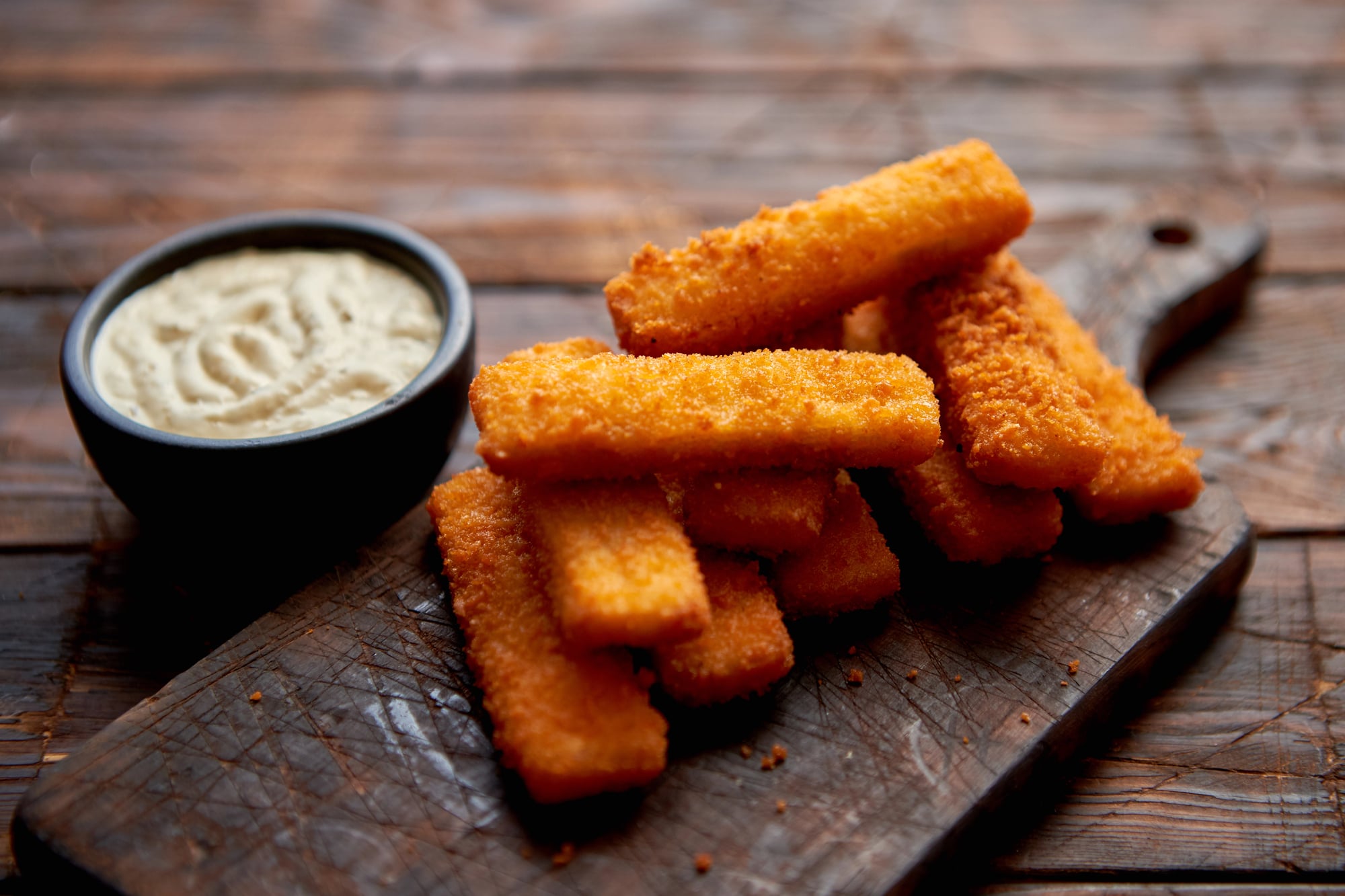
Breaded rectangles that bore only a theoretical relationship to actual fish. The coating crunched satisfyingly, and when dipped in that fluorescent tartar sauce, they achieved a kind of processed perfection.
Fridays meant fish sticks as surely as Monday meant nobody wanted to be there.
Chicken Nuggets
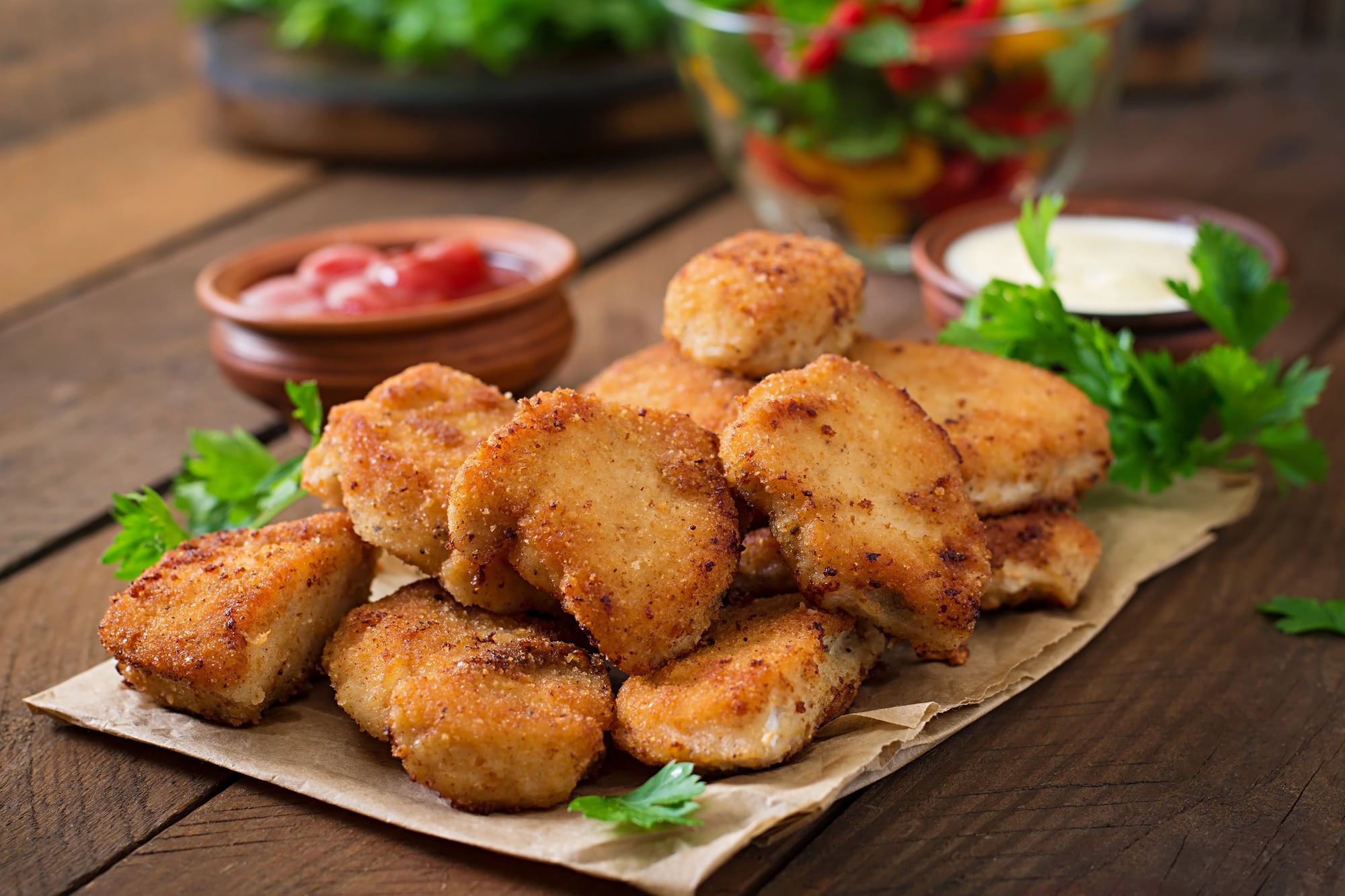
Before fast food chains perfected the art, school cafeterias served their own interpretation of bite-sized chicken. These nuggets had the consistency of sponges soaked in grease, but kids devoured them anyway.
The real test wasn’t whether they tasted like chicken—it was whether you could identify any actual chicken hiding inside that thick breading.
Corn Dogs
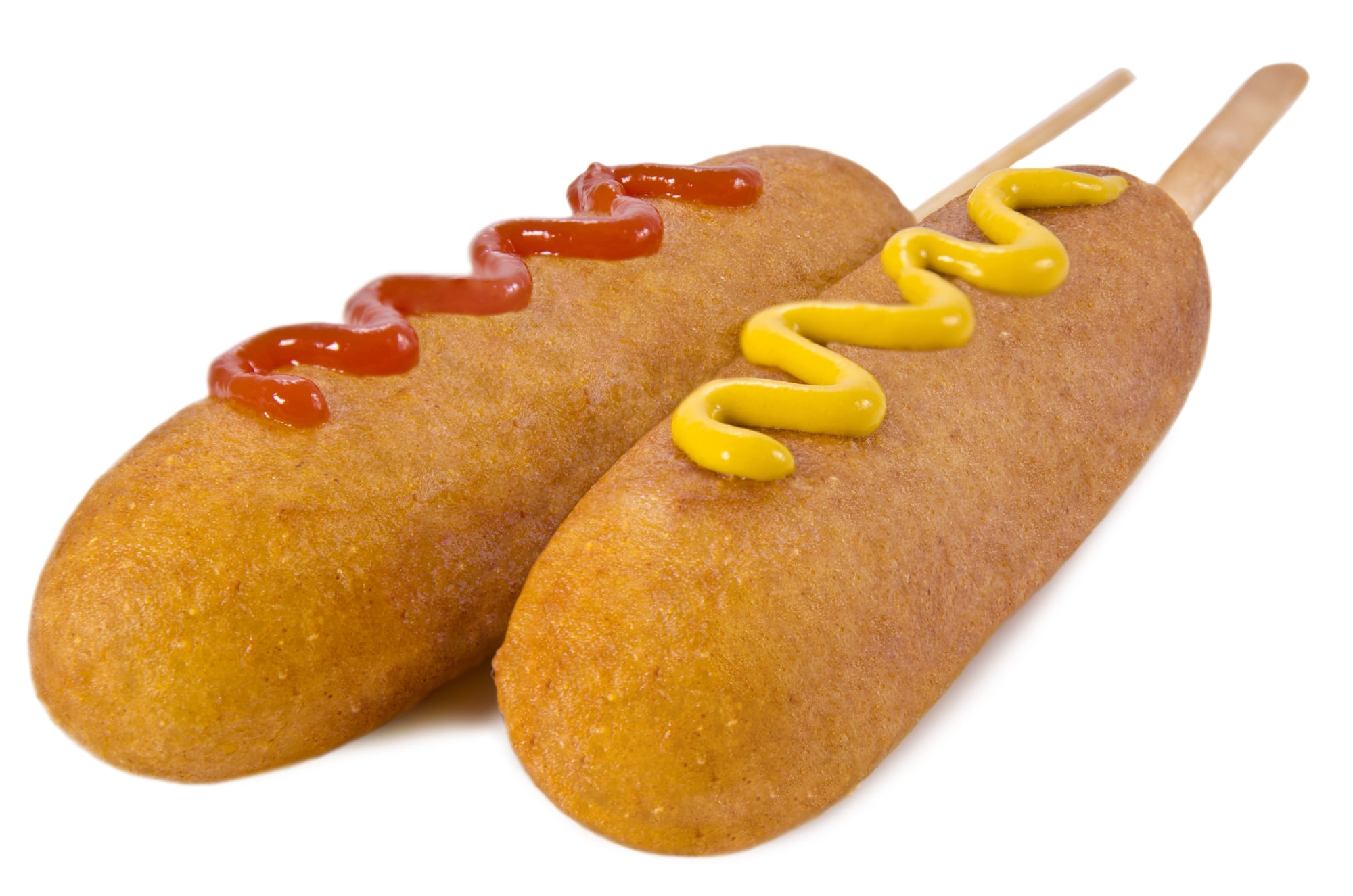
Like small batons of hope wrapped in cornmeal armor, corn dogs represented everything right about cafeteria innovation. The sweet cornbread coating protected whatever mystery meat lived inside, and that wooden stick made you feel like you were eating fair food instead of institutional cuisine.
Some cafeterias served them with mustard packets that required engineering degrees to open, but when you finally got that tangy squeeze of yellow, the combination bordered on transcendent—at least by cafeteria standards. The wooden stick also doubled as entertainment once you’d finished eating, which made corn dogs a rare example of cafeteria food that kept giving long after the last bite.
Hamburgers
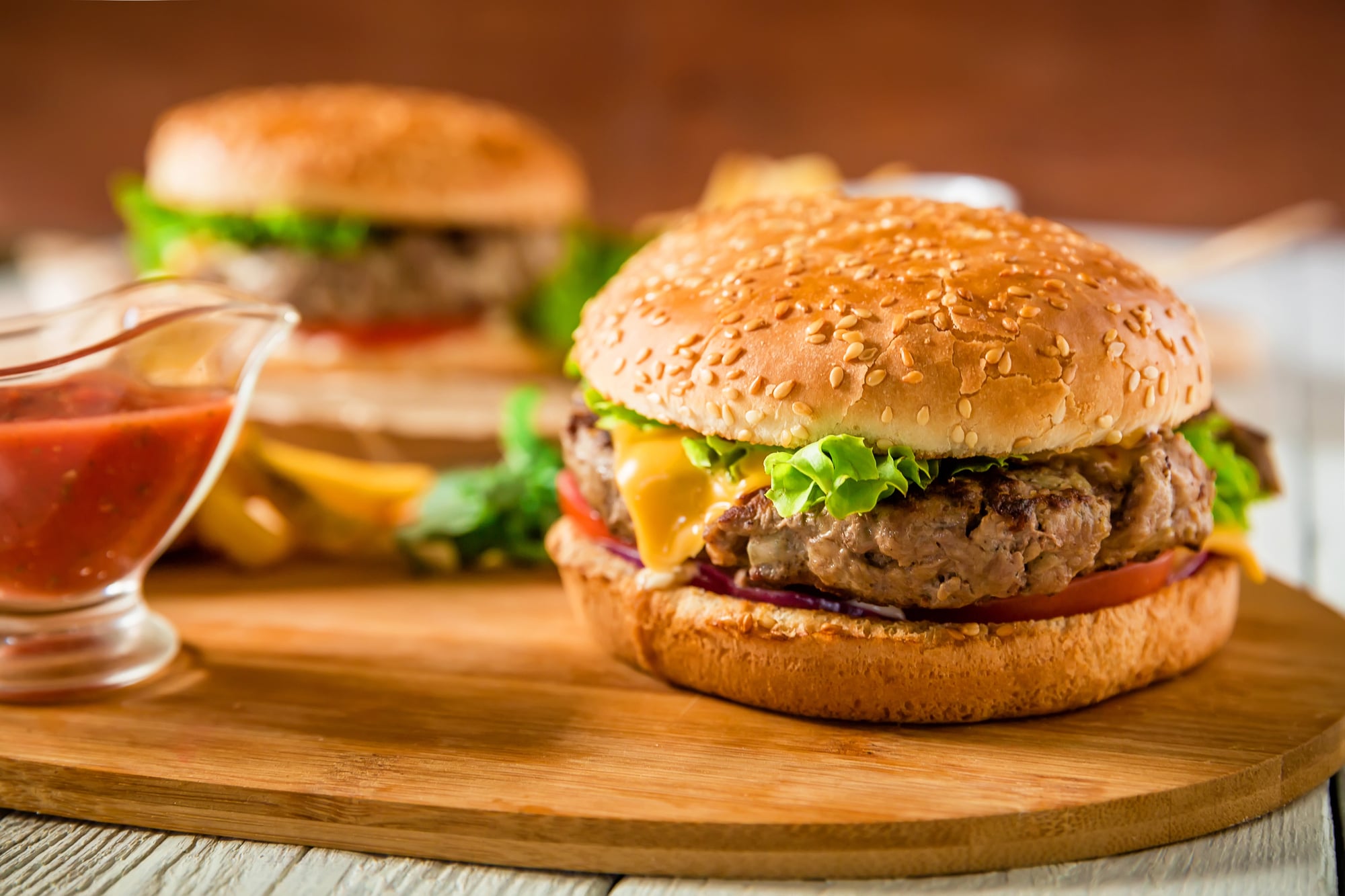
Thin gray discs that had clearly never seen a grill, these hamburgers arrived pre-cooked and pre-disappointed. The buns came from the same supplier as the sloppy joe buns, which meant they fell apart if you looked at them wrong.
A squirt of ketchup helped, but nothing could disguise the fact that these patties had the texture of wet cardboard.
Chili
School chili occupied its own category of existential mystery—too thick to be soup, too thin to be stew, and too orange to be anything found in nature. The beans were either crunchy or mushy with no middle ground, and the meat content remained as mysterious as everything else on the cafeteria rotation.
Kids either loved it with crackers and cheese or avoided it entirely. There was no middle ground with cafeteria chili—it demanded commitment or complete rejection.
Tacos
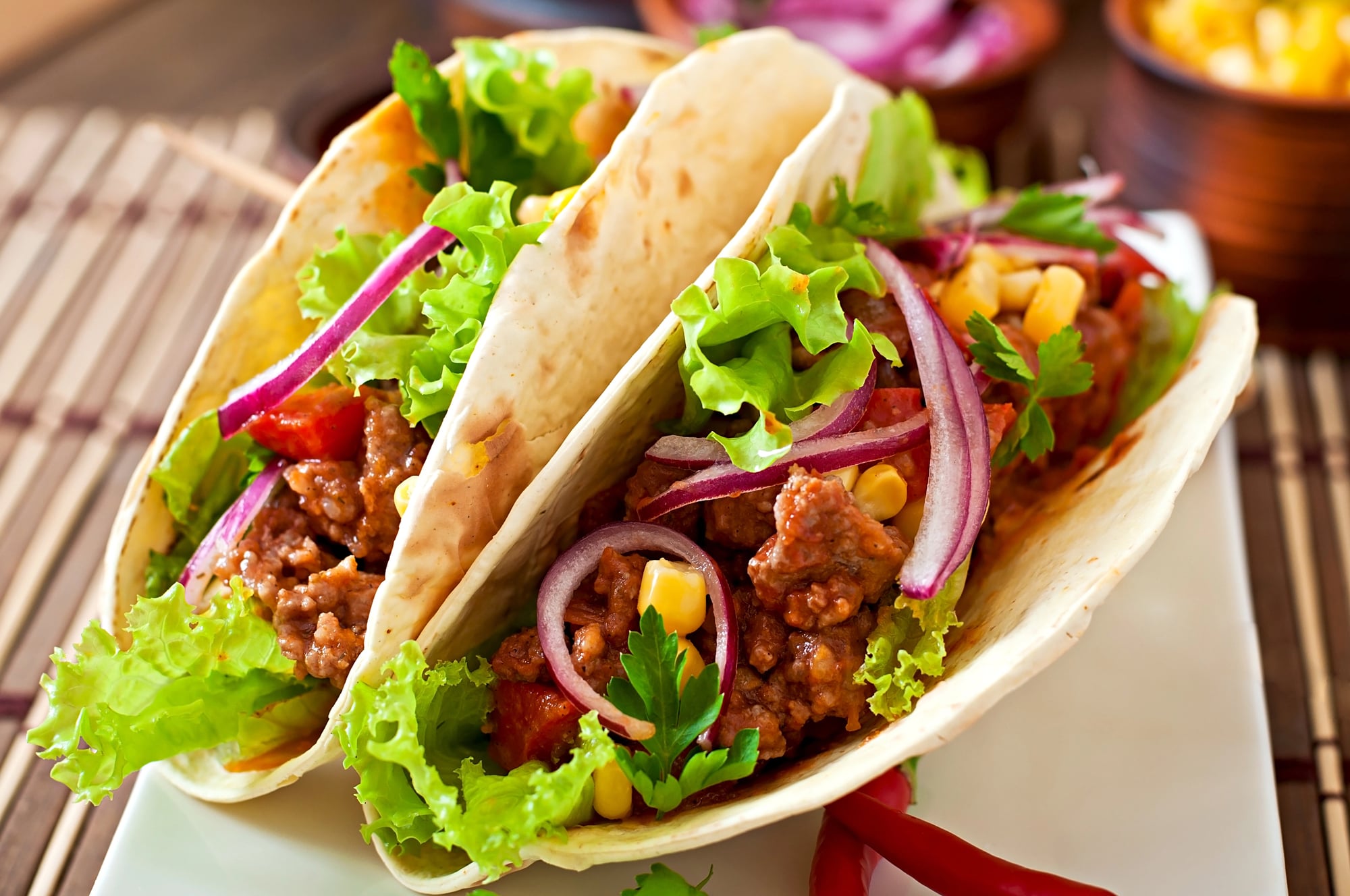
Hard shells that shattered on contact, filled with seasoned ground beef that tasted like it had been mixed with taco seasoning packets and optimism. The lettuce wilted before you could blink, and the cheese came pre-shredded and slightly dried out.
But there was something undeniably appealing about build-your-own lunch, even when the components left much to be desired.
Cafeteria tacos were like architectural projects doomed to fail—everyone knew the shell would crack the moment you bit down, sending filling cascading across your tray like a meaty avalanche. And yet kids lined up for them anyway, drawn to the illusion of choice and the satisfying crunch of that first doomed bite.
The hot sauce packets (when available) were hoarded like precious gems, because anything that could add actual flavor to cafeteria food was worth fighting for.
Meatloaf
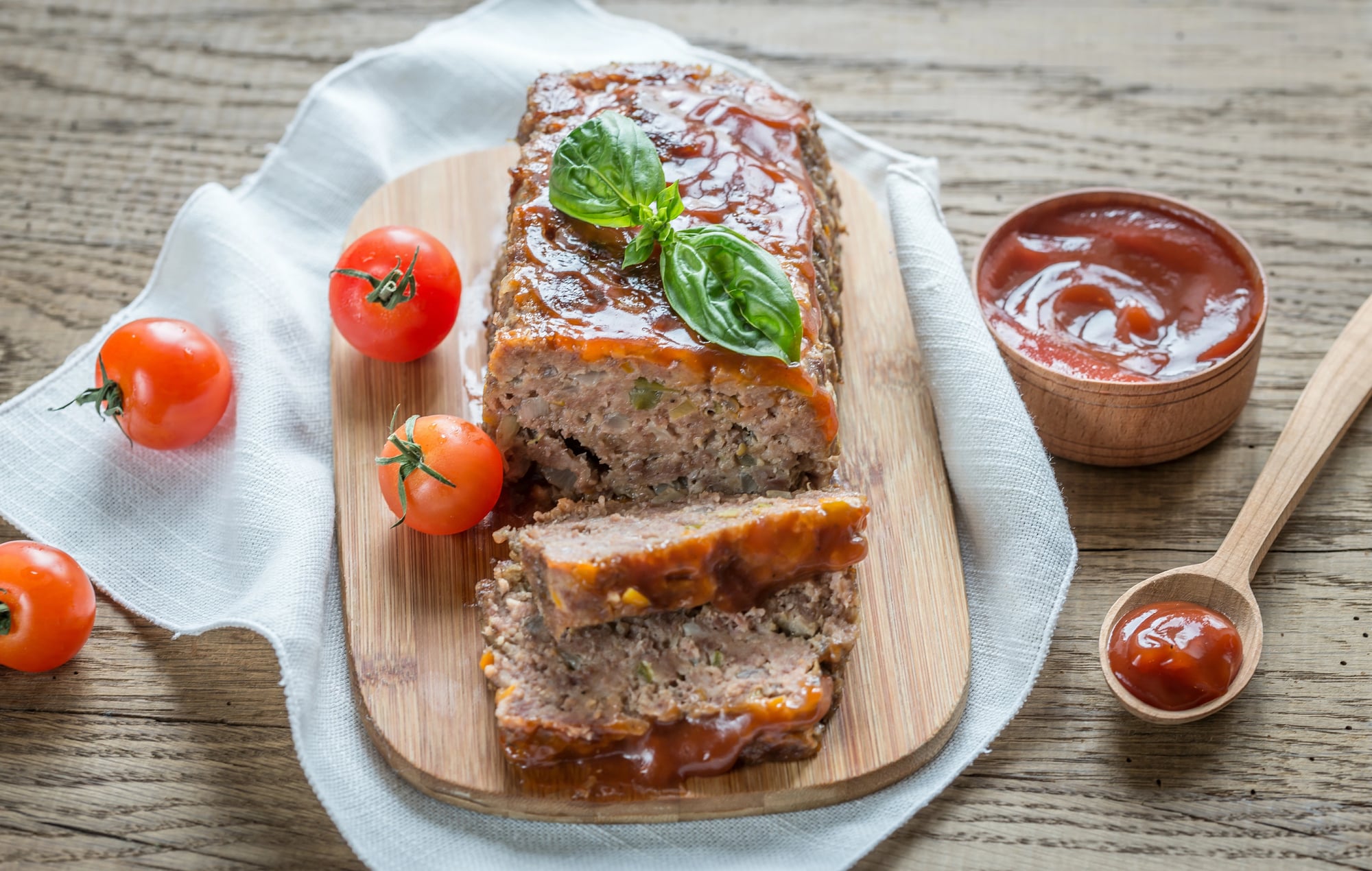
Dense, gray, and sliced with the precision of roof shingles, cafeteria meatloaf defied several laws of physics and most definitions of edible food. It arrived on your tray with a coating of brown glaze that might have been gravy or might have been desperation.
The texture resembled compressed sawdust held together by mysterious binding agents.
Chicken and Dumplings
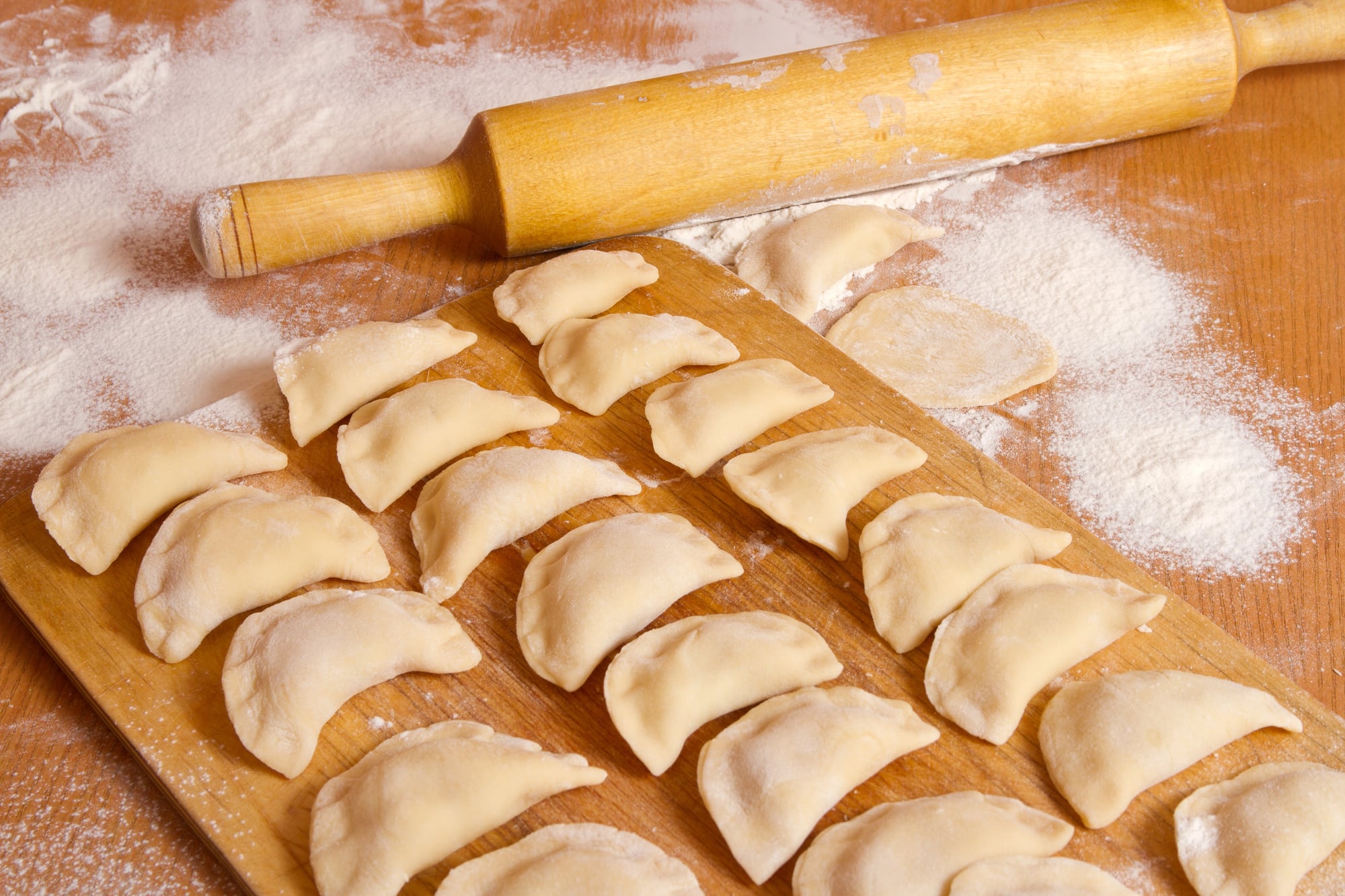
On paper, chicken and dumplings sounds comforting and homey. In practice, cafeteria versions featured dumplings with the consistency of wet flour orbs floating in yellowish broth that claimed to contain chicken.
The chicken itself played hide-and-seek, appearing as tiny, stringy pieces that required archaeological excavation to locate.
Beef Stew
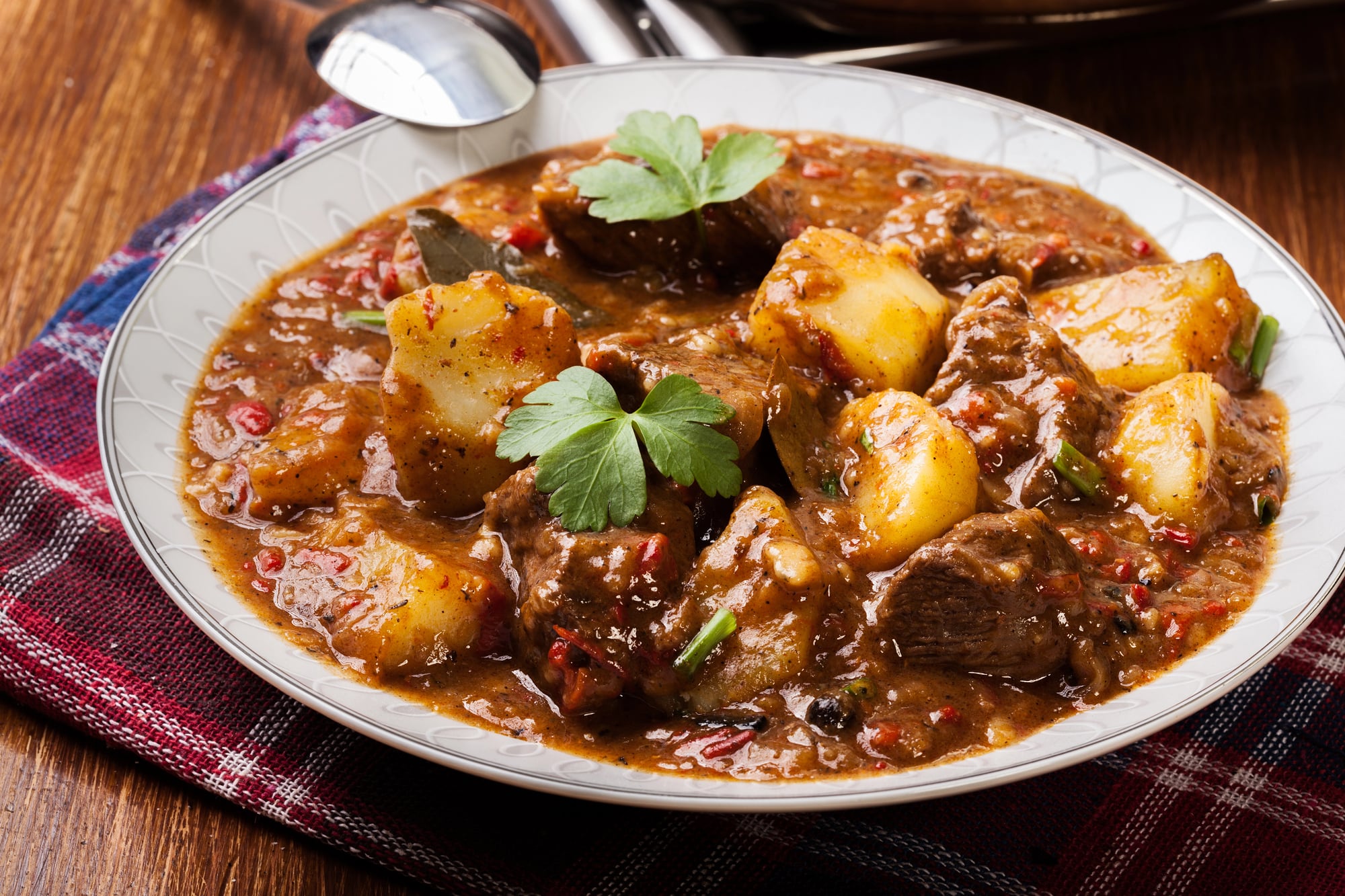
Brown liquid with floating vegetables that had surrendered any resemblance to their original forms—carrots turned to mush, potatoes became paste, and the beef achieved a texture somewhere between leather and rubber bands. The whole mixture had been cooked until every ingredient reached the same unfortunate consistency.
Served over rice that clumped together like tiny white bricks, beef stew represented everything challenging about cafeteria attempts at comfort food. Some kids mixed it all together into a beige paste that at least looked consistent, even if it didn’t improve the flavor situation.
Grilled Cheese and Tomato Soup
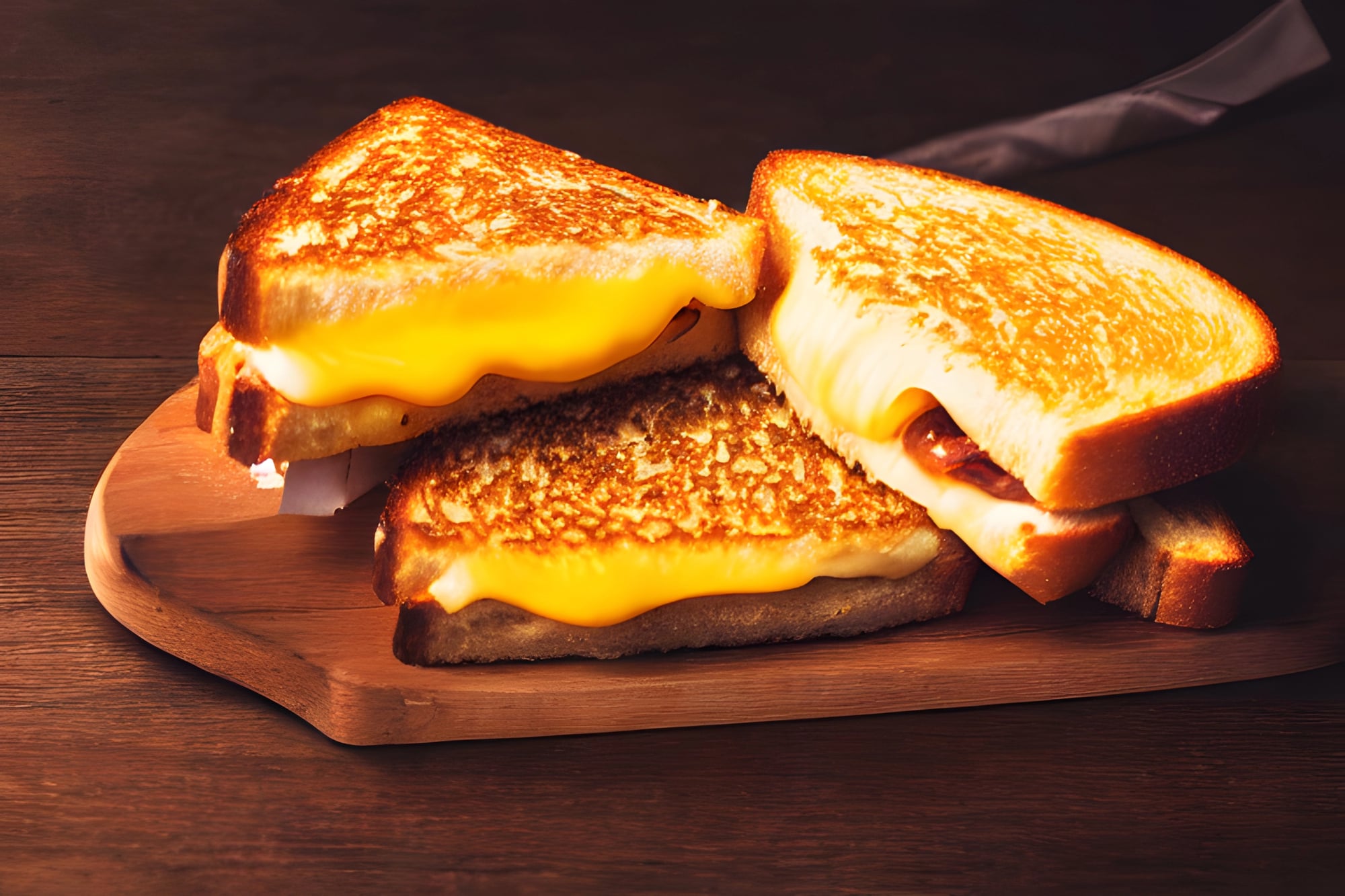
The one combination that cafeterias couldn’t completely ruin, though they certainly tried. The grilled cheese arrived as perfectly square sandwiches with American cheese that had achieved the ideal balance between melted and crispy.
The tomato soup came from industrial-sized cans and tasted exactly like what it was, but nobody cared because this meal delivered on its promise.
Spaghetti and Meat Sauce
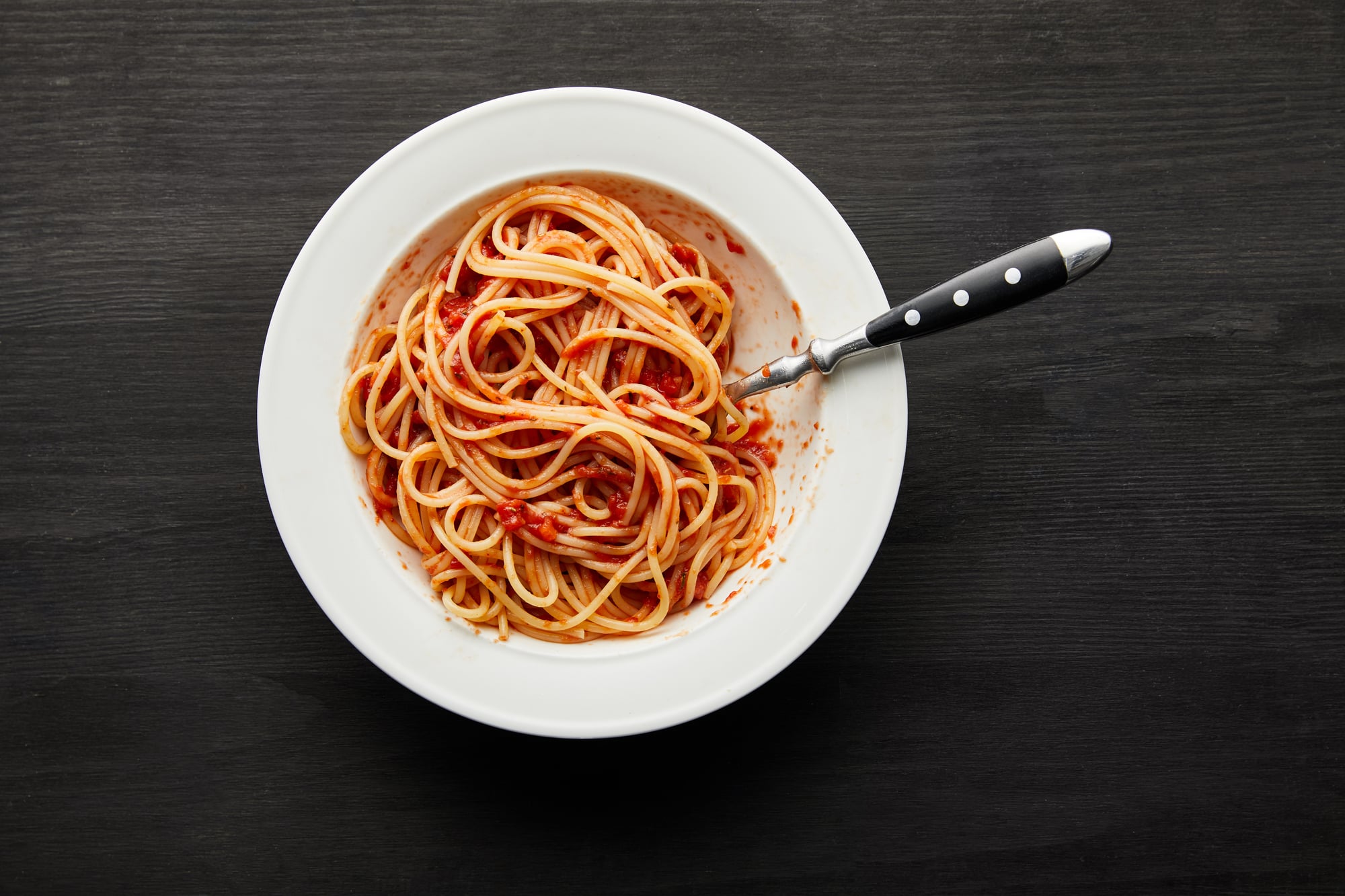
Overcooked pasta swimming in sauce that bore only a passing resemblance to anything Italian. The noodles had been boiled into submission, achieving a texture that eliminated any need for chewing.
The meat sauce contained the same mysterious ground meat that appeared in sloppy joes and tacos, seasoned with oregano and hope.
Hot Dogs
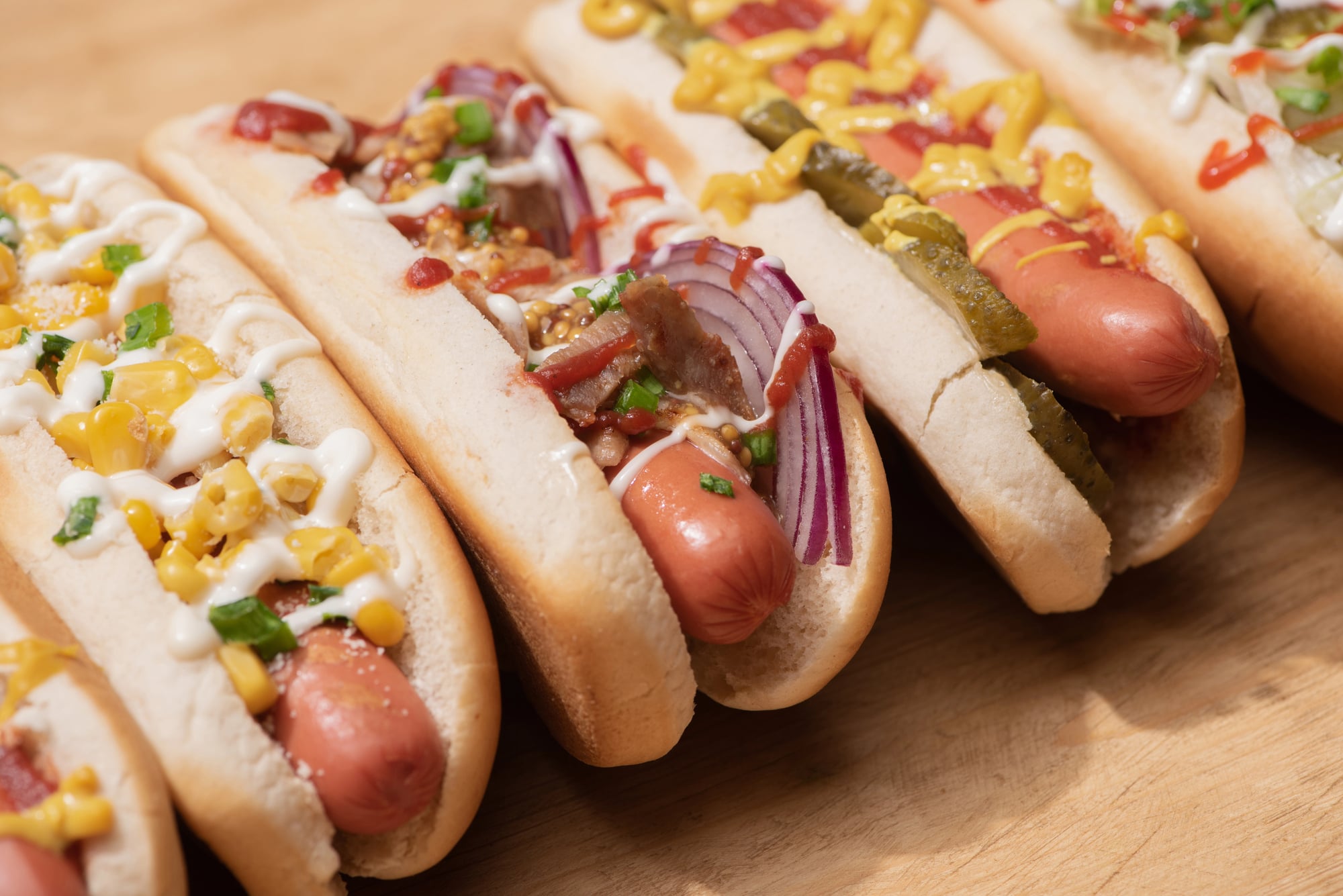
Pale pink tubes of processed mystery, served on buns that had clearly seen better days. The hot dogs themselves had been boiled into flavorless submission, but mustard and ketchup could work miracles.
Some cafeterias offered chili dogs, which combined two questionable menu items into one manageable disaster. Smart kids loaded them up with enough condiments to mask whatever was actually underneath, creating colorful combinations that probably violated several food safety guidelines but somehow worked.
Chicken Patty Sandwiches
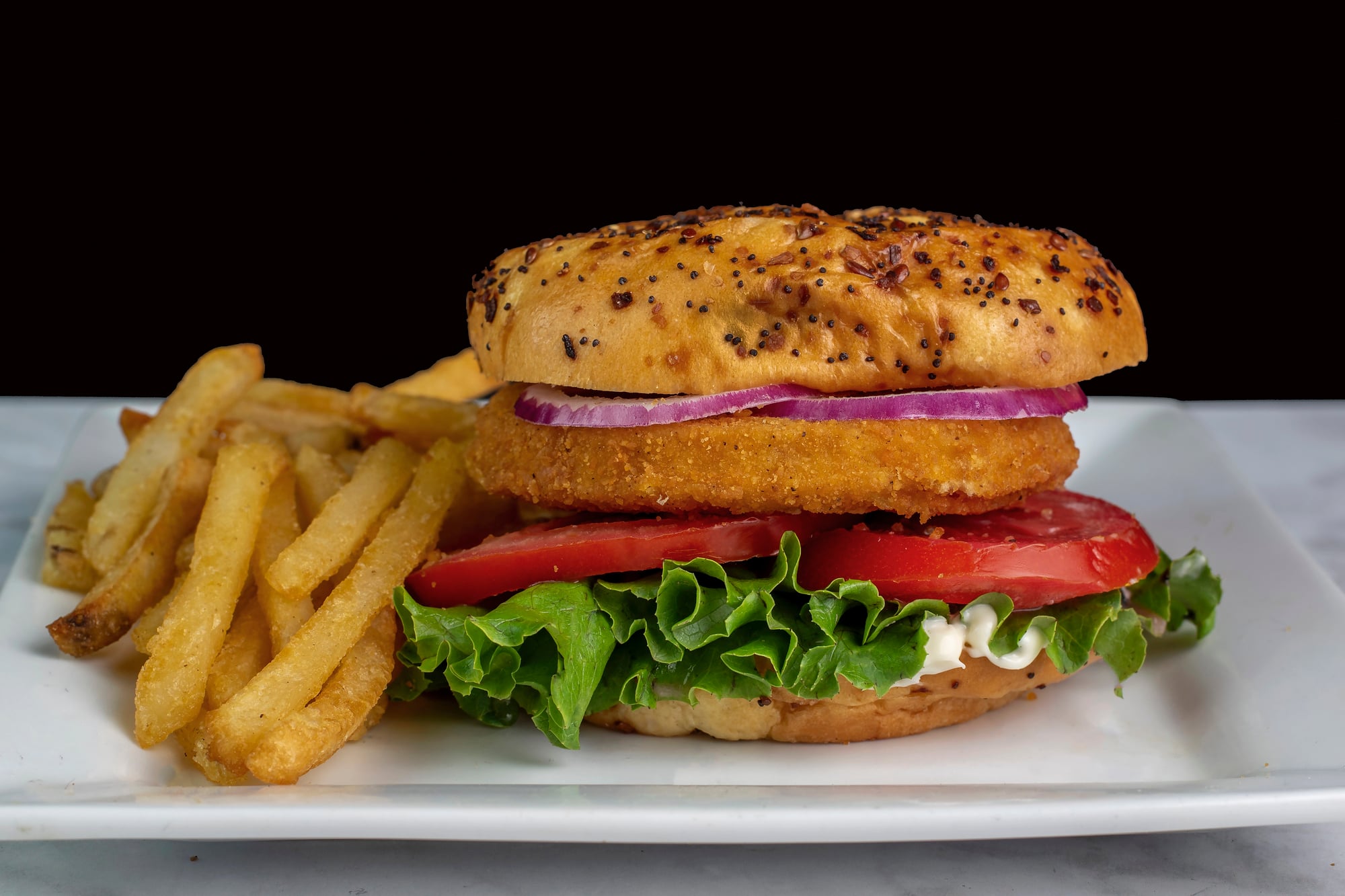
Breaded chicken patties that crunched promisingly but delivered disappointment with every bite. These patties had clearly started life in a freezer bag and hadn’t improved much during their journey to your lunch tray.
The breading provided most of the flavor, while the chicken inside remained as mysterious as every other protein source in the cafeteria rotation.
Served on hamburger buns with a single pickle and maybe some lettuce if you were lucky, chicken patty sandwiches represented cafeteria cuisine at its most basic. The patty itself was perfectly round and uniformly thick, suggesting it had been formed by machines rather than anything resembling traditional cooking methods.
But kids ate them anyway, because they at least resembled something you might order at a restaurant, even if the resemblance was purely theoretical.
Tuna Casserole
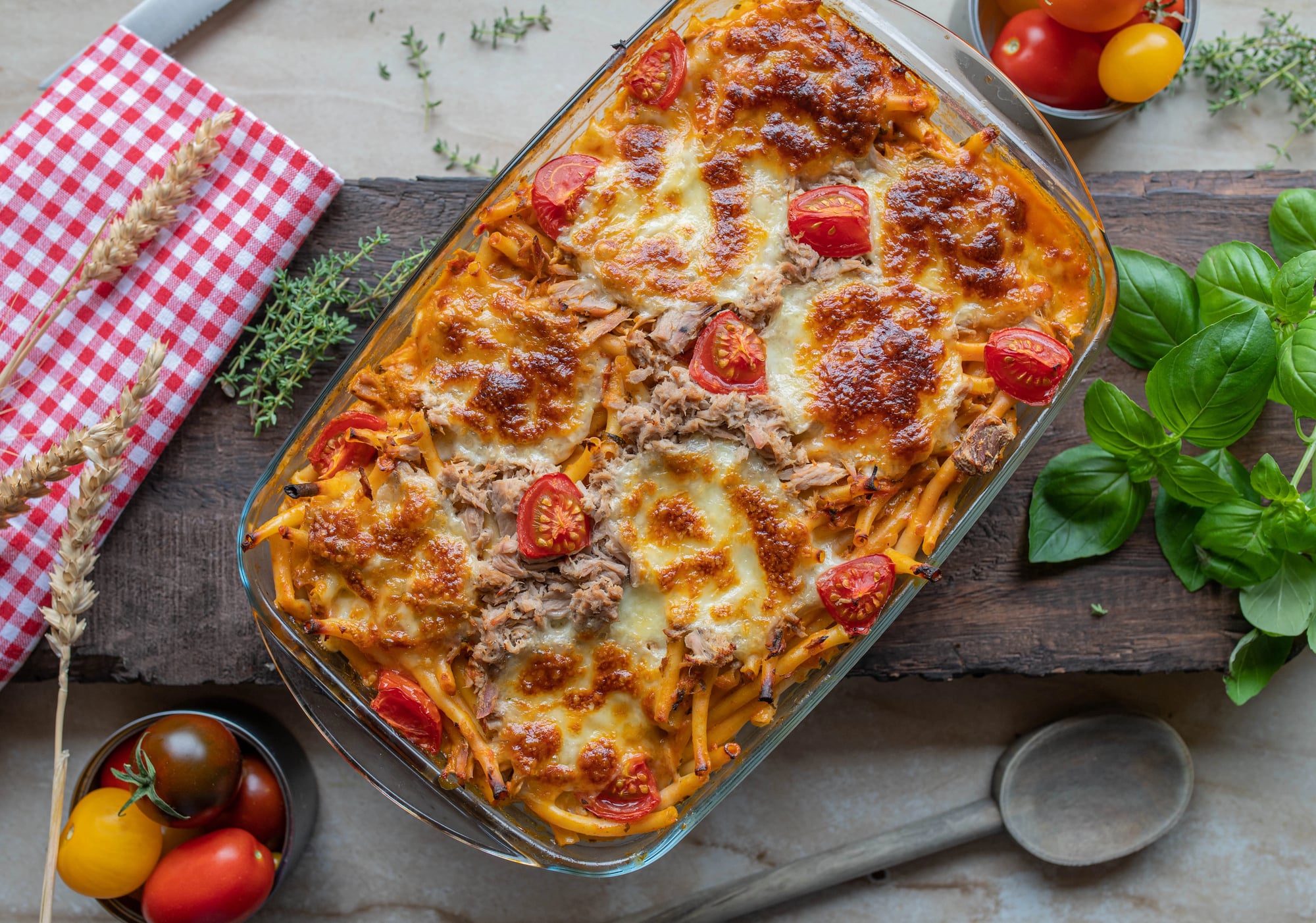
Canned tuna mixed with pasta and topped with crushed potato chips, then baked until the chips turned golden and the tuna achieved maximum fishiness. The combination of textures—creamy pasta, flaky fish, and crunchy chips—should have worked better than it did.
Instead, it created a dish that tasted like the ocean had gotten confused and wandered into a carbohydrate factory.
Shepherd’s Pie
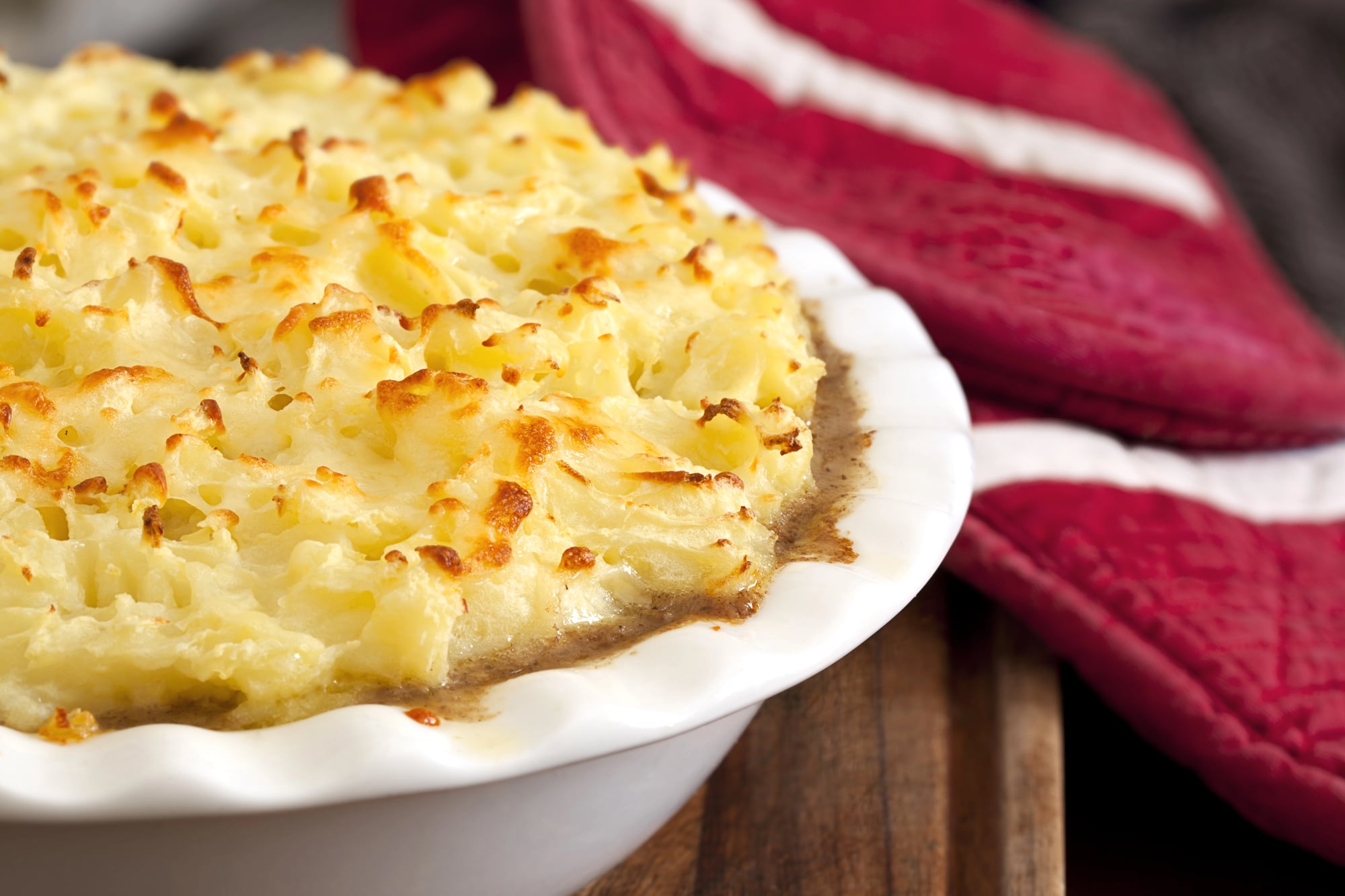
Ground beef (or reasonable facsimile) topped with instant mashed potatoes that had been piped on with industrial precision. The meat mixture underneath contained corn, peas, and whatever other vegetables needed to be used up, all swimming in brown gravy that tied the whole mess together.
The potatoes formed a golden crust that looked appealing but couldn’t disguise what lay beneath.
Meatball Subs
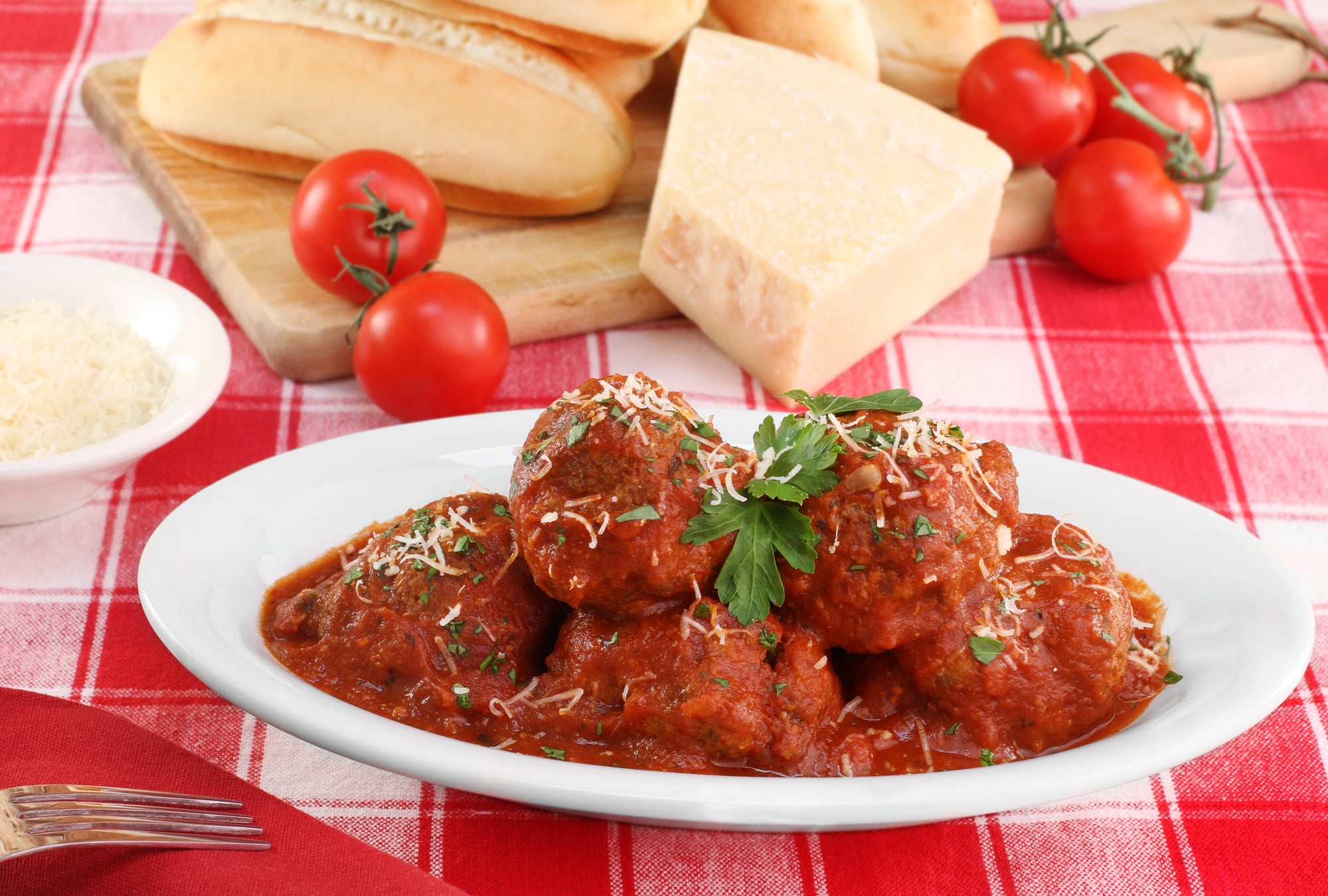
Cafeteria meatballs achieved a perfectly spherical shape that suggested they’d been formed by machines rather than human hands, swimming in marinara sauce that came from the same industrial supplier as the spaghetti sauce. Served on submarine rolls that turned soggy within minutes, these subs required careful engineering to eat without wearing half the sauce on your shirt.
The meatballs themselves had the density of golf orbs and about as much flavor, but the combination of bread, sauce, and melted cheese created something that resembled actual food—at least from a distance.
Chicken Noodle Soup
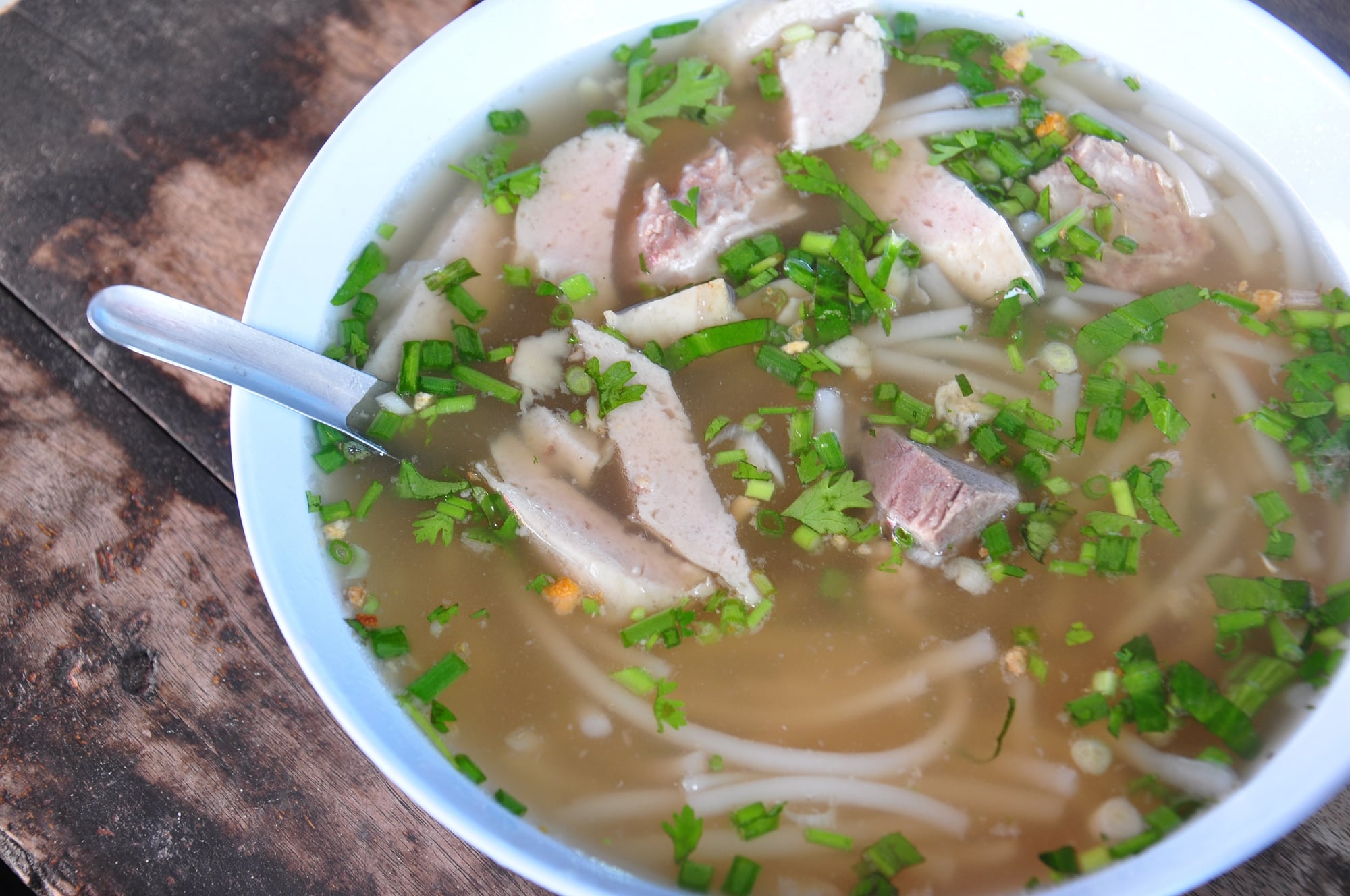
Thin broth with floating noodles and microscopic pieces of chicken that required detective work to locate. The soup arrived lukewarm and stayed that way, as if the cafeteria equipment had given up on the concept of hot food entirely.
The noodles had been cooked until they achieved maximum mushiness, creating a texture that eliminated any need for chewing.
Fish and Chips
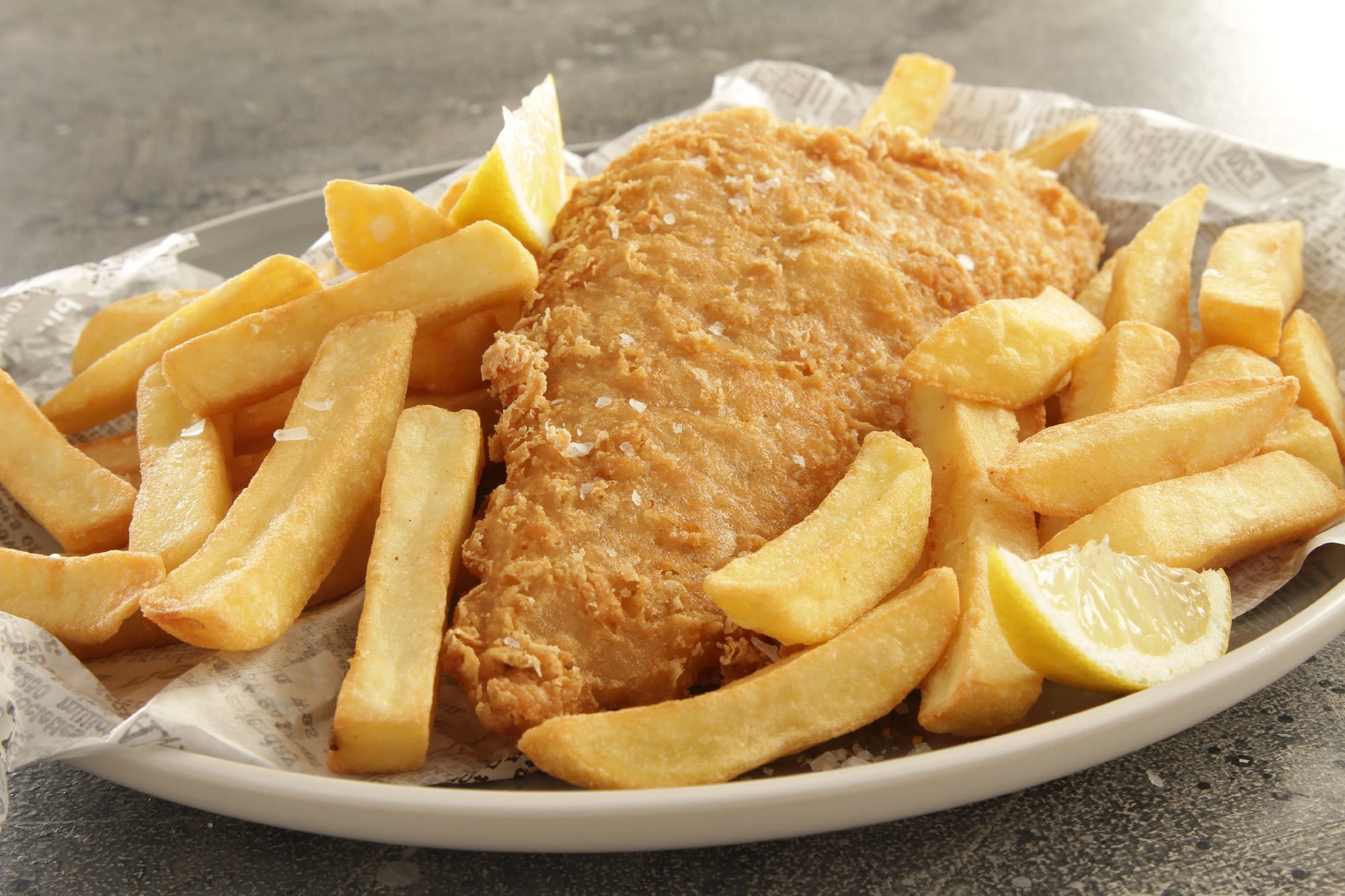
Battered fish fillets that bore only a theoretical relationship to actual seafood, served alongside frozen French fries that had been baked until they achieved maximum disappointment. The fish coating provided most of the flavor, while whatever was inside remained as mysterious as every other protein in the cafeteria rotation.
The chips arrived limp and unseasoned, suggesting they’d been cooked more out of obligation than enthusiasm.
Chicken Tenders
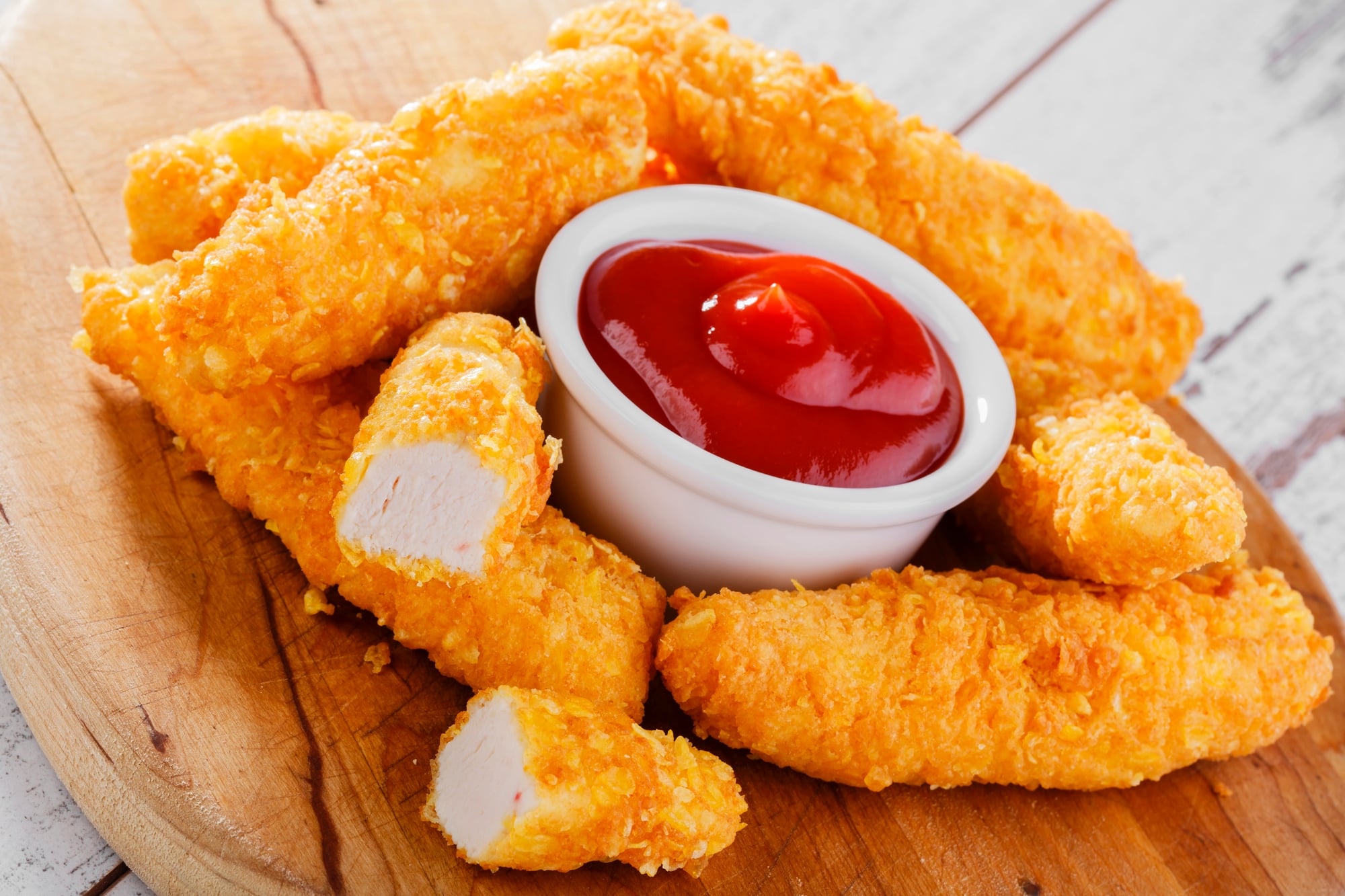
Slightly more sophisticated than nuggets but achieving the same general disappointment, chicken tenders arrived as breaded strips that crunched promisingly but delivered rubbery chicken that required serious chewing. The breading had been seasoned with optimism and not much else, creating a bland coating that couldn’t disguise the processed chicken hiding underneath.
The real tragedy of cafeteria chicken tenders was how close they came to being actually good—the shape was right, the breading looked promising, and they arrived hot enough to suggest someone had cared about the cooking process. But one bite revealed the truth: these were just chicken nuggets that had been stretched into different shapes, as if geometry could somehow improve what was fundamentally a flawed concept.
Kids dipped them in honey mustard packets when available, creating combinations that almost worked but never quite got there.
Bean Burritos
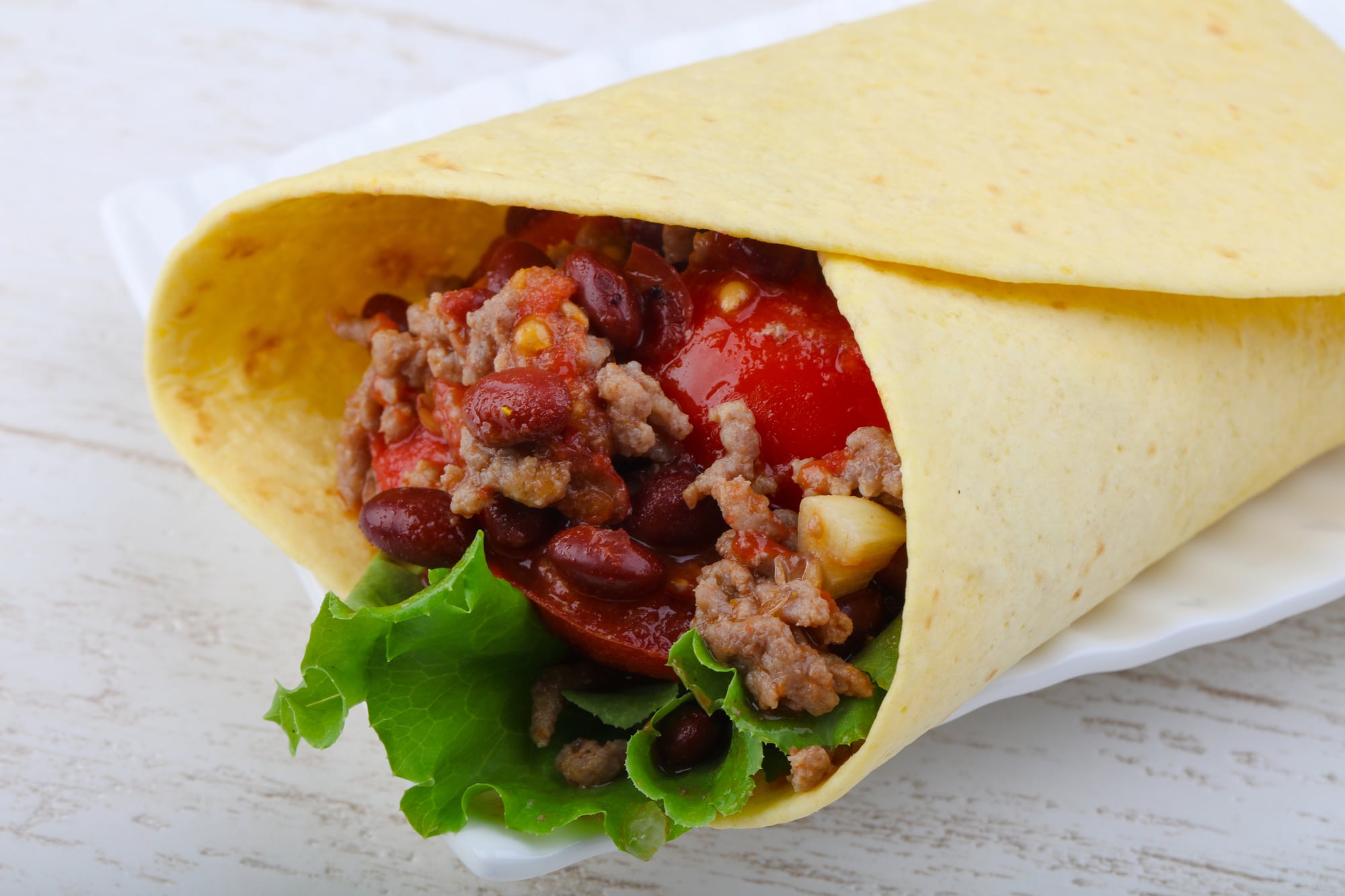
Flour tortillas wrapped around refried beans that had been seasoned with hope and little else, sometimes accompanied by cheese that had been grated weeks earlier and stored in industrial containers. The tortillas had the consistency of wet paper and fell apart if you looked at them wrong.
The bean filling achieved a texture somewhere between paste and concrete.
Baked Chicken
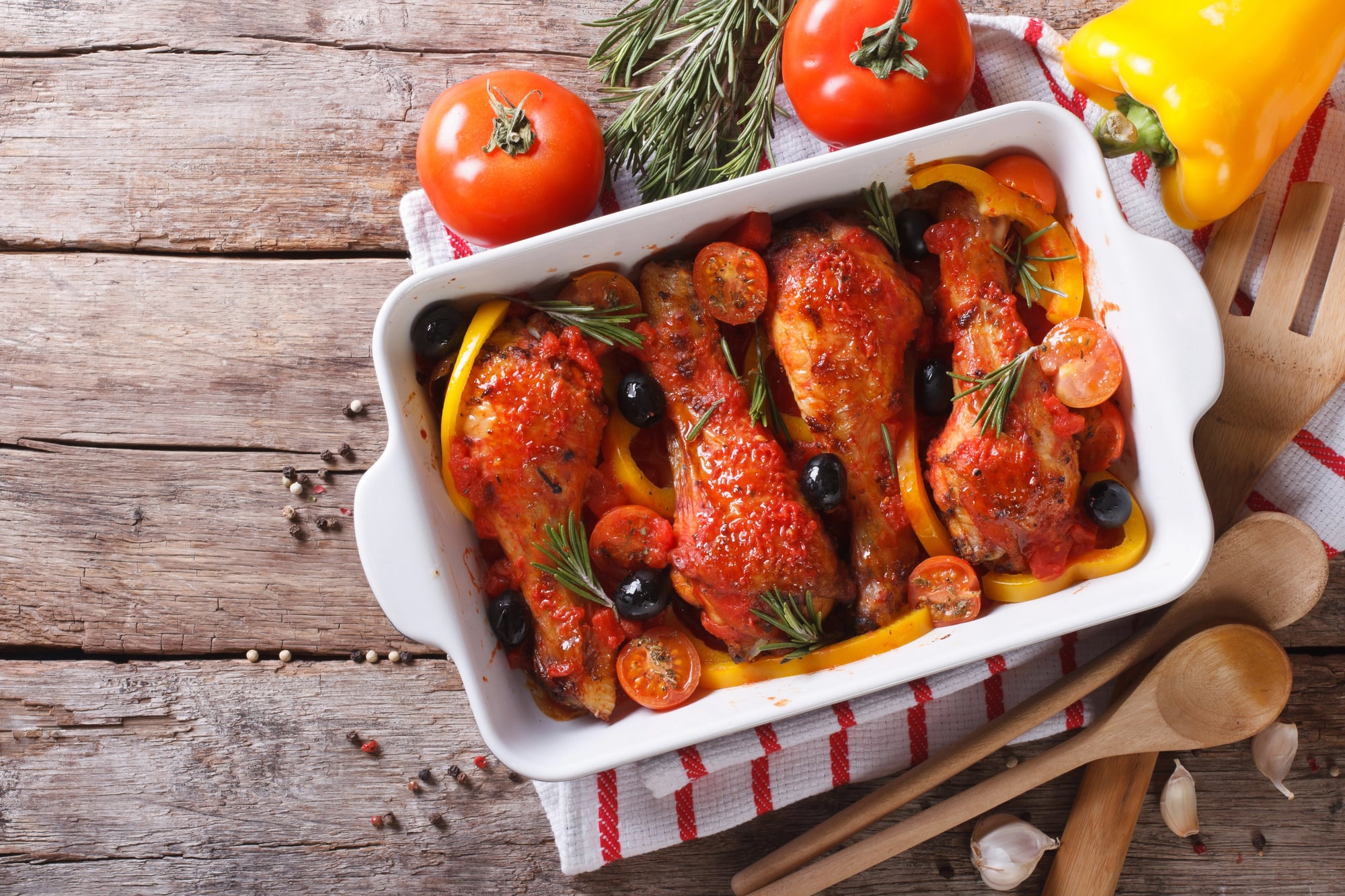
Whole pieces of actual chicken that represented cafeteria cooking at its most ambitious. The skin had been removed for health reasons, leaving behind pale, dry meat that had been baked until it achieved maximum disappointment.
Served with gravy that came from the same mysterious source as every other brown sauce in the cafeteria, baked chicken looked like real food but delivered institutional flavor.
Cheeseburgers
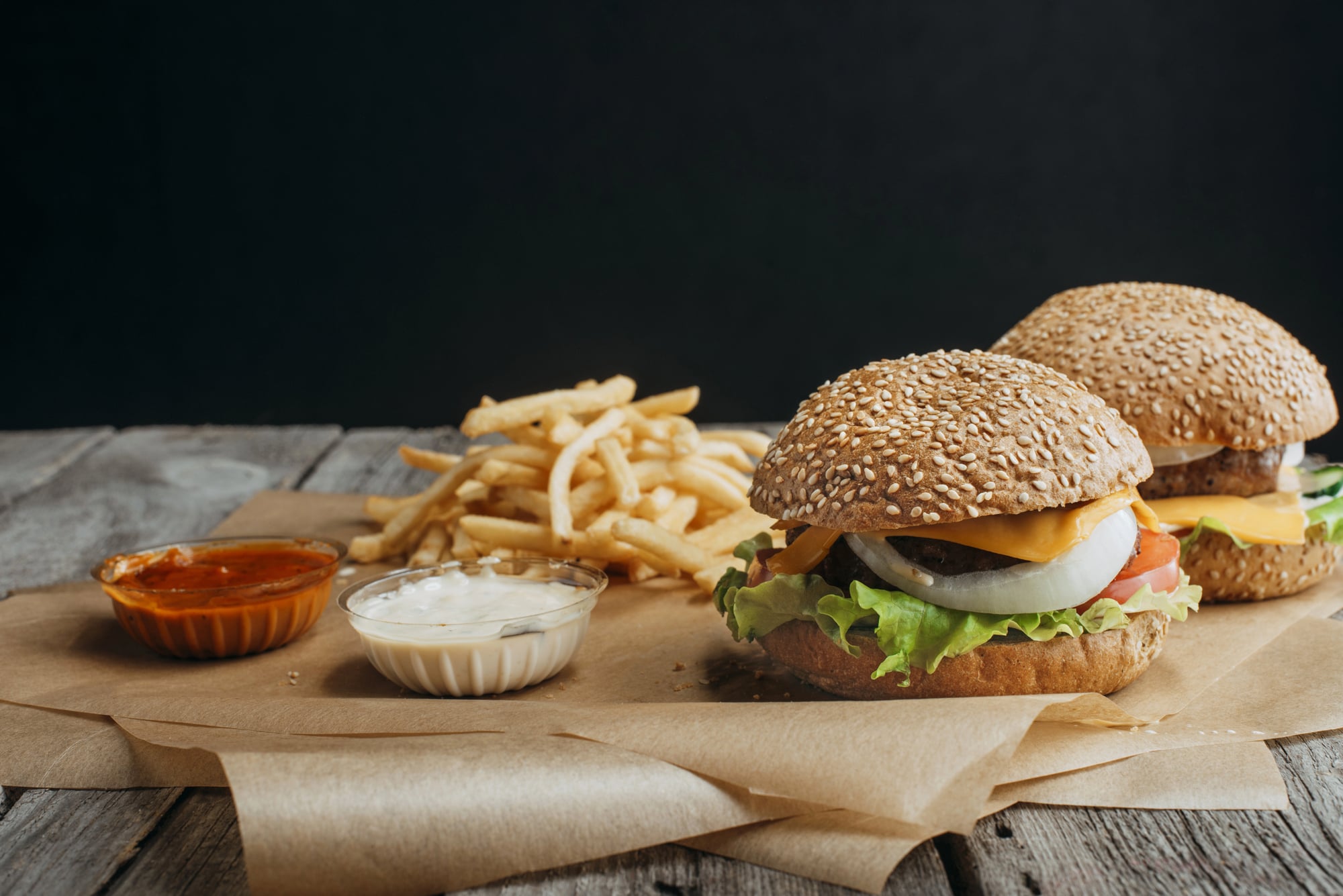
The logical evolution of the hamburger, featuring the same gray patty but with a slice of processed American cheese that had been strategically placed to cover as many flaws as possible. The cheese melted into an orange blanket that provided most of the flavor, while the patty underneath remained as mysterious as ever.
Served on the same structurally unsound buns as every other sandwich, cheeseburgers represented cafeteria optimism at its finest—the belief that adding cheese could solve any culinary problem.
When the Bell Rang for the Last Time
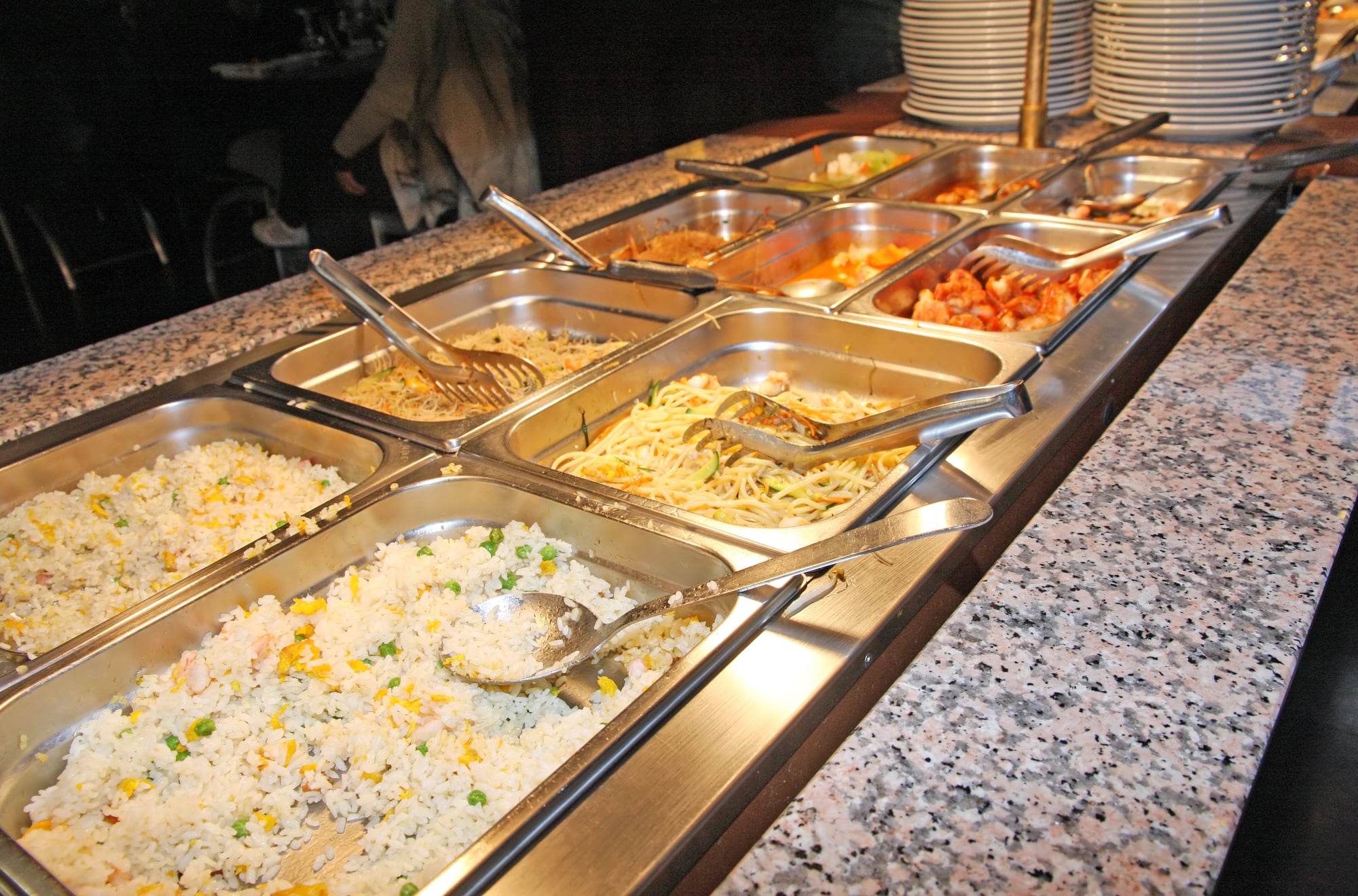
Those cafeteria lunches shaped more than just our taste buds—they created shared experiences that bonded entire generations. Trading lunch money for pizza day, learning to eat around the questionable parts, discovering which combinations of condiments could transform disaster into something edible.
The lunch ladies who served them probably knew exactly what they were doing, working within impossible budgets to feed hundreds of kids every day. And somehow, despite everything, we survived to tell the tales.
More from Go2Tutors!

- The Romanov Crown Jewels and Their Tragic Fate
- 13 Historical Mysteries That Science Still Can’t Solve
- Famous Hoaxes That Fooled the World for Years
- 15 Child Stars with Tragic Adult Lives
- 16 Famous Jewelry Pieces in History
Like Go2Tutors’s content? Follow us on MSN.