26 Childhood Games Played Completely Differently in Every Region of the United States
Growing up in America means learning the unspoken rules of playground politics, backyard adventures, and neighborhood competitions. But what seemed universal to you as a kid — the way you played tag, the rules of hide-and-seek, the correct method for choosing who goes first — might have been completely foreign to children just a state or two away.
Regional variations in childhood games run deeper than accents or local slang, creating a patchwork of play styles that reflects the unique character of each corner of the country.
Tag

In the Northeast, freeze tag dominates playgrounds with military precision. You’re frozen until someone crawls between your legs to unfreeze you.
End of discussion.
Head south and suddenly it’s called “TV tag” — when you’re caught, you have to name a TV show to stay safe. West Coast kids play “blob tag” where tagged players join hands with “it” until everyone’s connected.
Different rules, same childhood urgency.
Red Light, Green Light
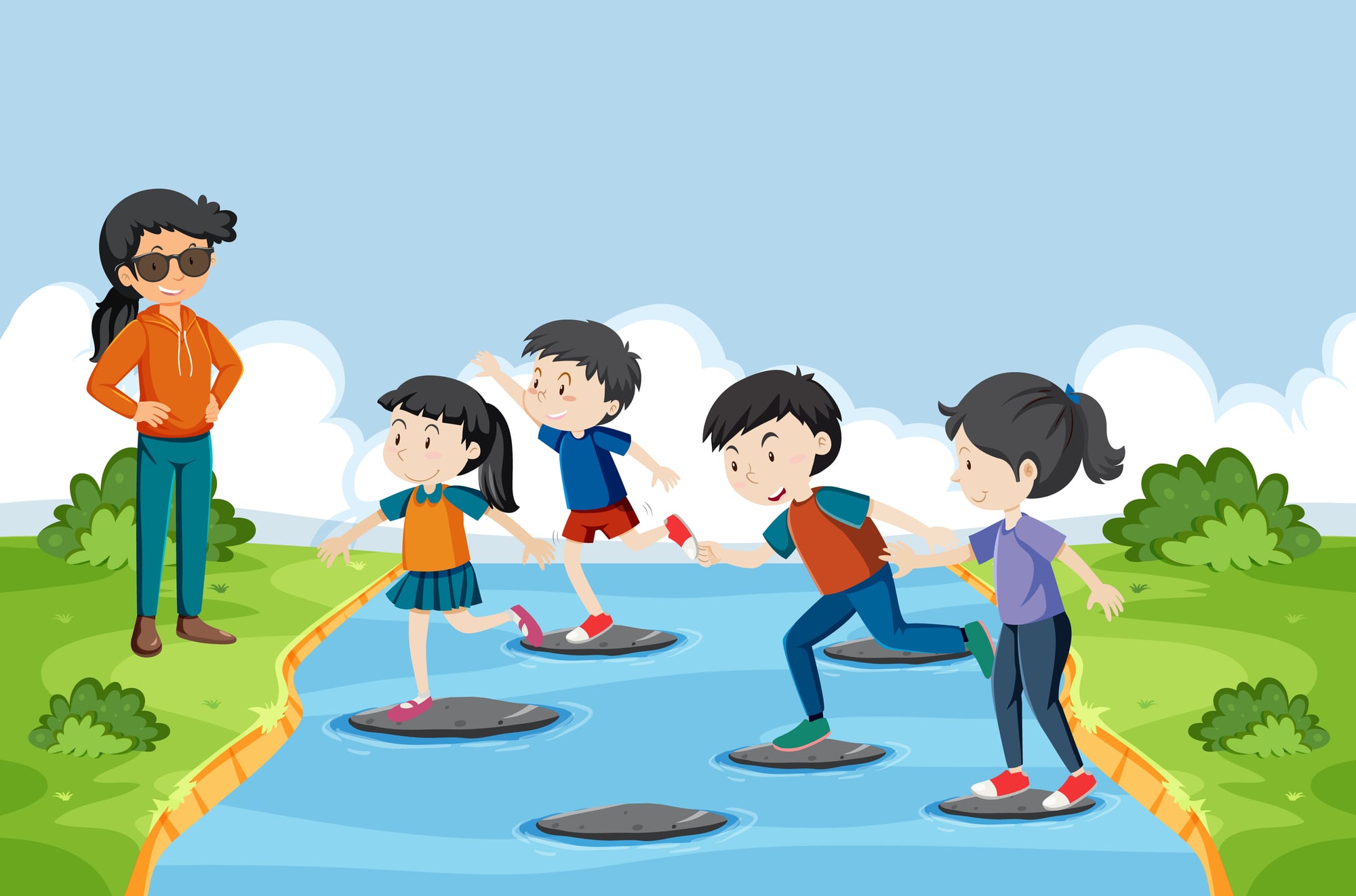
The basic concept travels everywhere, but (and this matters more than you’d think) the person calling out commands changes the entire feel of the game. In Texas, “Red Light, Green Light” gets called by someone facing away from the group — turn around on red light, and anyone still moving goes back to start.
But drive north to Minnesota and the caller watches the whole time, making direct eye contact with rule-breakers, which creates this entirely different psychological tension because you’re not just racing the commands, you’re reading facial expressions and trying to gauge whether that slight shoulder movement will be noticed. And then there’s the West Coast variation where “Yellow Light” gets thrown in as a slow-motion command, turning the whole thing into this interpretive dance situation.
So the same game becomes three completely different experiences of childhood stress.
Duck, Duck, Goose

Duck, Duck, Goose belongs to the Midwest like corn and politeness. The circle, the gentle tapping, the sudden sprint — it’s practically a regional export.
But venture into Minnesota and you’ll hear “Duck, Duck, Gray Duck” instead. Minnesotans will defend this variation with surprising intensity.
They argue it’s more strategic because the caller can say “gray duck,” “blue duck,” “red duck” before finally landing on “gray duck” — keeping everyone guessing longer.
Hide and Seek

Hide and Seek seems foolproof until you realize that “home base” rules vary wildly. In some regions, you touch the designated spot and yell “home free!” In others, you have to make it back without being tagged first.
Southern states often play with a counting rhyme instead of plain numbers. East Coast kids frequently use “ready or not, here I come” as the official signal.
Midwest variations sometimes include a “safety zone” where you can rest mid-game without being caught.
Hopscotch
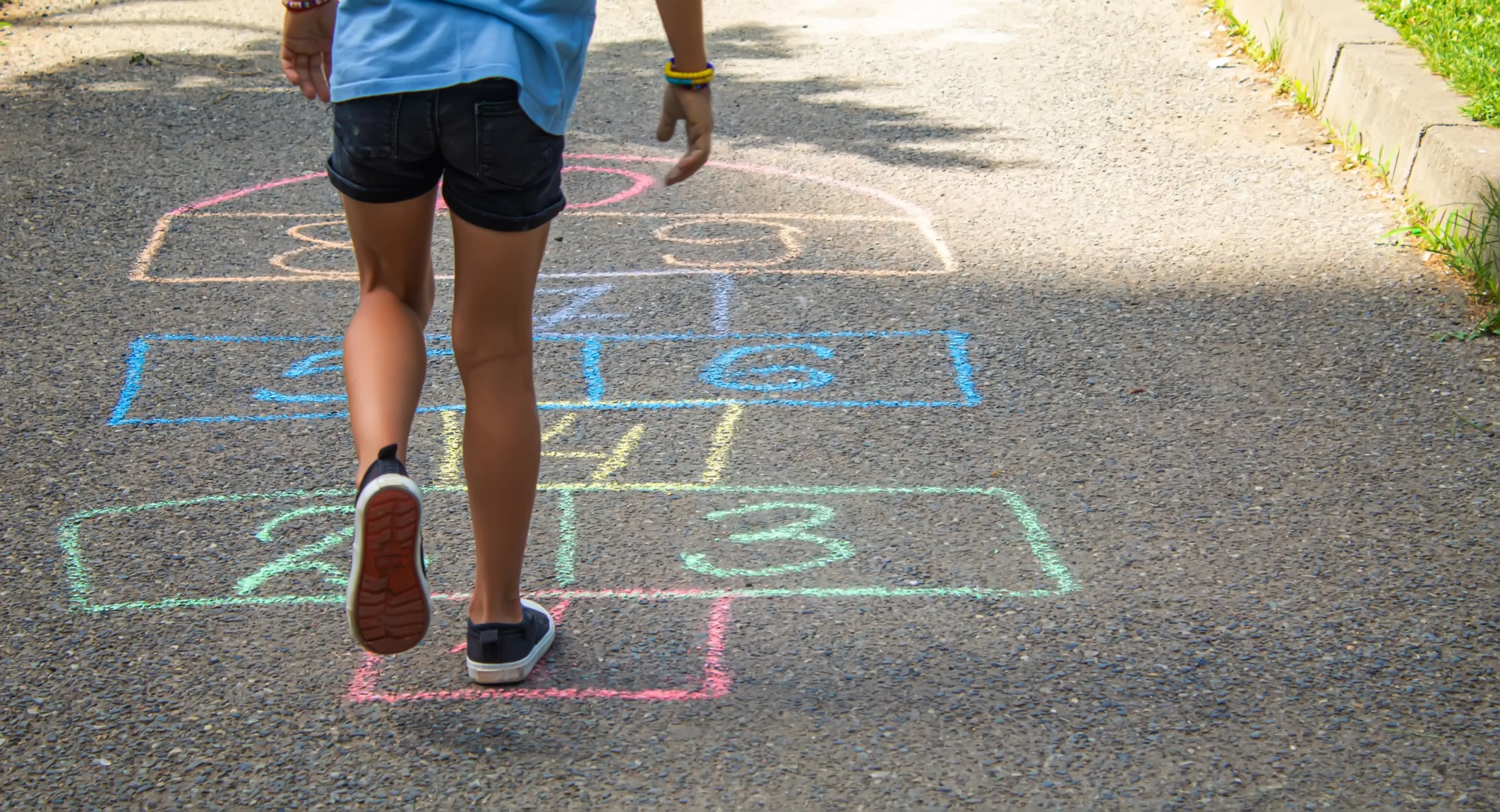
The hopscotch court drawn in chalk on sidewalks across America follows dozens of different patterns (some with eight squares, some with ten, some shaped like airplanes rather than the traditional ladder design), but what really separates regions isn’t the layout — it’s what you throw. East Coast kids use bottle caps or small stones, which makes sense given the urban density and available materials, but head into rural areas and you’ll find children using everything from dried corn kernels to specially selected “hopping rocks” that get passed down between siblings like family heirlooms.
And then there’s the question of what happens when your marker lands on a line: some regions treat it as an automatic loss of turn, others let you re-throw, and a few Western states play with a “leaner” rule where a marker touching but not completely crossing a line still counts as good. The rhythm changes completely based on these small variations.
Mother May I

Mother May I teaches children to ask permission in the most elaborate way possible. The “mother” grants or denies requests to move forward using specific steps — baby steps, giant steps, scissor steps.
Regional differences show up in the vocabulary. Southern children might ask for “bunny hops” or “frog leaps.”
Northern regions stick to more practical movements. West Coast versions sometimes include “surfer steps” or other locally inspired motions.
Four Square
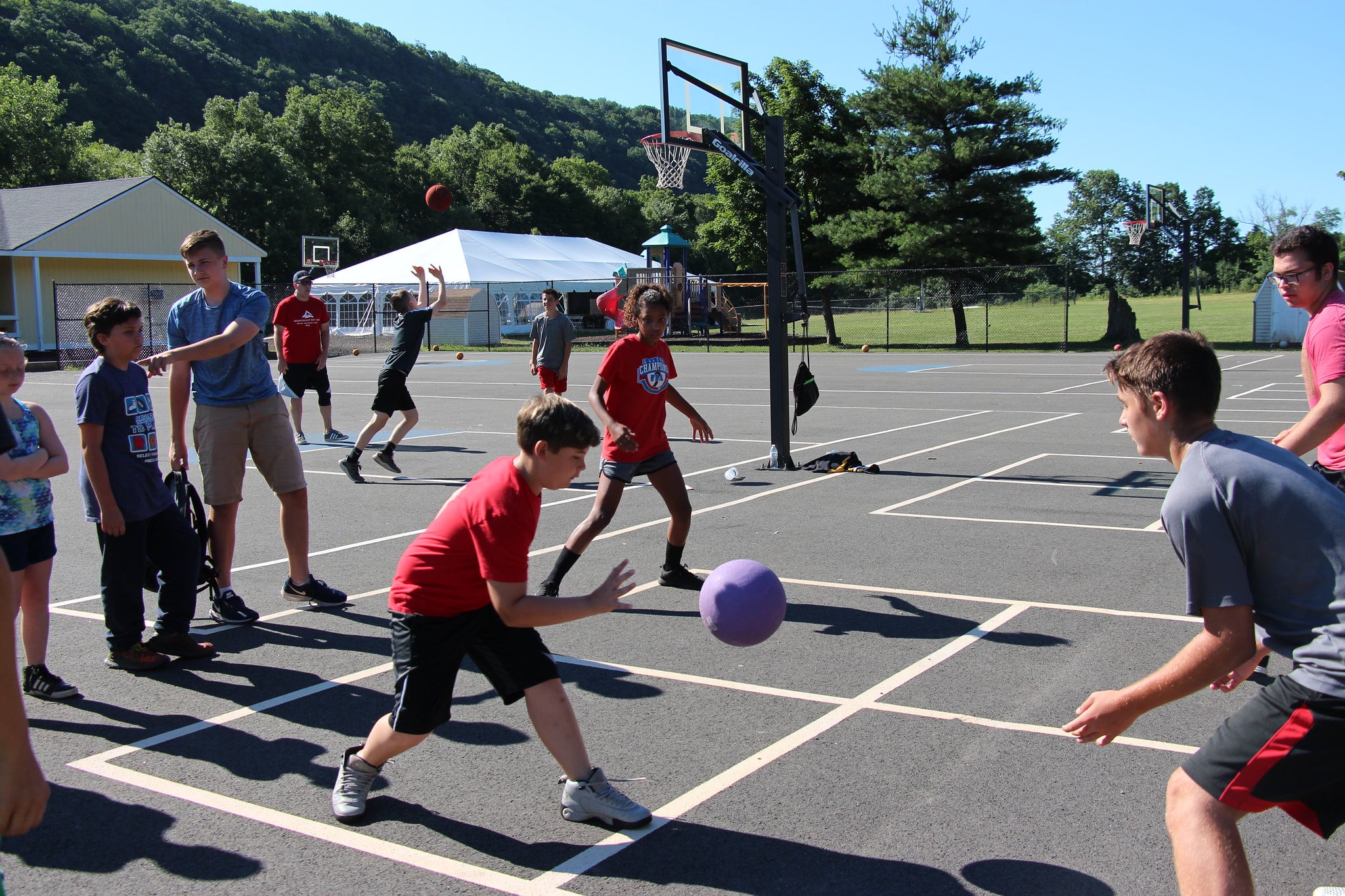
Four Square is the geometry of playground dominance. The concrete court divided into numbered squares, the hierarchy of ascending from square four to the coveted square one — it sounds standardized, but the serving rules alone fragment into dozens of regional interpretations.
Some areas require an underhand serve that bounces once in your square before crossing to another. Others allow overhand serves with no bounce requirement.
Certain regions have “king’s rules” where the player in square one can invent temporary rule changes. The game becomes less about consistent skill and more about adapting to local customs.
Red Rover

Red Rover should probably come with a legal disclaimer these days (two lines of children linking arms and calling someone to break through by running full speed at them — what could go wrong), but before safety concerns took over, the regional variations were fascinating because they revealed different attitudes toward physical contact and competition. Some areas played with the traditional “Red Rover, Red Rover, send [name] right over” chant, but others used “Red Light, Green Light” commands or simply pointed to indicate who should charge.
The real difference showed up in what constituted a successful break-through: some regions required you to completely separate two linked players, others counted it as success if you made it past the line even without breaking arms apart, and a few Western states played with a “mercy rule” where smaller kids got three chances instead of one. The game became a reflection of how much physical roughness each region considered acceptable childhood behavior.
Capture the Flag
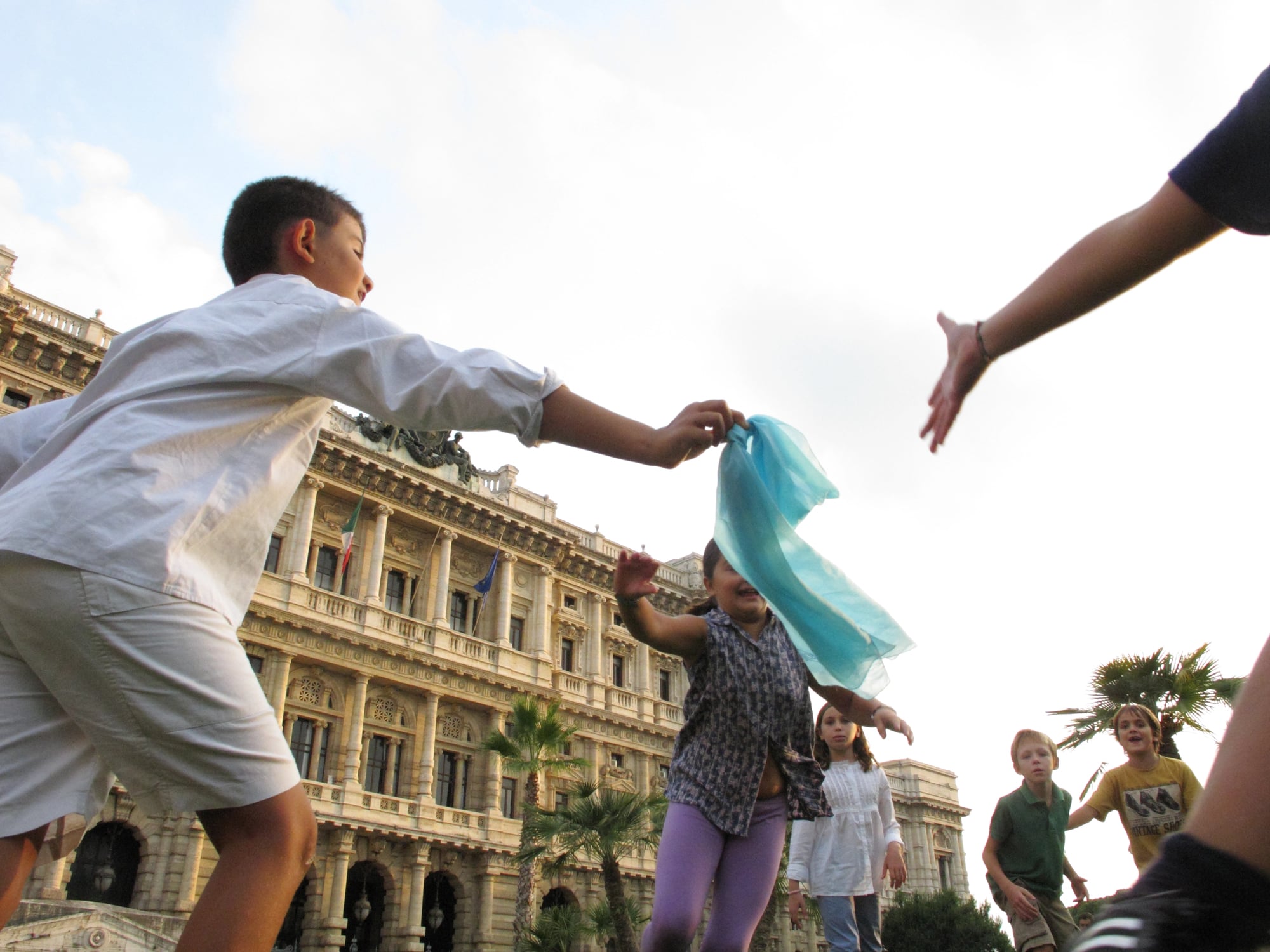
Capture the Flag transforms any outdoor space into a battlefield. Two teams, two flags, endless strategic possibilities.
But the “jail” rules splinter into competing philosophies. Some regions play with permanent jail — once you’re caught in enemy territory, you stay captured until your team wins or loses.
Others allow jailbreaks where a teammate can tag you free. A few areas skip jail entirely and just send caught players back to their starting line.
Kickball
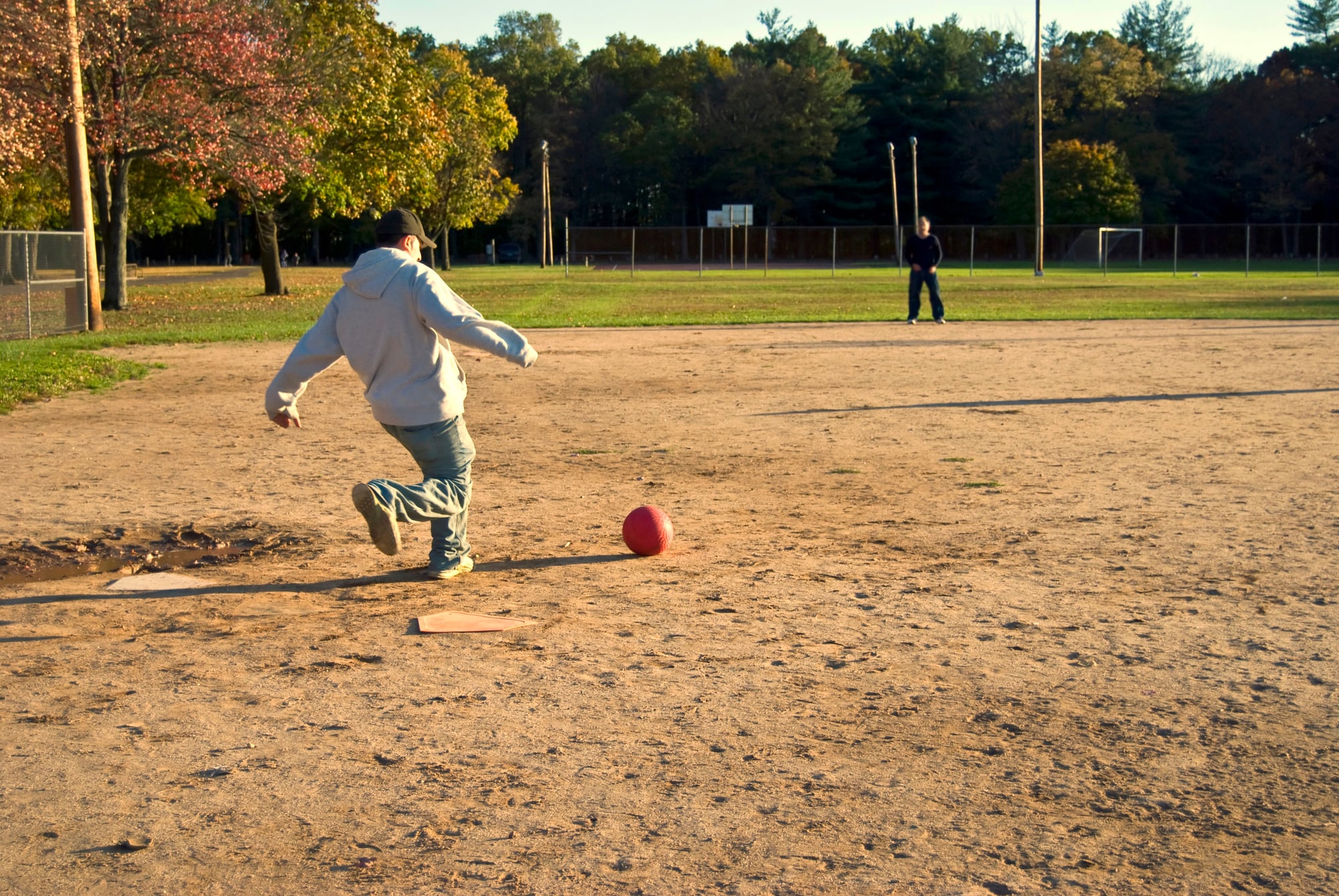
Kickball follows baseball rules until it doesn’t. The pitcher rolls instead of throwing, you kick instead of swing, and then regional interpretations take over with enthusiasm.
East Coast kickball often uses “pegging” — hitting a runner with the thrown rubber playground rubber to get them out. Midwest versions sometimes ban this as too aggressive.
West Coast schools frequently play with multiple kickers per inning to keep everyone involved.
Simon Says

Simon Says operates on the principle that children will follow any command if you phrase it correctly. “Simon says touch your nose” requires compliance.
“Touch your nose” without the Simon Says prefix means you’re out if you follow the instruction.
Southern regions often substitute local figures for Simon. Midwest versions sometimes use longer, more complex commands.
A few areas play with “opposite day” rules where Simon Says commands should be ignored and non-Simon commands should be followed.
Cops and Robbers

The eternal struggle between law enforcement and outlaws gets played out differently depending on local attitudes toward authority (and whether anyone’s parents work in law enforcement, which tends to influence rule interpretation more than you’d expect). East Coast versions usually feature elaborate jail setups and formal arrest procedures — robbers get “read their rights” and everything — while Southern regions often focus more on chase scenes and dramatic shootouts with finger guns.
West Coast kids frequently turn it into an environmental game where robbers are trying to steal natural resources and cops are park rangers, which reflects regional values in a way that’s both subtle and completely obvious once you notice it. The Midwest tends to play with a more collaborative approach where robbers can turn into cops if they help catch other robbers, creating this constantly shifting dynamic that somehow mirrors the region’s practical approach to problem-solving.
Steal the Bacon
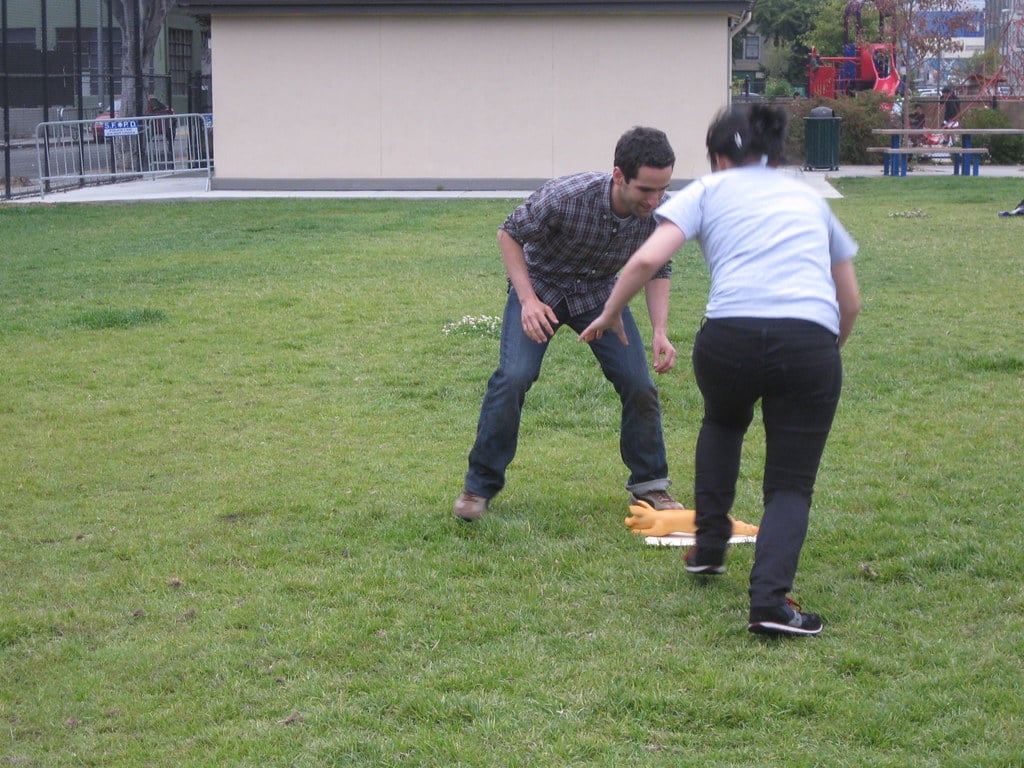
Steal the Bacon puts two teams at opposite ends of a playing area with a single object (the “bacon”) placed in the center. Players get assigned numbers, and when their number is called, they race to grab the object and return to their side without being tagged.
The regional differences emerge in what counts as “bacon” and how aggressive the tagging can get. Some areas use a bandana or rope.
Others prefer a rubber playground rubber. Certain regions allow tackling to prevent the bacon-stealer from reaching safety.
What Time Is It, Mr. Wolf?

One player stands with their back turned while others creep forward, asking “What time is it, Mr. Wolf?” The wolf calls out times (“Three o’clock!” means take three steps), building suspense until finally shouting “Dinner time!” and chasing everyone back to the starting line.
West Coast versions sometimes use “Mrs. Fox” instead of Mr. Wolf. Southern regions might substitute local animals.
The number of steps allowed per hour varies by region — some say one step per hour, others allow larger movements.
Spud

Spud requires a rubber playground rubber and a group willing to scatter at a moment’s notice. One player throws the rubber high in the air while calling out someone’s name.
Everyone runs except the named person, who must catch the rubber and yell “Spud!” to freeze all other players.
The throwing and tagging rules shift regionally. Some areas allow three steps before throwing the rubber at someone.
Others require you to throw from where you caught it. Certain regions let players dodge the thrown rubber, while others require them to stand still.
Sharks and Minnows
Swimming pool games develop their own ecosystem of rules, and Sharks and Minnows represents the apex predator of pool entertainment (the metaphor writes itself, which is probably why the game works so well). One person starts as the shark in the middle of the pool while minnows line up at one end, and the basic concept — swim from one side to the other without getting tagged — sounds straightforward until you factor in regional pool culture.
East Coast pools often play in the shallow end only, making it more about quick direction changes and less about swimming stamina, while West Coast versions frequently use the entire pool depth, turning it into an endurance challenge. Southern regions sometimes add a “shark cage” safe zone in the middle where minnows can rest, and a few Midwest areas play with multiple sharks from the start rather than converting tagged minnows into additional sharks.
The game becomes completely different depending on whether you’re dealing with sprint tactics or distance strategy.
Musical Chairs

Musical Chairs seems standardized — chairs arranged in a circle, one fewer than the number of players, music stops and everyone scrambles for a seat. But the setup details matter more than expected.
Some regions arrange chairs facing outward, others inward. Certain areas allow gentle pushing to claim a seat, while others consider any contact grounds for disqualification.
A few regions play with designated “safe” chairs that can’t be removed until the final rounds.
Follow the Leader

Follow the Leader gives one person complete creative control over everyone else’s movements. Walk in a line, copy exactly what the leader does, and try not to get eliminated for failing to match their actions.
Regional variations show up in how elaborate the movements get and what counts as “close enough.” Some areas encourage complex dance moves and acrobatic stunts.
Others focus on simple walking patterns with occasional direction changes. Certain regions rotate leadership frequently, while others let leaders continue until they make a mistake.
London Bridge

London Bridge transforms two children into a bridge by having them join raised hands while others pass underneath, singing about the bridge falling down until it “falls” on someone who then gets captured.
The song lyrics vary regionally — some versions include multiple verses about building the bridge with different materials. The capture method differs too.
Some regions gently trap the passing child, others create elaborate “jail” scenarios for captured players.
King of the Hill

King of the Hill works with any elevated surface — a snow pile, a playground mound, even a small slope. One person claims the high ground and everyone else tries to dethrone them through various means of physical persuasion.
Safety interpretations vary wildly by region. Some areas allow gentle pushing and pulling.
Others require the “king” to step down voluntarily when tagged. Certain regions ban the game entirely, while others embrace it as character-building exercise.
Telephone

Telephone demonstrates how information gets distorted as it passes from person to person — start with a whispered message at one end of a line, pass it along, and see what emerges at the other end.
Regional differences appear in the rules about repeating messages and how much whispering is allowed. Some areas require single-word messages.
Others allow complex sentences. Certain regions let players ask for one repeat, while others enforce a strict no-repeat policy.
Around the World
Around the World takes basketball shooting and turns it into a progression game. Players move through designated spots around the hoop, advancing only after making successful shots from each position.
The shooting positions vary by region and available court space. Some areas use five spots, others use ten or more.
Certain regions allow “chance” shots where missing means moving backward. Others require you to make two shots from each position before advancing.
Freeze Dance
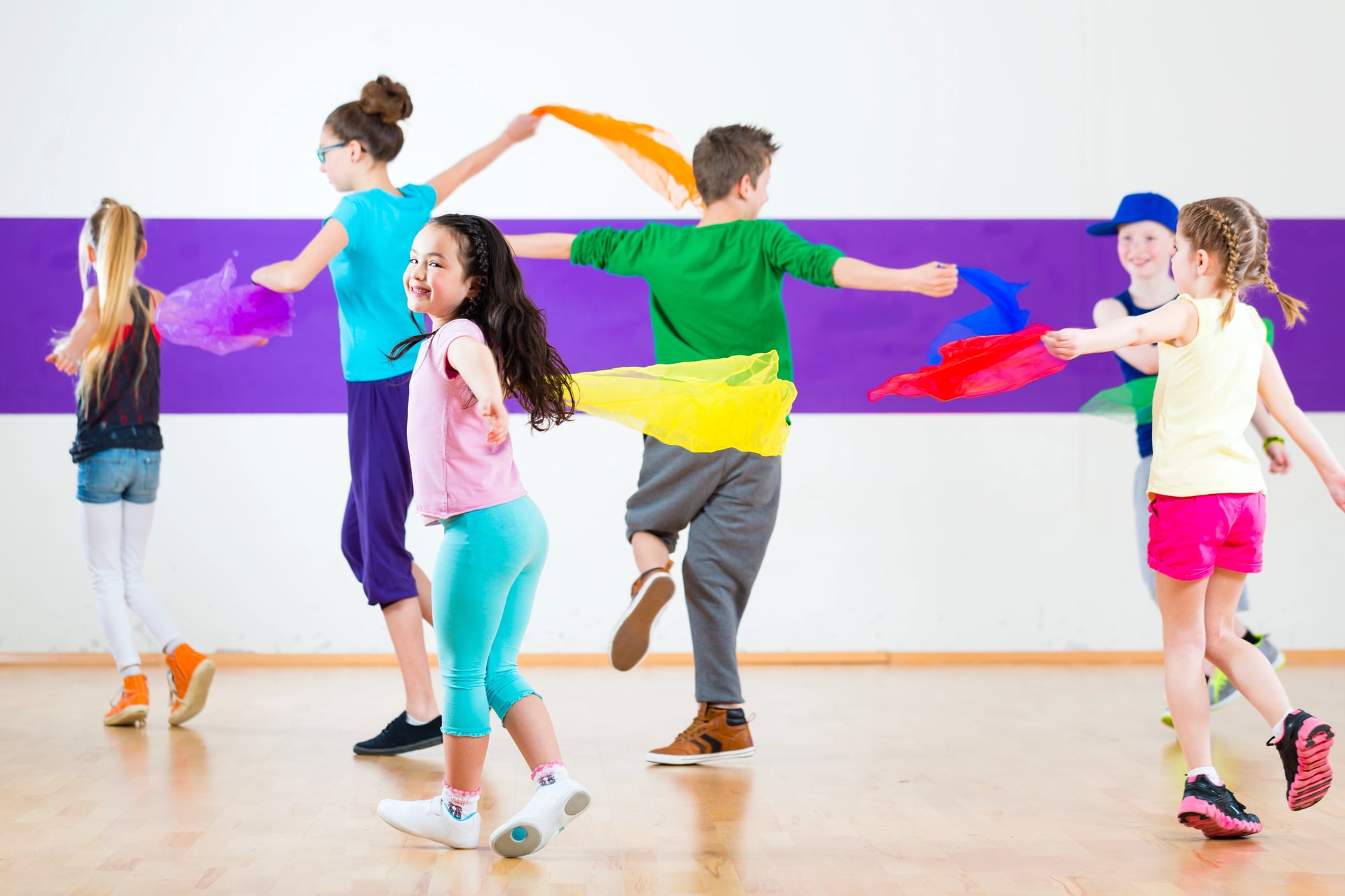
Freeze Dance combines music with sudden stops — dance while the music plays, freeze completely when it stops, and get eliminated if you’re caught moving during the freeze.
Regional variations focus on what counts as movement and how strict the judging gets. Some areas allow breathing and eye movement.
Others require complete statue-like stillness. Certain regions use specific songs with built-in freeze moments, while others rely on someone controlling the music randomly.
Seven Up

Seven Up happens indoors with heads down and thumbs up. Seven players stand while others put heads down on desks with thumbs sticking up.
The standing players each press one thumb, then everyone guesses who pressed theirs.
Classroom management styles influence the regional variations. Some areas require complete silence.
Others allow walking sounds but no talking. Certain regions let players move multiple times before making their selection, while others enforce a single-pass rule.
Sardines

Sardines flips Hide and Seek on its head — one person hides while everyone else seeks, but when you find the hidden person, you squeeze into their hiding spot until the last seeker finds a ridiculous pile of children crammed into an unlikely space.
Regional differences emerge in hiding spot boundaries and how much giggling disqualifies the group. Some areas restrict hiding to specific rooms or outdoor zones.
Others allow any location within broader property limits. Certain regions require the last person to become the next hider, while others let the original hidden person choose their successor.
Ghost in the Graveyard

Ghost in the Graveyard operates as reverse tag in the dark — one person hides as the “ghost” while others count and then search. When someone spots the ghost, they yell “Ghost in the graveyard!” and everyone races back to home base before getting tagged.
Regional safety rules vary significantly since the game requires low-light conditions. Some areas restrict it to dusk rather than full darkness.
Others require adult supervision or limit the hiding boundaries. Certain regions use flashlights, while others rely on ambient light from street lamps or porch lights.
Growing Up Everywhere

The beauty of regional childhood games isn’t just in their differences — it’s in how they prove that play adapts to place while keeping its essential magic intact. Whether you called it Duck Duck Goose or Duck Duck Gray Duck, whether your Four Square court allowed overhand serves or not, whether your neighborhood played Sharks and Minnows in the shallow end or the deep end, you were learning the same fundamental lessons about rules, fairness, creativity, and what happens when someone doesn’t play nice.
These variations remind us that childhood is both universal and deeply local, shaped by the particular ground beneath your feet and the specific voices calling you in for dinner.
More from Go2Tutors!

- The Romanov Crown Jewels and Their Tragic Fate
- 13 Historical Mysteries That Science Still Can’t Solve
- Famous Hoaxes That Fooled the World for Years
- 15 Child Stars with Tragic Adult Lives
- 16 Famous Jewelry Pieces in History
Like Go2Tutors’s content? Follow us on MSN.



