17 Historical Figures With Controversial Legacies
History refuses to stay clean. The figures we study in textbooks often carried contradictions that make modern audiences uncomfortable — brilliant minds who held reprehensible views, liberators who oppressed others, visionaries who couldn’t see past their own prejudices.
These complexities don’t diminish their historical importance, but they do force us to grapple with the messy reality that progress rarely comes from perfect people.
Christopher Columbus

Columbus opened two worlds to each other. He also began one of history’s most devastating cultural collisions.
His voyages connected continents that had developed in isolation for millennia. The exchange of crops, animals, and ideas that followed reshaped both hemispheres permanently.
Yet the same expeditions introduced diseases that decimated indigenous populations and established patterns of exploitation that lasted centuries.
Thomas Jefferson
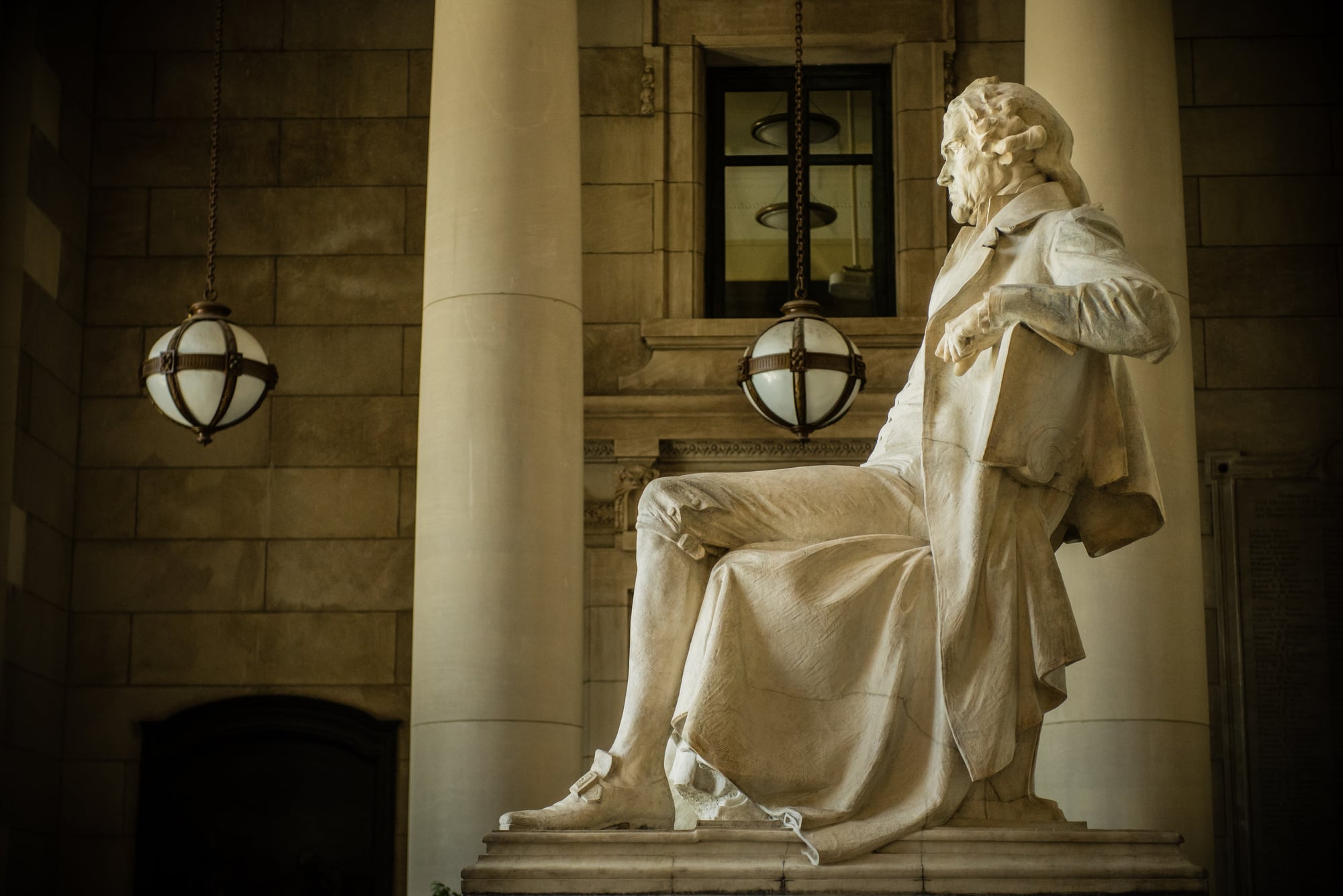
Jefferson’s contradictions run so deep they seem to split him into different people entirely — the man who wrote “all men are created equal” while owning hundreds of enslaved individuals, the champion of limited government who made the Louisiana Purchase without clear constitutional authority, the advocate for religious freedom who believed Native Americans needed to be “civilized” out of existence.
And then there’s the relationship with Sally Hemings (which DNA evidence has largely confirmed), a connection that embodied the power imbalances and moral compromises of his era in the most personal way possible.
So you end up with this figure who articulated some of the most soaring ideals in American political thought — ideals that genuinely inspired liberation movements worldwide — while living a life that contradicted those principles at nearly every turn, which makes him either a hypocrite of stunning proportions or a man trapped by circumstances he helped create but couldn’t escape.
Maybe both.
Napoleon Bonaparte
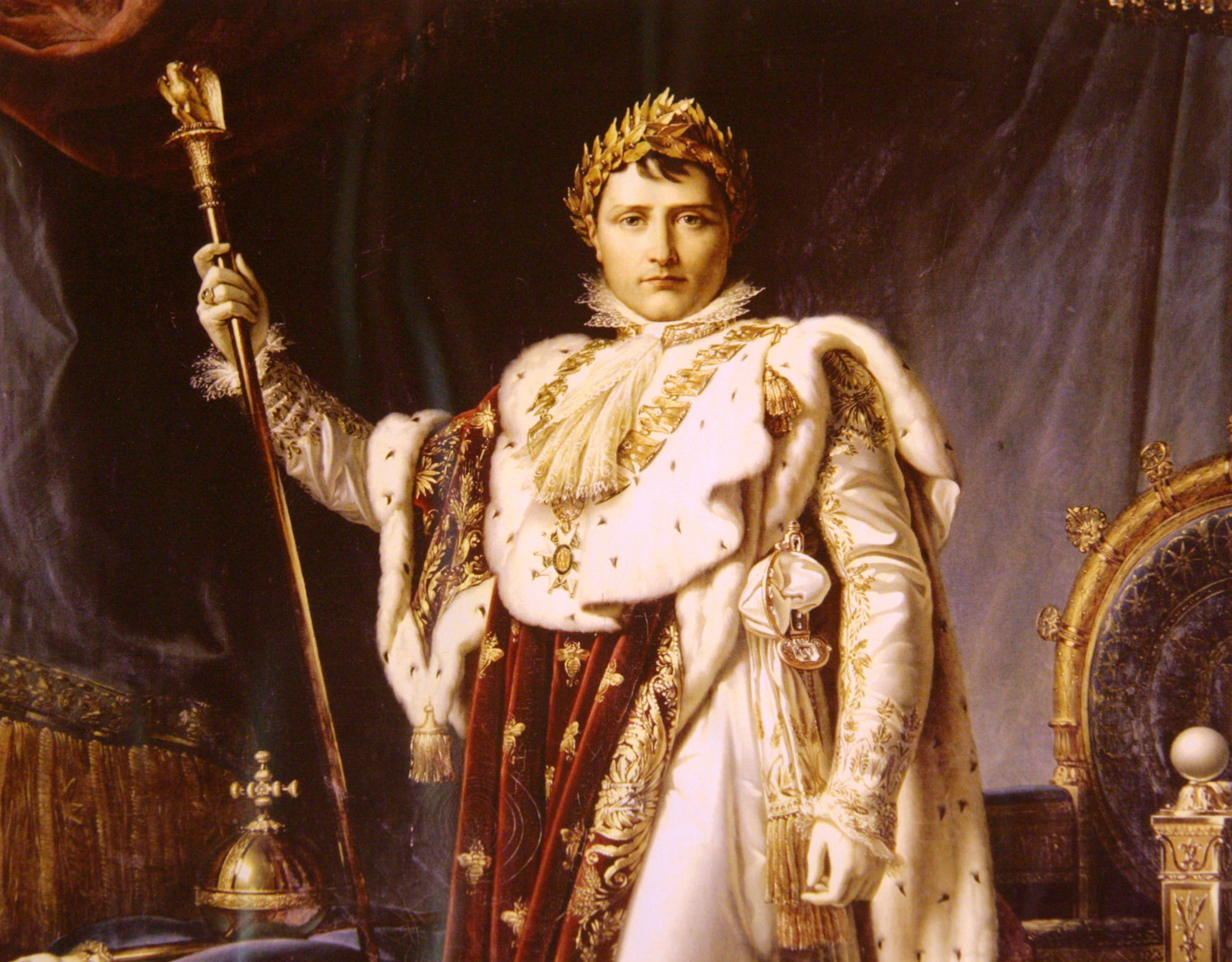
Napoleon sits in history like a monument you can’t walk around without getting dizzy from the different angles.
He was the dictator who spread democratic ideals across Europe, the autocrat who abolished feudalism and established legal codes that still influence modern law.
His wars killed millions, yet his reforms liberated more. The Napoleonic Code became a template for legal systems worldwide, while his campaigns redrew the map of Europe permanently.
The contradiction feels almost deliberate — a man who consolidated power by appealing to revolutionary principles, then used that power to export those same principles at the point of a sword.
Woodrow Wilson
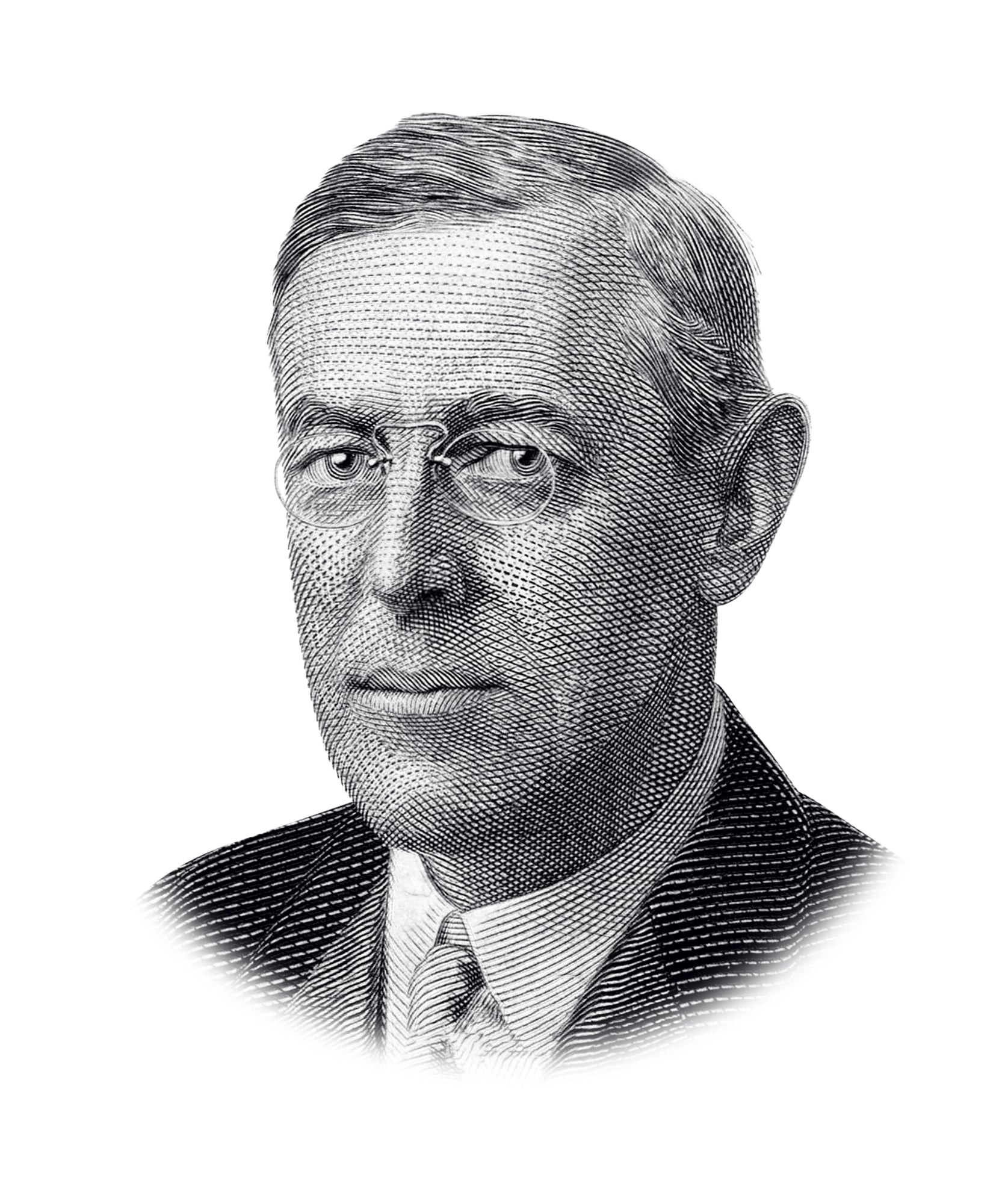
Wilson was a segregationist who championed self-determination for nations. He expanded presidential power while preaching democratic ideals abroad.
His Fourteen Points helped reshape the post-war world order, but he couldn’t convince his own country to join the League of Nations he helped create.
The man who spoke of making the world safe for democracy screened “The Birth of a Nation” at the White House and rolled back civil rights progress that had been made since Reconstruction.
Wilson remains the president who simultaneously advanced international cooperation and domestic racial oppression with equal conviction.
Winston Churchill
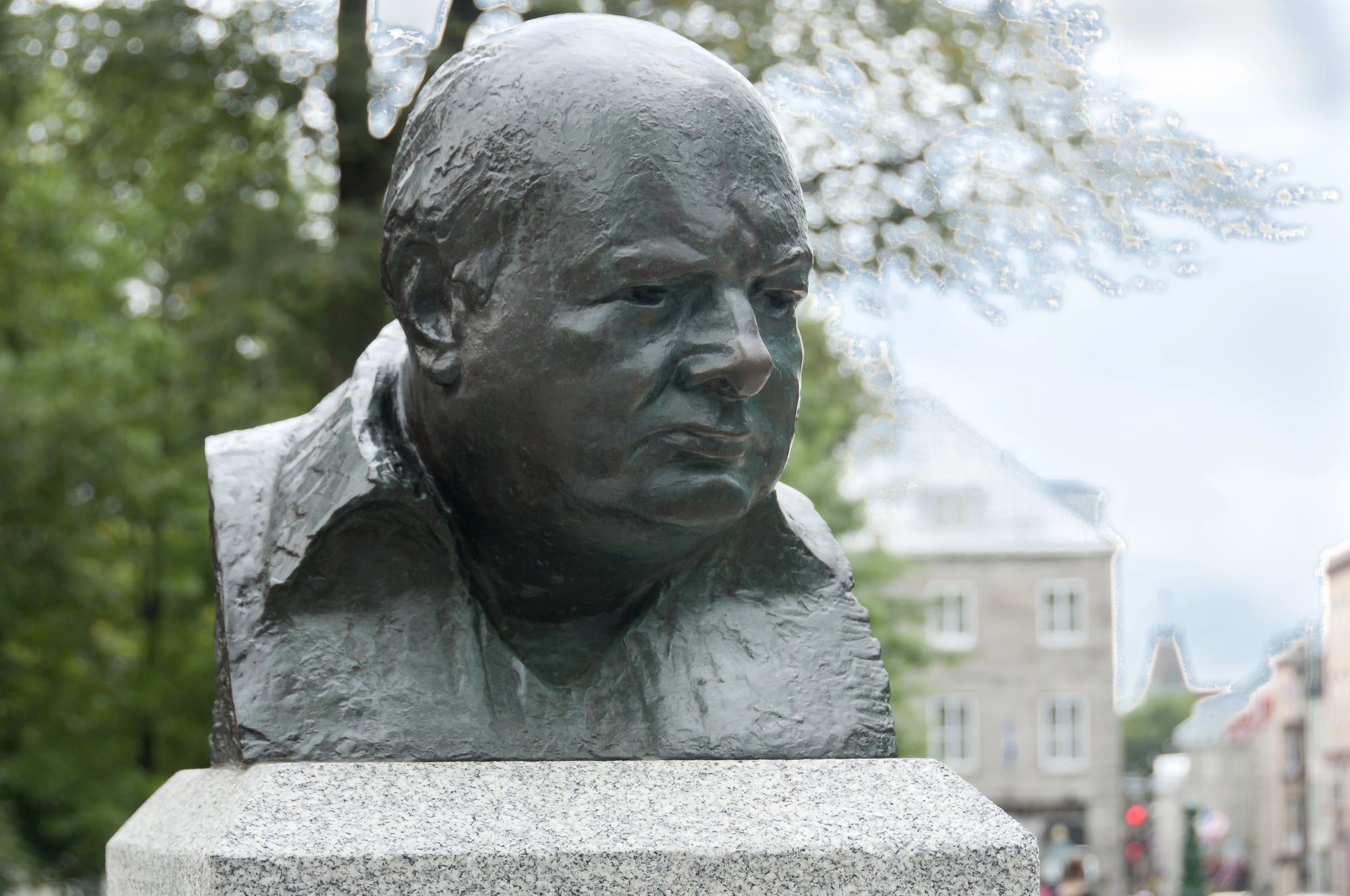
Churchill becomes a different person depending on which decade you examine, like looking at someone through a prism that splits their character into component parts that don’t seem to belong to the same human being.
The young Churchill was an imperialist who believed in racial hierarchies so fervently he once said Gandhi should be “bound hand and foot at the gates of Delhi and then trampled on by an enormous elephant with the new Viceroy seated on its back” — and yet this same man became the voice that rallied Britain (and really, much of the democratic world) against fascism when it mattered most.
His leadership during World War II was genuinely extraordinary; his speeches didn’t just inspire, they helped hold together a coalition that might have fractured without his stubborn refusal to consider defeat, even when defeat seemed inevitable.
But the Bengal famine of 1943 killed millions partly because Churchill diverted grain shipments away from India — a decision that reflected his lifelong belief that some lives mattered more than others, which makes him simultaneously the defender of civilization and a man whose policies contributed to genocidal outcomes.
Henry Ford
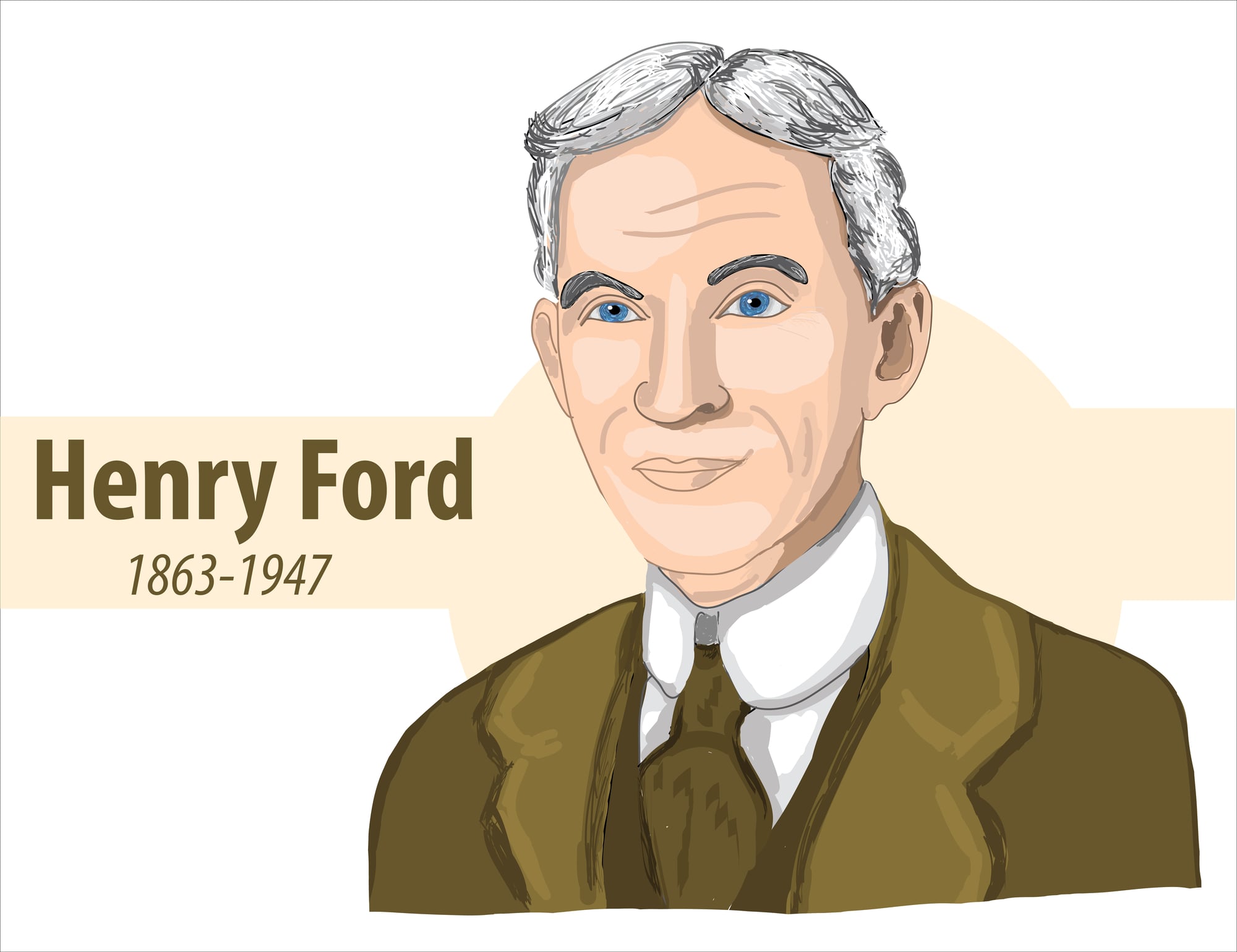
Ford democratized transportation and pioneered industrial methods that lifted wages across entire sectors. He also published anti-Semitic propaganda that influenced Nazi ideology.
The man who paid workers enough to buy the cars they built also distributed “The International Jew” to dealerships nationwide.
His innovations in mass production transformed manufacturing permanently, while his conspiracy theories found their way into some of history’s darkest chapters.
The assembly line and the Protocols of the Elders of Zion — both bear Ford’s fingerprints.
Charles Lindbergh
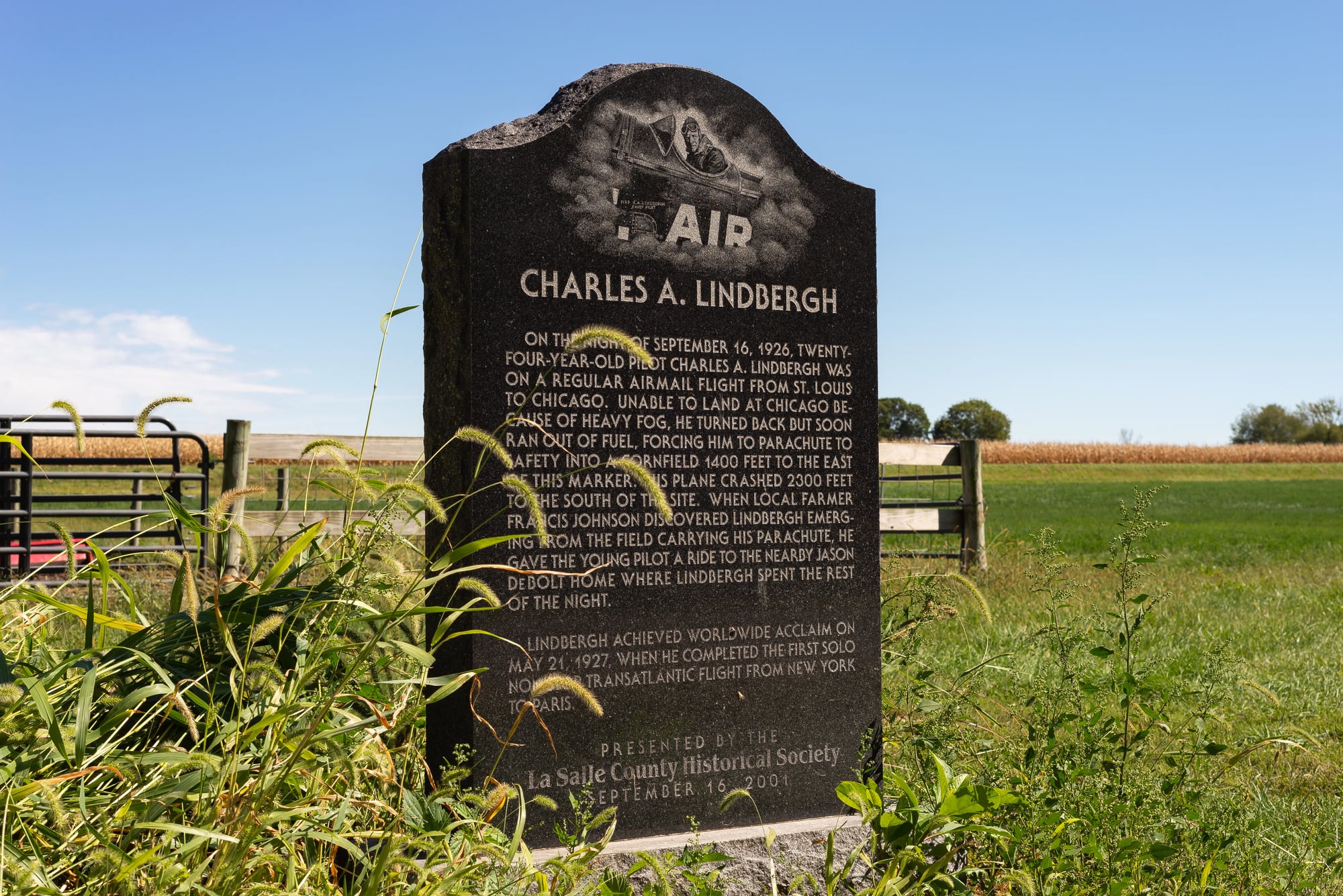
Lindbergh captured imaginations by flying solo across the Atlantic, then spent years trying to keep America out of the war against fascism.
His 1927 flight represented human courage and technological progress at their finest. His 1930s speeches for the America First Committee suggested Nazi Germany might represent the future of aviation and Western civilization.
The same qualities that made him a successful pilot — methodical thinking, emotional detachment, confidence in his own judgment — made him susceptible to ideologies that prized efficiency over humanity.
Lindbergh embodied both the promise and peril of the technological age he helped usher in.
Mahatma Gandhi
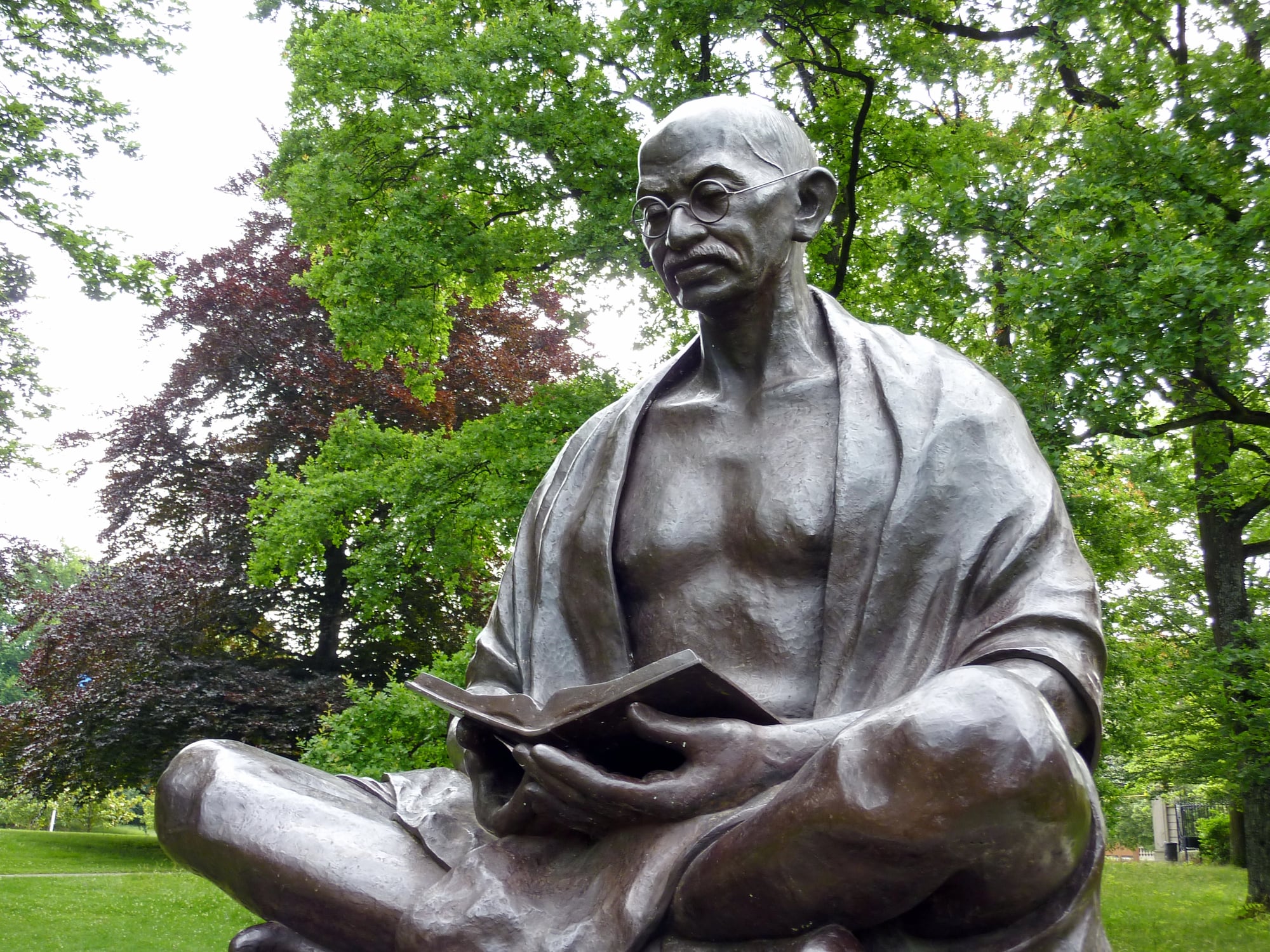
Gandhi moves through history like a figure caught between the saint his followers needed and the flawed human he actually was, carrying contradictions that his myth-making has never quite resolved.
His methods of nonviolent resistance genuinely changed how oppressed people could challenge power — not just in India, but everywhere liberation movements took inspiration from his example, which is to say nearly everywhere such movements arose in the twentieth century.
And yet Gandhi held views about African people during his time in South Africa that were straightforwardly racist, referring to them as “kaffirs” and arguing that Indians deserved better treatment specifically because they were superior to Black Africans.
His attitudes toward women were paternalistic in ways that went beyond his era’s norms, and his experiments with celibacy involved practices that seem inappropriate by any standard — sleeping unclothed with young women to test his self-control, subjecting his wife to years of emotional manipulation, imposing dietary and medical restrictions on his family that contributed to his wife’s death.
But then you have to weigh all of that against the fact that his approach to political resistance created a template for change that didn’t require violence, which in the context of anti-colonial movements represented something genuinely revolutionary.
Margaret Sanger
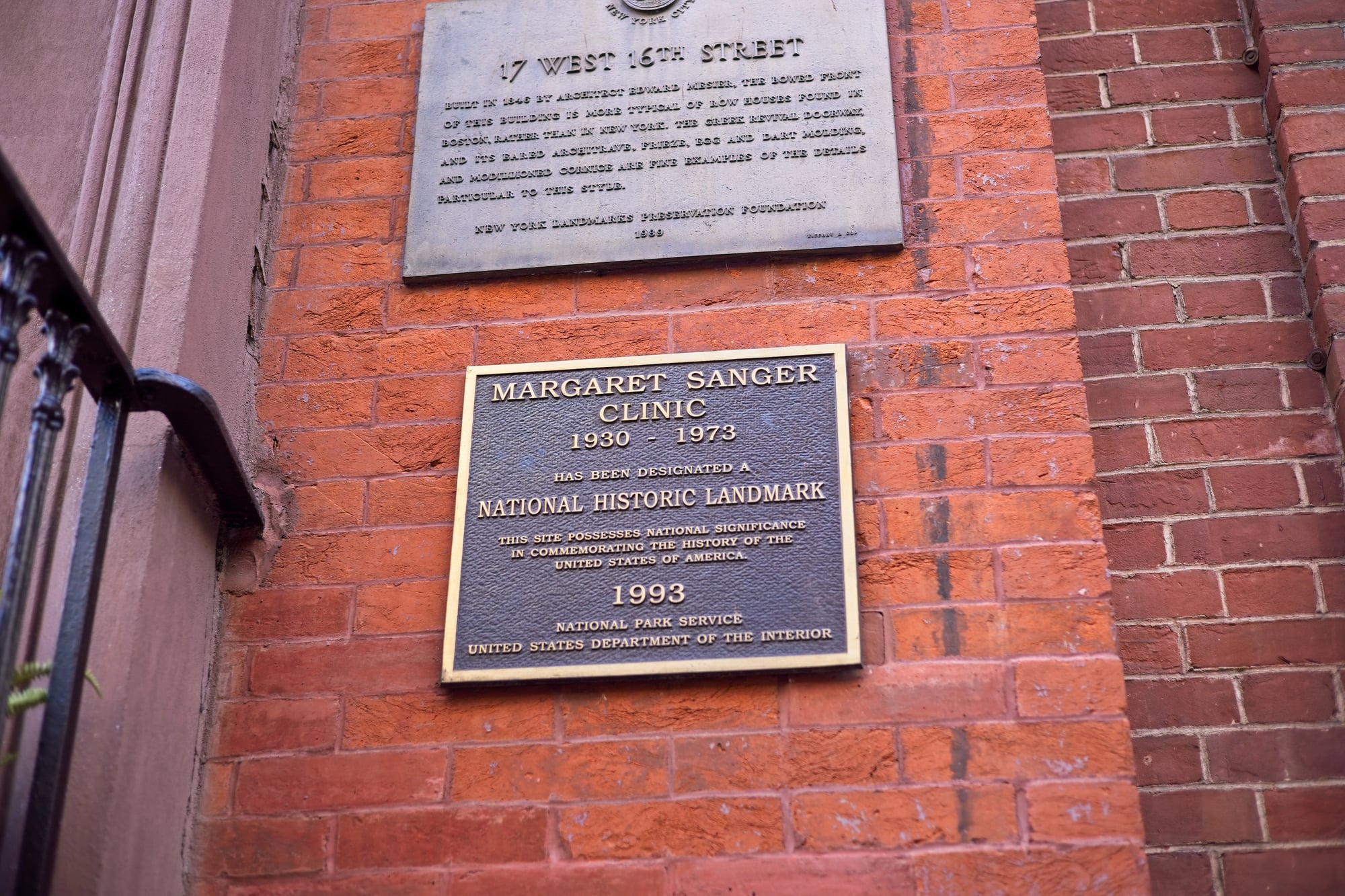
Sanger championed birth control as a path to women’s freedom. She also promoted eugenics as a path to social improvement.
Her clinics provided contraception to women who had no other access to family planning. Her writings suggested some people shouldn’t reproduce at all.
While she championed birth control as a path to women’s freedom, some of her writings reflected eugenic thinking common to the era, though she explicitly opposed forced sterilization and advocated for voluntary family planning.
Sanger believed in women’s right to control their reproduction — but not all women, and not all reproduction.
Franklin D. Roosevelt
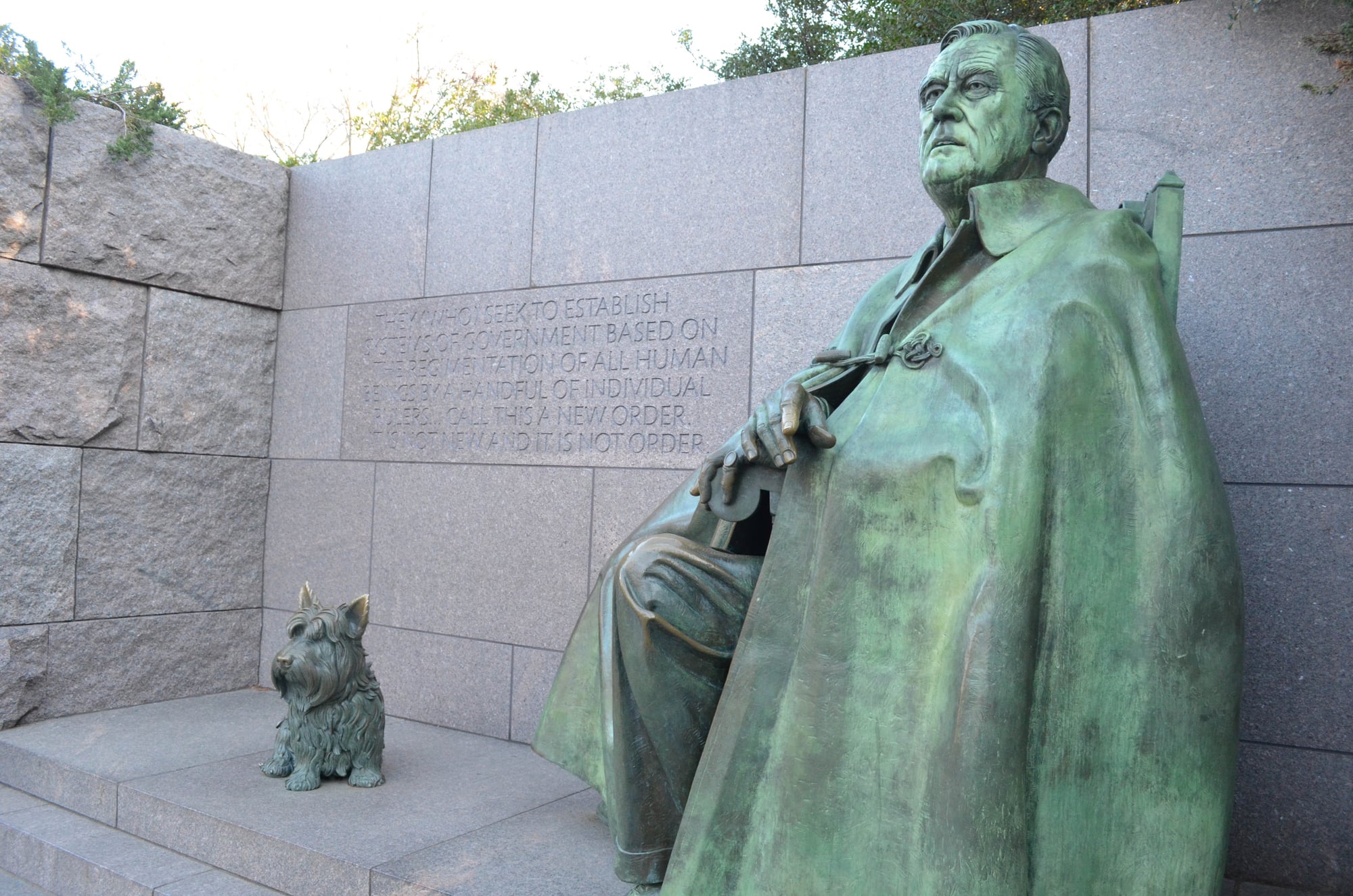
Roosevelt rebuilt American confidence during the Depression and led the country through its most challenging war, but his record on civil rights reads like someone who consistently chose political expediency over moral leadership when the two conflicted.
The New Deal lifted millions out of poverty while systematically excluding Black Americans from many of its benefits. Social Security and unemployment insurance initially didn’t cover domestic workers or agricultural laborers — categories that happened to include most Black workers at the time, which wasn’t an accident.
And then there’s the internment of Japanese Americans, a decision so clearly unconstitutional and morally indefensible that it stands as one of the worst civil liberties violations in American history, yet Roosevelt authorized it with barely any deliberation.
The same political skills that made him effective at building coalitions for economic reform made him reluctant to challenge Southern Democrats on racial issues, even when doing so might have been both morally necessary and politically feasible.
H.P. Lovecraft
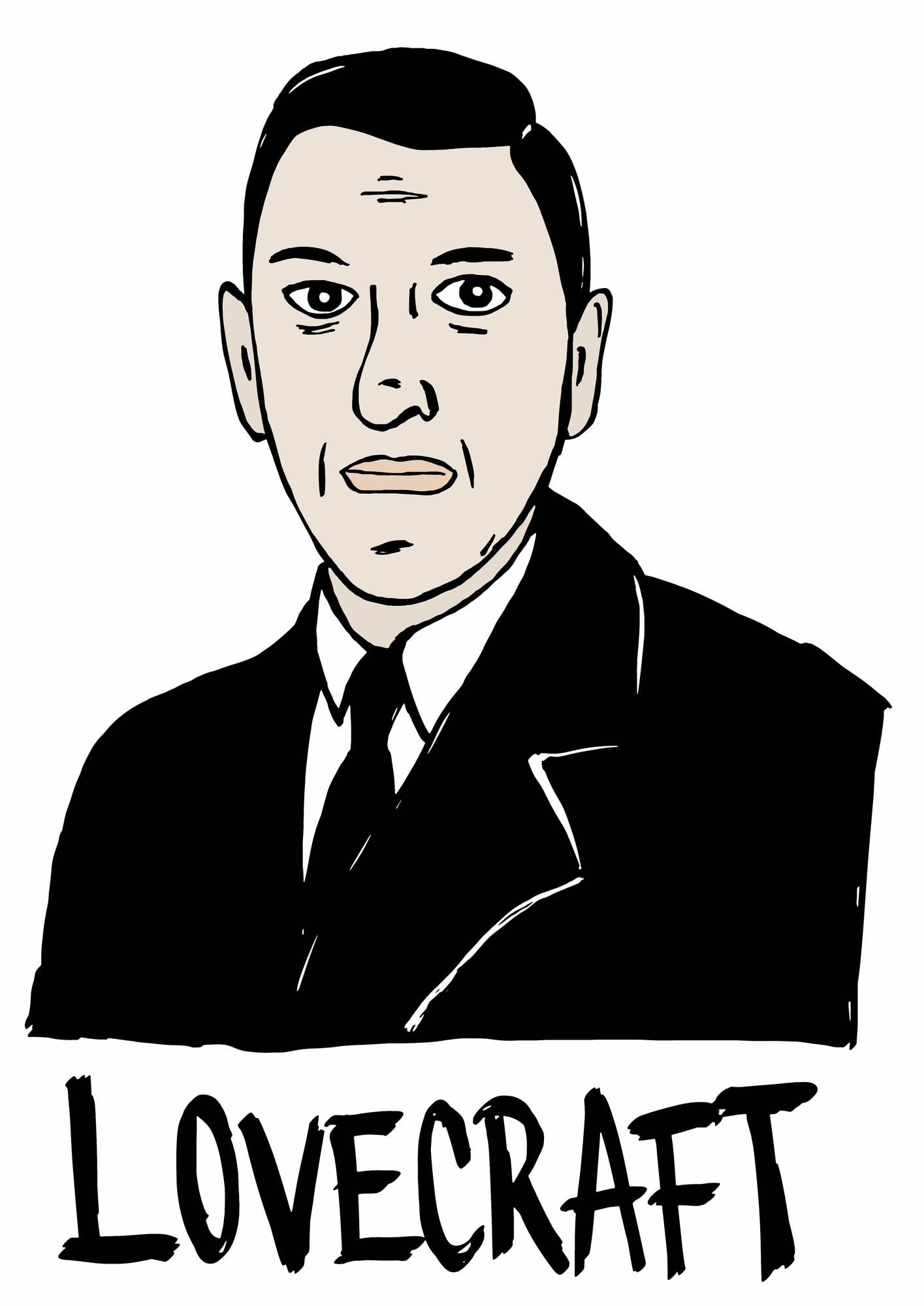
Lovecraft created cosmic horror that expanded the boundaries of literary imagination while harboring racial views so extreme they shocked even his contemporaries.
His stories introduced the concept of humans as insignificant specks in an indifferent universe — a perspective that influenced decades of science fiction and horror writing.
His letters reveal someone whose fear of other races bordered on pathological. The same mind that conceived of Cthulhu and the concept of cosmic dread couldn’t conceive of other ethnicities as fully human.
Lovecraft’s xenophobia wasn’t incidental to his work. It was foundational to his worldview.
Richard Wagner
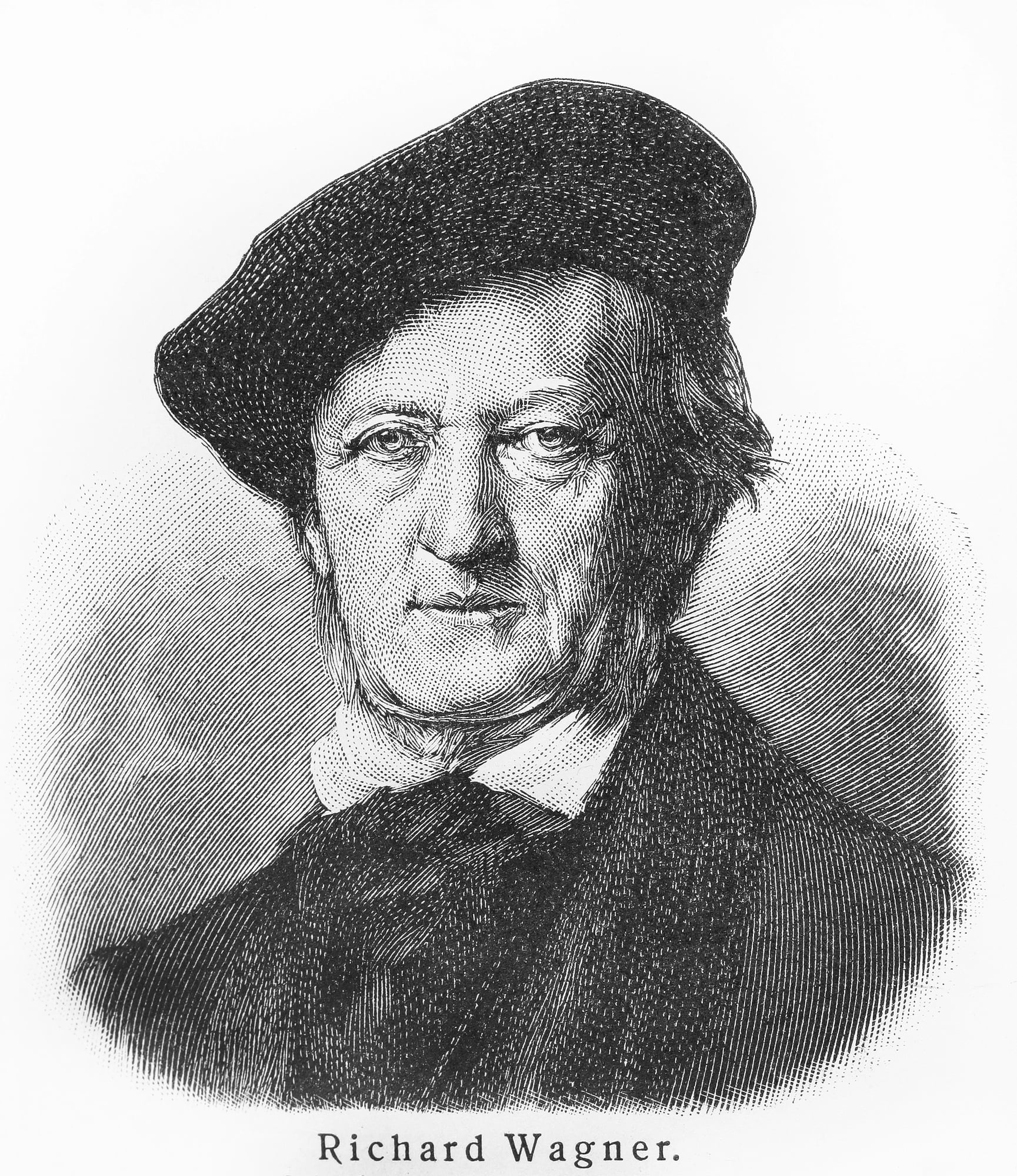
Wagner’s operas represent peaks of musical achievement that continue to move audiences more than a century after his death, yet his anti-Semitic writings provided intellectual ammunition for Nazi ideology in ways that make it impossible to separate the art from the artist’s poison entirely.
His Ring Cycle created new possibilities for how music could tell stories — the leitmotifs, the orchestral innovations, the sheer ambition of creating a unified mythological work that took four full operas to complete, all of that genuinely expanded what musical theater could accomplish and influenced composers well into the modern era.
But Wagner also wrote “Judaism in Music,” which argued that Jewish composers were incapable of creating authentic art because they lacked connection to German soil and spirit — ideas that found their way into Nazi cultural policy with devastating consequences.
So you end up in this uncomfortable position where some of the most transcendent music ever written came from someone whose theoretical writings contributed to genocide, and there’s no clean way to resolve that tension because both things are true simultaneously.
Lyndon Johnson

Johnson passed the most comprehensive civil rights legislation since Reconstruction while escalating a war that disproportionately sent poor and minority Americans to die in Southeast Asia.
The same political instincts that enabled him to outmaneuver Southern senators on voting rights led him to escalate in Vietnam rather than admit the war couldn’t be won.
His Great Society programs lifted millions out of poverty, but his foreign policy decisions undermined the domestic progress he championed.
Johnson understood power better than almost any president in American history. He used that understanding to advance both justice and catastrophic military intervention with equal effectiveness.
Pablo Picasso
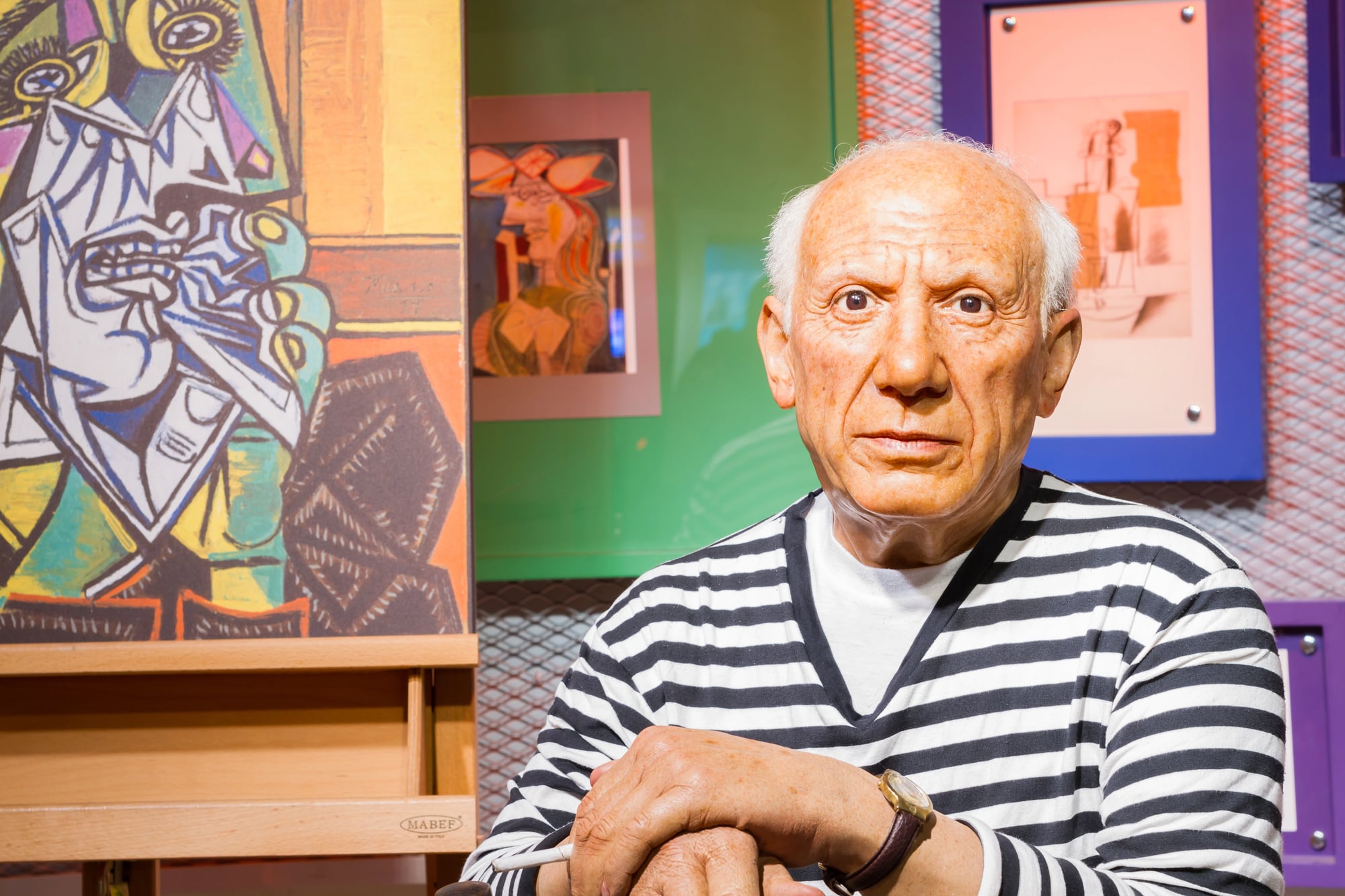
Picasso revolutionized visual art while treating the women in his life as disposable objects for his creative and personal gratification.
His innovations in painting — from the Blue Period through Cubism and beyond — changed how artists approached representation permanently.
His relationships with women followed patterns of manipulation and abandonment that damaged lives consistently. The same creative restlessness that drove his artistic breakthroughs made him incapable of sustaining healthy personal relationships.
Picasso created beauty that endures while causing pain that was immediate and personal.
John F. Kennedy
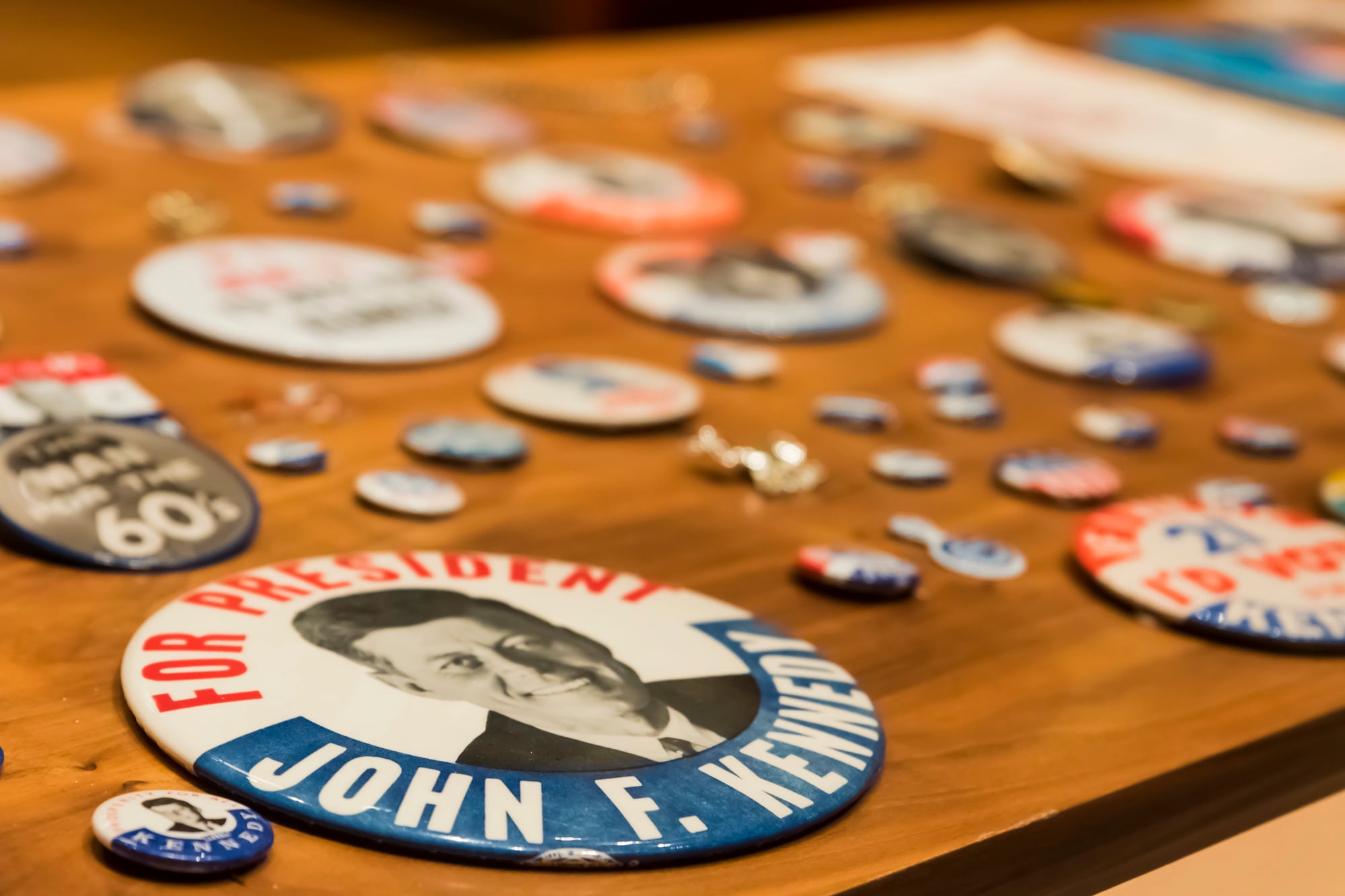
Kennedy inspired a generation with his vision of American possibility, yet his personal behavior reflected the entitled recklessness of someone who believed rules applied to other people.
His speeches about civil rights and space exploration articulated goals that genuinely elevated national discourse — the idea that Americans could choose to go to the moon not because it was easy but because it was hard, or that civil rights was a moral issue “as old as the scriptures and as clear as the American Constitution,” these weren’t just political rhetoric but statements that expanded what the country thought it could accomplish.
And his handling of the Cuban Missile Crisis probably prevented nuclear war through a combination of restraint and calculated risk-taking that showed real leadership under pressure.
But Kennedy also conducted affairs so numerous and reckless they compromised national security — sharing a mistress with a mob boss, bringing women to the White House while his wife was away, engaging in behavior that created blackmail opportunities he was apparently too arrogant to worry about.
So the same confidence that made him an effective crisis manager made him personally irresponsible in ways that could have undermined everything he claimed to represent.
Walt Disney

Disney created entertainment that defined childhood for generations while running a company that systematically excluded minorities and women from creative positions.
His innovations in animation and theme park design established new forms of mass entertainment that influenced global culture.
His hiring practices reflected prejudices that were shameful even by the standards of his era. The same perfectionism that drove his creative achievements made him controlling in ways that stifled the careers of talented employees who didn’t fit his preferred demographics.
Disney built a fantasy empire while maintaining very real barriers to who could participate in creating those fantasies.
Theodore Roosevelt
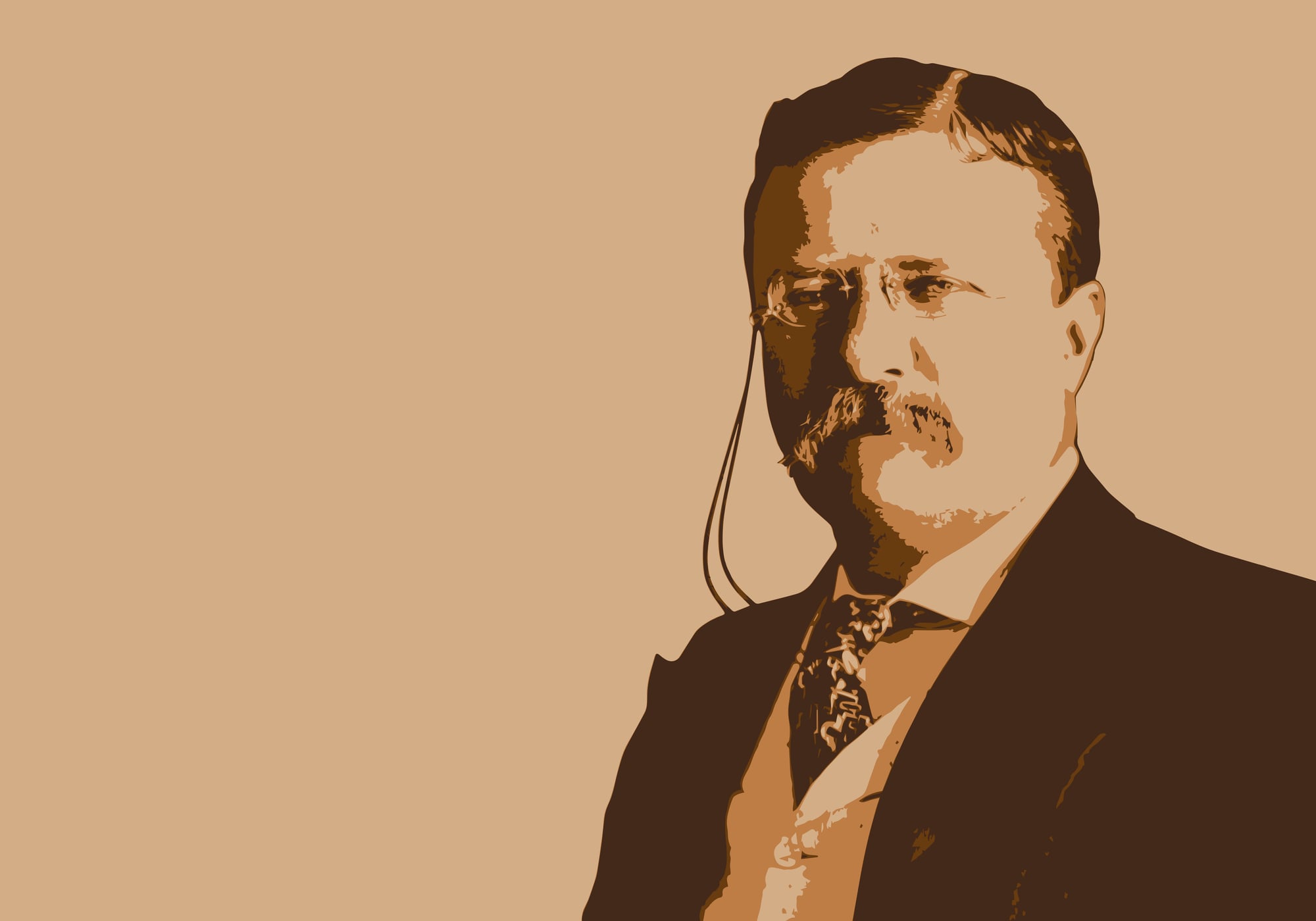
Roosevelt embodied American confidence at the turn of the twentieth century — the conservationist who loved hunting, the trust-buster who believed in American empire, the progressive reformer who spoke of racial hierarchies as scientific fact.
His domestic policies challenged corporate power and established precedents for federal regulation that protected consumers and workers.
His foreign policy reflected assumptions about American superiority that justified interventions throughout Latin America and the Pacific. The same energy that drove his conservation efforts fueled his belief that “civilized” nations had the right to control “backward” ones.
Roosevelt represents both the promise and the arrogance of American progressivism at its most confident moment.
The Weight of Contradictions

These figures remind us that history doesn’t deal in heroes and villains but in humans who carried both light and shadow in proportions that often defy easy judgment.
Their contradictions aren’t bugs in the historical record — they’re features of how change actually happens, messily and incompletely, driven by people whose greatness and failings often stemmed from the same sources.
Understanding these complexities doesn’t require us to excuse the inexcusable or diminish real achievements.
It asks us to hold multiple truths simultaneously and recognize that the past, like the present, was shaped by people who were neither saints nor monsters but something more complicated than either.
More from Go2Tutors!

- The Romanov Crown Jewels and Their Tragic Fate
- 13 Historical Mysteries That Science Still Can’t Solve
- Famous Hoaxes That Fooled the World for Years
- 15 Child Stars with Tragic Adult Lives
- 16 Famous Jewelry Pieces in History
Like Go2Tutors’s content? Follow us on MSN.