13 Things You Did After School in the ’80s That Would Horrify Parents Today
The 1980s represented the last era of truly free-range childhood in America, when kids enjoyed remarkable independence once that final school bell rang. Parents of that decade operated with a hands-off philosophy that seems almost unimaginable to modern helicopter parents who schedule and supervise every moment of their children’s lives. Those after-school hours offered freedom that shaped an entire generation’s approach to risk, responsibility, and recreation.
Here is a list of 13 things ’80s kids regularly did after school that would send today’s parents into a panic.
Wandering Until Dark

Kids would leave home in the morning, and parents wouldn’t expect them back until streetlights came on, sometimes miles from where they started. This daily migration through neighborhoods, woods, and commercial areas happened without cell phones, GPS trackers, or constant parental check-ins.
The unspoken rule was simply to be home for dinner, with the hours between belonging entirely to childhood adventure.
Convenience Store Hangouts

Corner stores and mini-marts served as unofficial community centers where kids congregated with pocket change to buy candy, slushies, and trading cards. These unsupervised gatherings were social hubs where children navigated early commerce, making decisions about how to spend their limited funds without parental input.
Many stores even featured arcade games that attracted young patrons for hours of quarter-pumping entertainment.
Bike Highway Adventures

Kids would pedal miles away from home on main roads with minimal safety gear beyond perhaps a skateboard helmet if anything at all. These cycling expeditions often involved improvised ramps, competitive downhill racing, and transportation to distant friends’ houses.
The road belonged to everyone, and children learned to navigate traffic through experience rather than constant supervision.
Unsupervised Swimming
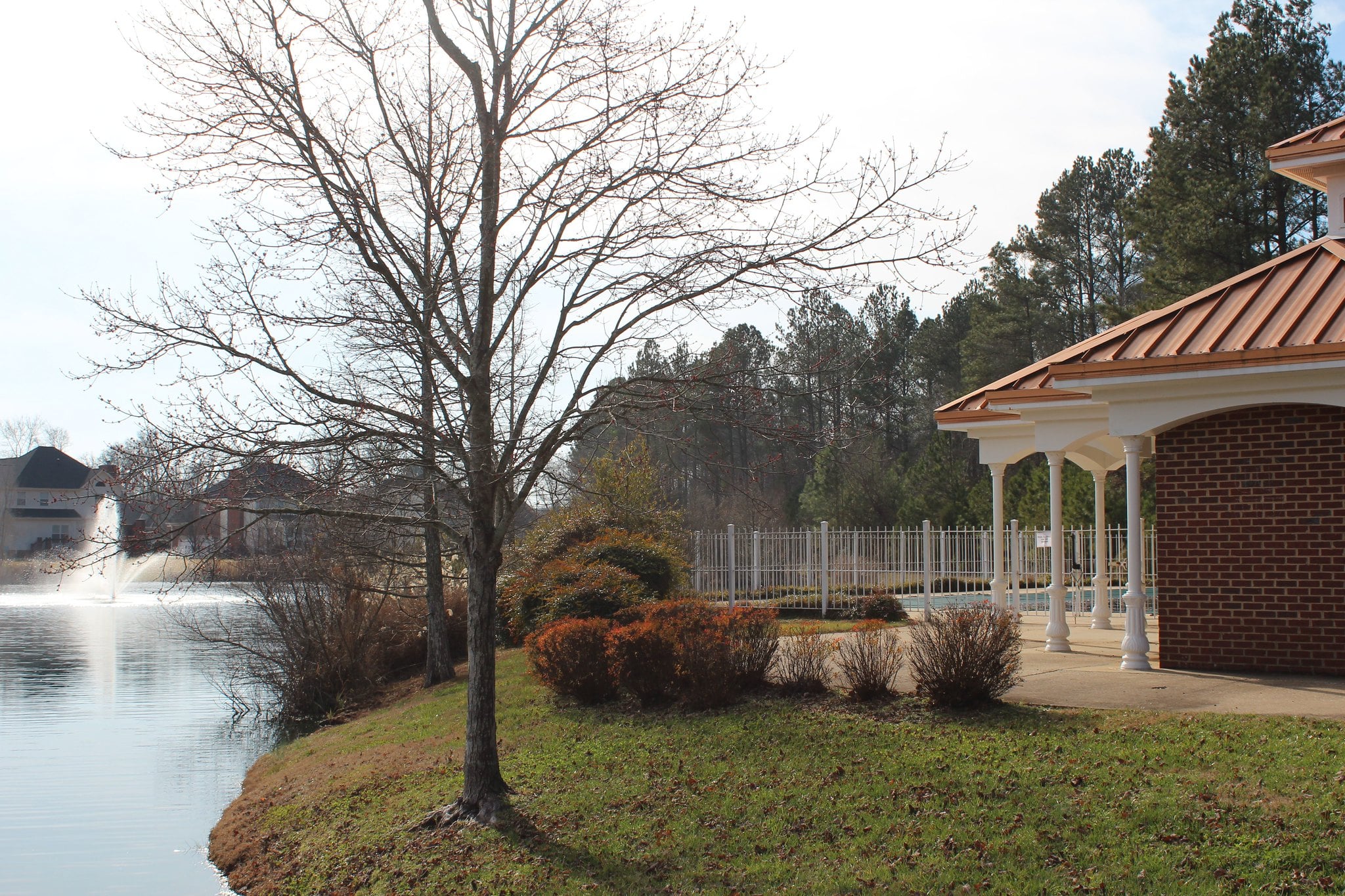
Neighborhood pools, creeks, and ponds became aquatic playgrounds with minimal adult oversight beyond occasional glances from a distracted teenage lifeguard. Children established their own water safety rules, looking out for each other while attempting increasingly daring dives and jumps.
Learning to swim was considered a basic survival skill rather than a scheduled activity with lessons and certifications.
Mall Exploration

The shopping mall served as an after-school community center where tweens and teens would congregate for hours without adult supervision. Groups would wander freely, trying on clothes they couldn’t afford, testing makeup samples, and pooling coins for food court french fries.
These retail environments provided early lessons in budgeting, peer pressure, and social boundaries that happened organically away from parental guidance.
Playing With Fire

Burning leaves, building backyard campfires, and experimenting with magnifying glasses were common ways children learned about combustion through direct experience. These flame-based activities taught natural consequences and respect for elemental forces without structured safety lectures or constant supervision.
Many childhood memories include the slight singe of eyebrows from leaning too close to a fascinating flame.
Building Dangerous Structures

Neighborhood kids would construct tree houses, bike ramps, and forts using found materials and questionable engineering principles. These improvised structures might involve rusty nails, precarious heights, and dubious weight distribution, but they provided hands-on lessons in physics, cooperation, and risk assessment.
The occasional injury was considered an expected part of the learning process.
Extended Home Alone Time

Latchkey kids were commonplace, with children as young as eight maintaining their own house keys and letting themselves in after school. Many would spend hours unsupervised until parents returned from work, managing homework, snacks, and entertainment without adult intervention.
This solitude taught self-reliance and personal responsibility that today’s constantly monitored children rarely experience.
Junk Food Feasts

Kids would consume mountains of artificially colored snacks, high-sugar cereals, and beverages with ingredient lists that would terrify today’s organic-focused parents. Afterschool kitchens transformed into experimental labs where children mixed weird food combinations and determined their own portions without nutritional oversight.
The freedom to make questionable dietary choices was considered part of growing up rather than a health crisis.
Answering The Home Phone

Children regularly served as family communication gatekeepers, answering calls from adults, taking messages, and deciding which information warranted interrupting a parent. This responsibility taught phone etiquette, message management, and interaction with unknown adults that seems inconceivable in today’s direct-to-parent cell phone world.
The family answering machine further deputized kids as information managers when no one was home.
Weapon Play
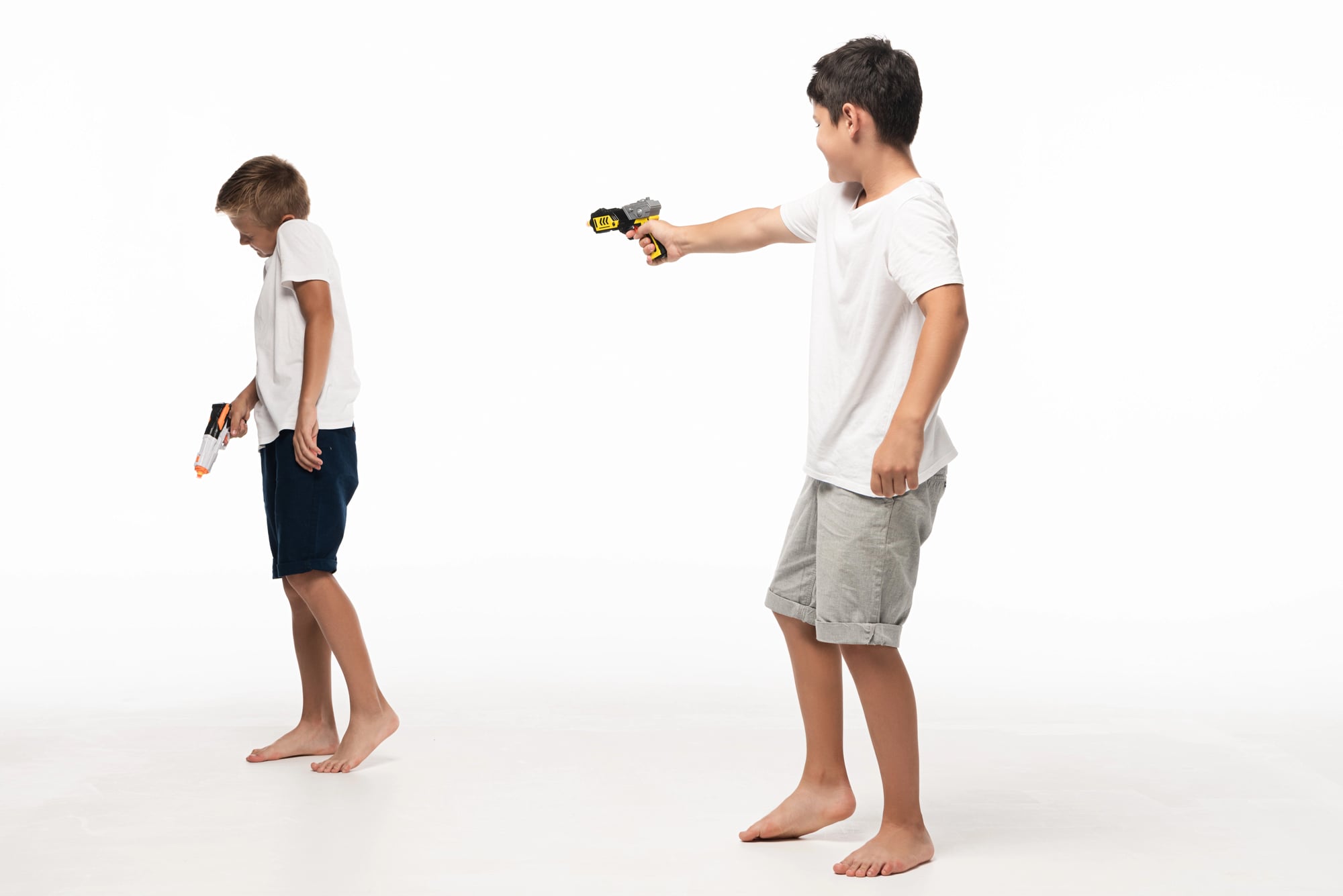
Toy guns, archery sets, slingshots, and pocket knives were standard play equipment that helped children develop coordination and understand boundaries. Kids would organize elaborate neighborhood wars with toy weapons that looked remarkably realistic by today’s standards.
These mock battles taught conflict resolution, team strategy, and the natural consequences of competitive play without constant adult mediation.
Hitchhiking

While not universal, many older children and teens would occasionally thumb rides to get across town when transportation plans fell through. This practice, now considered extremely dangerous, was viewed as a practical solution for getting home from distant locations when no other options existed.
The community trust required for this practice represents perhaps the starkest contrast to today’s safety-focused parenting approach.
Chemical Experimentation

Chemistry sets contained genuinely reactive substances, while household cleaning products remained unlocked and accessible for curious young scientists. Children mixed random substances to see what would happen, learning basic chemical principles through observation rather than supervised STEM activities.
This hands-on approach to science taught respect for household substances through experience rather than warning labels.
The Freedom To Fail

Perhaps the most significant difference between then and now wasn’t any specific activity but the overarching philosophy that children deserved space to make mistakes, face consequences, and learn from experience. The ’80s after-school world provided a training ground for adulthood through independent navigation of social situations, physical challenges, and personal decisions that built resilience.
Today’s parents might do well to consider what has been lost in the shift toward constant supervision and safety above all other considerations.
More from Go2Tutors!

- The Romanov Crown Jewels and Their Tragic Fate
- 13 Historical Mysteries That Science Still Can’t Solve
- Famous Hoaxes That Fooled the World for Years
- 15 Child Stars with Tragic Adult Lives
- 16 Famous Jewelry Pieces in History
Like Go2Tutors’s content? Follow us on MSN.



