Ancient Tools That Transformed Survival
Picture your ancestors standing on an African plain 2.6 million years ago with nothing but their hands and brains. No steel, no electricity, not even a decent pocket knife.
Yet somehow, they figured out how to turn rocks and bones into the tools that would carry humanity through ice ages, across continents, and into the modern world. Here is a list of ancient tools that fundamentally changed the game for early humans.
Hammerstone

Think of the hammerstone as humanity’s first power tool. These weren’t fancy—just tough rocks made from sandstone, quartzite, or limestone that could take a beating without shattering.
Early humans used them to smash animal bones for marrow, crush plant materials, and most importantly, to make other tools by striking softer stones. The beauty of hammerstones was their simplicity and availability.
You could find one almost anywhere, and a good hammerstone could last for years of heavy use.
Stone Flakes

When you whack one rock against another the right way, you get razor-sharp flakes that peel off the core stone. These flakes became some of the most useful cutting tools in the Stone Age toolkit.
They had edges sharper than modern surgical steel and could slice through animal hide, cut meat, and process plant fibers with surprising efficiency. Early humans figured this out at least 2.6 million years ago, and honestly, they were onto something—these simple flakes remained essential tools for over two million years.
Hand Axe
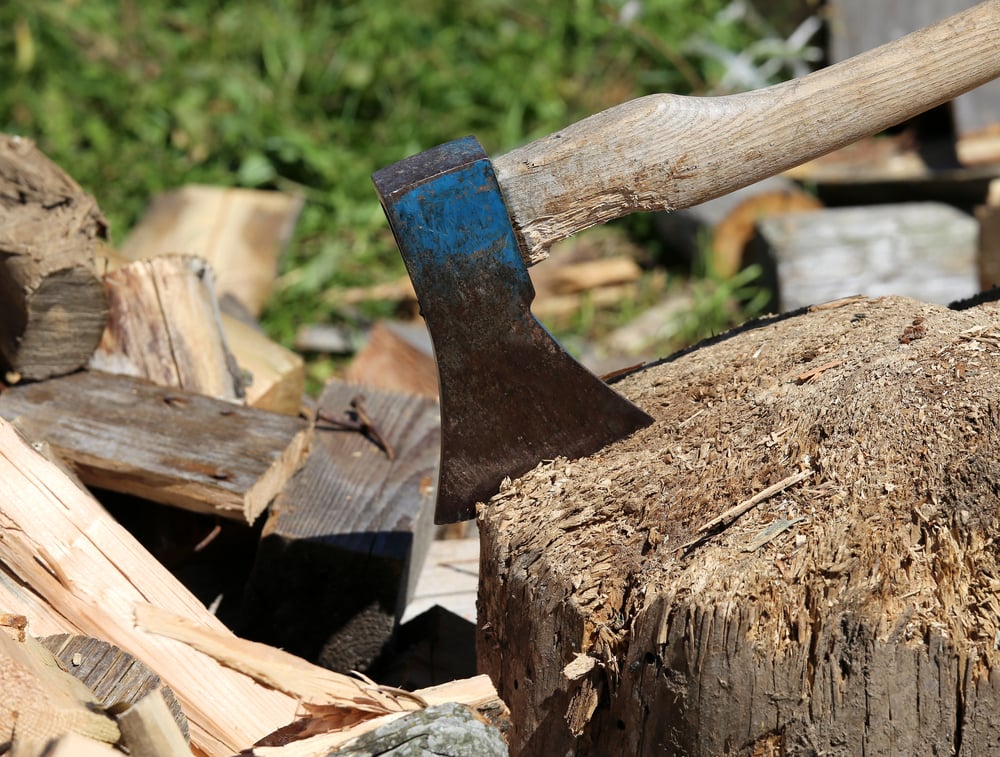
Around 1.76 million years ago, someone had a brilliant idea: instead of using whatever random flake came off a rock, why not shape a large piece into something more versatile? The result was the hand axe, a teardrop-shaped tool that fit perfectly in the palm.
These weren’t just axes in the modern sense—they were multipurpose tools used for butchering animals, digging roots, chopping wood, and probably a dozen other tasks we can only guess at. Some hand axes show such careful craftsmanship that archaeologists wonder if they weren’t also status symbols.
Scraper

Animal hides are tough and covered in fat and tissue that needs removing before you can use them for clothing or shelter. Enter the scraper, a tool with a rounded or slightly curved edge perfect for cleaning hides.
These tools transformed raw animal skin into usable leather, which meant warmer clothing and better protection from the elements. The scraper basically made it possible for humans to survive in colder climates.
Without this tool, pushing into Ice Age Europe would have been a lot more difficult, if not impossible.
Spear

The spear changed everything about hunting. Before spears, humans had to get dangerously close to their prey—close enough that a woolly mammoth or cave bear could easily turn the tables.
By attaching a sharpened stone point to a wooden shaft using plant fibers or animal sinew, early humans could suddenly hunt from a safer distance. The earliest evidence of hafted spear points dates back about 300,000 years.
These composite tools required planning, multiple materials, and genuine engineering thinking, marking a significant leap in human cognitive development.
Atlatl
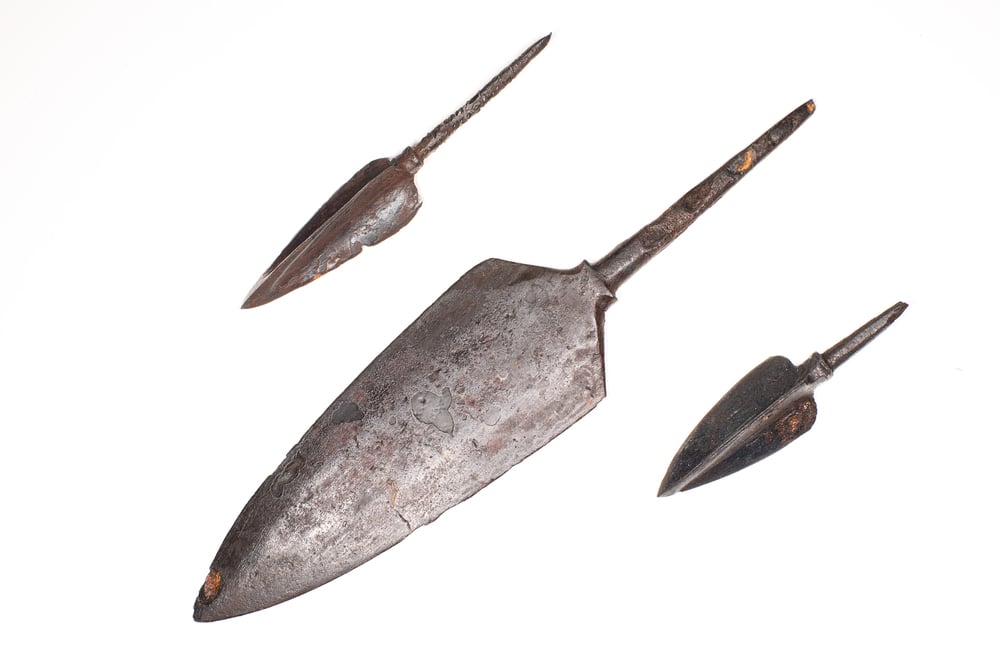
If the spear was revolutionary, the atlatl was the upgrade nobody saw coming. This wooden throwing device acted like an extension of your arm, dramatically increasing the speed and distance you could hurl a spear.
Think of it as the difference between throwing a baseball with your hand versus using a lacrosse stick. Archaeological evidence shows that atlatls could propel spears over 100 yards with enough force to take down large game.
The Archaic people in North America became particularly skilled with these weapons, and they remained popular for thousands of years before the bow and arrow showed up.
Bow and Arrow

The bow and arrow represented a quantum leap in hunting technology, though it arrived relatively late in human history—probably around 70,000 years ago, though the exact date is debated. What made it special was its combination of power, accuracy, and stealth.
You could hunt from even farther away than with an atlatl, and arrows flew faster and more accurately than thrown spears. Plus, arrows were lighter and easier to carry in large numbers.
This tool fundamentally altered hunting strategies and probably warfare too, giving humans yet another edge in the survival game.
Bone Needle
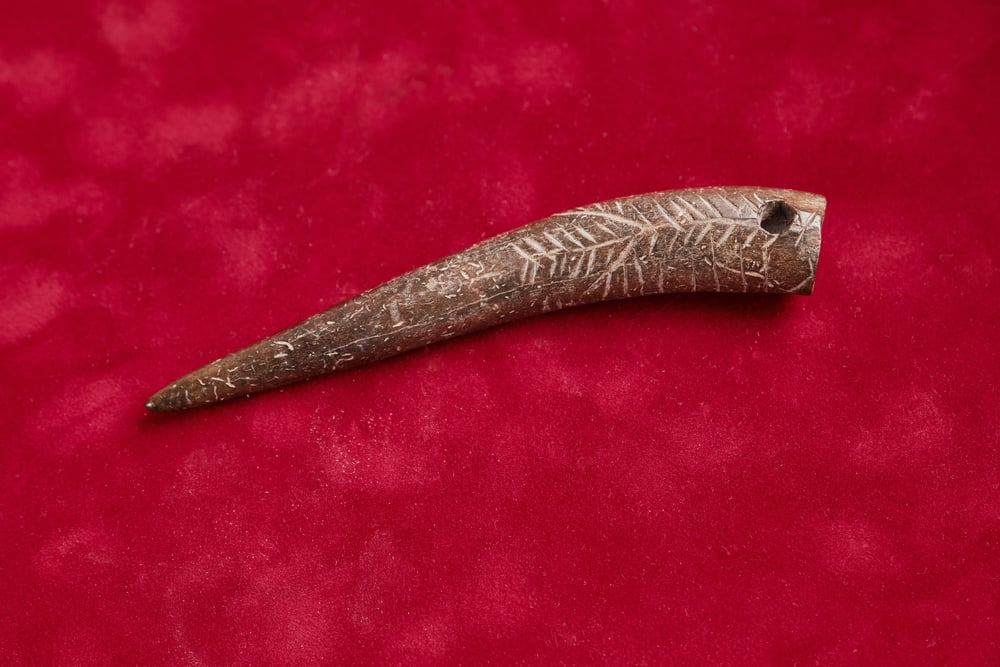
Sometime during the Stone Age, someone looked at a thin piece of bone and realized they could drill an opening through one end to create a needle. This simple innovation revolutionized clothing construction.
Instead of draping loose hides over their bodies, people could now sew fitted garments that provided much better insulation. The oldest bone needles date back at least 50,000 years, and they enabled humans to create the tailored clothing necessary for surviving brutal Ice Age winters.
Without needles, the settlement of northern Europe and Asia would have been far more challenging.
Awl
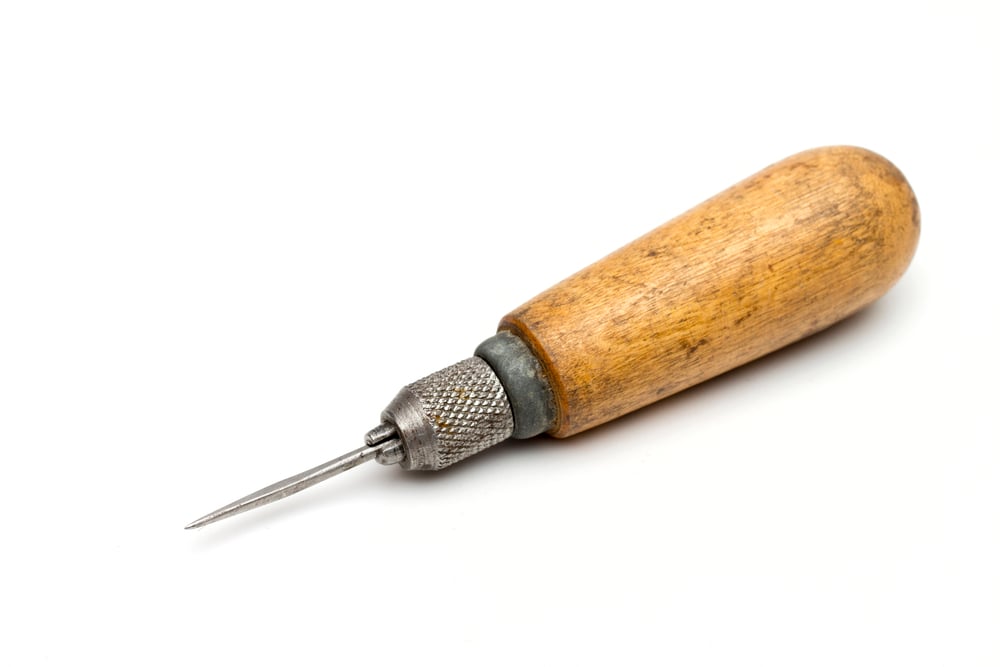
The awl might look like just a pointed stick, but it solved a crucial problem: how do you punch pits in tough materials like leather, wood, or bone? These sharp, durable points made from stone or bone allowed early humans to perforate hides before sewing them together, drill openings for fastening things together, and work with materials that were otherwise too tough to penetrate.
Middle Stone Age toolkits from around 200,000 years ago included awls, showing that humans had figured out the importance of specialized tools rather than trying to make one tool do everything.
Bone Fishhook

Fishing hooks carved from bone show up in the archaeological record around 42,000 years ago, and they’re remarkably similar to modern hooks. The oldest examples come from Timor in Southeast Asia, but by 13,000 years ago, fishhooks had become quite sophisticated.
Sites in Israel have revealed hooks with barbs, grooves for attaching fishing line, and even evidence of artificial lures. What’s striking is the variety—ancient fishers made different-sized hooks for different fish, showing they understood fish behavior as well as any modern angler.
These tools opened up aquatic food sources that would have been nearly impossible to exploit otherwise.
Grinding Stone

Grinding stones, or querns, don’t get the glory that spears and arrows do, but they were absolute game-changers for human nutrition. These paired stones—one flat base and one hand-held grinder—allowed people to process seeds, nuts, and grains into edible flour.
This technology became especially important during the transition to agriculture around 10,000 years ago. Suddenly, humans could extract nutrition from plant materials that were previously inedible or difficult to digest.
The grinding stone helped transform humans from pure hunter-gatherers into farmers.
Fire Drill

Controlling fire was one thing, but creating it on demand was another challenge entirely. The fire drill solved this problem through friction.
By spinning a wooden spindle rapidly against a wooden base, you generate enough heat to create an ember. The Archaic people perfected this by adding a bow and handle to the setup, which let you rotate the spindle continuously with minimal effort.
Before fire drills, people had to rely on naturally occurring fires or striking rocks together, both unreliable methods. Having fire on demand meant consistent warmth, cooked food, and protection from predators—absolute essentials for survival.
Burin
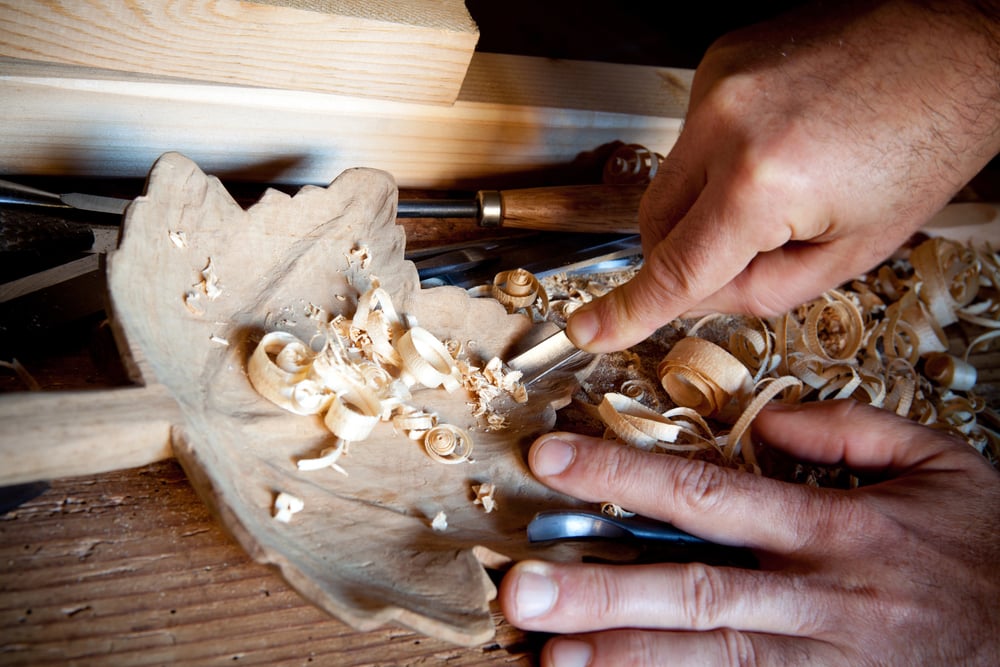
The burin looks deceptively simple—basically a stone tool with a strong, chisel-like point. But this specialized implement allowed early humans to engrave, carve, and shape bone, antler, and wood with precision.
Burins from the Upper Paleolithic period show up alongside some of humanity’s earliest art, including carved figurines and decorated tools. They were essential for making other tools like needles and fishhooks, creating intricate designs, and working with materials that were too hard for regular cutting flakes.
In many ways, the burin represented the birth of detailed craftsmanship.
Knife
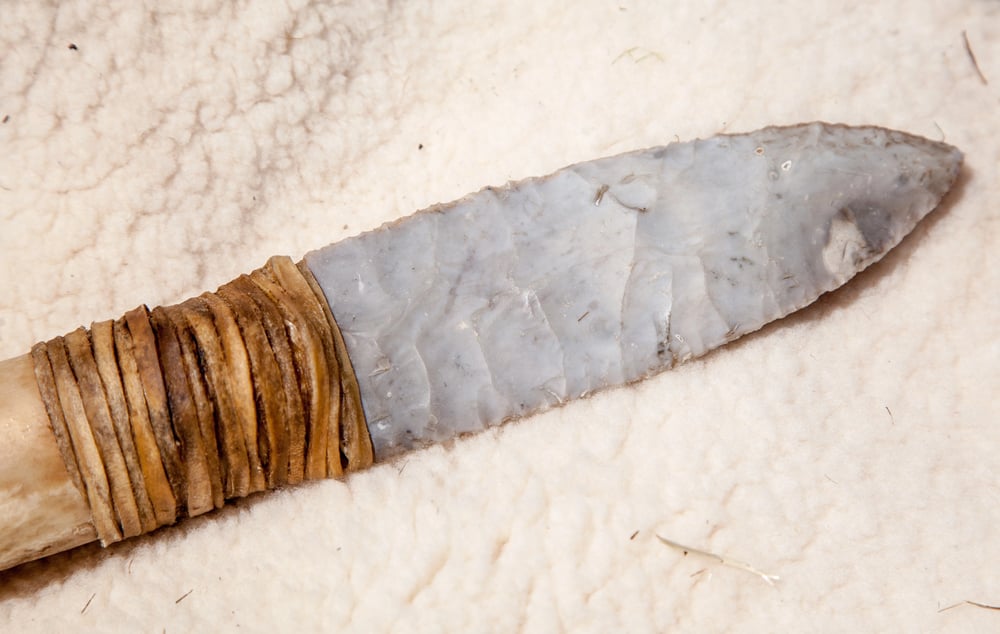
Stone knives evolved from simple flakes into carefully shaped blades that could cut, slice, and pierce with remarkable efficiency. These weren’t the rough cutting edges of earlier periods—by the Later Stone Age, knife makers were producing thin, sharp blades that rivaled metal knives in their cutting ability.
The best knives came from flint, obsidian, or other fine-grained stones that could hold an incredibly sharp edge. A good stone knife was so valuable that people would carefully resharpen and maintain them for years.
These tools made food processing faster and more efficient, which freed up time for other activities.
Adze
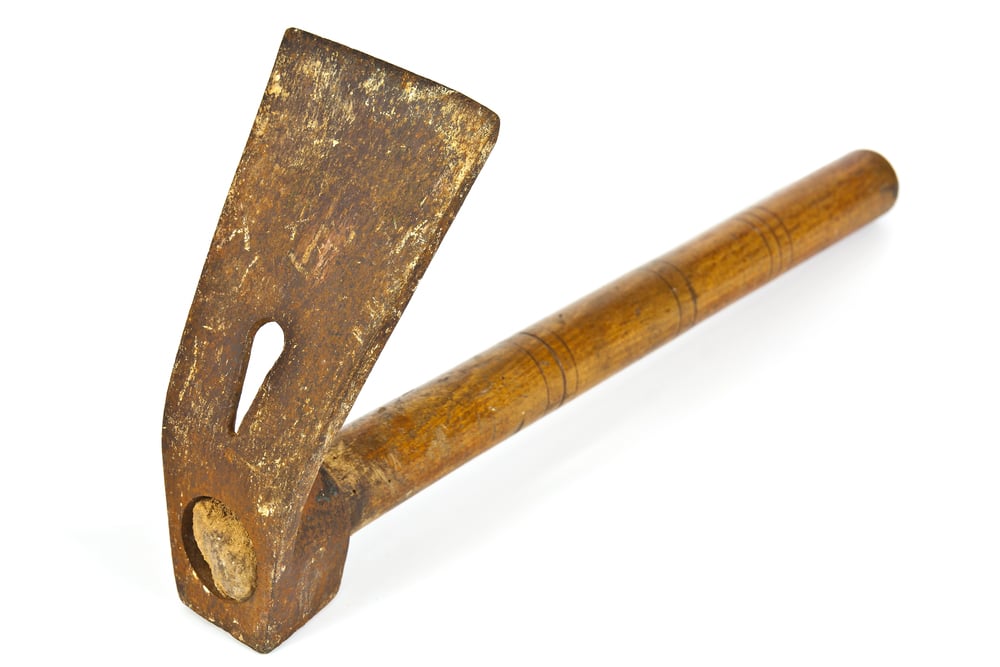
While axes chop into wood, adzes carve it away. These tools have the blade oriented perpendicular to the handle, making them perfect for hollowing out logs, smoothing wooden surfaces, and shaping timber.
Adzes became especially important as humans started building more permanent structures and crafting wooden tools like bowls and canoes. The tranchet adze, which appeared during the Mesolithic period, was particularly clever—it combined cutting and scraping functions into one tool.
Woodworking technology advanced significantly once people had specialized tools like adzes in their arsenal.
Stone Axe

The stone axe brought serious chopping power to the Stone Age. While hand axes were versatile multi-tools, dedicated stone axes were specialized for heavy-duty work like felling trees, splitting wood, and processing large pieces of timber.
By hafting a carefully shaped stone head onto a sturdy wooden handle, early humans created a tool that could deliver tremendous force to a small area. Some Neolithic axes were polished to such a smooth finish that they might have served ceremonial purposes alongside practical ones.
These tools made it possible to clear land for agriculture and gather the building materials needed for permanent settlements.
From Stones to Civilization
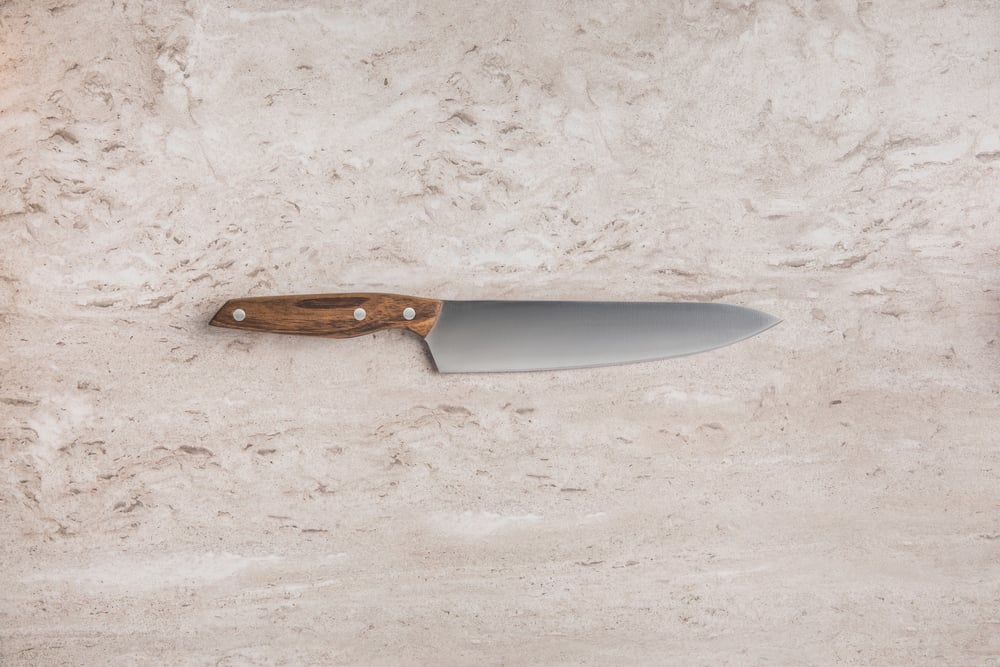
These tools represent more than just clever solutions to immediate problems—they’re a timeline of human cognitive evolution. Each innovation built on the last, creating a technological foundation that eventually led to agriculture, cities, and everything that followed.
The person who first smashed two rocks together to create a cutting flake couldn’t have imagined that the same basic principle would evolve into the precision engineering we use today. What’s remarkable is that many of these ancient tools remained in use for thousands of years because they simply worked.
The next time you pick up a knife or hammer, remember you’re using technology refined over millions of years of trial, error, and human ingenuity.
More from Go2Tutors!

- The Romanov Crown Jewels and Their Tragic Fate
- 13 Historical Mysteries That Science Still Can’t Solve
- Famous Hoaxes That Fooled the World for Years
- 15 Child Stars with Tragic Adult Lives
- 16 Famous Jewelry Pieces in History
Like Go2Tutors’s content? Follow us on MSN.