17 Historical Oddities Found in Old Papers
History textbooks focus on the big stuff—wars, discoveries, political upheavals. But tucked away in old newspapers, faded letters, and dusty government files are stories so bizarre they’d seem like fiction if they weren’t meticulously documented.
These forgotten fragments show us that the past was every bit as strange as the present, just in different ways. Here is a list of 17 historical oddities that archivists and researchers have stumbled upon in their quest through centuries of paperwork.
The Great Molasses Flood

Boston, 1919. A massive storage tank containing over two million gallons of molasses suddenly ruptured—sending a brown wave of syrup racing through the North End at 35 mph.
Twenty-five feet high and utterly devastating. Twenty-one people died, 150 more were injured, and the cleanup took months because molasses doesn’t exactly wash away with a garden hose.
Dancing Plague Epidemic
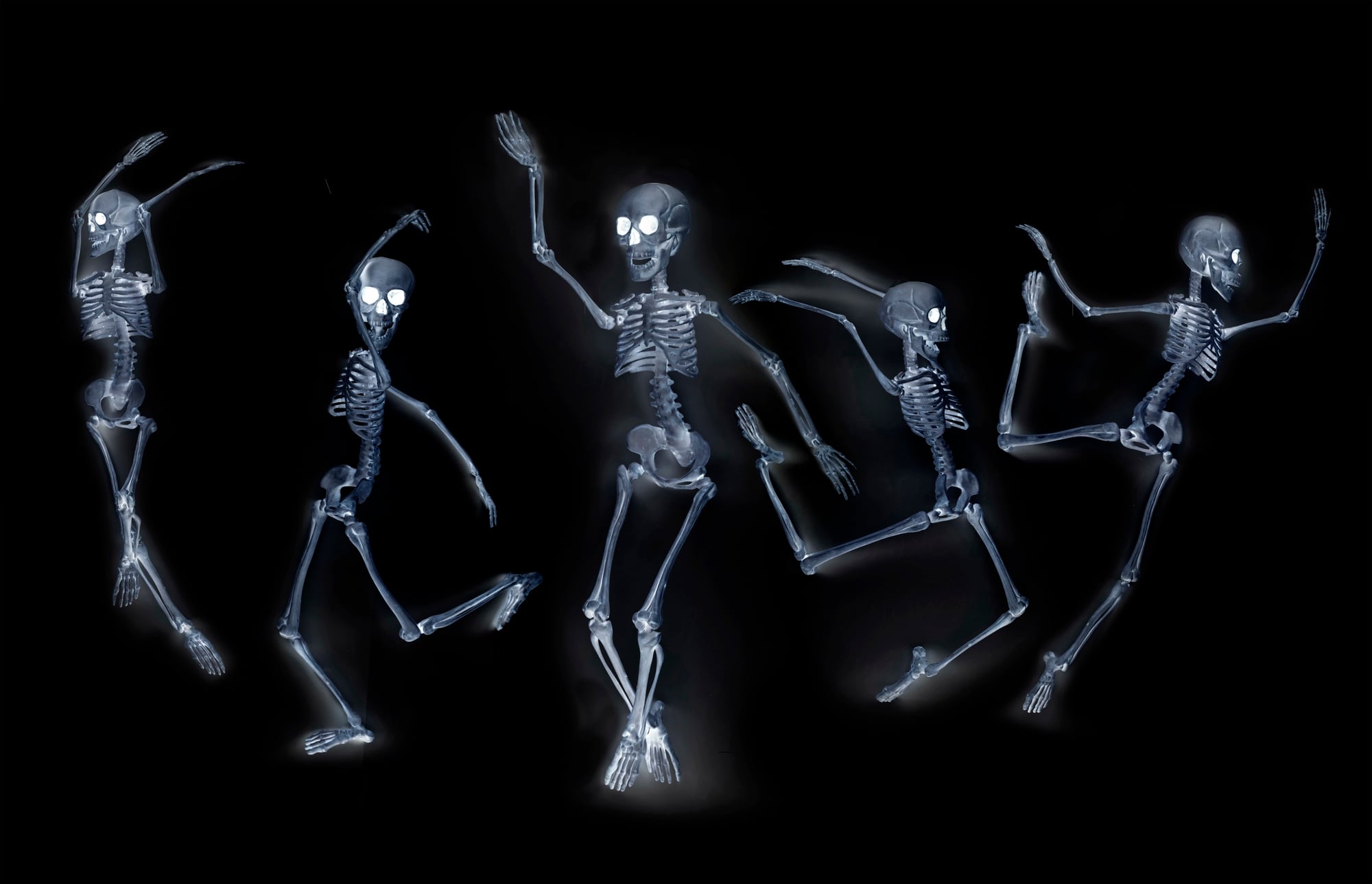
Strasbourg residents in 1518 started dancing and simply couldn’t stop. Not metaphorically—literally couldn’t stop dancing.
Hundreds of people danced for days straight until they collapsed from exhaustion, and contemporary accounts suggest some actually danced themselves to death. City officials brought in musicians, thinking more music might somehow break the spell.
The Pope’s Corpse Trial
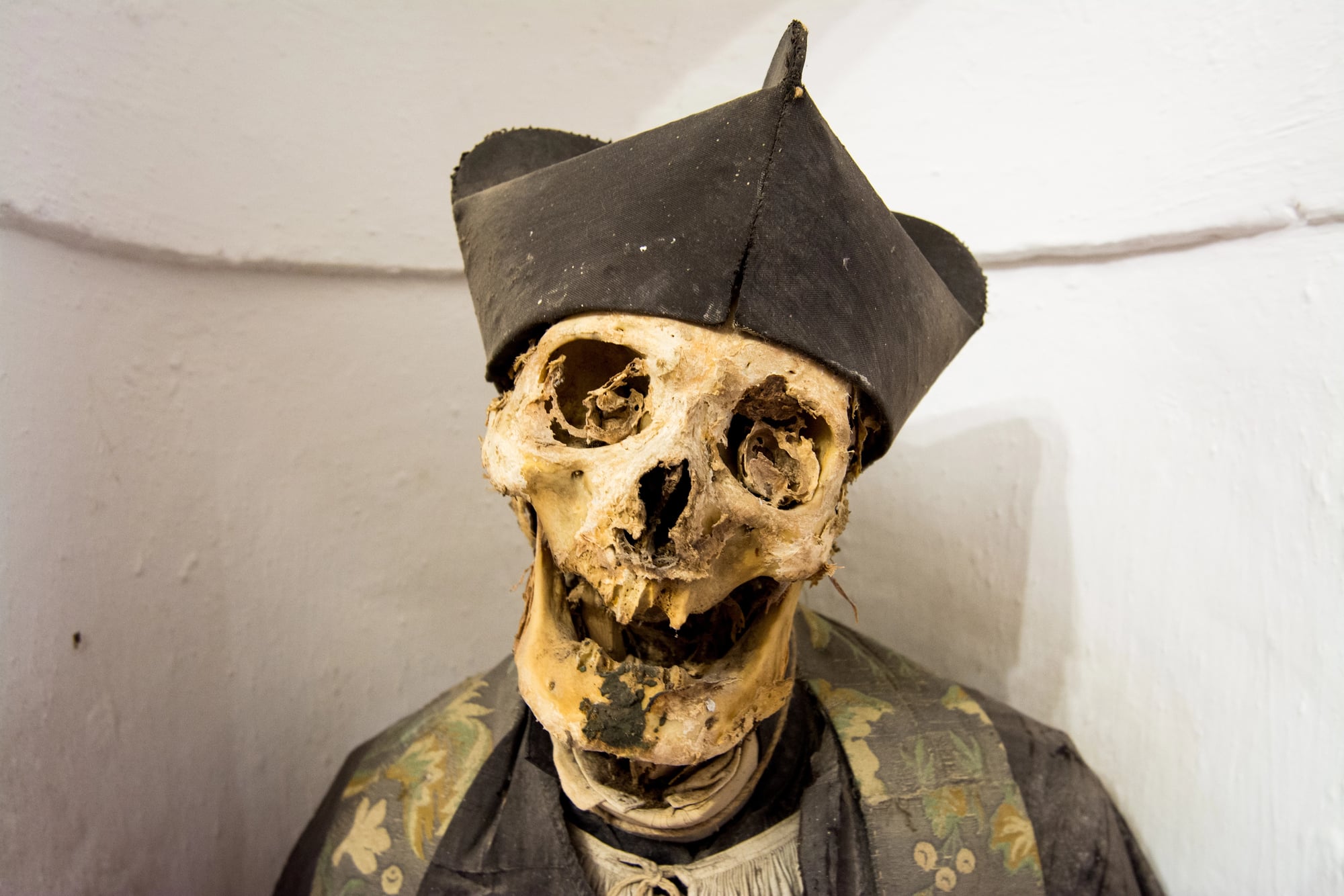
Pope Stephen VI really didn’t like his predecessor. So much so that in 897 AD, he had Pope Formosus’s nine-month-old corpse exhumed, dressed up in papal vestments, and put on trial.
The dead pope was found guilty of various ecclesiastical crimes—his blessing fingers were chopped off before his body got tossed into the Tiber River.
London’s Beer Flood

When a brewery vat burst in 1814, it wasn’t water that flooded London’s streets. Nearly 400,000 gallons of beer came rushing out—demolishing houses and drowning eight people.
One of the strangest details? The flood reached a pub where mourners were holding a wake in the basement. Talk about adding insult to injury.
Benjamin Franklin’s Air Baths

America’s founding father had some quirky health habits. Every morning, Franklin would sit by an open window wearing absolutely nothing for half an hour—what he termed ‘air baths.’
His Philadelphia neighbors got used to this routine, though visiting dignitaries were often caught off guard by the sight of a statesman unclothed enjoying the morning breeze.
The War Against Emus

Australia declared war on birds in 1932. Not kidding—actual military personnel with machine guns were deployed against emus that were destroying crops in Western Australia.
The birds won. Despite weeks of military operations, the emus proved surprisingly difficult to eliminate, forcing the army to retreat in what became known as the Great Emu War.
Victorian Mummy Parties
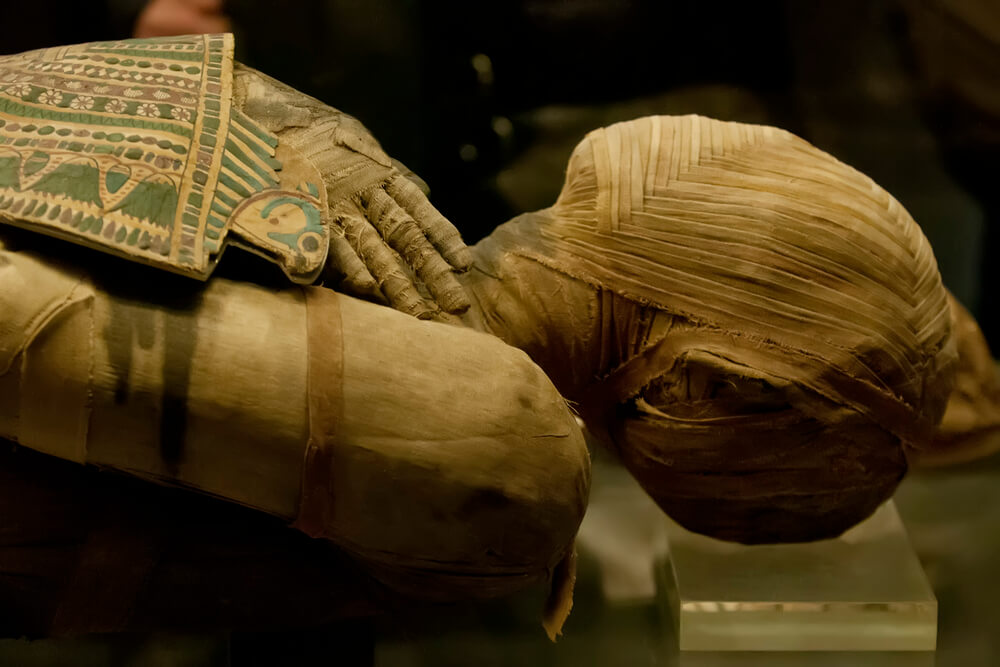
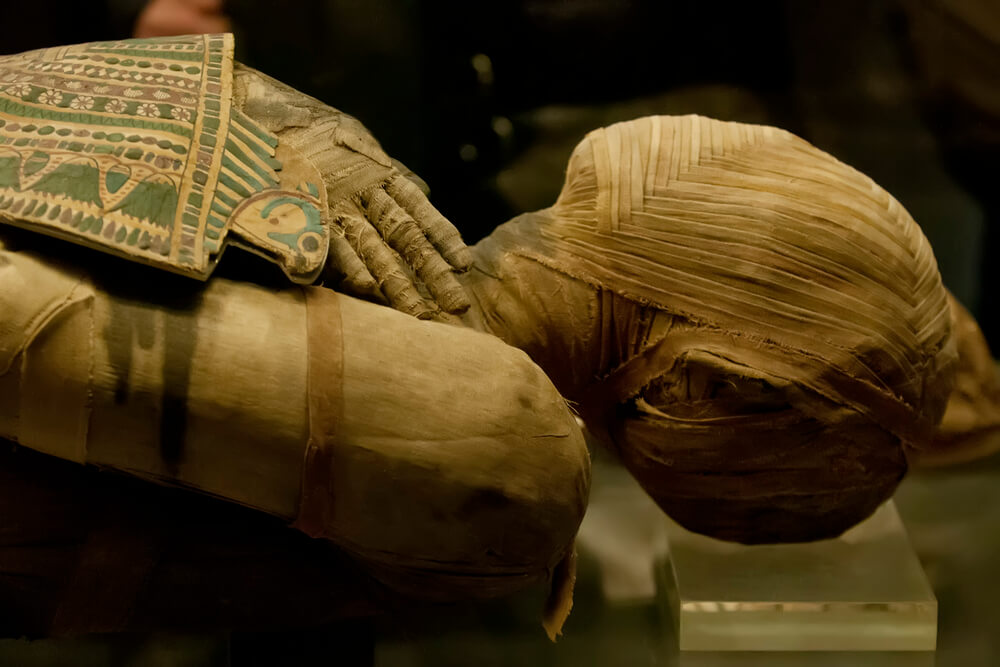
Wealthy Victorians threw parties where the main entertainment was unwrapping ancient Egyptian mummies. Guests would gather around as layers of bandages were peeled away—taking home pieces as party favors.
These mummies were so plentiful that some were even burned as fuel for locomotives when coal ran short.
The Bone Wars Rivalry

Two paleontologists, Othniel Marsh and Edward Cope, turned dinosaur hunting into an all-out war during the late 1800s. They hired spies to infiltrate each other’s digs, dynamited fossil sites to prevent rivals from accessing them, and literally threw rocks at opposing expeditions.
Both men spent their fortunes trying to out-discover each other.
Japan’s Rent-a-Family Service

Modern Japan has perfected the art of fake family members. Companies provide professional relatives for hire—actors who’ll play your cousin at a wedding or your uncle at a funeral.
These performers maintain elaborate backstories and charge hourly rates. Some agencies specialize in specific relationship types, making fake family dynamics surprisingly sophisticated.
The Great Stork Derby

A Toronto lawyer’s will in the 1920s promised his fortune to whichever woman could have the most babies in ten years. Four women tied with nine children each and split the money.
The whole thing sparked a media frenzy and serious debates about women’s rights, though the competitors seemed pretty focused on the prize money.
Potato Disguises

Antoine-Augustin Parmentier wanted French people to eat potatoes, but they were suspicious of the unfamiliar tubers. His solution? Post armed guards around his potato fields during the day, making them seem valuable, then deliberately leave them unguarded at night.
Curious locals would steal the ‘precious’ potatoes and discover they were actually pretty tasty.
The Carrington Event

The 1859 solar storm was so intense that telegraph wires sparked and shocked operators around the world. Some telegraph systems kept working even after being unplugged from their power sources—running entirely on the electrical currents generated by the magnetic disturbance.
People in the Caribbean saw aurora lights for the first time in their lives.
London’s Pea Soup Fog
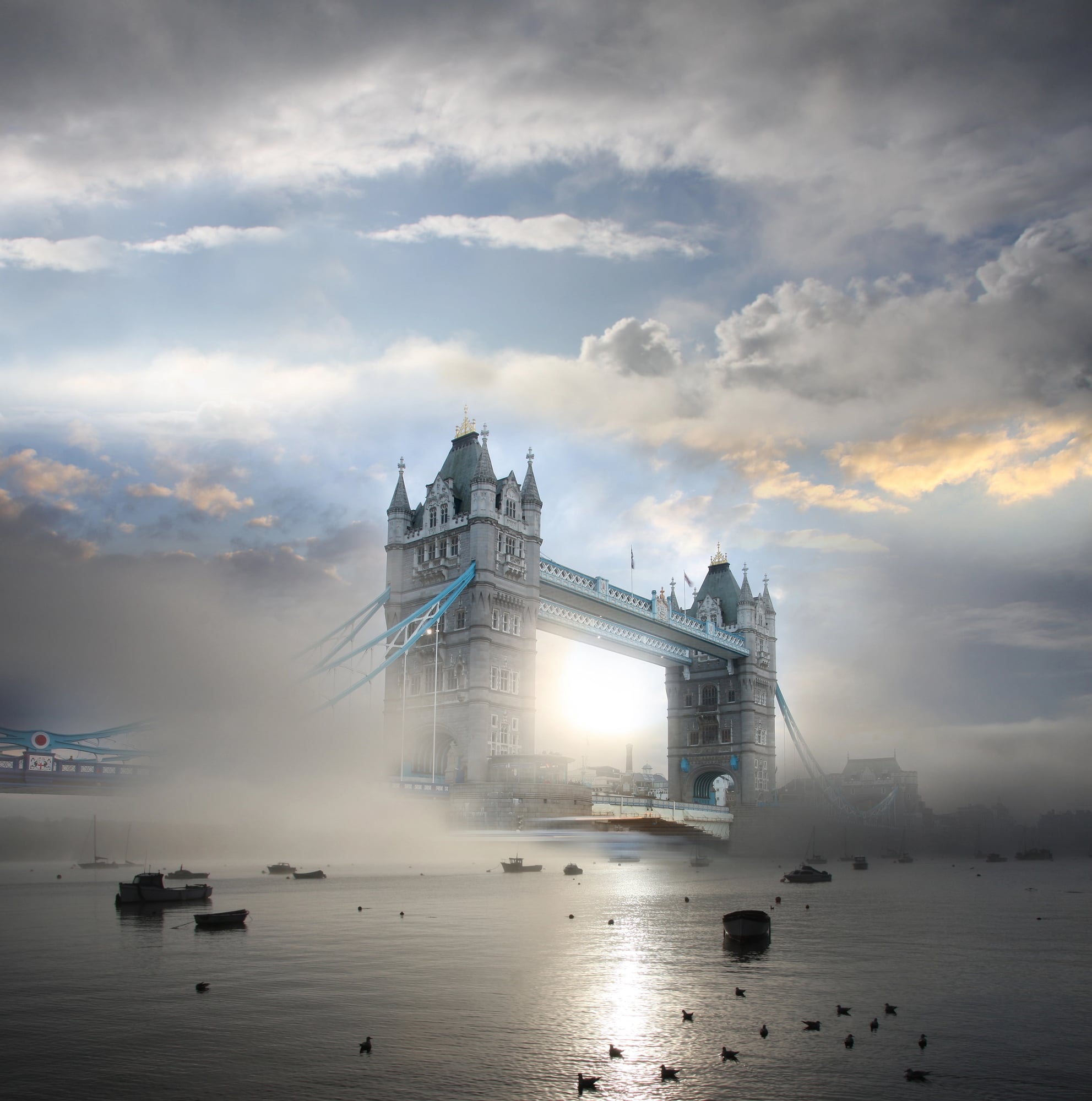
London’s fog was so thick in the early 1900s that people couldn’t see their feet while walking. These weren’t normal weather events—they were toxic smog clouds that killed thousands.
The 1952 ‘Great Smog’ alone claimed 12,000 lives. Theaters had to cancel shows because audiences couldn’t see the stage, and livestock at outdoor events literally suffocated.
The Exploding Whale

Oregon highway officials in 1970 decided to dispose of a beached whale using dynamite. Bad idea.
The explosion sent chunks of whale blubber flying for a quarter mile, damaging cars and coating spectators in organic debris. One particularly large piece crushed a car that had been parked what seemed like a safe distance away.
Cardinal Medici’s Ostrich Dinner

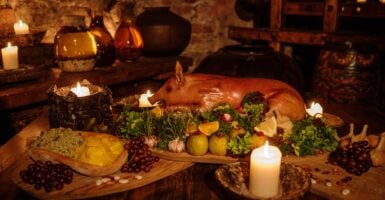
Renaissance dinner parties could get pretty elaborate. Cardinal Alessandro de’ Medici served guests an entire roasted ostrich stuffed with progressively smaller birds—like a poultry Russian nesting doll.
The spectacle was designed to impress other wealthy families in an era when extravagant displays were basically competitive sports among the elite.
The Radium Girls

Watch factory workers in the 1920s were told to lick their paintbrushes to get fine points while painting radium-laced dials. Supervisors insisted the radioactive paint was completely safe—workers even painted their nails and teeth with it for fun.
The resulting radiation poisoning led to some of the first major workplace safety lawsuits in American history.
The Great Awakening

Mass religious revivals in 18th-century America got so intense that entire crowds would simultaneously collapse, speak in unknown languages, and claim to see visions. Local authorities sometimes called in military units to maintain order.
The phenomenon spread across the colonies like wildfire, fundamentally reshaping American religious and social structures.
Truth Stranger Than Fiction

These documented oddities prove that every era has had its share of the absurd and inexplicable. What sets these stories apart isn’t just their strangeness—it’s that they’re all backed up by official records, eyewitness accounts, and contemporary documentation.
Archives around the world continue revealing similar gems, suggesting that human behavior has always been far weirder than our cleaned-up history books let on. Future historians digging through our digital age records will probably find us just as bizarre as we find these past generations.
More from Go2Tutors!

- The Romanov Crown Jewels and Their Tragic Fate
- 13 Historical Mysteries That Science Still Can’t Solve
- Famous Hoaxes That Fooled the World for Years
- 15 Child Stars with Tragic Adult Lives
- 16 Famous Jewelry Pieces in History
Like Go2Tutors’s content? Follow us on MSN.