17 Industrial Disasters That Made History
Factories, power plants, oil rigs—these places were built to fuel progress. But when something goes wrong, the consequences can shake entire communities and even change laws around the world. Some accidents happen in seconds but leave damage that lasts for generations.
Let’s take a look at 17 industrial disasters that didn’t just make headlines—they made history.
Bhopal gas tragedy
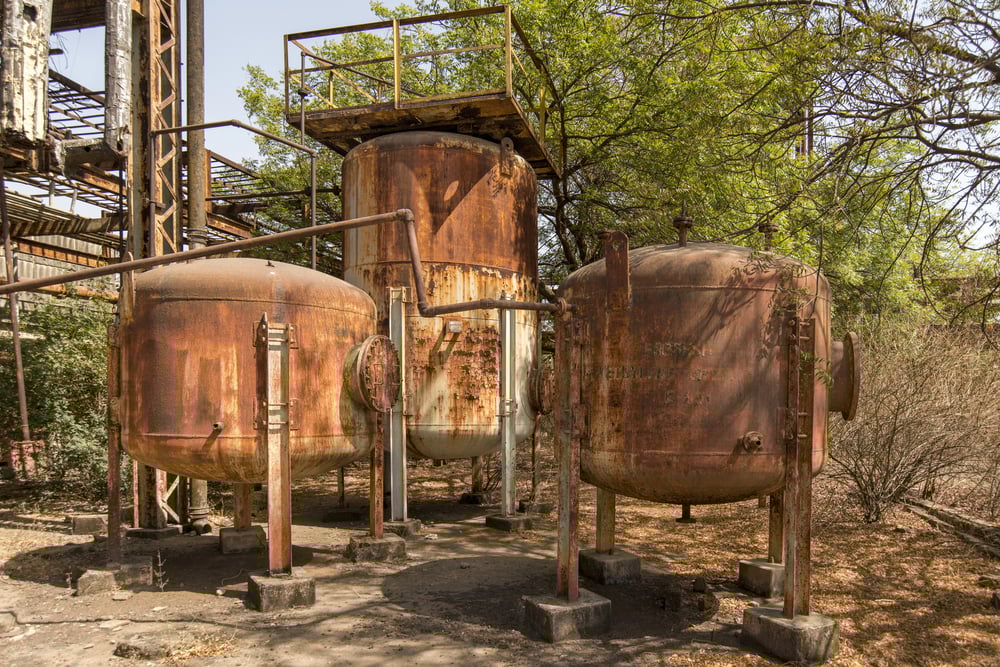
In 1984, a pesticide plant in Bhopal, India leaked toxic gas into the air, affecting hundreds of thousands of people. The gas, methyl isocyanate, spread quickly through nearby neighborhoods while most people were asleep.
Many died within hours, while others suffered lifelong health problems. It became one of the worst chemical disasters ever recorded.
The company faced lawsuits, but survivors say justice still feels incomplete.
Chernobyl nuclear disaster
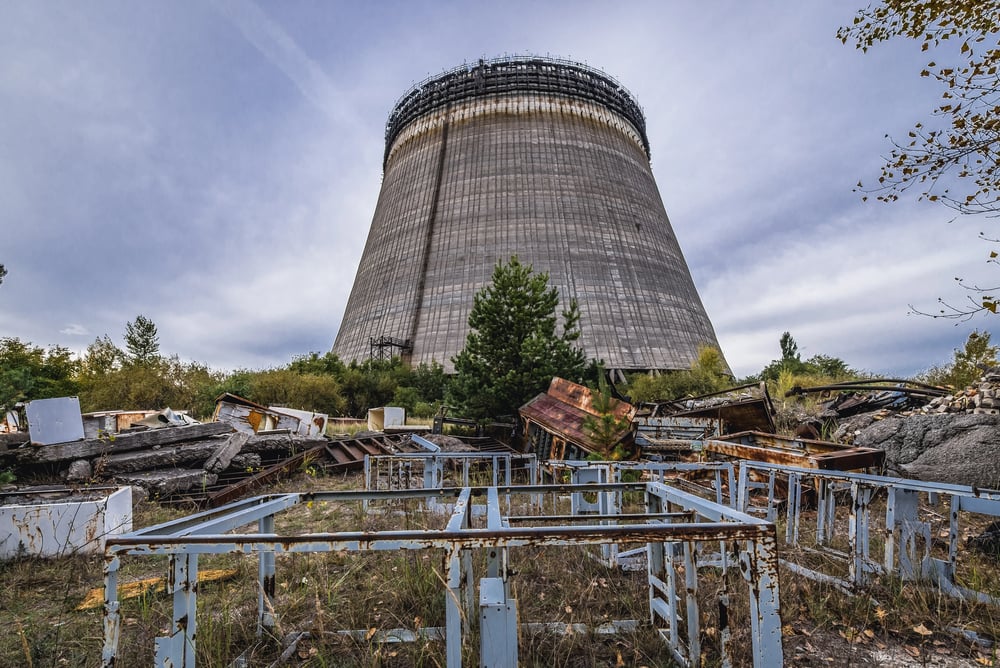
A safety test gone wrong in 1986 caused a reactor at the Chernobyl power plant in Ukraine to explode. The explosion released huge amounts of radioactive material into the environment.
Nearby towns were evacuated, and the area is still considered unsafe decades later. Workers and firefighters who responded early suffered severe radiation exposure.
The disaster changed how the world looked at nuclear power forever.
Like Go2Tutors’s content? Follow us on MSN.
Deepwater Horizon oil spill
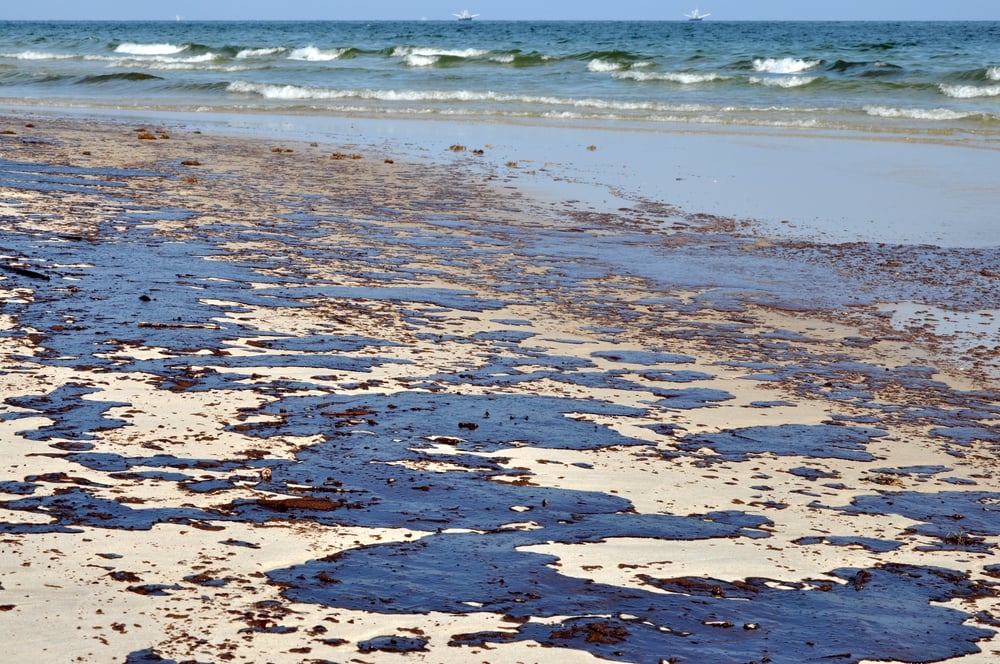
In 2010, an explosion on the Deepwater Horizon oil rig in the Gulf of Mexico killed 11 workers and caused a massive oil spill. The leak continued for 87 days, pouring millions of barrels of oil into the ocean.
It damaged marine life, coastal businesses, and fishing industries across several states. Cleanup efforts took years, and the company paid billions in fines.
It remains the largest marine oil spill in history.
Triangle Shirtwaist Factory fire
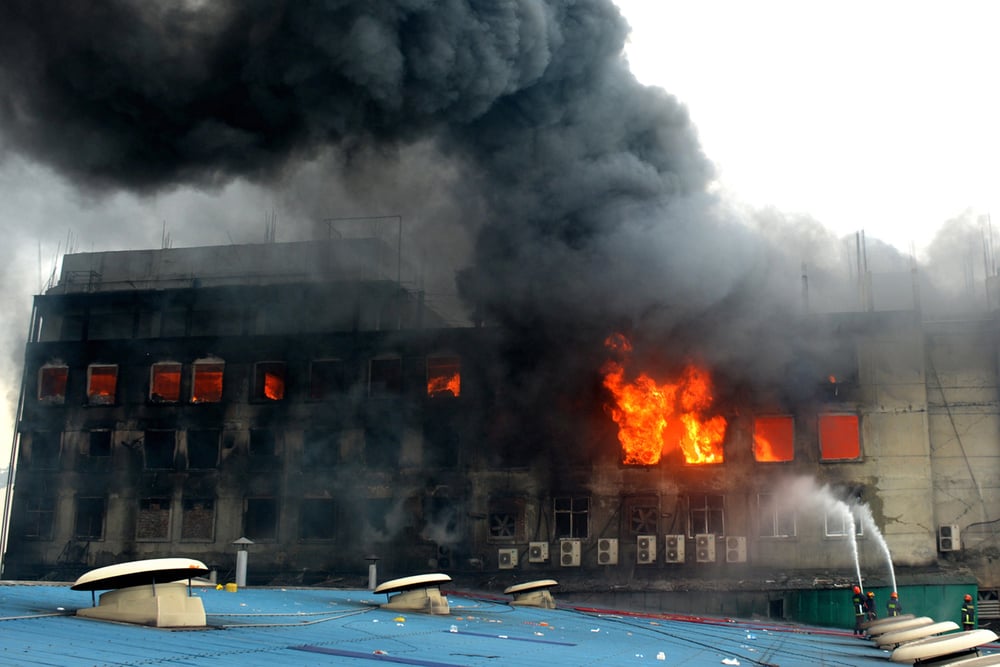
Back in 1911, a fire broke out at a garment factory in New York City, trapping workers inside. The doors were locked, and the fire escapes were either broken or too narrow.
Many of the workers, mostly young immigrant women, jumped from windows to escape the flames. Over 140 people died in less than 20 minutes.
The tragedy sparked major reforms in workplace safety and labor laws.
Fukushima nuclear crisis
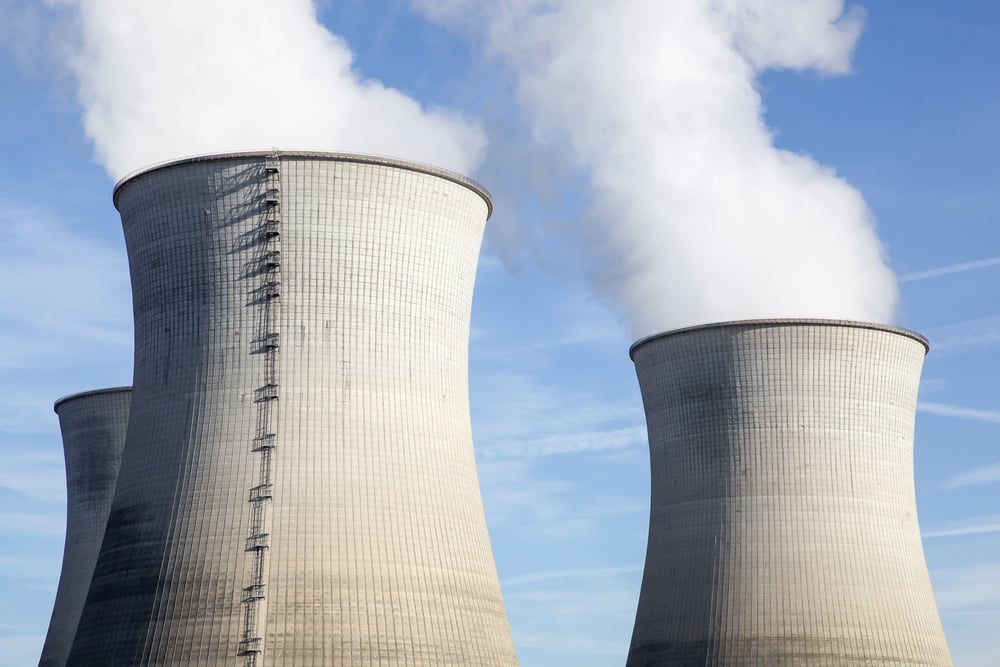
After a powerful earthquake and tsunami hit Japan in 2011, the Fukushima Daiichi nuclear plant suffered multiple reactor meltdowns. Backup systems failed, and radioactive material leaked into the environment.
Thousands were evacuated, and entire towns were abandoned. The cleanup process is still going on and is expected to take decades.
It renewed global concerns about the safety of nuclear energy.
Like Go2Tutors’s content? Follow us on MSN.
Texas City explosion
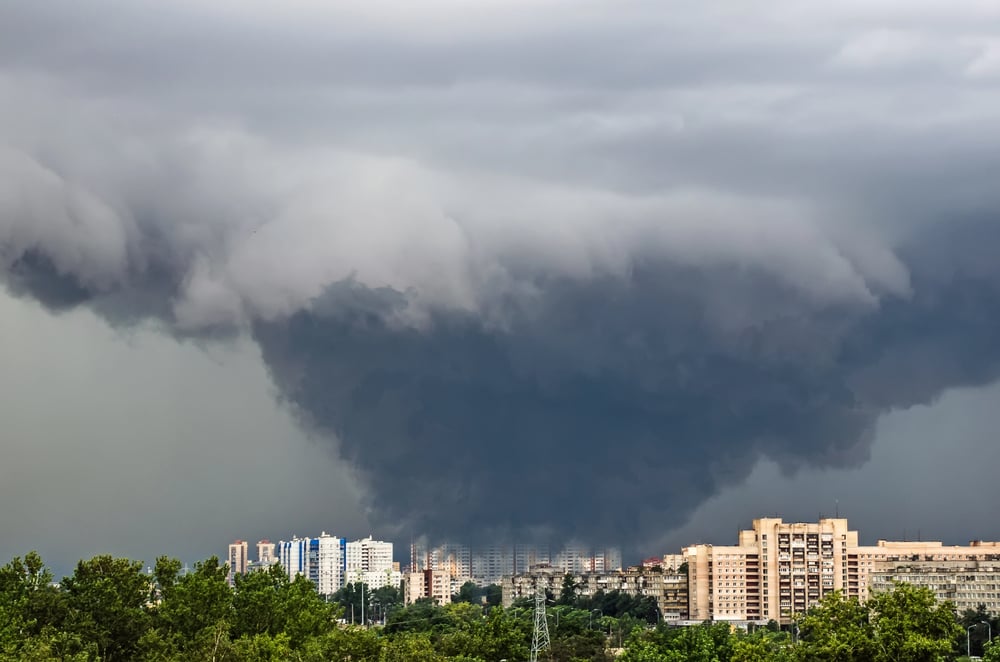
In 1947, a ship carrying ammonium nitrate caught fire at the port of Texas City and exploded with massive force. The blast killed nearly 600 people and injured thousands more.
Buildings were destroyed, and fires spread quickly through the town and nearby refineries. The explosion was so powerful it shattered windows miles away.
It remains one of the deadliest industrial accidents in U.S. history.
Seveso chemical leak
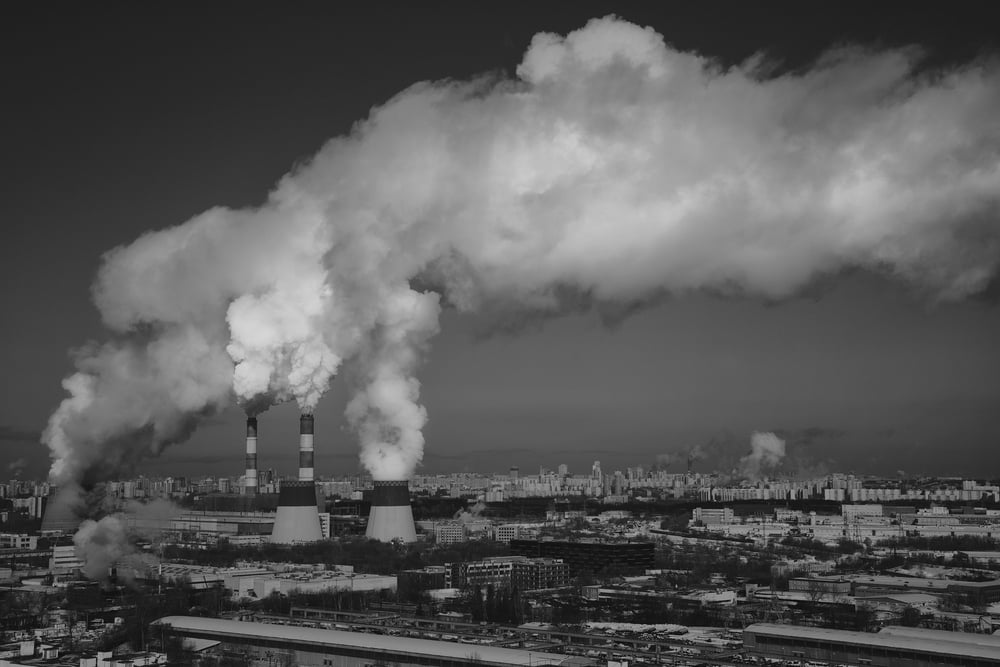
In 1976, a factory in Seveso, Italy released a toxic cloud of dioxin into the surrounding area. The chemical caused animals to die and led to serious skin diseases among residents.
Entire towns had to be evacuated and cleaned. Though no one died directly from the leak, the long-term health effects were serious.
The disaster led to stricter environmental regulations across Europe.
Halifax explosion
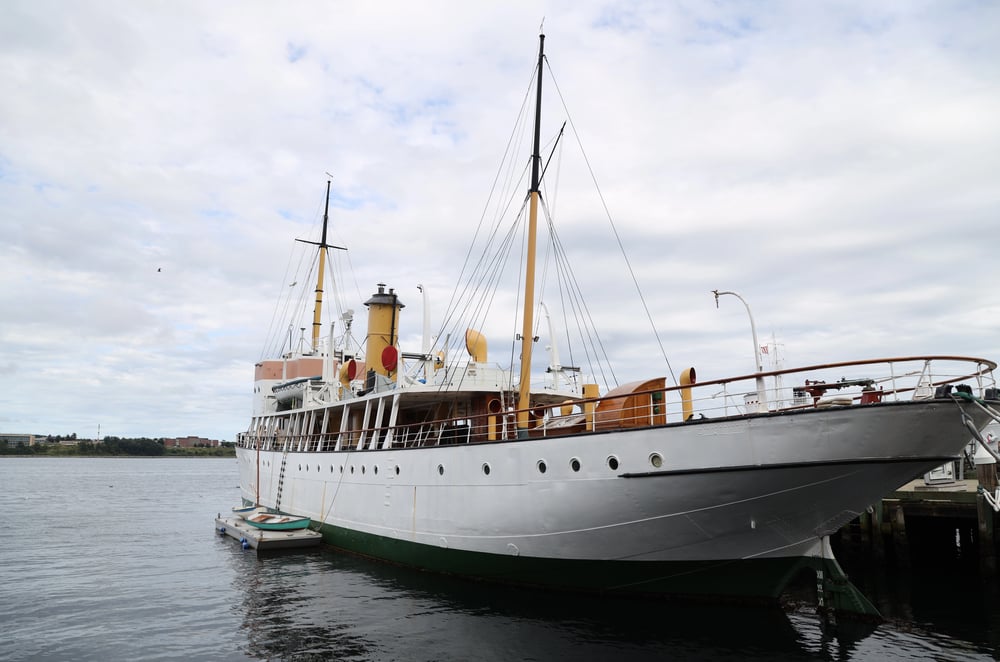
During World War I, two ships collided in the harbor of Halifax, Canada—one of them was loaded with explosives. The result was a huge blast that flattened large parts of the city.
Around 2,000 people died, and thousands more were injured or left homeless. The explosion was so strong, it was heard over 100 miles away.
It stood as the largest human-made explosion until the atomic bomb.
Like Go2Tutors’s content? Follow us on MSN.
Minamata disease
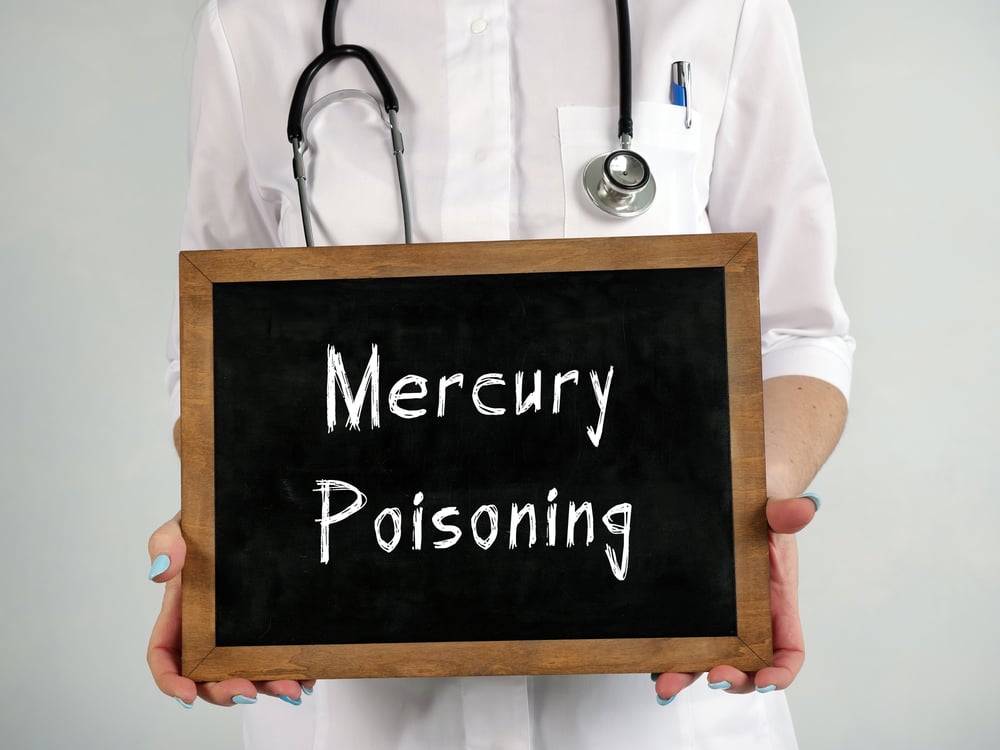
In the 1950s, people in Minamata, Japan began suffering from mysterious illnesses. It was eventually traced to mercury dumped into the bay by a local chemical factory.
The mercury built up in fish, which were eaten by people living nearby. It caused severe nerve damage, birth defects, and even death.
The case brought attention to the dangers of industrial pollution and led to global action.
Rana Plaza collapse
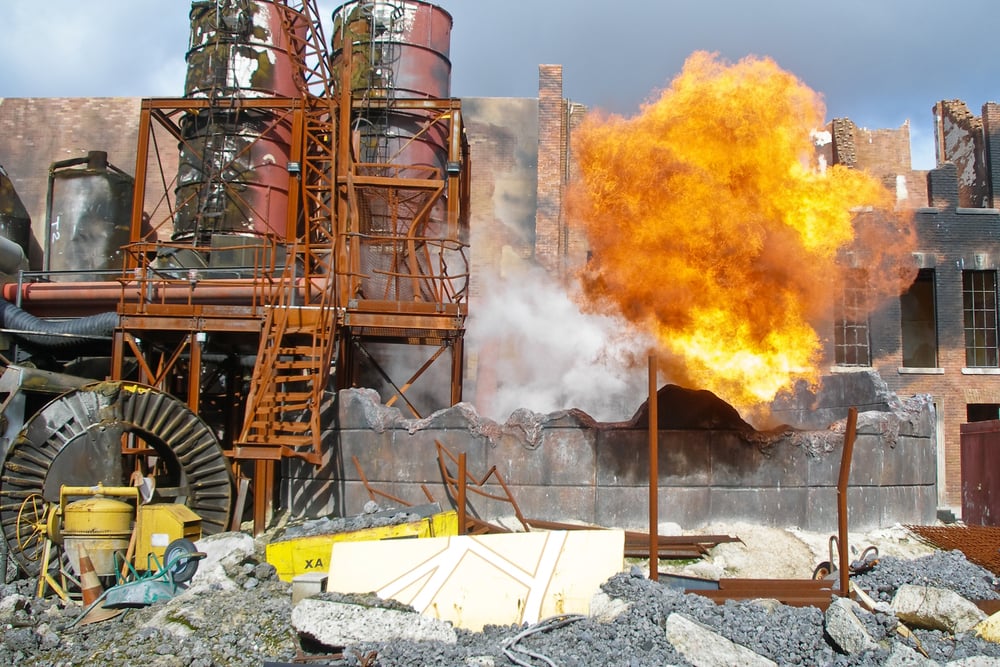
In 2013, a building housing garment factories in Bangladesh collapsed, killing more than 1,100 workers. Cracks had been seen in the walls the day before, but workers were still forced to enter.
When the building came down, rescue operations lasted weeks. The disaster led to international outrage and calls for better working conditions in the global fashion industry.
It exposed the hidden cost of cheap clothing.
Exxon Valdez oil spill
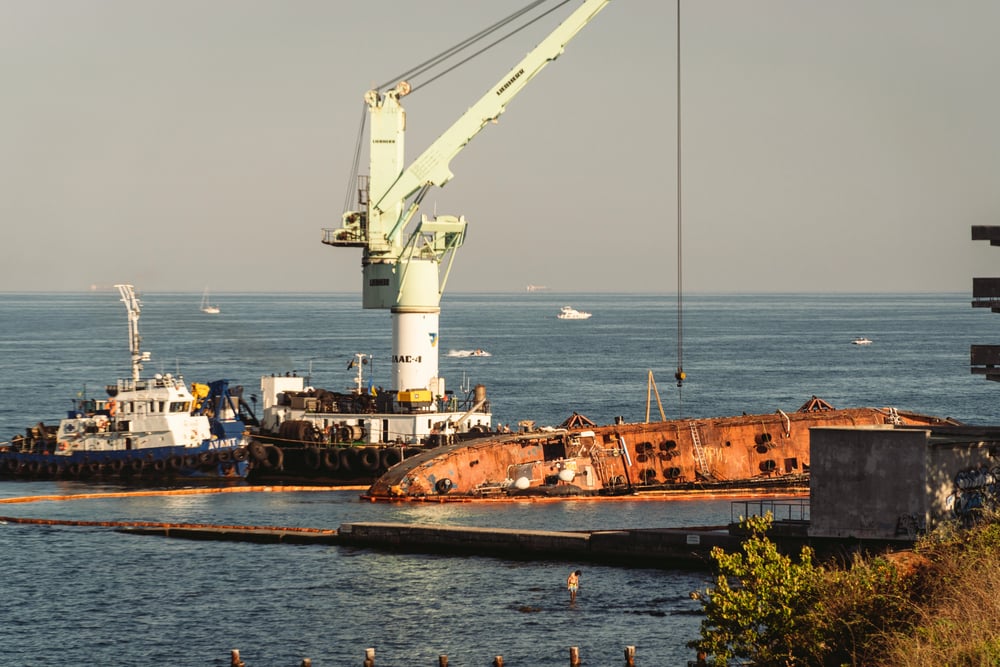
In 1989, an oil tanker ran aground off the coast of Alaska, spilling millions of gallons of crude oil into the ocean. The spill damaged wildlife, especially seabirds and sea otters, and hurt local fishing businesses.
Cleanup efforts struggled in the harsh weather and remote location. The accident led to new laws about oil transport and safety.
It also showed how one mistake can have long-term environmental effects.
Like Go2Tutors’s content? Follow us on MSN.
Beirut port explosion
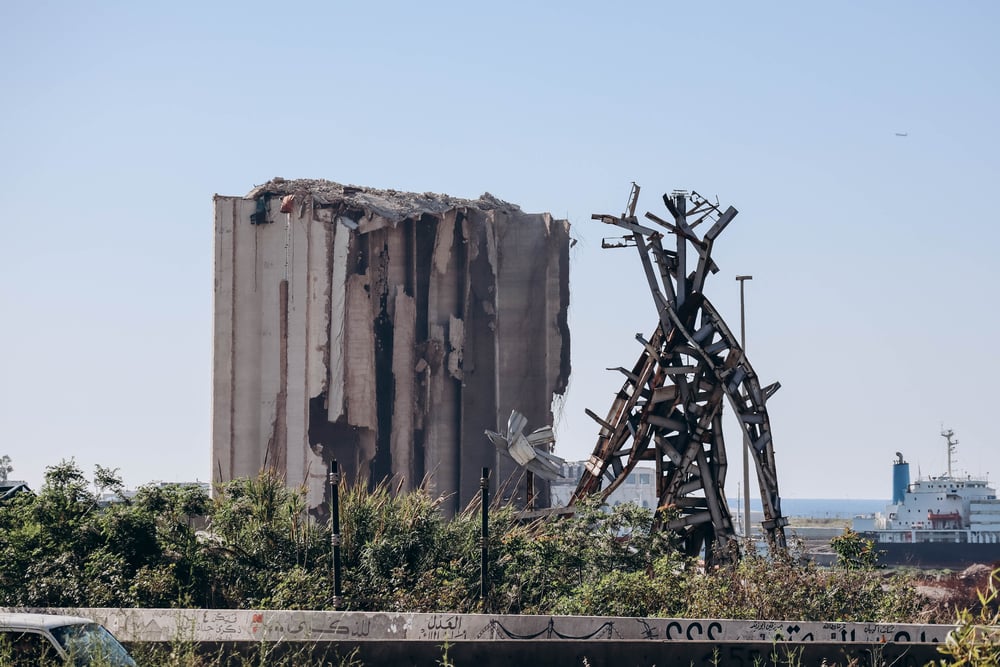
In 2020, a warehouse in Beirut, Lebanon exploded after a large stockpile of ammonium nitrate caught fire. The explosion damaged half the city, killed over 200 people, and left thousands injured.
It was one of the most powerful non-nuclear blasts ever recorded. The disaster exposed deep problems in government oversight and storage safety.
Many people demanded change and accountability after the blast.
Flixborough chemical plant explosion
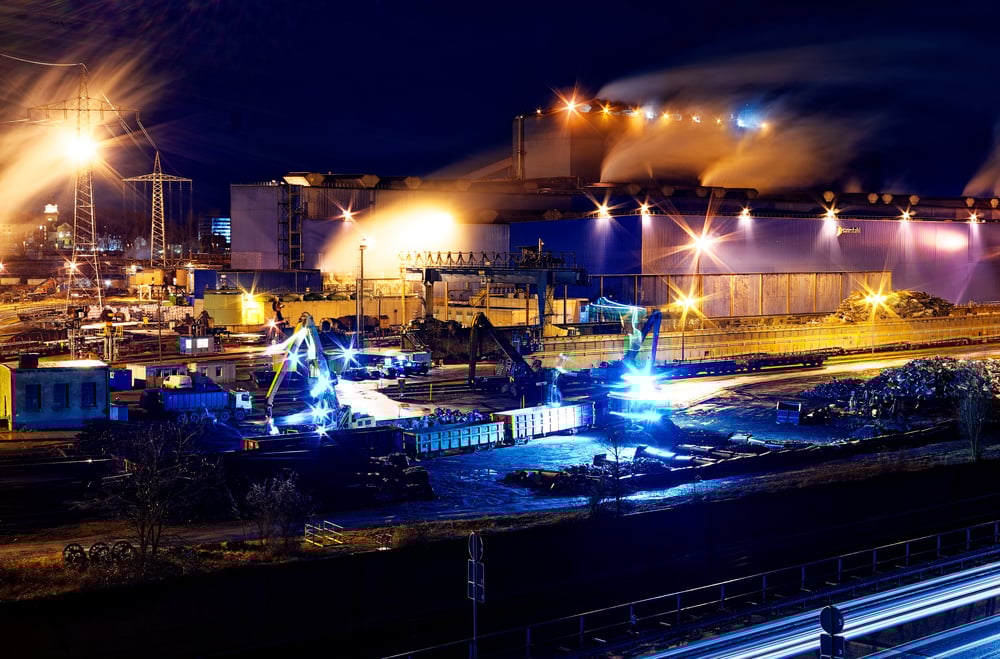
A pipe failure at a chemical plant in Flixborough, England caused a major explosion in 1974. The blast destroyed the site, killed 28 people, and injured many more.
Homes in nearby towns were damaged, and fires burned for hours. Investigations found poor safety standards and led to major changes in how chemical plants are inspected.
The accident raised public awareness of the risks of industrial chemicals.
Oppau explosion
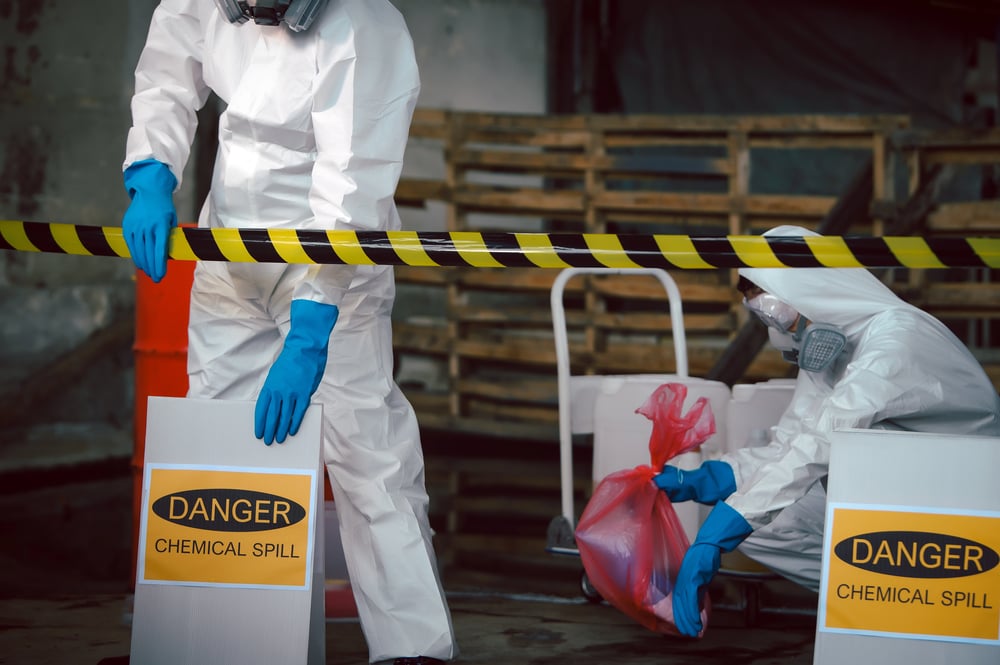
In 1921, a fertilizer plant in Oppau, Germany exploded while workers were trying to break up a block of stored chemicals with explosives. The resulting blast killed around 500 people and destroyed a large part of the town.
The force of the explosion was felt miles away. The incident showed how dangerous common industrial materials could be if not handled carefully.
It was one of the deadliest plant explosions in Europe.
Like Go2Tutors’s content? Follow us on MSN.
BP Texas City refinery explosion
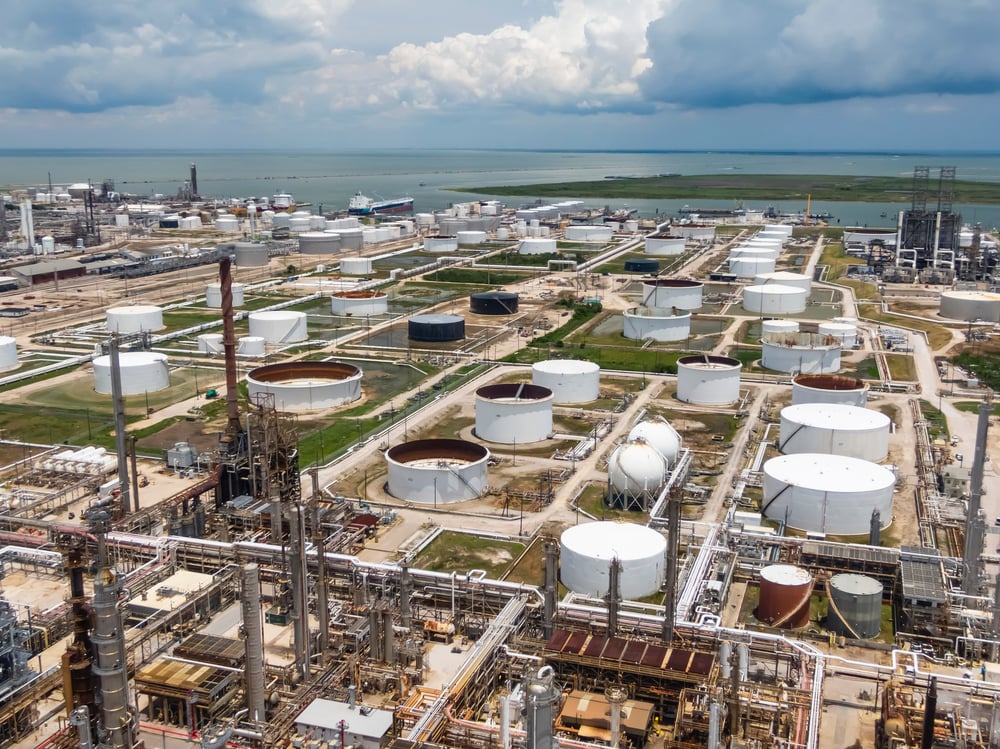
In 2005, an explosion at a BP refinery in Texas City killed 15 workers and injured over 170 others. The blast was caused by equipment failure and poor safety procedures.
Investigations revealed cost-cutting and a lack of proper training. It was a turning point for how safety is managed in the oil industry.
The company faced heavy fines and public criticism afterward.
Sidoarjo mud volcano
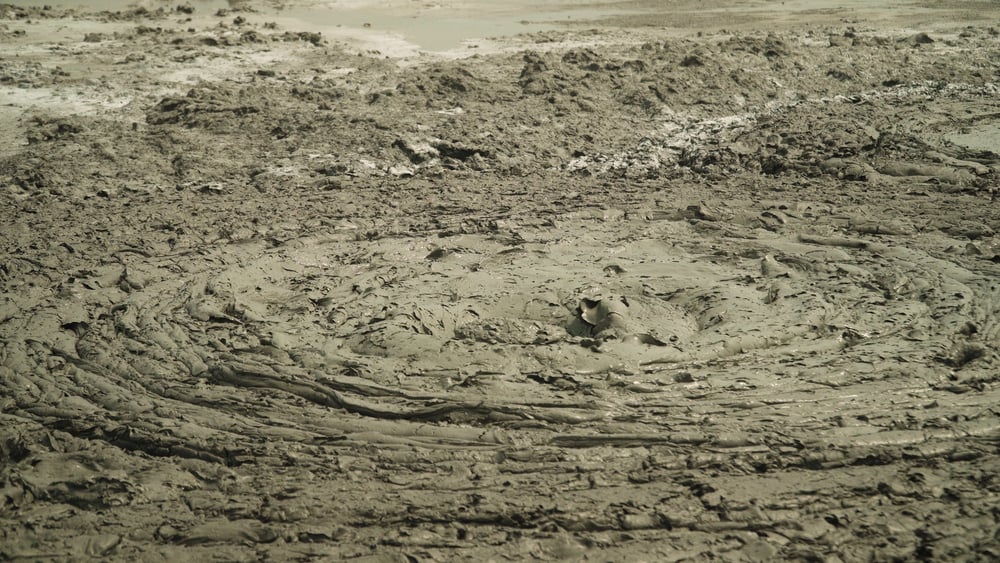
In Indonesia in 2006, drilling by a gas company triggered a mud volcano that buried villages under thick mud. The eruption didn’t stop for years, forcing thousands to leave their homes.
Roads, houses, and farmland were destroyed. Scientists still debate whether the drilling or a nearby earthquake caused it.
Either way, the disaster left a deep mark on the region and sparked lawsuits that lasted for years.
Love Canal crisis
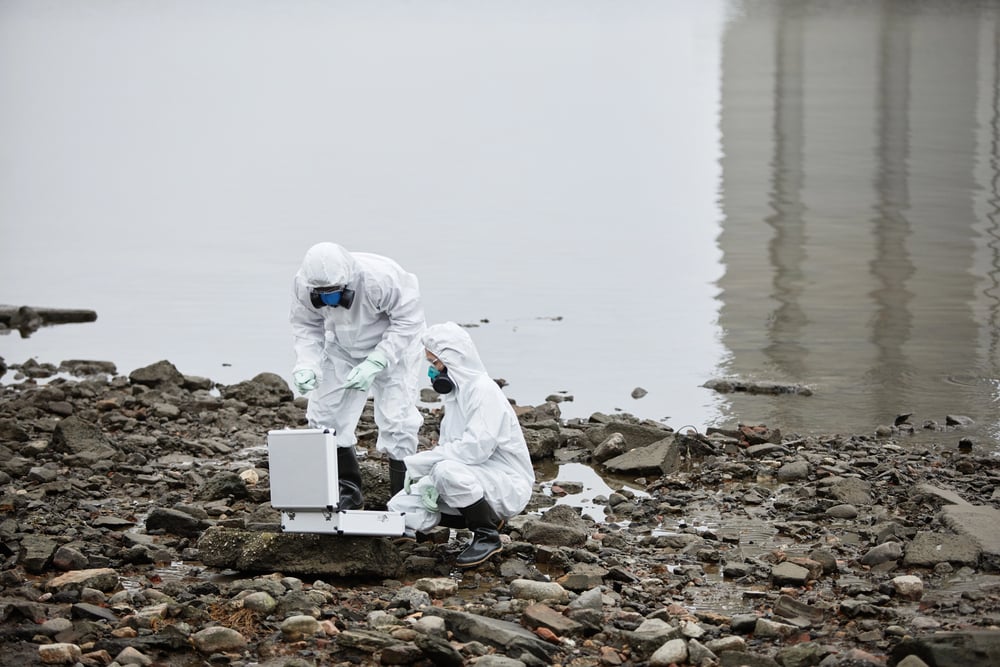
In the 1970s, residents of Love Canal, New York discovered that their neighborhood had been built on top of a toxic waste site. Chemicals buried decades earlier began leaking into homes and schools.
Families started experiencing health issues, including birth defects and illnesses. The situation became national news and pushed the government to take emergency action.
It also helped create new laws about hazardous waste and environmental safety.
Like Go2Tutors’s content? Follow us on MSN.
When industry forgets to pause
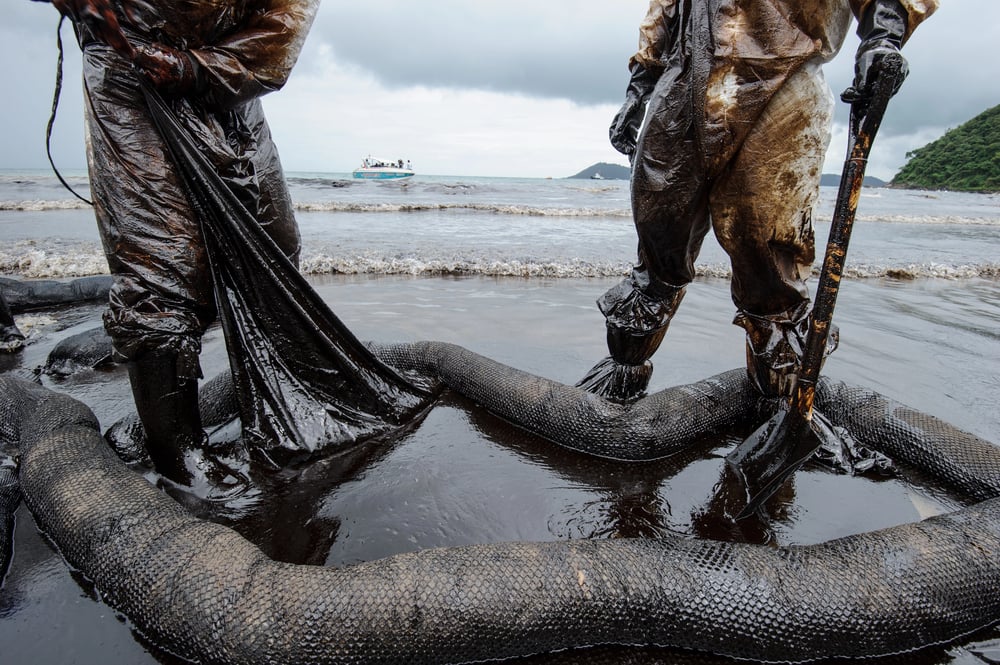
Each of these disasters started with people trying to build, grow, or produce. But when caution was ignored or mistakes were made, the results were devastating.
These events didn’t just hurt the people nearby—they changed how the world views safety, responsibility, and the limits of industry. Some led to better laws, others left scars that still haven’t healed.
They all serve as reminders that progress only works when people are protected.
More from Go2Tutors!

- 16 Historical Figures Who Were Nothing Like You Think
- 12 Things Sold in the 80s That Are Now Illegal
- 15 VHS Tapes That Could Be Worth Thousands
- 17 Historical “What Ifs” That Would Have Changed Everything
- 18 TV Shows That Vanished Without a Finale
Like Go2Tutors’s content? Follow us on MSN.



