Hidden Meanings in Ancient Jewelry
Ancient folks wore jewelry for more than looks. Each tiny piece, each mark, each stone held a shared message within their community.
Nothing was thrown together by chance. Instead, these items spoke silently – showing who you were, guarding against harm, even sealing bonds – all tucked into something hanging from your neck or circling your hand.
Egyptian Scarab Beetles and Rebirth
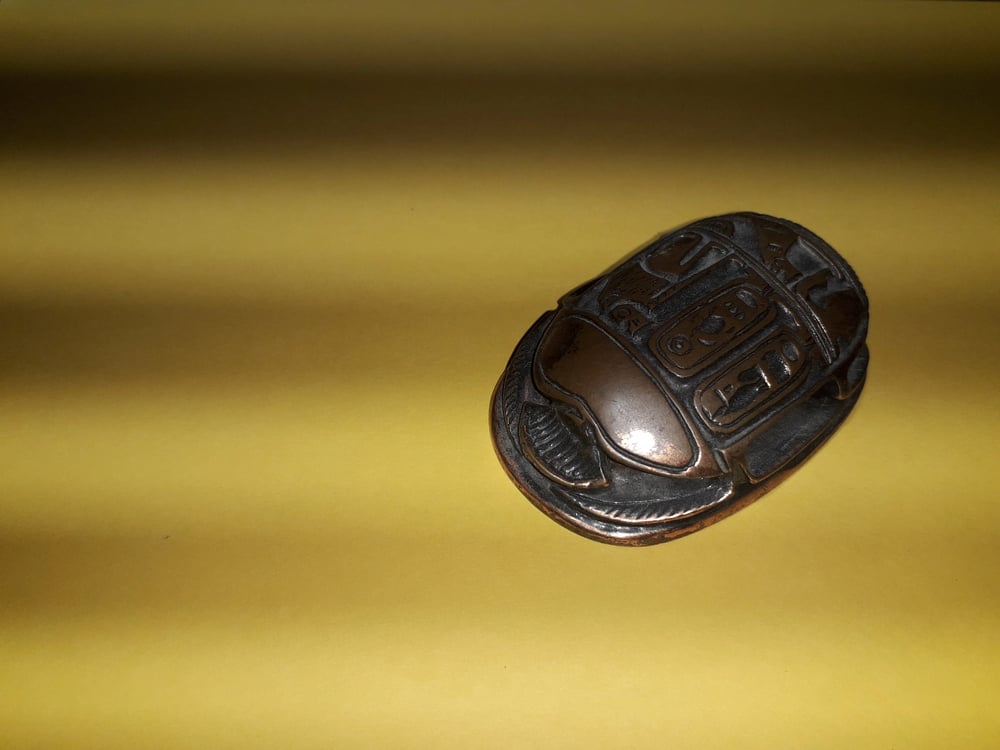
Egyptians made tons of scarab beetle charms using rock, mud, or rare stuff. This bug stood for Khepri – believed to roll the sun up every dawn.
Wearing them was meant to bring fresh starts, here on earth or later beyond death. The beetles worked two ways – like seals and charms.
Shaped smooth underneath with words or names, they were stamped into wax to prove a document was real. People carried their mark close, hanging it from the neck.
When pharaohs were wrapped, special scarabs went over the chest, carved with magic lines meant to stop the heart from speaking up when judged beyond death.
Greek Evil Eye Beads

Blue glass beads with concentric circles stared out from necklaces and bracelets across the ancient Mediterranean. These weren’t decorative patterns.
They were eyes, watching for the evil eye—the curse cast by jealous or envious glances. Greeks believed that compliments and admiration attracted bad luck unless something deflected the attention.
The eye beads caught and reflected malicious intent before it reached the wearer. You still see these beads in Greece and Turkey today, thousands of years later, protecting babies and businesses from harm.
Roman Signet Rings and Power

Roman folks used rings – etched with family marks or private signs – to seal deals, notes, and papers. Lose it? Someone could fake your name on any document.
So they wore those rings nonstop, never taking them off – even while sleeping. The metal was important as well.
Not just gold – those rings meant you rode horses or ranked higher. Instead of gold, iron said you were free but had no money.
While slaves weren’t allowed signet rings under any condition. So the ring on your hand spoke first, even before words came out.
Celtic Knots Without Endings

Celtic metalworkers created intricate patterns that looped and wove without beginning or end. These knots represented eternity, the endless cycle of life, death, and rebirth that Celtic religion centered on.
The patterns appeared on everything from sword hilts to torcs—the heavy neck rings that marked tribal chiefs. Different knot patterns carried specific meanings.
The triquetra, with its three interlocking loops, represented the triple goddess or the three realms of earth, sea, and sky. When Celtic Christians adopted these symbols, the same patterns came to represent the Holy Trinity.
Mesopotamian Cylinder Seals

Sumerians and Babylonians carved tiny cylinders of stone with intricate scenes and rolled them across wet clay to create their unique mark. These weren’t just signatures.
They were miniature religious texts and legal documents you wore on a cord around your neck. The scenes depicted gods, mythological events, and the owner’s name.
When you rolled your seal onto a contract, you invoked divine witness to the agreement. People were buried with their seals so they could identify themselves in the afterlife.
Viking Mjolnir Hammers

Thor’s hammer pendants showed up in Viking graves throughout Scandinavia. Warriors wore them for protection in combat, but the meaning went deeper.
Thor defended Midgard, the human realm, from chaos and monsters. Wearing his hammer declared you stood on the side of order against the forces trying to tear the world apart.
The hammers gained extra significance as Christianity spread north. Vikings who refused conversion wore Thor’s hammers as deliberate statements of their traditional faith.
The symbol became an act of resistance.
Hindu Mangalsutra and Marriage

Indian brides receive a mangalsutra, a necklace of black and gold beads, during the wedding ceremony. The groom ties it around her neck at the moment the marriage becomes official.
Traditionally, Hindu wives wear it throughout their married life as a symbol of their husband’s well-being. The black beads ward off evil, while the gold beads represent prosperity.
The number of beads, the pattern, and the pendant style vary by region, but the meaning stays constant. The necklace announces married status and invokes protection for the husband.
Phoenician Amulet Faces

Phoenician jewelers created tiny face pendants with grotesque, grinning expressions. Modern viewers find them unsettling, but that was the point.
These faces, often showing tongues stuck out or teeth bared, scared away demons and evil spirits through shock and intimidation. The faces weren’t random monsters.
Each represented a specific protective deity or demon working on your behalf. Sailors wore them to prevent drowning.
Mothers put them on babies to ward off childhood illnesses.
Mayan Jade Death Masks

Maya nobility prepared for death by commissioning jade pieces to place in their mouths. The jade allowed the deceased to communicate in the afterlife.
Full jade masks covered the faces of the most important rulers, transforming them into gods after death. Maya craftsmen spent years carving single masks, cutting and polishing jade with tools made from harder stones.
The masks weren’t portraits. They represented the idealized divine form the ruler would assume in the next world.
Persian Turquoise Sky Stones

Persians called turquoise the sky stone and attributed it with the power to prevent falls, especially from horses. Warriors set turquoise into sword hilts and bridles.
Traders wore turquoise rings to ensure safe journeys. The color changes in turquoise provided warnings.
Stones that turned greenish or lost their blue indicated danger or sickness approaching. People watched their turquoise jewelry for these warning signs as carefully as they watched the horizon.
Etruscan Bulla and Childhood
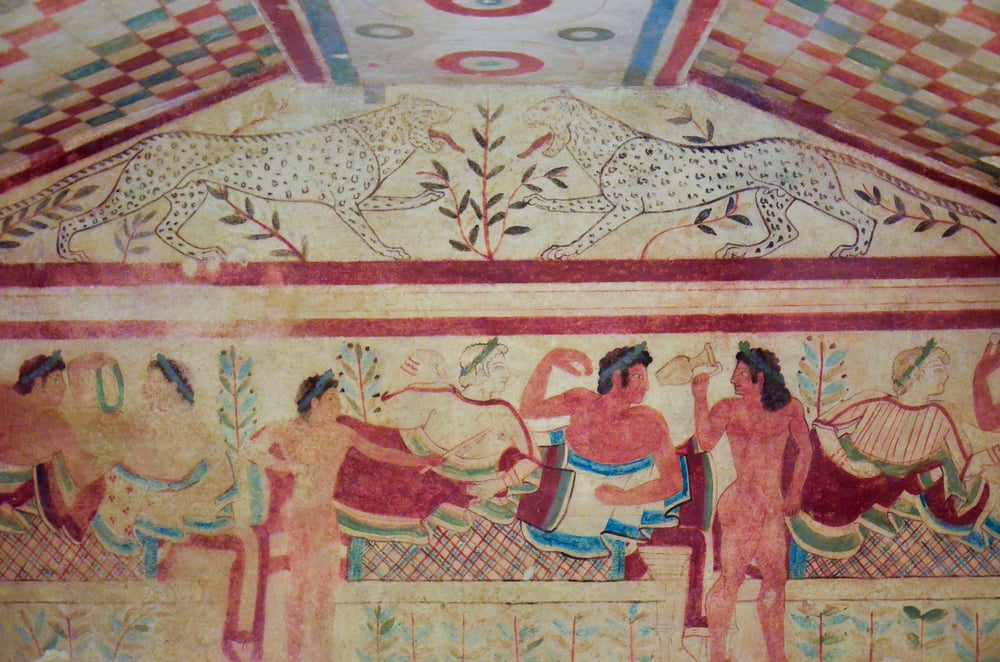
Etruscan and Roman children wore round lockets called bullae from birth. Inside the locket, parents placed protective amulets—herbs, stones, or written prayers.
The bulla protected the child from evil spirits and disease. Boys kept their bullae until they came of age and assumed adult togas, usually around fourteen.
Girls wore theirs until marriage. The bulla then went into the household shrine, a thank offering to the gods for bringing the child safely to adulthood.
Byzantine Cross Reliquaries

Byzantine Christians wore cross pendants that opened to reveal tiny compartments. Inside, they kept fragments—splinters of wood believed to be from the True Cross, threads from saints’ clothing, or drops of sanctified oil.
These weren’t just symbols of faith. They were portable containers of divine power.
The crosses themselves often incorporated precious stones in patterns representing theological concepts. Garnets represented Christ’s sacrifice, sapphires stood for heaven, and pearls symbolized purity and the Virgin Mary.
Aztec Obsidian Mirrors

Aztec holy men along with high-status folks sported shiny obsidian mirrors on their chests. The dark glass pieces acted like doorways linking everyday life to the supernatural.
Gazing into these rounds, shamans waited for messages or future glimpses. The mirrors linked users to Tezcatlipoca – god of darkness and magic.
The term actually translates to “mirror that smokes.” Fighters with tiny obsidian pieces said they got strength from him during battle, also guidance when planning moves.
The Language Written on Skin

Ancient jewelry spoke without words to those who looked. Symbols along with stuff used built a code showing rank, faith, job, also goals.
Strangers figured out lives just by glancing at what folks carried on their skin. These days, that meaning’s nearly gone.
You’ll spot ankhs, scarabs – locked behind glass or sold cheap at souvenir stalls, empty of the weight they once carried. Yet the urge sticks around: putting on an object loaded with hidden significance, a quiet signal about who you are.
Old ornaments show we’ve always hoped our stuff could talk.
More from Go2Tutors!

- The Romanov Crown Jewels and Their Tragic Fate
- 13 Historical Mysteries That Science Still Can’t Solve
- Famous Hoaxes That Fooled the World for Years
- 15 Child Stars with Tragic Adult Lives
- 16 Famous Jewelry Pieces in History
Like Go2Tutors’s content? Follow us on MSN