Authors who stirred major controversy
Books have power. Some make people laugh, others make people cry — and a few really shake things up.
These authors didn’t just write stories. They sparked outrage, protests, bans, and even legal fights.
Some got praise and backlash in equal measure. Let’s take a closer look at the writers who didn’t play it safe.
Salman Rushdie faced threats over fiction

In 1988, Salman Rushdie published The Satanic Verses, a novel that drew worldwide attention — but not for the reasons he hoped. Some Muslim readers found parts of the story deeply offensive.
Iran’s Supreme Leader called for his death, forcing Rushdie to go into hiding for nearly a decade. The controversy led to riots, book burnings, and even bombings in some countries.
Rushdie kept writing, but his name stayed linked to that one book. The debate over freedom of speech versus religious respect still follows the story today.
J.K. Rowling clashed with fans

J.K. Rowling created one of the most beloved fantasy series of all time, but after Harry Potter, things got complicated. Her public comments about gender and identity sparked fierce criticism.
Many fans, including actors from the films, pushed back against her views. Some bookstores removed her titles from displays, and online groups called for boycotts.
Others defended her right to speak her mind. The rift between her and parts of the fanbase has not healed.
Mark Twain rattled censors

Mark Twain, born Samuel Clemens, wrote Adventures of Huckleberry Finn in 1884, and people are still arguing about it. The book tackled racism and slavery, using language common at the time but offensive today.
Some say it’s an important piece of American history. Others say it doesn’t belong in schools.
Twain himself liked to stir the pot — he once said that a banned book is usually worth reading.
Like Go2Tutors’s content? Follow us on MSN.
James Baldwin told hard truths
James Baldwin didn’t soften anything in his writing. He spoke openly about race, identity, and injustice in America, especially during the 1960s.
His essays and novels challenged both white and Black readers to see things differently. Critics often called his work “angry,” but he saw it as honest.
Baldwin faced pushback from politicians and publishers but kept his voice strong. Today, many people turn to his words to understand the world better.
Vladimir Nabokov pushed the line

When Nabokov released Lolita in 1955, people didn’t know what to make of it. The book told a disturbing story from the viewpoint of an unreliable narrator.
Some called it genius. Others called it dangerous.
Several countries banned it, including France at first. Nabokov claimed it was about obsession and manipulation — not a love story.
Readers still argue over whether it should be praised or avoided.
Toni Morrison challenged comfort zones

Toni Morrison’s books didn’t hide from hard topics. The Bluest Eye dealt with race, abuse, and identity, and many schools tried to ban it.
Her novel Beloved, about a woman haunted by the past, won major awards but also caused discomfort. Morrison didn’t write to please — she wrote to show the deep scars of history.
Some found her work painful to read. But for others, her stories opened up powerful new conversations.
Like Go2Tutors’s content? Follow us on MSN.
D.H. Lawrence made governments nervous
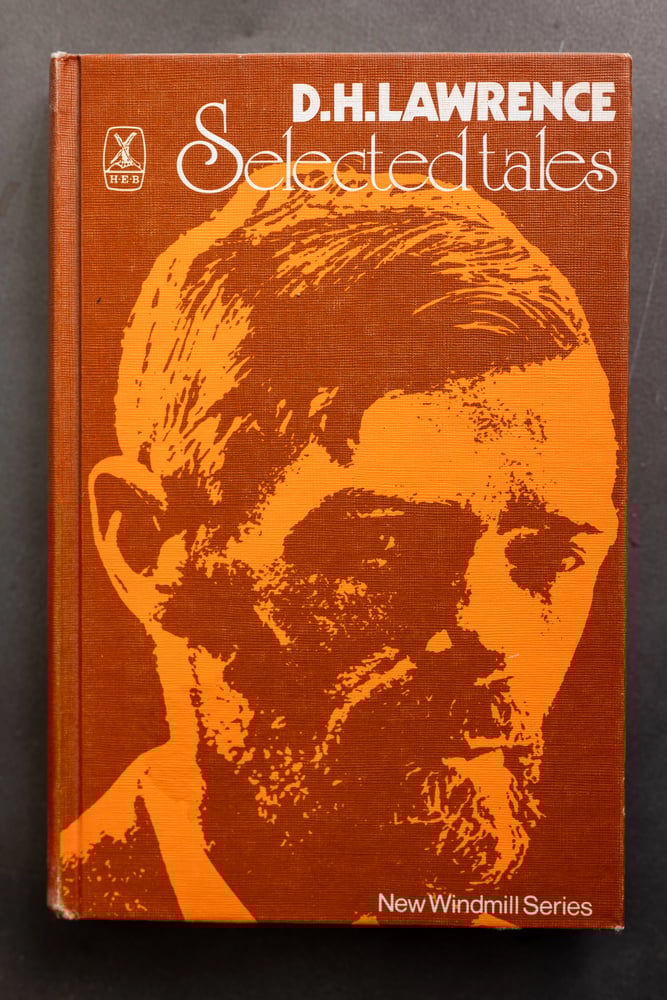
In 1928, D.H. Lawrence published Lady Chatterley’s Lover, which caused a huge scandal. The book described a relationship across class lines, and the language was seen as too bold.
The British government banned it for over 30 years. In 1960, a court case finally cleared it for release — and it sold millions of copies right away.
Lawrence believed that love and the human body were natural subjects. Many disagreed, loudly.
J.D. Salinger confused and upset readers

Salinger’s Catcher in the Rye became a hit with teenagers but worried many adults. The book’s main character, Holden Caulfield, was angry, rude, and critical of the world around him.
Some schools banned it for foul language and bad behavior. Others saw it as a voice for young people who felt misunderstood.
Salinger stayed out of the public eye, letting the book speak for itself. That only added to its mystery — and its controversy.
Margaret Atwood stirred new debates
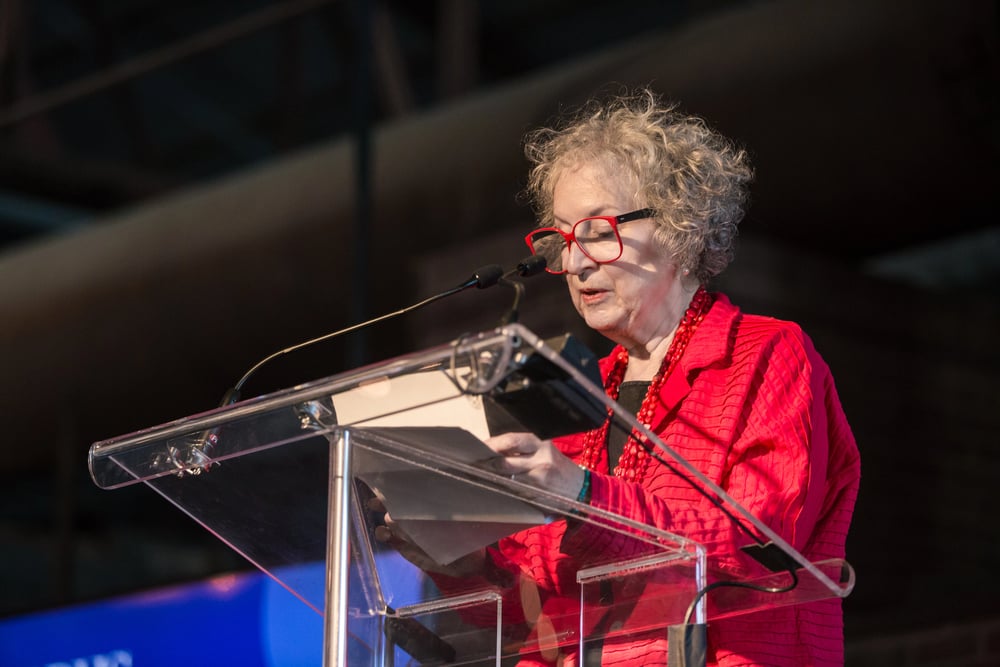
When The Handmaid’s Tale came out in 1985, it painted a picture of a future where women lost all rights. Some readers thought it was too extreme.
Others saw it as a warning. The story was banned in some schools for being too dark or political.
Atwood later said that every part of the story was based on something that had already happened somewhere. That made it harder to dismiss — and harder to forget.
Like Go2Tutors’s content? Follow us on MSN.
William S. Burroughs shocked readers

Burroughs wrote like no one else. His book jumped between scenes, topics, and wild ideas.
It got banned in Boston, and a judge had to decide whether it counted as art or just shock. In the end, the court ruled in favor of Burroughs.
Still, many readers couldn’t get through the book. He didn’t try to explain or apologize — he just kept writing.
Harriet Beecher Stowe got labeled dangerous

When Uncle Tom’s Cabin was published in 1852, it sold fast — and stirred big emotions. Stowe showed the horrors of slavery in a way many Americans hadn’t seen before.
Some called her a hero. Others, especially in the South, said she was causing trouble.
Slave owners hated the book. Abraham Lincoln later joked that she was “the little lady who started this big war.”
Allen Ginsberg got taken to court
Ginsberg’s poem Howl didn’t follow the rules. It talked about love, sadness, rebellion, and more — in words that some people found too rough.
The U.S. government tried to block it, calling it obscene. Ginsberg’s publisher went to court to defend the work.
A judge ruled in favor of free speech. That case helped protect other writers, too.
Like Go2Tutors’s content? Follow us on MSN.
Jean-Paul Sartre annoyed both sides

Sartre was a philosopher and a novelist. He supported workers, resisted Nazis, and later criticized both the West and the East.
His book No Exit got famous, but his politics made people angry. Some said he was too radical.
Others said he didn’t take action. Either way, he stayed in the spotlight — and stayed opinionated.
Sylvia Plath left behind questions

The Bell Jar was Plath’s only novel, and it told the story of a woman’s deep sadness and struggle with mental health. It was based on her own life, and it felt too real for some readers.
The book faced bans in schools and libraries. After her death, it gained even more attention.
People still debate whether it’s brave, painful, or both.
Eldridge Cleaver brought heat with honesty
Cleaver wrote Soul on Ice while in prison. The book talked about racism, rebellion, and his own past.
Some praised his honesty. Others pointed to his crimes and said he shouldn’t be heard.
Cleaver later changed his views on many topics, which caused even more debate. His story made people ask where redemption ends and responsibility begins.
Like Go2Tutors’s content? Follow us on MSN.
Words that still spark fires

These authors didn’t all agree with each other. Some made mistakes. Some stood their ground no matter what.
But each one made people stop and think — and that’s what writing is all about. Even years later, their books still raise eyebrows and start conversations.
More from Go2Tutors!

- 16 Historical Figures Who Were Nothing Like You Think
- 12 Things Sold in the 80s That Are Now Illegal
- 15 VHS Tapes That Could Be Worth Thousands
- 17 Historical “What Ifs” That Would Have Changed Everything
- 18 TV Shows That Vanished Without a Finale
Like Go2Tutors’s content? Follow us on MSN.