17 Most Dangerous Sports That Push Human Limits
Ever since the beginning of time, people have been looking for ways to push their physical and mental limits. This innate human need has been converted into organized activities that frequently teeter on the brink of serious danger by modern extreme sports.
Here is a list of 17 of the most dangerous sports that truly push human limits. These activities aren’t for the faint of heart—they require extraordinary skill, courage, and a unique relationship with risk.
Base Jumping

Base jumping involves leaping from fixed objects like buildings, antennas, spans (bridges), or earth (cliffs) with only a parachute to slow your descent. The margin for error is practically non-existent.
Jumpers have mere seconds to deploy their parachutes correctly, with any mistake potentially resulting in catastrophic consequences.
Bull Riding

Few sports put you in direct contact with a massive animal determined to throw you off its back. Professional bull riders must stay mounted for eight seconds while the bull bucks wildly.
Riders frequently suffer concussions, broken bones, and internal injuries when thrown to the ground or trampled.
Big Wave Surfing
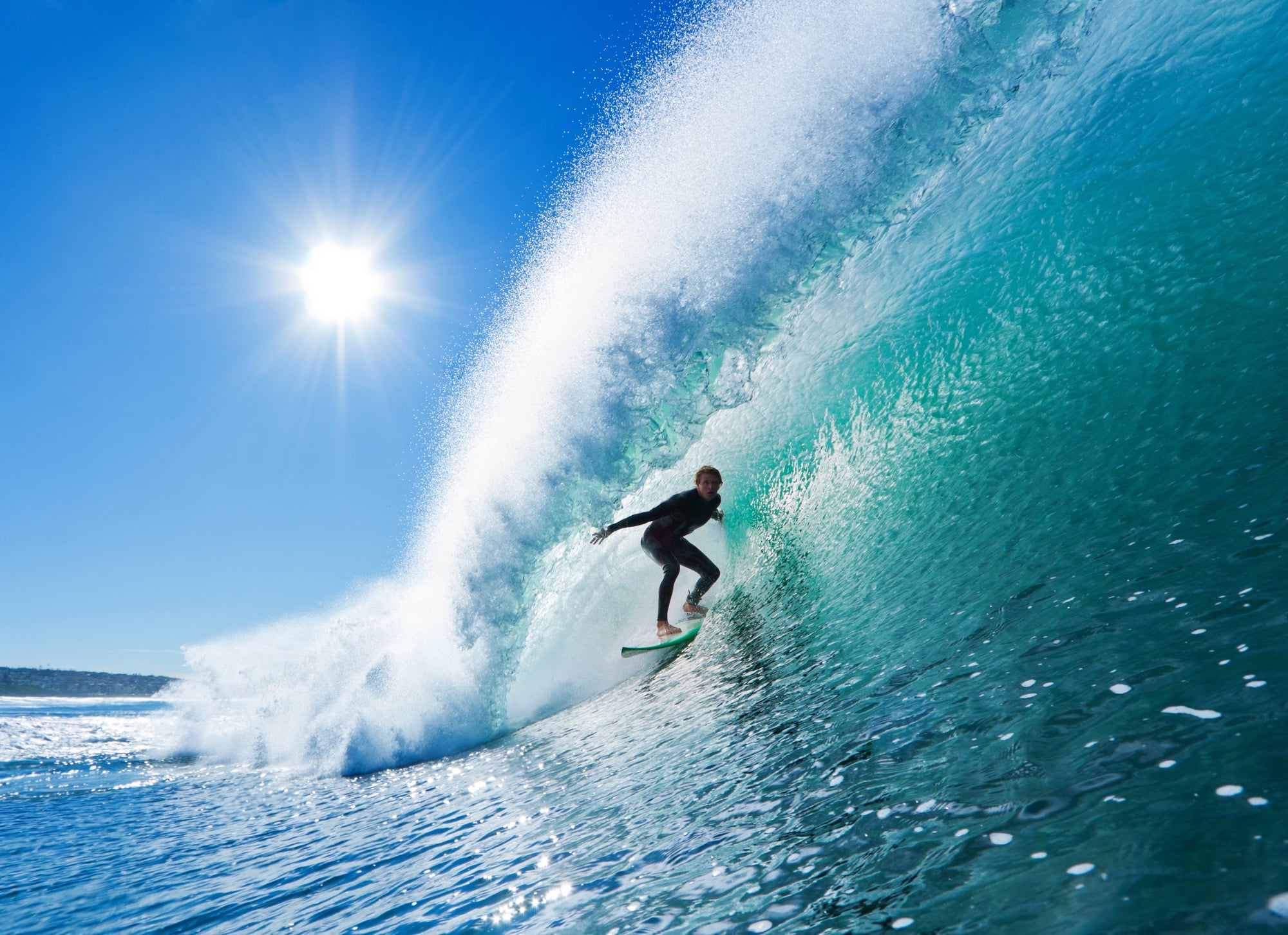
When surfers tackle waves exceeding 20 feet in height, they enter the realm of big wave surfing. The sheer power of these massive water formations can hold surfers underwater for minutes at a time.
The pressure from a breaking wave can be hit with enough force to cause significant bodily harm, similar to being hit by a small car.
Free Solo Climbing
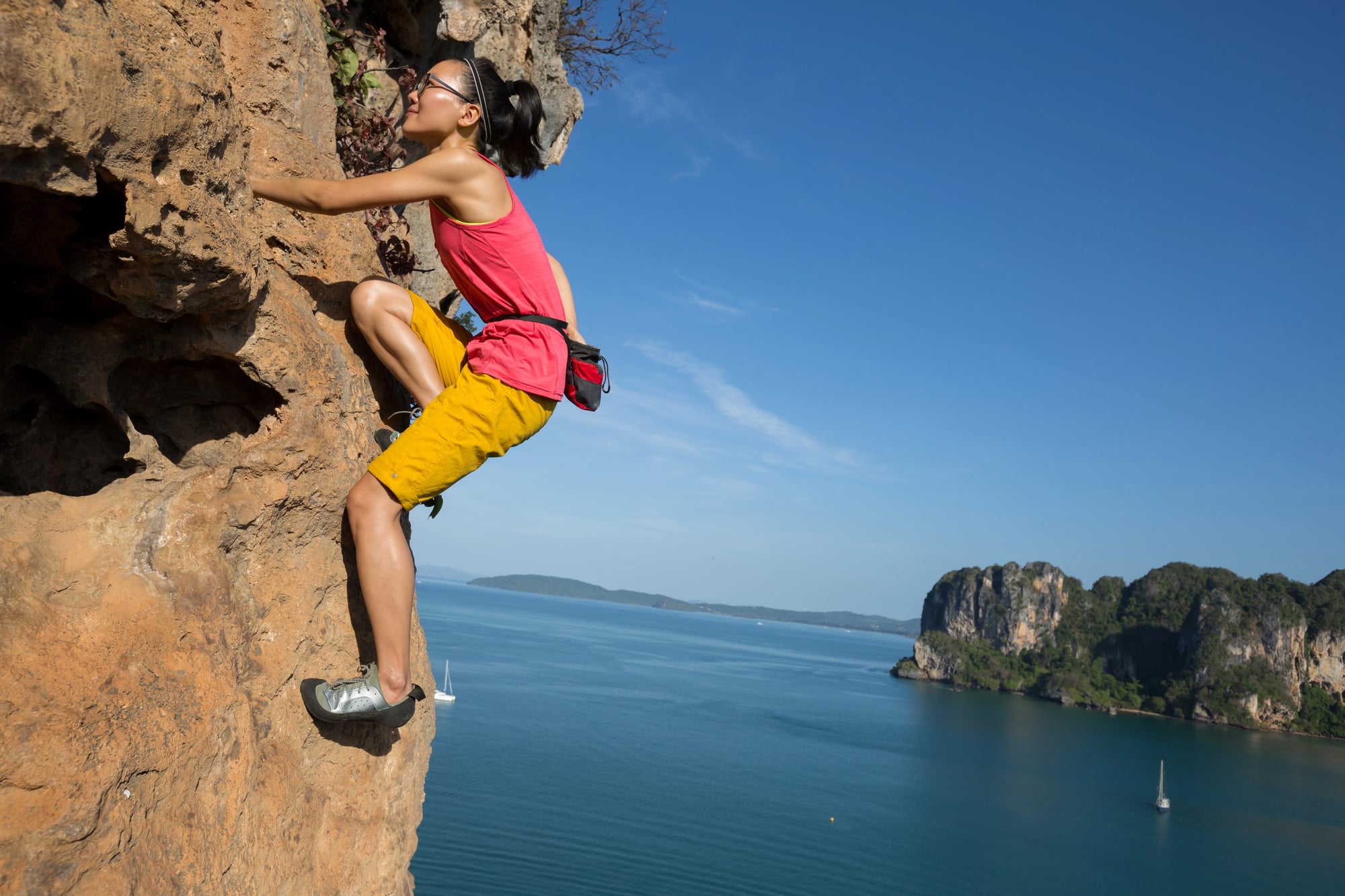
This form of rock climbing uses no ropes, harnesses, or protective equipment of any kind. Free solo climbers scale sheer cliff faces hundreds or even thousands of feet high with nothing but their hands, feet, and mental focus.
A single slip or moment of fatigue means certain death.
Ice Climbing
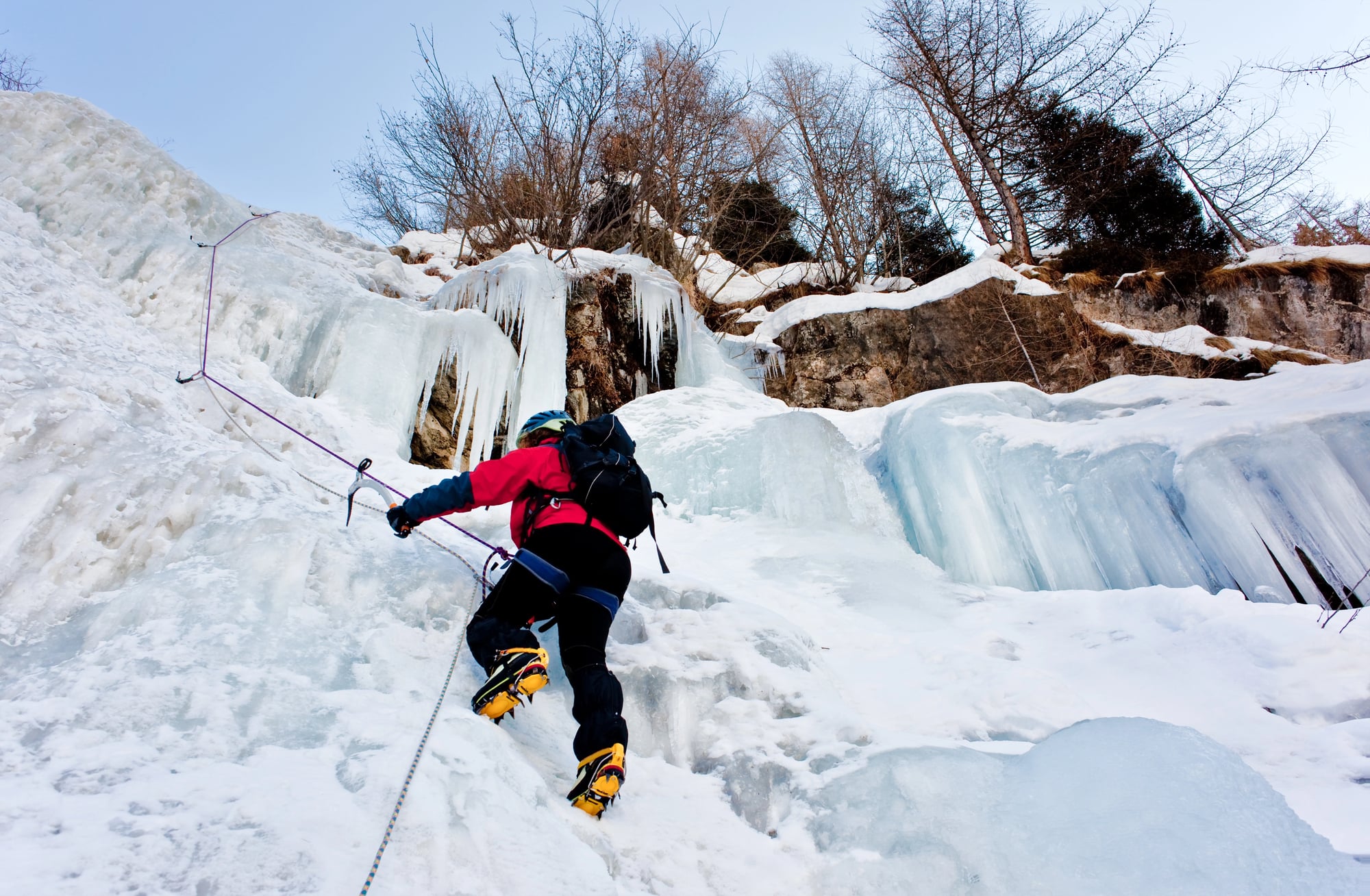
Scaling frozen waterfalls and ice-covered rock faces presents unique dangers. Ice climbers contend with unpredictable ice conditions that can shatter or break away without warning.
The extreme cold adds additional risk, as frostbite and hypothermia are constant threats even for well-prepared climbers.
Heli-Skiing
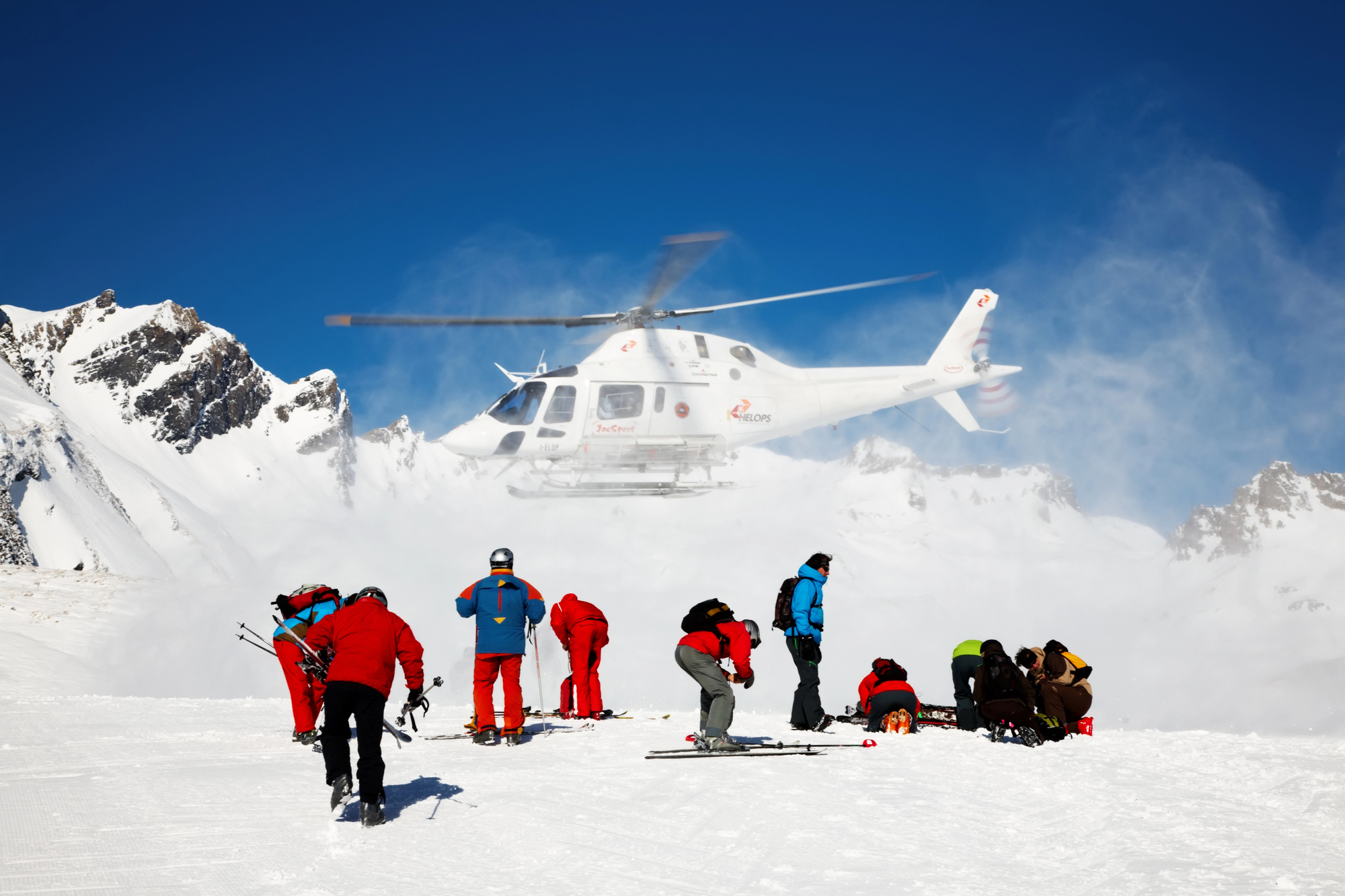
Accessing remote, untouched mountain slopes via helicopter offers unparalleled skiing experiences—and exceptional dangers. Heli-skiers face potential avalanches, hidden crevasses, and treacherous terrain miles from any medical assistance.
The remote locations mean rescue operations can take hours or even days.
Cave Diving
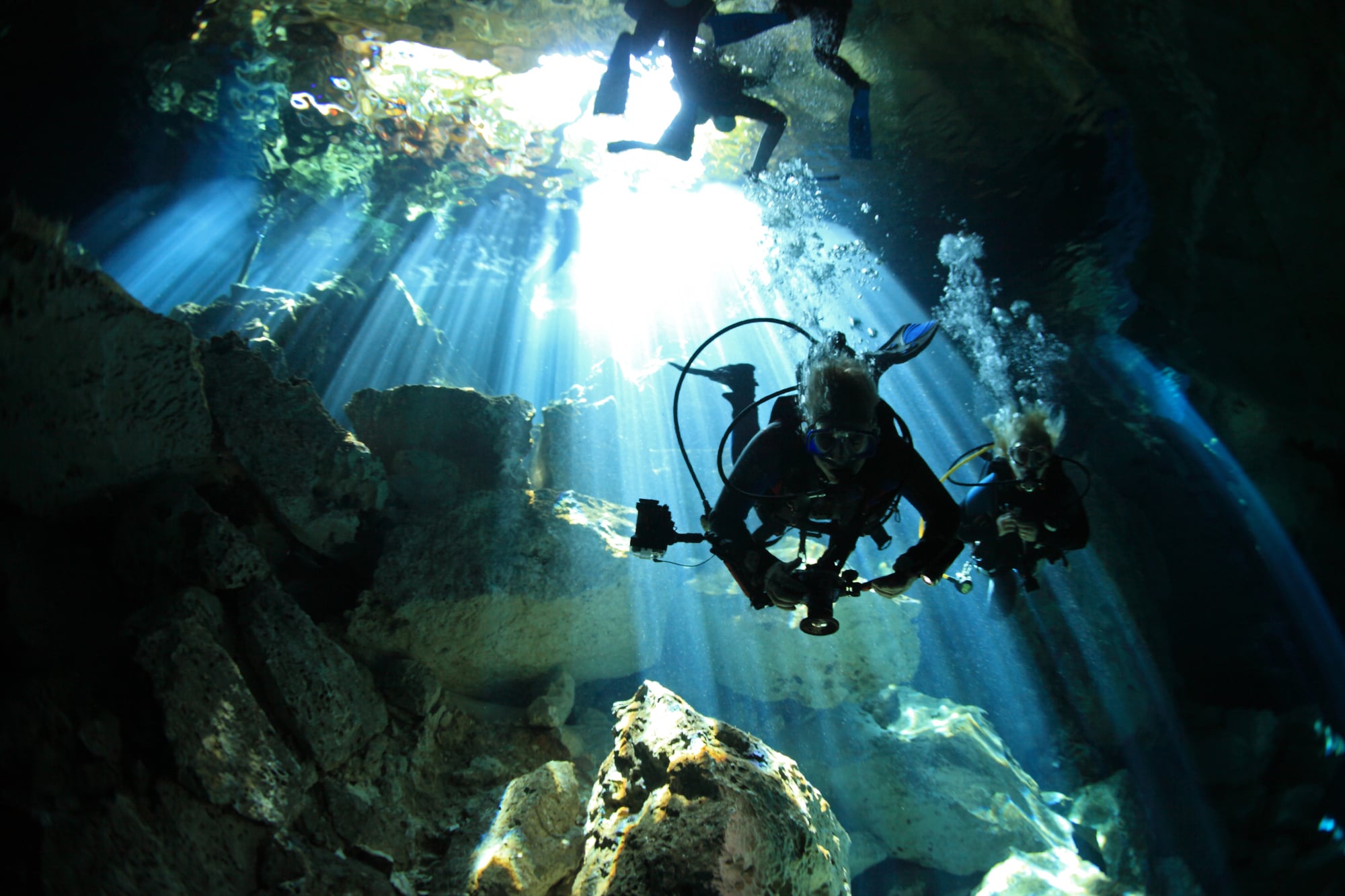
Navigating underwater cave systems combines the risks of scuba diving with the added complication of overhead environments. Cave divers must contend with limited visibility, complex navigation, and the inability to ascend directly to the surface in emergencies.
A wrong turn or equipment failure can quickly become fatal.
Street Luge
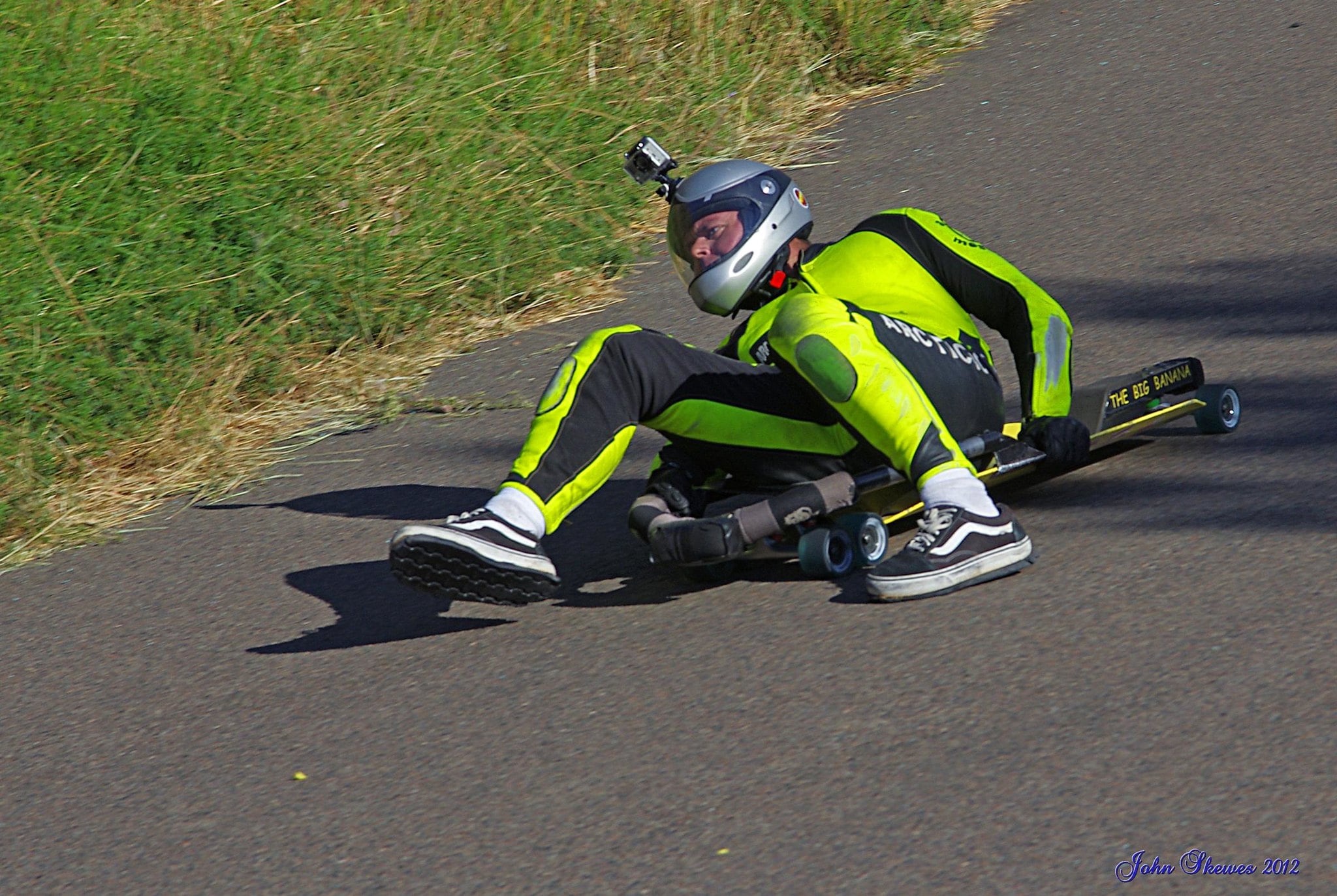
Lying on your back on a small board while racing down paved roads at speeds exceeding 70 mph leaves little protection. Street lugers wear helmets and padding, but they remain incredibly vulnerable to road rash, collisions, and catastrophic crashes.
They speed down mountain roads with only their bodies to steer.
Wingsuit Flying
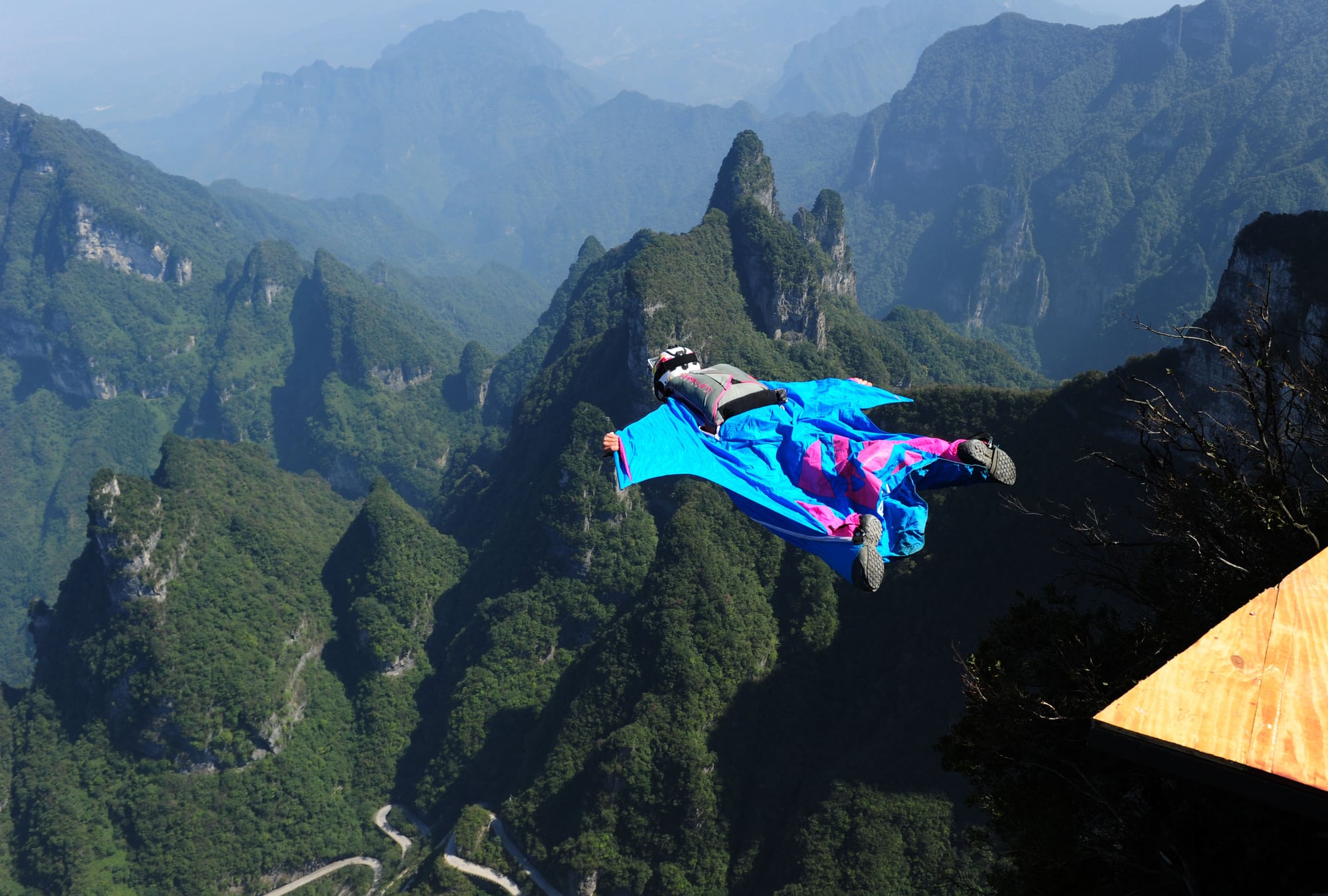
Wearing a specialized jumpsuit that creates lift allows wingsuit flyers to glide through the air at speeds over 100 mph. The sport requires split-second decisions as flyers navigate through canyons, around mountains, and near cliff faces.
There is minimal room for error and no second chances.
Highlining
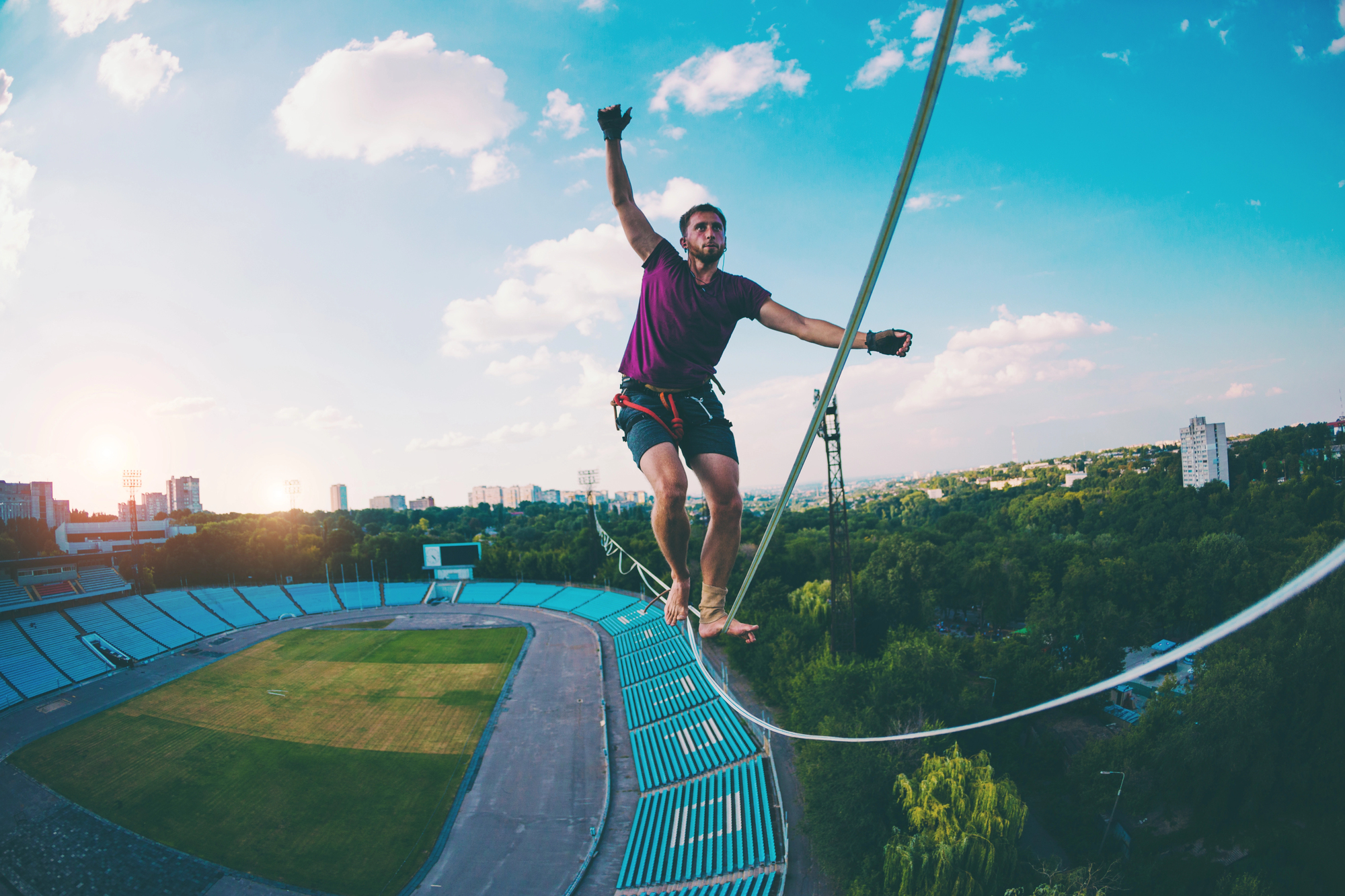
Walking across a narrow, flexible piece of webbing suspended hundreds of feet above the ground requires incredible focus and balance. While most highliners use safety leashes, the psychological pressure is enormous.
Falls, even when caught by safety gear, can result in injuries from swinging into rock faces or cliff edges.
Deep Sea Diving
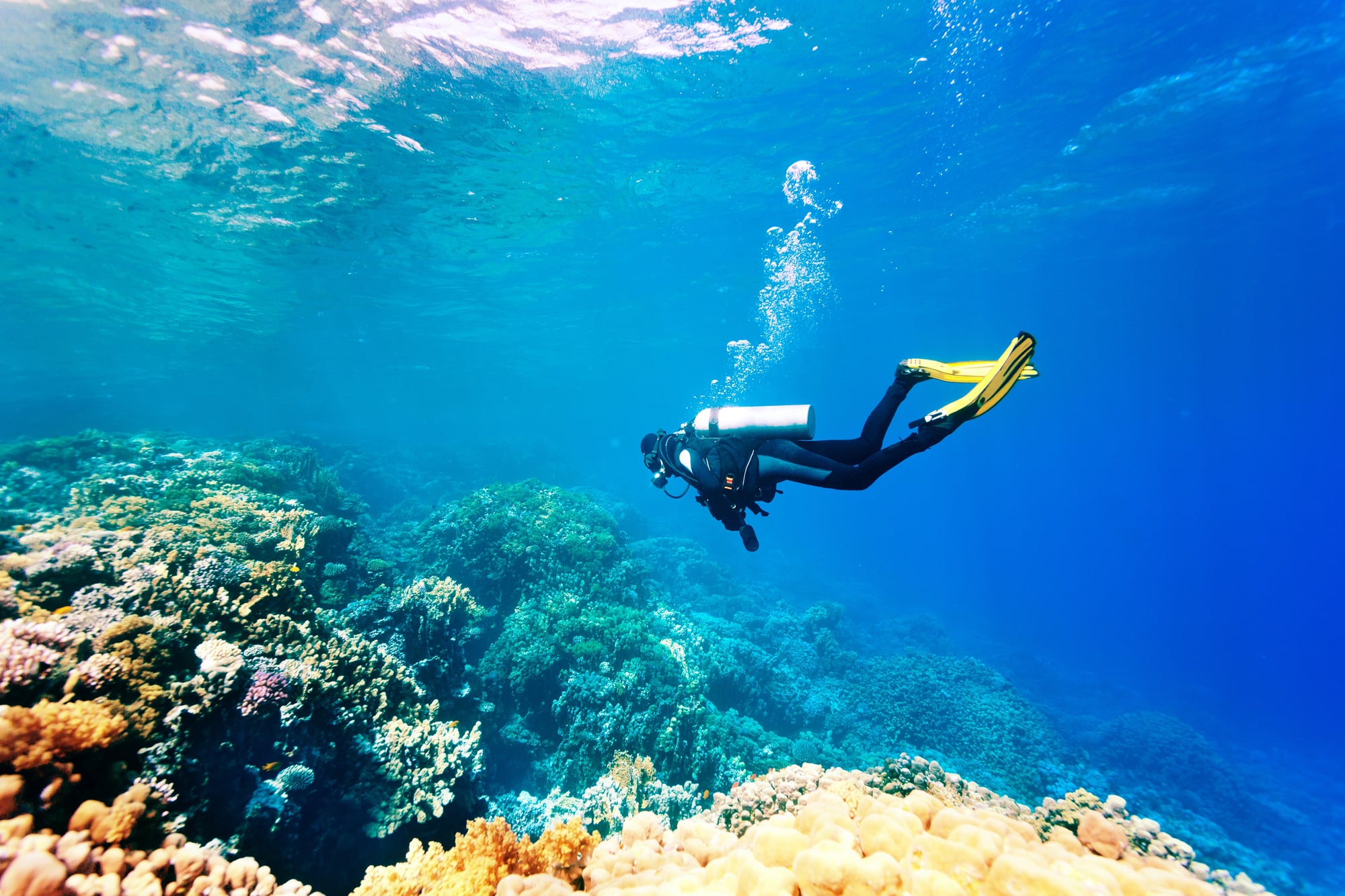
Descending hundreds of feet below the ocean’s surface exposes divers to extreme pressures, nitrogen narcosis, and oxygen toxicity. Equipment failures at these depths leave virtually no margin for survival.
The isolated environment means rescue is often impossible within the critical timeframe needed.
Rodeo Bullfighting

Not to be confused with Spanish bullfighting, rodeo bullfighters deliberately put themselves between thrown riders and angry bulls. These protectors use nothing but agility and courage to distract bulls weighing up to a ton.
They often sustain serious injuries in the process.
Downhill Mountain Biking

Racing down steep, obstacle-filled mountain trails at high speeds presents continuous opportunities for disaster. Riders navigate narrow paths bordered by trees, rocks, and sheer drops while handling jumps and technical features.
Even with protective gear, crashes commonly result in broken collarbones, concussions, and worse injuries.
Motorcycle Racing

Professional motorcycle racers regularly reach speeds of 200 mph with minimal protection. When crashes occur, riders can slide hundreds of feet along abrasive track surfaces or be thrown into barriers.
The combination of extreme speeds and minimal protection makes every race a potential disaster.
Storm Chasing
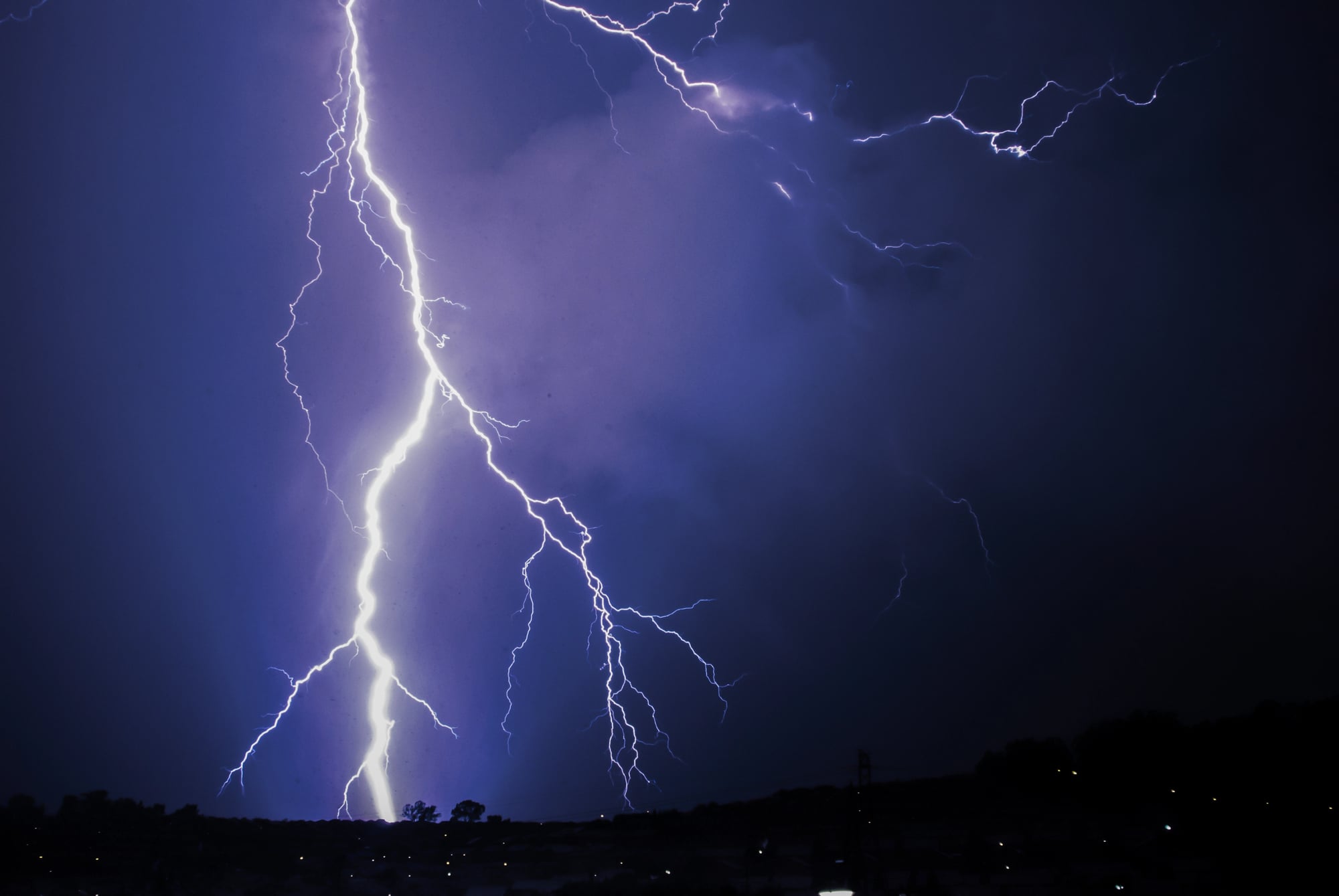
Following tornadoes and severe storms might seem less physically demanding than other extreme sports, but the dangers are just as real. Storm chasers risk being struck by lightning, hit by flying debris, or caught in a tornado’s path.
Roads quickly become impassable, often leaving chasers with no escape route.
Free Diving
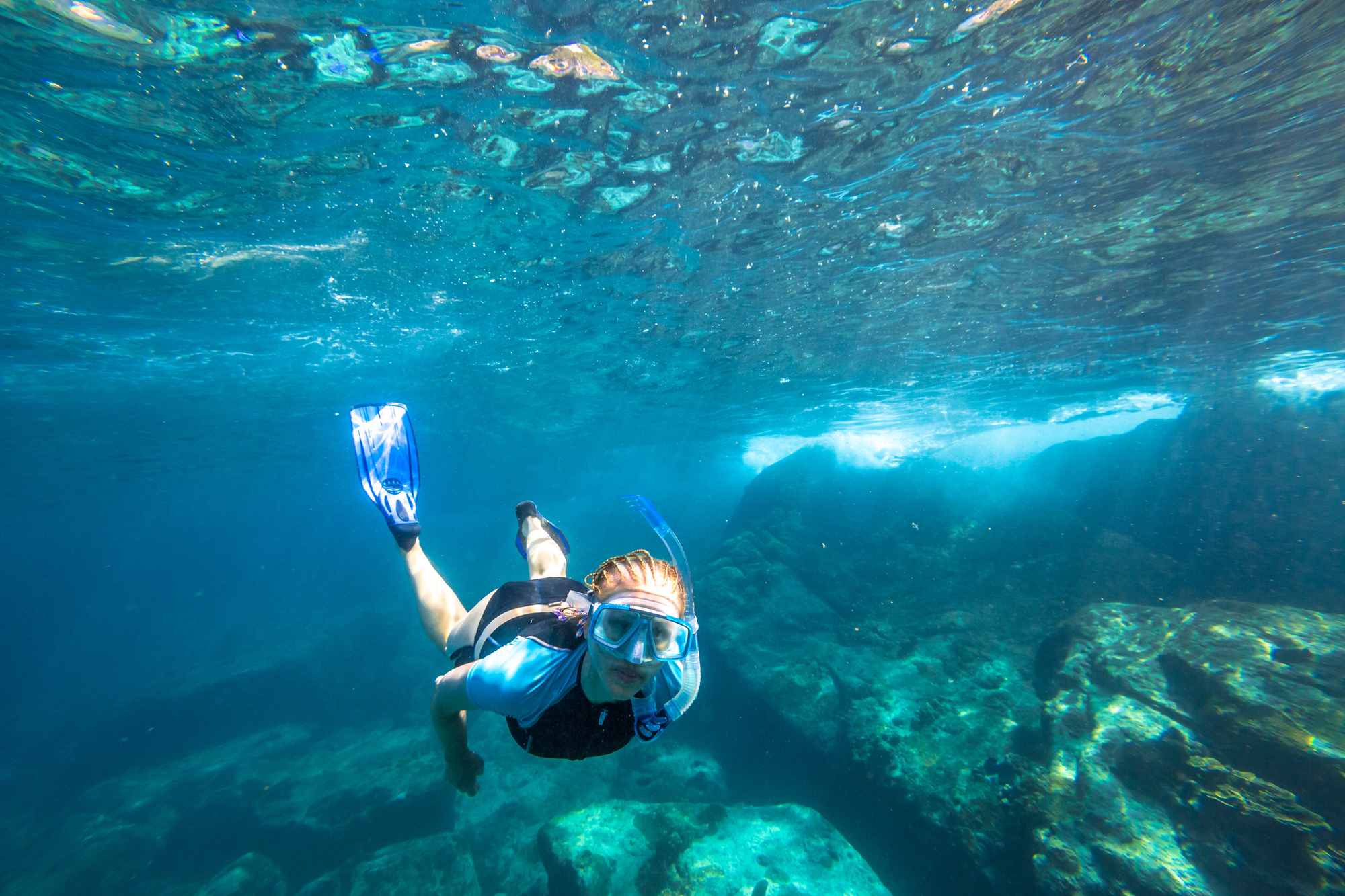
Descending to depths of 100 feet or more on a single breath puts immense physiological strain on the human body. Free divers risk blackouts due to oxygen deprivation, which, underwater, typically leads to drowning.
The allure of pushing human breathing limits comes with potentially fatal consequences.
White Water Kayaking
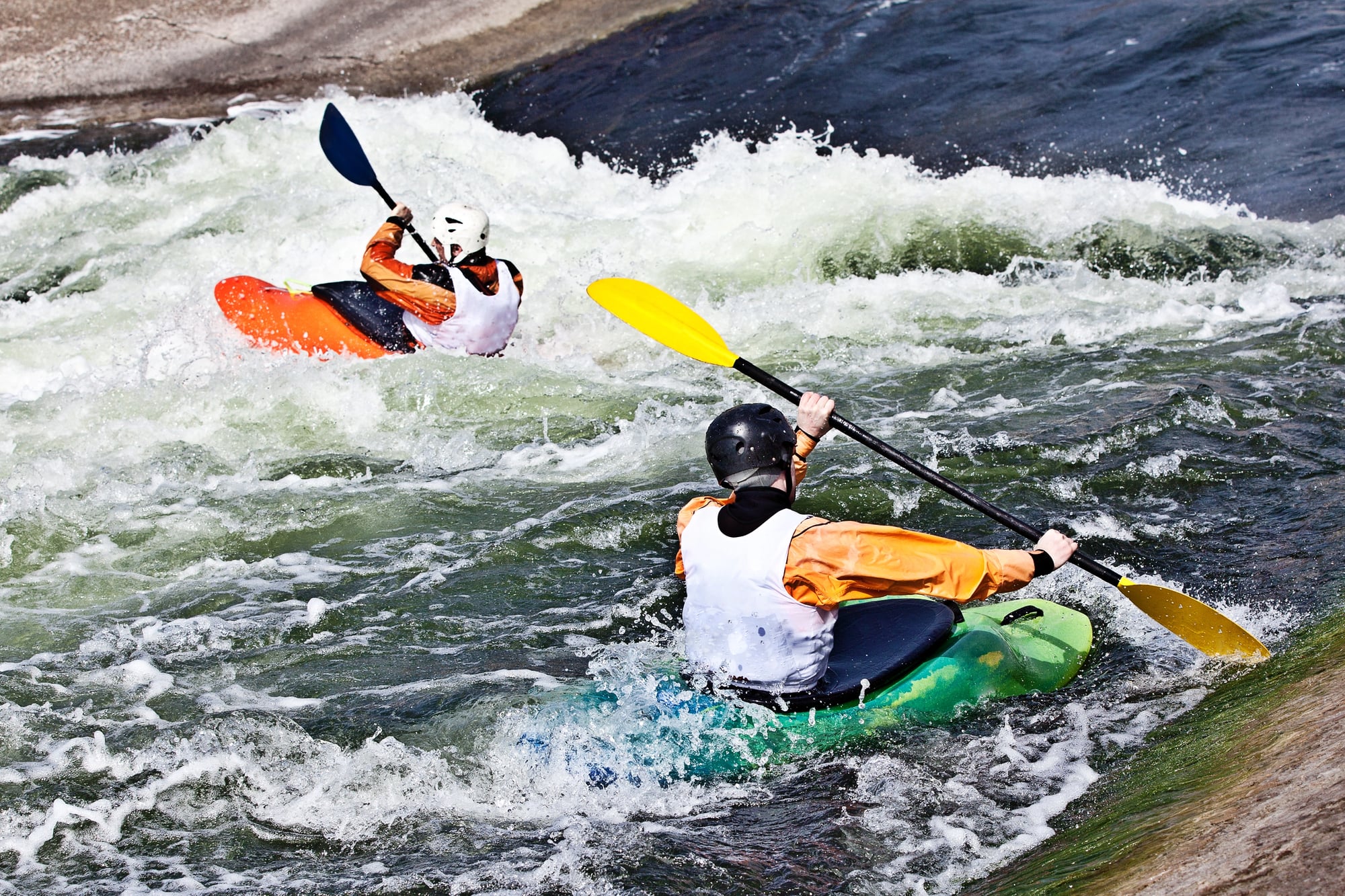
It takes extraordinary ability to navigate extreme rapids because paddlers must respond quickly to erratic water patterns while dodging rocks and other obstructions. Kayakers may become trapped underwater by the strong currents.
This situation, known as a “hydraulic,” occurs when water flows in an unavoidable loop.
The Fine Line Between Courage and Recklessness

These extreme sports reveal our natural curiosity about risk as well as the amazing ability of skilled athletes. Extensive training, appropriate equipment, and respect for uncontrollable natural forces are frequently the deciding factors between success and tragedy.
While these activities push the boundaries of what seems possible, they also remind us of our fundamental vulnerability in the face of gravity, water, height, and speed—elements that show little forgiveness for even minor mistakes.
More from Go2Tutors!

- The Romanov Crown Jewels and Their Tragic Fate
- 13 Historical Mysteries That Science Still Can’t Solve
- Famous Hoaxes That Fooled the World for Years
- 15 Child Stars with Tragic Adult Lives
- 16 Famous Jewelry Pieces in History
Like Go2Tutors’s content? Follow us on MSN.