Natural Wonders That Glow in the Dark
Darkness covers much of the planet, yet life does not always shut down. In certain remote places, faint brightness appears without warning.
Forests take on a gentle radiance. Waves shimmer with pale fire.
This light comes from living things, not machines. Chemical reactions inside organisms create it.
Underground shifts in rock sometimes spark it too. Seeing these moments is like entering a world that operates by its own logic, Daylight habits mean little here.
When darkness falls, strange lights begin to show. Glowing caverns light up beneath the ground.
Ocean waters sparkle like stars along shorelines at night. Some forests shimmer under moonlight, softly bright.
Certain creatures flash signals through deep woods after sunset. These scenes appear once daylight fades away completely.
Bioluminescent Bays

A handful of coastal areas around the world are famous for their glowing waters, where the ocean itself seems to sparkle under moonless skies. The effect is caused by microscopic plankton called dinoflagellates, when disturbed by waves, currents, or even footsteps, these tiny organisms emit a bluish-green light, creating the illusion of neon tides.
Places like Mosquito Bay in Puerto Rico and Vaadhoo Island in the Maldives are prime examples. On calm nights, the glow traces the movement of swimmers, boats, and breaking waves, turning ordinary nights into almost cinematic experiences.
The brilliance varies seasonally and depends on water temperature, salinity, and nutrient levels, making each encounter unique. Even the smallest disturbance can create intricate patterns, as if the ocean itself is responding to human presence.
Glowworm Caves

Deep within New Zealand, caves like the Waitomo Glowworm Caves are adorned with tiny lights hanging from the ceilings. These lights come from glowworms, larvae of a particular type of fungus gnat, they produce luminescence to attract prey, creating a starry effect that has captivated visitors for generations.
Unlike plankton, glowworms are stationary, forming dense carpets of light in dark tunnels. Tours often glide visitors silently along underground rivers, letting the natural display speak for itself.
The combination of reflection from water and gentle luminescence makes the caves feel like a dreamlike universe hidden beneath the Earth’s surface. Adding to the enchantment, some caves feature waterfalls and limestone formations that reflect and diffuse the light, intensifying the magical atmosphere.
Firefly Forests

In certain forests across Southeast Asia, summer nights are punctuated by flashes of green and yellow as fireflies light up the air. Thailand, Malaysia, and Japan all host spectacular firefly displays, particularly along riverbanks where humidity and vegetation provide the perfect environment.
The flashing patterns are not random—they serve as mating signals, a natural rhythm that has evolved over millennia. Observing the synchronized glimmer of thousands of fireflies feels almost choreographed, as if the forest itself has joined in a silent, glowing celebration.
Even small adjustments in light pollution can dull the spectacle, showing just how delicate these natural performances are. Some conservation efforts now aim to reduce artificial light and preserve firefly habitats, allowing future generations to witness the displays in all their original glory.
Bioluminescent Beaches
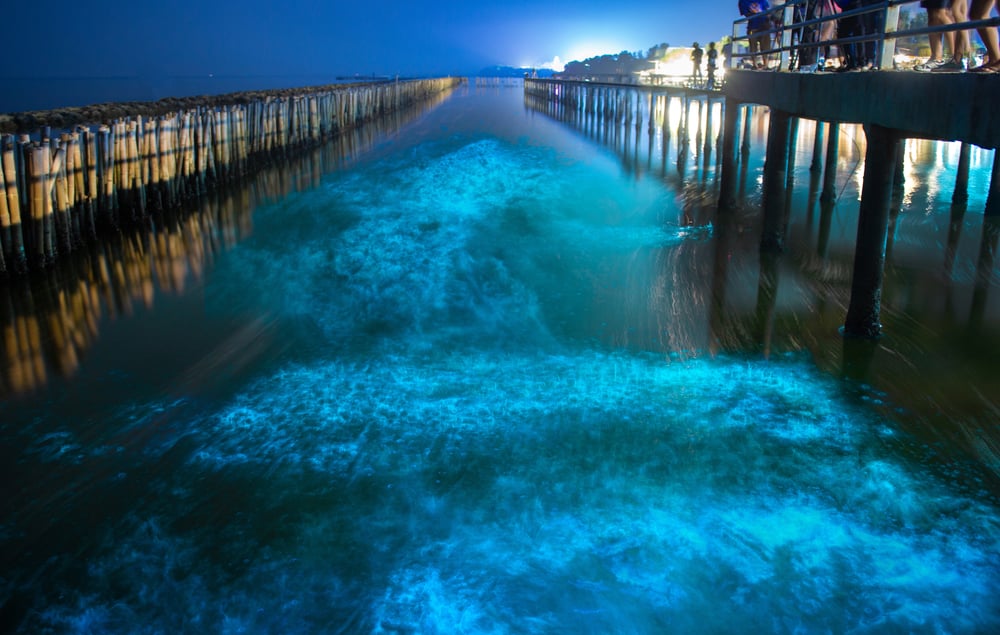
Certain beaches around the world take the glow from water to another level. Dinoflagellates wash ashore, leaving footprints that shimmer briefly before fading, In addition to Mosquito Bay and Vaadhoo, beaches along California and Jamaica occasionally light up, creating waves of soft, luminescent blue.
These displays are often unpredictable, appearing only under the right environmental conditions. A quiet night with little moonlight, calm water, and minimal human disturbance produces the most dramatic effect.
The glow is fleeting but mesmerizing, turning ordinary shorelines into temporary magical landscapes. For photographers and nature lovers, these nights offer rare opportunities to capture nature’s ephemeral beauty in motion.
Glowing Fungi

Some fungi have evolved the ability to produce their own light, a phenomenon known as foxfire. These bioluminescent mushrooms often inhabit decaying wood, illuminating damp forest floors with greenish light, Species like Panellus stipticus in North America and Mycena chlorophos in Asia create a gentle glow that guides night creatures—or simply fascinates human visitors.
The glow is subtle, not overwhelming, and is typically strongest in complete darkness. For early humans, these faint lights may have inspired myths and legends, turning otherwise mundane forests into mystical places after sunset, Even today, they remind us that life thrives in unexpected ways, producing beauty in spaces often overlooked.
Lava and Volcanic Glow
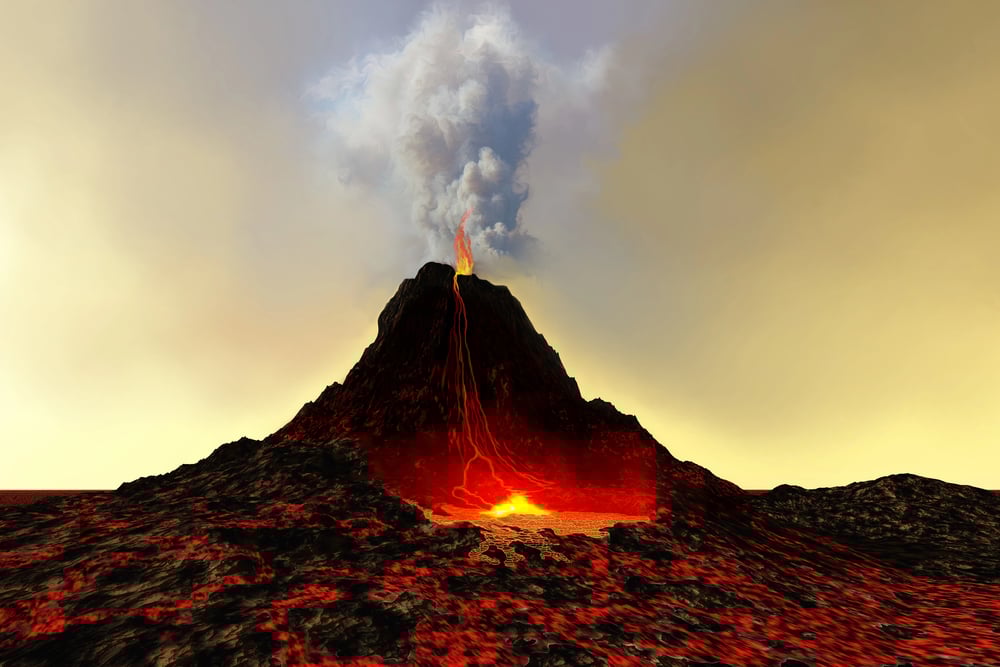
Beyond biology, some geological processes produce natural illumination. Active lava flows, particularly at night, create rivers of molten rock that emit red and orange light across the landscape, Hawaii’s Kīlauea volcano is a striking example, where molten lava entering the ocean produces dramatic flashes and steam plumes.
Though dangerous, these glowing rivers demonstrate the Earth’s power and beauty in real time. The glow is fleeting and ever-changing, shaped by the flow of magma, the contour of the land, and atmospheric conditions, reminding observers of nature’s raw, untamable energy, Volcanoes like Stromboli in Italy similarly offer glimpses of fiery activity visible from safe distances, allowing observers to witness glowing eruptions in real time.
Glowing Minerals
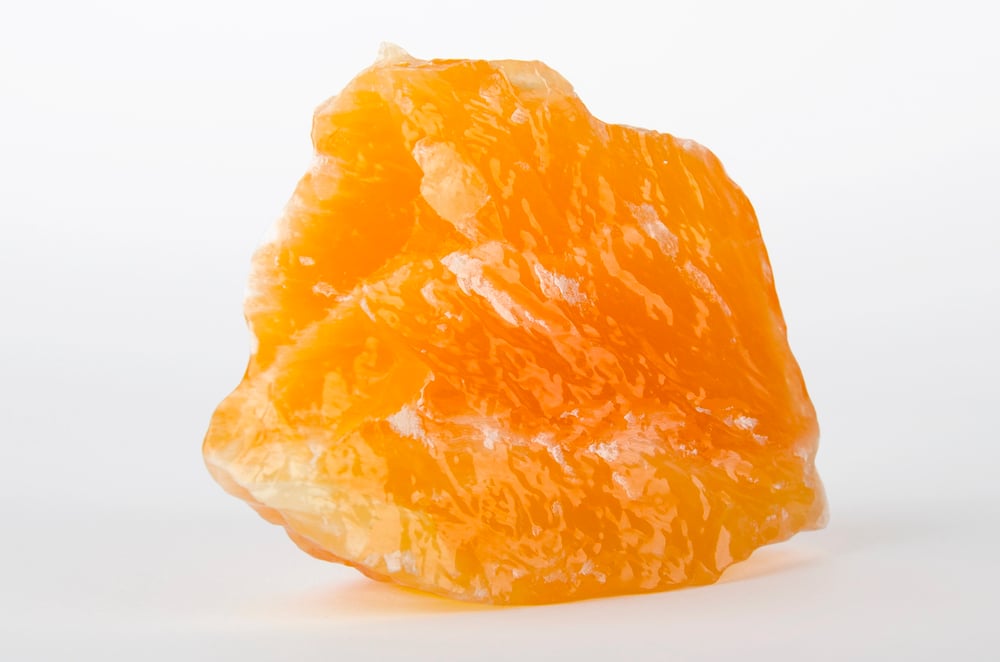
Certain minerals and rocks have the ability to glow under ultraviolet light or after exposure to sunlight, a property known as phosphorescence. Minerals like calcite, willemite, and fluorite can store light and release it slowly, creating a gentle glow in caves or mines.
This phenomenon is less common than bioluminescence, but when it occurs, it produces a quiet, ethereal effect. In some parts of the world, ancient cultures may have discovered these minerals, incorporating their luminous properties into myths, ceremonies, or even primitive lighting methods, Even today, mineral enthusiasts and cave explorers treasure phosphorescent rocks for their ability to transform dark spaces into soft, magical environments.
Bioluminescent Algae in Rivers

While oceans are the most famous venues for bioluminescence, some rivers host glowing organisms as well. In tropical regions, freshwater algae and plankton can emit light at night, illuminating streams and small waterfalls, The glow is usually faint but can be enhanced by slow-moving water, reflections, and minimal artificial light.
These riverine glows are particularly fragile, sensitive to changes in water quality and temperature. Observing them offers a reminder that even small ecosystems can produce extraordinary displays when conditions align perfectly, In regions where these rivers glow consistently, communities have developed eco-tourism initiatives to allow visitors to experience the spectacle without damaging delicate habitats.
The Role of Darkness

Across all glowing natural wonders, darkness is key. Any artificial light, from street lamps to flashlights, can diminish or erase the effect entirely, Timing and environmental factors also play critical roles, Tides, humidity, and temperature shifts can dictate whether a bioluminescent bloom or firefly display appears on a given night.
For observers, patience is as important as location. The glow is often subtle, requiring quiet attention and minimal interference, Its beauty lies in its ephemeral nature, appearing and disappearing almost shyly, a fleeting reminder of the magic present in everyday ecosystems, In a world dominated by screens and artificial illumination, these natural lights offer a rare and humbling perspective.
Why These Wonders Still Captivate
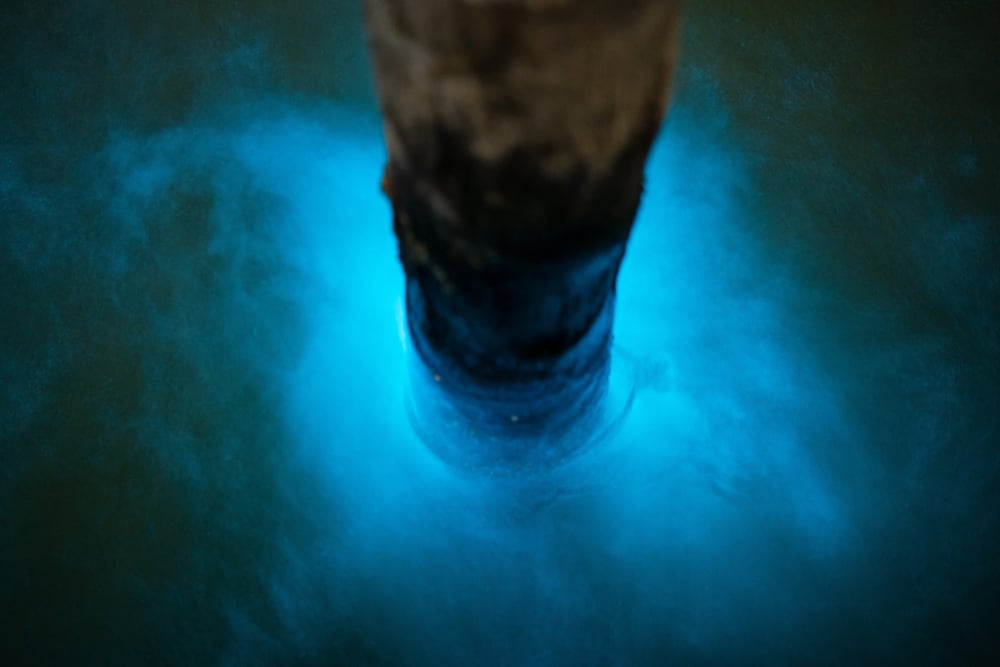
Brightness from nature sticks around in our thoughts since it uncovers parts of reality we normally miss. Life finds a way when conditions align just right – these lights signal that balance is holding, Long ago, people stared at them too, weaving tales filled with wonder and meaning.
Even when darkness returns, something stays behind – less about how bright it was, more about what it quietly said. Out of nowhere, earth shows moments that lift, unsettle, make you pause.
Light spills across the sky not because we ask, but because the planet does its own thing, untouched by wires or plans. Each brief glow whispers: pay attention, care a little, stand still once in a while.
More from Go2Tutors!

- The Romanov Crown Jewels and Their Tragic Fate
- 13 Historical Mysteries That Science Still Can’t Solve
- Famous Hoaxes That Fooled the World for Years
- 15 Child Stars with Tragic Adult Lives
- 16 Famous Jewelry Pieces in History
Like Go2Tutors’s content? Follow us on MSN.



