17 Niche Concepts That Became Everyday Essentials
The world has a funny way of taking something that started in a corner somewhere and spreading it everywhere else. What begins as a specialized tool for a small group of people often ends up in everyone’s pocket, purse, or daily routine.
The pattern repeats constantly — a niche solution becomes so useful that the rest of us can’t imagine living without it.
These transformations happen quietly. One day, something exists only for experts or enthusiasts.
The next day (or decade), it’s so common that explaining life without it sounds absurd to younger generations. The shift isn’t always obvious while it’s happening, but looking back, the path from specialized to essential seems almost inevitable.
Post-it Notes

Arthur Fry needed a bookmark that wouldn’t fall out of his hymnal during church choir practice. The 3M adhesive that didn’t stick very well — originally considered a failed experiment — turned out to be exactly what he needed.
Now they’re stuck to every surface in every office. And most homes.
The gentle adhesive that was too weak for its original purpose became perfect for temporary reminders that needed to move around without leaving residue.
QR Codes
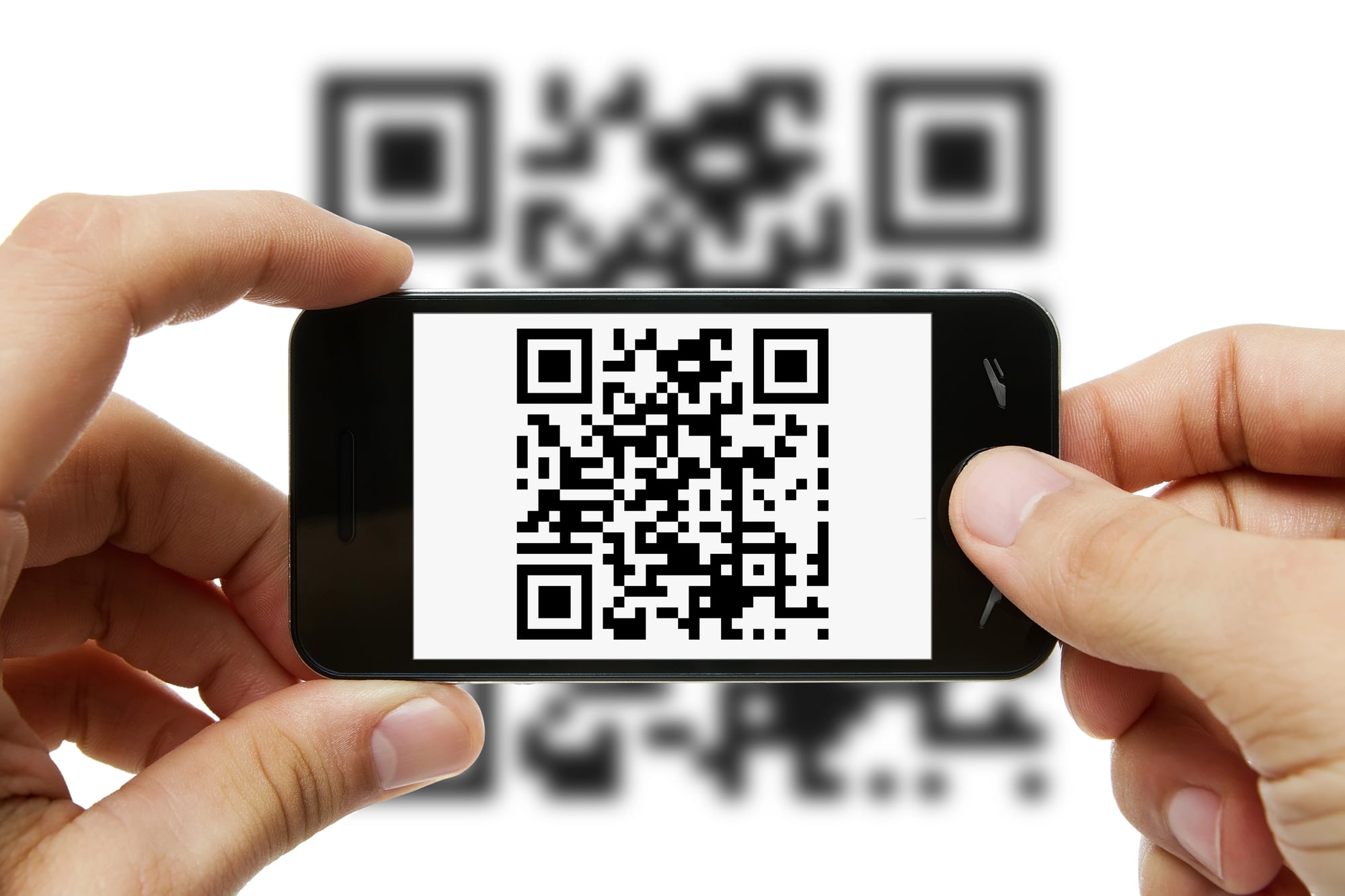
Denso Wave created these square patterns in 1994 to track automotive parts in Japanese factories. The two-dimensional barcode could hold more information than traditional barcodes and withstand industrial environments where parts got dirty or damaged.
Twenty-five years later, restaurants started printing them on tables instead of handing out menus (the pandemic helped with that transition, but the technology was ready and waiting).
Now you scan them to pay bills, connect to WiFi, and share contact information. Your phone recognizes them automatically — no special app required, which wasn’t always the case.
Bubble Wrap
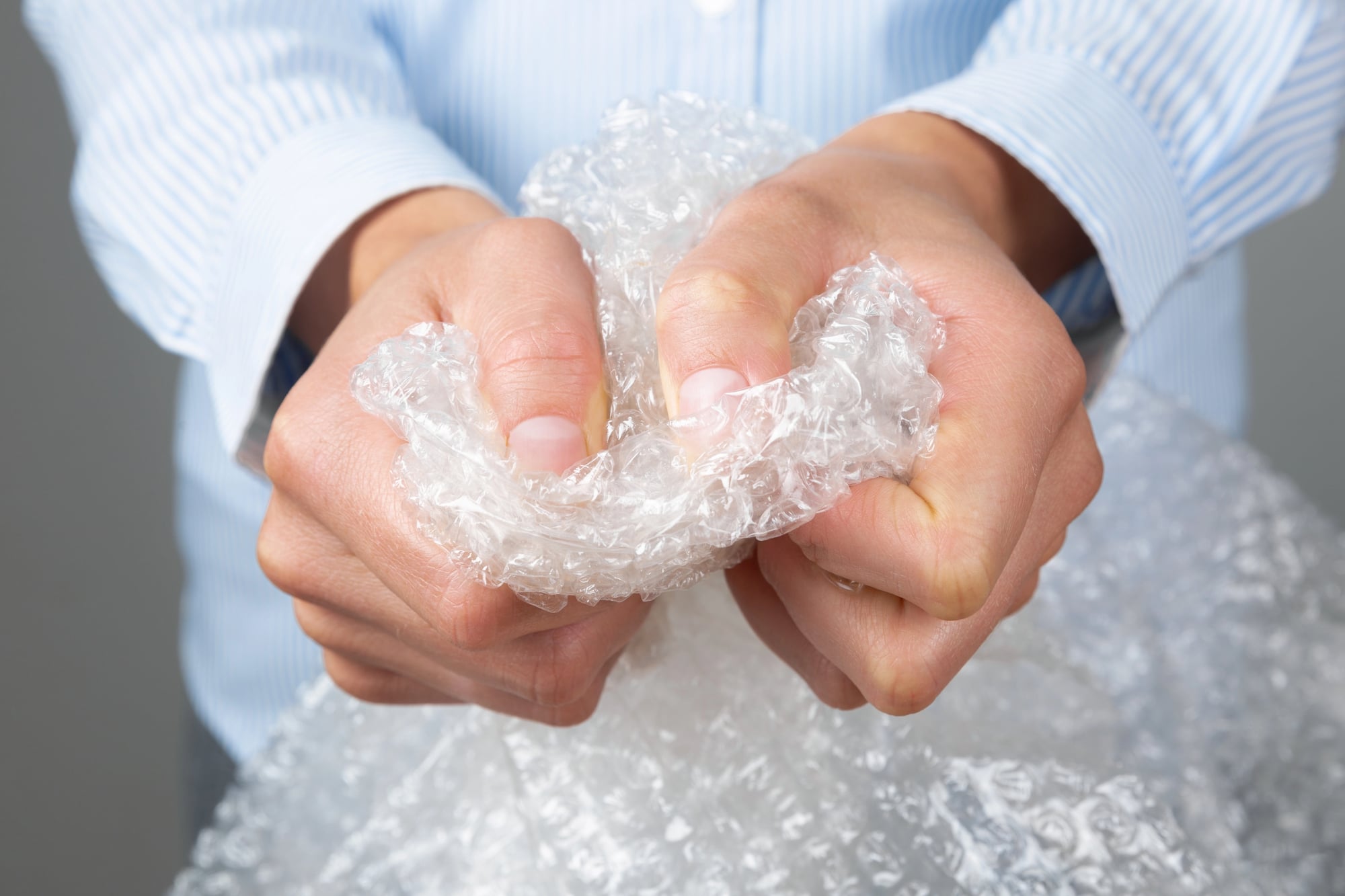
Engineers Alfred Fielding and Marc Chavannes were trying to create textured wallpaper in 1957. They sealed two shower curtains together with air bubbles trapped between them, thinking it would make an interesting decorative surface for walls.
The wallpaper idea flopped entirely (turns out people didn’t want bumpy walls that popped when you leaned against them), but IBM started using the material to protect their computers during shipping — and suddenly every fragile item in the world had a new best friend.
The satisfying pop when you squeeze the bubbles was always just a pleasant side effect, though some would argue it became the primary feature for many people.
Velcro
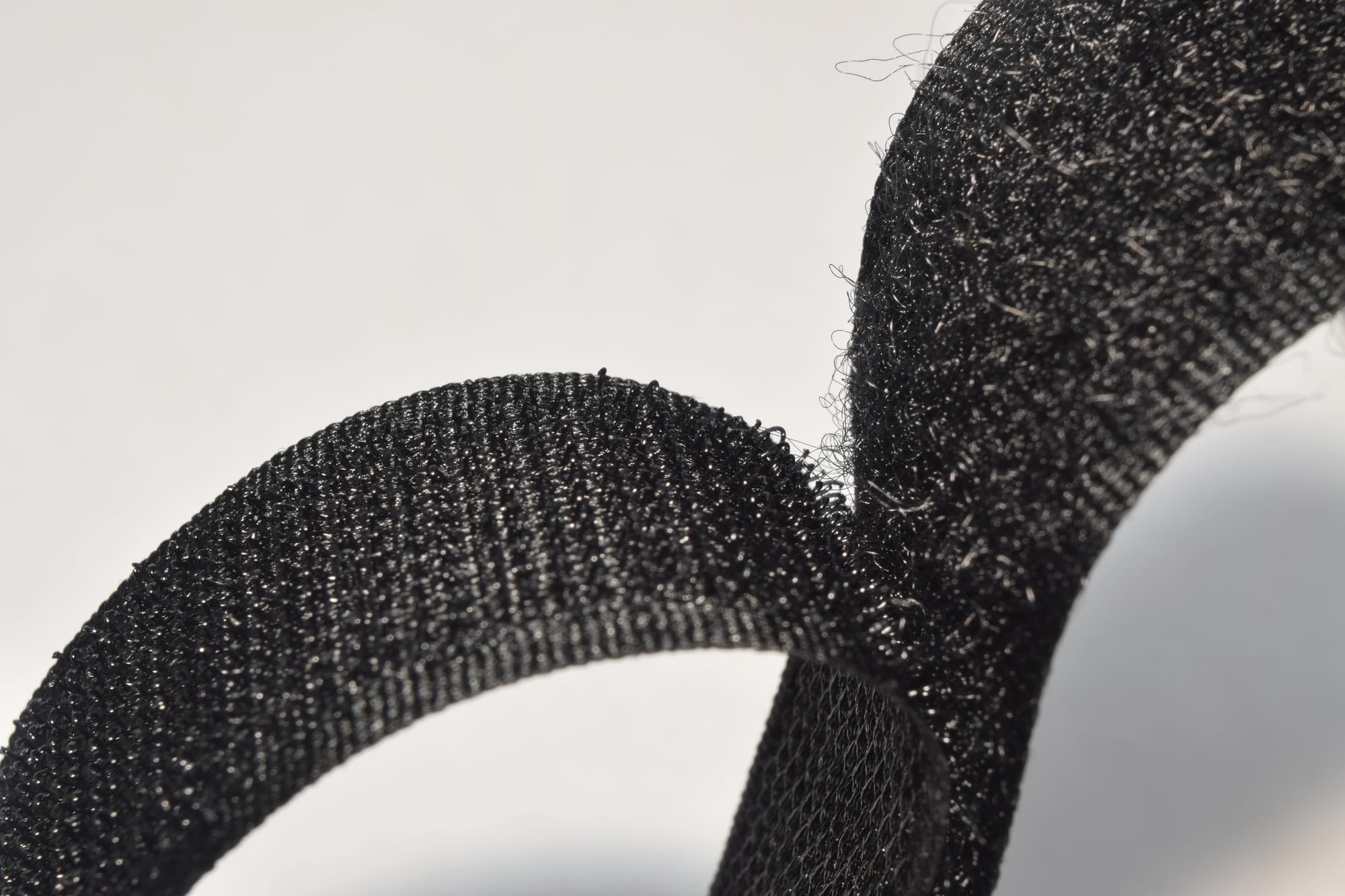
George de Mestral returned from a hunting trip in the Swiss Alps in 1941, annoyed that burr seeds kept sticking to his dog’s fur and his clothes.
Instead of just brushing them off and forgetting about it (which most of us would do), he examined the burrs under a microscope and noticed the tiny hooks that grabbed onto fabric loops.
Eight years of development later, he had a two-part fastening system that worked exactly like those burrs.
NASA started using it on spacesuits because it worked in zero gravity better than zippers or buttons.
And eventually it showed up on shoes, backpacks, and anywhere else you needed something to stick together temporarily but securely. Even though the patent expired decades ago, we still call it Velcro regardless of who makes it.
GPS
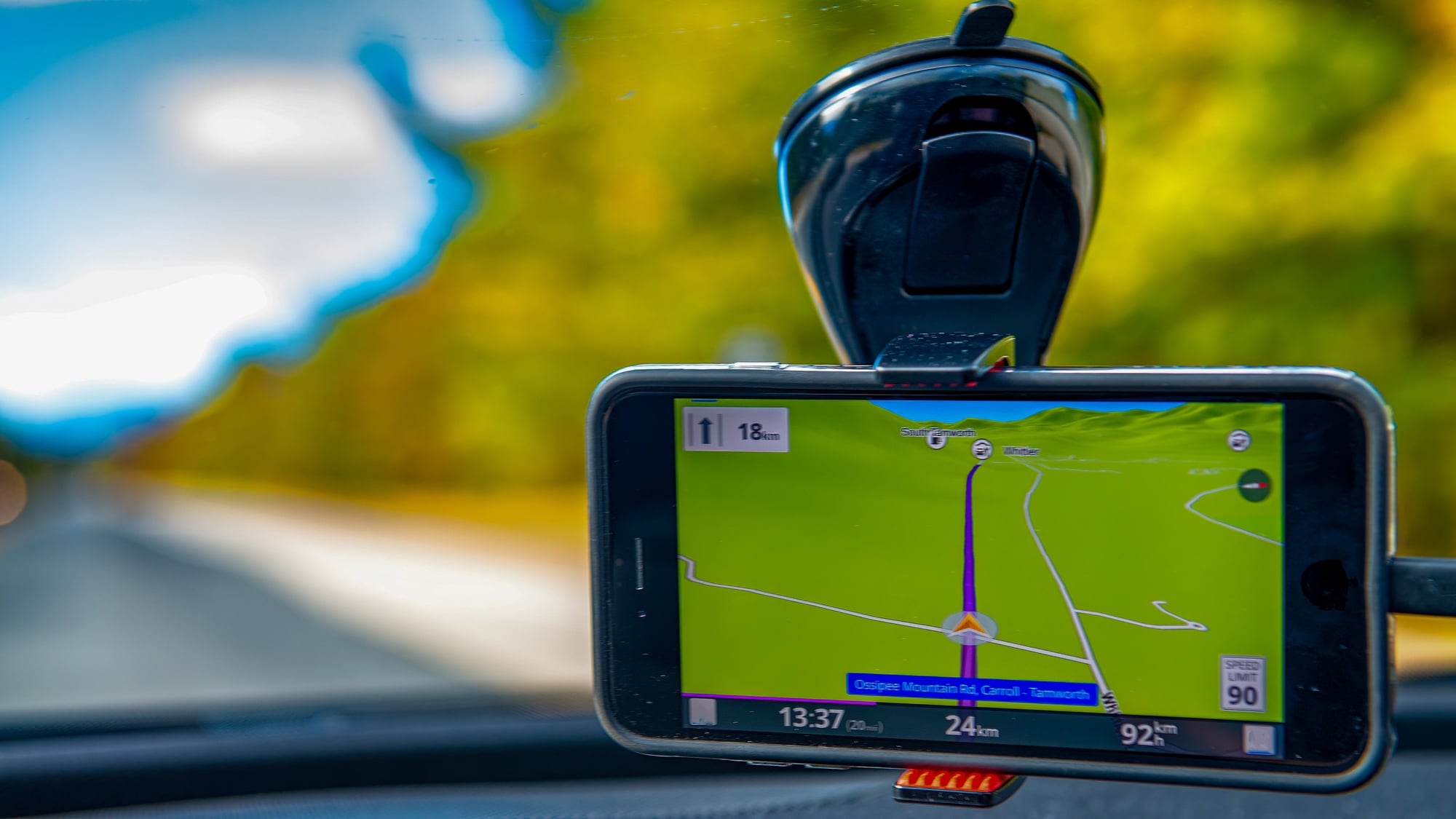
The Global Positioning System started as a military navigation project in the 1970s. The Department of Defense needed a way for submarines, aircraft, and ground forces to know exactly where they were anywhere on Earth, especially when existing navigation methods weren’t precise enough or were too vulnerable to interference.
But here’s the thing about satellite constellations orbiting overhead: once they’re up there broadcasting signals, anyone with the right receiver can use them.
The military kept the most accurate signals encrypted for a while, but even the civilian-accessible version was accurate enough to be genuinely useful.
So civilian GPS units started appearing in cars, then boats, then handheld devices for hikers. Now your phone knows where you are within a few feet, and you probably use that information several times a day without thinking about it.
Duct Tape
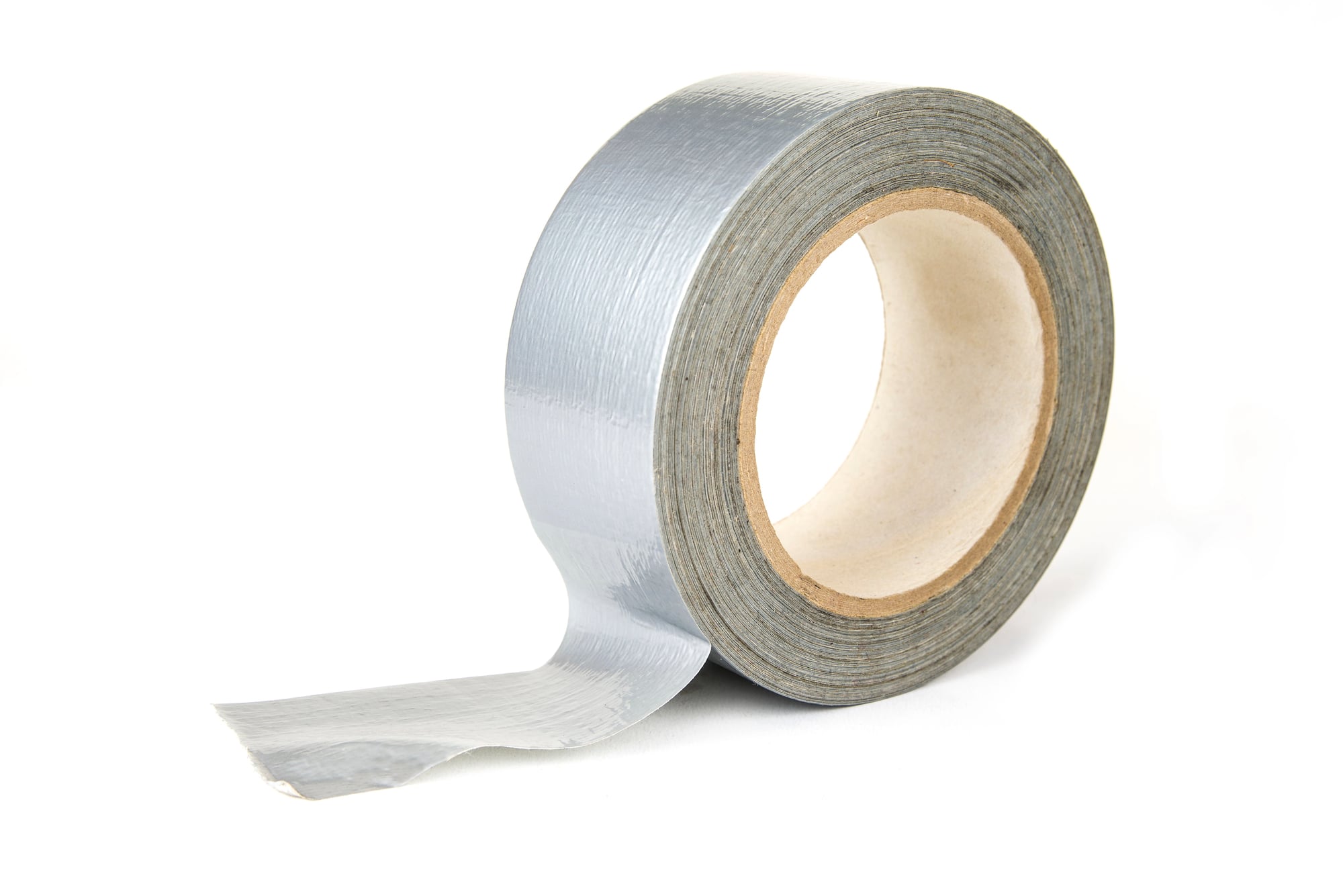
During World War II, ammunition boxes sealed with paper tape kept failing in humid conditions — the tape would peel off, moisture would get in, and the ammunition inside would be compromised.
Johnson & Johnson developed a cloth-backed, waterproof tape with strong adhesive that could handle battlefield conditions and be torn by hand without scissors.
Soldiers called it “duck tape” because water rolled off it like a duck’s back.
After the war, the construction industry started using it on heating and air conditioning ducts (which is where “duct tape” came from, though the original name was more accurate about its waterproof properties).
Now it fixes everything, temporarily or permanently, and every household has a roll somewhere.
Treadmills
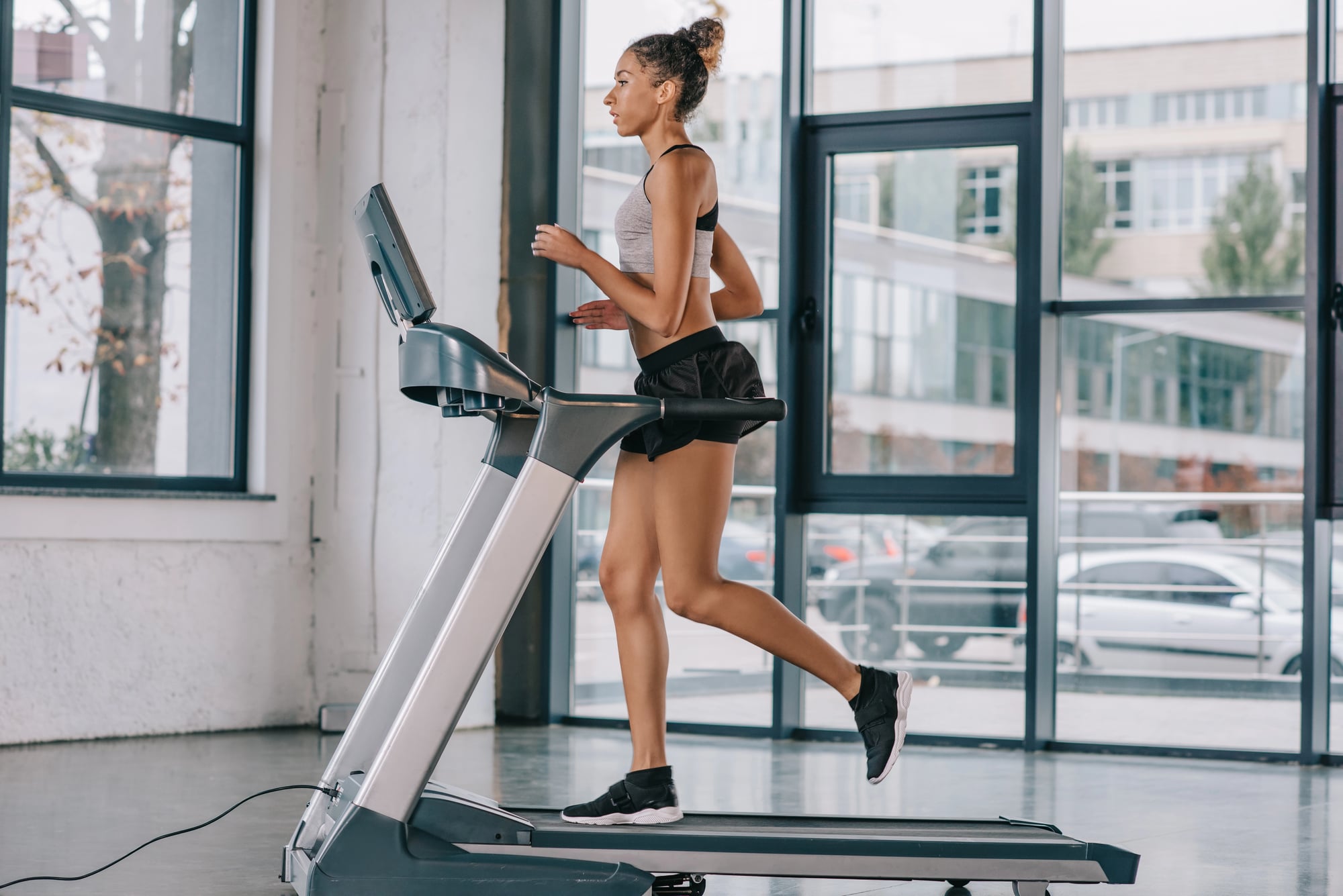
The original treadmill was a punishment device in British prisons during the 1800s. Prisoners would step on wooden slats around a large wheel for hours, sometimes grinding grain or pumping water, but often just for the sake of exhausting labor.
The idea was to make incarceration unpleasant enough to deter future crime.
Then somewhere along the way, someone noticed that walking in place for extended periods was actually good exercise — and having control over the speed and incline made it even more useful for fitness training.
By the 1960s, people were voluntarily paying money to walk on machines that were originally designed as torture devices. The irony writes itself, but the cardiovascular benefits are real enough that most gyms have rows of them.
Superglue
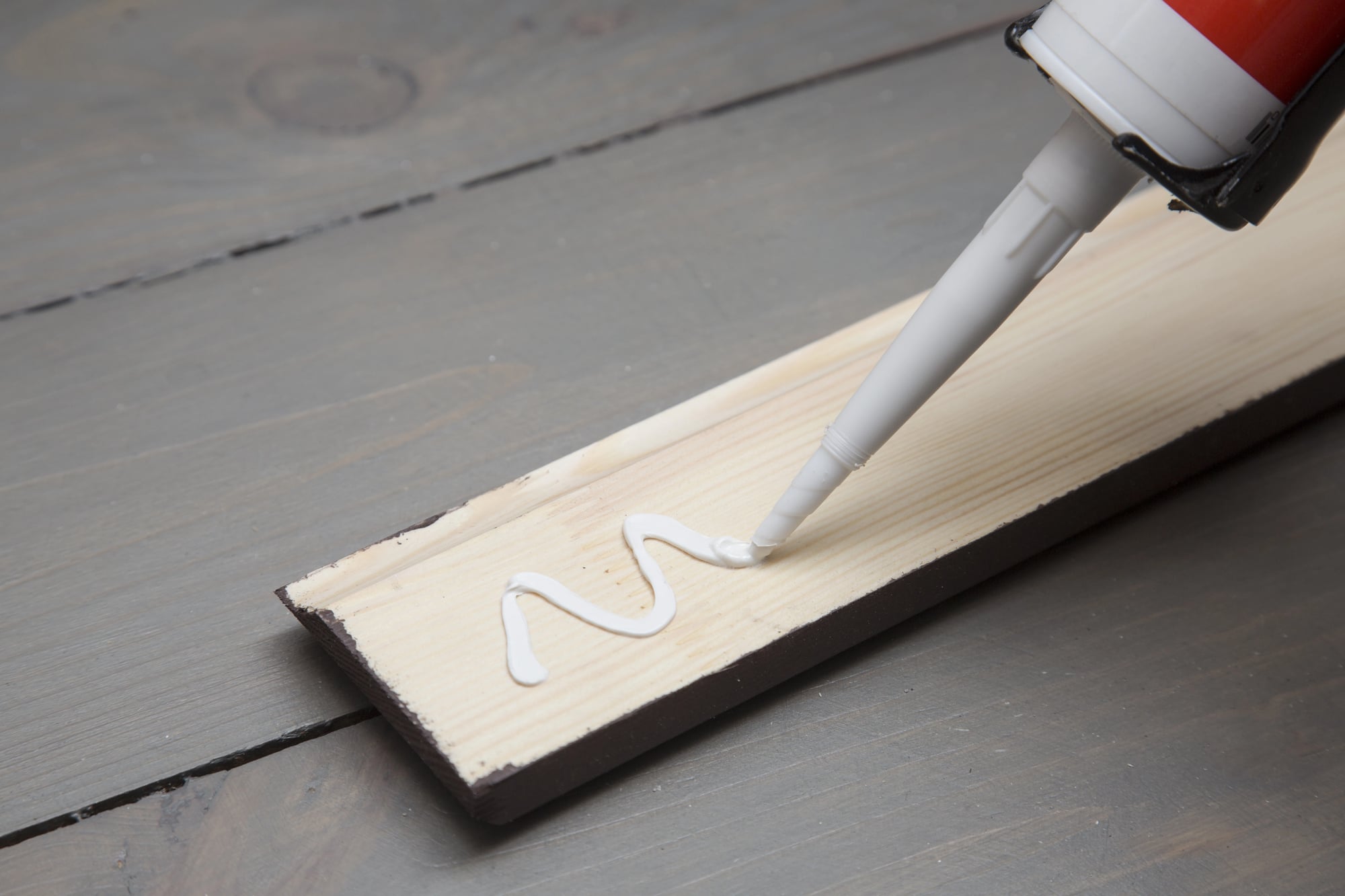
Harry Coover was trying to develop clear plastic gun sights for Allied forces during World War II when his team at Eastman Kodak created cyanoacrylate.
The substance stuck to everything it touched immediately and permanently, which made it completely useless for optical equipment but obviously useful for something else.
It took almost a decade for that something else to become clear: emergency repairs where you needed an instant, permanent bond and didn’t have time for traditional adhesives to cure.
Now it’s in every toolbox and kitchen drawer, ready for the moment when something breaks and you need it fixed immediately.
The fact that it can also bond skin to skin (or skin to other surfaces) became an unfortunate feature that everyone learned about the hard way.
Barcodes
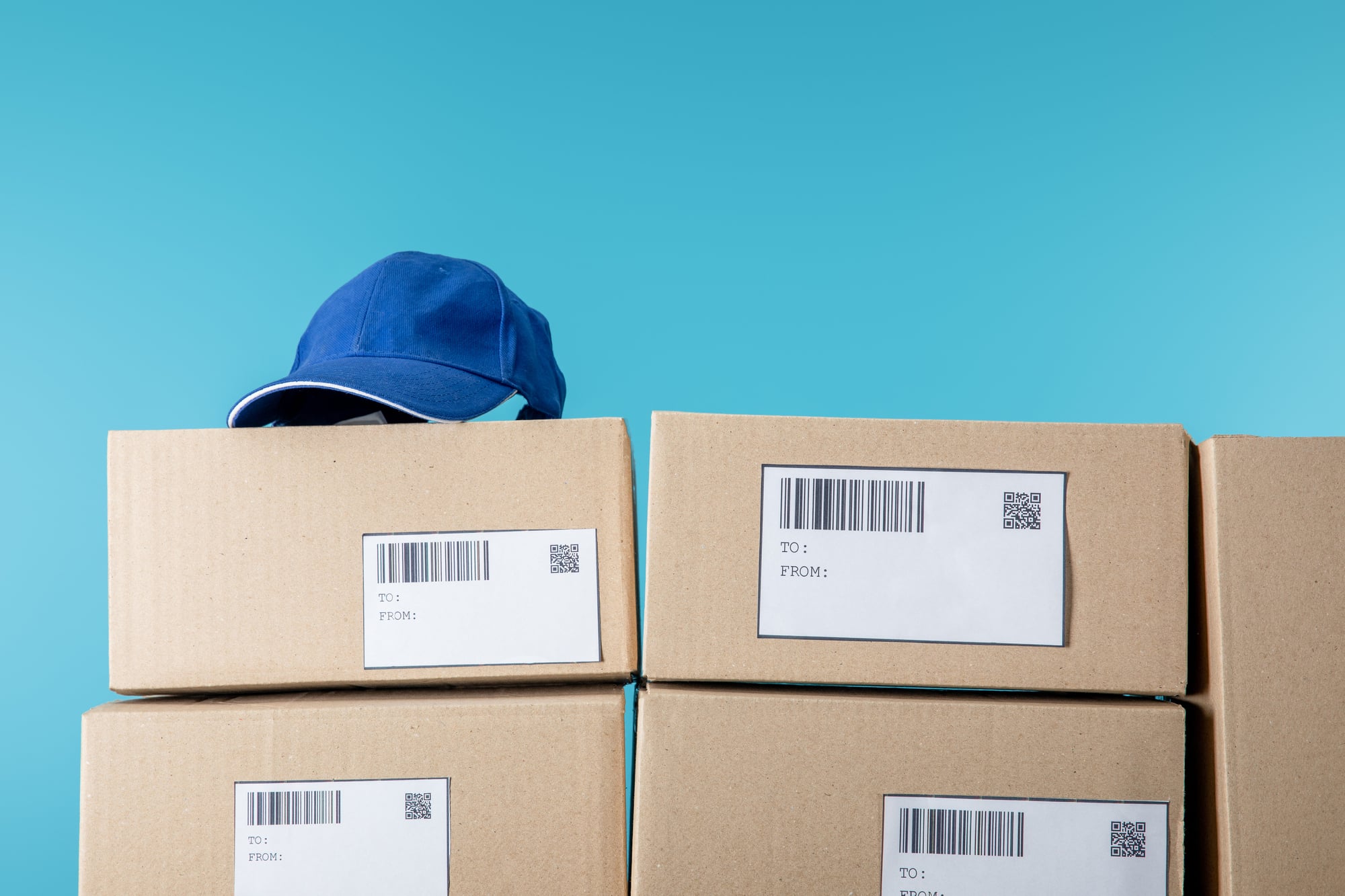
The Universal Product Code emerged from a specific problem: grocery stores in the 1970s were losing money because manual price entry at checkout was slow, error-prone, and required constant price sticker maintenance throughout the store.
The scanning system needed to be fast enough to keep checkout lines moving and accurate enough to eliminate pricing mistakes.
The first scanned item was a pack of Wrigley’s gum at a Marsh supermarket in Ohio in 1974, and the system worked exactly as intended — but its usefulness extended far beyond groceries.
Now every manufactured item has those parallel lines that encode product information, inventory systems depend on them completely, and you can scan them with your phone to compare prices or look up product details.
The pattern is so universal that it’s become a visual shorthand for commerce itself.
Microwaves
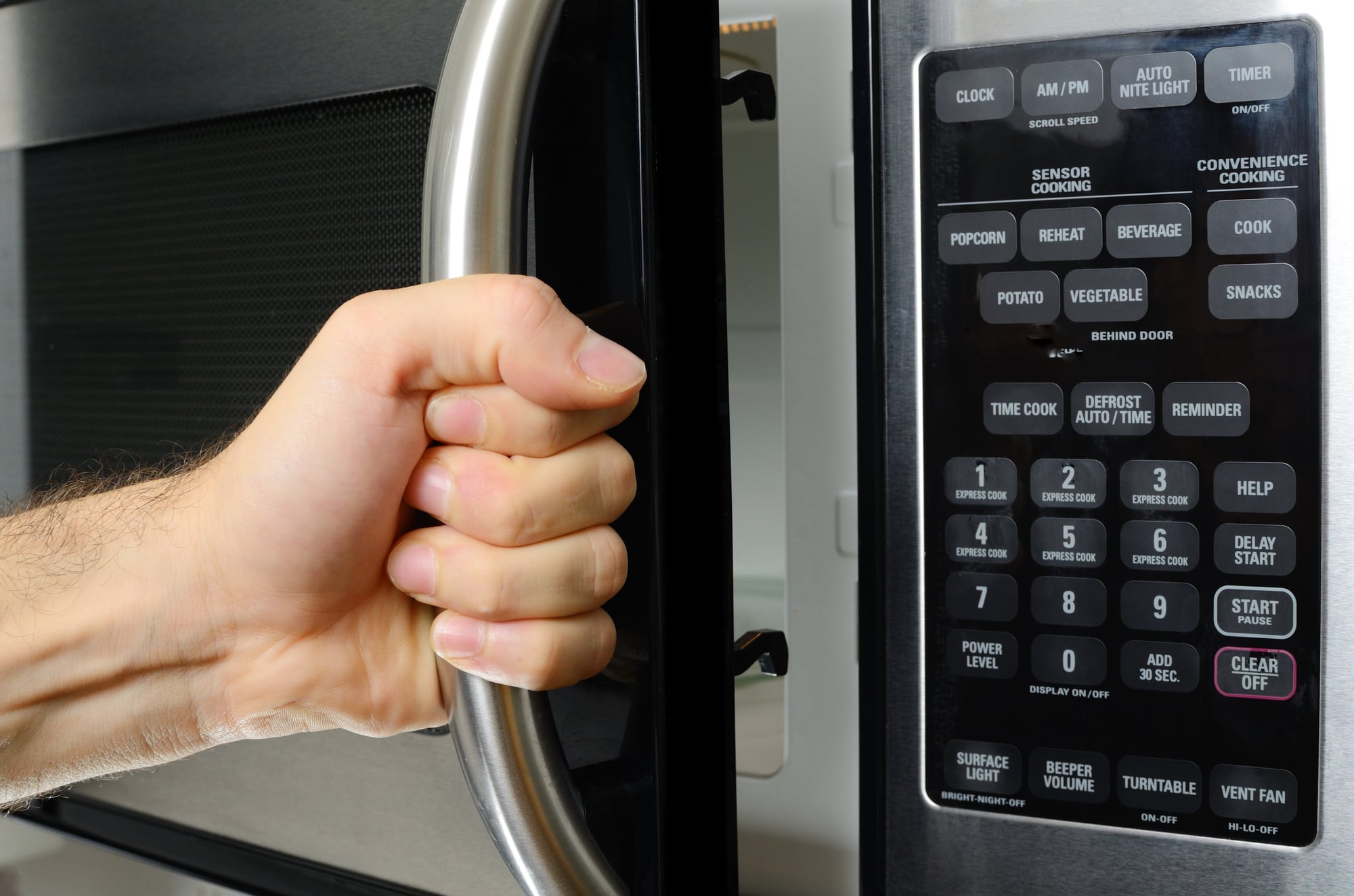
Percy Spencer was working on radar technology for Raytheon in 1945 when he noticed that the chocolate bar in his pocket had melted while he stood near an active magnetron.
Instead of assuming his body heat was responsible (which would have been reasonable), he tested the effect deliberately with popcorn kernels and an egg.
Both cooked quickly when exposed to microwave radiation, which meant the energy could heat food from the inside out rather than relying on surface heat transfer like conventional cooking.
The first commercial microwave oven was the size of a refrigerator and cost more than a car, but the technology eventually shrank and cheapened to the point where reheating leftovers in two minutes became normal.
The speed trade-off for texture and browning turned out to be worth it for many cooking tasks.
Kleenex
Kimberly-Clark developed thin, disposable sheets of creped paper as filters for gas mask canisters during World War I. The material needed to be soft enough not to irritate skin, absorbent enough to handle moisture, and cheap enough to throw away after use.
After the war ended, the company had manufacturing capacity for this soft paper but no more military contracts.
Marketing it as a disposable face tissue for removing makeup seemed like a logical civilian application — until people started using it for runny noses instead.
That wasn’t the intended purpose, but it turned out to be a much larger market than makeup removal. Now “Kleenex” means facial tissue regardless of brand, and the disposable convenience became so standard that reusable cloth handkerchiefs seem almost quaint.
Silly Putty
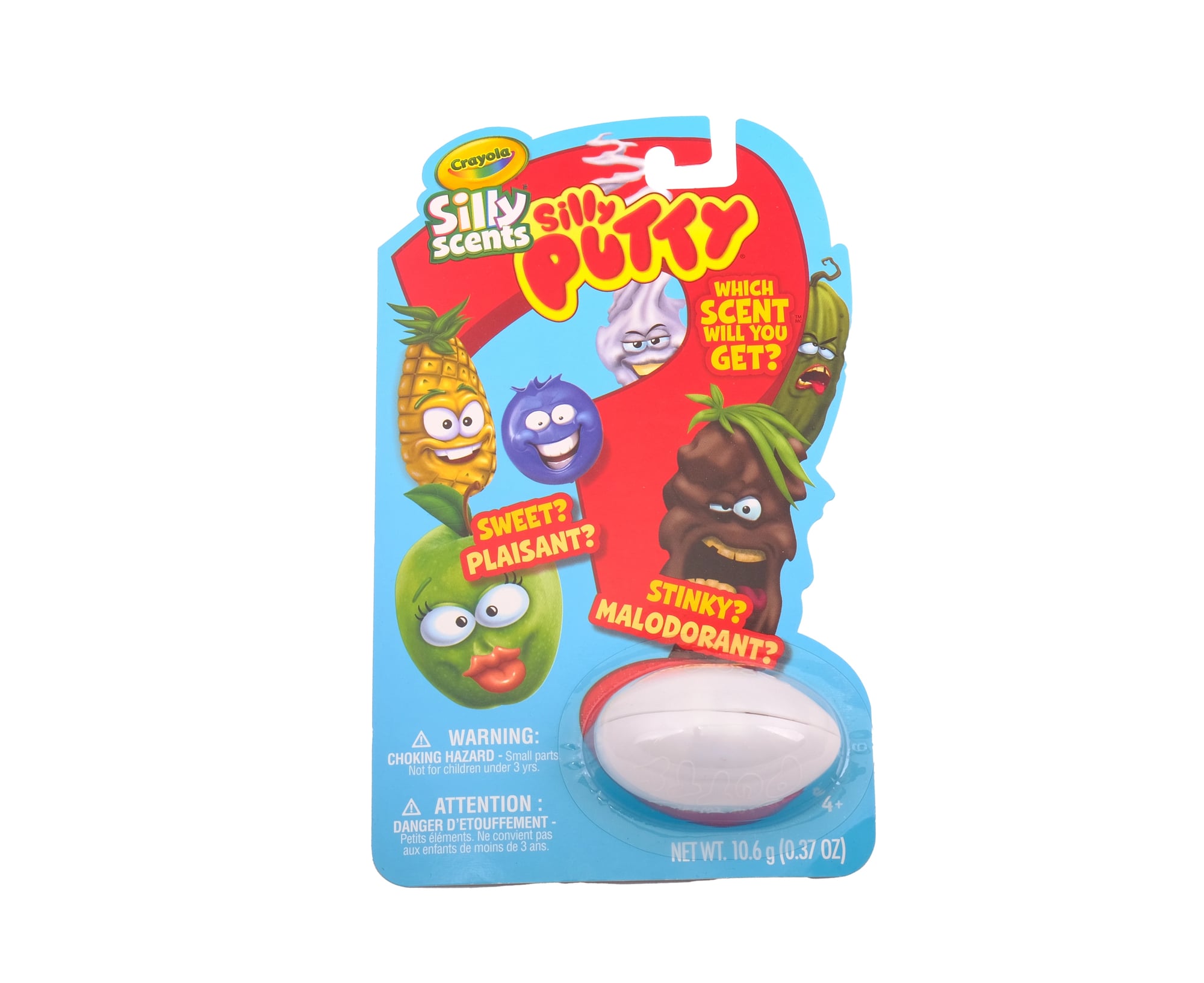
James Wright was trying to create synthetic rubber substitutes during World War II when natural rubber supplies from Asia were cut off. The substance he created by combining boric acid with silicone oil had interesting properties — it bounced, stretched, and could transfer images from newsprint — but it wasn’t useful as rubber.
But those interesting properties made it entertaining.
A toy store owner bought a batch, rolled it into small rounds, and sold it in plastic eggs.
The ability to stretch without breaking, bounce erratically, and pick up comic strip images from newspapers made it endlessly manipulable in ways that traditional toys weren’t.
It wasn’t trying to be educational or have a specific play pattern — it just responded to whatever you did with it.
Bubble Tea

Lin Hsiu Hui, a customer at the Chun Shui Tang teahouse in Taichung, Taiwan, suggested dropping tapioca pearls from her dessert into iced tea during the 1980s.
The combination of chewy texture with liquid refreshment created something entirely new — a drink you could eat, or food you could drink, depending on how you looked at it.
The thick straws needed to accommodate the pearls, the satisfying chew that interrupted each sip, and the customizable sweetness levels turned tea drinking into something more interactive and substantial.
Now bubble tea shops are everywhere, with dozens of flavor combinations and topping options that have expanded far beyond the original tapioca pearls.
The concept proved that drinks could have texture and that people enjoyed the experience of consuming something that required more attention than regular beverages.
Wi-Fi
The 802.11 wireless networking standard started as a solution for connecting devices in environments where running cables was impractical or impossible. Early implementations were slow and unreliable, but they eliminated the need to plug computers directly into network infrastructure.
What changed everything was the realization that wireless internet access could be location-independent rather than device-dependent.
Instead of connecting your specific computer to the internet, you could connect any device to the internet from anywhere within range of a wireless access point.
That shift made mobile internet practical and turned internet access from something tied to a specific workstation into something available throughout entire buildings, then neighborhoods, then cities.
Energy Drinks
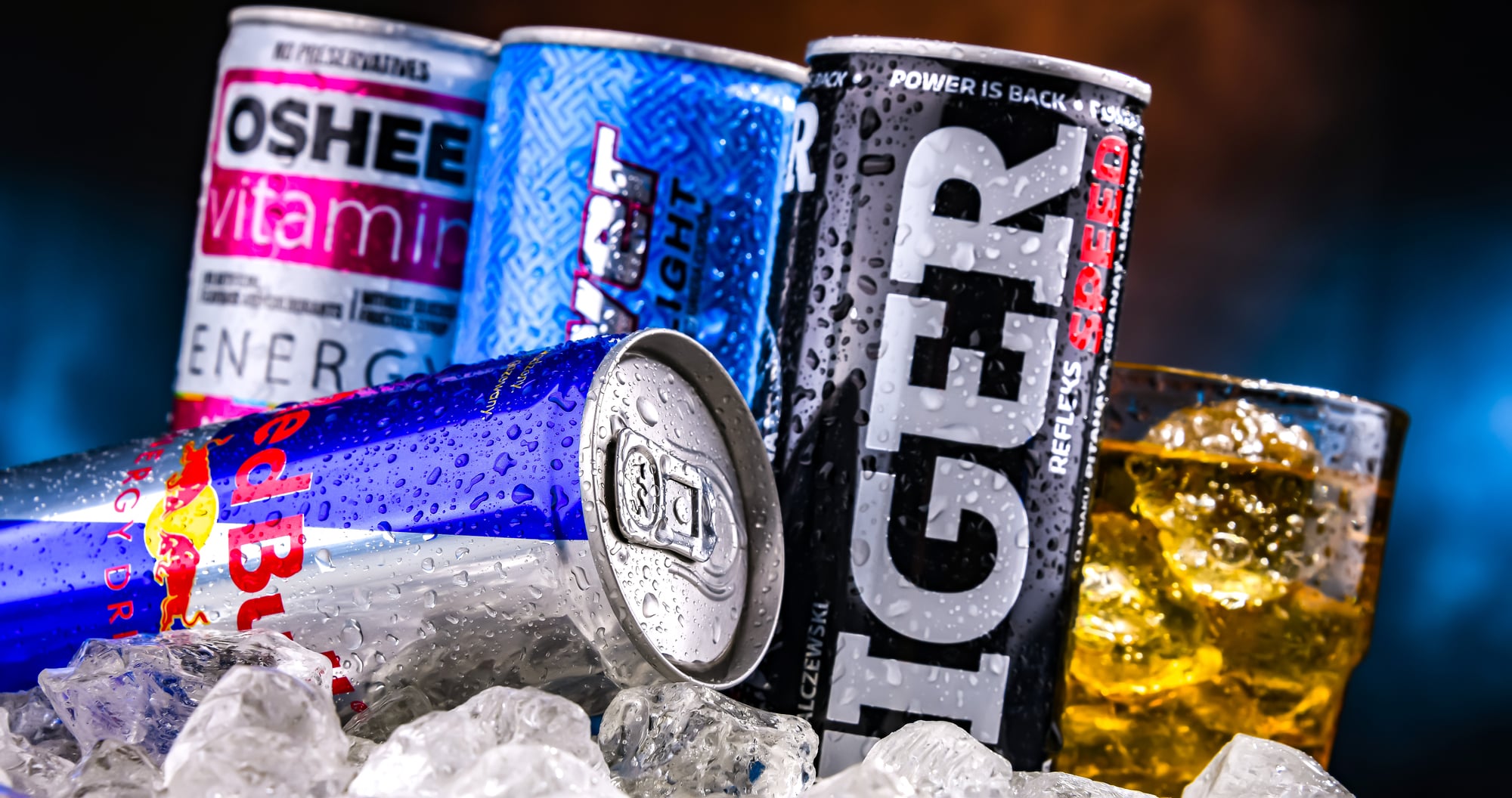
Red Bull existed in Thailand as Krating Daeng, a syrup-based tonic that laborers drank to maintain energy during long work shifts. Austrian entrepreneur Dietrich Mateschitz tried it during a business trip in 1976 and found it helped with jet lag.
He modified the formula for Western tastes (less sweet, carbonated) and marketed it not as a work supplement but as a lifestyle product for people who needed energy boosts — students, drivers, athletes, and anyone facing fatigue.
The combination of caffeine, taurine, and B vitamins in a convenient, fast-acting form created a new category of beverage that was more functional than soda but more accessible than coffee.
Energy drinks became their own industry, spawning dozens of competitors and creating a culture around sustained alertness on demand.
Speed Dating

Rabbi Yaacov Deyo organized the first speed dating event in 1998 as a way for young Jewish professionals to meet potential romantic partners efficiently. Traditional dating was time-intensive and often unsuccessful, while bar and club environments weren’t conducive to meaningful conversation.
The structured format — brief, timed conversations in a controlled environment — addressed several dating problems simultaneously.
It eliminated the pressure of committing to a full evening with someone incompatible, removed the ambiguity about whether interactions were romantic or platonic, and created opportunities for people who weren’t comfortable with traditional pickup scenarios.
The concept spread rapidly beyond its original community because the efficiency appealed to time-conscious professionals everywhere, and the format worked for anyone looking to meet multiple potential partners quickly.
Meal Kits

Blue Apron and similar services emerged as a solution to a specific urban professional problem: people who wanted to cook fresh meals but lacked the time for meal planning, grocery shopping, or ingredient preparation.
The pre-portioned ingredients and step-by-step instructions eliminated the barriers that prevented busy people from cooking at home.
But the appeal extended beyond convenience.
The kits introduced people to recipes they wouldn’t have tried otherwise, eliminated food waste from buying full quantities of ingredients for single-use recipes, and provided the satisfaction of cooking without the friction of preparation.
During pandemic lockdowns, when restaurant dining became complicated, meal kits offered variety and cooking education for people suddenly eating all their meals at home.
The subscription model meant dinner planning became automatic rather than a weekly decision.
From Specialized to Universal

These shifts from niche to mainstream follow similar patterns. Someone creates a solution for a specific problem, then other people notice that the solution works for problems they didn’t know they had.
The original use case often becomes secondary to applications nobody anticipated.
What makes something essential isn’t usually its original purpose — it’s how well it adapts to uses nobody planned for.
The most successful crossovers happen when a specialized tool turns out to address universal human needs that weren’t being met efficiently. We don’t always know what we’re missing until someone shows us a better way.
More from Go2Tutors!

- The Romanov Crown Jewels and Their Tragic Fate
- 13 Historical Mysteries That Science Still Can’t Solve
- Famous Hoaxes That Fooled the World for Years
- 15 Child Stars with Tragic Adult Lives
- 16 Famous Jewelry Pieces in History
Like Go2Tutors’s content? Follow us on MSN.



