Famous TV Finales That Divided Fans
Television finales carry an almost impossible burden.
After years of investment, viewers expect endings that honor the journey while delivering something unexpected, emotionally satisfying, and true to the characters they’ve grown to love.
Get it right, and a show cements its legacy.
Get it wrong, and fans will debate the misstep for decades.
Some finales, though, land somewhere in between—neither triumph nor disaster, but something far more interesting.
They split audiences right down the middle, leaving half the fanbase thrilled and the other half wondering what went wrong.
These are the endings that spark endless arguments, Reddit threads, and think pieces years after they aired.
Here’s a closer look at the TV finales that turned viewers into opposing camps.
The Sopranos
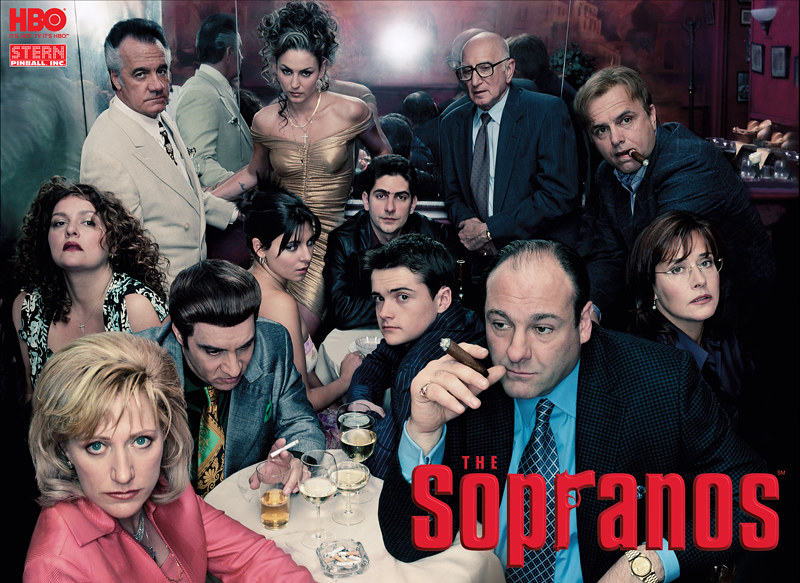
When the screen cut to black in June 2007, millions of viewers frantically checked their cable boxes, convinced something had gone wrong.
That abrupt, silent ending—mid-scene, mid-song, mid-tension—became one of the most analyzed moments in television history.
Tony Soprano sat in a diner booth, onion rings on the table, his family sliding into seats around him.
The door chimed.
He looked up. Black.
Creator David Chase crafted an ending that refused to provide closure, and fans remain divided on whether that was brilliant or frustrating.
Some saw it as the perfect conclusion to a show about uncertainty and the constant threat of violence.
Others felt cheated out of a definitive answer about Tony’s fate.
The ambiguity was intentional, but intention doesn’t always satisfy an audience that spent eight years waiting to see how it all ended.
Lost
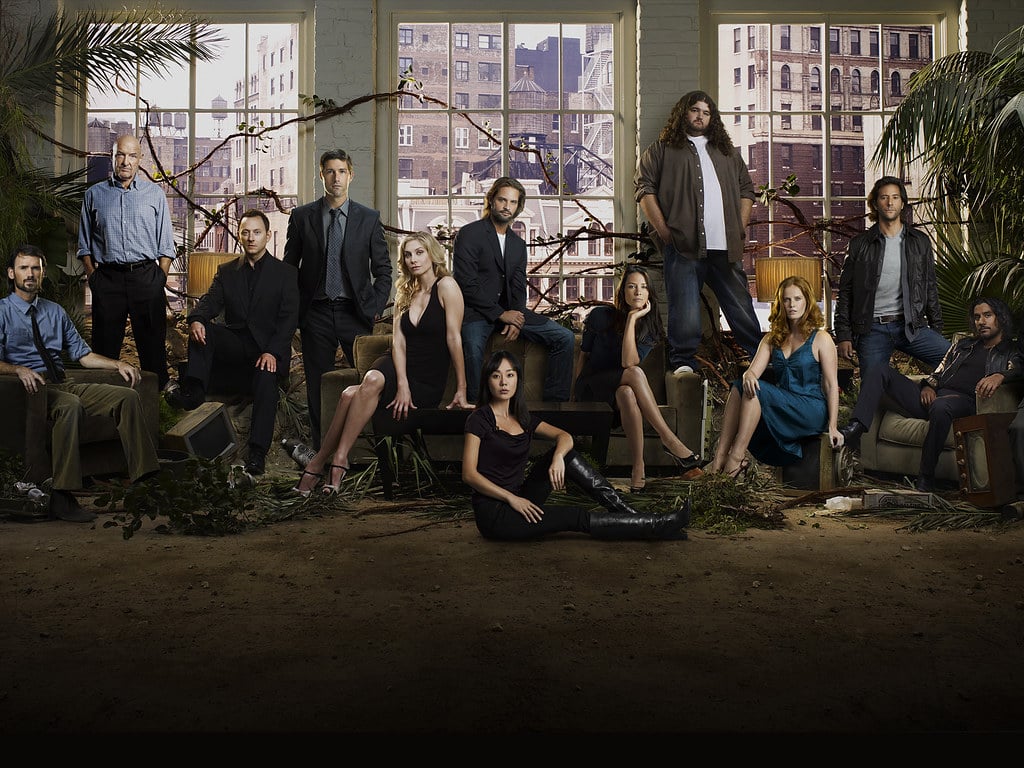
Few finales generated as much immediate backlash as Lost‘s 2010 conclusion.
The show had spent six seasons building mysteries upon mysteries—the smoke monster, the numbers, the island’s purpose—and the finale chose to prioritize character relationships over explanations.
The final images showed the main characters reuniting in what appeared to be the afterlife, having found each other again after death.
Fans who loved the show’s emotional core embraced the ending as a beautiful meditation on connection and meaning.
Those who tuned in for the mythology and answers felt abandoned by a conclusion that sidestepped most of the questions it had raised.
The phrase ‘they were dead the whole time’ became a widespread misinterpretation that the creators spent years correcting, which only added to the confusion and frustration.
Game of Thrones

— Photo by Casimiro_PT
The final season of Game of Thrones became a cultural flashpoint in 2019, with the series finale drawing particular fury from a vocal portion of the fanbase.
Daenerys Targaryen’s turn toward destruction, Bran Stark’s ascension to the throne, and various character arcs that seemed rushed or inconsistent left many viewers feeling like the ending didn’t earn its moments.
Defenders argued that the broad strokes made sense and that author George R.R. Martin had outlined the major endpoints himself.
Critics countered that execution matters as much as destination, and the compressed final season didn’t give the story room to breathe.
The debate over whether the ending was thematically appropriate or a narrative betrayal continues to dominate discussions about the show’s legacy.
Over a million people signed a petition demanding the season be remade, which says something about the depth of disappointment some felt.
Dexter
The original Dexter finale in 2013 left such a bad taste that Showtime eventually greenlit a limited series revival partly to give fans a better ending.
The original conclusion saw the title character faking his death and becoming a lumberjack in Oregon, abandoning his son and the life he’d built.
It was meant to be bleak—a commentary on Dexter’s inability to escape his nature—but it felt more baffling than tragic.
Even supporters of darker, less tidy endings struggled with this one.
The tonal shift felt abrupt, and the logistics didn’t quite track.
Dexter had spent eight seasons learning to connect with people, only to end up alone in self-imposed exile for reasons that seemed more about shocking viewers than serving the story.
The 2021 revival, New Blood, attempted to course-correct with a more definitive and consequence-driven finale.
How I Met Your Mother
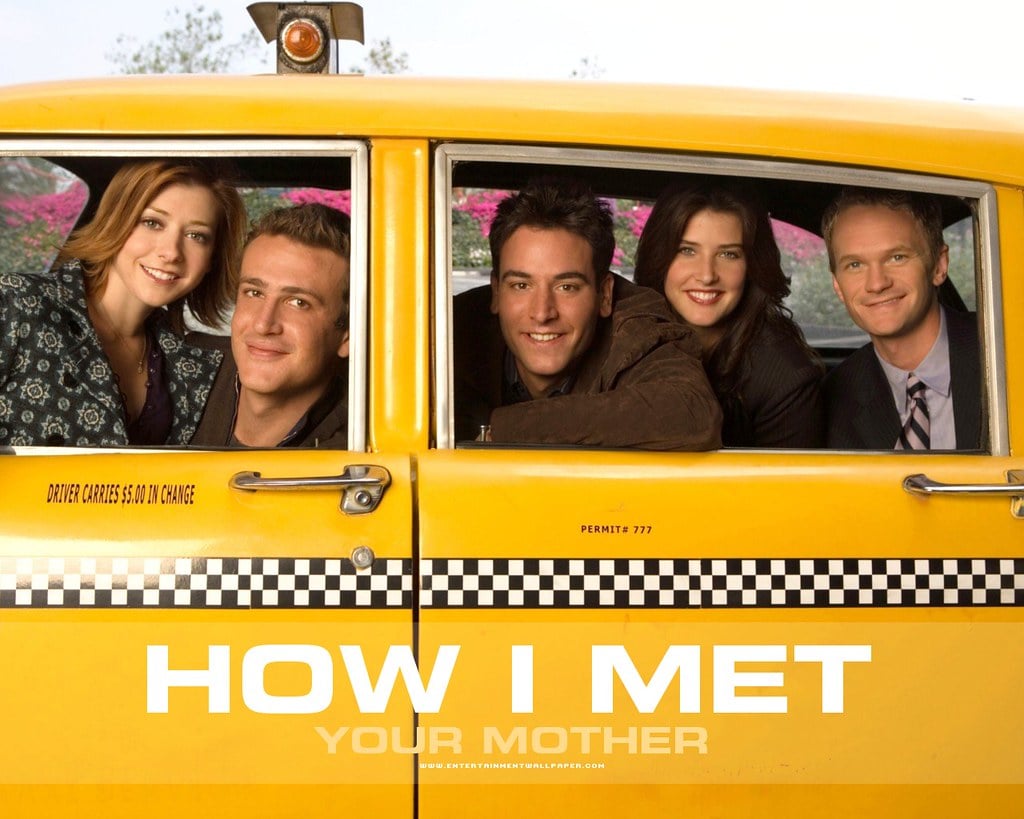
After nine seasons building toward the moment Ted Mosby would meet his children’s mother, the finale pulled a twist that enraged a significant portion of the audience.
The mother, Tracy, was revealed to have died years earlier, and Ted’s real endgame was getting back together with Robin, the woman he’d pined for throughout the series.
For some viewers, this felt true to the show’s themes about timing and the messiness of real life.
For others, it invalidated years of character development and the entire final season, which took place over a single weekend leading up to Robin’s wedding to Barney.
The fact that the final scene had been filmed years earlier, with child actors who wouldn’t age, meant the ending was locked in regardless of where the story had naturally evolved.
That premeditation didn’t sit well with fans who felt the show had outgrown its original destination.
Seinfeld
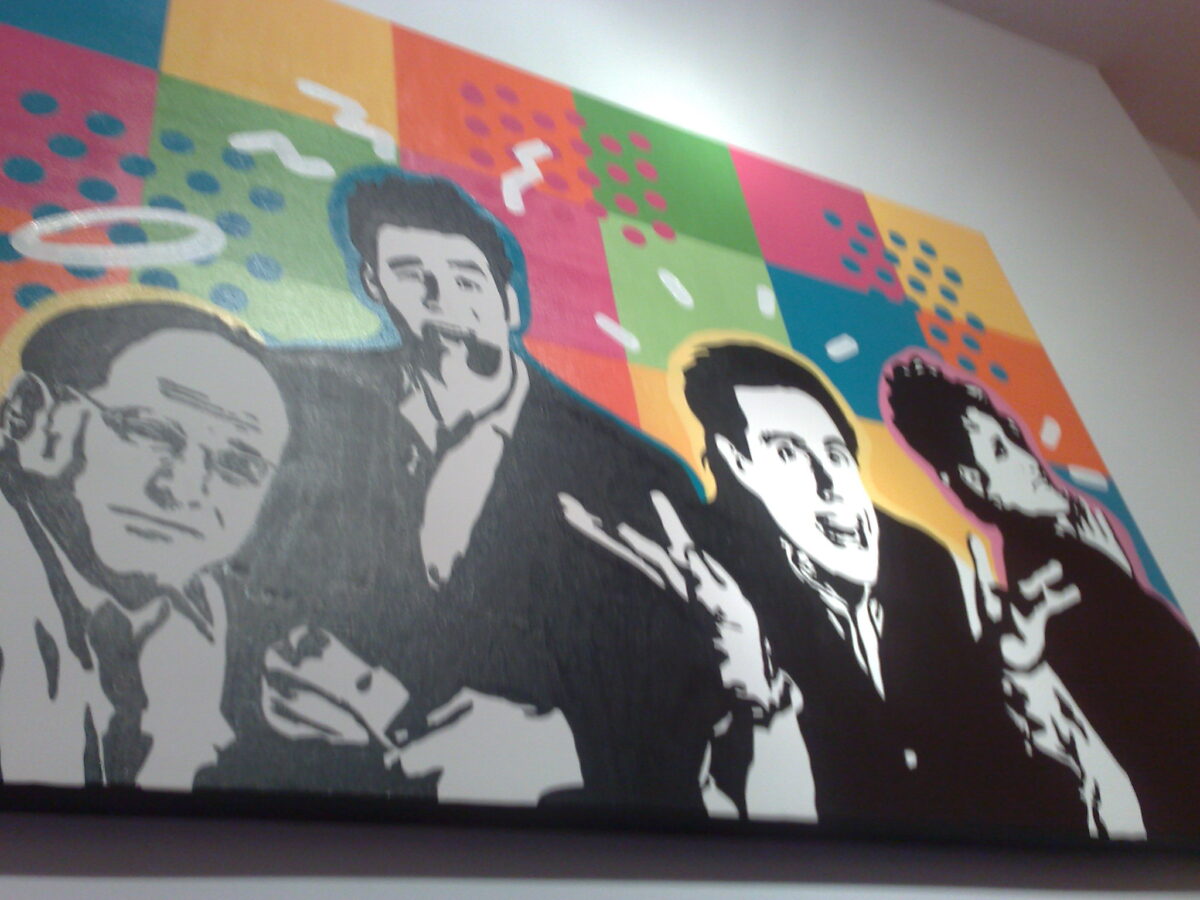
A show about nothing ended with something fairly substantial—Seinfeld, George, Elaine, and Kramer on trial for violating a Good Samaritan law and being sentenced to prison.
The finale paraded past characters through the courtroom to testify about the main quartet’s selfish behavior, essentially putting the entire series on trial.
Co-creator Larry David intended it as a fitting conclusion for characters who’d spent nine seasons being terrible people.
Many fans found it mean-spirited and anticlimactic, expecting something funnier or more in line with the show’s absurdist sensibility.
Others appreciated the meta-commentary and the refusal to give these flawed characters a sentimental send-off.
The debate over whether the finale was cleverly subversive or just unpleasant has persisted for over two decades.
St. Elsewhere
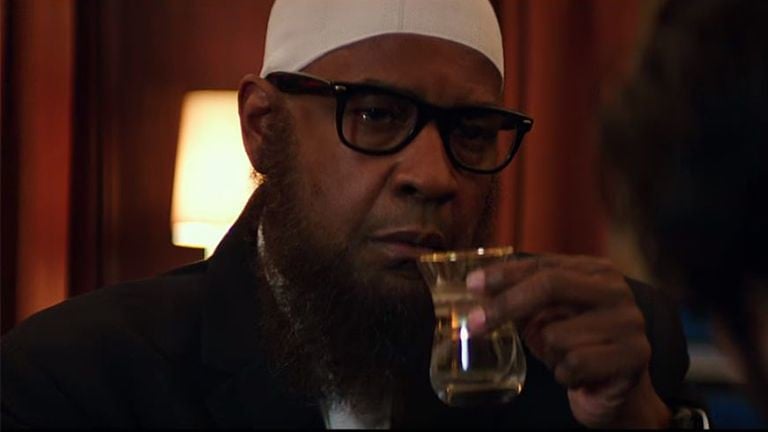
Long before Lost confused audiences with its final moments, St. Elsewhere dropped one of television’s first major twist endings.
The 1988 finale revealed that the entire six-season run had existed in the imagination of Tommy Westphall, an autistic child staring into a snow globe containing a miniature version of the hospital.
It was audacious, strange, and completely divisive.
Some hailed it as groundbreaking experimental television.
Others felt it diminished everything that had come before, reducing complex storylines and character development to a child’s daydream.
The ‘Tommy Westphall Universe’ became a pop culture concept suggesting that dozens of shows exist in the same fictional universe, all stemming from that snow globe.
Whether that’s clever or insufferable depends entirely on who you ask.
Battlestar Galactica
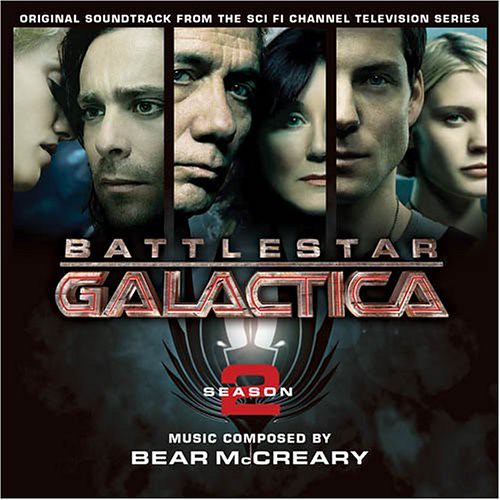
The reimagined Battlestar Galactica ended in 2009 with a finale that blended science fiction spectacle with spiritual resolution.
The fleet found Earth—our Earth—150,000 years in the past and decided to abandon their technology to start fresh.
The final scenes jumped to the present day, revealing that the characters were our ancestors and that the cycle of violence they’d been trapped in might be repeating itself.
Fans who appreciated the show’s religious and philosophical themes embraced this ending as thematically consistent.
Those who preferred the harder sci-fi elements felt the finale leaned too heavily into mysticism and ‘God did it’ explanations.
The reveal that several characters had been angels or visions all along struck some as earned revelation and others as narrative convenience.
It’s the kind of ending that rewards certain viewers while leaving others cold.
True Blood
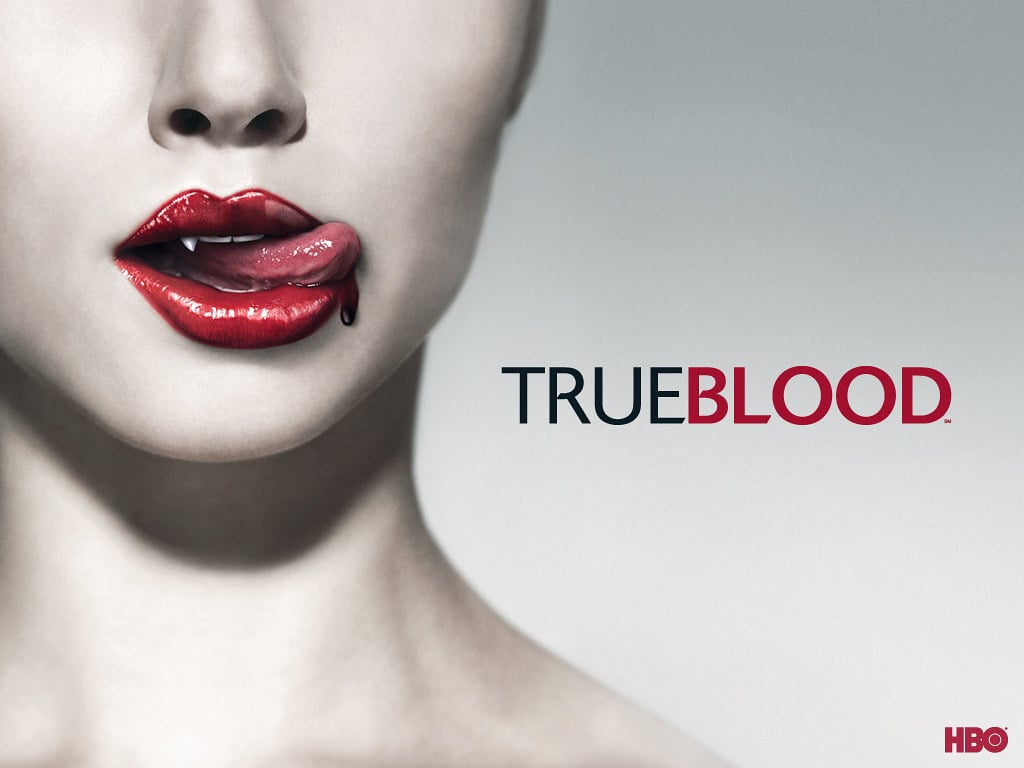
By its final season, True Blood had strayed far from its early balance of horror, romance, and Southern Gothic atmosphere.
The finale tried to give everyone a happy ending, with most major characters paired off, settled down, or redeemed.
Sookie ended up with a faceless, unnamed man instead of vampire Bill or werewolf Alcide, which felt like a cop-out to many viewers.
The show had built toward something darker and stranger, but the finale opted for conventional closure.
Some appreciated seeing characters find peace after seasons of chaos. Others wanted an ending that matched the show’s earlier, wilder energy.
The tonal whiplash between what True Blood had been and what it became left fans arguing over whether the finale was sweetly optimistic or disappointingly safe.
Roseanne

The original Roseanne finale in 1997 pulled back the curtain to reveal that much of the final season—and chunks of earlier seasons—had been fictionalized by Roseanne Conner as a coping mechanism.
Her husband Dan had actually died from a heart attack, and she’d been writing an altered version of events to deal with her grief.
It was a bold, heartbreaking choice that recontextualized the entire series.
Fans who appreciated the emotional honesty found it devastating and brave.
Those who felt blindsided by the revelation saw it as a betrayal, undoing the reality they’d invested in.
The meta-fictional twist was either too clever for its own good or exactly the kind of risk a groundbreaking sitcom should take.
The 2018 revival initially ignored this ending before its own controversial finale brought it back into play.
The X-Files
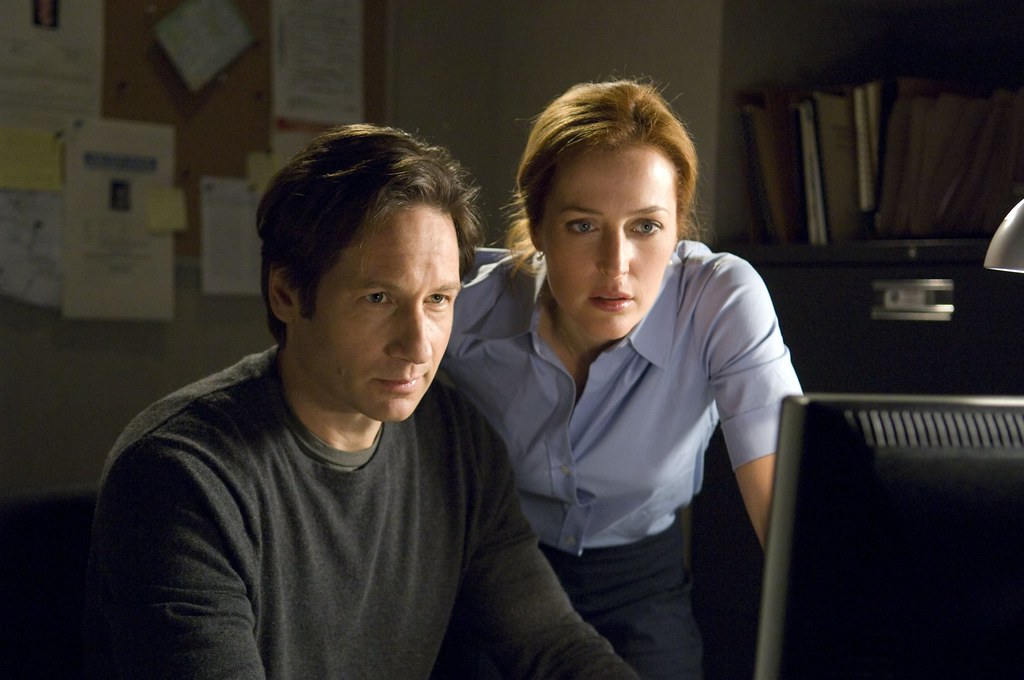
The X-Files technically had two finales—one in 2002 and another in 2018—and neither satisfied everyone.
The 2002 ending came after creator Chris Carter had already lost his lead actors for stretches and the show’s mythology had grown convoluted.
It featured a trial, flashbacks, and vague hints about alien colonization, but no real resolution.
The 2018 revival finale somehow made things worse, ending on a cliffhanger that suggested Mulder and Scully’s son William was involved in some new conspiracy.
By that point, even dedicated fans were exhausted by the endless deferrals of closure.
Some viewers accepted that The X-Files was never meant to end definitively—the truth being ‘out there’ meant it was always just out of reach.
Others simply wanted the show to respect their time and provide some answers after 25 years.
Two and a Half Men
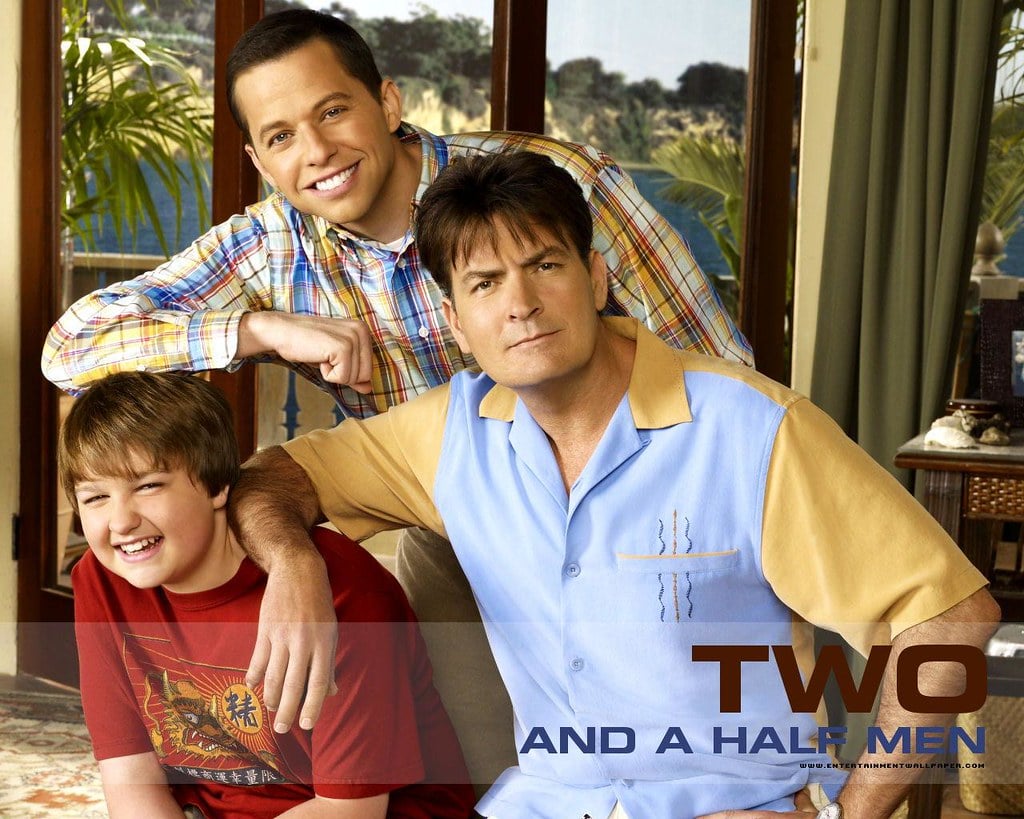
After Charlie Sheen’s explosive departure from Two and a Half Men, Ashton Kutcher joined the cast and the show continued for four more seasons.
The finale attempted to bring things full circle by hinting at Charlie Harper’s return, only to have creator Chuck Lorre literally drop a piano on him—or rather, on a figure who might have been him.
Lorre then appeared on screen to address the audience directly before a piano fell on him too.
It was meta, spiteful, and bizarre—exactly the kind of ending you’d expect from a show that had devolved into a very public behind-the-scenes feud.
Some found it hilarious and fitting for a sitcom that had always been crude and irreverent.
Others saw it as petty and more interested in settling scores than giving the characters a proper goodbye.
Girls
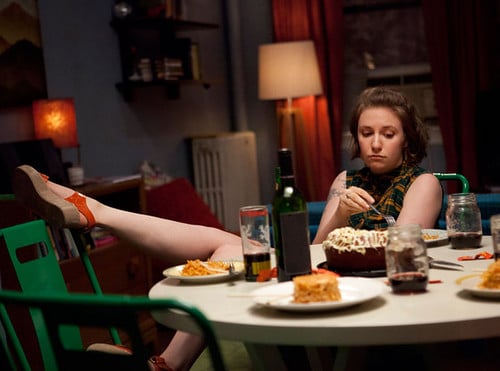
Lena Dunham’s Girls ended with Hannah Bannon alone in upstate New York, raising her baby and struggling with new motherhood.
Her friendships had fractured, her romantic relationships had ended, and the finale focused on her isolation and difficulty connecting with her infant son.
It was deliberately uncomfortable and unresolved.
For viewers who’d embraced the show’s commitment to depicting uncomfortable truths about young adulthood, the ending felt authentic.
For those hoping to see growth and connection after six seasons of watching these characters stumble through life, it felt punishing.
The final scene showed Hannah finally getting her baby to nurse while her own mother watched, suggesting cycles of struggle and perseverance.
Whether that was profound or simply bleak depends on what you wanted from the show.
Bloodline
Netflix’s Bloodline ended its third season with protagonist John Rayburn finally confessing his crimes to his nephew, who’d been asking questions about family secrets.
The screen faded to black before the nephew responded, leaving the consequences entirely to viewers’ imaginations.
It was an ending that refused to show the fallout from everything that had happened.
The show had spent three seasons building tension around the Rayburn family’s lies and violence.
Some fans appreciated the restraint of letting the confession itself be the climax.
Others felt cheated out of seeing John actually face consequences for his actions.
The ambiguity worked thematically but left a narrative gap that frustrated viewers who’d invested in watching justice play out.
Penny Dreadful
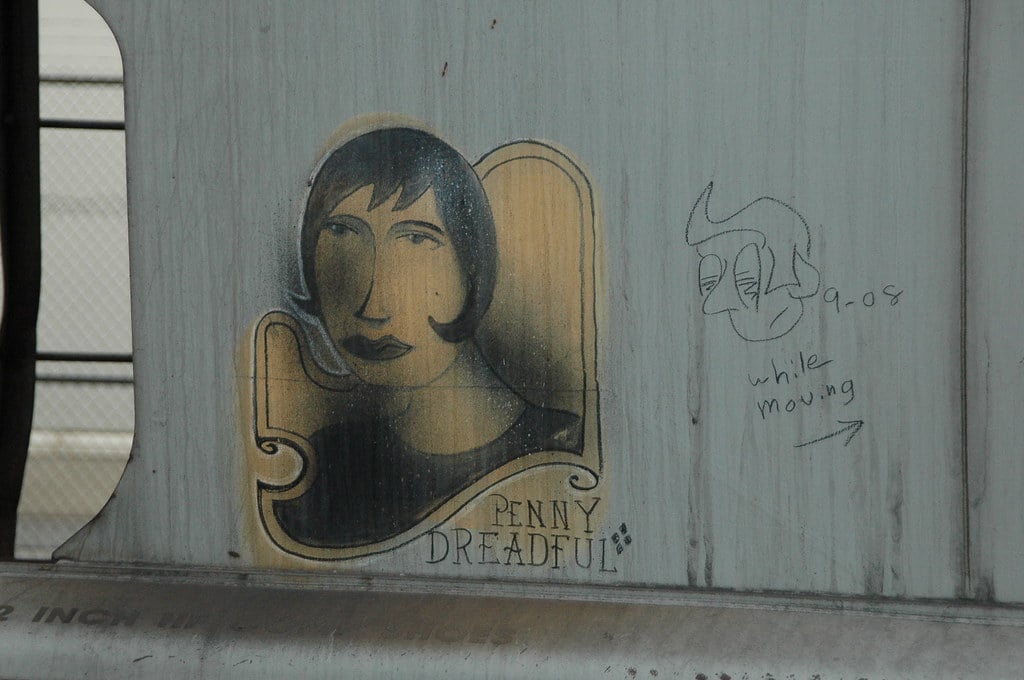
Penny Dreadful‘s third season finale came as a shock because it served as the series finale without warning.
Creator John Logan had intended to end the show at that point, but many viewers didn’t realize it was the conclusion until the credits rolled.
Vanessa Ives died in Ethan’s arms, finding peace after seasons of demonic possession and suffering.
It was a tragic, quiet ending for a show that had been operatic and Gothic.
Fans split over whether Vanessa’s death was the only thematically appropriate conclusion or a needlessly grim ending that robbed her of agency.
The abruptness—one season finale doubling as a series finale—added to the sense of dissatisfaction.
Some saw it as elegantly concise.
Others wanted more time to process and more story to tell.
Scrubs

Scrubs actually had two finales—the intended ending after season eight and the ill-advised ninth season that followed.
The season eight finale, ‘My Finale,’ gave J.D. a perfect send-off as he walked down a hospital corridor imagining the futures of everyone he’d worked with.
It was sentimental, heartfelt, and widely beloved.
Then the show came back for a ninth season that moved to a new location, introduced new characters, and essentially became a different show.
The actual final episode was a whimper compared to what had come before.
Fans remain divided over whether season nine even counts or if the ‘real’ ending happened a year earlier.
It’s a rare case where the division isn’t about the quality of the intended finale but about whether the show should have ended when it did.
The Leftovers
Damon Lindelof’s The Leftovers concluded in 2017 with Nora Durst telling Kevin Garvey an elaborate story about traveling to the place where 2% of the world’s population had vanished.
She claimed to have found them living normal lives in a parallel world where 98% of humanity had disappeared.
The finale never confirmed whether her story was true or a comforting lie.
Fans who trusted the show’s interest in faith over facts embraced the ambiguity as perfect.
Those who wanted concrete answers about the Departure felt the ending dodged its responsibility.
The final scene focused entirely on whether Kevin believed Nora and whether belief itself was enough.
It was an ending about storytelling, grief, and the narratives we construct to survive—which was either deeply moving or frustratingly evasive depending on your relationship with mystery.
Why These Endings Still Echo

Divisive finales stick with us precisely because they’re not universally loved or hated.
They exist in that uncomfortable middle ground where reasonable people can completely disagree about whether a show stuck the landing.
These endings force conversations about what we expect from stories and what creators owe their audiences.
The shows that inspire the most passionate debate often took risks rather than playing it safe.
Whether those risks paid off is still being argued in comment sections and living rooms.
What’s certain is that a finale capable of splitting an audience has done something more memorable than one that simply satisfied everyone and faded away.
More from Go2Tutors!

- The Romanov Crown Jewels and Their Tragic Fate
- 13 Historical Mysteries That Science Still Can’t Solve
- Famous Hoaxes That Fooled the World for Years
- 15 Child Stars with Tragic Adult Lives
- 16 Famous Jewelry Pieces in History
Like Go2Tutors’s content? Follow us on MSN.



