Worst War Generals of All Time
Military history is littered with brilliant strategists who turned the tide of conflicts and saved nations. But for every Napoleon or Alexander, there’s a commander who managed to snatch defeat from the jaws of victory.
Some generals failed through incompetence, others through hubris, and a few through sheer bad luck that exposed their limitations when it mattered most. These are the military leaders whose names serve as cautionary tales, reminders that even with vast armies and resources, poor leadership can doom entire campaigns and cost thousands of lives.
Douglas Haig
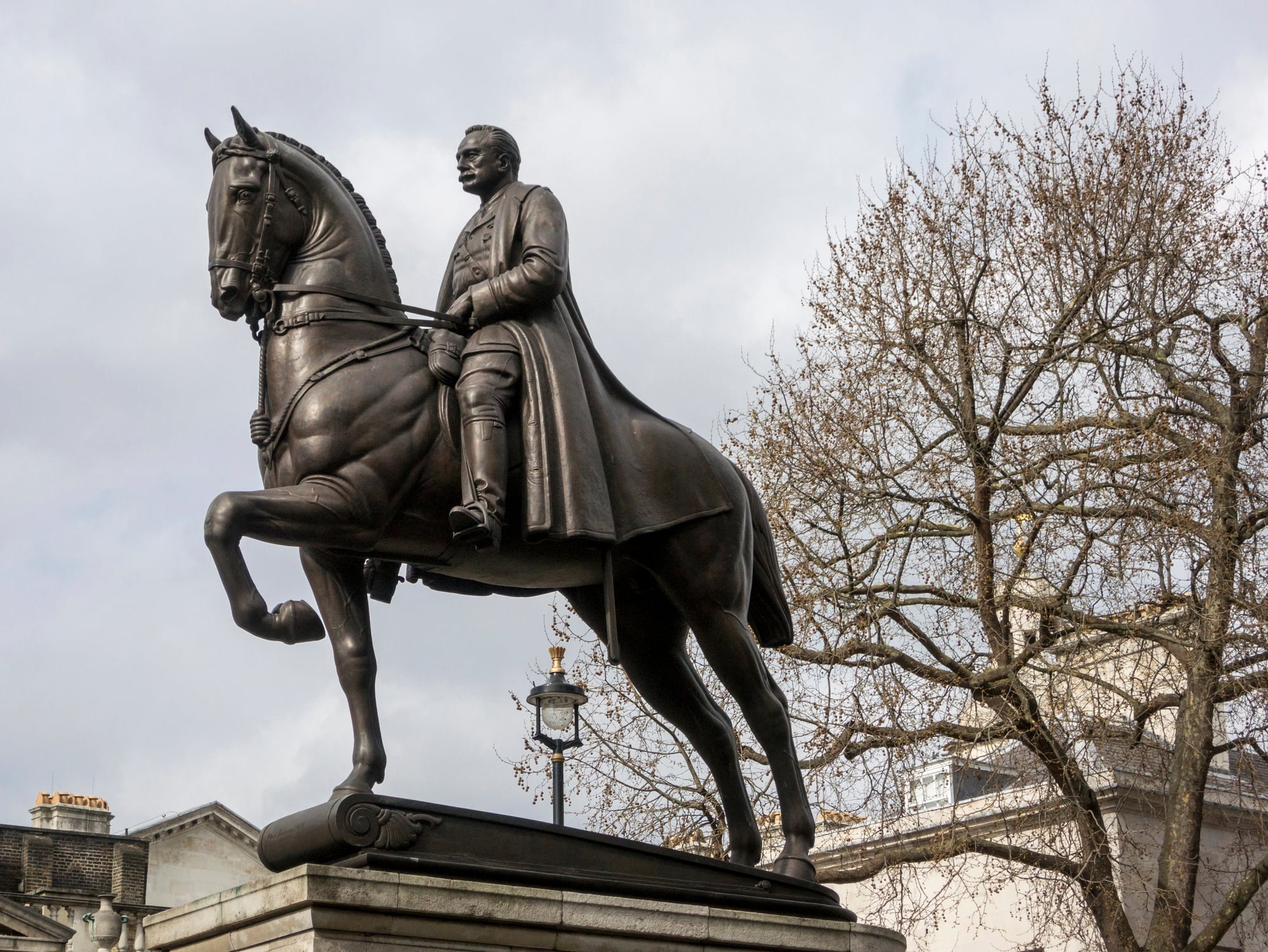
Haig earned his reputation during World War I’s Western Front. The Battle of the Somme alone cost 60,000 British casualties on the first day.
He kept ordering frontal assaults against machine gun nests. His strategy never evolved beyond sending men into barbed wire and bullets.
The numbers speak for themselves.
Antonio López De Santa Anna
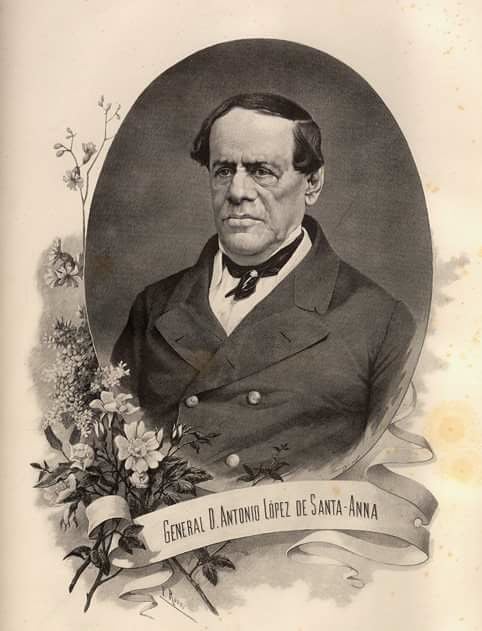
Santa Anna’s military career reads like a masterclass in how to waste overwhelming advantages, and his approach to warfare seemed to involve making the most predictable decision at every crucial moment (which, given that he was often facing opponents who had studied his previous campaigns, meant he was essentially telegraphing his moves to anyone paying attention). The man had a talent for turning winning positions into disasters — and not just once, but repeatedly throughout his career, as if he’d made it his personal mission to prove that numerical superiority means nothing when your tactical decisions consistently defy common sense.
Even his victories came at such enormous cost that they weakened his position for future conflicts. But here’s the thing: he kept getting command positions anyway.
His defeat at San Jacinto stands out even among his failures, since he managed to let his entire army get caught taking a siesta while Sam Houston’s forces approached. The Battle of Buena Vista saw him retreat with a larger force after initially successful attacks.
So much for learning from experience.
Ambrosio Spinola
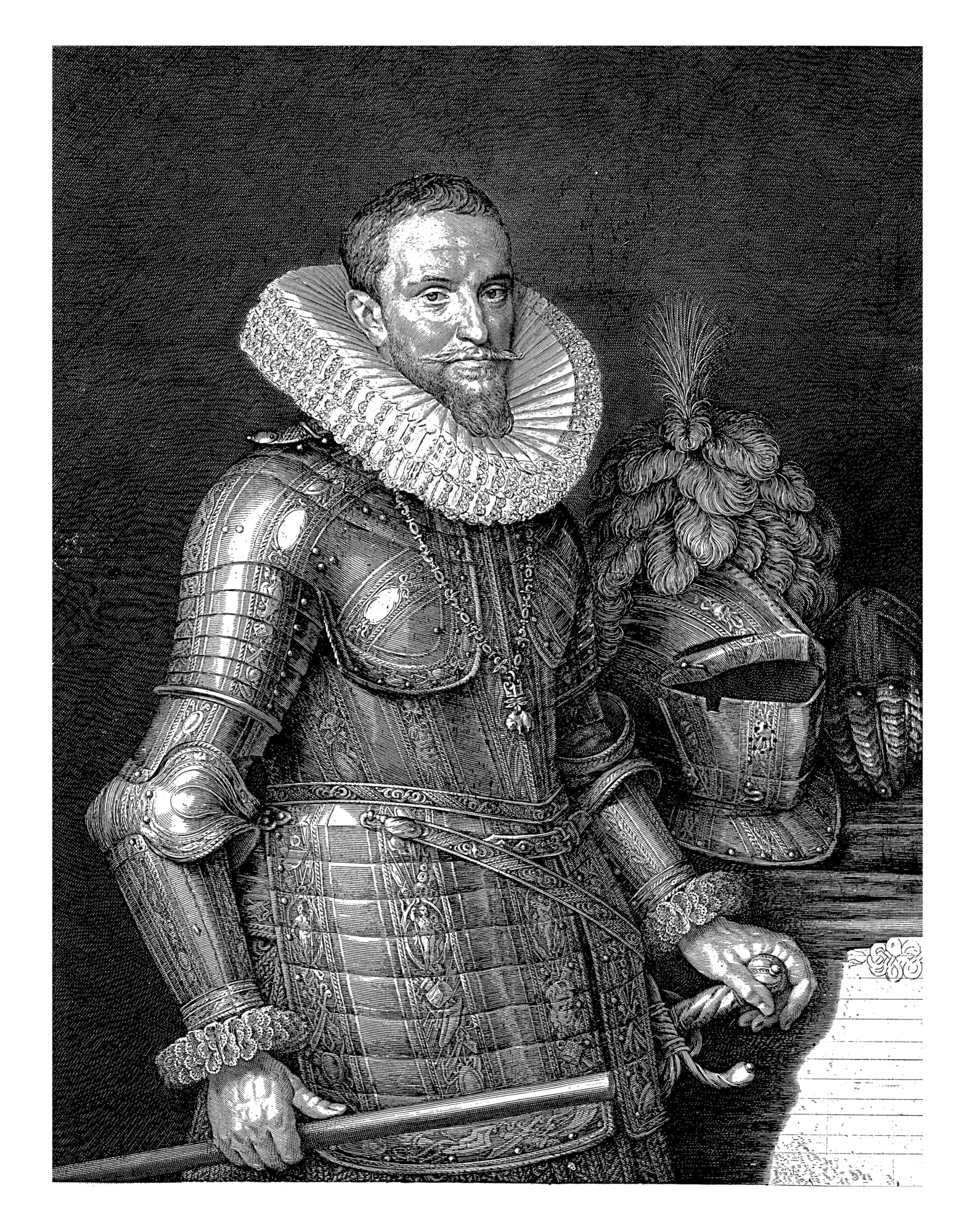
War unfolds like a chess game played in mud and blood, where each move ripples forward into consequences no one fully anticipates. Spinola approached the Dutch Revolt with the methodical precision of a man arranging flowers — beautiful in theory, but utterly disconnected from the wild, desperate energy that drives successful military campaigns.
His sieges stretched on with the patience of erosion, wearing down not just enemy fortifications but his own army’s morale and Spain’s treasury.
The Siege of Breda became his masterpiece of pyrrhic achievement, a year-long demonstration of how to win a single city while losing an entire war. Watching Spinola conduct a campaign was like watching someone solve a puzzle while the house burned around them — technically impressive, emotionally vacant, strategically meaningless.
Gideon Pillow
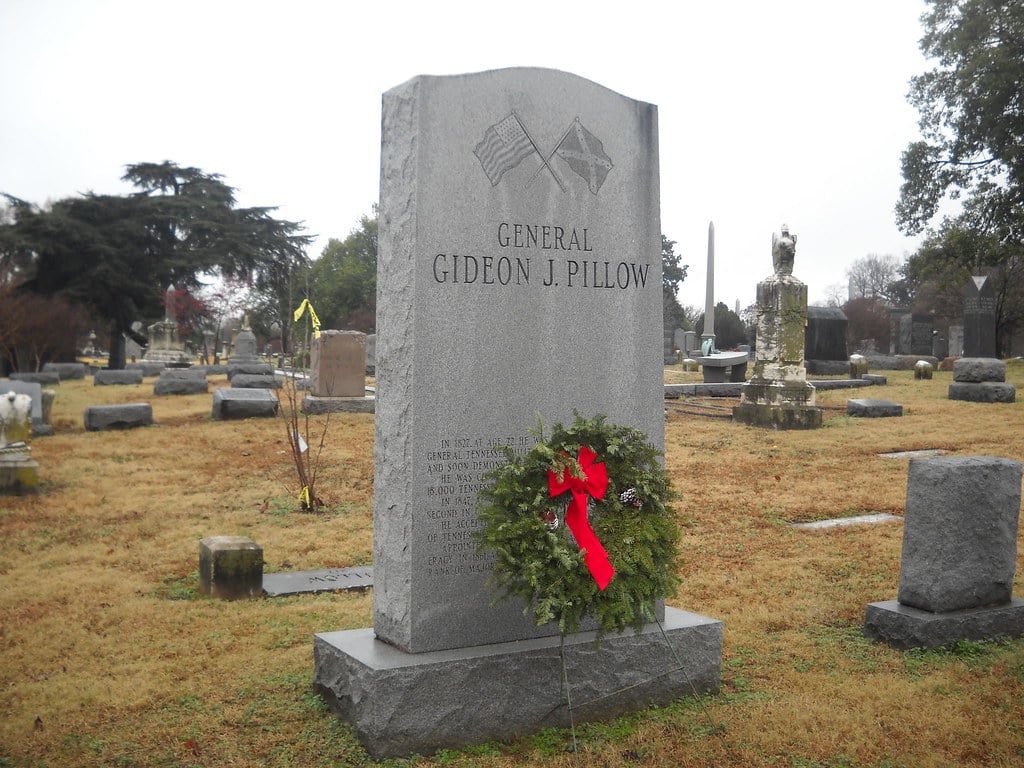
Pillow possessed an unmatched ability to turn tactical advantages into strategic blunders. His performance at Fort Donelson ranks among the most inexplicable surrenders in military history — he broke through Union lines, then inexplicably ordered his troops back into the fort to be surrounded again.
The man had a talent for creating defeat from the materials of victory. He managed to escape Fort Donelson before the surrender, which tells you everything about his priorities.
His subordinates consistently performed better when he wasn’t directly involved, which is saying something.
Quintus Varus
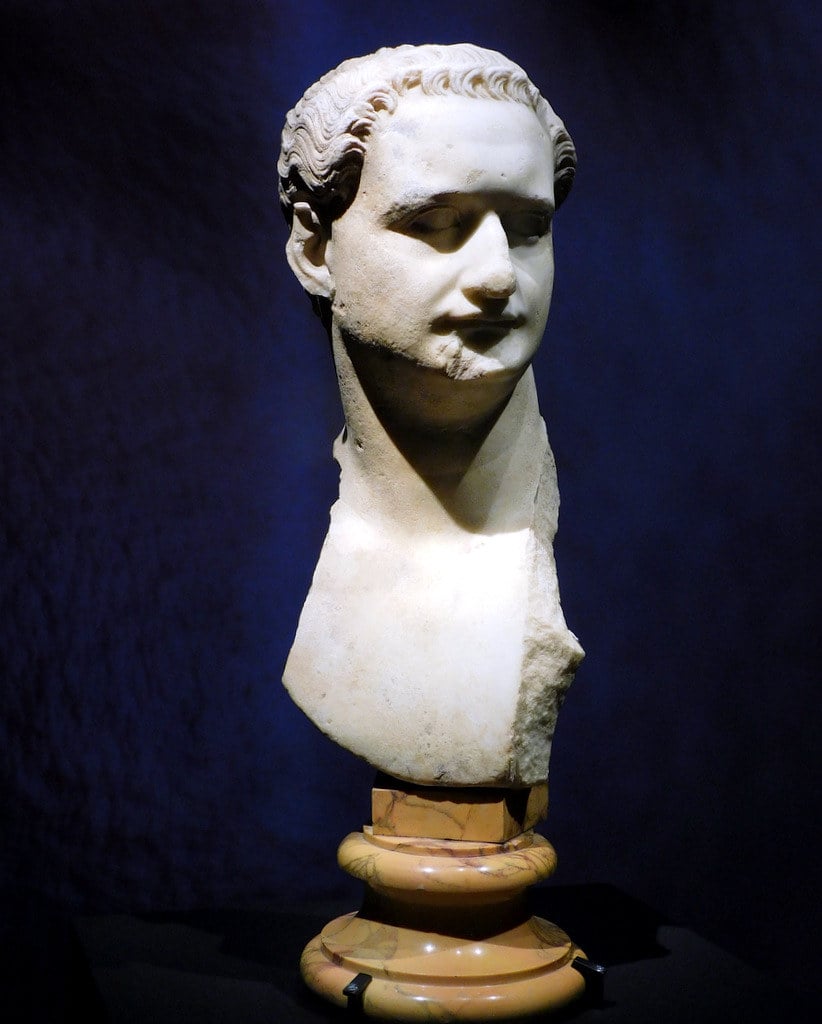
Varus walked three Roman legions into the Teutoburg Forest and managed to lose them all in one of history’s most complete military disasters (though calling it a disaster implies some element of bad luck rather than monumentally poor judgment, which seems generous given how many warning signs he ignored along the way). The man had been governing Germania for years and apparently learned nothing about the people he was supposed to be subduing, treating Arminius as a trusted ally right up until Arminius led him into the most obvious ambush in military history.
Roman armies were supposed to be disciplined, organized, and prepared for exactly this kind of warfare — yet Varus managed to march his forces into terrain where none of their advantages mattered and all of their weaknesses were exposed. And the aftermath wasn’t just a tactical defeat; it was a strategic catastrophe that permanently altered Rome’s expansion plans.
But perhaps the most telling detail is that Augustus supposedly banged his head against walls afterward, shouting “Varus, give me back my legions!” — which suggests even the emperor couldn’t quite believe how thoroughly his general had bungled things.
The loss of three entire legions created a permanent scar in Roman military planning. Augustus never again attempted serious expansion into Germania.
The numbers were never replaced — Legions XVII, XVIII, and XIX disappeared from Roman records entirely.
Luigi Cadorna
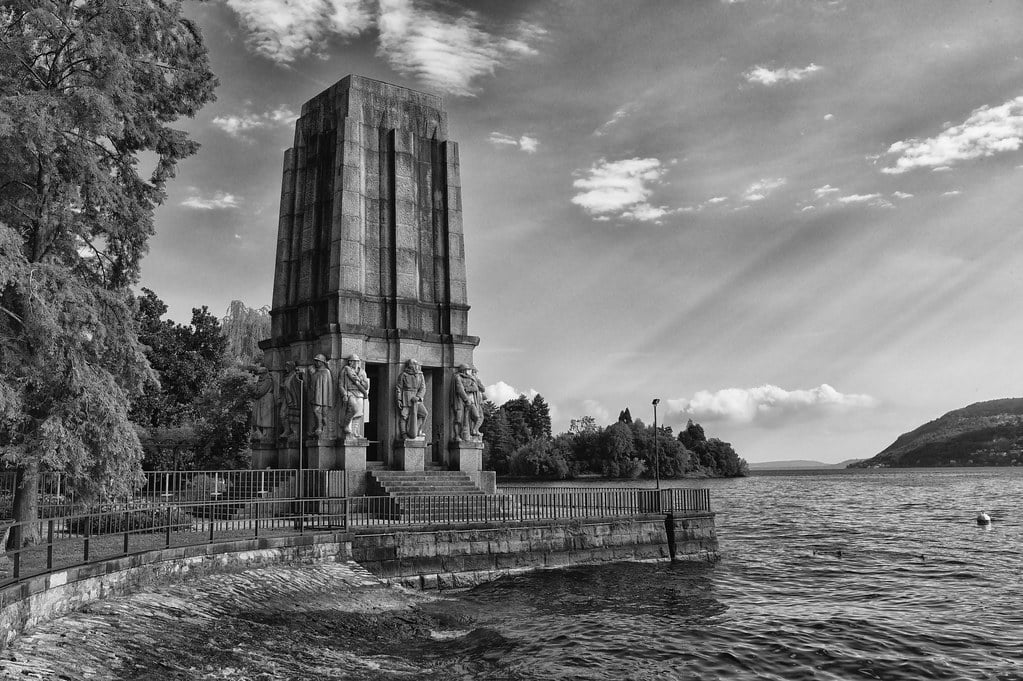
There’s something almost mathematical about how Cadorna approached warfare, as if human lives were variables in an equation he could solve through repetition. His twelve battles along the Isonzo River played out with the grim predictability of a metronome — attack, retreat, attack, retreat — each iteration costing thousands of lives for gains measured in yards rather than miles.
Watching Cadorna’s strategic decisions unfold was like watching someone repeatedly strike the same match in a rainstorm, convinced that the next attempt would somehow produce different results. He treated his own soldiers with such contempt that Italian morale became a punchline among the other Allied powers.
Yet he seemed genuinely surprised when his troops began surrendering en masse at Caporetto.
Franz Conrad Von Hötzendorf
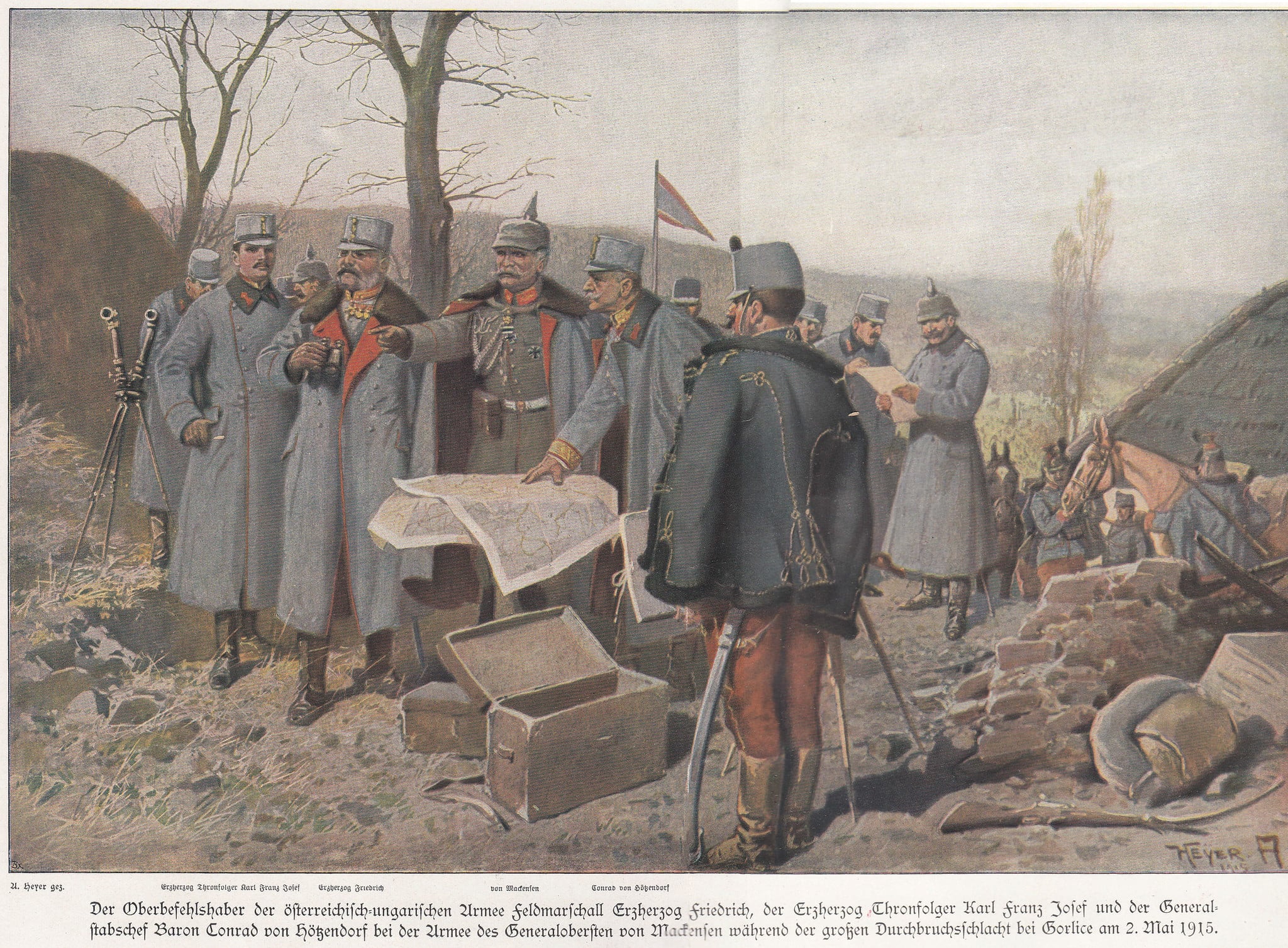
Conrad’s strategic vision consistently outpaced his tactical abilities. He spent years advocating for preventive wars against Serbia and Italy, then proved incapable of conducting them effectively once they began.
His Galician campaigns against Russia cost Austria-Hungary nearly half a million casualties.
The man confused aggression with strategy and ambition with competence. His simultaneous offensives in multiple directions spread Austrian forces too thin to succeed anywhere.
Conrad’s influence on Austrian policy helped trigger World War I, then his military leadership helped ensure Austria would lose it.
John Bell Hood
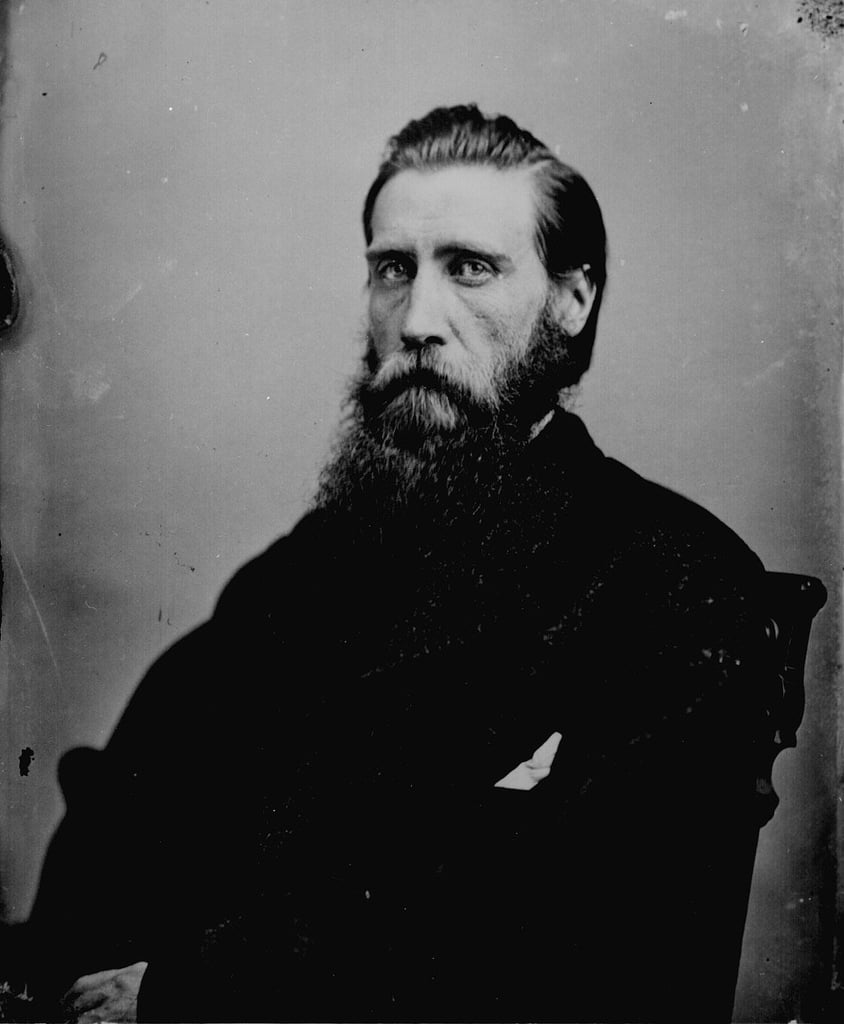
Hood’s tenure commanding the Army of Tennessee reads like a case study in how desperation can masquerade as boldness, and how the pressure of impossible circumstances can transform competent leaders into reckless gamblers willing to stake everything on increasingly unlikely outcomes. He inherited a retreating army and somehow managed to accelerate its disintegration through a series of frontal assaults that accomplished nothing except filling Union prison camps with Confederate soldiers.
The Franklin-Nashville campaign became his monument to futility — two battles that demonstrated how quickly aggressive tactics can collapse into mere waste when they’re not supported by strategic thinking.
Hood’s army melted away not through cowardice but through the simple mathematics of unsustainable losses, and by the end, even his most loyal subordinates were questioning orders that seemed designed more to satisfy Hood’s personal conception of military honor than to achieve any realistic objective.
Helmuth Von Moltke The Younger
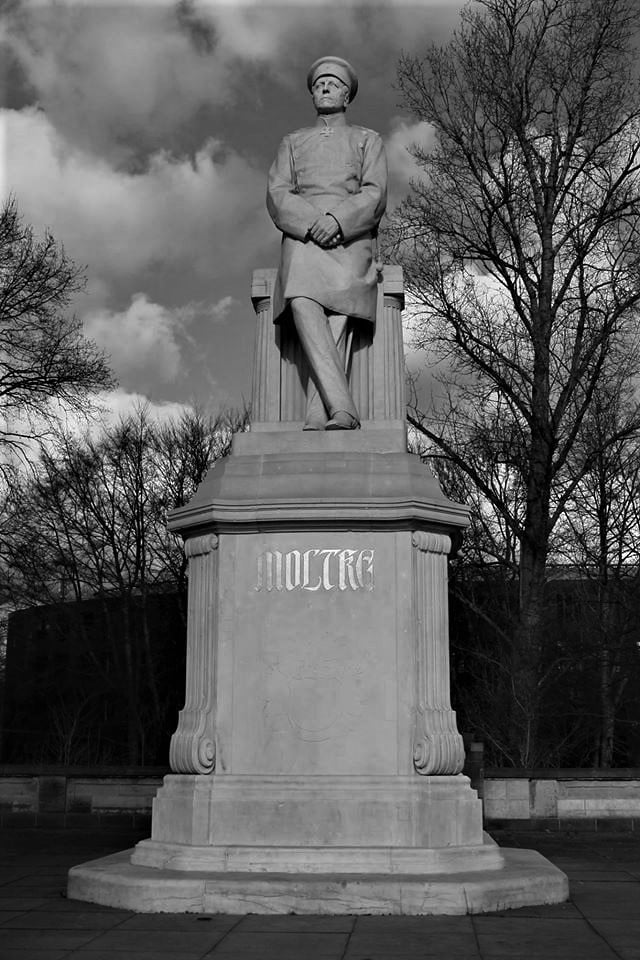
The younger Moltke inherited his uncle’s reputation but none of his strategic instincts. The Schlieffen Plan required precise timing and unwavering commitment, yet Moltke modified it in ways that eliminated its advantages while preserving its risks.
His decision to weaken the right wing of the German advance through Belgium doomed the entire strategy. The Battle of the Marne exposed how thoroughly he’d misunderstood the plan he was supposed to execute.
Moltke managed to turn Germany’s best chance for quick victory into a grinding war of attrition that Germany couldn’t win.
Nivelle

Nivelle’s offensive along the Chemin des Dames promised to end World War I in forty-eight hours and instead triggered mutinies throughout the French army when soldiers realized their commander had learned nothing from two years of failed assaults against prepared positions (which, considering that everyone from the lowliest private to the British high command had tried to warn him about the futility of his plan, suggests a level of stubborn delusion that borders on the pathological). The man had convinced himself that his “creeping barrage” technique represented some kind of revolutionary breakthrough in military science, when in reality it was just another variation on the same suicidal tactics that had been failing since 1914.
His confidence was so absolute that he’d already planned victory parades before the offensive even began, which would be almost touching if it weren’t for the 200,000 casualties that resulted from his miscalculations.
And perhaps most damningly, Nivelle’s failure wasn’t just tactical — it was a failure of basic human judgment, since he’d promised his soldiers that this attack would be different, that this time the slaughter would actually accomplish something meaningful.
But the soldiers knew better, which is why they stopped following orders.
The mutinies spread through sixty-eight divisions of the French army. Soldiers weren’t deserting — they were simply refusing to participate in obviously pointless attacks.
The war continued for another year and a half, but France’s offensive capability never fully recovered.
Darius III
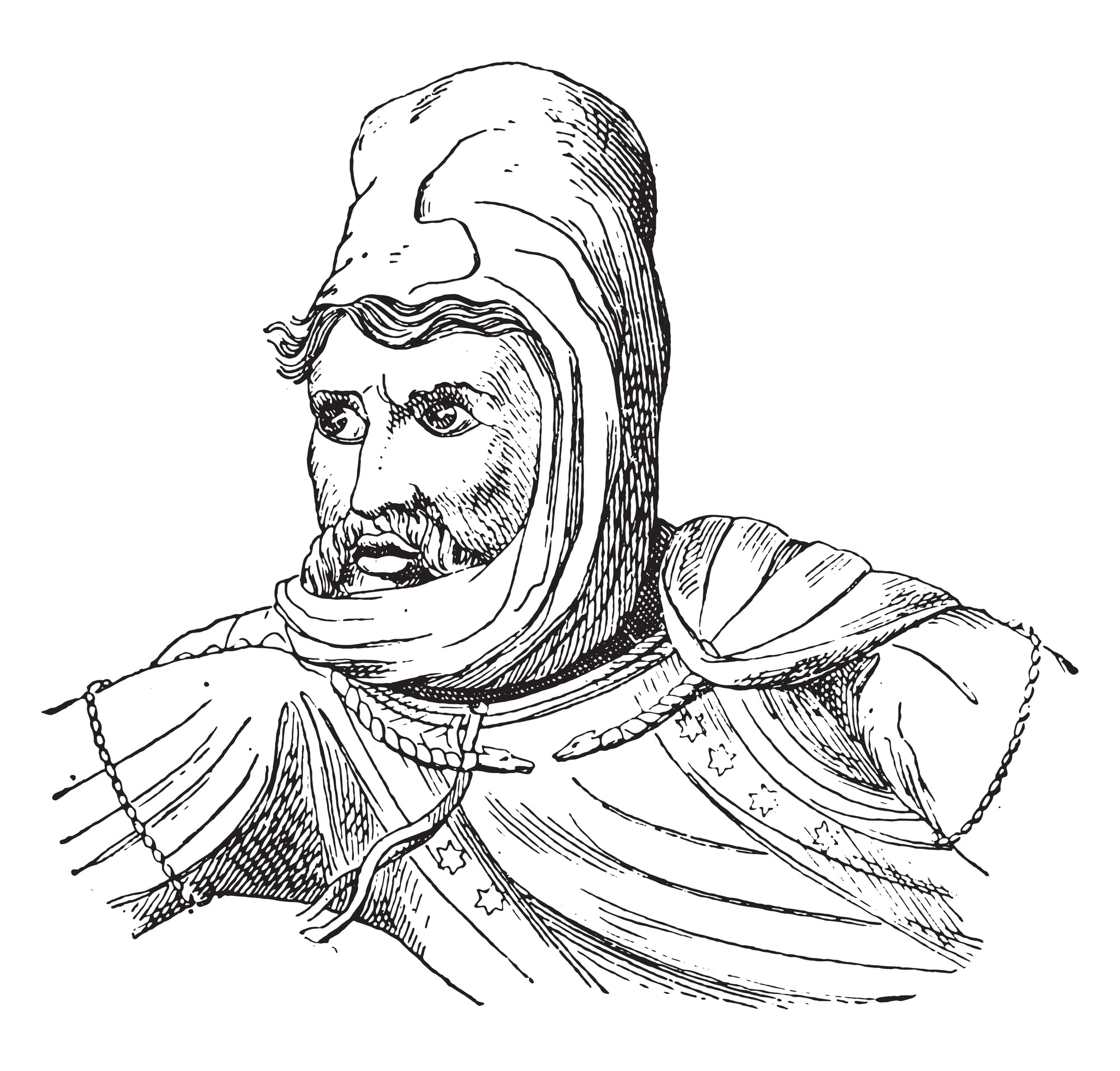
There’s a peculiar tragedy in watching someone inherit the largest empire in the world and then systematically demonstrate why they’re unfit to keep it. Darius commanded armies that dwarfed Alexander’s forces, controlled resources that should have made victory inevitable, yet approached each confrontation as if he were the underdog desperately hoping for favorable odds.
His retreat at Issus transformed a winnable battle into a rout that cost him his family and his credibility. At Gaugamela, he’d learned nothing from previous defeats — same tactics, same result, same panicked flight while his soldiers paid the price for his failures.
Darius didn’t just lose battles; he lost them in ways that made his next defeat more likely, each retreat eroding the loyalty that might have sustained a longer resistance.
Paulus
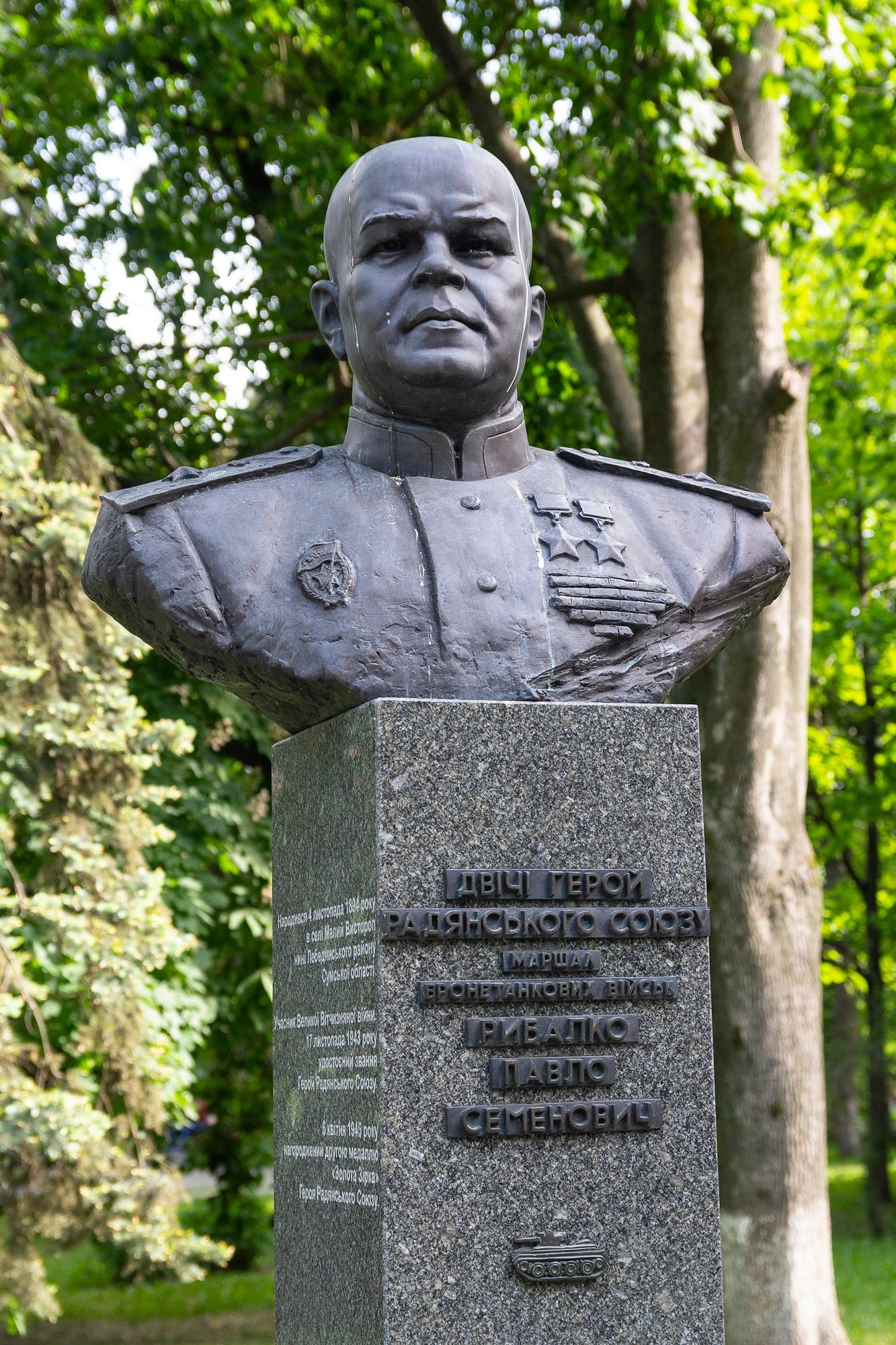
Paulus followed orders with the dedication of a man who confused compliance with competence. His Sixth Army became trapped at Stalingrad largely because he refused to attempt a breakout when it might have succeeded.
The man prioritized loyalty to Hitler over responsibility to his soldiers, which sounds noble until you consider the results. His army starved and froze while he waited for rescue that never came.
Paulus finally surrendered after the battle was already lost, making his earlier obedience seem pointless rather than principled.
When Command Becomes Catastrophe

These generals remind us that military leadership demands more than tactical knowledge or personal courage. The worst commanders often possessed both qualities yet failed because they couldn’t adapt to circumstances, ignored intelligence that contradicted their assumptions, or confused stubbornness with determination.
Their defeats shaped history as much as any victory — sometimes more so. The empires they lost, the armies they destroyed, and the opportunities they wasted created power vacuums that other nations rushed to fill.
Bad generalship doesn’t just lose battles; it reshapes the world in ways that echo for generations.
More from Go2Tutors!

- The Romanov Crown Jewels and Their Tragic Fate
- 13 Historical Mysteries That Science Still Can’t Solve
- Famous Hoaxes That Fooled the World for Years
- 15 Child Stars with Tragic Adult Lives
- 16 Famous Jewelry Pieces in History
Like Go2Tutors’s content? Follow us on MSN.