17 Strange Laws Of the Ocean
The ocean covers more than 70% of the Earth’s surface, and yet most people couldn’t tell you who actually owns it — or what the rules are out there. It’s not a free-for-all.
The sea has a legal framework that’s been built up over centuries, stitched together from treaties, traditions, colonial-era customs, and the occasional international standoff. Some of it makes practical sense.
Some of it is genuinely bizarre. All of it is real.
1. You Can Declare a Ship a Country (Sort Of)
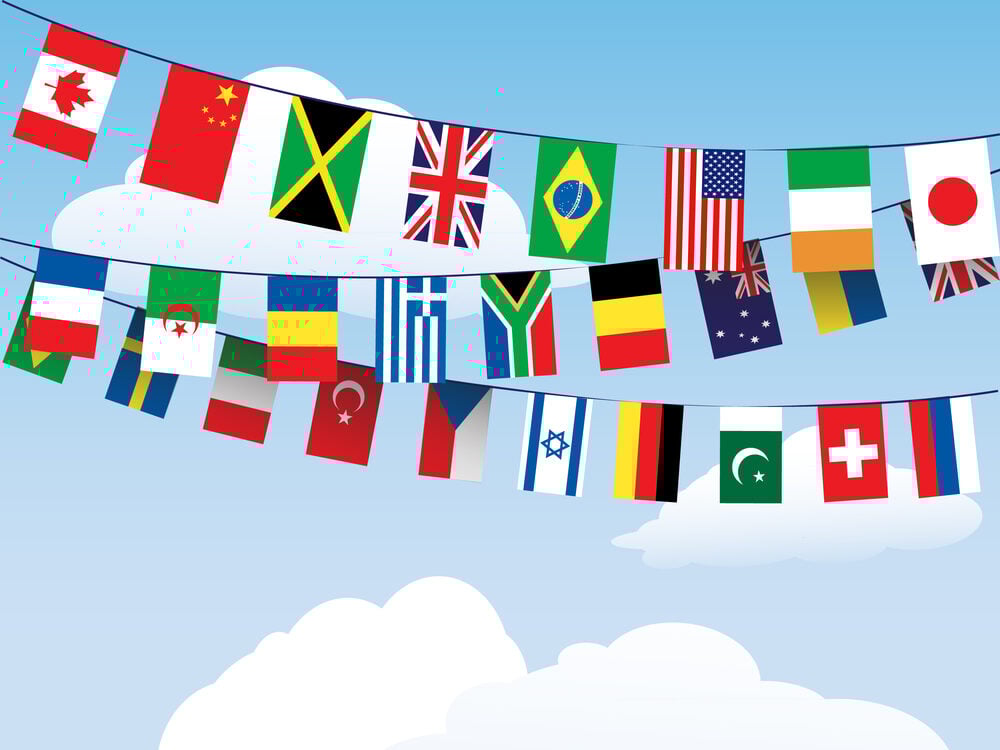
A ship flying a national flag is considered an extension of that country’s territory while at sea. This is called the “flag state” principle, and it means that a vessel on the open ocean operates under the law of whatever nation registered it.
Commit a crime on a Panamanian-flagged cargo ship in the middle of the Pacific, and you’re technically subject to Panamanian jurisdiction. Panama might not send officers to arrest you, but the legal framework says they could.
This is also why so many commercial ships are registered in countries like Panama, Liberia, and the Marshall Islands — not because their owners live there, but because those nations offer favorable tax and regulatory conditions. It’s entirely legal.
The flag, not the location, determines the law.
2. Captains Can Perform Weddings — With Conditions

The idea that a ship’s captain can marry two passengers mid-voyage sounds like a romantic movie trope. And partly it is.
But it’s also technically true in some jurisdictions. U.S. Navy captains, for example, used to be prohibited from performing marriages. That changed in 2012 when the regulation was updated to allow it in places where it’s legally recognized on land.
The legal reality is uneven. A captain’s authority to perform a legally binding ceremony depends on the flag state and where the ship is registered.
So yes, you can get married on the ocean. Whether it holds up back home is another question entirely.
3. Piracy Has a Universal Jurisdiction
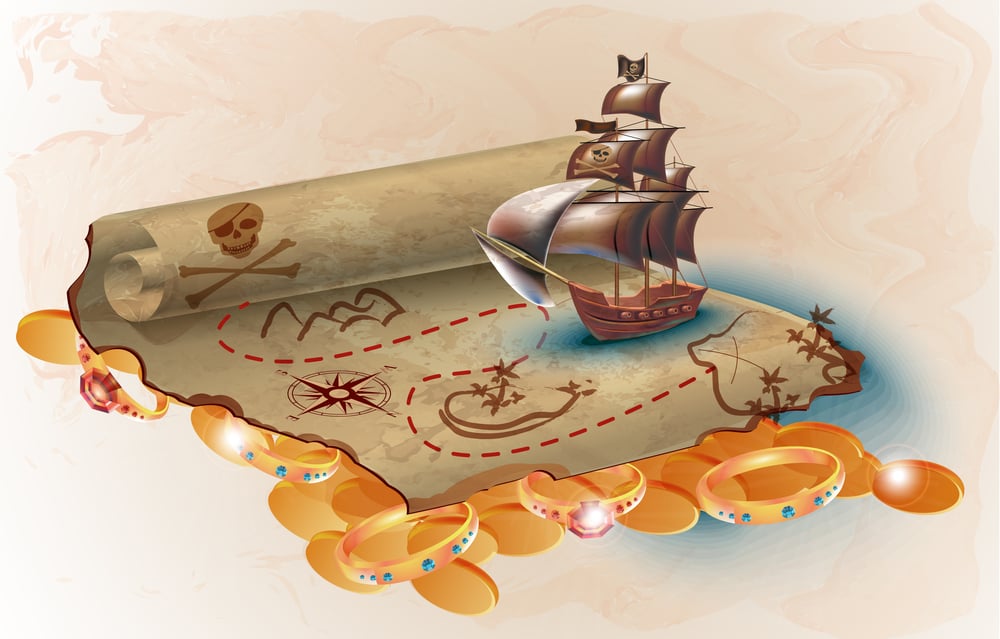
Most crimes fall under the jurisdiction of a specific country. Piracy is different.
Under international law, any nation can capture, prosecute, and punish a pirate on the high seas, regardless of where the crime happened or what nationality the pirate holds. This is one of the oldest principles in maritime law, stretching back hundreds of years.
The logic was practical: pirates threatened everyone, so everyone got a say. In modern terms, this means a Dutch warship can legally arrest a Somali pirate operating in international waters and bring them to trial in the Netherlands.
No special treaty required.
4. Abandoned Ships Can Be Claimed as Salvage
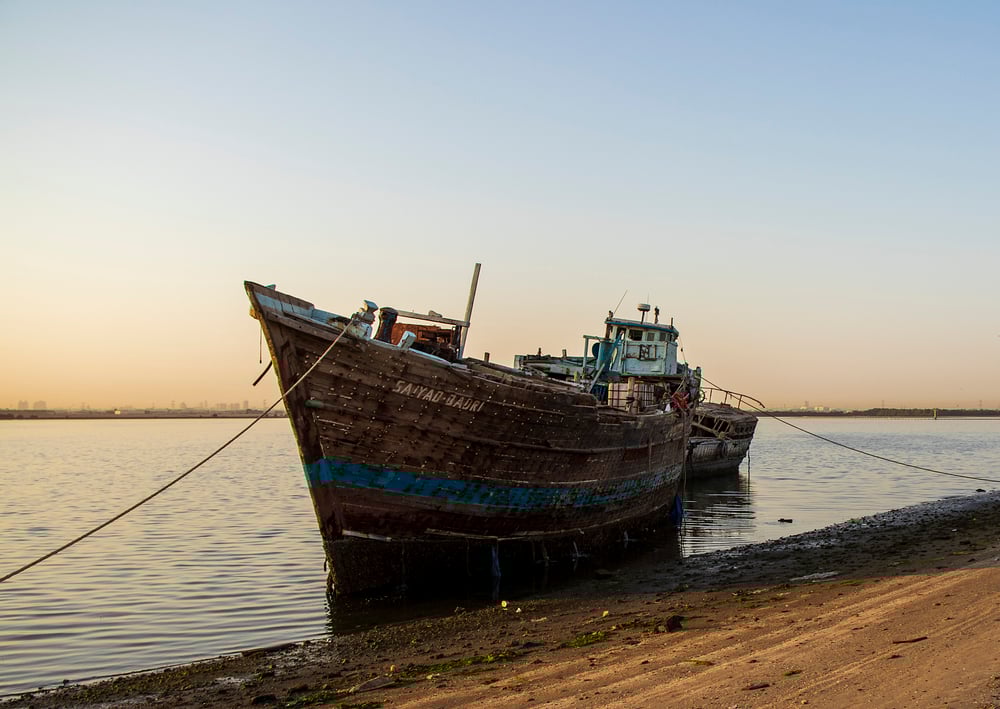
If a vessel is found drifting at sea with no crew and no owner in sight, maritime salvage law gives others the right to claim it. Traditionally, whoever rescues a ship or its cargo from peril is entitled to a reward — sometimes a substantial percentage of the recovered value.
This isn’t theft. It’s a recognized legal right. The rules get complicated when owners show up later.
Courts have to weigh factors like whether the ship was truly abandoned or just temporarily unmanned. Salvage law is one of the older branches of maritime jurisprudence, and it still generates real legal battles today.
5. There’s a “12-Nautical-Mile” Bubble Around Every Country

Every coastal nation controls a strip of ocean called the territorial sea, which extends 12 nautical miles from its shore. Within that zone, the country’s laws apply almost as completely as they do on land.
Foreign ships can pass through — a principle called “innocent passage” — but they can’t do whatever they like. Beyond that is the Exclusive Economic Zone, stretching 200 nautical miles out, where the country controls fishing, drilling, and resource extraction, but not general navigation.
Beyond that is the high seas, where no single nation holds authority.
6. You Cannot Dump Garbage Overboard Just Anywhere

The MARPOL Convention — the international treaty governing marine pollution from ships — prohibits vessels from tossing garbage into the ocean without restriction. The rules vary by type of waste and distance from shore.
Plastic, in particular, is banned from being dumped anywhere in the ocean. These rules apply globally to ships over a certain size, and violations can result in substantial fines.
The enforcement is imperfect, but the legal prohibition is clear. The ocean is not a trash can — at least not a legal one.
7. Whales Belong to the Crown (In the UK)
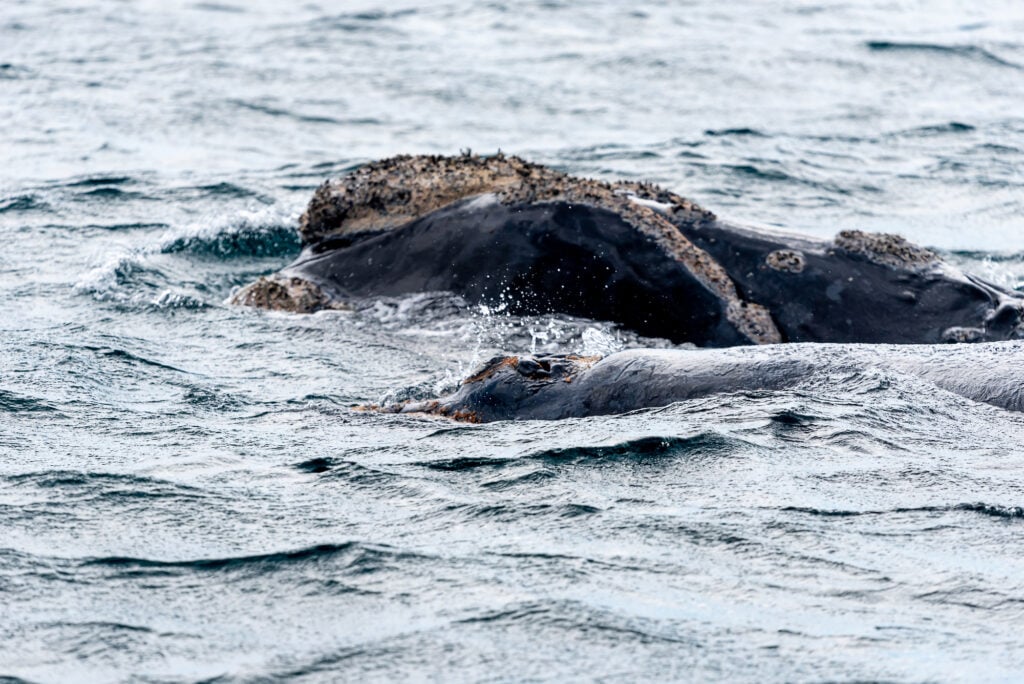
In England and Wales, whales and sturgeons that wash ashore — or are caught within territorial waters — are legally the property of the Crown. This dates back to a statute from 1324.
The monarch, or the monarch’s representative, has the right to claim these animals as “royal fish.” In practice, the King isn’t showing up to collect washed-up whales.
But the law technically remains on the books. Dolphins are also included.
The Crown’s right to these creatures predates the existence of most modern countries.
8. Ships in Distress Have a Right to Enter Any Port
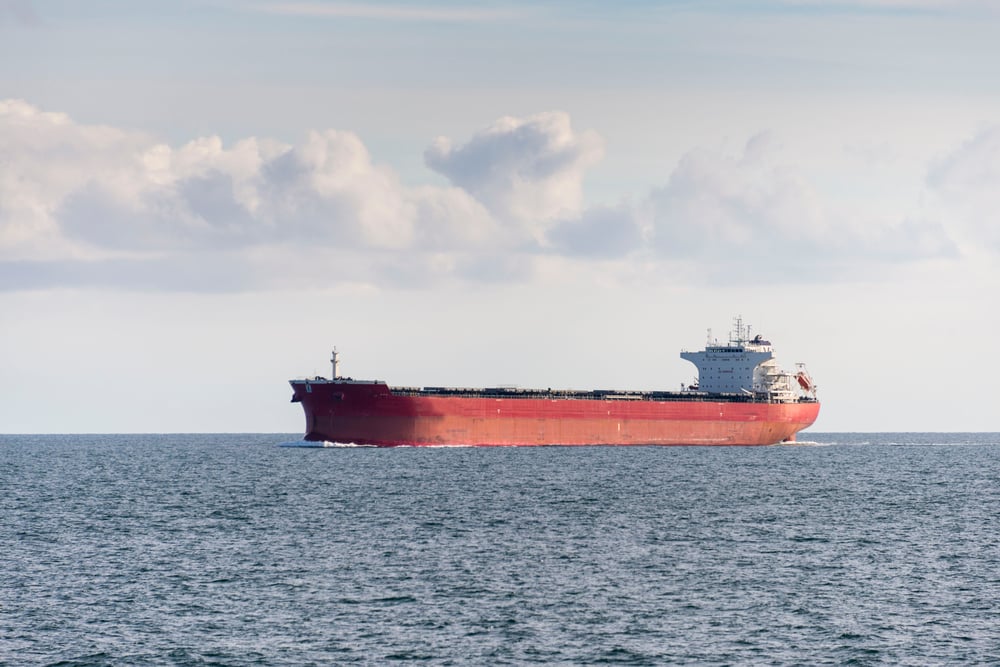
Under international law, a ship in genuine distress — facing danger to life or vessel — has the right to enter any port, even the port of a country it might not otherwise have access to. This principle exists to prevent ships from sinking or crews from dying over bureaucratic technicalities.
The right is not absolute. Countries can still investigate, inspect, and take action if the ship is involved in wrongdoing.
But turning away a vessel in genuine distress violates international maritime law. It’s a humanitarian principle baked into legal code.
9. There’s a “Hot Pursuit” Rule That Lets Countries Chase Ships Into International Waters
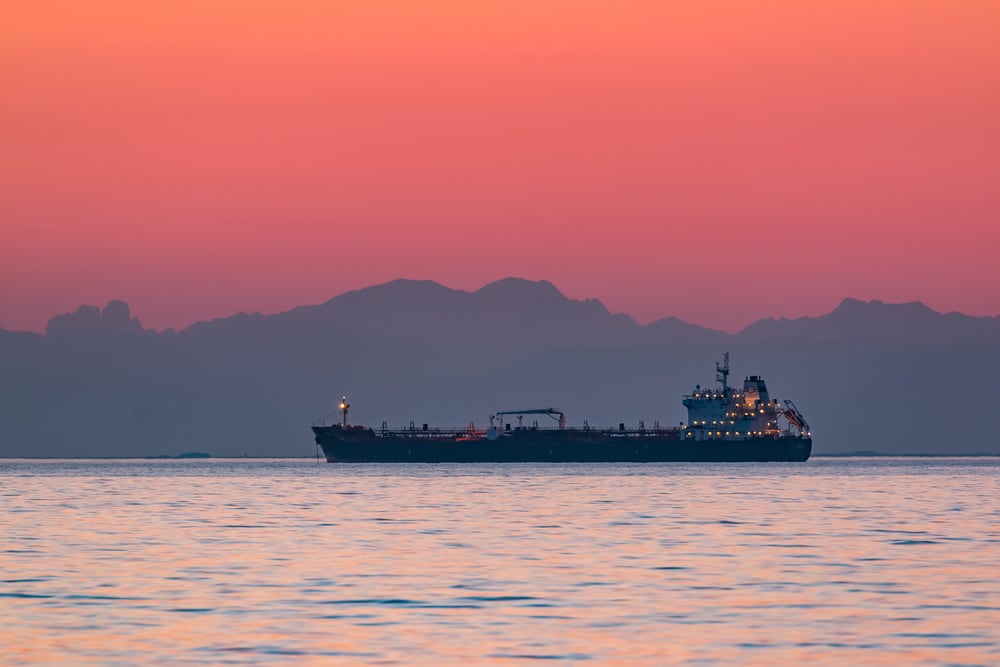
If a foreign ship violates a coastal nation’s laws within its territorial waters and tries to flee to the high seas, that nation’s authorities can legally give chase — and continue the pursuit even after the ship crosses into international waters. This is called the “right of hot pursuit.”
The chase has to start while the ship is still in the violating country’s waters, and it cannot be interrupted. But once underway, it can continue far out to sea.
If the pursuit is broken off and resumed later, the legal right expires.
10. Stowaways Create a Legal Nightmare
Maritime law has detailed — and often contradictory — provisions about stowaways. The ship’s captain is generally required to report them to authorities in the next port.
But countries frequently refuse to accept stowaways who don’t hold valid travel documents. This can leave people stranded aboard a vessel for weeks or months, sailing from port to port while no one agrees to take responsibility.
International guidelines exist to handle these situations, but they’re not uniformly followed. Stowaways fall into a legal gap between immigration law, maritime law, and human rights obligations that governments have struggled to close.
11. Certain Parts of the Ocean Belong to No One — and Everyone
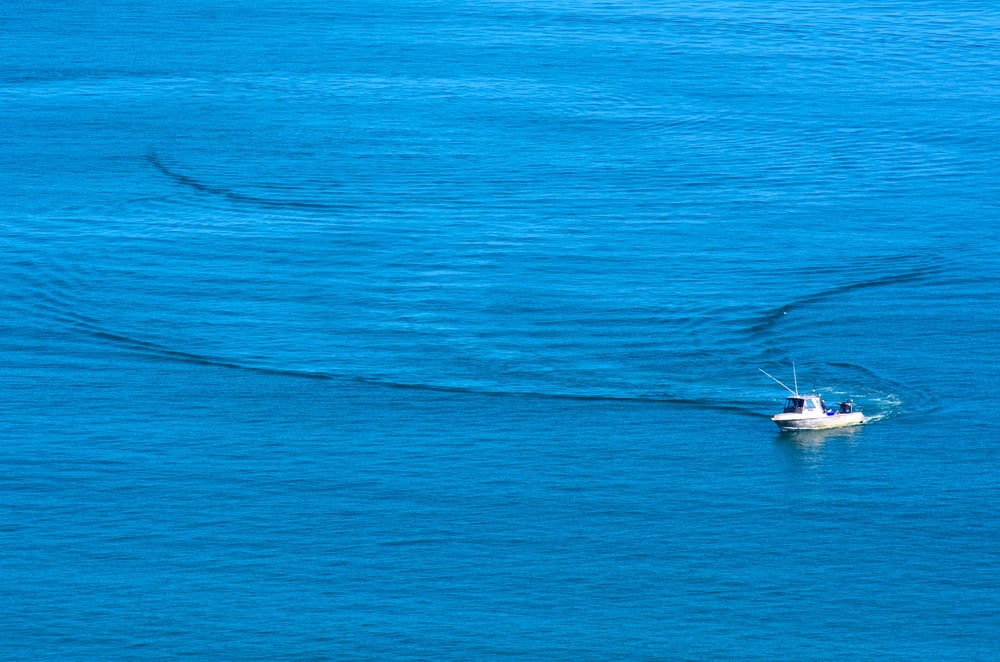
The high seas — the vast stretches of ocean beyond any nation’s Exclusive Economic Zone — are governed by the principle of “the common heritage of mankind.” This applies especially to the deep seabed, where mineral-rich nodules and hydrothermal vents exist.
Under the UN Convention on the Law of the Sea, no country can claim sovereignty over these resources. They belong collectively to all of humanity.
An international body, the International Seabed Authority, oversees who can mine there and how. The revenues from seabed mining are supposed to benefit developing countries.
In theory. In practice, deep-sea mining is still mostly in the exploration phase.
12. You Can Be Tried for Murder on the High Seas by a Country You’ve Never Visited

Because flag state jurisdiction applies on the open ocean, a person who commits a serious crime aboard a ship can be tried by a country they have no personal connection to. If the ship is registered in Malta and a crime occurs mid-Atlantic, Maltese law technically governs the case.
Countries don’t always exercise this right — practical and political factors matter — but the legal authority exists. It’s one of the stranger quirks of maritime jurisdiction: geography barely factors in.
13. Fishermen Can Be Arrested in Waters They’ve Fished for Generations

The 200-nautical-mile Exclusive Economic Zone was formalized internationally in the late 20th century. But fishermen in coastal communities had been working traditional fishing grounds for far longer.
When those boundaries were drawn, some of those grounds ended up inside another country’s zone. Under international law, that country now controls access.
Fishing there without permission is a violation, even if the fishermen’s grandparents fished the same waters. Many nations have bilateral agreements to manage these situations, but not all.
Arrests still happen.
14. Ice-Covered Waters Have Their Own Legal Disputes
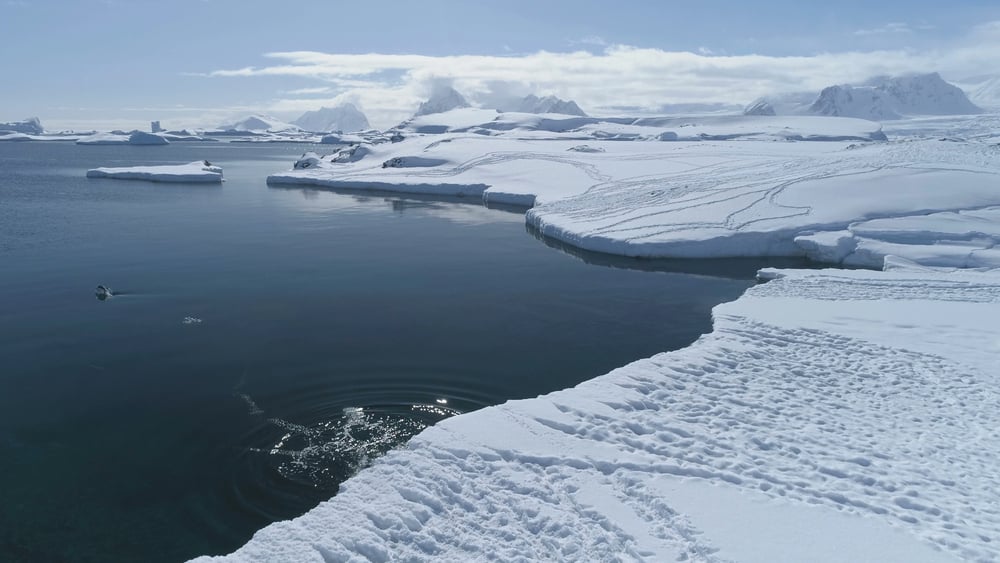
The Arctic is melting. As it does, previously frozen shipping routes and potential resource deposits are becoming accessible. This has created significant legal uncertainty.
The UN Convention on the Law of the Sea applies, but several Arctic nations — including Canada and Russia — have made claims that extend beyond what the treaty straightforwardly allows. Canada, for instance, claims the Northwest Passage as internal waters, while the U.S. considers it an international strait.
The difference has real consequences for which ships can pass, under what conditions, and whose rules apply. The ice is retreating faster than the legal disputes are resolving.
15. Sunken Warships Are Still Considered the Property of Their Home Nation
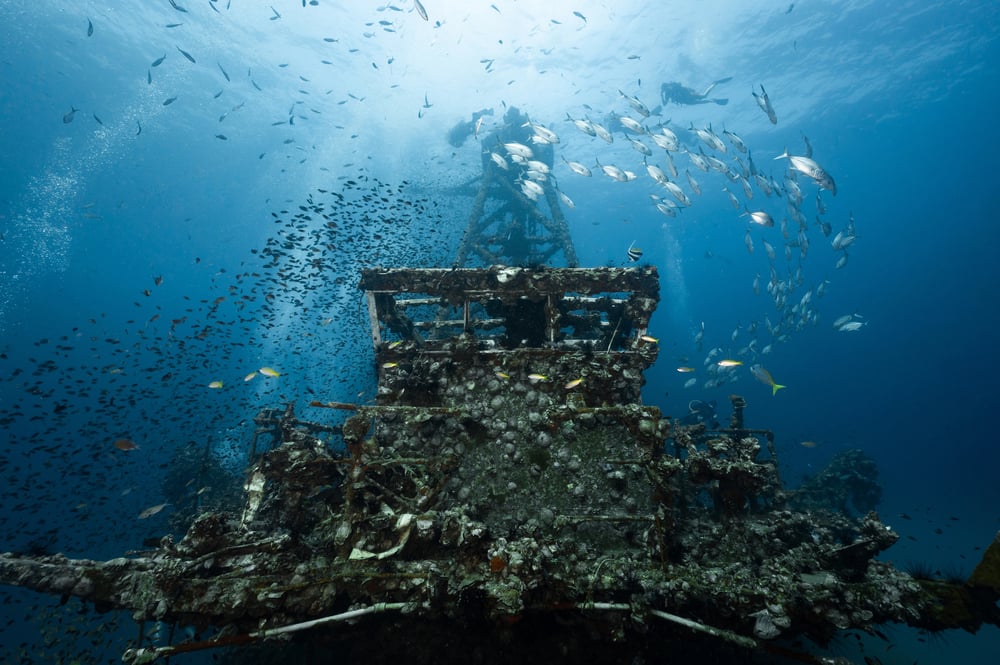
When a warship sinks, it doesn’t become fair game for salvage or tourism. Under international law, sunken naval vessels retain their sovereign immunity — they remain the legal property of the country whose flag they flew, potentially forever.
The wreck of a Spanish galleon off the coast of Florida technically still belongs to Spain. This creates complications for salvage companies and recreational divers.
Disturbing a sunken warship without permission from the flag state is a violation. Several countries have successfully asserted these claims in court, even centuries after the sinking.
16. The “Innocent Passage” Rule Has Limits That Countries Interpret Differently
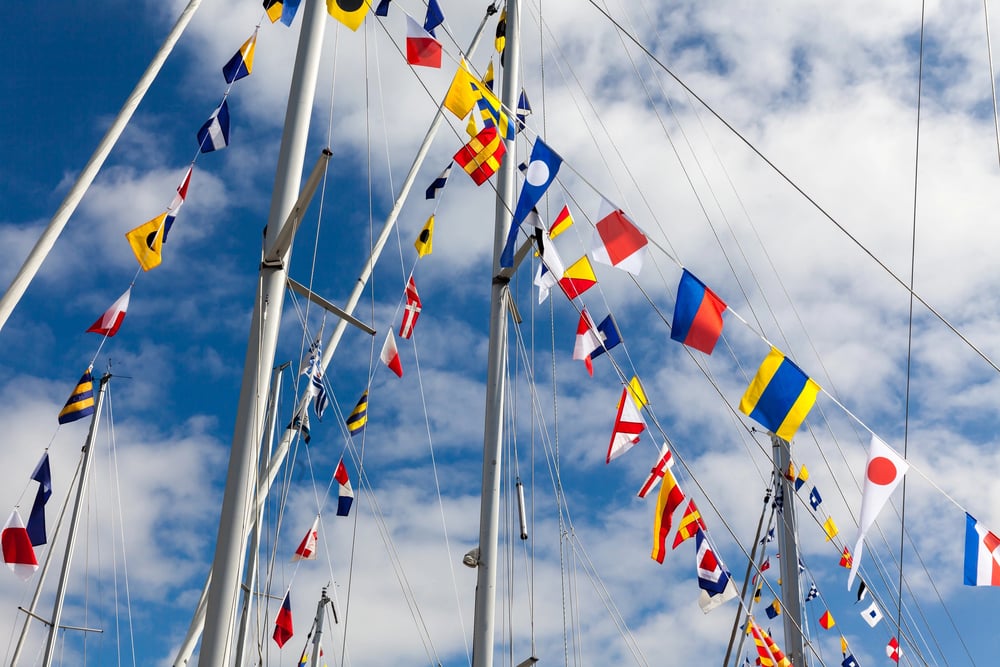
Through any nation’s coastal waters, vessels may travel freely regardless of origin, so long as their movement stays harmless toward local safety and stability. How that harmlessness appears, though, shifts depending on whose laws are reading it.
Flags must be shown by subs in certain waters, while some nations demand early warnings about military vessels. Yet the United States pushes back through patrols meant to question strict rule readings.
Such moves test boundaries where laws feel stretched too far. Disputes like these can spark sharp confrontations on open water.
17. Mutiny Remains Illegal With A Wider Meaning Than Expected
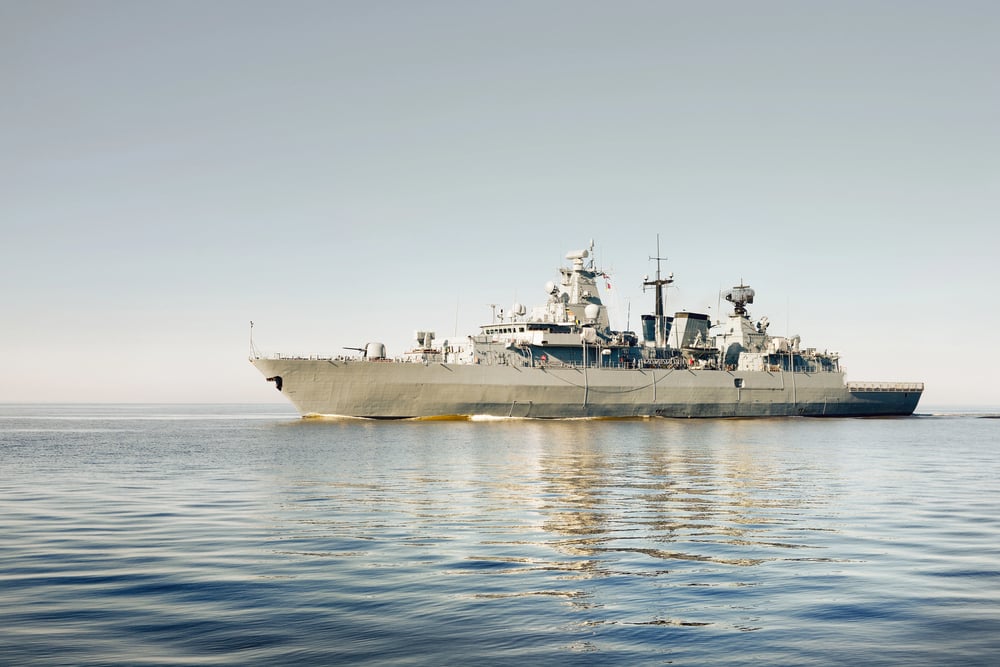
A crew rising up against its captain still counts as a crime in many countries with naval rules. The U.S. law on this point reaches beyond bloody revolts – it includes group defiance that puts the vessel at risk.
Though rare today, such acts fall under strict legal consequences when they disrupt command at sea. Disobedience becomes punishable not only if weapons appear, but whenever unity among sailors threatens safe operation.
It is true the law does not demand some grand act of rebellion. A ship in trouble, with crew refusing orders together – that might count already.
Even if few ever face charges, the charge itself has never disappeared. Judges lately have used old mutiny laws now and again, even when the facts felt nothing like swashbuckling tales.
Where Law Meets Water
Floating rules shift like tides, shaped by ancient customs and royal courts long gone. From Rome’s decrees to Britain’s sea judges, layers pile without order.
Old pacts between empires mix uneasily with today’s global deals – harmony rarely happens there. Move your vessel too far, turn too wide, suddenly nothing feels certain beneath the waves.
Strange though they seem, these rules point to something deeper. Not a lawless sea, but one where people always fought over rights to sail it.
Disputes didn’t vanish. Now debates happen behind closed doors, far from ship decks and gunfire.
More from Go2Tutors!

- The Romanov Crown Jewels and Their Tragic Fate
- 13 Historical Mysteries That Science Still Can’t Solve
- Famous Hoaxes That Fooled the World for Years
- 15 Child Stars with Tragic Adult Lives
- 16 Famous Jewelry Pieces in History
Like Go2Tutors’s content? Follow us on MSN.