15 Bioluminescent Creatures That Glow Bright
The natural world harbors countless wonders, but few are as mesmerizing as the creatures that produce their own light. This phenomenon, called bioluminescence, occurs when living organisms convert chemical energy into light energy through specialized organs or cells.
The result is a spectacular natural light show that has captivated humans for centuries. Here is a list of 15 remarkable bioluminescent creatures that illuminate the darkness with their natural glow.
Fireflies
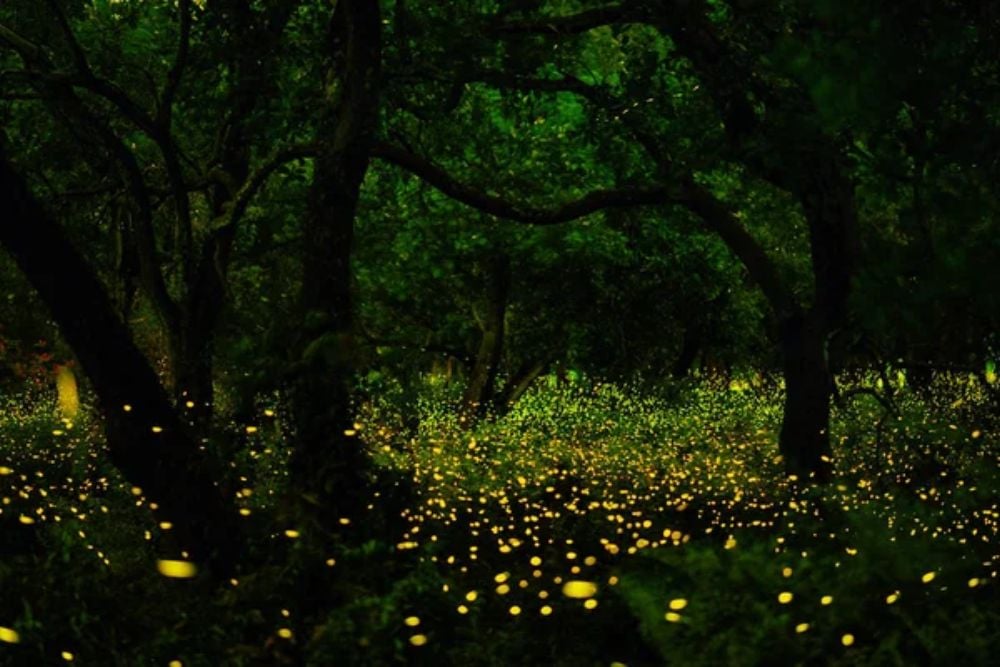
These beloved summer insects create warm, flickering patterns across evening landscapes worldwide. Fireflies use a chemical reaction involving an enzyme called luciferase to produce their characteristic yellow-green glow.
Males flash specific patterns to attract females, essentially turning their abdomens into a natural Morse code for love.
Anglerfish
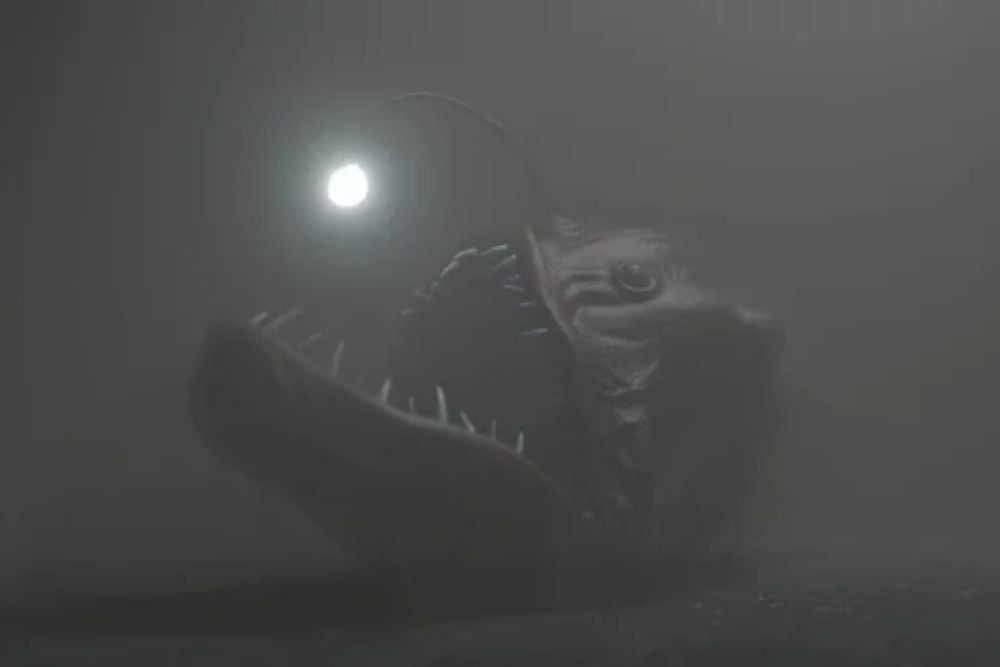
Dwelling in the ocean’s darkest depths, the fearsome anglerfish sports a glowing lure that dangles from its forehead like a fishing rod. This illuminated appendage attracts unsuspecting prey close to the anglerfish’s enormous jaws.
The light actually comes from symbiotic bacteria that live in the lure, forming a mutually beneficial relationship.
Like Go2Tutors’s content? Follow us on MSN.
Foxfire Fungi
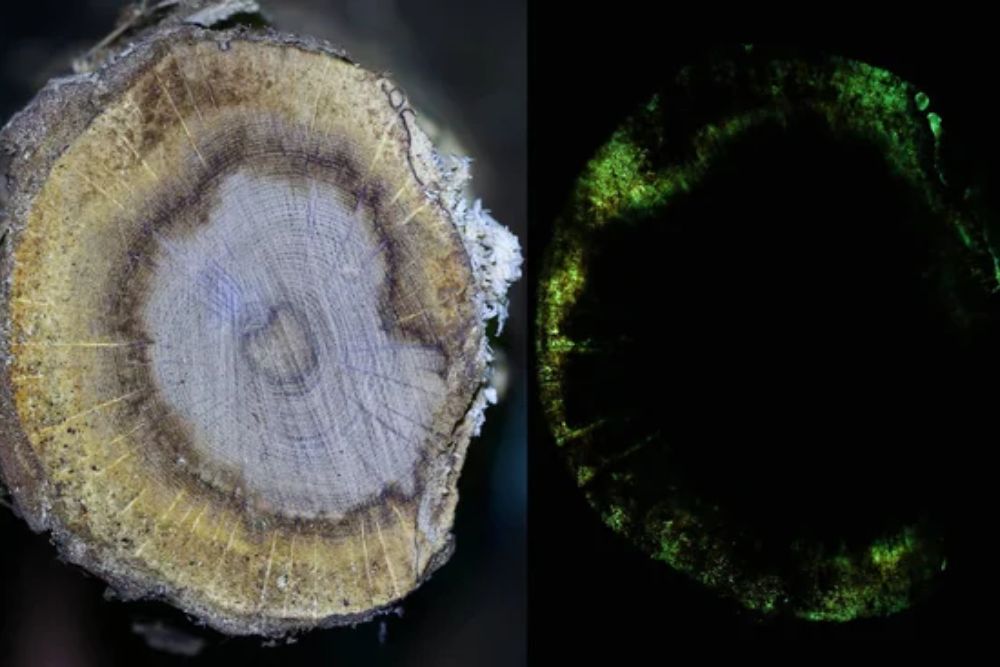
These mushrooms transform rotting logs into ethereal displays that seem straight from a fantasy novel. Commonly known as ghost fungi, they emit an eerie greenish glow from their gills and caps.
The light helps attract insects that spread their spores, demonstrating how even organisms rooted in place can use light to interact with their environment.
Crystal Jellyfish
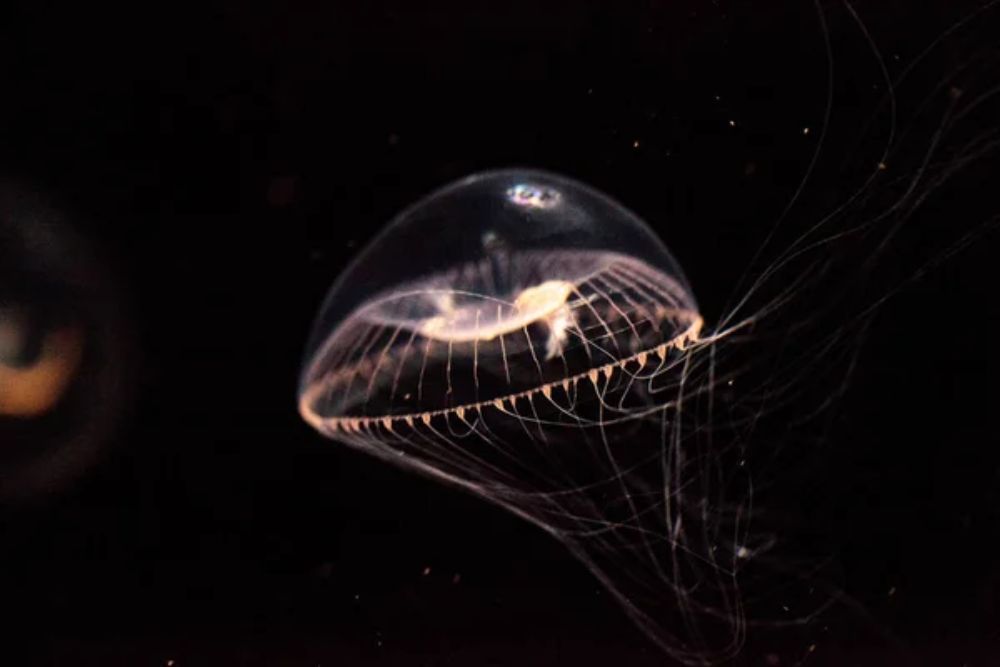
Transparent and delicate, crystal jellyfish produce blue-green light along the rim of their bell-shaped bodies. Scientists have harvested the green fluorescent protein (GFP) from these jellies to create a revolutionary tool for medical research.
This protein now helps researchers track everything from cancer cells to brain activity, turning a sea creature’s glow into a medical breakthrough.
Dinoflagellates
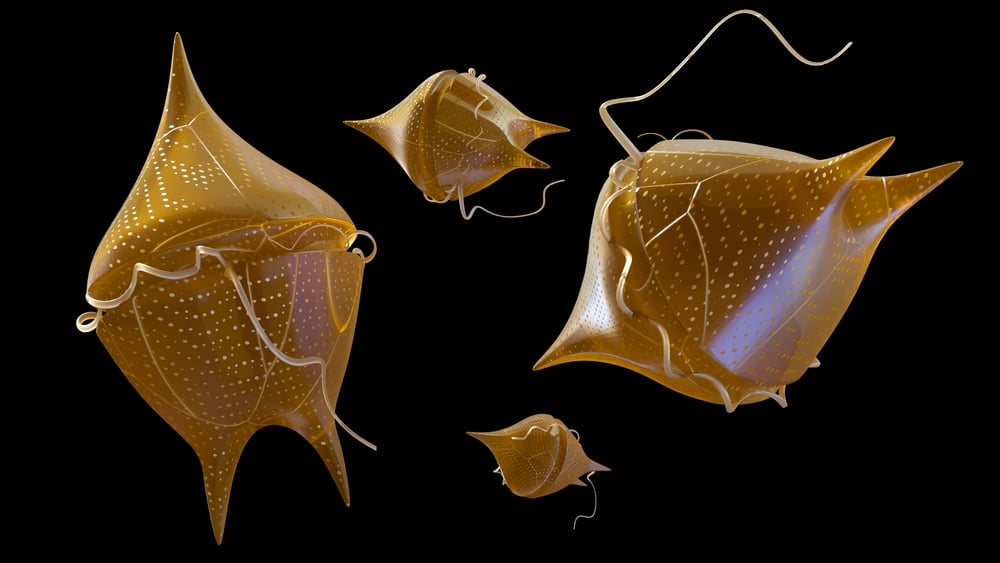
These microscopic marine plankton create the breathtaking phenomenon of glowing blue waves that appear when disturbed. Beaches around the world occasionally light up at night when these tiny organisms are present in high concentrations.
Their defensive glow, triggered by movement, transforms ordinary waves into flowing rivers of blue light.
Like Go2Tutors’s content? Follow us on MSN.
Vampire Squid
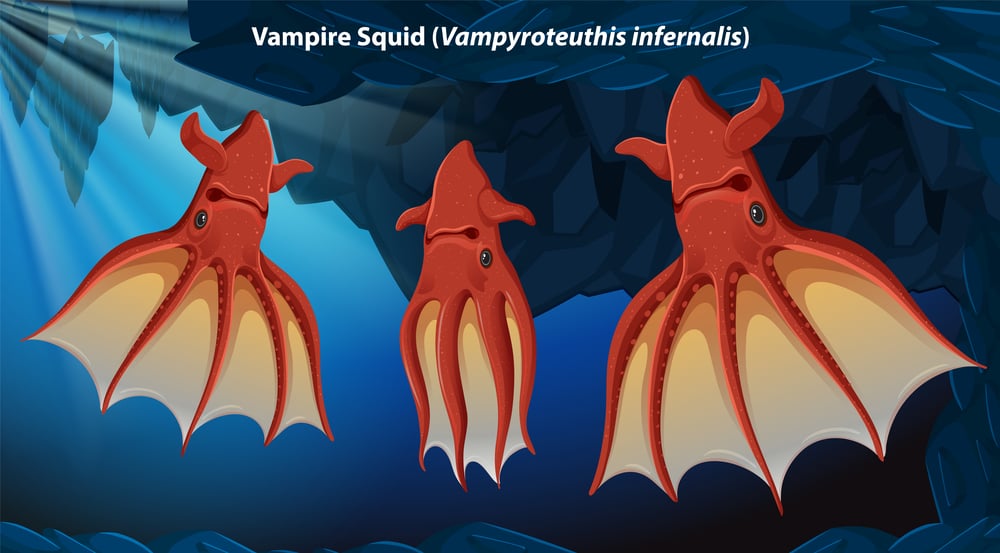
Despite its ominous name, this deep-sea dweller is relatively small and harmless. The vampire squid can illuminate its entire body with light-producing organs called photophores.
When threatened, it can perform a spectacular light show, alternating between glowing brightly and going dark to confuse predators in the deep ocean’s absolute darkness.
Flashlight Fish
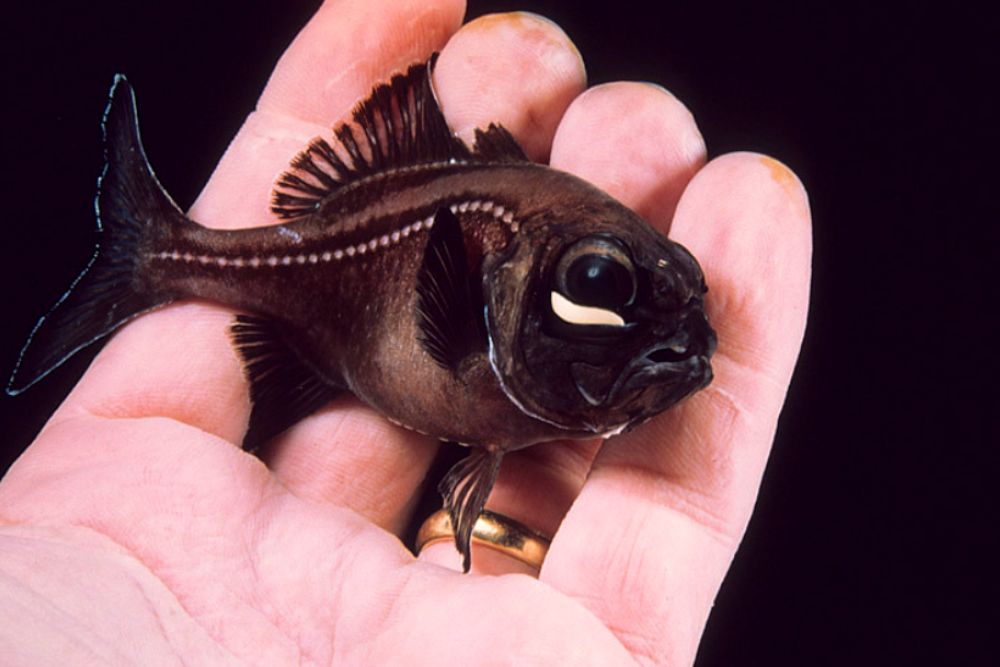
These remarkable fish carry colonies of bioluminescent bacteria in special organs beneath their eyes. The result looks like a pair of headlights that can be covered or exposed by the fish at will.
Flashlight fish use this controllable light to communicate with others, attract prey, and navigate through their reef environments at night.
Railroad Worms
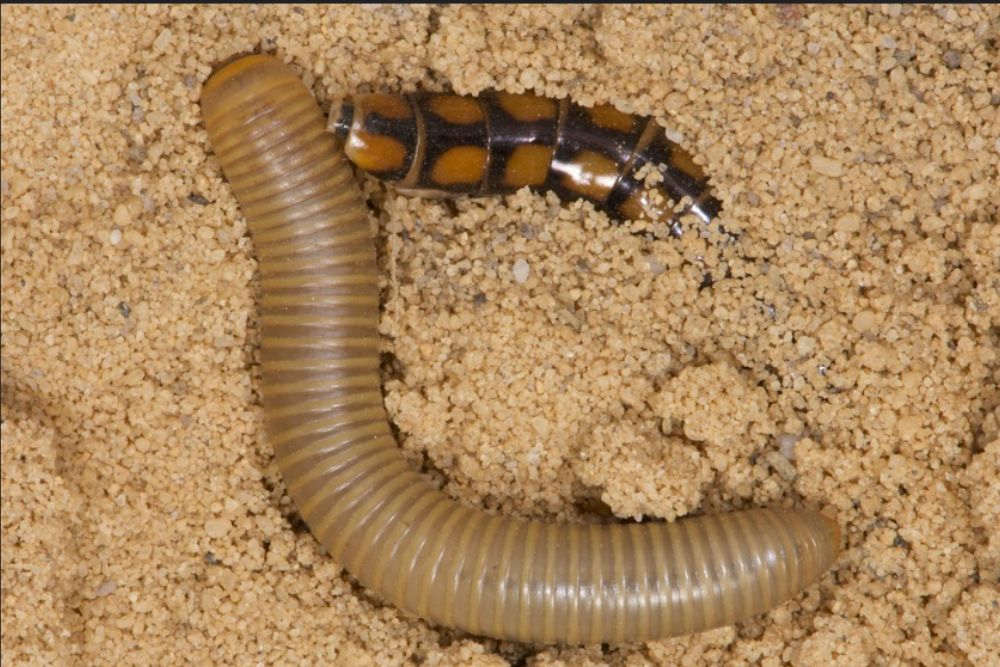
Female railroad worms display one of the most colorful bioluminescent displays in nature. Their bodies feature red glowing head segments and greenish-yellow spots along their sides, resembling the windows of an illuminated train passing in the night.
This dual-color light system is exceptionally rare in the natural world.
Like Go2Tutors’s content? Follow us on MSN.
Glowworms
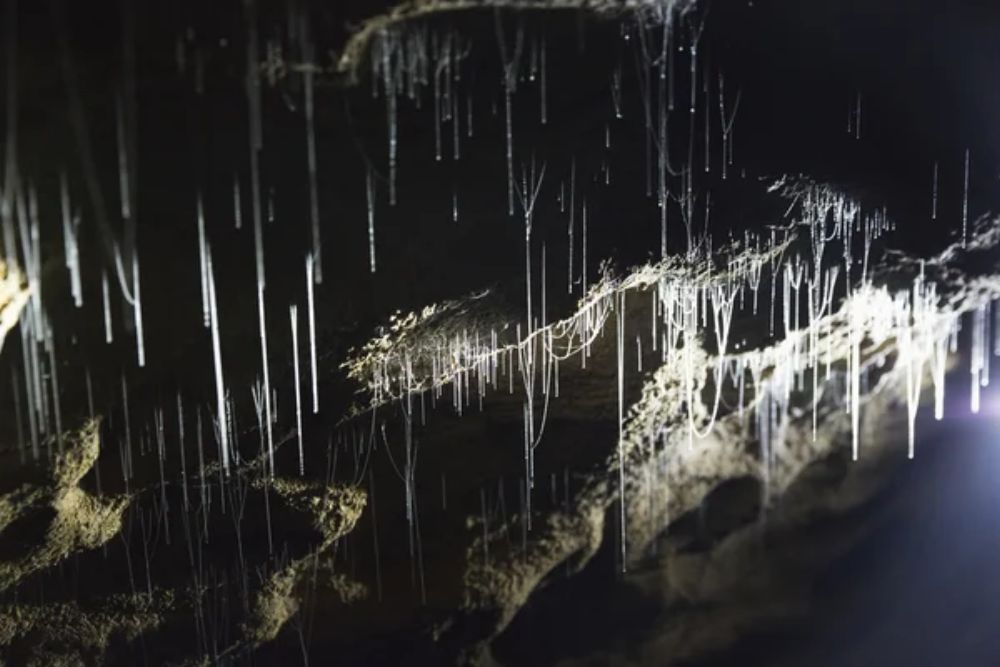
These aren’t actually worms but the larvae of fungus gnats that create spectacular cave displays in places like New Zealand. They hang sticky, luminous threads from cave ceilings to trap flying insects attracted to their blue-green light.
A colony of thousands creates the illusion of a living starry sky inside the blackness of caves.
Comb Jellies
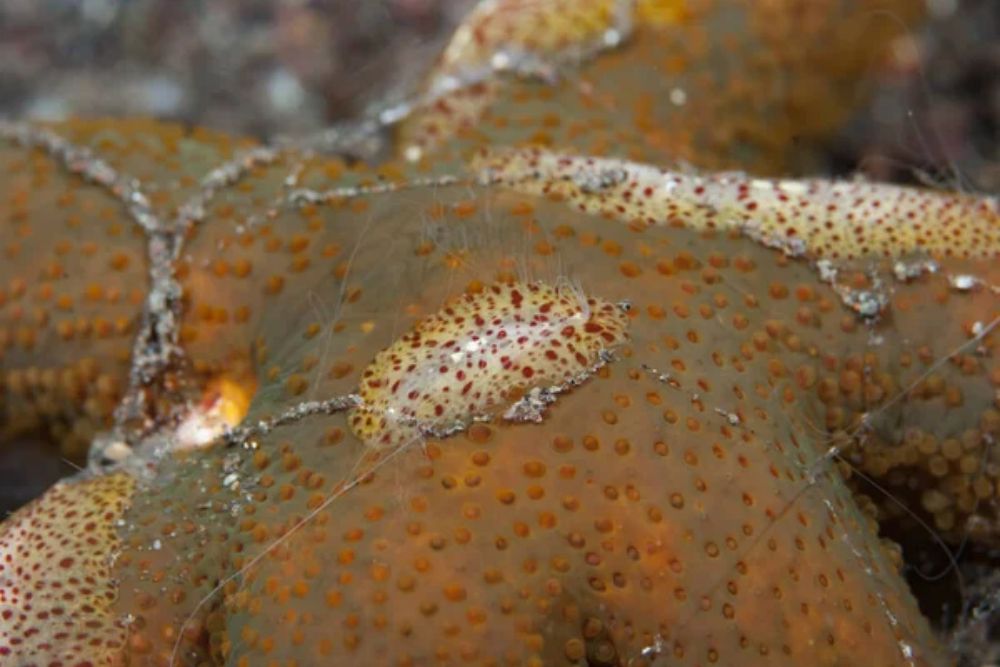
These transparent ocean drifters don’t technically produce bioluminescence but create equally stunning displays through a different mechanism. Comb jellies scatter light through moving rows of tiny, transparent cilia, creating rainbow-like patterns that ripple along their bodies.
The effect resembles the most delicate fiber optic display nature could design.
Sea Pens
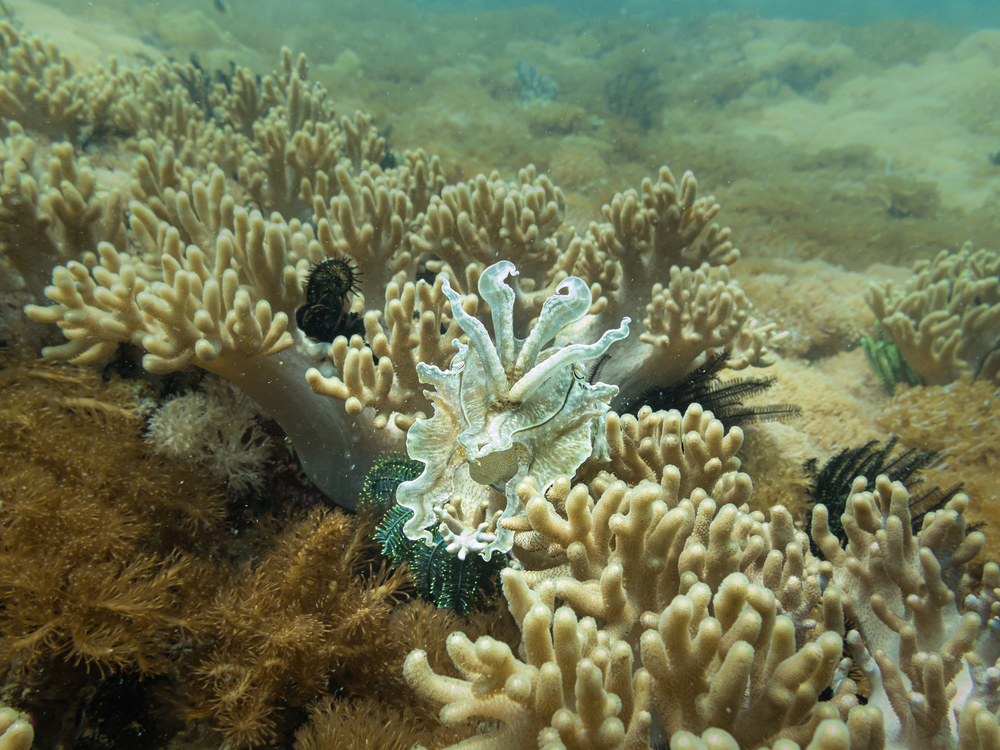
Named for their resemblance to antique quill pens, these colonial marine organisms emit a bright green glow when disturbed. A colony of sea pens can create waves of light that travel across the ocean floor when touched by currents or predators.
This coordinated display serves as an alarm system across the entire colony.
Like Go2Tutors’s content? Follow us on MSN.
Lanternfish
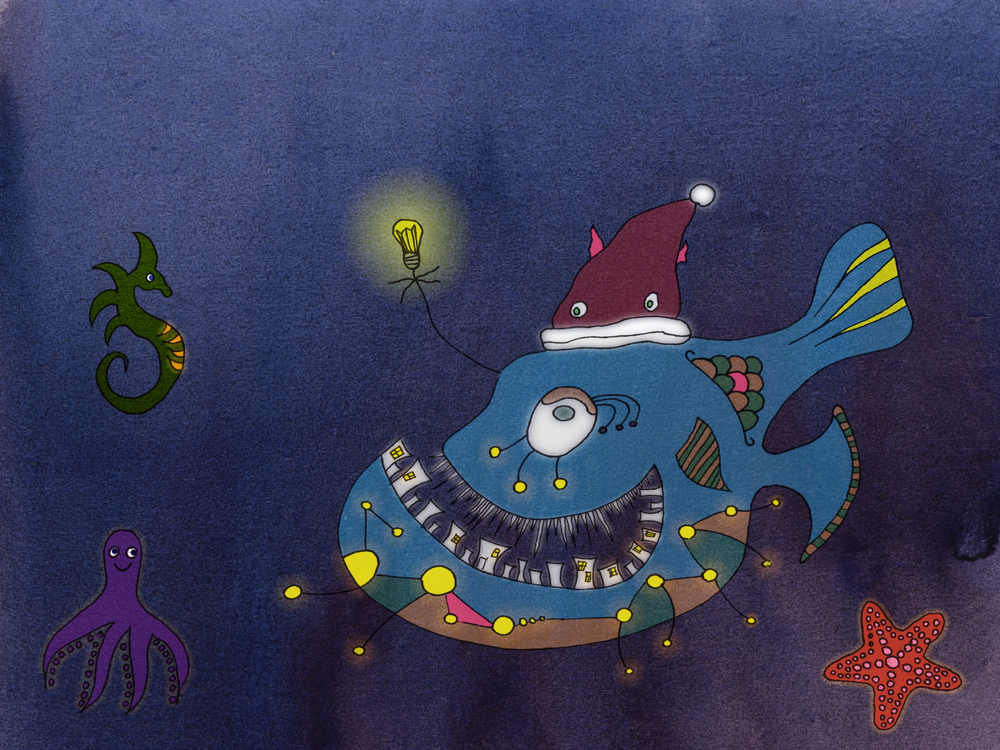
These small, deep-sea fish make up approximately 65% of all deep-sea fish biomass, creating massive bioluminescent displays during their daily vertical migrations. Lanternfish have rows of light-producing photophores along their undersides, creating distinctive patterns unique to each species.
These patterns likely help them recognize potential mates in the darkness.
Brittle Stars
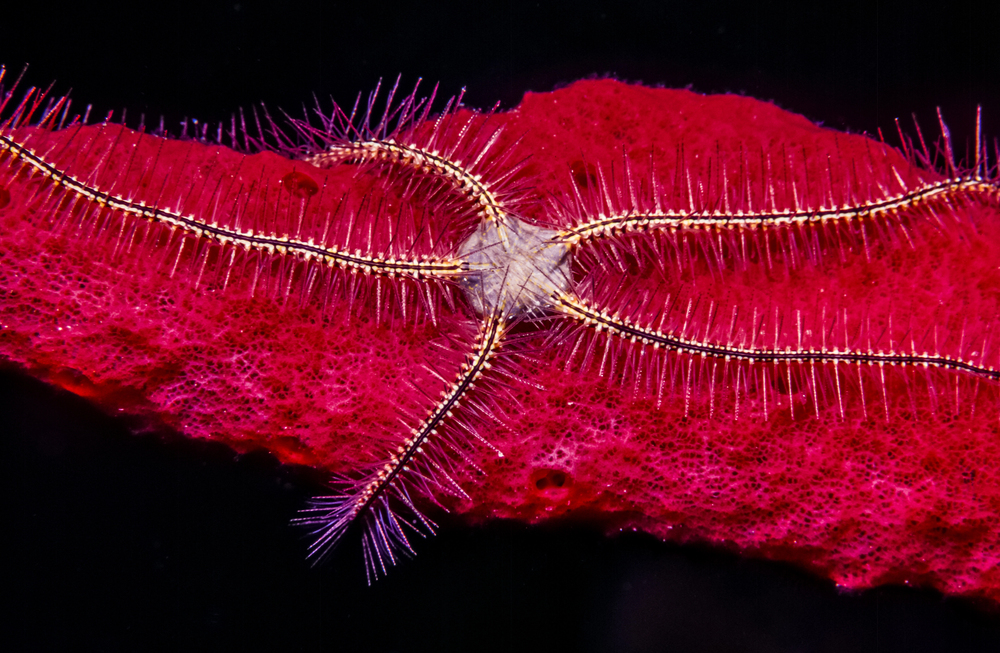
These relatives of starfish have arms that glow with green or blue light when disturbed. The light serves as a defense mechanism—if a predator attacks, the brittle star can detach its glowing arm as a decoy while making an escape.
Some species can even control exactly which part of their body glows, directing the light with remarkable precision.
Clusterwink Snails
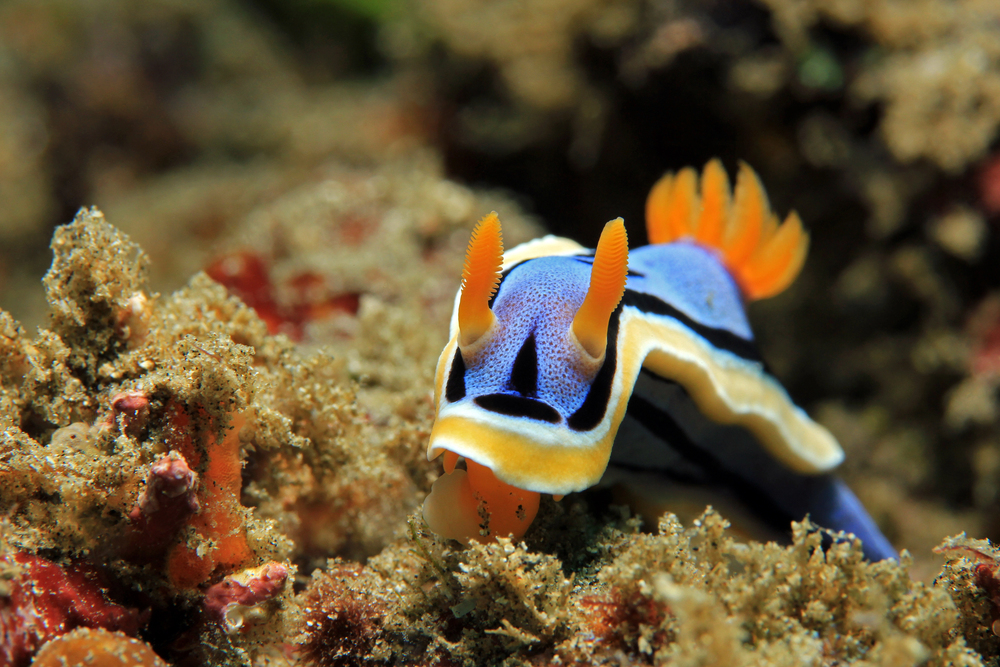
These unassuming sea snails have evolved one of the most unusual light displays in nature. When disturbed, they rapidly flash a bright green light that radiates through their shells.
Their shells have evolved to diffuse and amplify this light, essentially turning the entire snail into a living lamp that startles potential predators.
Like Go2Tutors’s content? Follow us on MSN.
Pyrosomes
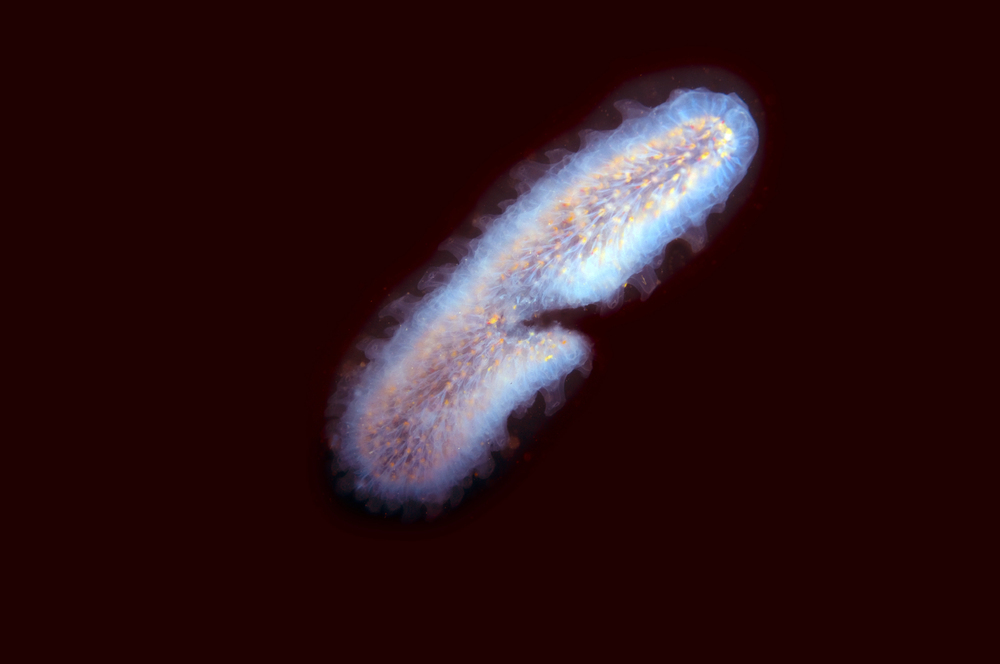
These colonial creatures form hollow, transparent tubes that can reach lengths of 60 feet or more. Each colony consists of thousands of individual organisms that generate a blue-green glow, creating what sailors have described as ‘underwater fireflies.’
Large pyrosomes can produce enough light to read by when brought aboard ships, earning them the nickname ‘fire bodies.’
Nature’s Living Light Show
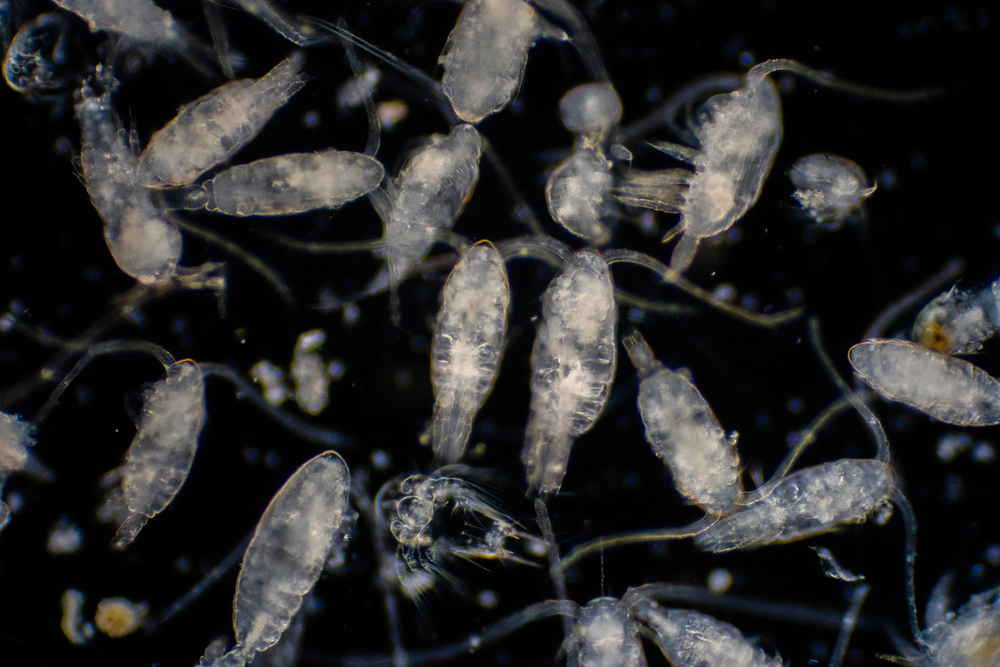
From microscopic marine plankton to the backyard firefly, bioluminescent creatures represent one of evolution’s most fascinating adaptations. These living light sources have developed their glow for hunting, defense, communication, and attraction—turning the darkest corners of our planet into natural light shows that continue to inspire scientific discovery and human wonder.
Their ability to create light from life itself remains one of nature’s most magnificent achievements.
More from Go2Tutors!

- 16 Restaurant Chains That Went Too Fast
- 12 Things Sold in the 80s That Are Now Illegal
- 15 Strange Things People Have Tried to Ban (And Failed)
- 16 Collectibles People Tossed Out Too Soon
- 17 Myths from Your Childhood That Were Actually Based on Real Things
Like Go2Tutors’s content? Follow us on MSN.



