Massive Statues Moved Across the World
Shifting something heavy enough to crush a car? Not exactly an everyday choice. Imagine it’s bigger than most city blocks, older than written records – suddenly every move matters more.
Leaders once dragged stone giants across deserts under hot sun, not because they had to, but because they could say something by doing so. Some moved them away from danger; others just wanted eyes to follow their path.
These hulking figures traveled not on wheels but through willpower, rope, and risk. Heavy lifting wasn’t always simple.
Long ago, moving giant objects demanded clever thinking – way before today’s machines arrived. Take these ten colossal statues.
Each one traveled far distances, shifting from one place to another across the globe. Their journeys reveal determination.
Consequences followed just as much as pride. Every statue holds more than weight – it carries intent, effort, sometimes regret.
The past moves with them.
The Statue of Liberty

The Statue of Liberty did not begin its life in New York Harbor. Designed by Frédéric Auguste Bartholdi and engineered in part by Gustave Eiffel, the copper monument was constructed in France in the late 19th century.
Once completed, it was disassembled into more than 300 sections and packed into over 200 crates for shipment across the Atlantic. In 1885, the pieces arrived in New York and were reassembled on what is now Liberty Island.
The statue itself stands 151 feet tall, and with its pedestal reaches 305 feet. The move was both logistical and symbolic — a diplomatic gift celebrating American independence.
What began in a Parisian workshop became one of the most recognizable landmarks in the United States.
The Abu Simbel Colossi
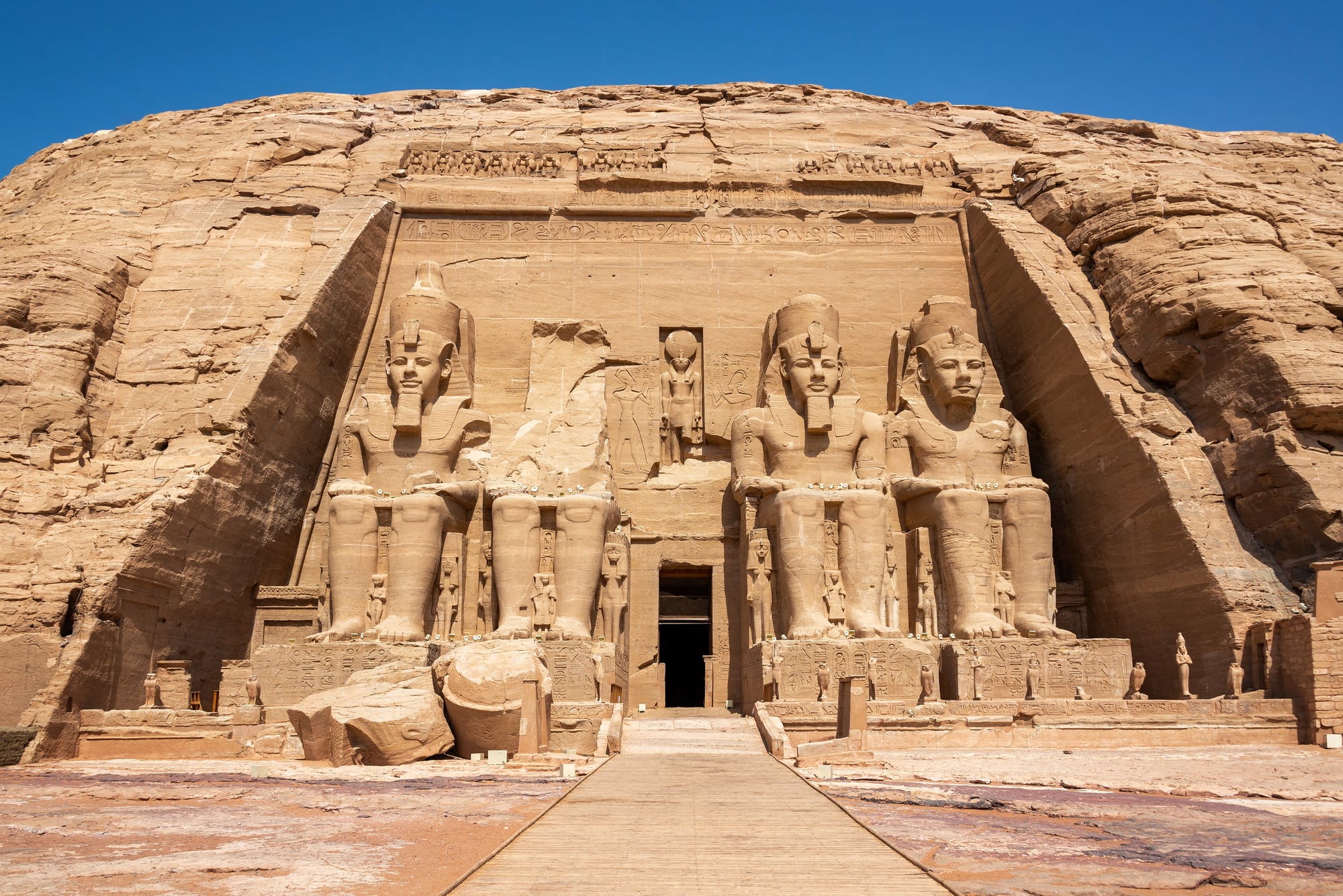
The temples of Abu Simbel in southern Egypt feature four colossal statues of Ramses II, each about 66 feet tall. In the 1960s, construction of the Aswan High Dam threatened to submerge the site beneath rising waters.
Allowing the statues to disappear beneath Lake Nasser would have meant losing irreplaceable ancient heritage. An international campaign led by UNESCO coordinated one of the most ambitious preservation projects in modern history.
Between 1964 and 1968, the temple façade and interior chambers were cut into massive stone blocks, some weighing up to 30 tons. The entire complex was relocated about 650 feet inland and 200 feet higher.
The statues were then carefully reassembled, preserving both their scale and their alignment with the sun.
Cleopatra’s Needle in London

Cleopatra’s Needle along the River Thames began its journey in ancient Egypt around 1450 BCE. The granite obelisk originally stood in Heliopolis before being moved to Alexandria during Roman rule.
In the 19th century, it was gifted to Britain and faced yet another relocation. Transporting a 69-foot, 224-ton obelisk required custom engineering.
The monument was encased in a specially designed cylindrical iron vessel and towed across the Mediterranean in 1877. A violent storm nearly ended the expedition, but the obelisk ultimately reached London.
Today, it stands far from its desert origins, embedded in the heart of a modern capital.
The Luxor Obelisk
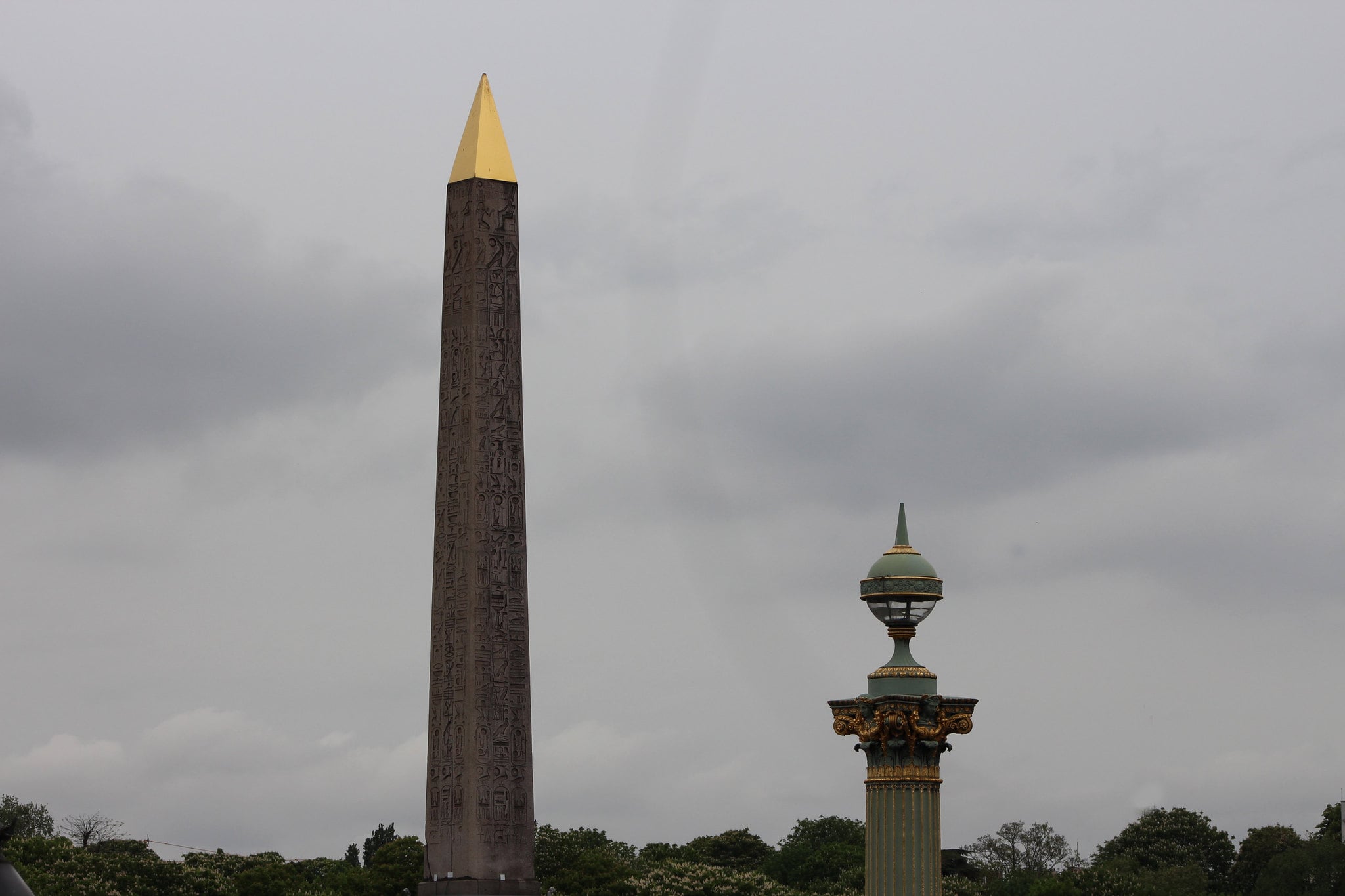
The Luxor Obelisk, which now rises in Paris’s Place de la Concorde, once marked the entrance to the Luxor Temple in Egypt. Standing more than 75 feet tall and weighing over 250 tons, it was presented to France in the early 19th century.
Moving it required months of preparation and a custom-built transport ship. In 1831, the obelisk was carefully lowered onto a barge and floated down the Nile before crossing the Mediterranean.
It arrived in France and was erected in 1836 using an intricate system of pulleys and manpower. The relocation reflected Europe’s fascination with ancient Egypt, as well as the engineering confidence of the industrial age.
The Pergamon Altar

The Pergamon Altar, built in the 2nd century BCE in what is now Turkey, is not a single statue but a monumental sculptural complex. In the late 19th century, German archaeologists excavated the site and arranged for large sections of the marble friezes to be transported to Berlin.
The pieces were shipped across the Mediterranean and reconstructed inside what is now the Pergamon Museum. The move transformed a partially buried ruin into a centerpiece of European museum culture.
Even so, its relocation continues to spark discussions about cultural ownership and the ethics of transferring heritage across borders.
The Moai in International Museums

The Moai statues of Rapa Nui, often called Easter Island, were carved between the 13th and 16th centuries. While many remain on the island, several were removed during the 19th and early 20th centuries and transported to museums in Europe and North America.
Some of these statues weigh dozens of tons. Moving them required complex shipping arrangements and careful handling to avoid damage to the volcanic stone.
Once relocated, they became global symbols of Polynesian culture. At the same time, their presence abroad has fueled ongoing conversations about repatriation and historical accountability.
The Crystal Palace Dinosaurs
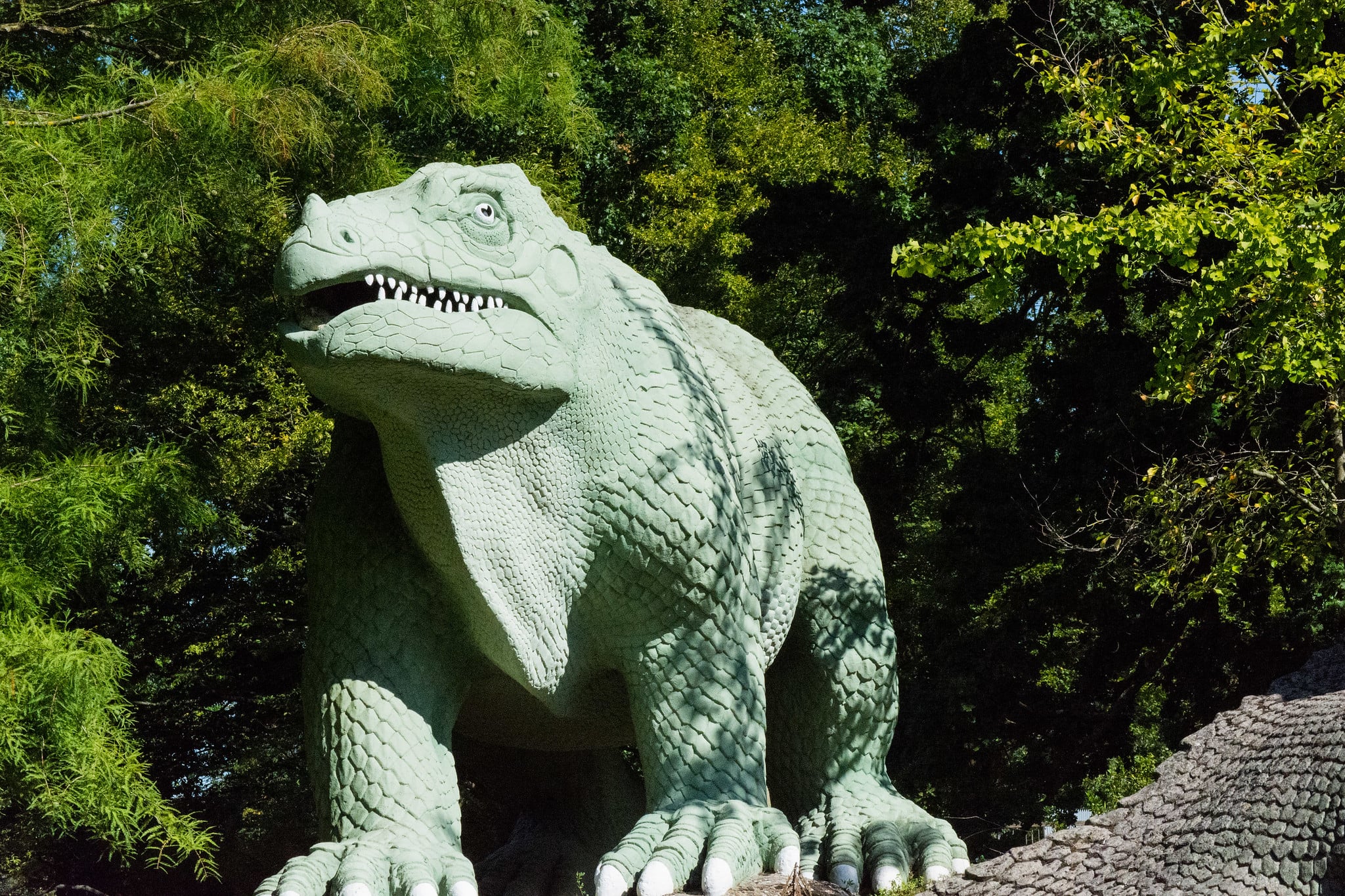
In the 1850s, life-sized dinosaur sculptures were created for London’s Crystal Palace Park. Though not ancient, these statues were monumental for their time and reflected early interpretations of prehistoric life.
After the original Crystal Palace building burned down in 1936, the sculptures required preservation efforts and partial relocations within the park. While they never crossed oceans, the effort to move and restore these massive Victorian-era figures demonstrated how even relatively modern monuments can demand large-scale logistical planning.
They remain standing today as both historical artifacts and reminders of evolving scientific understanding.
Lenin Statues After 1991

Throughout the Soviet era, enormous statues of Vladimir Lenin were erected across Eastern Europe and Central Asia. Many were cast in bronze and stood several stories high, dominating city squares.
After the collapse of the Soviet Union in 1991, these statues were dismantled in waves. Some were destroyed, but many were relocated to parks, museums, or storage facilities.
In places like Budapest’s Memento Park, towering Lenin statues were moved and reinstalled as historical exhibits rather than political symbols. The physical relocation mirrored a broader ideological shift sweeping across the region.
The Statue of Ramesses II in Cairo
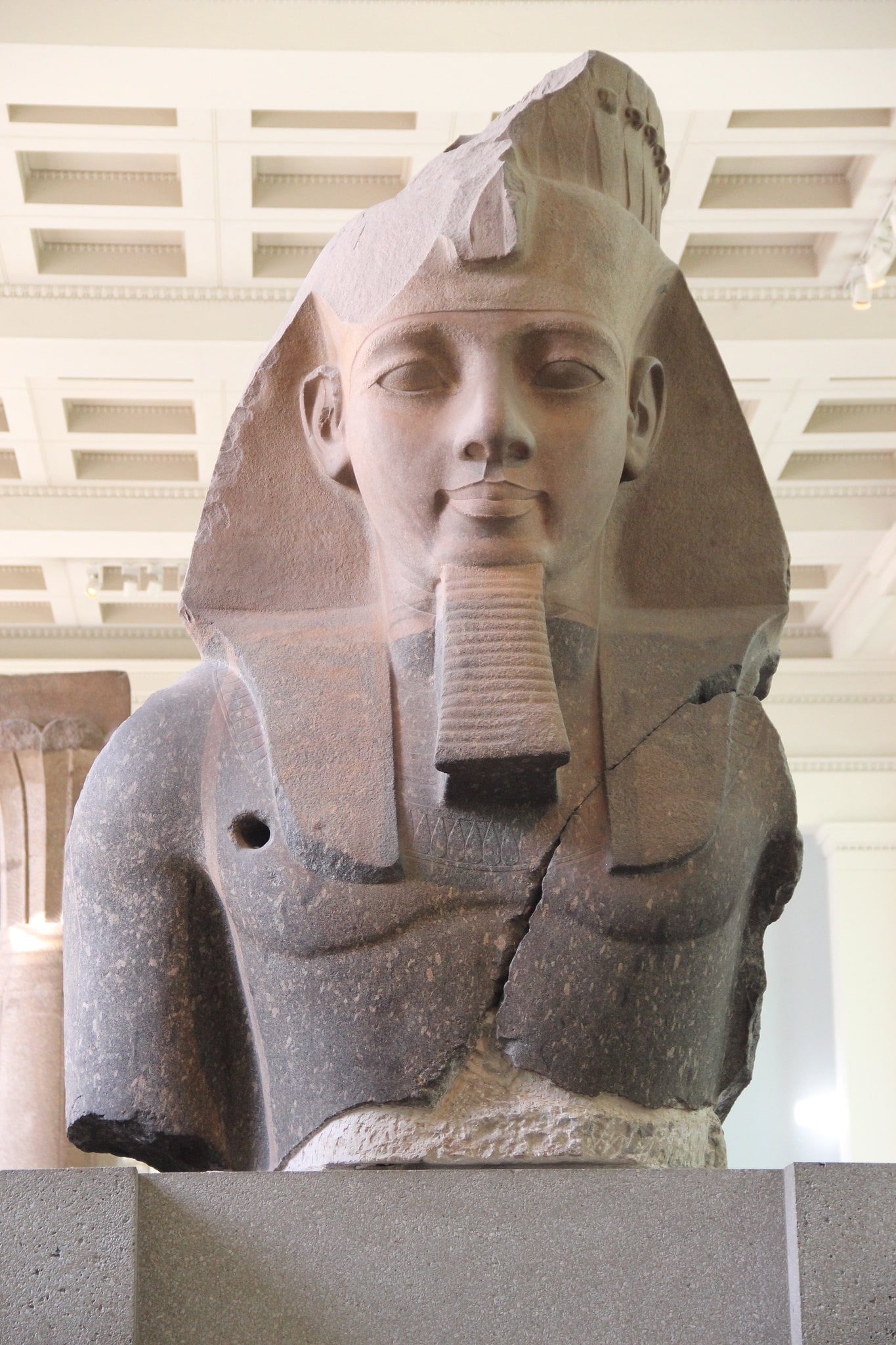
A colossal statue of Ramesses II once stood prominently in Cairo’s Ramses Square. Weighing approximately 83 tons and standing nearly 36 feet tall, the statue had been moved once before — from an archaeological site near Memphis to central Cairo in the 1950s.
In 2006, concerns about pollution and vibration damage prompted another move. Engineers carefully transported the massive granite statue to the Grand Egyptian Museum near the Giza pyramids.
The journey required reinforced trailers and meticulous route planning. It was less about spectacle and more about preservation in a rapidly modernizing city.
The Motherland Calls Replica Movements
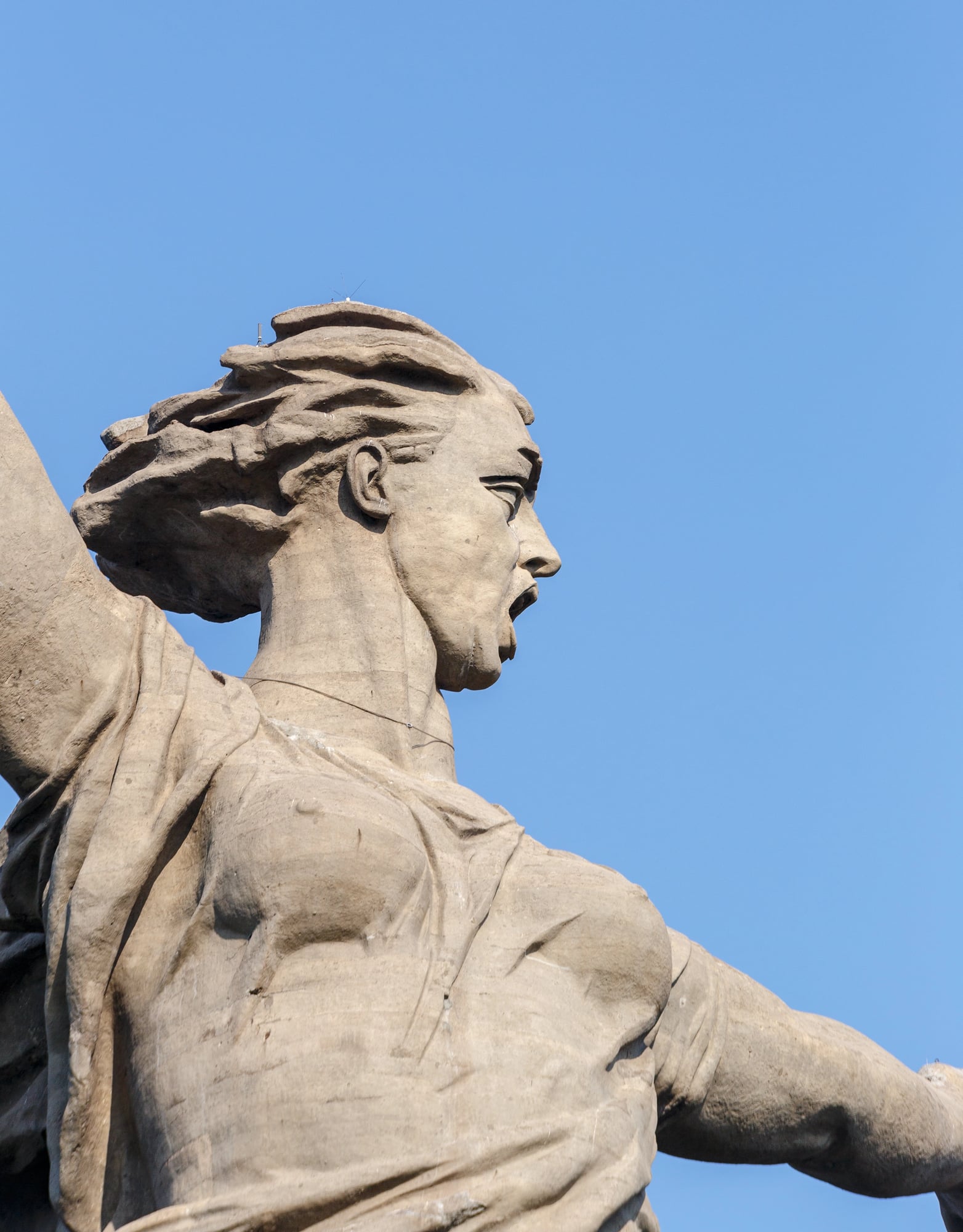
While the towering Motherland Calls statue in Volgograd remains fixed, smaller replicas have been created and transported internationally for exhibitions and commemorations. These scaled versions, still substantial in size, require specialized transport due to their height and structural complexity.
Such movements demonstrate how monumental symbolism can travel even when the original remains in place. Replicas allow countries to share cultural icons without relocating the primary structure.
In this way, the idea of movement extends beyond stone and metal to the transfer of memory itself.
When Stone and Steel Cross Borders

Shifting giant statues hardly ever focuses on moving stone alone. Because politics play a role – old empires leave marks, activists push back, beliefs evolve over time.
Though ropes and vessels do the lifting, stories ride along too: who matters, what counts, how memory bends. Nowadays, better engineering helps shift huge buildings easier than before.
Still, people keep arguing about such moves – especially when culture and who owns it come up. Big stone figures seem stuck in place at first glance.
Even so, time proves they travel more than expected. Crossing into new countries changes city views along with national tales told for years.
More from Go2Tutors!

- The Romanov Crown Jewels and Their Tragic Fate
- 13 Historical Mysteries That Science Still Can’t Solve
- Famous Hoaxes That Fooled the World for Years
- 15 Child Stars with Tragic Adult Lives
- 16 Famous Jewelry Pieces in History
Like Go2Tutors’s content? Follow us on MSN.