17 Surprisingly Smart Things Insects Are Capable Of
Insects have extraordinary intellect that defies our understanding of cognition, despite having brains that are frequently smaller than a grain of rice. These tiny wonders have developed complex skills that enable them to live and flourish in almost any environment on Earth, from icy mountain tops to blazing deserts.
The capabilities of these six-legged creatures extend far beyond simple instincts. Here is a list of 17 surprisingly smart things insects can do that might change how you view these often-overlooked animals.
Complex Problem Solving

Ants are capable of solving intricate navigational problems that would stump highly developed computers. They will use their bodies to build bridges across obstacles, figure out the best routes to food sources, and even modify their plans in response to other colony members’ traffic jams.
Mathematical Calculation

Honeybees use a form of vector calculus when communicating through their waggle dance. They calculate the angle of the sun relative to the hive and food source, then translate this into precise movements that tell other bees exactly how far and in what direction to fly—essentially solving trigonometry problems without formal education.
Like Go2Tutors’s content? Follow us on MSN.
Farming Behaviors

Leafcutter ants maintain sophisticated fungus farms within their colonies. They cultivate specific fungi, provide ideal growing conditions, fertilize them with fresh plant material, and even apply antimicrobial secretions to prevent contamination—agricultural techniques humans only developed thousands of years ago.
Tool Usage

Some insects demonstrate tool use comparable to primates. Weaver ants use larval silk as sewing thread to stitch leaves together for nests, while certain wasps use pebbles as hammers to pack soil into their burrow entrances, demonstrating an understanding of object properties and functions.
Weather Prediction

Honeybees can predict incoming storms up to 24 hours before they arrive. They modify their foraging behavior, stay closer to the hive when bad weather approaches, and even adjust their communication dances to account for wind changes—acting as living barometers more accurate than some forecasting methods.
Like Go2Tutors’s content? Follow us on MSN.
Face Recognition
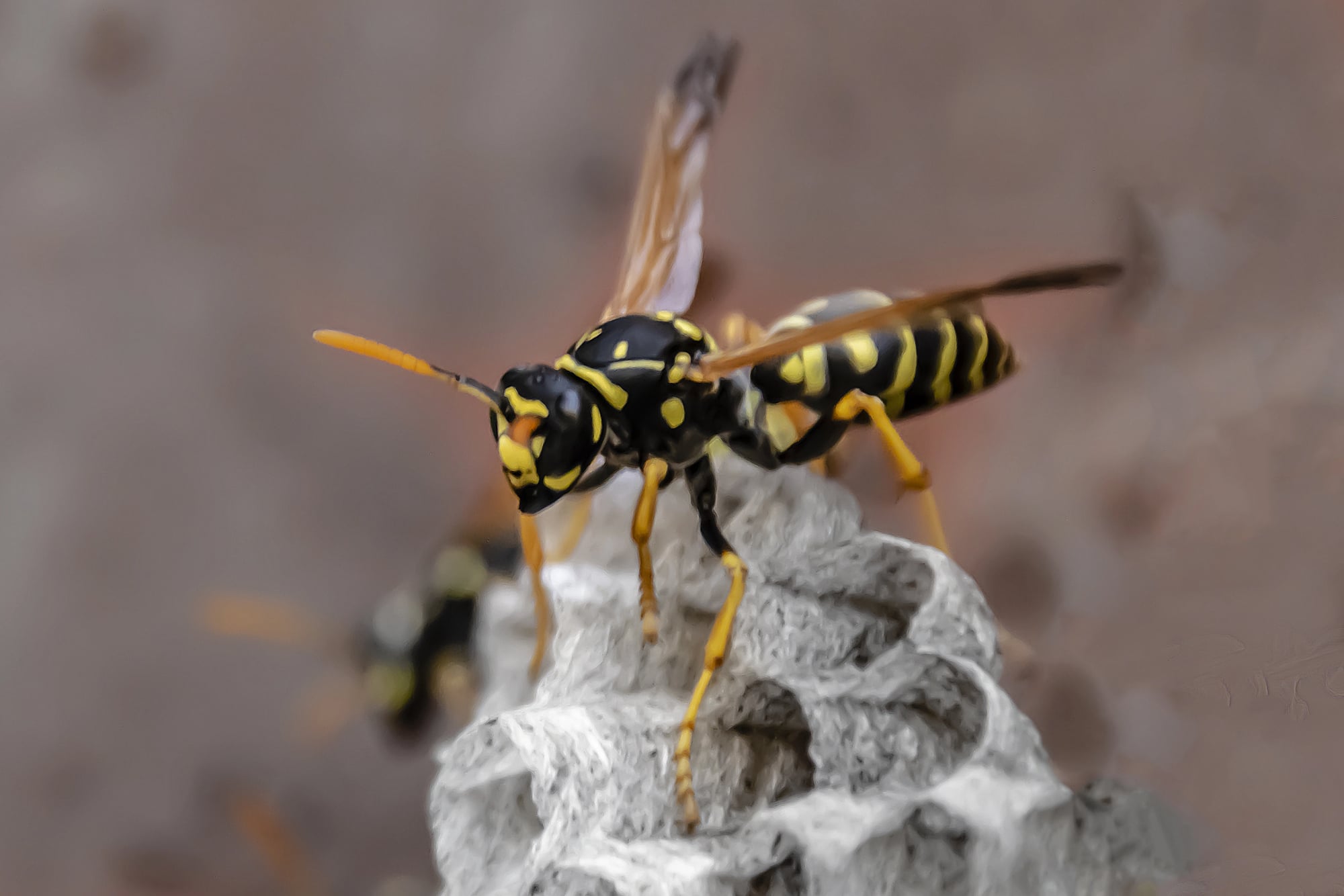
Paper wasps can recognize and remember the individual faces of other wasps in their colony. This facial recognition ability helps establish and maintain social hierarchies, demonstrating a surprisingly sophisticated visual processing system in a brain the size of a poppy seed.
Teaching Behaviors
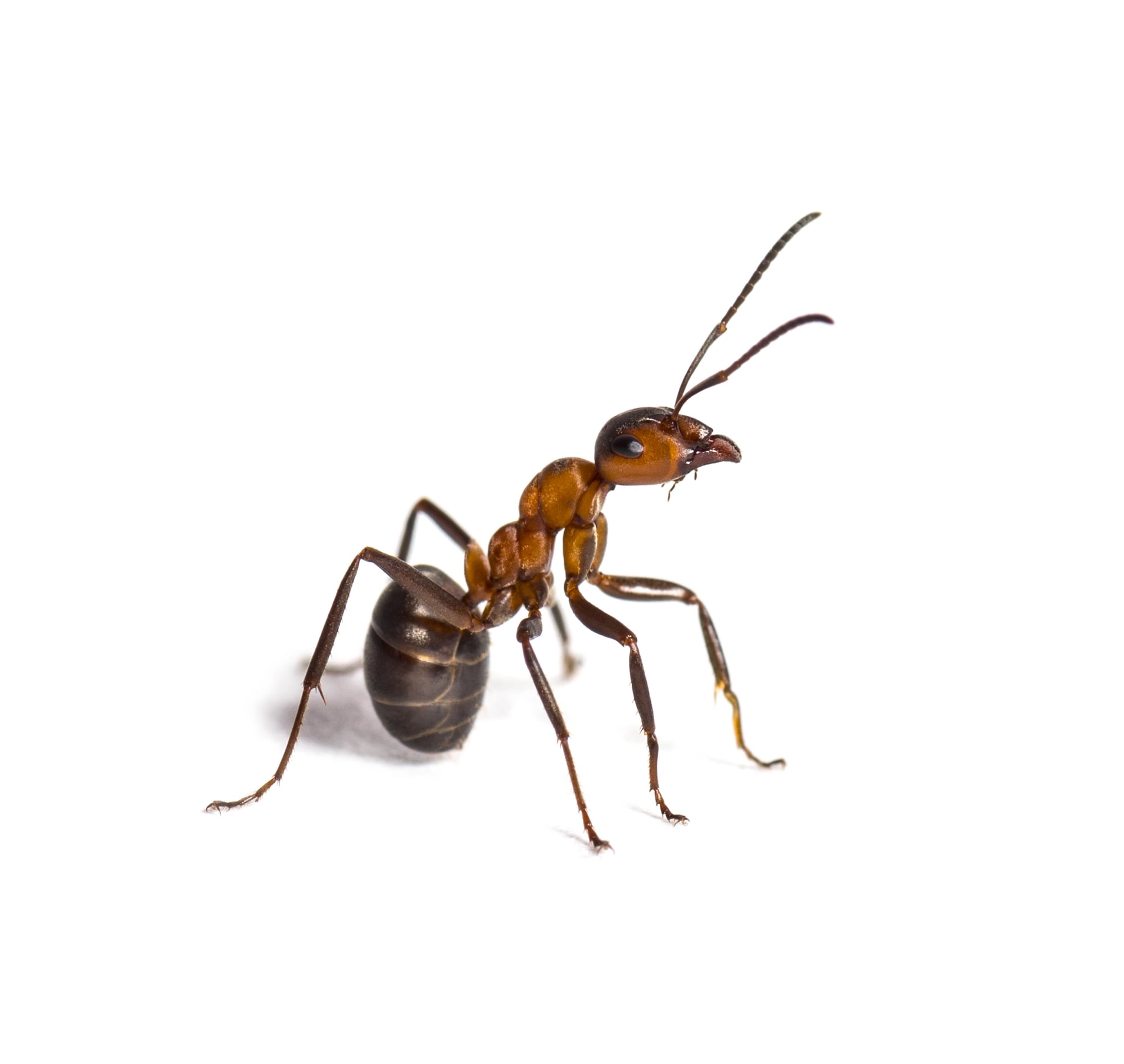
Certain ant species engage in a process called tandem running where knowledgeable ants lead inexperienced ones to food sources. The teacher ant adjusts its pace based on the learner’s progress and ensures the student has processed information before moving forward—meeting the scientific criteria for teaching.
Medicinal Plant Use

Certain plants that contain substances that eliminate parasites that damage their offspring are sought for by monarch butterflies. They essentially practice preventative medicine for the next generation by purposefully laying their eggs on milkweed plants that contain cardiac glycosides, which shield their caterpillars from infection.
Like Go2Tutors’s content? Follow us on MSN.
Architectural Engineering

Termites build massive structures with sophisticated passive cooling systems, precise humidity control, and specialized chambers for different colony functions. Their mounds include complex ventilation networks that maintain ideal internal conditions despite external temperature swings of over 40 degrees Fahrenheit.
Democracy and Voting
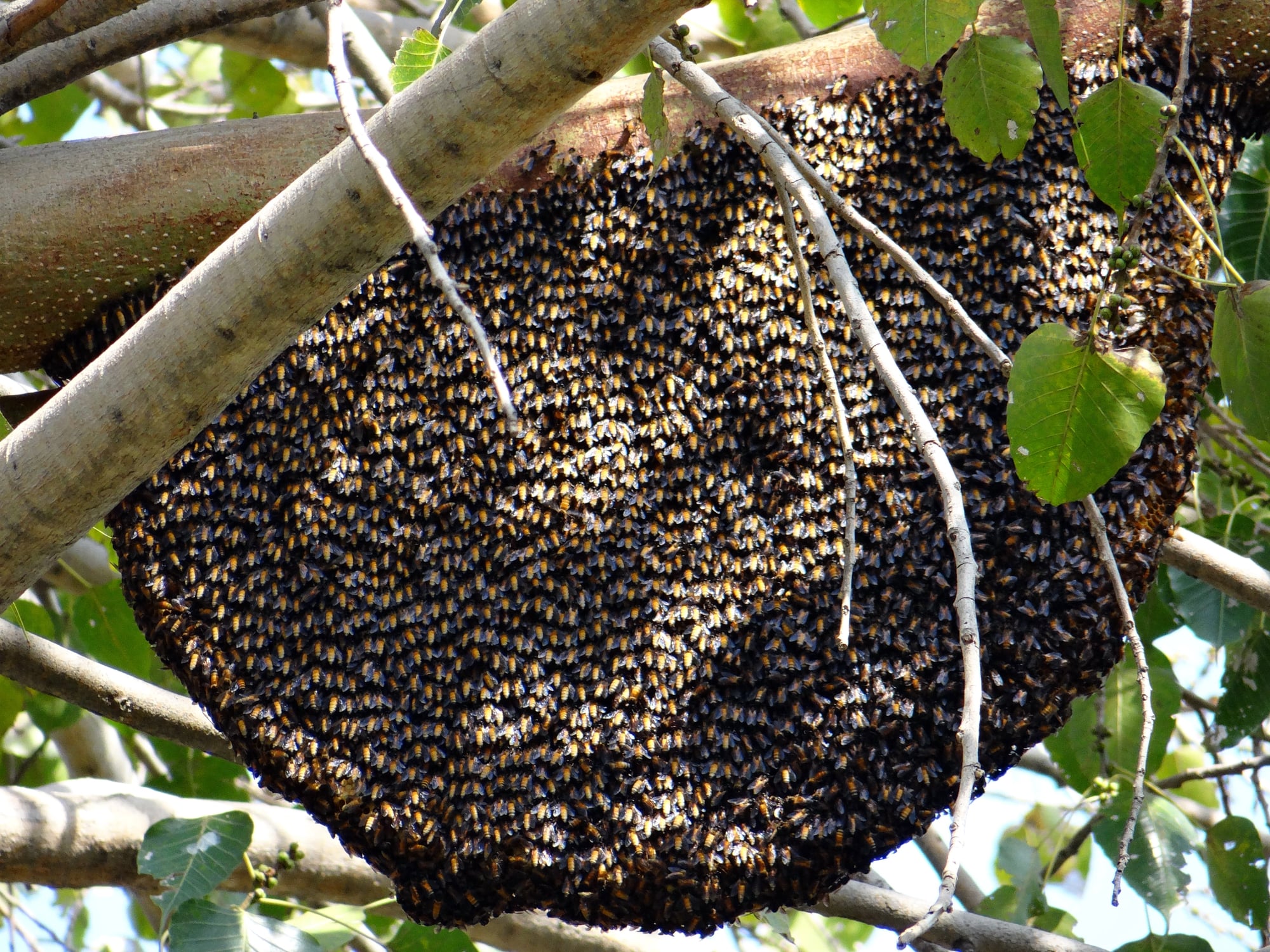
When selecting new nest sites, honeybee colonies engage in a democratic process where scout bees ‘vote’ on potential locations. They advocate for sites through their dances, with more enthusiastic dances recruiting more supporters until consensus emerges—a process remarkably similar to human democratic systems.
Self-Medication

Woolly bear caterpillars consume plants containing toxic alkaloids when infected with parasitic flies. These compounds don’t cure the parasites but increase the caterpillar’s chances of surviving long enough to reproduce—showing they can self-medicate based on their internal condition.
Like Go2Tutors’s content? Follow us on MSN.
Numerical Understanding

Honeybees demonstrate an understanding of the concept of zero, a sophisticated mathematical abstraction. In experiments, they can be trained to select the option with fewer elements, even choosing empty sets (zero) over sets containing items—a capability once thought exclusive to vertebrates.
Multi-Generational Memory

Desert ants pass down knowledge of landmarks across generations. Experienced foragers lead younger ants on training runs, pointing out distinctive features that will help them navigate later, creating a cultural transfer of information that persists beyond individual lifespans.
Language Systems
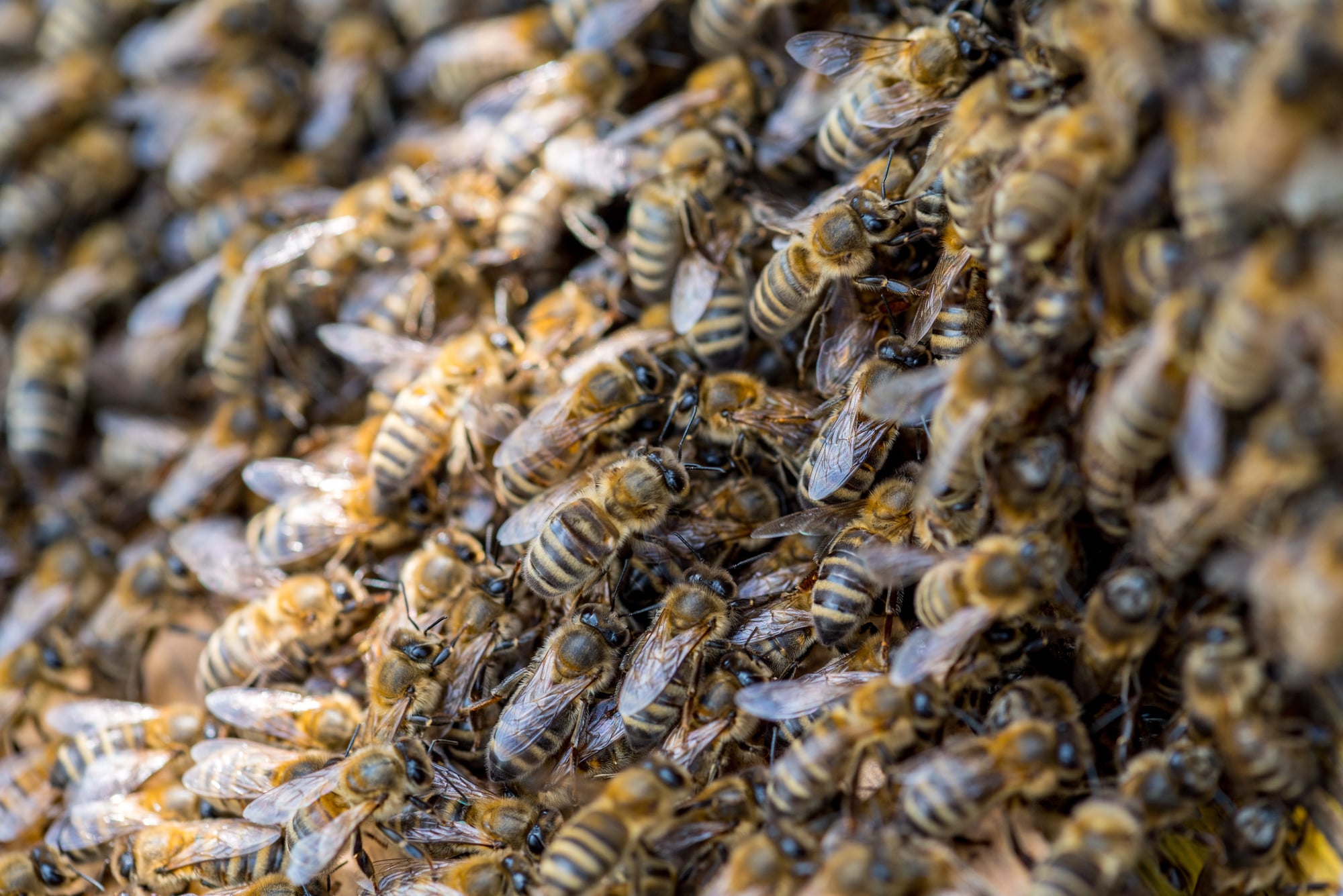
Bees communicate through a symbolic language that conveys abstract concepts. Their waggle dance transmits precise coordinates in three-dimensional space, representing distance, direction, and quality of resources miles away—essentially creating a sophisticated communication system with grammar-like properties.
Like Go2Tutors’s content? Follow us on MSN.
Emotional States
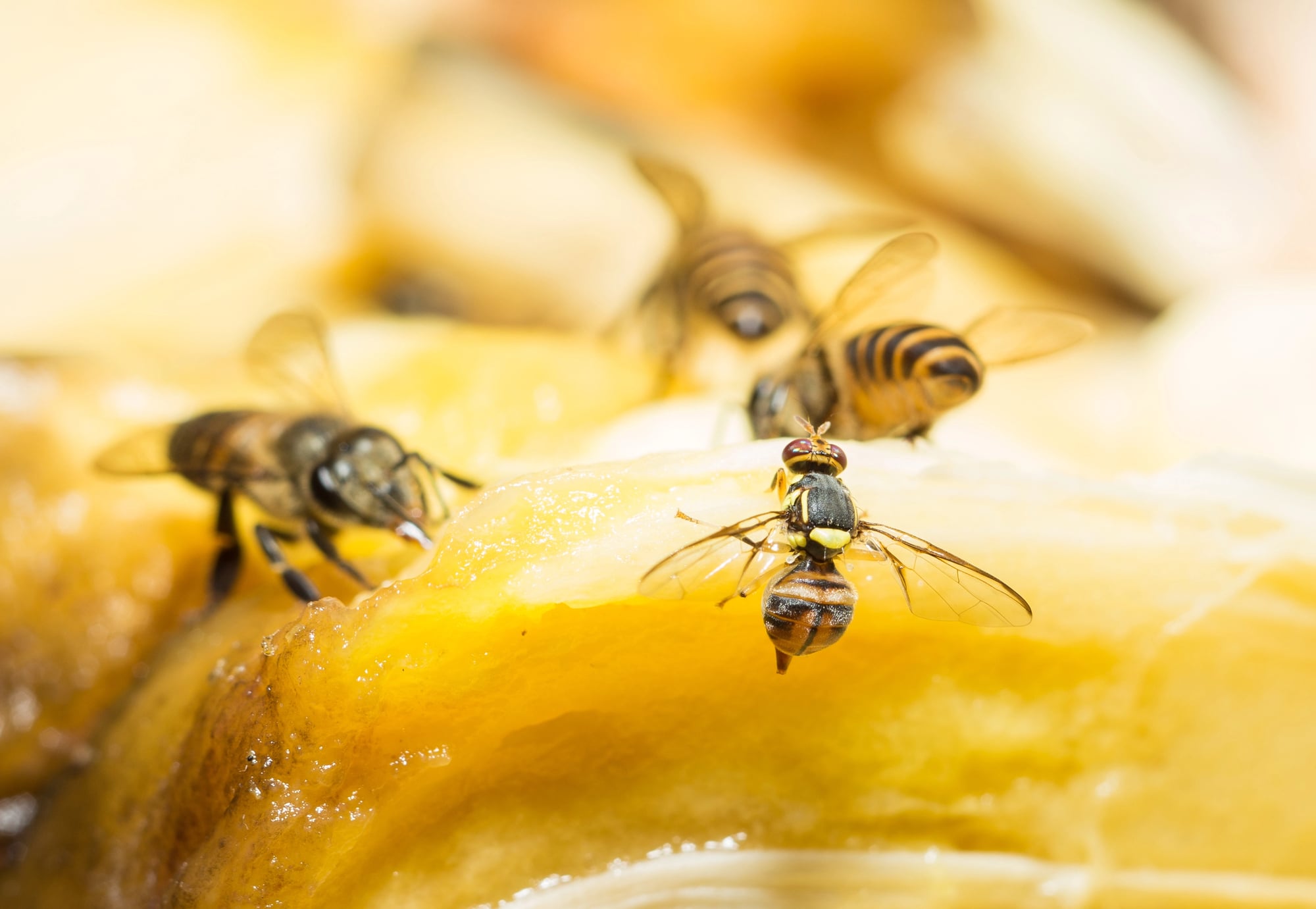
Fruit flies display primitive emotional states similar to fear and anxiety. When repeatedly exposed to threatening shadows, they enter a persistent state of heightened arousal and defensive behavior that continues even after the threat is gone—suggesting they experience something analogous to anxiety.
Strategy Adjustment
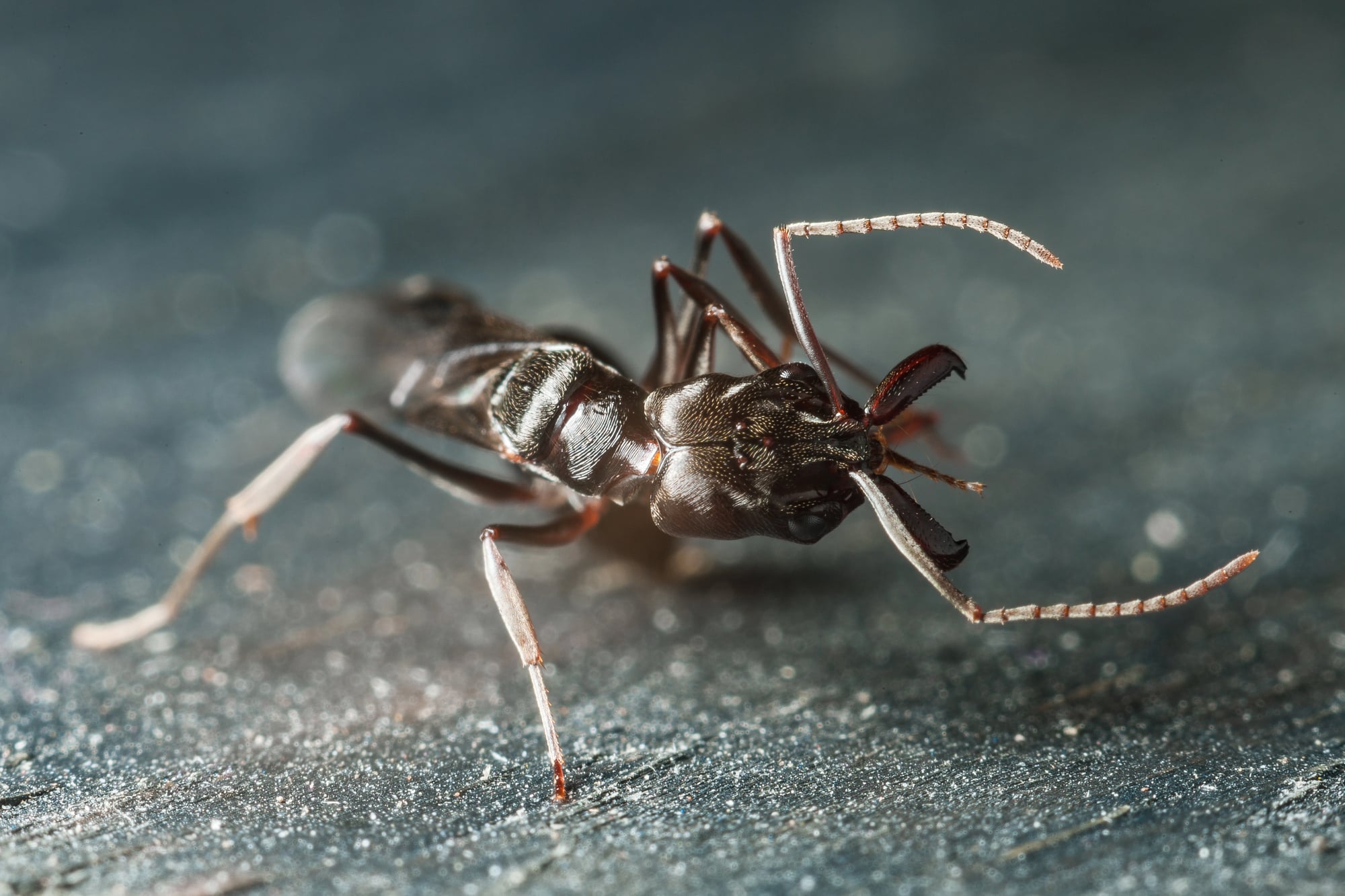
Trap-jaw ants can switch hunting strategies based on environmental conditions. They use their powerful mandibles as weapons when hunting, but convert them to escape mechanisms when threatened, snapping their jaws against the ground to launch themselves away from danger—demonstrating tactical flexibility.
Social Learning
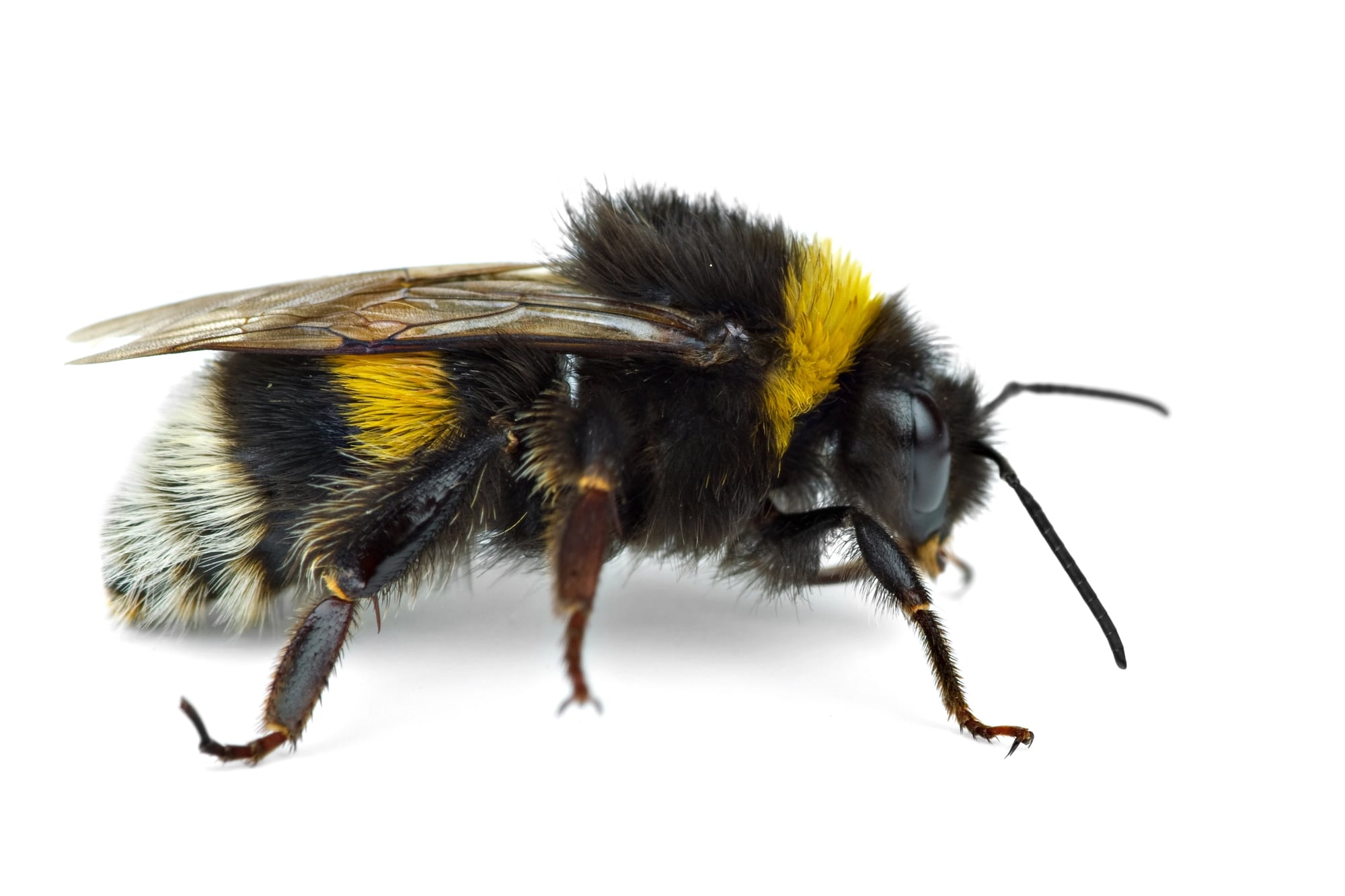
Bumblebees can learn behaviors by watching others, even across species. When one bee discovers a novel technique for accessing nectar, others watching can adopt the same approach without trial and error, demonstrating observational learning previously thought impossible in insects.
Like Go2Tutors’s content? Follow us on MSN.
The Hidden Genius Among Us

These remarkable capabilities exist all around us, often overlooked as we go about our daily lives. The cognitive abilities demonstrated by insects challenge our assumptions about brain size and intelligence, suggesting that sophisticated problem-solving doesn’t necessarily require large neural structures.
As researchers continue exploring insect cognition, we’re discovering that intelligence takes many forms—and some of the most impressive examples might be crawling right under our noses.
More from Go2Tutors!

- 18 Unexpectedly Valuable Collectibles You Might Have Lying Around
- 20 Little-Known Historical Battles That Had Huge Consequences
- 20 Historical Artifacts That Scientists Can’t Explain
- 15 Inventions That Were Immediately Banned After Being Created
- 20 Actors Who Were Almost Cast in Iconic Roles
Like Go2Tutors’s content? Follow us on MSN.