Biggest Pop Culture Icons of the Last Century
The twentieth century gave us more than just history. It gave us personalities so big they changed how people dressed, talked, and dreamed.
These weren’t just famous people. They were forces that shaped entire generations and left marks that still show up in everything from fashion to music to the way we think about fame itself.
Let’s look at the people who didn’t just become famous but became part of the cultural fabric that stitches us all together.
Elvis Presley
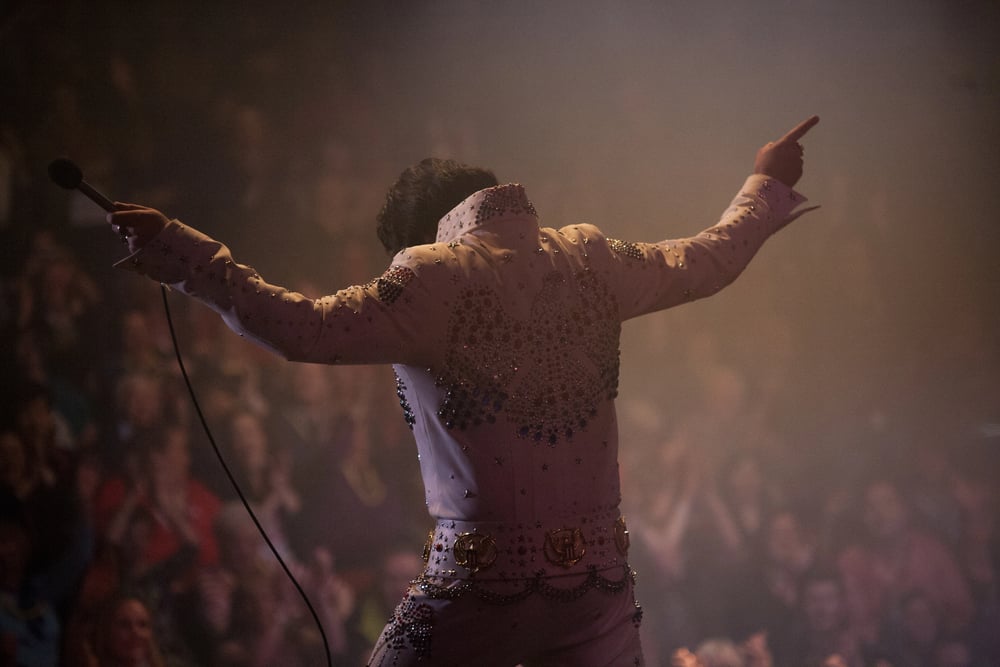
The kid from Tupelo, Mississippi walked into Sun Records in 1954 and walked out as a revolution. Elvis didn’t just sing differently.
He moved differently, dressed differently, and made parents everywhere nervous about what their daughters were listening to. His hip shakes on The Ed Sullivan Show caused such a stir that cameras only showed him from the waist up.
But the damage was done. Rock and roll had a face, and it was wearing a pink jacket and a sneer that said the old rules didn’t matter anymore.
Marilyn Monroe
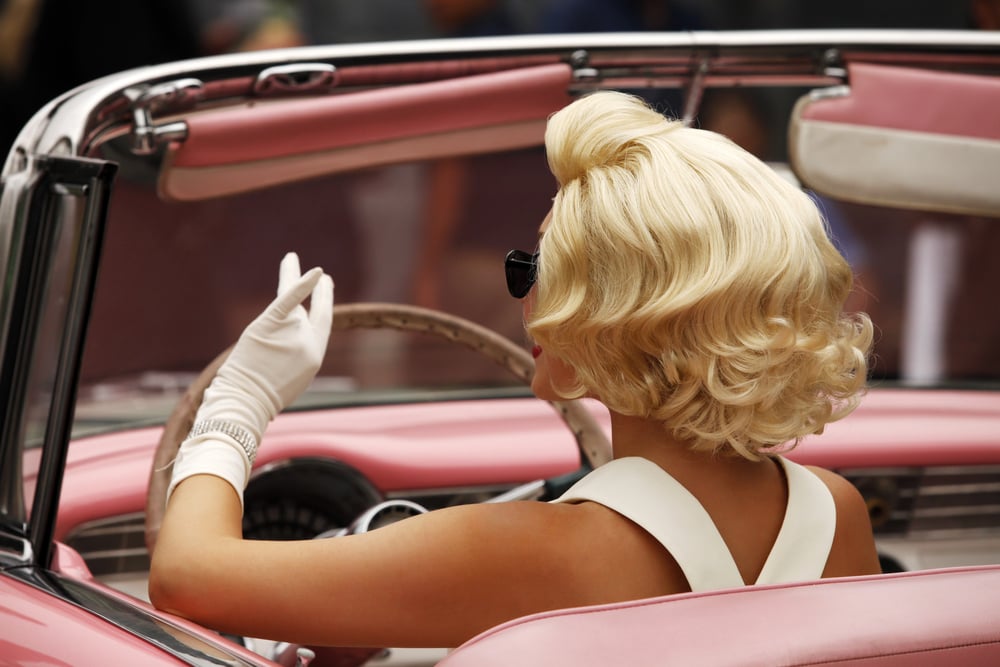
She turned being blonde into an art form and vulnerability into power. Marilyn Monroe wasn’t just a pretty face on a movie screen.
She represented something deeper about American dreams and the price of fame. Her breathy voice and the way she moved made her unforgettable, but her intelligence often got overlooked.
She studied acting seriously, read philosophy, and understood exactly how her image worked. Decades after her death, that image still sells magazines and inspires Halloween costumes.
The Beatles
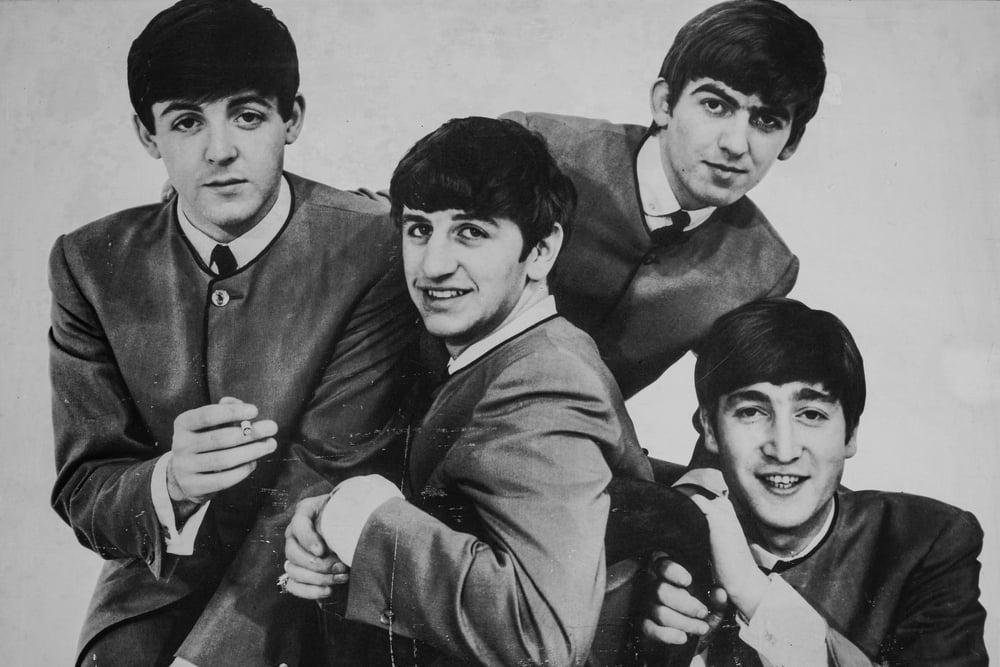
Four lads from Liverpool didn’t just write catchy songs. They rewrote the rules about what popular music could be and do.
The Beatles arrived in America in 1964 and caused screaming chaos that made Elvis look tame. But they didn’t stop at being teen idols.
They grew up in public, experimenting with new sounds, getting weird with studio techniques, and proving that pop music could be art. Their influence touches every band that came after them, whether those bands realize it or not.
Muhammad Ali
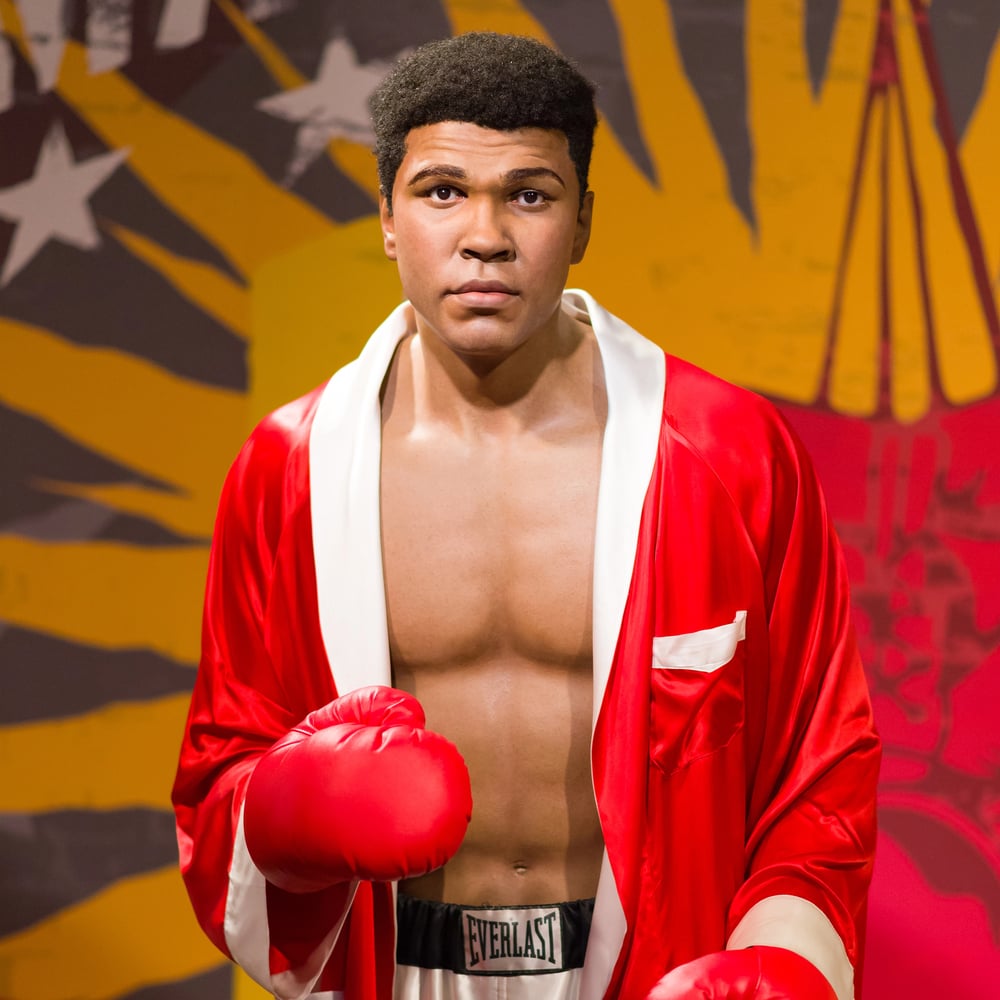
He called himself ‘The Greatest’ and backed it up with fists and poetry. Muhammad Ali transformed boxing from a sport into theater, and himself from an athlete into a global symbol.
His refusal to serve in Vietnam cost him his championship belt but made him a hero to people who’d never watched a fight. Ali talked trash like nobody before him, but he also talked about race, religion, and justice in ways that made people uncomfortable.
He proved that athletes could be more than entertainers.
Michael Jackson
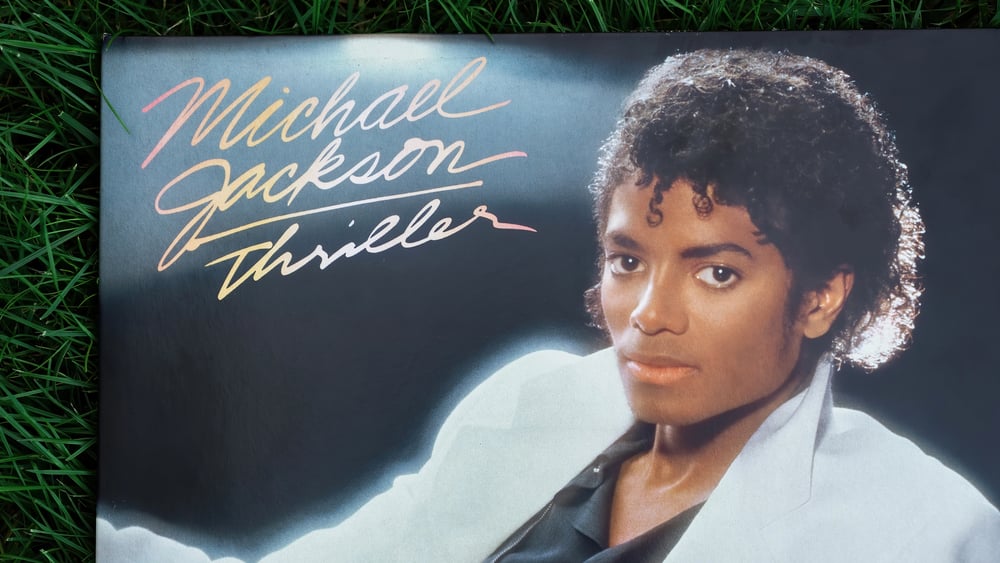
The little kid singing with his brothers grew into the biggest solo performer the world had ever seen. Michael Jackson didn’t just make music videos.
He made short films that dominated MTV and changed what artists could do with the medium. The moonwalk, the single white glove, the red leather jacket from ‘Thriller’ became a cultural shorthand recognized everywhere on Earth.
His influence spread across continents and cultures in ways few American artists ever managed.
Madonna
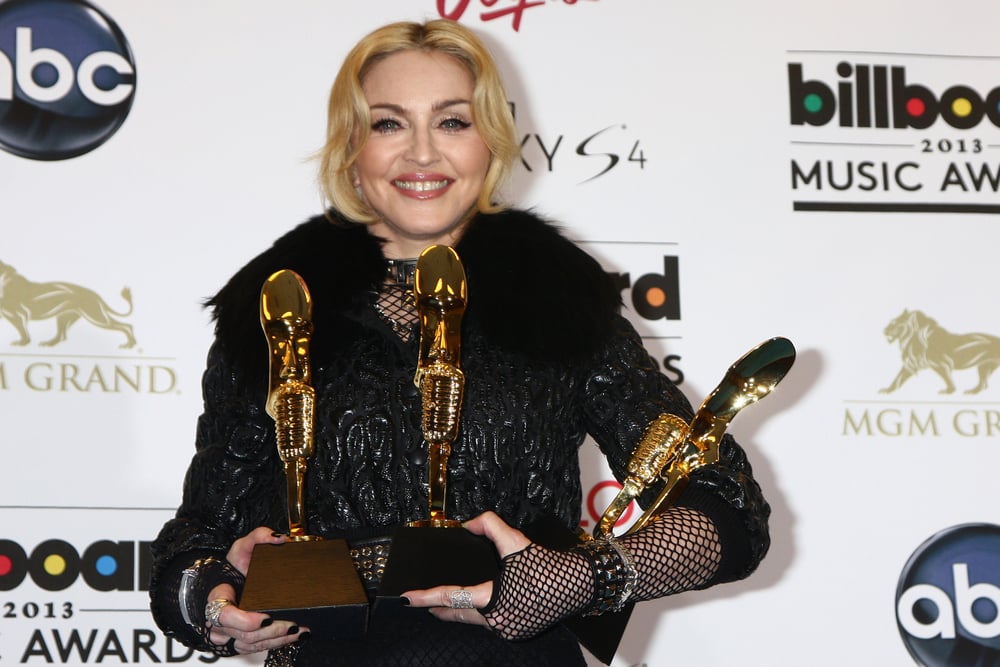
She understood something fundamental about fame in the modern age. Madonna rebuilt herself over and over, treating her image like clay she could reshape whenever she got bored.
Each reinvention came with new sounds, new looks, and new controversies that kept people talking. She pushed boundaries about religion, femininity, and what female pop stars were allowed to do.
Love her or hate her, she set the template for every pop star who came after and wanted control over their own destiny.
James Dean
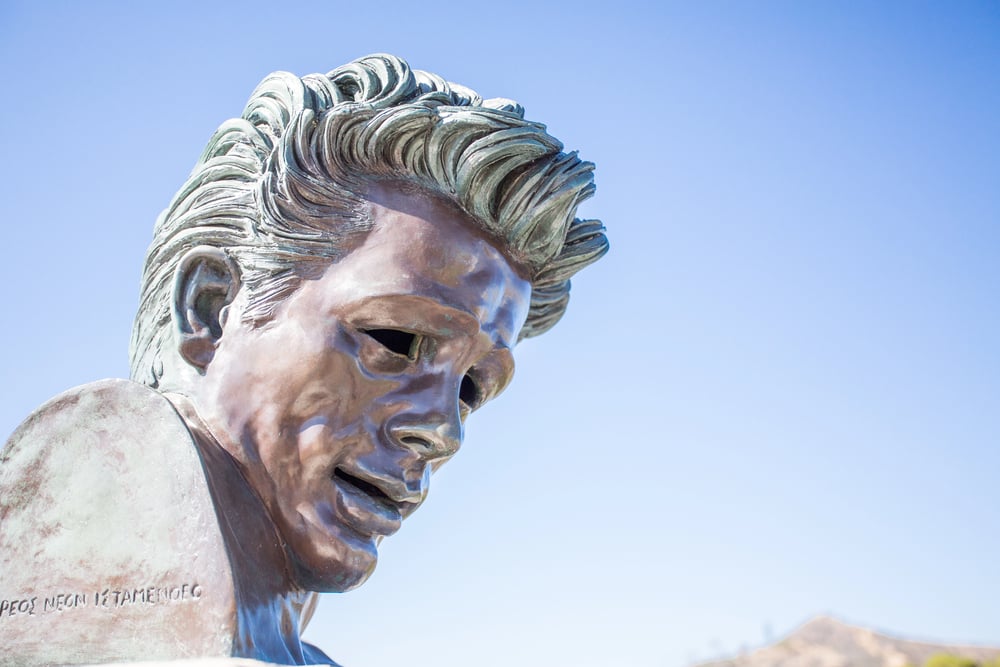
Three movies. That’s all it took.
James Dean died at twenty-four but created a template for youthful rebellion that’s never gone away. His slouched posture, his red jacket, his tortured sensitivity in ‘Rebel Without a Cause’ spoke to teenagers in ways that felt new and true.
He made alienation look cool and gave young people a face that understood their confusion. His early death froze him in time as the eternal symbol of beautiful, doomed youth.
Oprah Winfrey
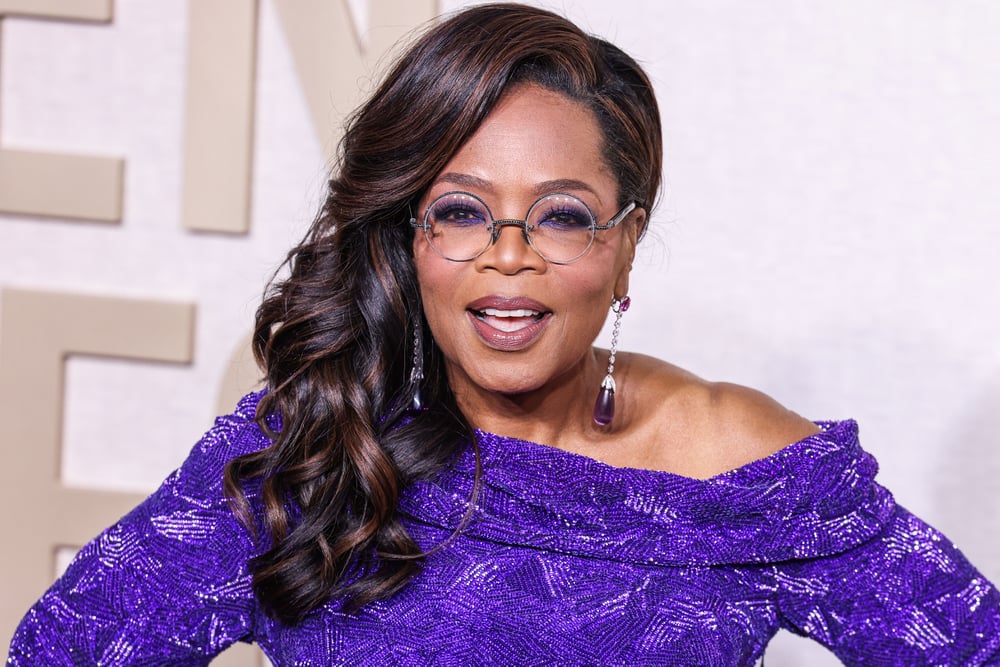
She started as a local news anchor and became a one-woman media empire. Oprah Winfrey didn’t just host a talk show.
She created a space where Americans felt comfortable discussing things they’d previously kept private. Her book club could turn unknown authors into bestsellers overnight.
Her influence stretched from television to publishing to politics, and she did it all while remaining relatable to viewers who felt like she understood their lives.
Princess Diana
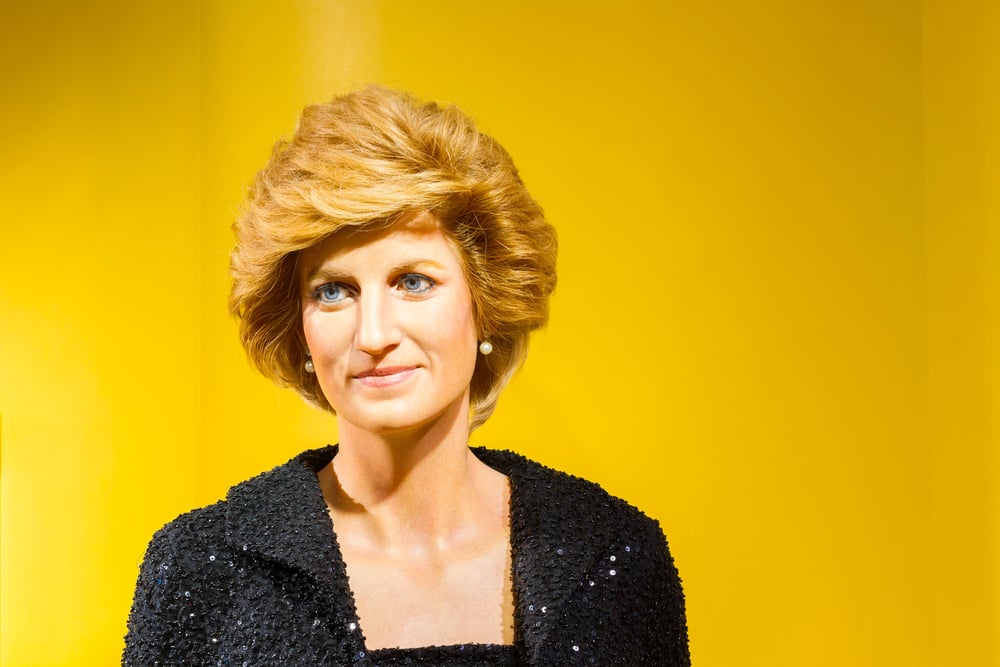
She wasn’t supposed to outshine the royal family, but she did it anyway. Princess Diana brought warmth and accessibility to an institution known for being cold and distant.
Her willingness to hug AIDS patients when others feared to touch them changed public perception of the disease. Her fashion choices influenced what women wore around the world.
Even after her tragic death, her sons carry forward her approach to royal duty that prioritizes connection over tradition.
Bruce Lee
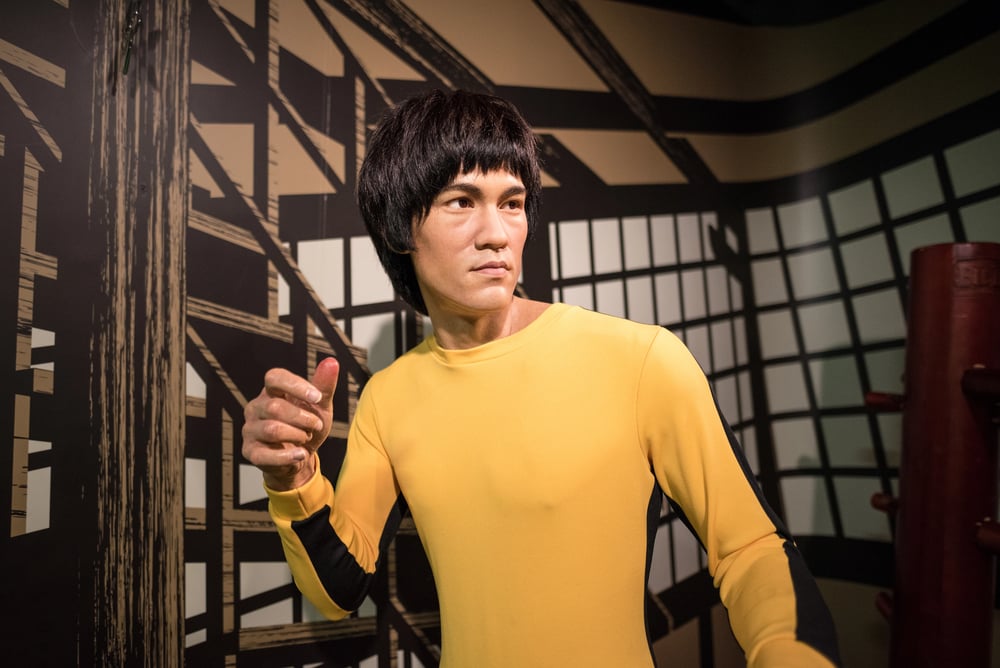
He kicked down doors that Hollywood didn’t even want to acknowledge existed. Bruce Lee made martial arts mainstream in the West and showed that Asian actors could be leading men, not just sidekicks or villains.
His philosophy about water and flexibility influenced people who never threw a punch. He died young, like Dean, but his impact on action films and representation continues growing.
Every martial arts movie made since owes him a debt.
Audrey Hepburn

Grace and goodness combined in a way that felt effortless but wasn’t. Audrey Hepburn defined elegance for generations of women who wanted to look sophisticated without trying too hard.
Her little black dress in ‘Breakfast at Tiffany’s’ became a fashion staple. But she also used her fame for humanitarian work, spending her later years as a UNICEF ambassador bringing attention to children in need.
Beauty with purpose became her legacy.
Bob Dylan
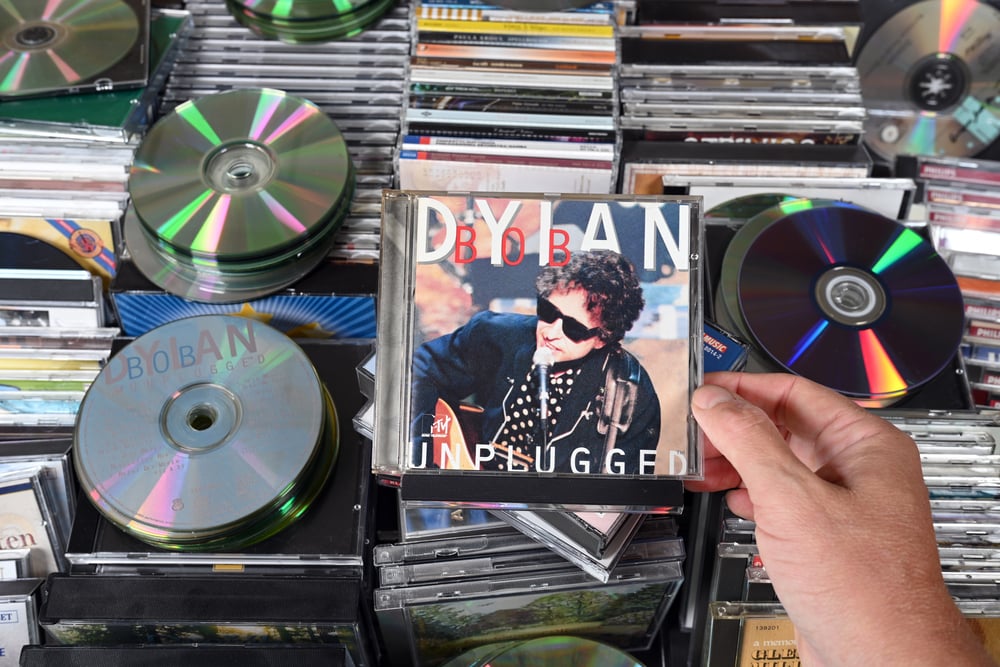
He showed up in New York with a guitar and changed what popular music could say. Bob Dylan’s nasal voice shouldn’t have worked, but his lyrics were poetry that spoke to a generation looking for meaning.
When he went electric at the Newport Folk Festival, purists called it betrayal. He called it evolution.
His songs became anthems for civil rights and anti-war movements, proving that three-minute pop songs could carry weight and meaning.
Marilyn Manson
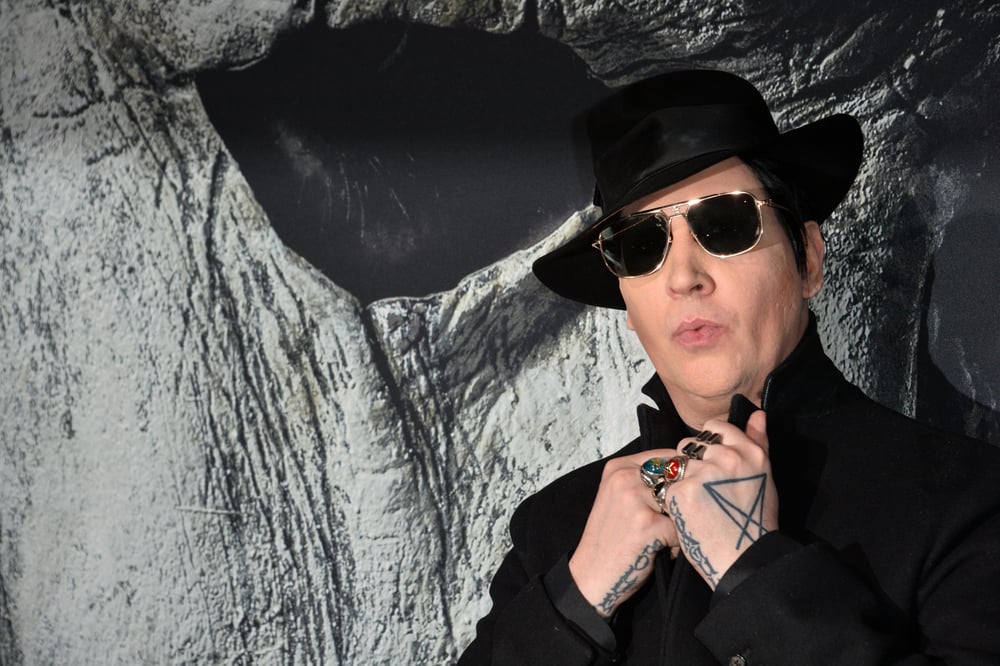
Wait, scratch that. Let’s talk about someone more appropriate for this list.
Andy Warhol
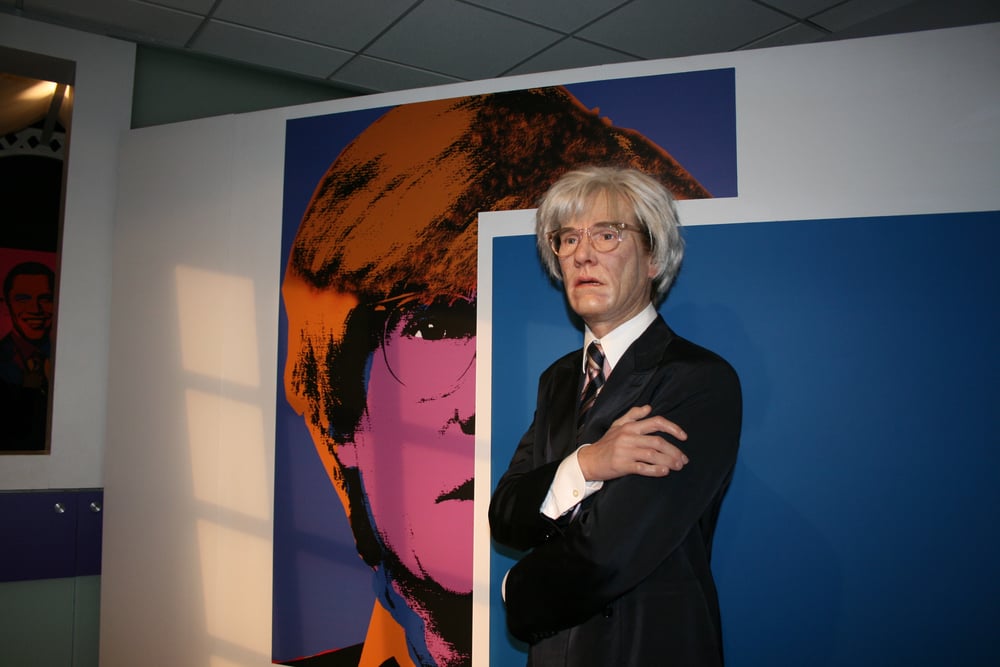
He turned soup cans into art and art into commentary about American consumption. Andy Warhol understood that in the modern world, fame itself was the product.
His Factory churned out silk screens and celebrities with equal enthusiasm. He predicted that everyone would be famous for fifteen minutes, and social media proved him right decades later.
Love his art or call it commercial trash, he forced conversations about what art could be and who got to decide.
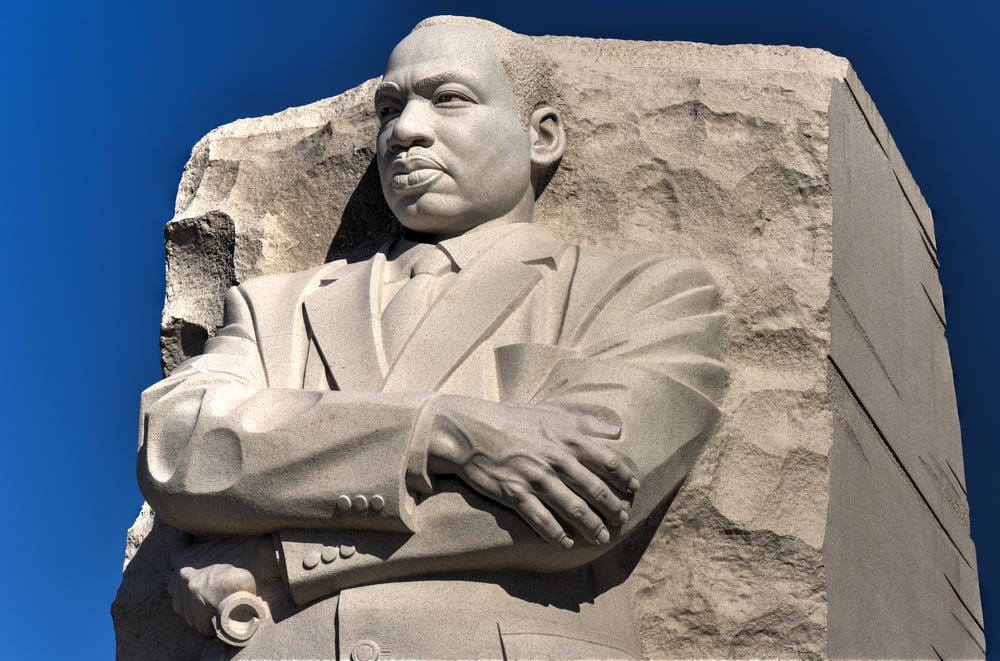
Martin Luther King Jr.
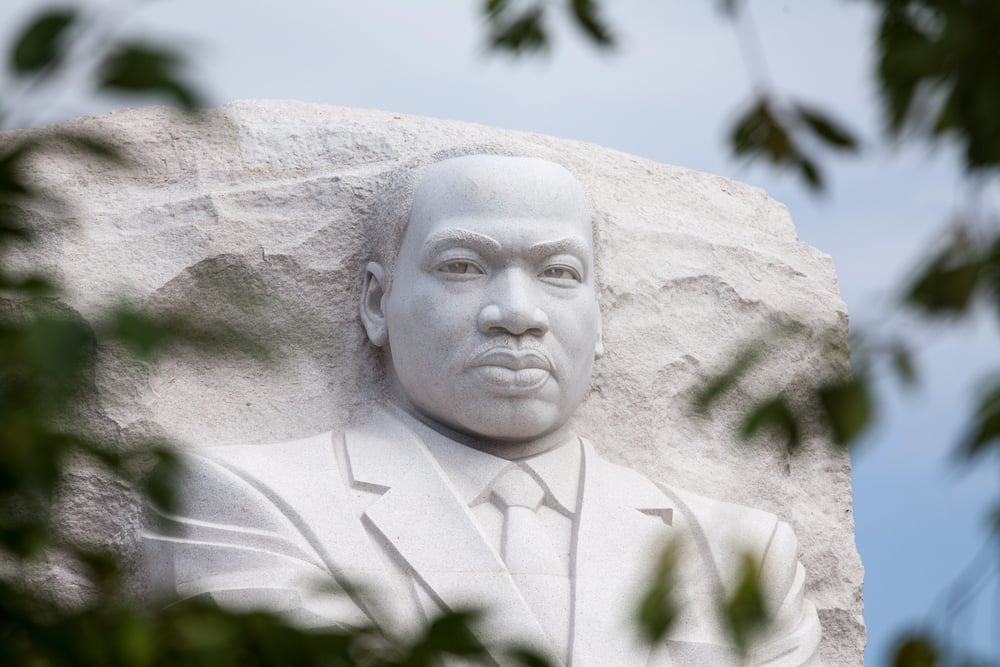
His dream became America’s conscience. Martin Luther King Jr. gave the civil rights movement a voice that combined moral authority with tactical brilliance.
His speeches still get quoted because they spoke truths that remain relevant. He proved that nonviolent resistance could topple unjust systems and that words could be as powerful as any weapon.
His assassination made him a martyr, but his ideas and methods influenced protest movements around the world for generations.
Jimi Hendrix
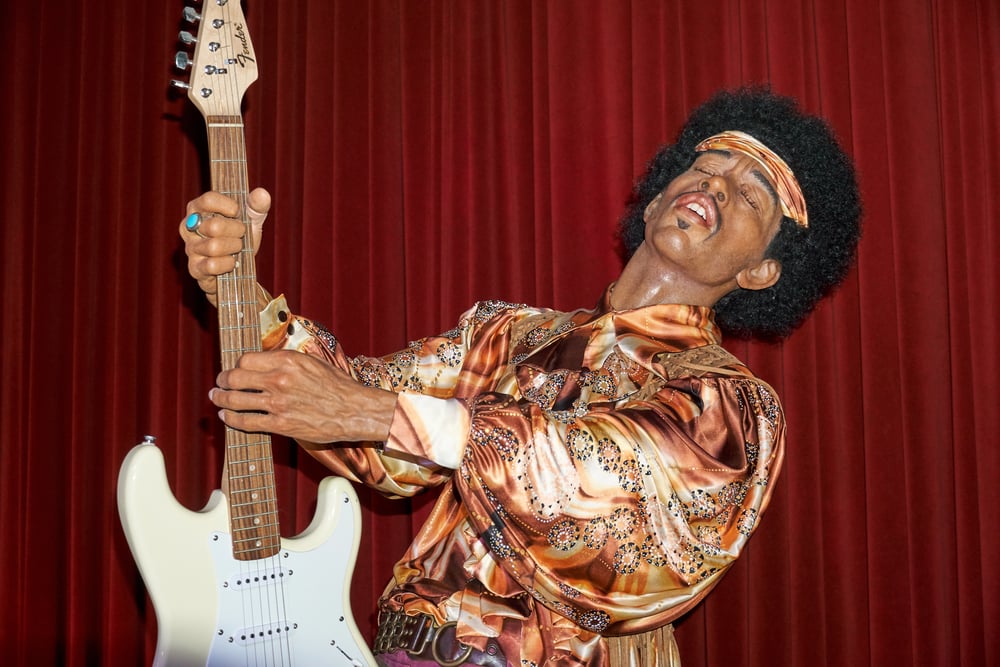
He picked up a guitar and played it like nobody had before or has since. Jimi Hendrix made the electric guitar sing, scream, and tell stories without words.
His performance at Woodstock, especially his version of the national anthem, captured the chaos and possibility of the 1960s in pure sound. He only lived twenty-seven years, but those years contained enough innovation to influence every rock guitarist who followed.
John F. Kennedy
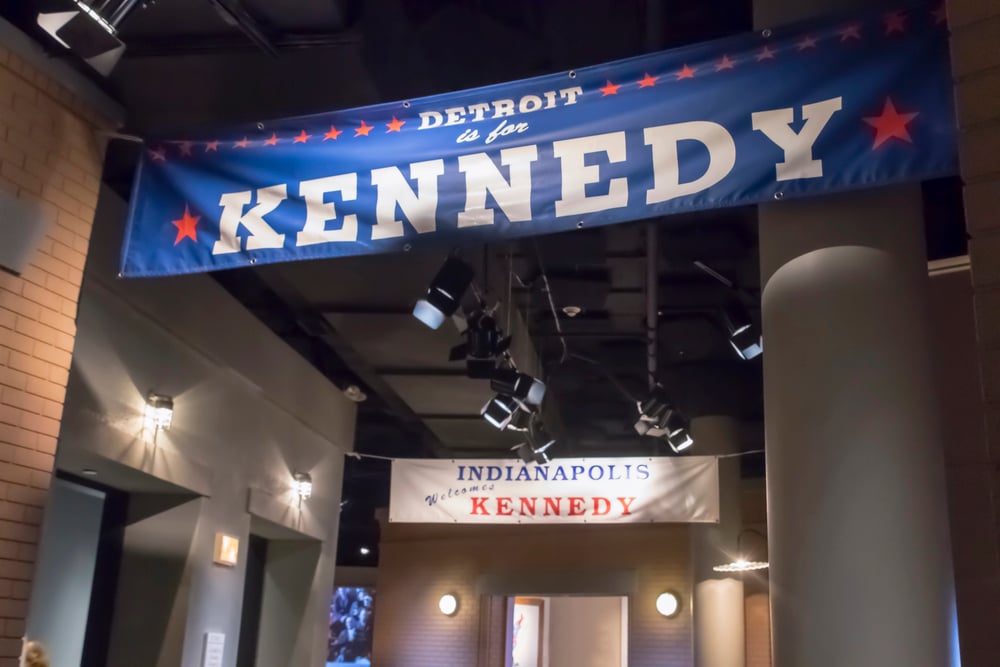
Young energy pulsed through his approach to governing. Television found its match in JFK, who spoke directly into homes like few before him had tried.
Though time cut his term short, just under three full years passed during which nuclear tension rose sharply on Cuba’s edge. Rockets began reaching skyward then too, fueled by ambition beyond Earth’s surface.
Hope rang louder back then – the idea that change might actually arrive. A bullet silenced him suddenly, leaving millions stunned at what felt like a collective loss of safety.
Even now, long after, people lean toward stories about him, unsure where myth stops and man begins.
Michael Jordan
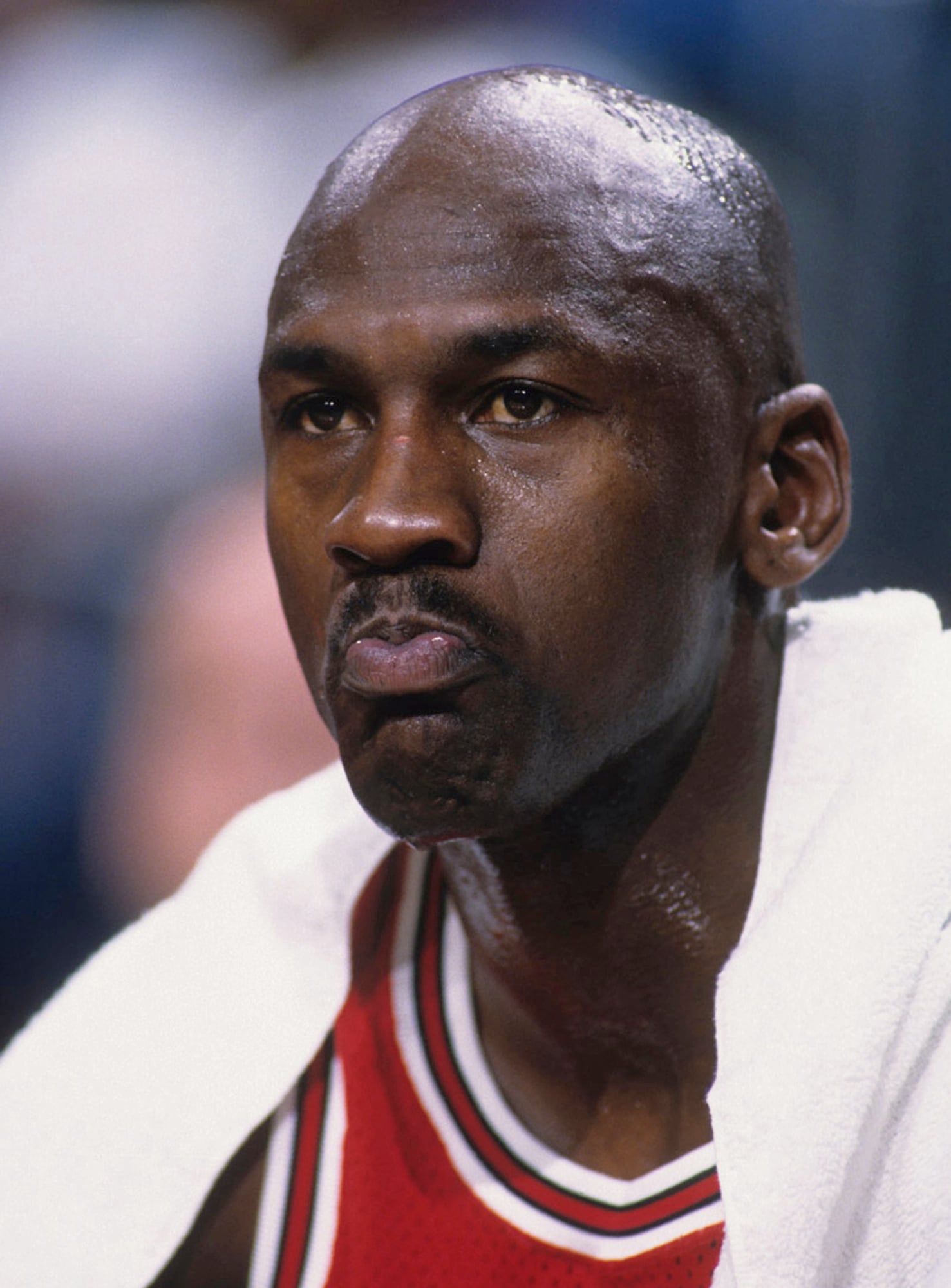
Something shifted when he stepped onto the hardwood. Michael Jordan wasn’t only superior at basketball – he reshaped how it felt to watch an athlete perform.
Teaming up with Nike birthed Air Jordans, shoes that slipped off courts and into everyday life. Rings stacked six high spoke of victory after victory.
Yet what pulled non-fans in was his relentless edge, paired with effortless flair. Sport no longer held him; he moved past boundaries most never see.
The Icons Who Shaped Us
Seventeen lives, each leaving marks deeper than fame. Not simply known, they shifted thoughts, shaped screens, redefined dreams.
Echoes of them hum through café speakers, twist political speeches. A few blazed fast, gone too soon – locked forever in that instant of glow.
Still, some shifted with time, keeping pace through changing years. Yet each showed how one person’s presence can bend shared thought beyond their own days, sending echoes ahead without pause.
More from Go2Tutors!

- The Romanov Crown Jewels and Their Tragic Fate
- 13 Historical Mysteries That Science Still Can’t Solve
- Famous Hoaxes That Fooled the World for Years
- 15 Child Stars with Tragic Adult Lives
- 16 Famous Jewelry Pieces in History
Like Go2Tutors’s content? Follow us on MSN.



