17 Famous Outlaws Held in Heavily Guarded Prisons
Behind steel bars and concrete walls, some of the most notorious criminals in history have found themselves trapped in the world’s most secure facilities. These aren’t your typical lawbreakers — they’re the kind of people whose names still make headlines decades after their capture, whose crimes were so audacious or brutal that society decided they could never be trusted with freedom again.
Prison walls tell stories, and the stories of these seventeen outlaws are particularly dark ones. From mob bosses who ruled criminal empires to killers whose methods shocked even hardened investigators, each represents a different shade of human darkness that required the strongest locks society could forge.
El Chapo

Joaquín Guzmán proved that even the most secure prisons couldn’t hold him — until they could. His first two escapes from Mexican maximum-security facilities became legendary: a laundry cart in 2001, then a mile-long tunnel with motorcycle tracks in 2015.
The third time, the U.S. made sure there would be no fourth. DX Florence became his final address in 2019.
The supermax facility in Colorado doesn’t mess around with tunnel diggers.
Charles Manson
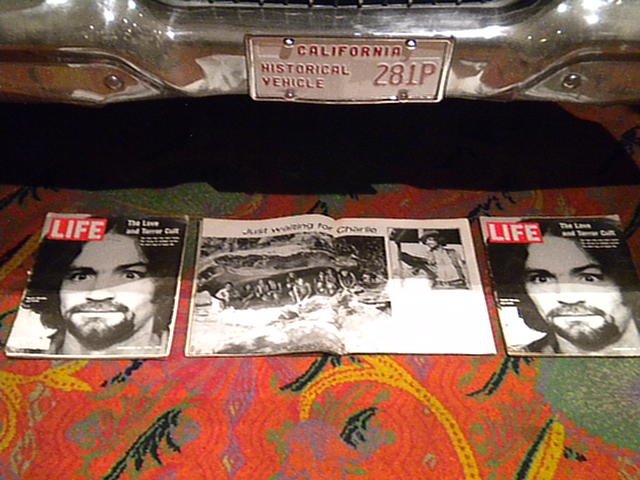
The man who convinced others to kill for him spent his final decades behind bars, but his presence lingered in ways that made everyone uncomfortable (including the guards who had to deal with his bizarre rantings and the constant stream of admirers who somehow still found him fascinating). Manson died at Corcoran State Prison in 2017, but not before decades of parole hearings that served as grim reminders of why some people should never see daylight again. He was denied parole twelve times.
Which makes sense. And yet the fascination never stopped — letters poured in, documentaries were made, and somewhere in a visiting room, people would sit across from a mass murderer and hang on his every word.
Even behind bars, Charles Manson remained dangerous in ways that had nothing to do with physical violence.
Ted Kaczynski
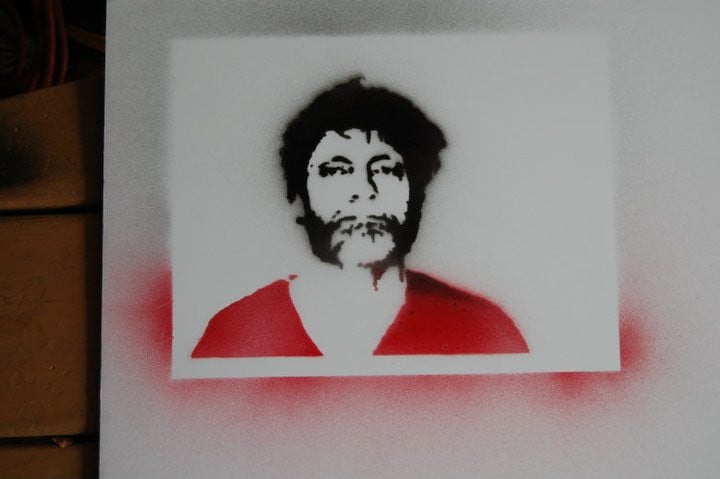
There’s something almost poetic about a man who rejected modern technology spending his remaining years in a concrete box equipped with the most advanced security systems money can buy. The Unabomber sits in ADX Florence, surrounded by the very technological sophistication he tried to destroy with mail bombs for nearly two decades.
Kaczynski’s cell contains the bare minimum — a narrow bed, a concrete desk, a slot for food. No internet, naturally.
No visitors except lawyers. The irony writes itself: a brilliant mathematician who chose violence over discourse now has endless time to think, alone with thoughts that once drove him to kill strangers whose only crime was participating in the modern world he despised.
John Gotti
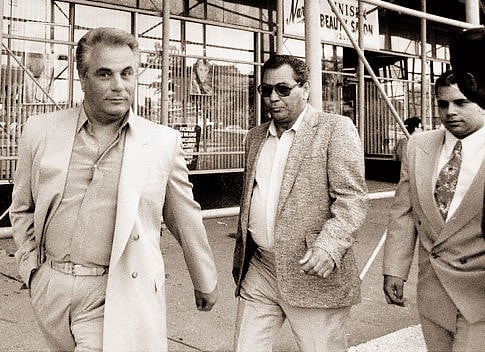
Flickr/rockingmousellc
The Teflon Don finally met something that stuck. Gotti ran the Gambino crime family like a celebrity CEO, complete with expensive suits and a media presence that made him more famous than most movie stars.
Federal prosecutors spent years trying to make charges stick to a man who seemed untouchable. Medical Center for Federal Prisoners in Springfield, Missouri became his final stage.
Throat cancer killed him there in 2002, far from the spotlight he’d courted for decades. No more expensive suits, no more media attention, just another sick old man in a prison hospital ward.
Charles Bronson
Britain’s most violent prisoner has spent most of his adult life in solitary confinement, and the numbers are staggering in ways that make you wonder what kind of person emerges after decades of near-total isolation (if you can still call what emerges a person at all). Charles Bronson — born Michael Peterson — has been behind bars since 1974, with only 69 days of freedom during that entire span.
Most of those years were spent alone in a cell, talking to himself, exercising obsessively, and occasionally taking hostages when the mood struck him. The British prison system has tried everything with Bronson: different facilities, different approaches, different levels of security, but nothing seems to work because the problem isn’t the system — it’s him.
And so he sits in his cell, lifting weights made from prison furniture, writing rambling letters to anyone who will read them, and occasionally reminding everyone why he can never be released by attacking another guard or inmate. HM Prison Woodhill holds him now, though by the time you read this, he might have been moved again.
He’s been in more prisons than most people visit cities. The system keeps trying, but some people are just incompatible with civilization — even the controlled civilization of prison life.
Dennis Rader
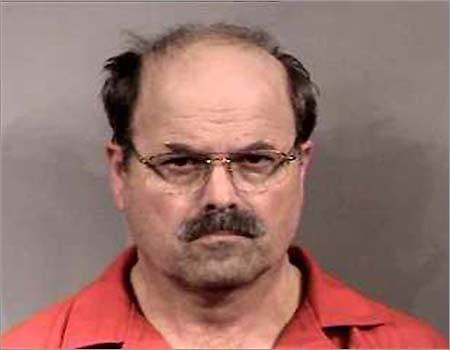
The BTK Killer thought he was smarter than everyone else. For thirty years, Dennis Rader lived a double life in Wichita, Kansas — church president and scout leader by day, methodical killer by night. His downfall came from the same arrogance that fueled his crimes: he couldn’t resist taunting police, even decades after his last murder.
El Dorado Correctional Facility houses what remains of the man who bound, tortured, and killed ten people. Rader sits in protective custody, not because anyone particularly cares about his safety, but because the general population would likely solve the problem of Dennis Rader permanently.
He spends his days in a cell, writing letters that no one wants to read, a forgotten man whose name only surfaces when someone needs an example of pure evil.
Tommy Silverstein

Solitary confinement became a way of life for Tommy Silverstein, and by the end, it was hard to tell where the punishment stopped and simple warehousing of a human being began. He killed a correctional officer at the U.S. Penitentiary in Marion, Illinois, in 1983, and the federal prison system responded by putting him in a concrete box where he would spend the next 36 years without stepping outside.
Silverstein died in 2019 at ADX Florence, having spent more than half his life in complete isolation. No human contact except with guards.
No television, no radio, no books except legal materials. The cell was seven by twelve feet.
Do the math on what 36 years in a space that small does to a human mind — then decide if you still care what it did to him. The federal prison system called it administrative segregation.
Everyone else called it torture. But Tommy Silverstein had killed a guard, and some lines, once crossed, reshape your entire world into something much smaller and infinitely more cruel.
Jeffrey Dahmer
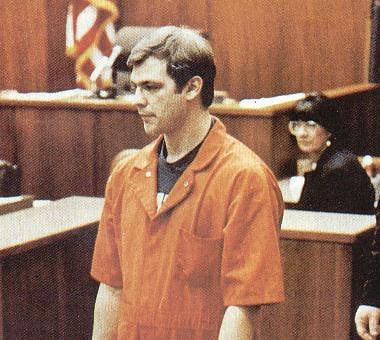
Prison justice arrived for Jeffrey Dahmer in the form of a fellow inmate with a mop handle, but not before the Milwaukee Cannibal spent nearly three years at Columbia Correctional Institution trying to blend into a population that knew exactly who he was and what he’d done. The guards couldn’t protect him forever, and honestly, most didn’t try very hard.
Dahmer lasted longer than anyone expected — which is saying something. He’d killed seventeen people, often keeping parts of their bodies as trophies.
Prison inmates have their own moral code, and cannibalistic serial killers rank somewhere below child molesters in the informal hierarchy. Dahmer knew this.
He had to know that every day might be his last, that every meal might be poisoned, that every moment outside his cell brought him closer to the kind of violence he’d once inflicted on others. Christopher Scarver delivered the final verdict in 1994 with blunt force trauma to the head.
The prison system had failed to protect Dahmer, but then again, it’s hard to feel sorry for someone who literally ate his victims.
Ian Brady
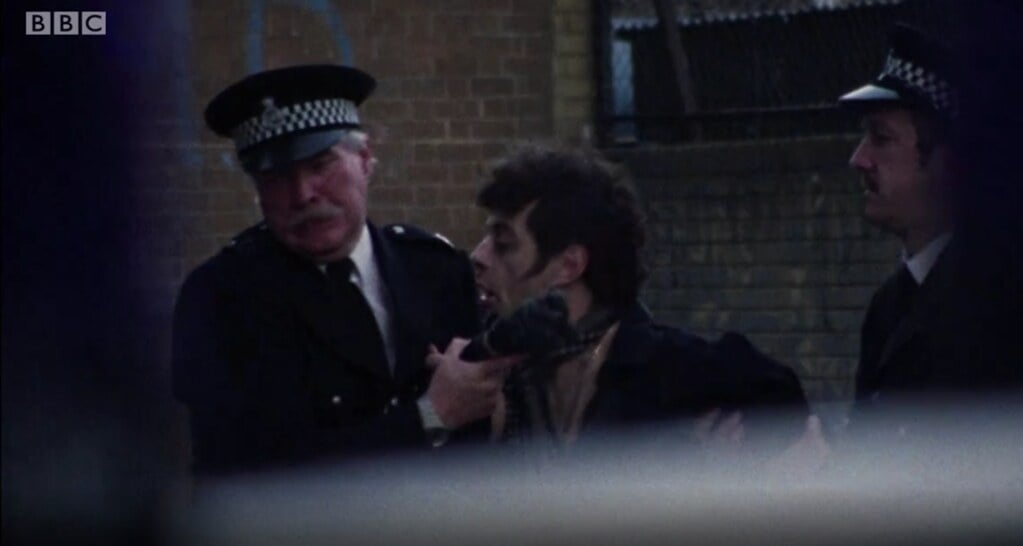
The Moors Murderer spent his final decades in Ashworth Hospital, a high-security psychiatric facility that felt more like a prison than any kind of treatment center — which suited everyone just fine, because Ian Brady was exactly where he belonged and everyone knew it. Brady and his partner Myra Hindley had tortured and killed five children in the 1960s, burying most of them on the desolate moors outside Manchester.
Brady’s last years became a battle of wills between a man who wanted to die and a system determined not to let him choose his own exit. He went on hunger strike repeatedly, demanding the right to starve himself to death, while doctors force-fed him through tubes.
The irony was perfect: a man who had stolen the lives of children was now fighting for the right to end his own life, while society insisted he continue breathing in a locked room. He died in 2017, still in custody, still unrepentant.
The families of his victims had waited more than fifty years for that death, though it probably didn’t bring the closure they’d hoped for. Some wounds don’t heal, even when the person who caused them is finally gone.
Richard Ramirez
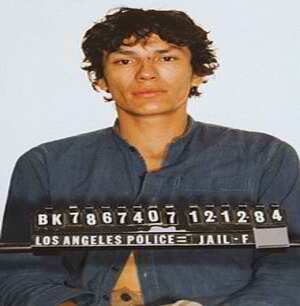
The Night Stalker died on death row at San Quentin in 2013, but not from execution — B-cell lymphoma got him first. Richard Ramirez had spent 24 years in a concrete cell, waiting for California’s notoriously slow death penalty system to finally deliver justice for the thirteen people he’d murdered during his 1985 killing spree.
San Quentin’s death row isn’t designed for comfort. Prisoners spend 22 hours a day in six-by-ten-foot cells, with brief periods for exercise in slightly larger cages.
Ramirez adapted better than most, somehow managing to get married while incarcerated and maintaining correspondence with dozens of admirers who found his satanic imagery and random violence appealing.
Harold Shipman
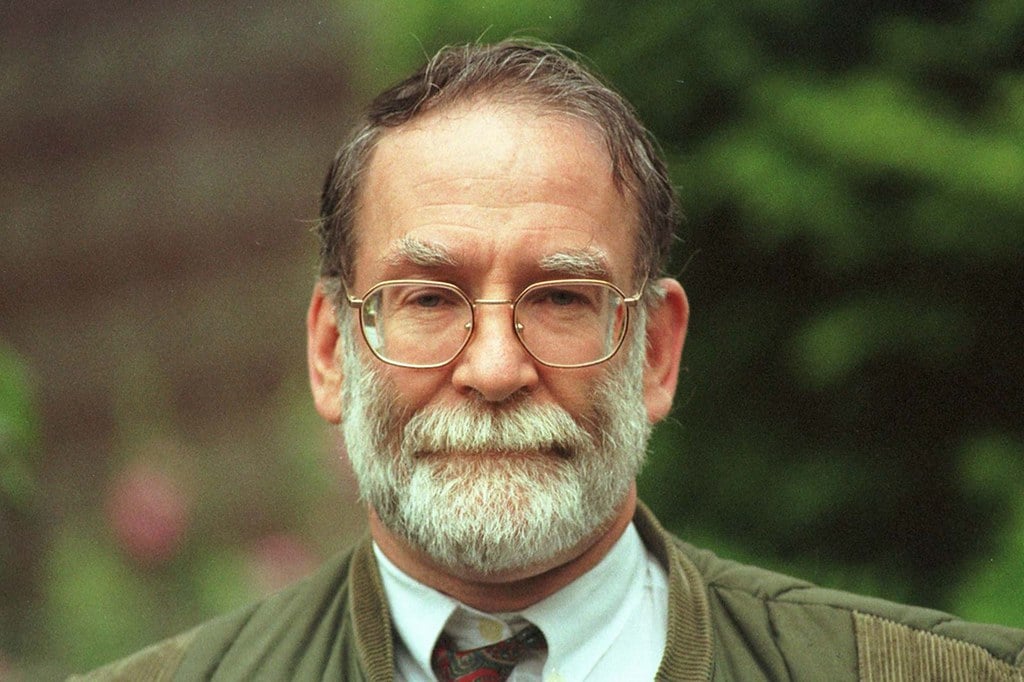
Britain’s most prolific serial killer never saw the inside of a maximum-security prison because he made sure his story ended on his own terms, but the few years he spent at Wakefield Prison before his death were a preview of what life would have been like for a doctor who killed his patients (and it wouldn’t have been pleasant). Shipman murdered at least 215 people over his career as a general practitioner, using lethal injections to kill elderly patients who trusted him completely.
He hanged himself in his cell in 2004, just one day before his 58th birthday. Some said it was guilt. Others suspected he simply couldn’t face decades more of life behind bars, stripped of the medical authority that had made his crimes possible.
Either way, Harold Shipman chose his own exit rather than letting the justice system determine his fate. But those four years in Wakefield had already shown him what the rest of his life would look like: protective custody, constant surveillance, and the knowledge that every other prisoner knew exactly who he was and what he’d done to innocent people who’d sought his help.
Robert Hanssen
Twenty-two years of selling American secrets to Russia bought Robert Hanssen a life sentence at ADX Florence, where former FBI agents don’t exactly blend in with the general population. Hanssen had betrayed his country, his colleagues, and the agents whose names he sold to Russian intelligence — some of whom died because of information he provided.
The supermax facility keeps Hanssen in solitary confinement, not for his protection but because he still knows things that could damage national security. No internet access, no phone calls, no visitors except lawyers.
The man who once had access to the FBI’s most sensitive intelligence now spends his days in a concrete box, reading books and writing letters that are carefully screened before they leave the facility. Hanssen is serving fifteen consecutive life sentences without possibility of parole.
He’ll die in that cell, forgotten by the country he served and the one he betrayed.
Larry Nassar
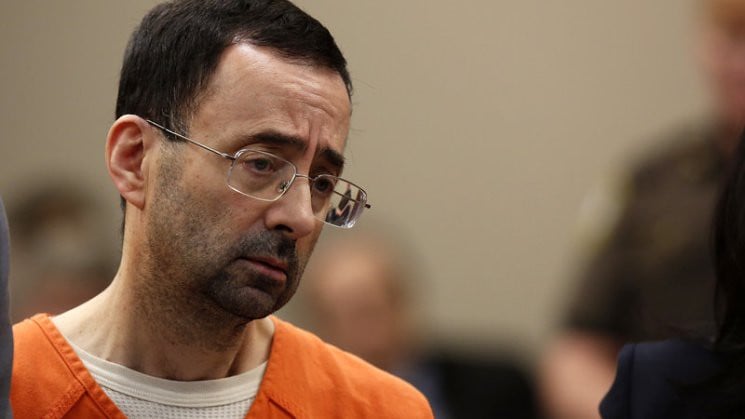
Prison justice was always going to find Larry Nassar eventually — the only question was whether it would be quick or slow, and as it turns out, the answer was both (depending on how you measure these things). The former USA Gymnastics team doctor is serving what amounts to multiple life sentences for assaulting hundreds of young athletes over decades, and United States Penitentiary Coleman in Florida is where he’s learning what it feels like to be powerless.
Nassar barely lasted two weeks in general population before inmates attacked him, sending him to the infirmary and then to protective custody where he’ll spend the rest of his life. Child abusers don’t last long in the general population, especially ones whose crimes were as systematic and widespread as his.
The prison system will keep him alive, but just barely, in a kind of limbo that’s neither death nor any meaningful kind of life. And so Larry Nassar sits in his cell, protected from prisoners who would kill him given the chance, serving sentences that guarantee he’ll never breathe free air again.
The hundreds of victims who testified against him wanted justice — this is what justice looks like when the crimes are too numerous to count and too horrible to forgive.
Dzhokhar Tsarnaev
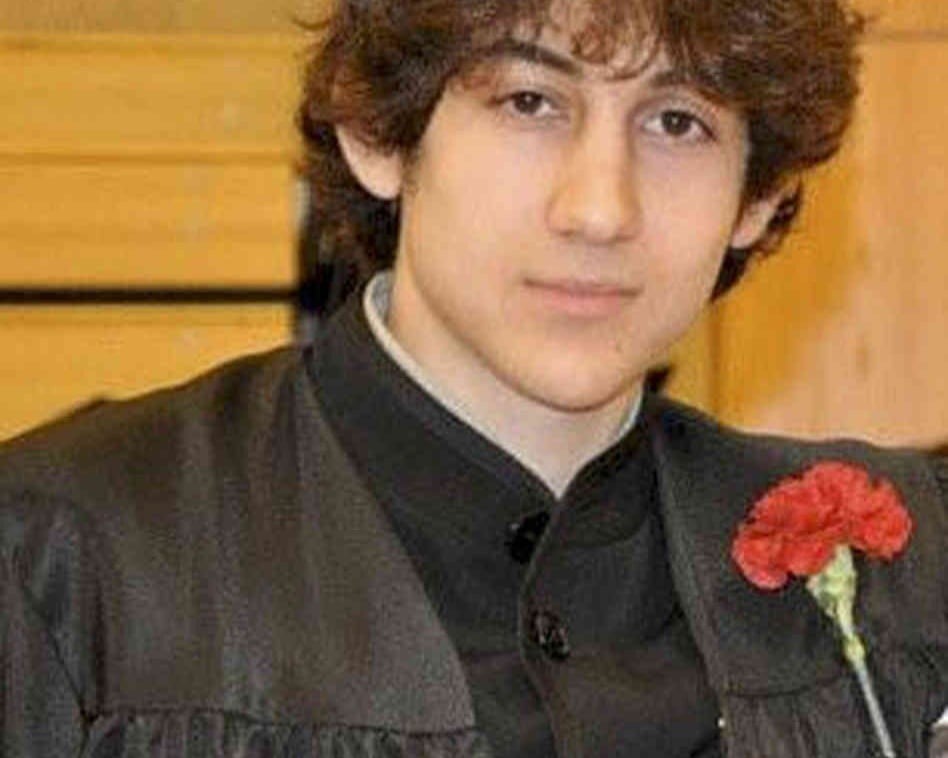
ADX Florence added another notorious resident when Dzhokhar Tsarnaev arrived to serve multiple life sentences for the Boston Marathon bombing, and the facility’s reputation for breaking the most dangerous criminals will be tested by someone who killed and maimed innocent people in the name of ideology. Tsarnaev and his brother Tamerlan turned a celebration into a massacre in 2013, planting pressure cooker bombs that killed three people and injured hundreds more.
The supermax facility in Colorado is where terrorists go to disappear from public consciousness, locked in concrete boxes where their radical ideas can’t spread and their names gradually fade from memory. Tsarnaev spends 23 hours a day in his cell, with one hour for exercise in a slightly larger concrete box.
No internet, no social media, no platform for whatever twisted beliefs motivated his attack on innocent people. He’s twenty-nine years old.
The mathematics of his sentence means he’ll spend the next fifty or sixty years in that cell, watching his youth disappear through a narrow window that shows only a slice of sky. Most people his age are starting careers, getting married, having children.
Dzhokhar Tsarnaev is learning what forever means when it’s measured in concrete and steel.
Gary Ridgway

The Green River Killer struck a deal that saved his life but guaranteed he’d never see freedom again, and Gary Ridgway seems oddly content with the arrangement — which probably tells you everything you need to know about the kind of person who could kill forty-nine women without losing sleep. He confessed to the murders in exchange for life without parole, avoiding the death penalty by leading investigators to bodies they might never have found otherwise.
Washington State Penitentiary in Walla Walla is where Ridgway spends his days, largely forgotten by a world that was once obsessed over his crimes. He killed workers throughout the 1980s and 1990s, targeting women he thought society wouldn’t miss.
The irony is that now society has forgotten him entirely — just another aging lifer in a system full of people who will never get out. Ridgway keeps to himself, follows prison rules, and apparently shows no remorse for the lives he took.
Prison officials describe him as a model inmate, which is deeply unsettling when you consider what he had to do to earn that life sentence. Some people adapt to prison better than others, and Gary Ridgway seems to have found his calling behind bars.
Ramzi Yousef
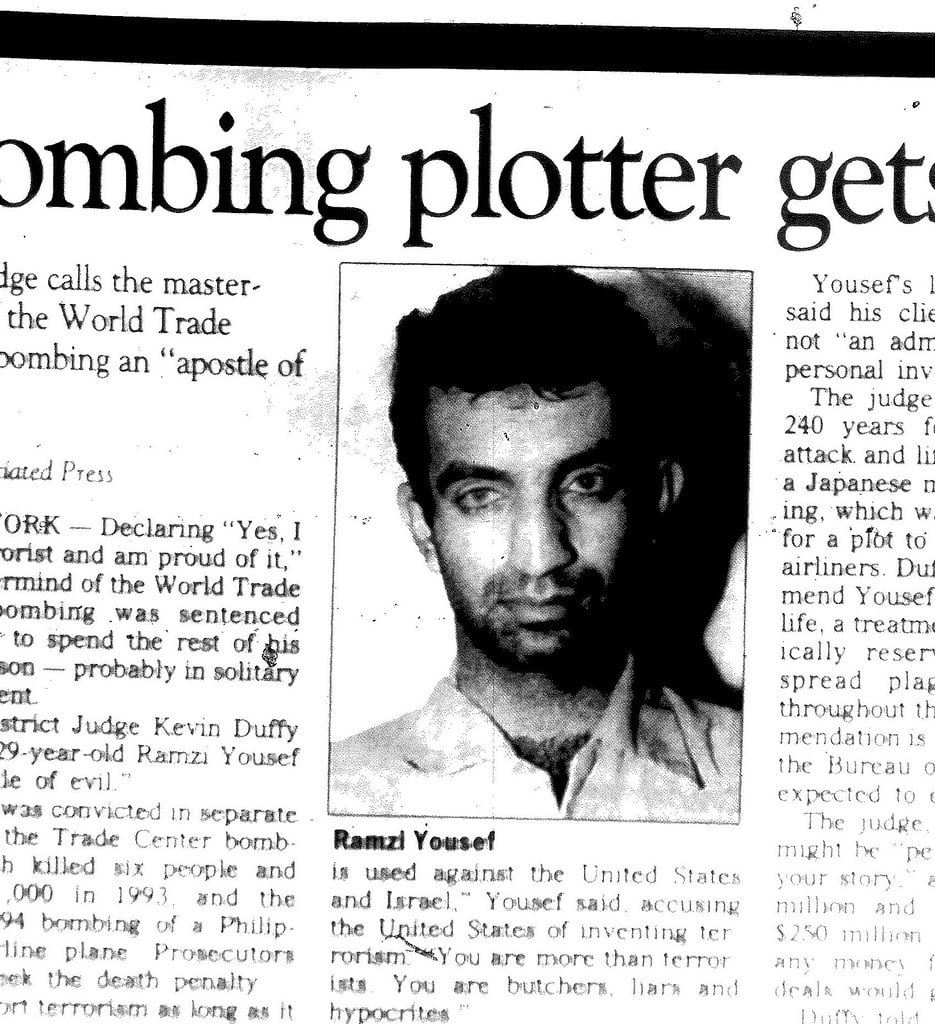
The 1993 World Trade Center bombing earned Ramzi Yousef a permanent address at ADX Florence, where international terrorists learn that American supermax prisons are designed to break spirits as thoroughly as they contain bodies. Yousef’s truck bomb killed six people and injured over a thousand, representing an early preview of the September 11 attacks that would come eight years later.
Solitary confinement at ADX means 23 hours a day in a seven-by-twelve-foot cell, with meals delivered through a slot and exercise time spent alone in a slightly larger concrete box. No contact with other prisoners, no phone calls, no visitors except lawyers.
The facility was specifically designed to house terrorists like Yousef, people whose crimes were motivated by ideology and whose influence needed to be completely contained. Yousef is serving life without parole plus 240 years, which suggests the federal justice system wanted to make absolutely certain he would never walk free, even if someone found a technicality in his conviction.
He’ll die in that concrete box, forgotten by the terrorist organizations that once celebrated his attack on American soil.
Robert Bales

Staff Sergeant Robert Bales murdered sixteen Afghan civilians in 2012, including nine children, and now he’s serving life without parole at the United States Disciplinary Barracks at Fort Leavenworth — which is where military justice sends people who have dishonored their uniform so completely that redemption isn’t even a possibility. Bales walked off his base in Kandahar province and methodically killed innocent people in their homes, including families with small children.
The military prison at Fort Leavenworth isn’t designed for comfort, but it’s not quite the hellscape of civilian supermax facilities either. Bales spends his days in a system that understands military discipline but has no idea what to do with someone who used his training and weapons to commit mass murder.
He was a decorated soldier before he became a war criminal, which makes his crimes even more difficult to process. Military justice moved quickly in Bales’ case — trial, conviction, sentencing, and transfer to Fort Leavenworth within two years of his crimes.
The families of his victims got justice, but justice doesn’t bring back nine dead children or explain how a professional soldier could walk into homes and execute innocent people while they slept.
Behind Walls That Never Come Down
These seventeen stories share a common ending: concrete boxes where dangerous people spend their remaining years, forgotten by a world that once feared their names. Some earned their fate through calculated evil, others through moments of explosive violence, but all crossed lines that society decided could never be uncrossed.
The prisons that hold them represent our collective decision that some people simply cannot be trusted with freedom, ever again. Whether that’s justice or just warehousing depends on your perspective, but the result is the same: steel doors that lock from the outside, meals delivered through slots, and years that blend into decades without parole hearings or release dates to mark the time.
More from Go2Tutors!

- The Romanov Crown Jewels and Their Tragic Fate
- 13 Historical Mysteries That Science Still Can’t Solve
- Famous Hoaxes That Fooled the World for Years
- 15 Child Stars with Tragic Adult Lives
- 16 Famous Jewelry Pieces in History
Like Go2Tutors’s content? Follow us on MSN.



