17 Things from the 1970s Young People Have Never Experienced
Growing up today means never knowing what it felt like to wait three months to see your favorite movie again, or the particular anxiety of getting lost without GPS. The 1970s weren’t ancient history, but they might as well be a different planet for anyone under 30.
Some of these experiences shaped entire generations in ways that are hard to explain to someone who’s never lived without the internet in their pocket.
Rotary Phones
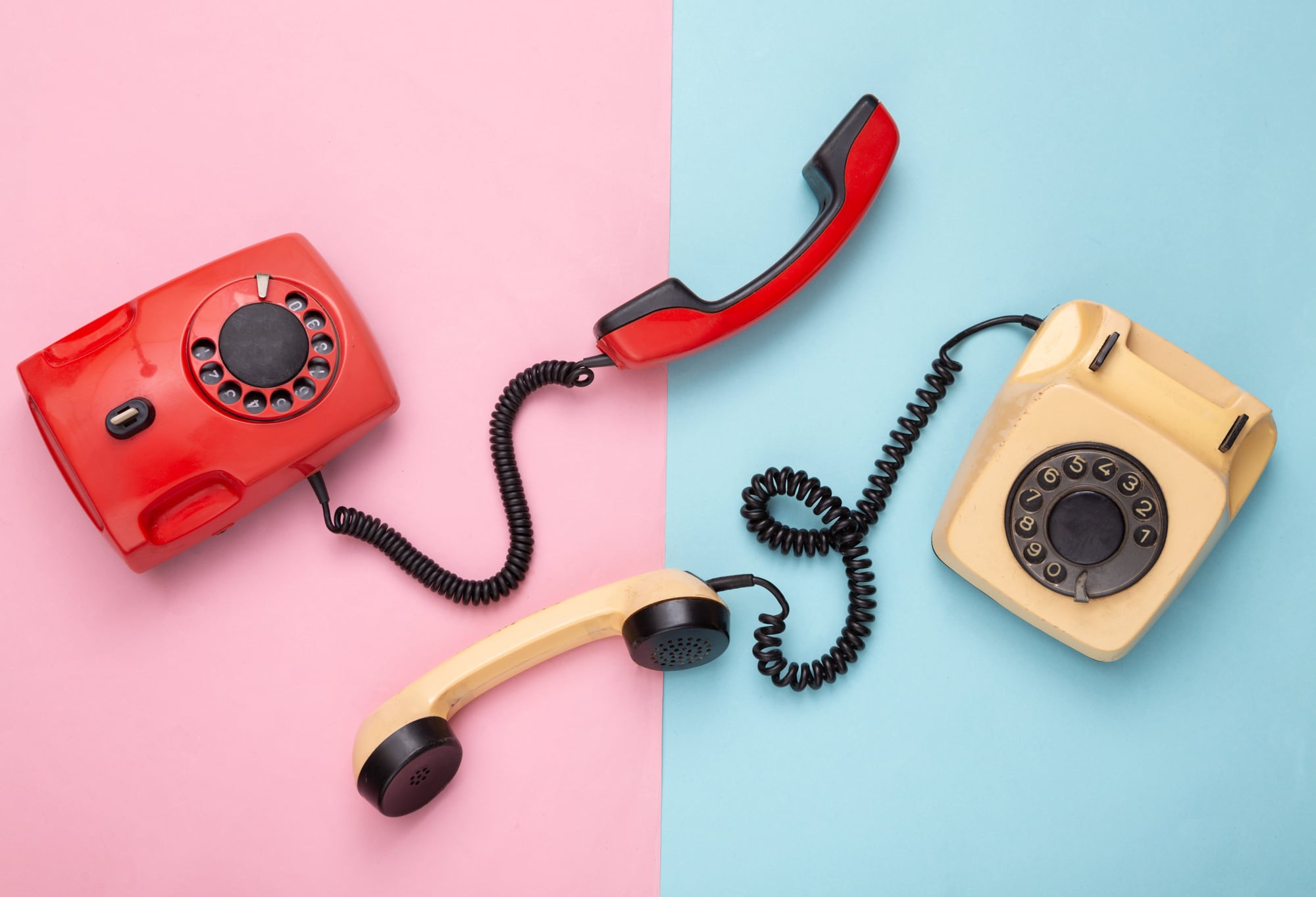
Those heavy plastic circles with finger openings weren’t just harder to use than modern phones. They demanded patience in ways that seem almost cruel now.
Dialing a wrong number meant starting over completely. No backspace, no correction.
And if you were calling someone with a lot of 8s and 9s in their number, your finger got a workout waiting for that dial to rotate back to starting position each time.
TV Sign-Off
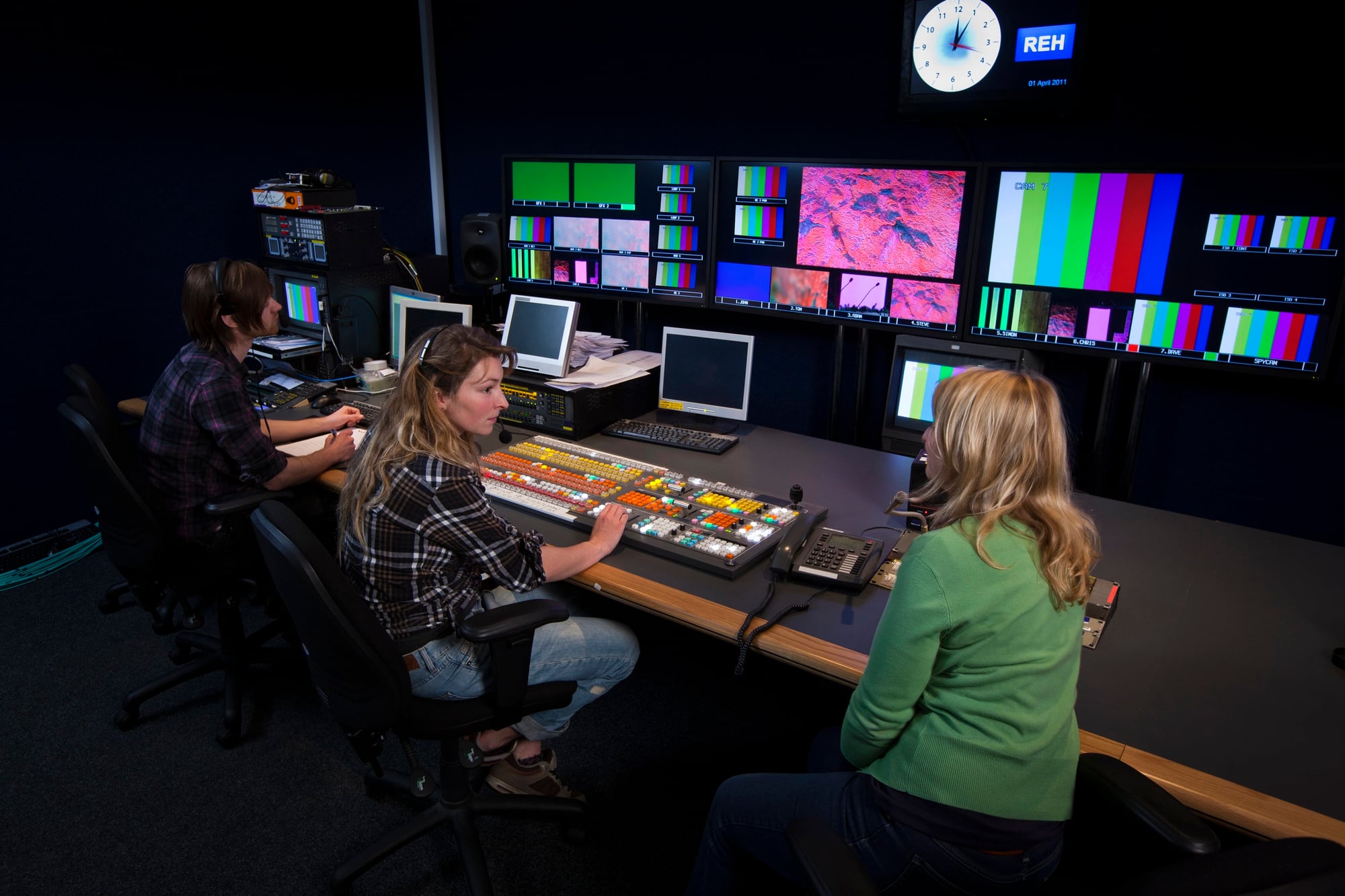
Television didn’t run all night back then. Channels actually went to sleep.
Around midnight or 1 AM, programming would end with the national anthem, followed by a test pattern or static until morning.
This meant if you were a night owl, you were stuck with whatever books or activities you had around the house. The idea of infinite content streaming at any hour simply didn’t exist.
Party Lines

Shared telephone lines weren’t just inconvenient — they were a masterclass in small-town diplomacy and eavesdropping etiquette (though not everyone followed the rules on that second part). When you picked up your phone, you might hear your neighbors already deep in conversation, and the polite thing was to hang up quietly and try again later.
But human nature being what it is, plenty of people lingered to listen, creating an informal neighborhood news network that spread gossip faster than any social media algorithm ever could. Privacy was more of a gentleman’s agreement than a technical feature, and everyone knew that Mrs. Henderson down the street probably knew about your weekend plans before your own family did.
Physical Maps In Cars
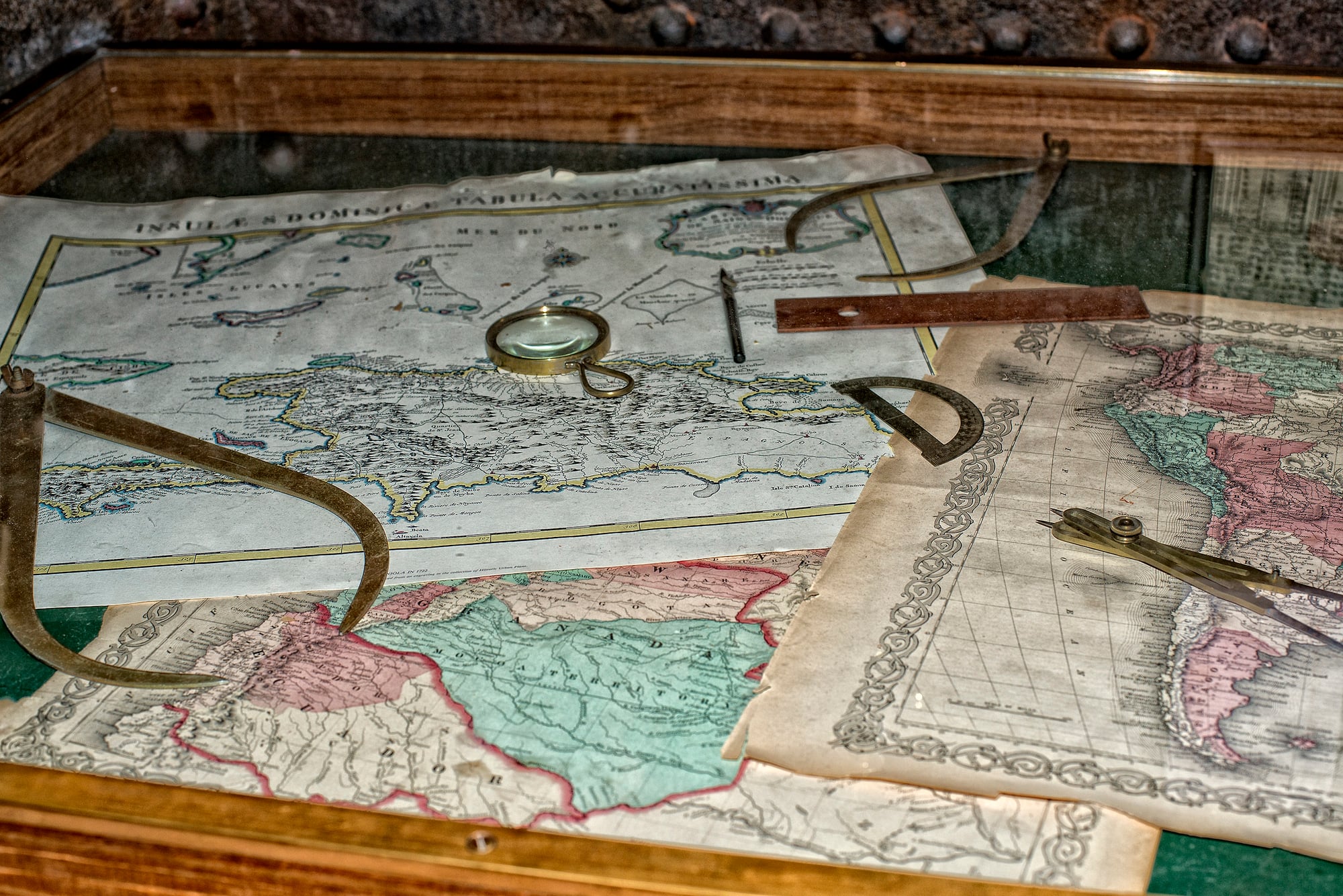
Getting lost was a real commitment. You couldn’t just pull out your phone and get turn-by-turn directions back to civilization.
Car glove compartments came stuffed with folded paper maps that were nearly impossible to refold correctly. Planning a road trip meant laying these massive sheets across your kitchen table and tracing routes with a highlighter.
And if you missed your exit, you were truly on an adventure until you found a gas station to ask for directions.
Record Albums As Art Objects
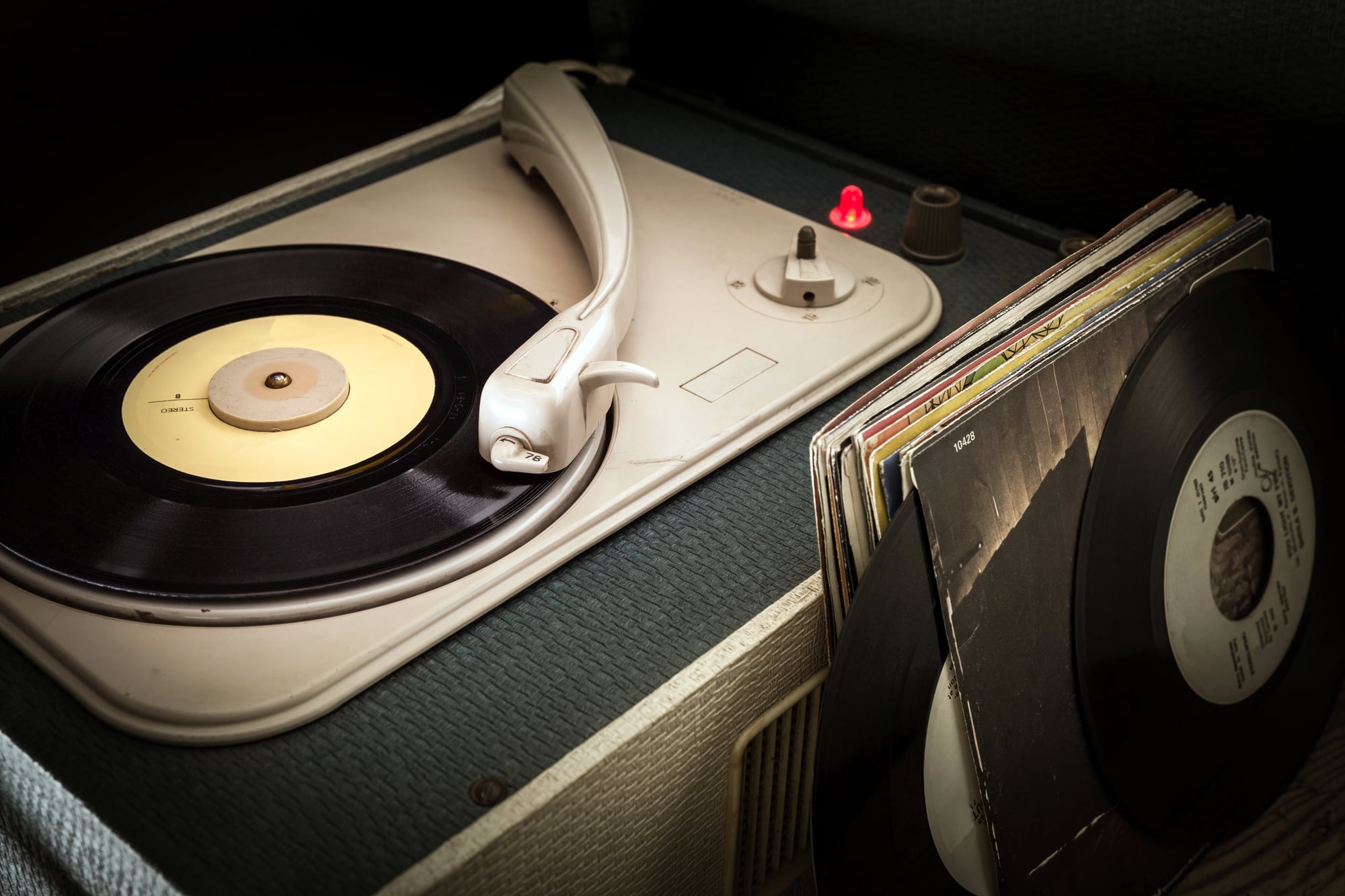
Albums weren’t just music delivery systems. They were these large, tactile artifacts that you held, studied, and lived with in ways that feel almost ceremonial now.
The ritual started before you even heard a note. You’d slide the vinyl out of its sleeve carefully, check for scratches, and lower the needle with the same precision a surgeon might use.
Album covers became bedroom wall decorations, liner notes were studied like scripture, and the experience of listening was tied to these physical objects in ways that streaming can’t replicate.
TV Test Patterns

That geometric rainbow with the high-pitched tone wasn’t just filler. It was television’s way of saying “we’re done for now” — a concept that seems almost quaint in an era of endless content.
Test patterns appeared when regular programming ended, creating these dead zones in broadcasting where nothing happened. Television had business hours, just like stores or offices.
If you were up late enough to see one, it felt slightly eerie, like you’d stayed up past the world’s bedtime.
Manual Car Windows

Rolling down windows required actual physical effort. Your right arm got stronger just from being the passenger who handled window duty on road trips.
And if the mechanism broke, you were stuck with whatever position the window died in until you could afford to fix it.
No pressing a button and waiting — you cranked that handle like you were drawing water from a well, and the windows went down in jerky, uneven stages that sounded like the car was complaining the whole time.
Encyclopedias

Those thick, burgundy volumes lined up on living room shelves represented the entire accessible knowledge of the world, at least for most households. When you needed to research something for school, you pulled down Volume M for “Mars” or Volume D for “Dinosaurs” and hoped the information was detailed enough for your report.
But there was something deeply satisfying about the weight of these books, the thin pages with their small print, and the random discoveries you’d make while flipping to your target entry — you’d go looking for information about the Civil War and somehow end up reading about cloud formations or the life cycle of butterflies, learning things you never intended to learn simply because they happened to be on the page you passed while searching.
Appointment Television

Missing your favorite show meant missing it, period. No streaming, no DVR, no on-demand anything.
Thursday nights at 8 PM meant everyone gathered around the TV for whatever was on, and if you had plans that conflicted with your show’s time slot, you had to choose.
This created a shared cultural experience where millions of people watched the same thing at the same exact moment, then talked about it the next day at work or school.
Film Development
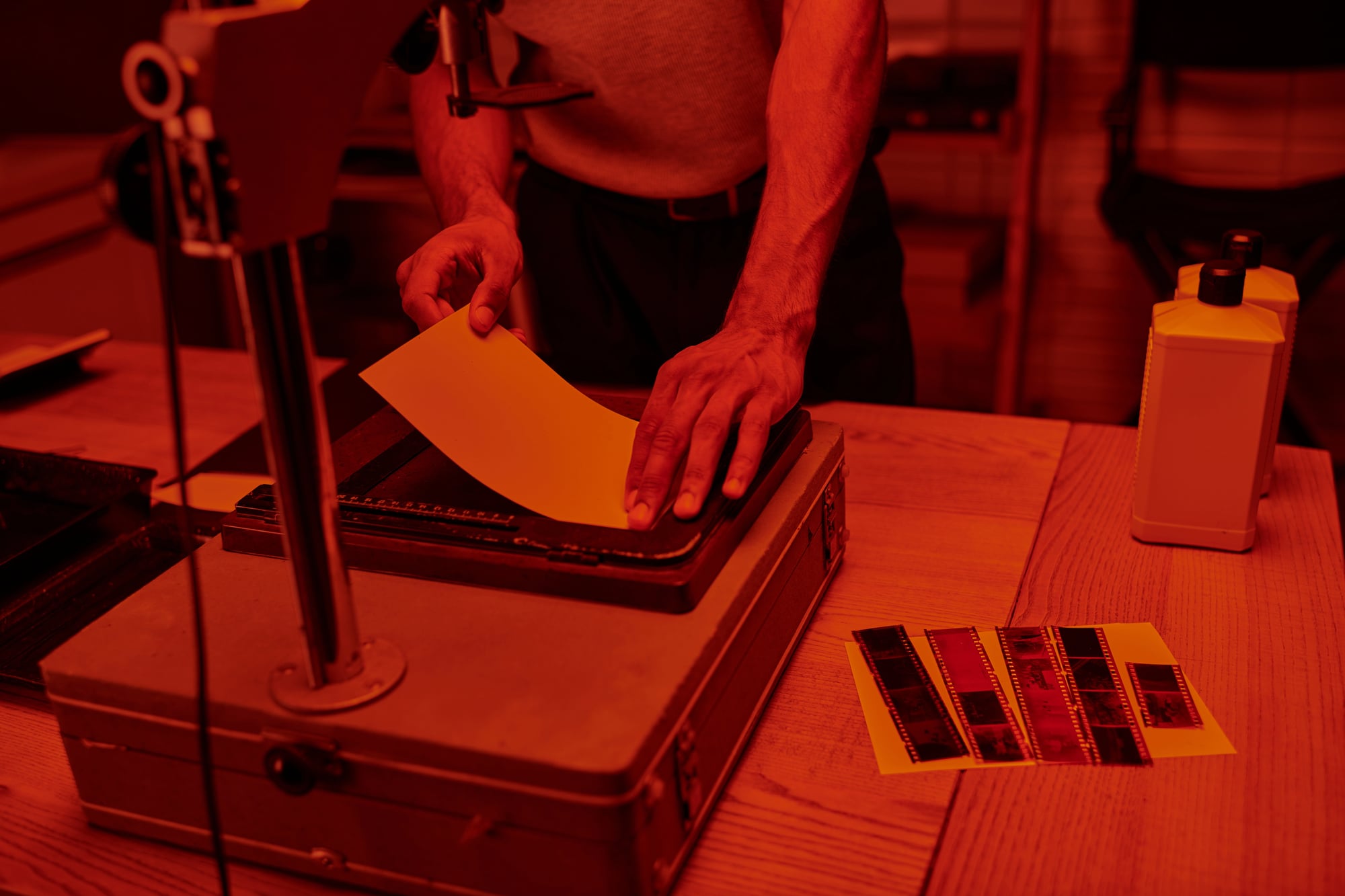
Taking pictures was expensive and uncertain. You never knew what you’d captured until days or weeks later.
Every shot mattered because film and developing cost money. You’d finish a roll of 24 or 36 exposures, drop it off at the drugstore, wait three days to a week, then experience the excitement and disappointment of seeing what actually came out.
Half the pictures were blurry or had someone’s thumb covering the lens, but the anticipation made the good ones feel like small miracles.
Cash-Only Everything

Credit cards existed but weren’t accepted everywhere. Most daily transactions required actual paper money or checks, which meant planning your spending in ways that seem almost primitive now.
You’d hit the bank on Friday to get cash for the weekend, knowing that if you ran out on Sunday night, you were stuck until Monday morning when the bank opened again.
And if a store didn’t take your particular credit card — which happened often because businesses were pickier about which ones they’d accept — you either paid cash or didn’t buy anything. This created a more deliberate relationship with money; you could feel it leaving your hands with each purchase, and budgeting wasn’t an app notification but a physical reality based on what was actually in your wallet.
Busy Signals

When someone was using their phone, you got a busy signal. That harsh beep-beep-beep was the sound of having to wait your turn.
No call waiting, no voicemail, no texting as backup. You’d call back every few minutes until the line was free, or you’d give up and try again later.
Important conversations sometimes took hours to start simply because you couldn’t get through.
Library Card Catalogs

Those wooden cabinets filled with tiny drawers and index cards were the only way to find books in most libraries. Each drawer represented a slice of the alphabet, and you’d flip through hundreds of cards looking for your topic.
The cards were typed on actual typewriters and filed by hand. Finding a book meant copying down its call number on a scrap of paper, then wandering through the stacks hoping someone hadn’t misshelved it.
Research was physical exercise as much as mental work.
Analog Clocks Everywhere
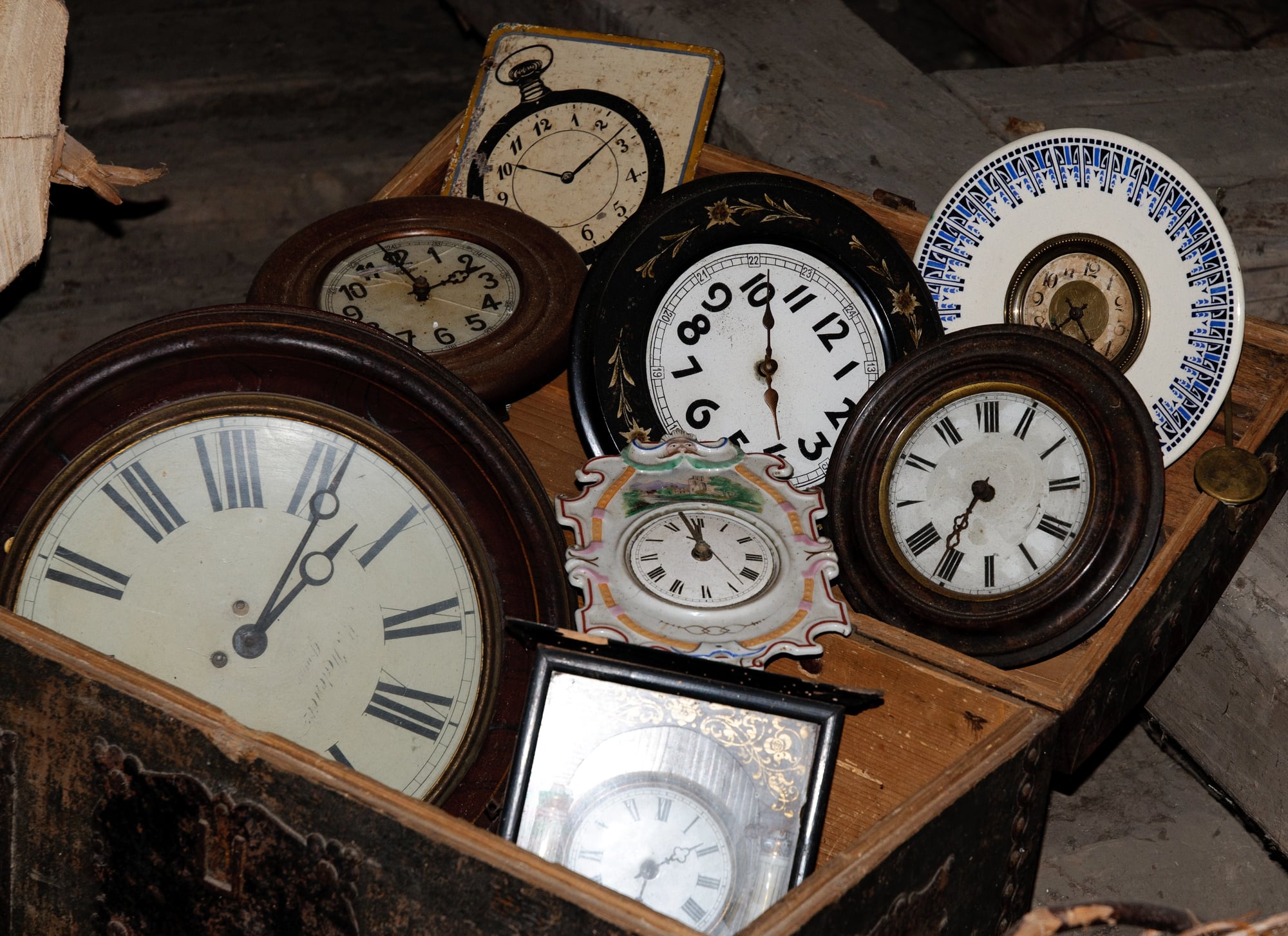
Reading time required actual skill. Digital displays were rare enough that most clocks had hands, and telling time meant interpreting the position of those hands rather than just reading numbers.
Kids learned phrases like “quarter past” and “twenty till” because that’s how analog time worked.
Being able to glance at a clock face and instantly know it was 3:47 was a small but essential life skill that required practice to master.
Fixed Phone Locations

Phones were attached to walls or sat on specific tables. When it rang, you ran to wherever it was.
Long phone conversations happened while tethered to one spot by a curly cord that always got tangled.
Privacy meant stretching that cord as far as it would go and hoping no one walked into the room. The idea of carrying a phone with you everywhere was pure science fiction.
Carbon Paper

Making copies of documents required placing thin, messy carbon sheets between pieces of paper and typing or writing hard enough to transfer the impression through multiple layers. Your fingers turned black from handling the carbon, and if you made a mistake, every copy had the same error unless you started over completely.
This made important documents feel genuinely important — you couldn’t just print another copy whenever you wanted, so you treated the originals with care and made sure you got things right the first time.
Office work moved slower partly because duplication itself was a deliberate, physical process that couldn’t be rushed.
AM Radio Road Trips
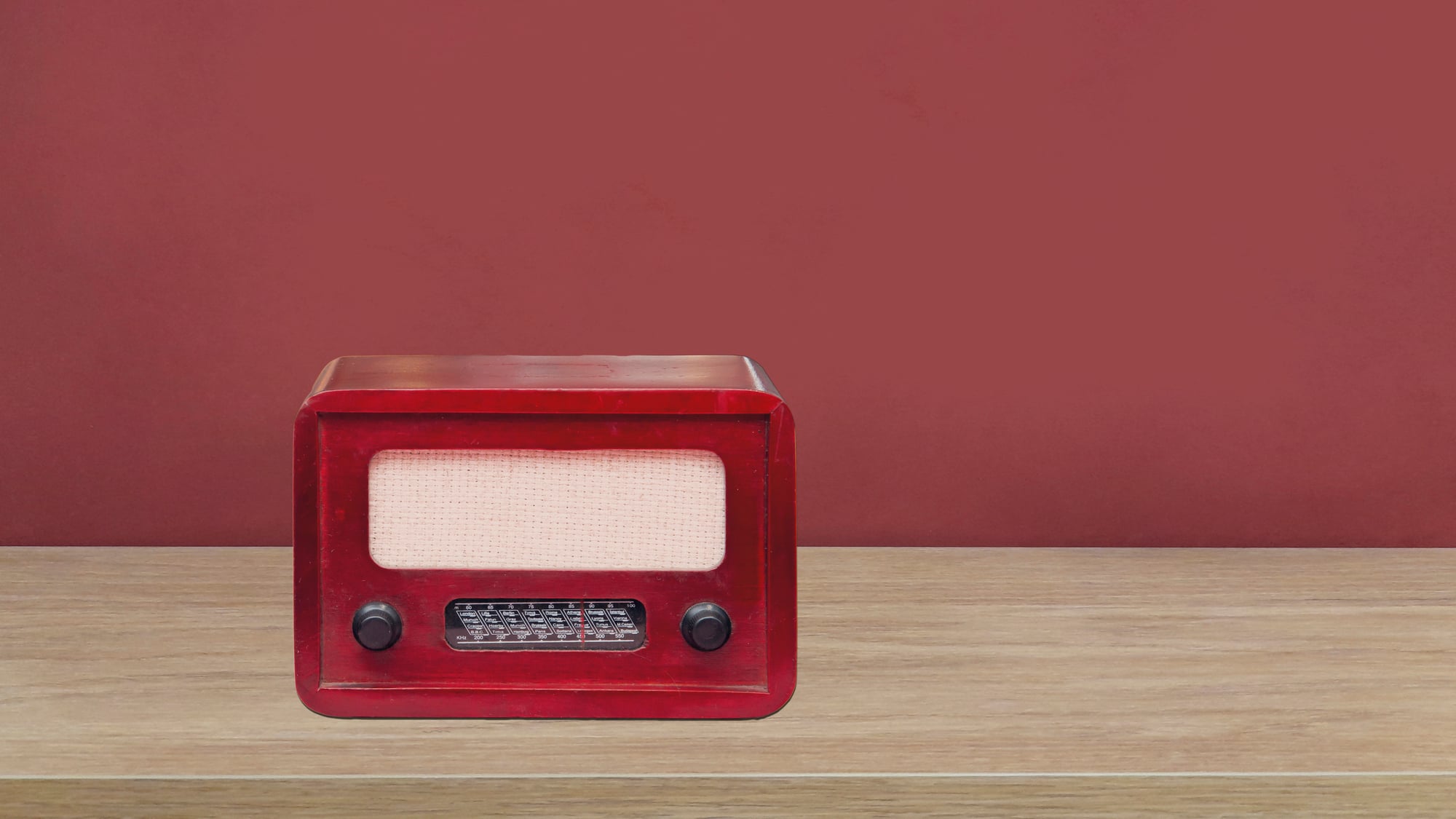
Long drives meant scanning through static to find stations that came and went with geography. Music discovery happened by accident when you stumbled across something good between stretches of talk radio and weather reports.
Radio signals faded and strengthened as you drove, creating a soundtrack that changed with the landscape.
You’d find a great song just as you drove out of range, leaving you with fragments of melodies you might never hear again.
Where All That Time Went

The strangest thing about all these vanished experiences isn’t how primitive they seem, but how they created space that no longer exists. Waiting for things, being unreachable, not knowing something and having to stay curious about it until you could get to a library — these weren’t inefficiencies to be solved but rhythms that shaped how people related to time, information, and each other.
That slower pace wasn’t always better, but it was certainly different. And for anyone who never lived it, the difference might be bigger than it appears.
More from Go2Tutors!

- The Romanov Crown Jewels and Their Tragic Fate
- 13 Historical Mysteries That Science Still Can’t Solve
- Famous Hoaxes That Fooled the World for Years
- 15 Child Stars with Tragic Adult Lives
- 16 Famous Jewelry Pieces in History
Like Go2Tutors’s content? Follow us on MSN.