17 Inventions Born From Happy Accidents
Not every great idea starts with a plan. Sometimes, people are just trying to solve one problem and end up finding something completely different.
Other times, they make mistakes that lead to discoveries no one saw coming. These moments may not have seemed big at the time, but they ended up changing the world. Some of the things people use every day wouldn’t even exist if not for a lucky twist.
Let’s look at 17 inventions that happened by accident but turned out to be surprisingly useful.
Penicillin

Penicillin was discovered in 1928 when Alexander Fleming left a petri dish out and forgot about it. Mold grew on the dish and killed the bacteria around it.
At first, he didn’t think it was a big deal. But that mold turned out to be the world’s first antibiotic.
It went on to save millions of lives.
Microwave oven
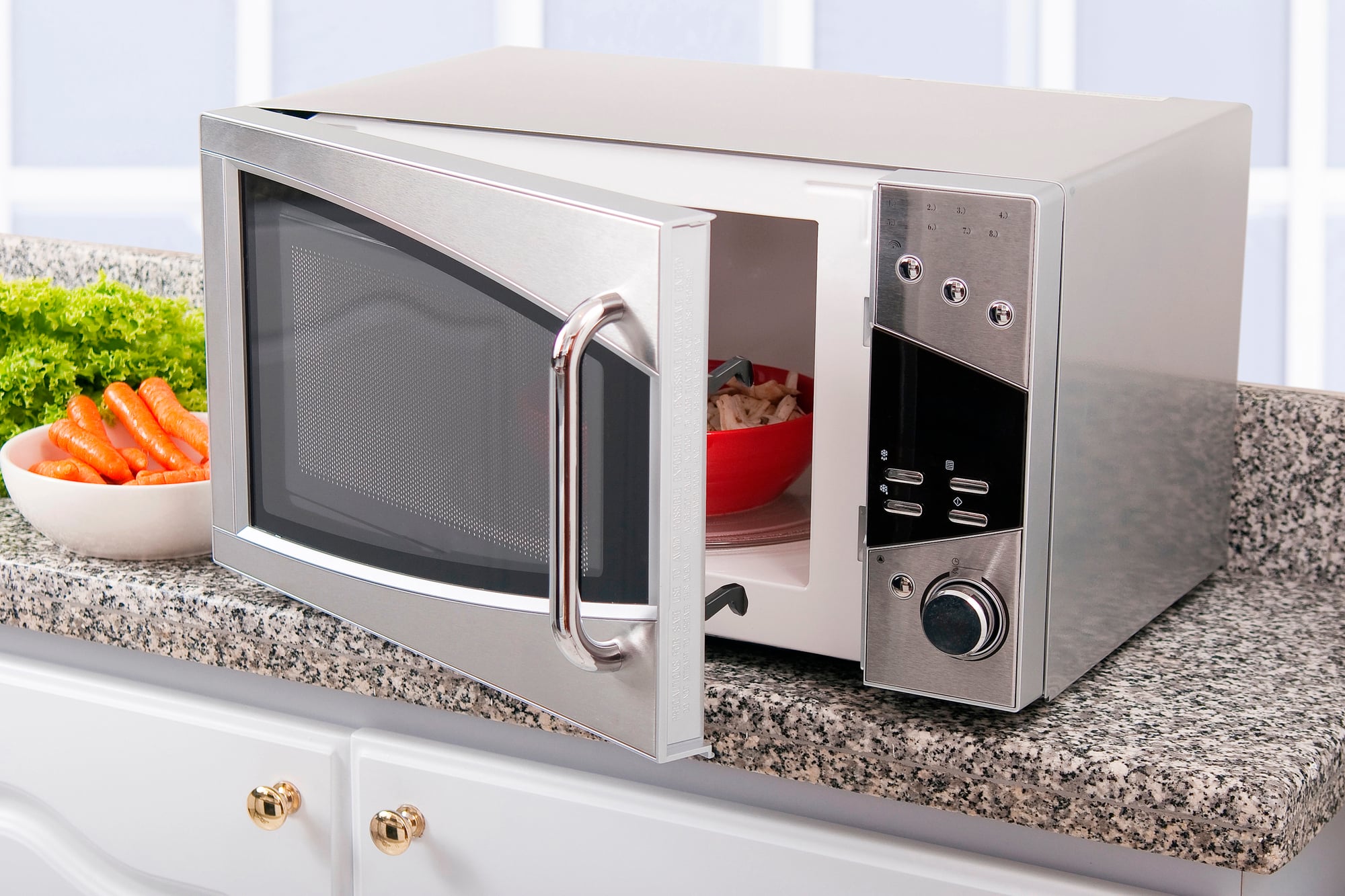
Percy Spencer was testing radar equipment when he noticed something strange. A candy bar in his pocket had melted.
Curious, he tried putting popcorn near the machine, and it popped. That’s when he realized microwave energy could cook food.
It completely changed how people heat meals today.
Velcro
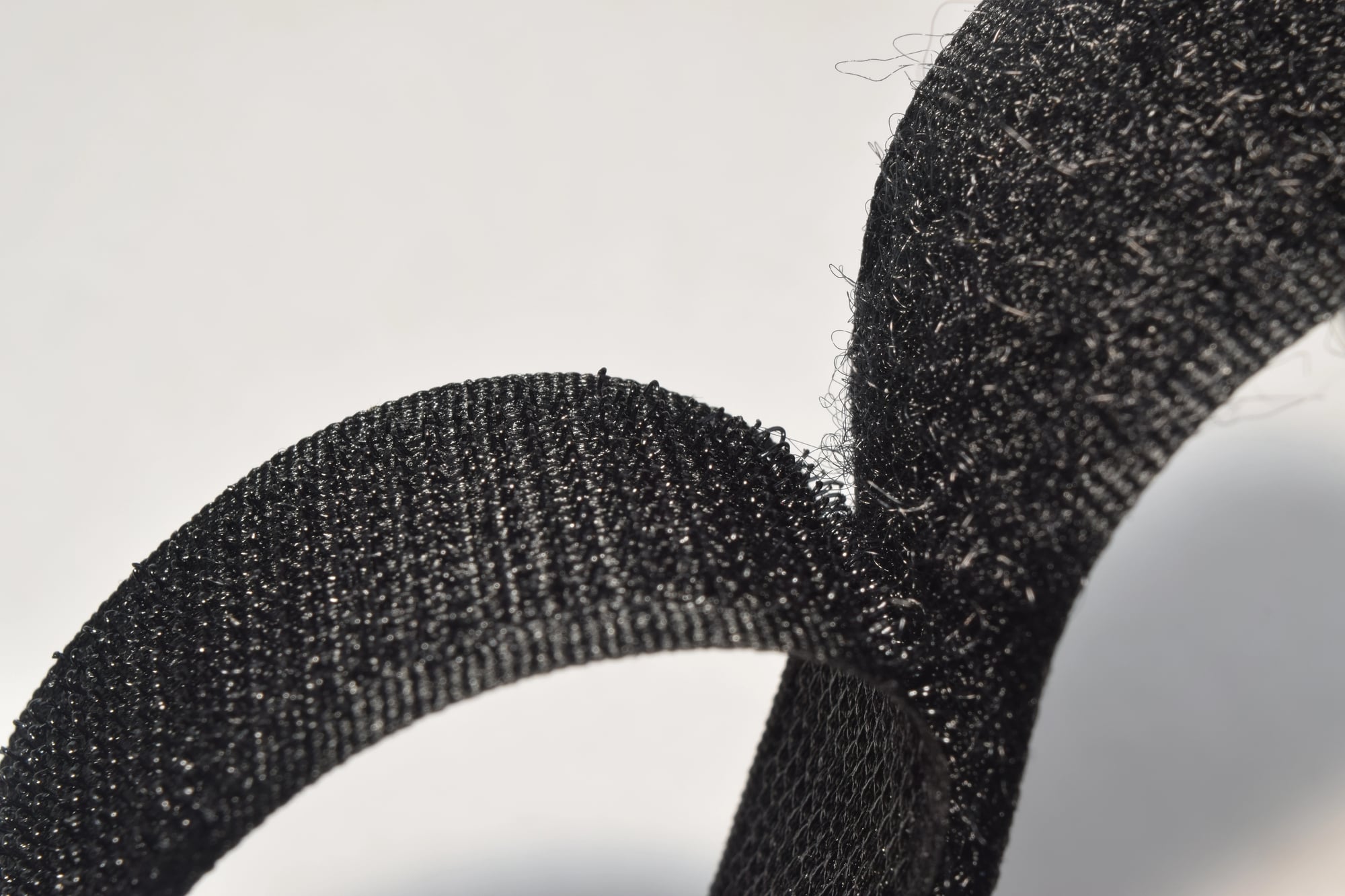
Swiss engineer George de Mestral went for a walk in the woods and found burrs stuck to his dog’s fur. He studied the burrs under a microscope and saw tiny hooks.
That led him to design a new kind of fastener with loops and hooks. Velcro became popular in clothing, shoes, and even space suits.
Post-it Notes

Scientists at 3M were trying to make a super-strong glue but ended up with a weak, reusable one instead. For a while, they didn’t know what to do with it.
Then someone used it to stick a bookmark in a church hymn book. That small idea grew into Post-it Notes, now used in homes and offices everywhere.
X-rays

In 1895, Wilhelm Röntgen was doing experiments with light and electricity. He noticed that a screen across the room started to glow, even though nothing was shining on it.
When he placed his hand in front of the rays, he could see the bones. That’s how X-rays were discovered, changing medicine forever.
Ice cream cones
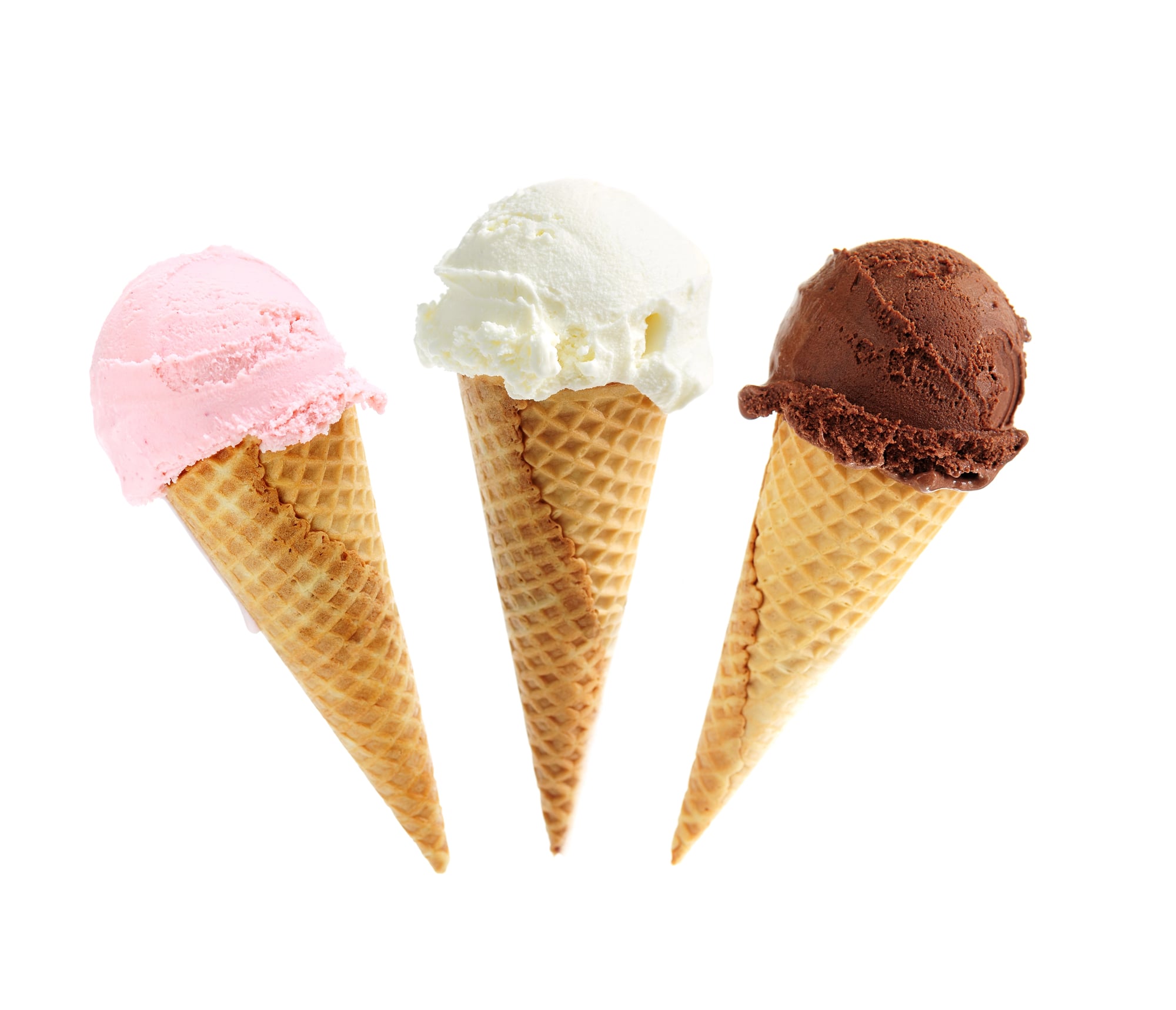
At the 1904 World’s Fair, an ice cream vendor ran out of dishes. A nearby waffle seller rolled one of his waffles into a cone shape and offered it as a holder.
People loved the idea, and soon it caught on everywhere. The ice cream cone became a tasty and convenient way to enjoy a treat.
Play-Doh
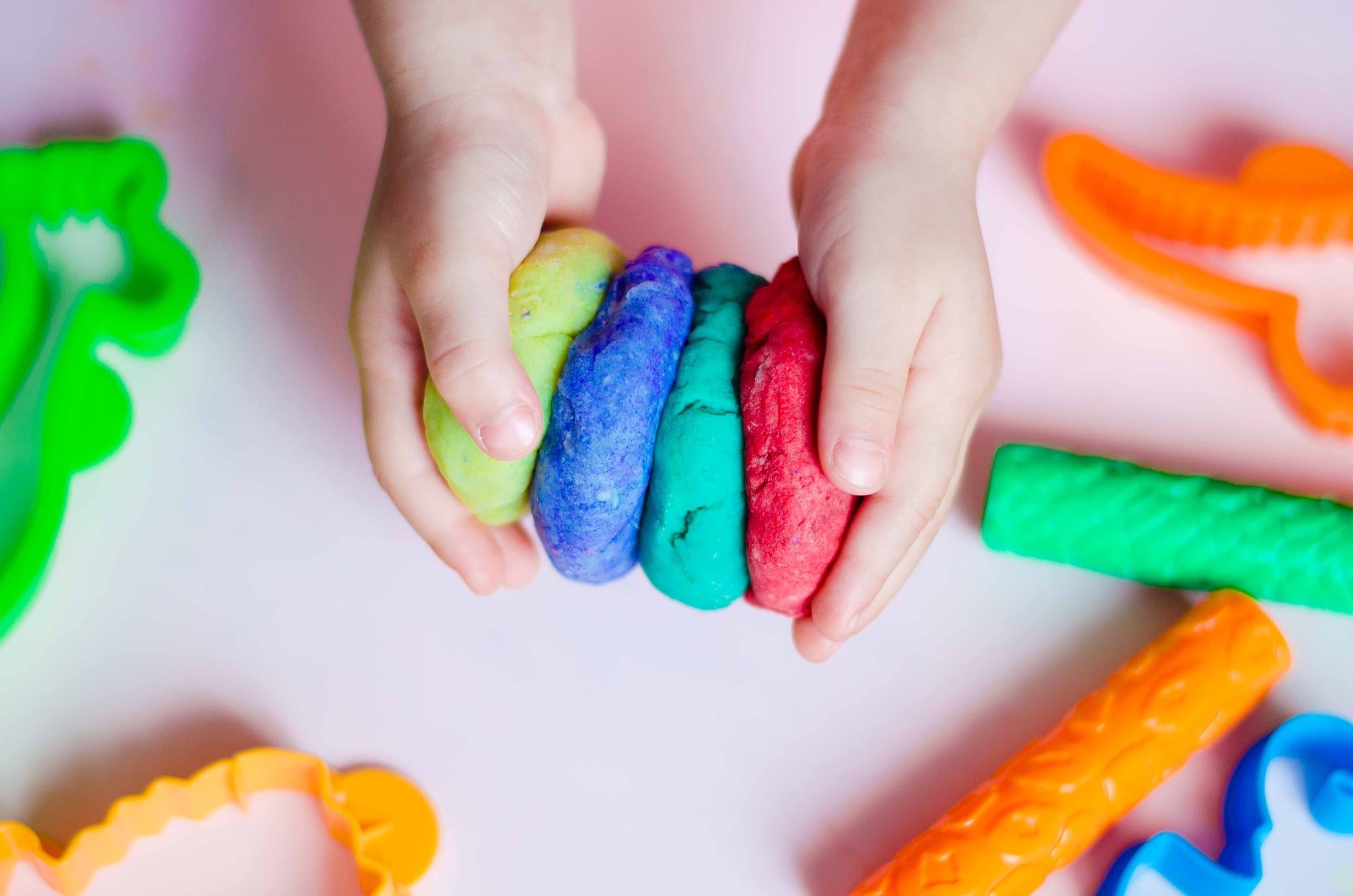
Play-Doh was first made as a cleaning product for wallpaper. But when people stopped using coal heat, it wasn’t needed anymore.
A teacher later used it as a craft material for kids in school. It turned out to be perfect for shaping and molding.
That’s how a failed cleaner became a toy loved by children.
Potato chips
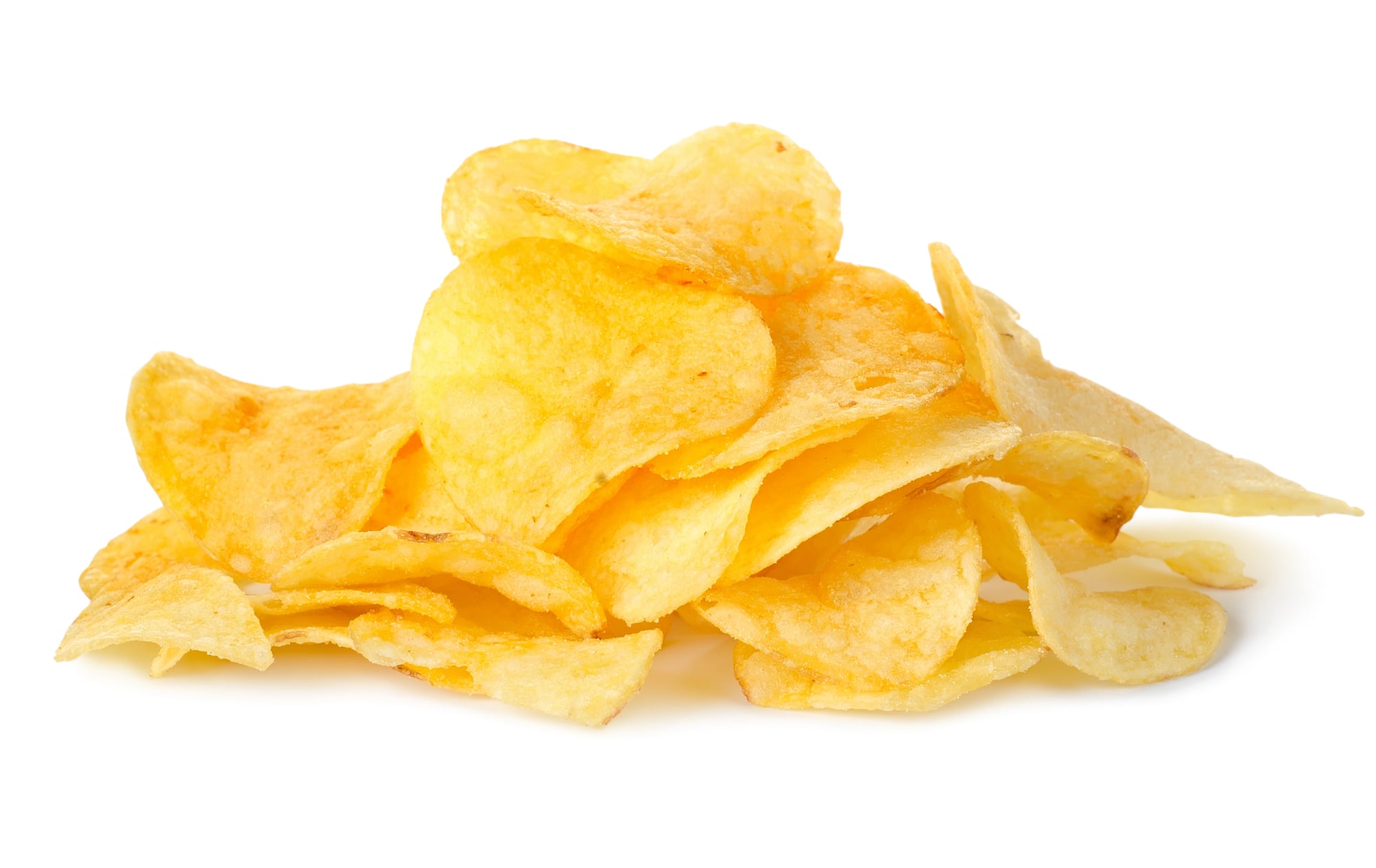
A customer at a restaurant kept complaining that his fried potatoes were too thick and soggy. The chef, George Crum, got annoyed and sliced them extra thin, fried them until crispy, and added lots of salt.
To his surprise, the customer loved them. That’s how potato chips were born.
Corn flakes
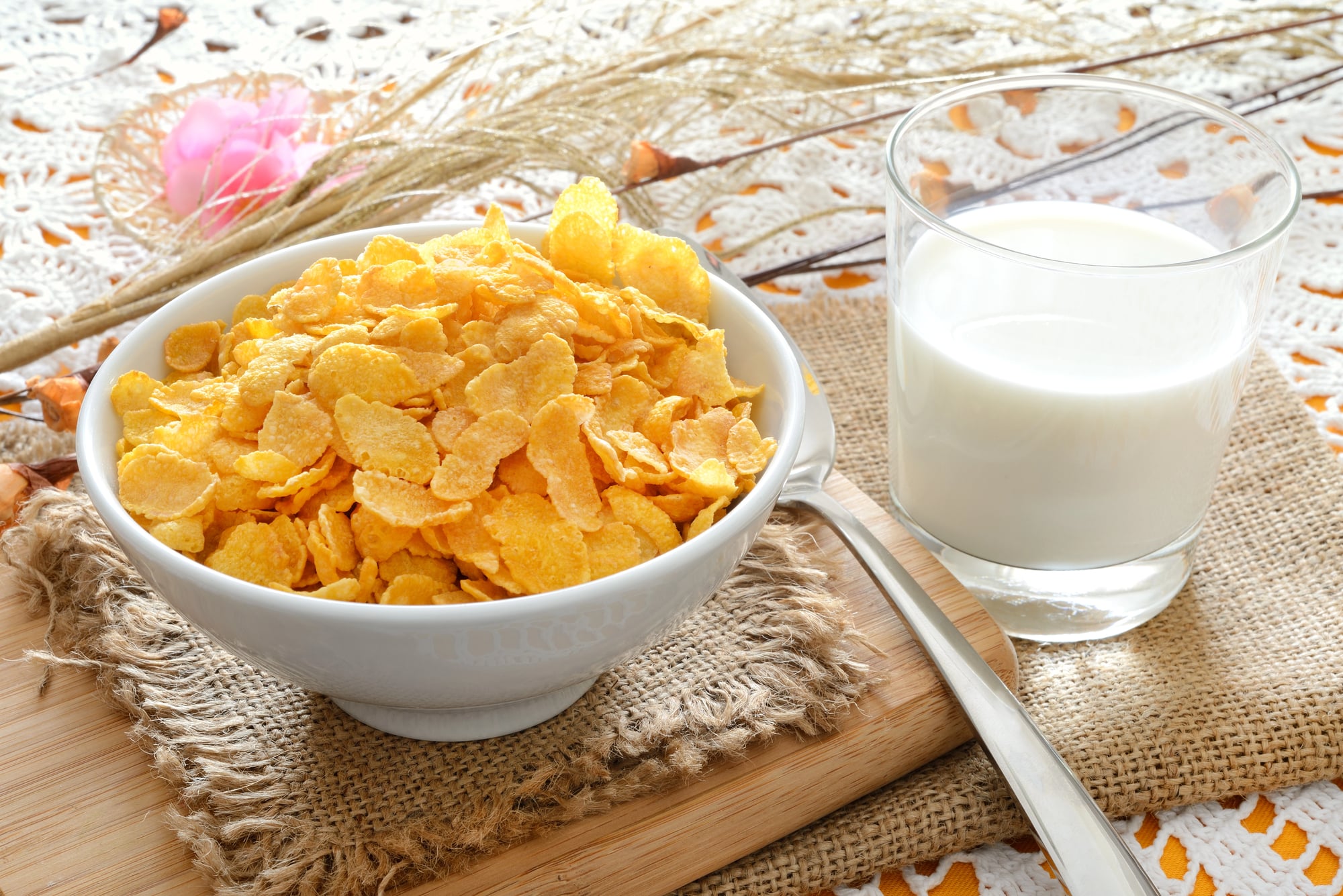
John and Will Kellogg were trying to create healthy food for patients at a sanitarium. One day, they left cooked wheat sitting out too long.
When they rolled it out, it broke into flakes. They toasted the flakes and served them.
It became a hit, and later they used corn instead of wheat for better taste.
Super glue
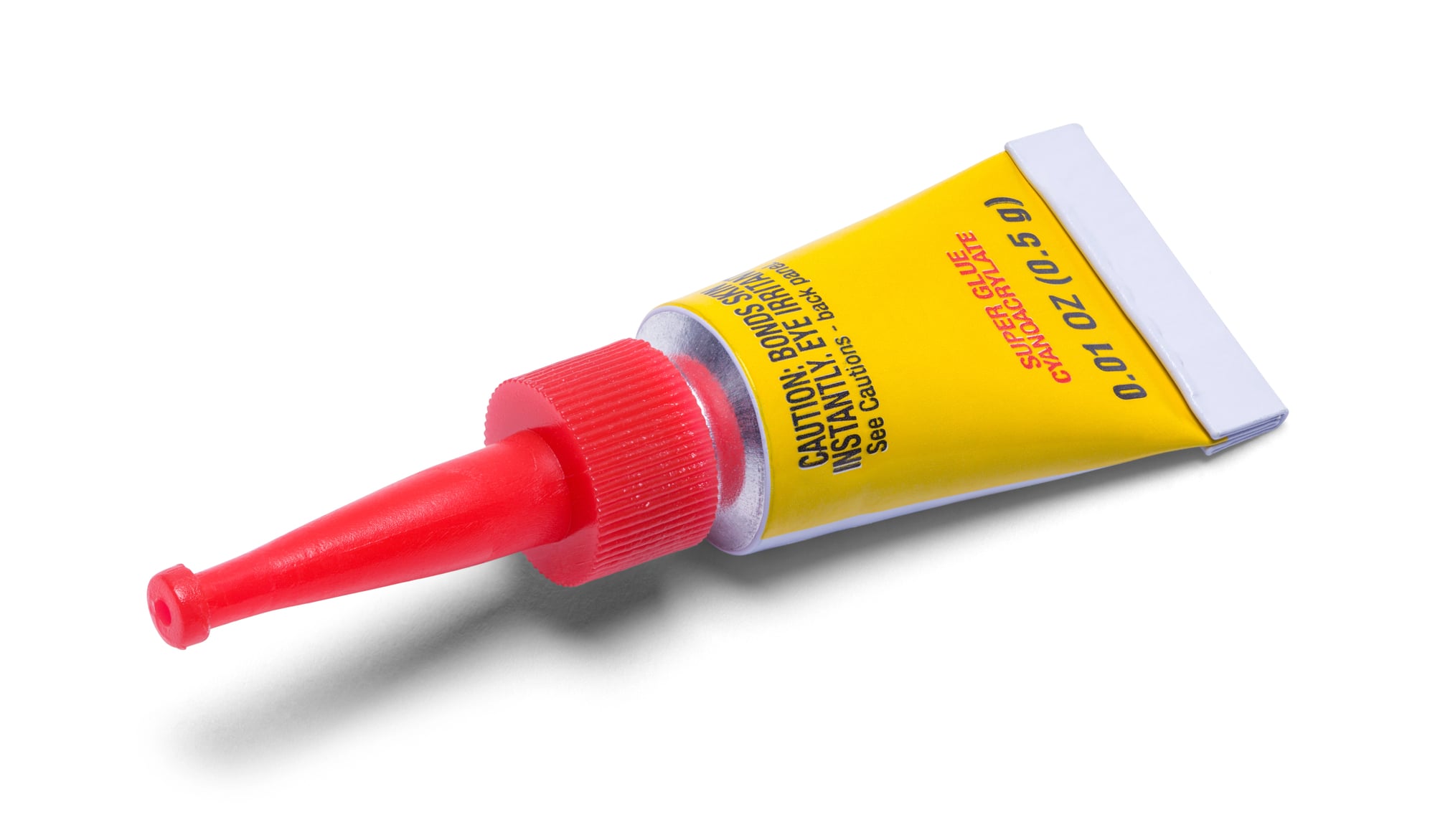
Super glue was actually discovered twice before anyone figured out what to do with it. It was too sticky for its original purpose, which was making clear plastic for guns.
Years later, scientists realized it could bond almost anything. That’s how it became a go-to fix for household repairs.
Safety glass
A French scientist named Édouard Bénédictus dropped a glass flask by accident. It broke, but the pieces stayed together because it had a plastic coating inside.
He realized this could be useful for car windshields. Today, safety glass helps protect people in cars all over the world.
Saccharin
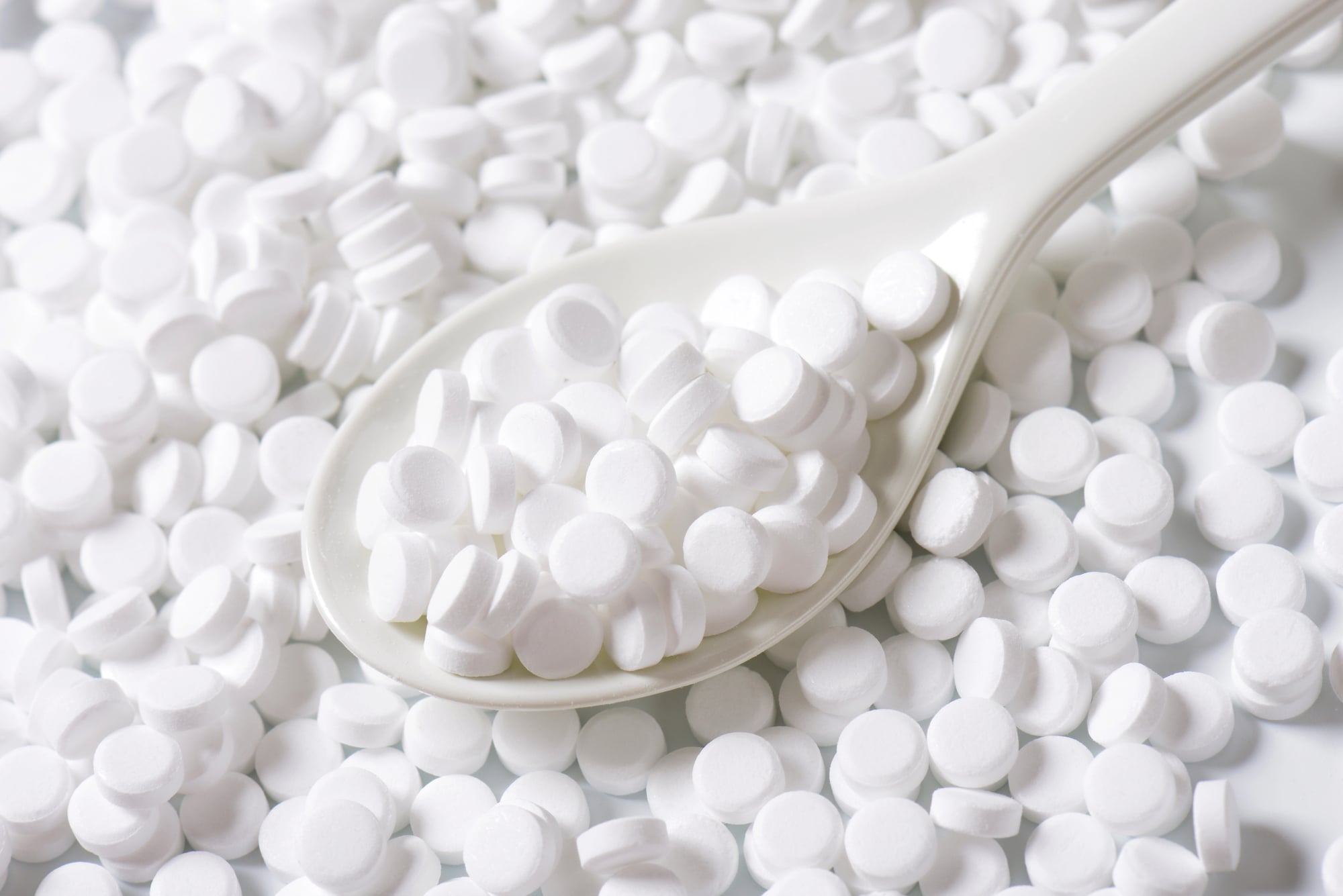
In the late 1800s, a chemist working with coal tar forgot to wash his hands before eating. He noticed that his food tasted sweet.
That led to the discovery of saccharin, one of the first artificial sweeteners. It became popular with people looking for sugar substitutes.
Teflon
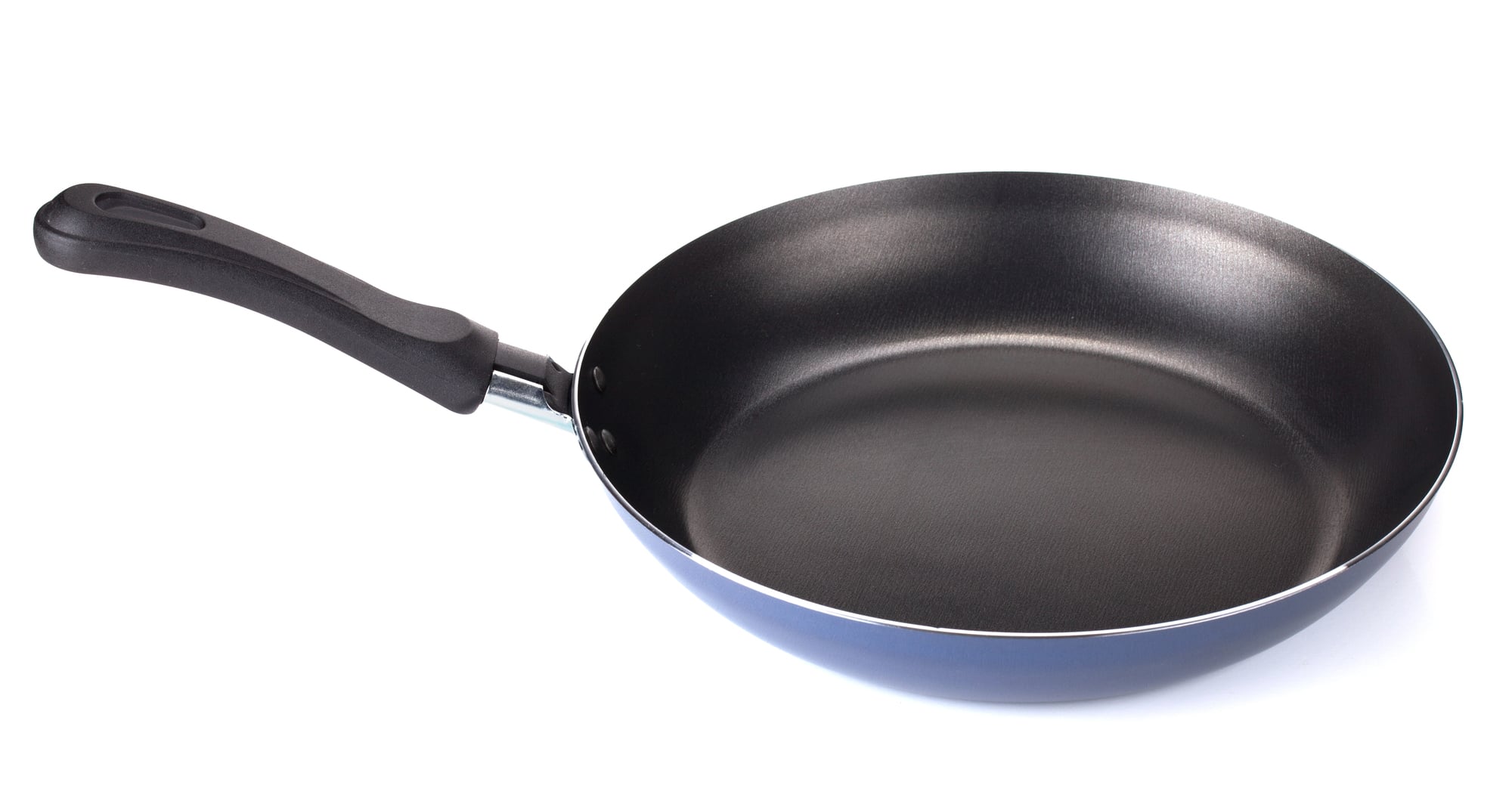
While working on gas refrigerants in 1938, a chemist named Roy Plunkett found that one gas had turned into a slippery solid inside its container. It didn’t stick to anything.
That solid became known as Teflon. It later became famous for its use in non-stick cookware.
Coca-Cola
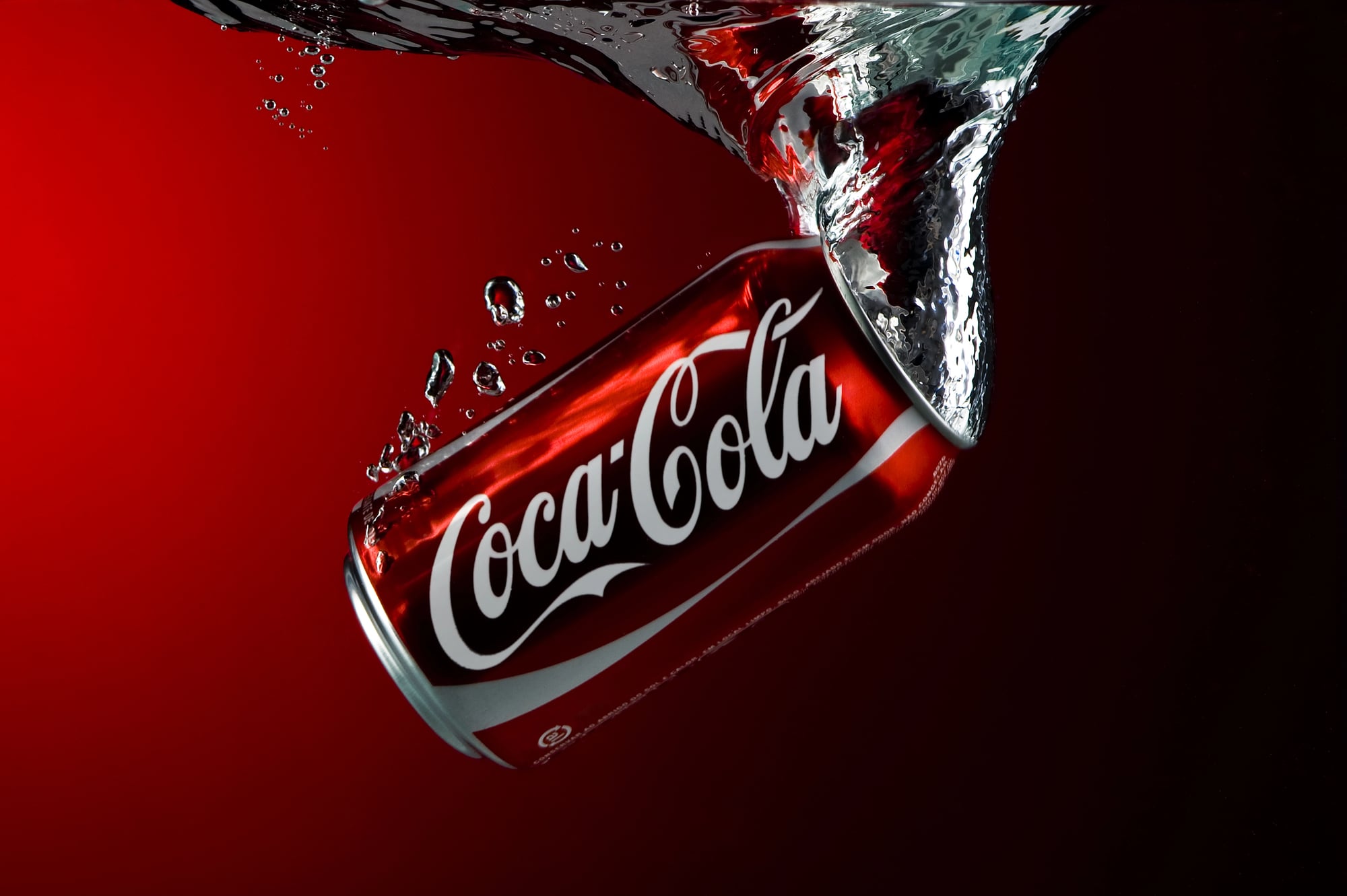
Coca-Cola started as a medicine. Pharmacist John Pemberton mixed up a syrup hoping to cure headaches and digestion problems.
When he mixed it with carbonated water, it tasted good. People started drinking it for fun instead of medicine.
That was the beginning of one of the biggest drink brands in the world.
Chewing gum

Chewing gum has been around for thousands of years, but the modern version happened by chance. Thomas Adams was trying to make a rubber substitute and chewed on a piece of chicle.
He liked how it felt and added flavor to it. That mistake turned into something kids and adults still enjoy today.
Popsicles
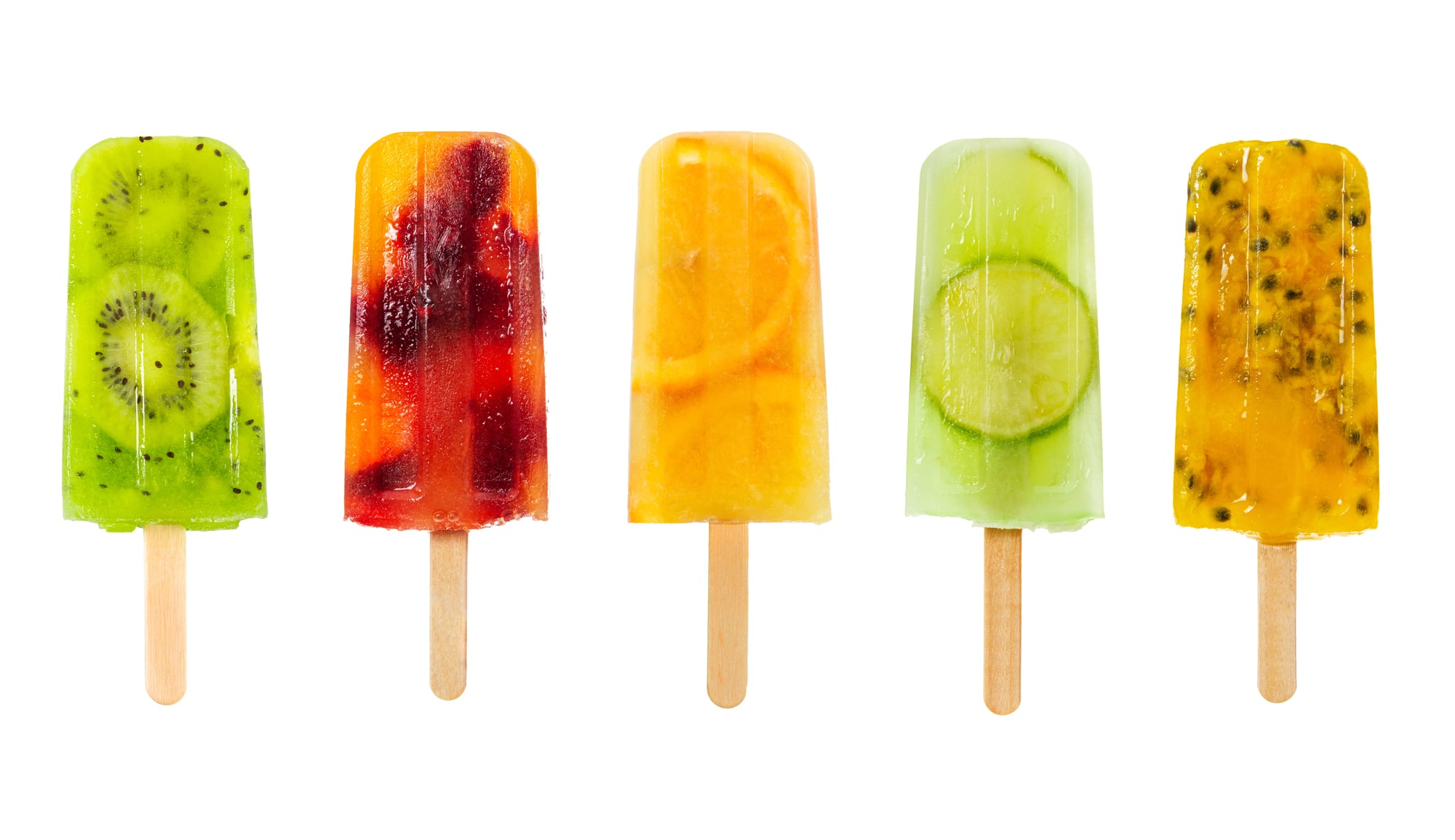
An 11-year-old boy named Frank Epperson left a cup of soda with a stick in it outside on a cold night. When he checked it in the morning, it was frozen solid.
Years later, he started selling the frozen treat as a “popsicle.” A simple accident led to one of the most popular summer snacks ever.
Plastic
In the 1900s, a chemist named Leo Baekeland was working on a way to replace shellac, which came from bugs. Instead, he invented Bakelite, the first fully synthetic plastic.
It didn’t melt, didn’t burn, and was cheap to make. Plastic became one of the most-used materials on Earth.
When mistakes turn into something big
These stories show that not everything needs to go as planned to make an impact. Sometimes the best ideas show up when people least expect them.
A little curiosity, a lot of luck, and paying attention can lead to something amazing. Today’s common items were once strange surprises.
It just goes to show that even accidents can shape the future.
More from Go2Tutors!

- The Romanov Crown Jewels and Their Tragic Fate
- 13 Historical Mysteries That Science Still Can’t Solve
- Famous Hoaxes That Fooled the World for Years
- 15 Child Stars with Tragic Adult Lives
- 16 Famous Jewelry Pieces in History
Like Go2Tutors’s content? Follow us on MSN.



