Jobs That Require Extreme Isolation
Most people fear loneliness. They crave connection, conversation, the buzz of other humans around them.
But some jobs flip that script entirely. They demand isolation—sometimes for days, sometimes for months.
The work happens in places where help seems impossibly far away, where the only sounds come from wind, waves, or your own thoughts. These aren’t jobs for everyone.
They require a specific temperament, someone who finds peace where others would feel panic.
Antarctic Research Station Support
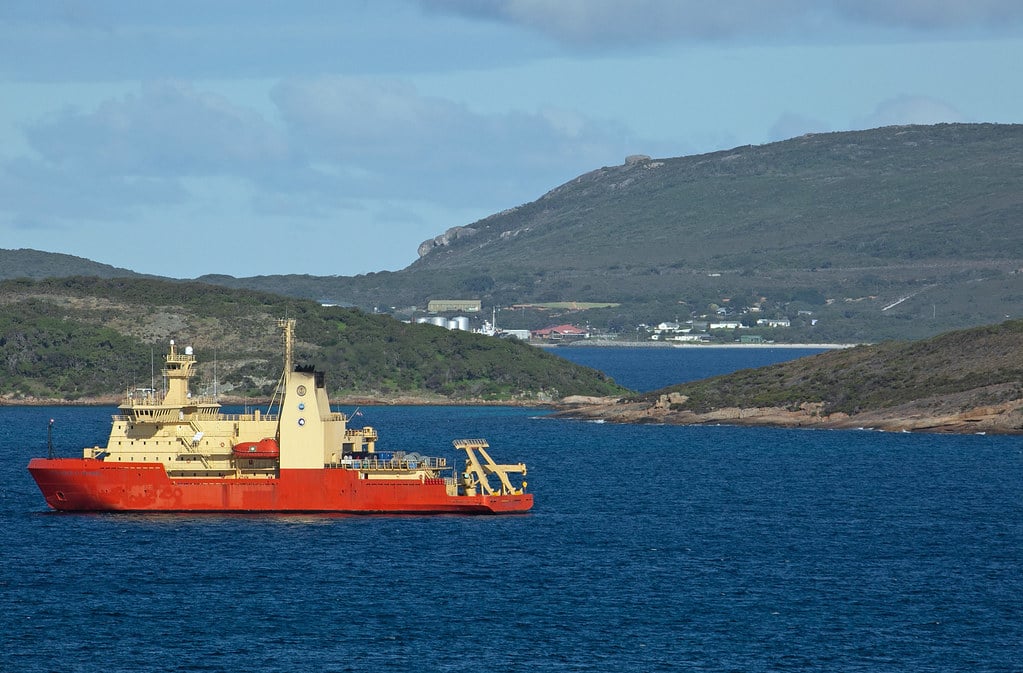
Working in Antarctica means living at the bottom of the world, surrounded by ice and darkness for months at a time. Research stations need cooks, mechanics, electricians, and general support staff to keep operations running.
During winter, transport becomes impossible. You stay put, no matter what happens.
The typical crew size shrinks to maybe 20 people, all sharing the same small base while temperatures plunge and daylight disappears. Communication with family happens through limited internet and satellite phones.
Physical and psychological exams screen candidates before deployment because the isolation can break people who aren’t prepared for it.
Fire Lookout Tower Operator
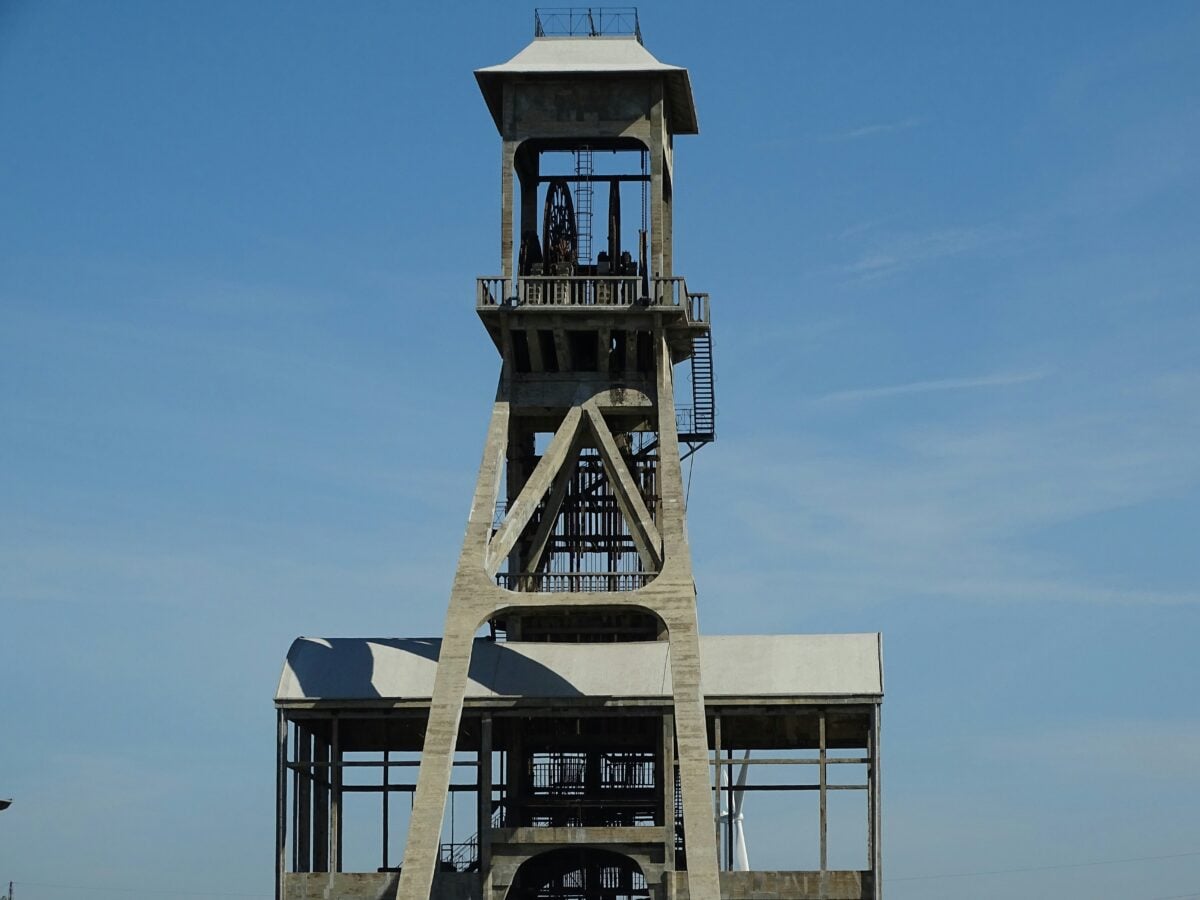
Perched on mountaintops in Idaho, Montana, Wyoming, and New Mexico, fire lookouts spend entire seasons scanning the horizon for smoke. The towers stand in remote wilderness areas, accessible only by hiking trails or rough roads.
You live alone in a small cabin at the top, using an Osborne Fire Finder to pinpoint smoke locations and relay coordinates by radio. Days pass with nothing but wind, weather observations, and your own company.
The job attracts writers and artists who need solitude to work—several well-known authors spent summers as fire lookouts. Pay runs around $55,000 annually for seasonal work, but positions grow scarcer as technology replaces human eyes.
When fire danger drops, lookouts maintain trails and perform general maintenance, but mostly they watch and wait.
Underwater Welder
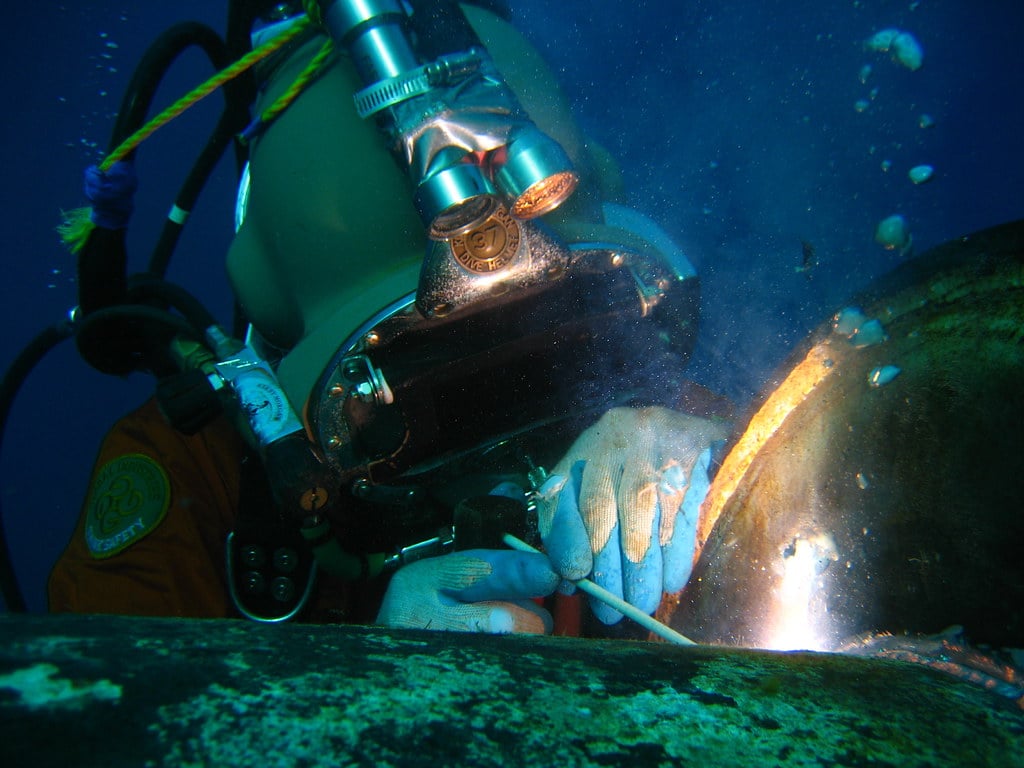
Combining two dangerous professions into one, underwater welders repair offshore oil platforms, pipelines, and ship hulls in submerged conditions. The work happens in murky water with limited visibility, strong currents, and constant pressure.
Saturation welding represents the most extreme version—welders live in pressurized habitats underwater for weeks at a time, acclimating to depth for long-term projects. Surface contact remains minimal.
The isolation compounds the physical danger. Electric shock, decompression sickness, equipment failure, and nitrogen narcosis all pose real threats.
The fatality rate hits 15%, making it one of the deadliest professions in America. But experienced welders can earn significant money, especially on deep-sea projects with hazard pay and bonuses.
A single project might pay $30,000, though work comes irregularly.
Oil Rig Worker
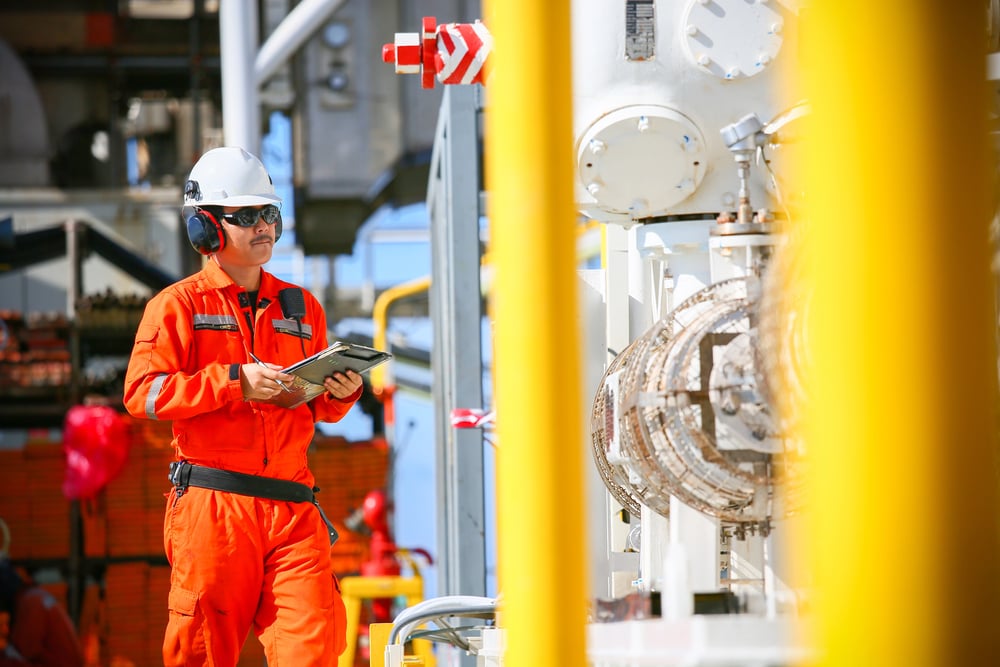
Offshore platforms operate miles from land, housing crews for weeks or months at a stretch. Workers rotate on schedules like 28 days on, 28 days off, living in cramped dormitories with the same group of people.
The ocean stretches in every direction. Storms can prevent helicopter transport for days. Medical emergencies get handled on-site because evacuation takes too long.
The work itself—drilling, maintenance, equipment operation—happens around the clock in harsh weather conditions. You eat with the crew, sleep near the crew, but the vastness of the surrounding water creates a profound sense of remoteness.
Pay compensates for the isolation, with many positions clearing six figures.
Submarine Crew Member
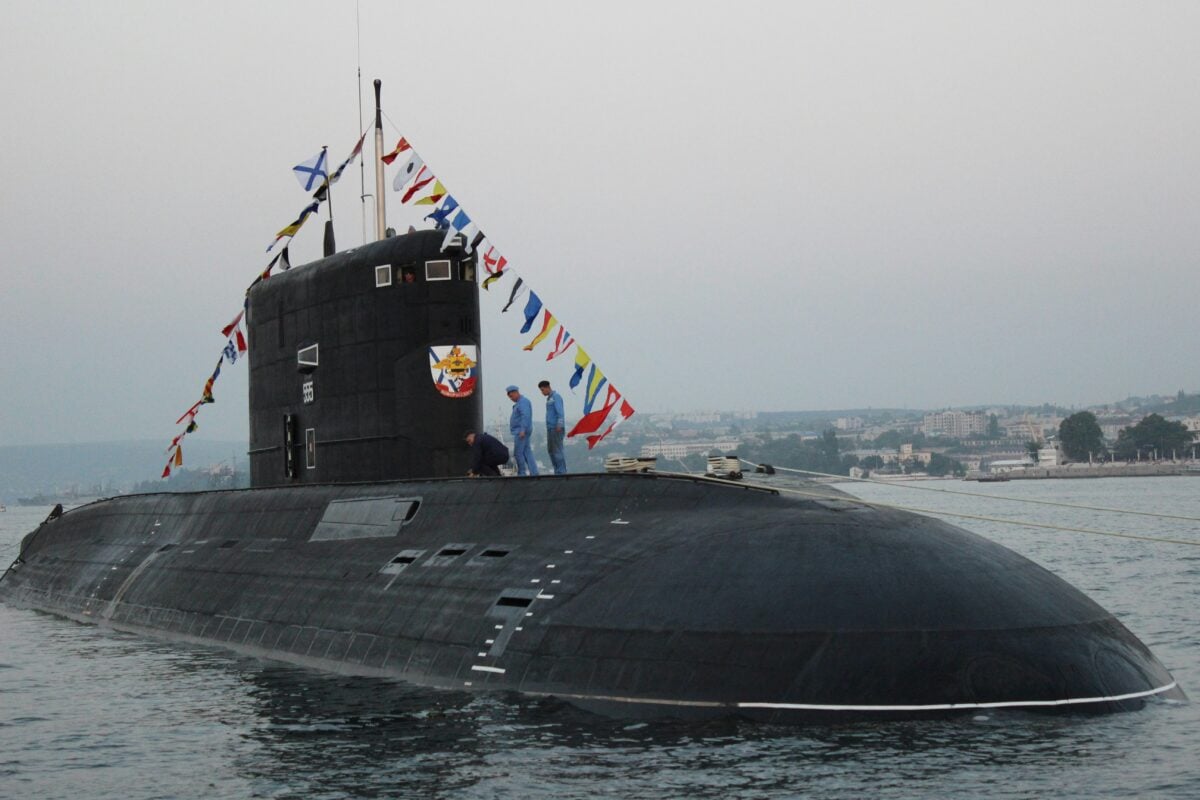
Nuclear submarines stay submerged for months, cruising thousands of feet below the surface. Natural light disappears.
Crew members work in tight spaces with recycled air, following strict schedules that have nothing to do with day or night. Communication with the outside world gets restricted for operational security.
You can’t call home, check messages, or know what’s happening on land. The isolation affects everyone differently.
Some adapt quickly to the routine. Others struggle with the confined environment and separation from everything familiar.
Training includes psychological screening, but even well-prepared sailors find long deployments challenging. The work pays well and offers unique experiences, but you give up months of normal life at a time.
Siberian Forest Ranger
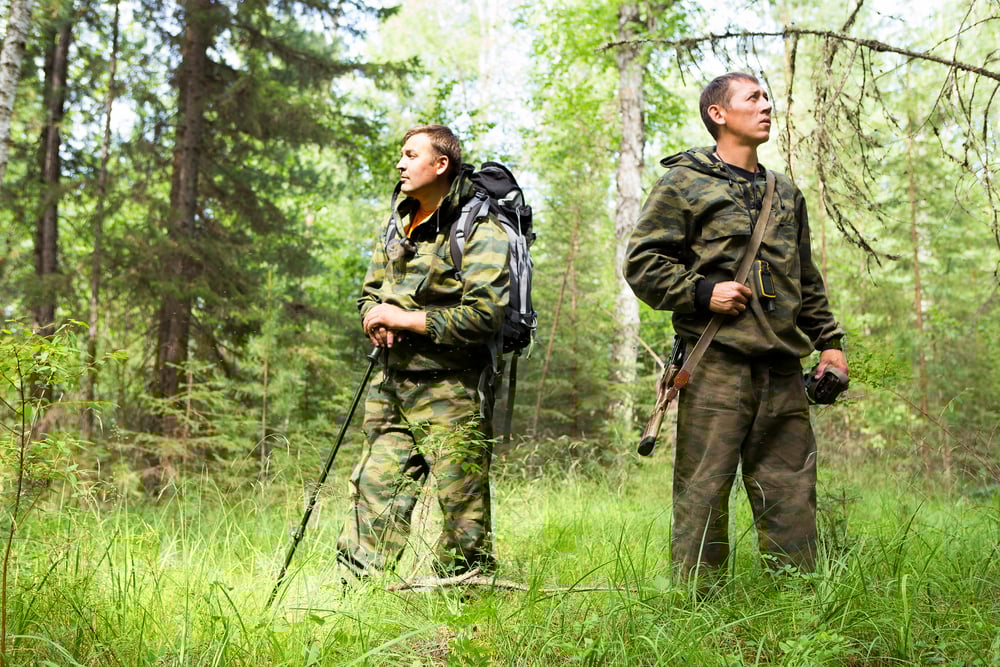
Rangers in Russia’s remote forests patrol massive territories alone, protecting wilderness areas from poaching and illegal logging. The job requires traveling through harsh terrain in extreme cold, often going weeks without seeing another person.
Radio communication provides the only link to civilization. Rangers live in small cabins or temporary shelters, dealing with wildlife, severe weather, and complete solitude.
The work demands self-reliance and comfort with being utterly alone. Most rangers develop deep connections to the landscape they protect, finding meaning in the isolation rather than fighting it.
Desert Prospector
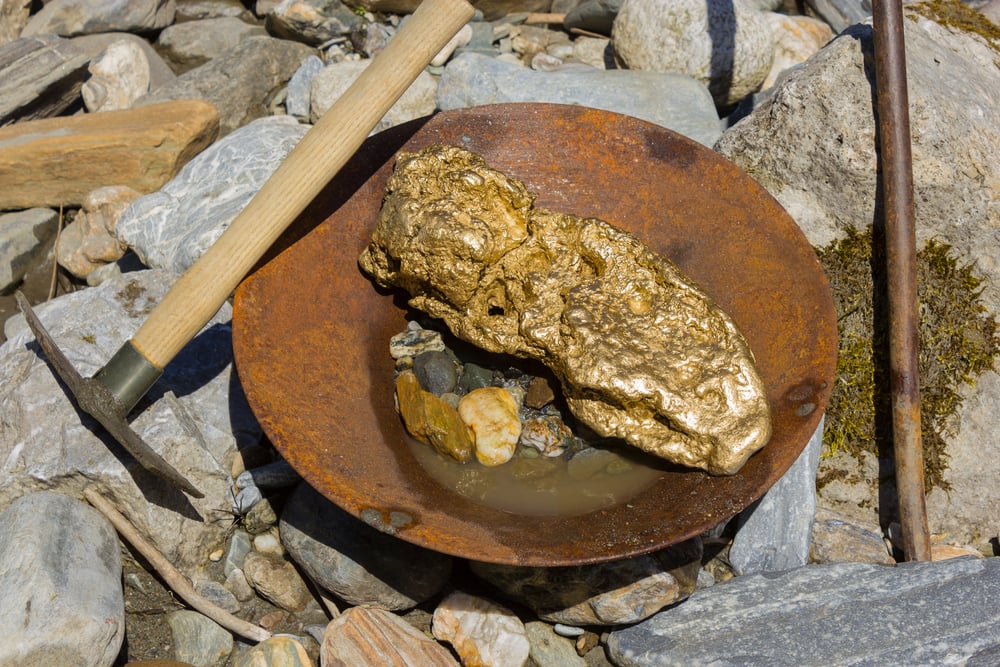
Searching for gold, minerals, and gemstones in places like the Mojave Desert or Australian Outback means working alone in forbidding conditions. Prospectors travel to areas others avoid, setting up camps and spending months scanning for valuable deposits.
Success depends on what you find, making income highly variable. Water scarcity, extreme heat, and lack of medical access create constant risks.
The isolation suits people who prefer their own company and don’t mind uncertainty. When you do strike something valuable, the payoff can justify months of solitary work.
Most prospectors never get rich, but they stay for reasons beyond money.
Arctic Truck Driver
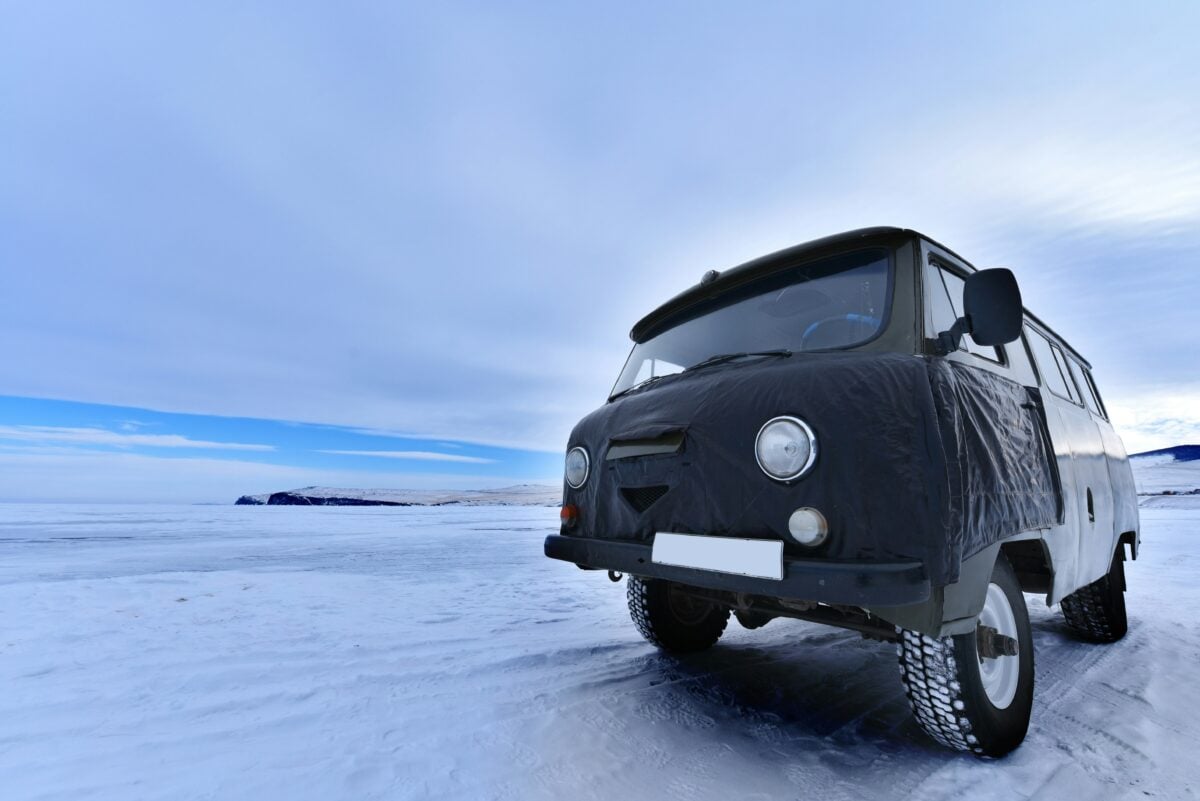
Ice road truckers haul supplies across frozen lakes and tundra in Alaska and northern Canada, delivering to remote communities and work sites. The routes exist only in winter when temperatures plunge low enough to freeze solid driving surfaces.
Drivers spend days alone in their trucks, navigating treacherous conditions with minimal human contact. Whiteouts, thin ice, and mechanical failures far from helping make every run dangerous.
The work pays well because few people want to do it. Between runs, drivers might interact with dispatchers by radio, but on the road, isolation becomes total.
Remote Ranch Caretaker
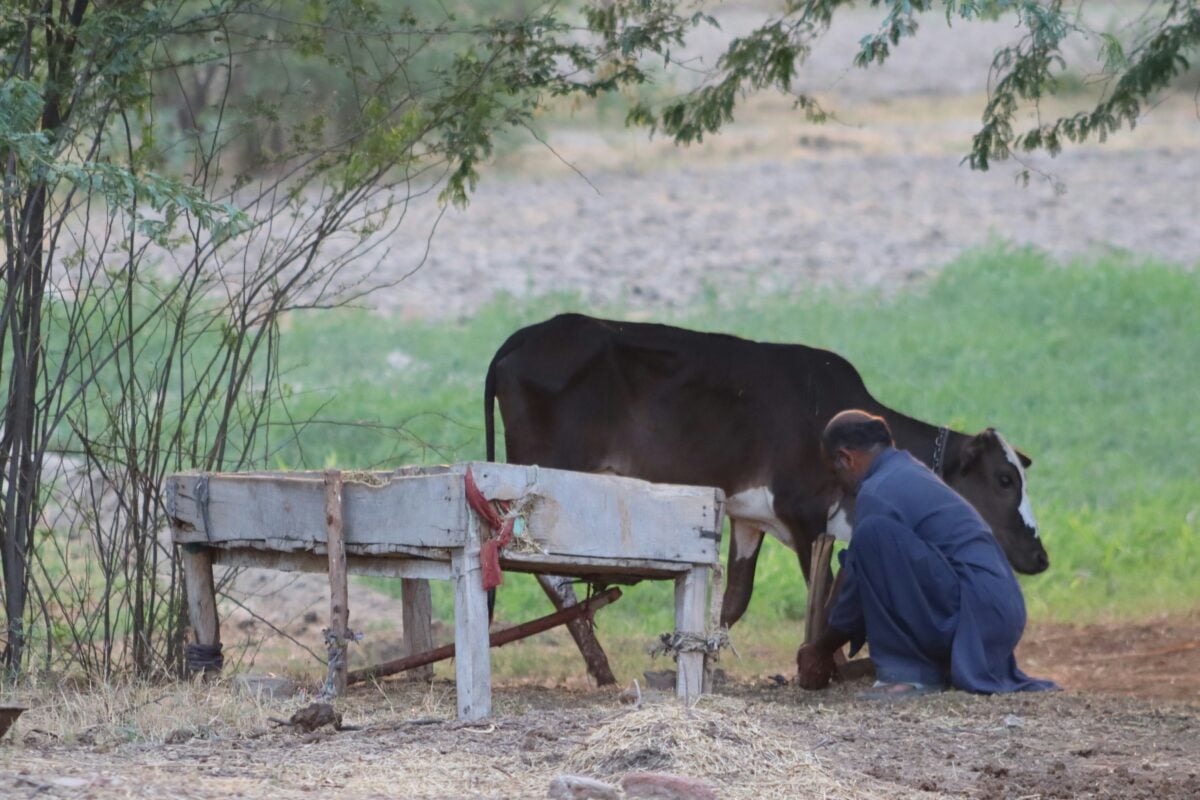
Large ranches in Montana, Wyoming, and other western states hire caretakers to maintain property when owners are absent. The job involves living alone on thousands of acres, performing repairs, monitoring livestock, and ensuring everything stays secure.
Some positions provide a house and basic salary. Others offer free accommodation in exchange for work. Either way, you spend most of your time without human contact.
The nearest neighbor might live miles away. Grocery runs require long drives.
Medical emergencies become complicated. You handle problems yourself or they don’t get handled.
People who take these positions usually prefer solitude to crowds and find satisfaction in caring for land and animals.
Deep-Sea Research Vessel Crew
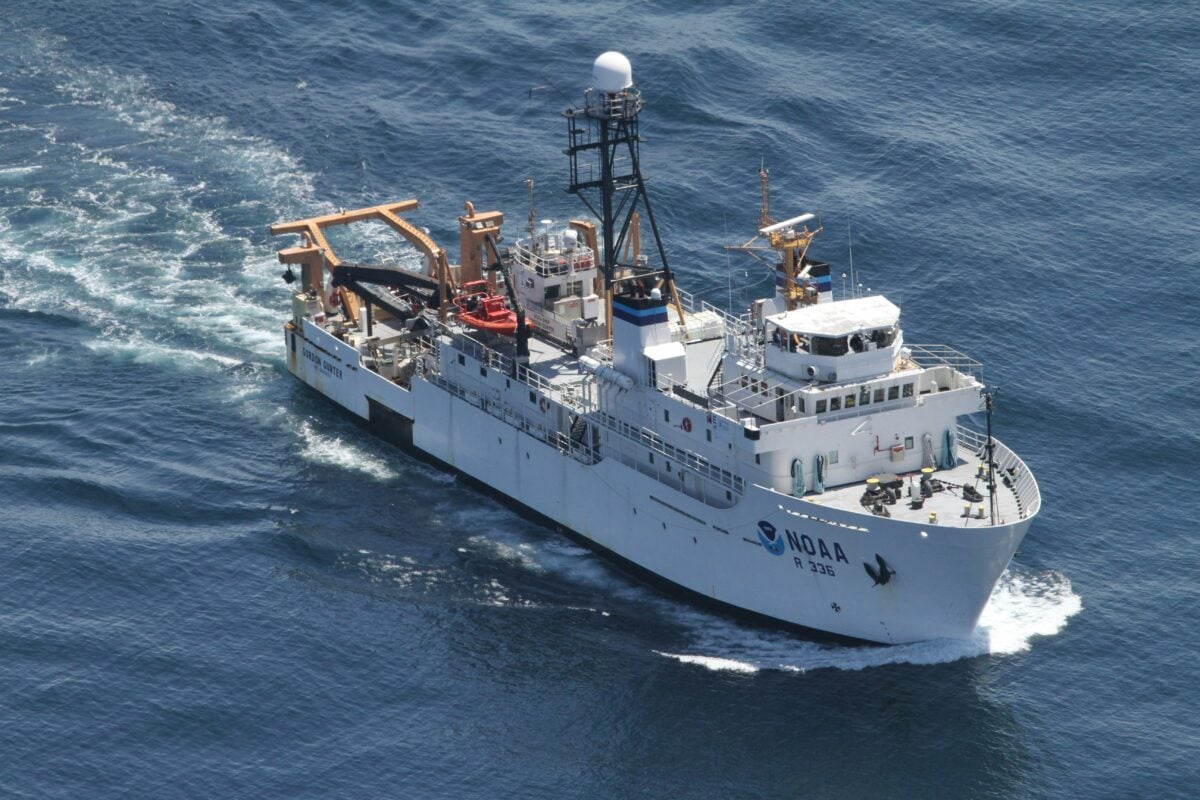
Scientists and support crew on ocean research vessels spend months at sea, collecting data and samples from the deepest parts of the ocean. The work happens far from any coastline, surrounded by nothing but water.
Crews live in tight quarters, following research schedules that ignore normal sleep patterns. Satellite communication allows some contact with shore, but conversations stay brief and impersonal.
Weather can turn hostile without warning. Equipment failures happen in places where replacement parts don’t exist. The isolation creates unique pressures, even with other crew members present.
You’re all stuck together, dependent on each other, yet fundamentally separated from the rest of the world.
Remote Medical Provider in Alaska
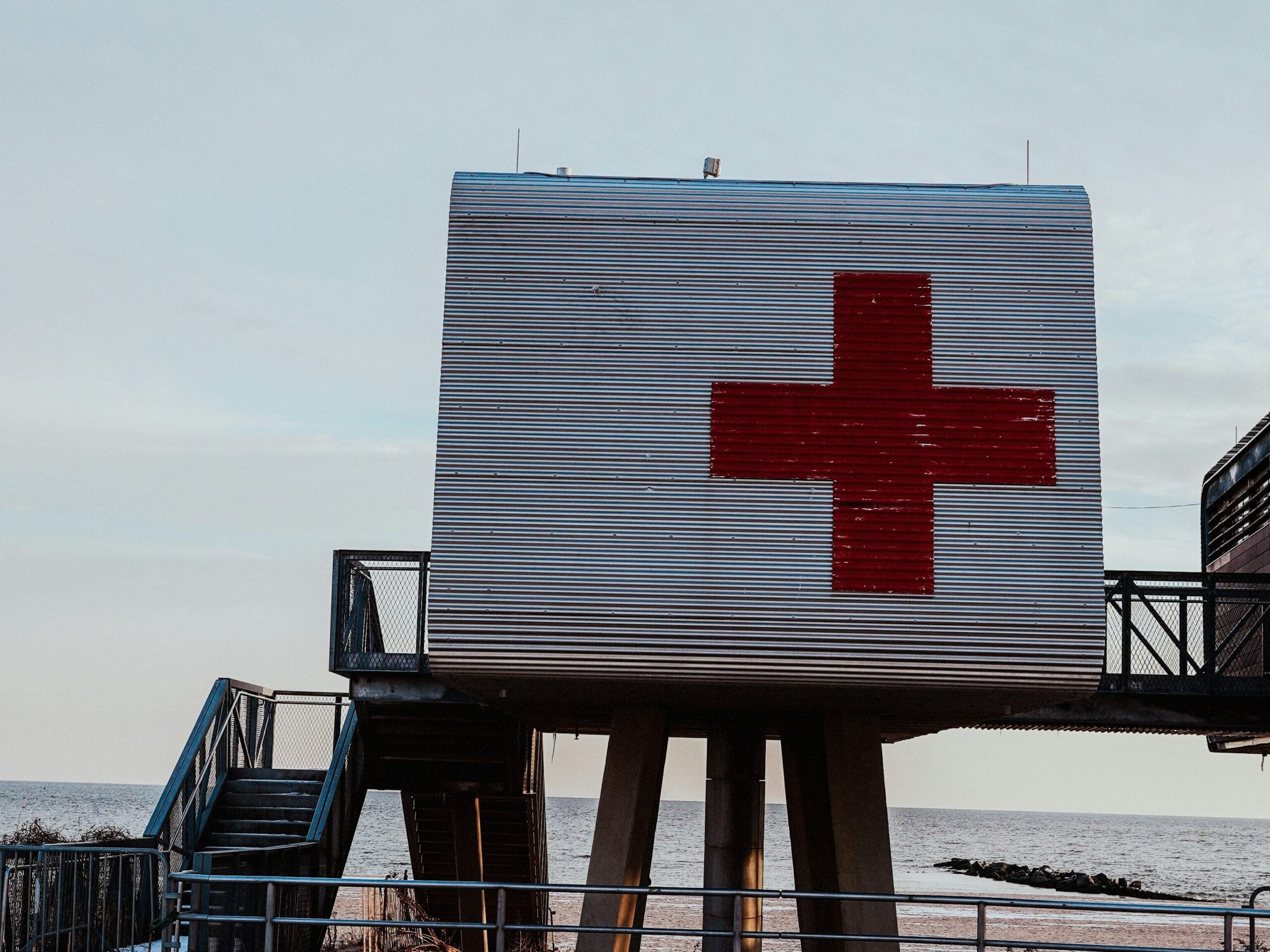
Physician assistants and doctors work in Alaska’s bush communities, serving populations accessible only by small plane or boat. The nearest hospital might be hours away by air.
Providers handle everything from routine checkups to emergency situations, often working alone with limited resources. Radio and telemedicine offer some support, but ultimately you make critical decisions yourself.
Housing typically comes with the job, but social options remain sparse. Long winter nights and geographic isolation weigh on people differently.
Some providers thrive in these settings, appreciating the autonomy and meaningful work. Others find the pressure and loneliness overwhelming.
Solo Shepherd in Remote Pastures
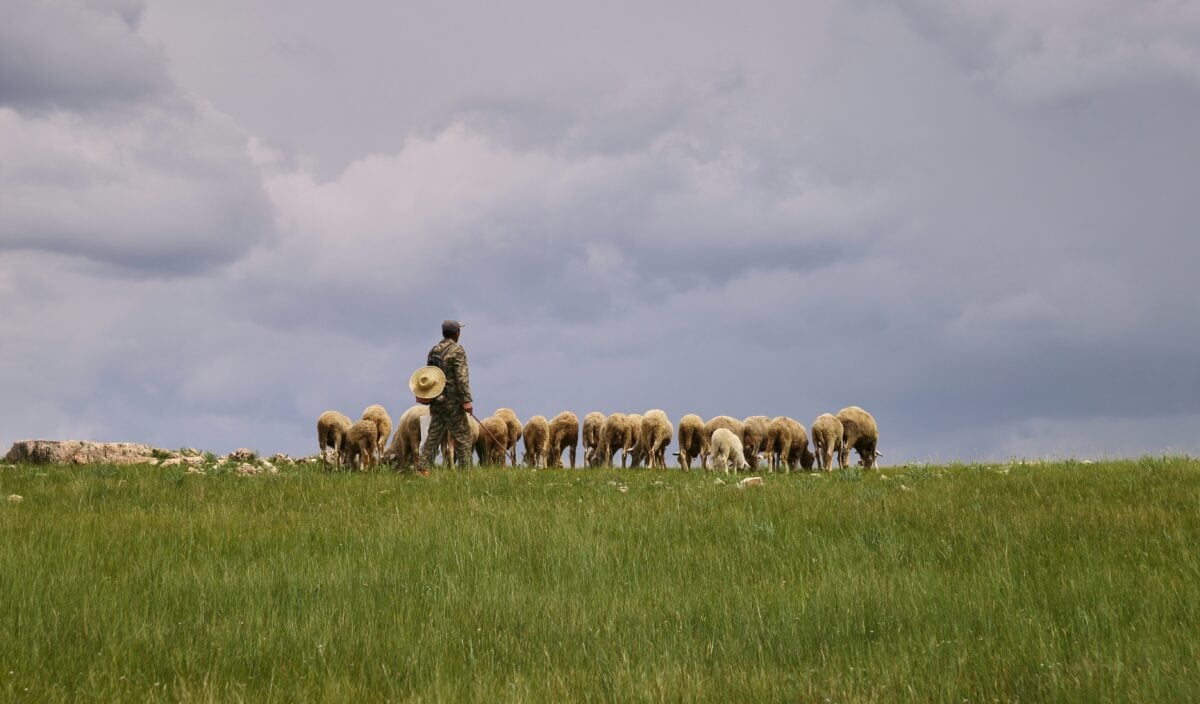
Shepherds in places like New Zealand, Patagonia, and the American West still tend flocks in isolated mountain pastures. The work involves moving with sheep or goats through remote terrain, living in trailers or small huts for months at a time.
Contact with other people becomes rare. You rely on dogs for companionship and help managing animals. The days follow patterns set by the flock’s needs—grazing, moving to new areas, protecting from predators.
Modern shepherds might carry satellite phones for emergencies, but mostly they work alone with the animals and landscape. Pay varies, but the lifestyle appeals to those who find fulfillment in simplicity and solitude.
Polar Engineer
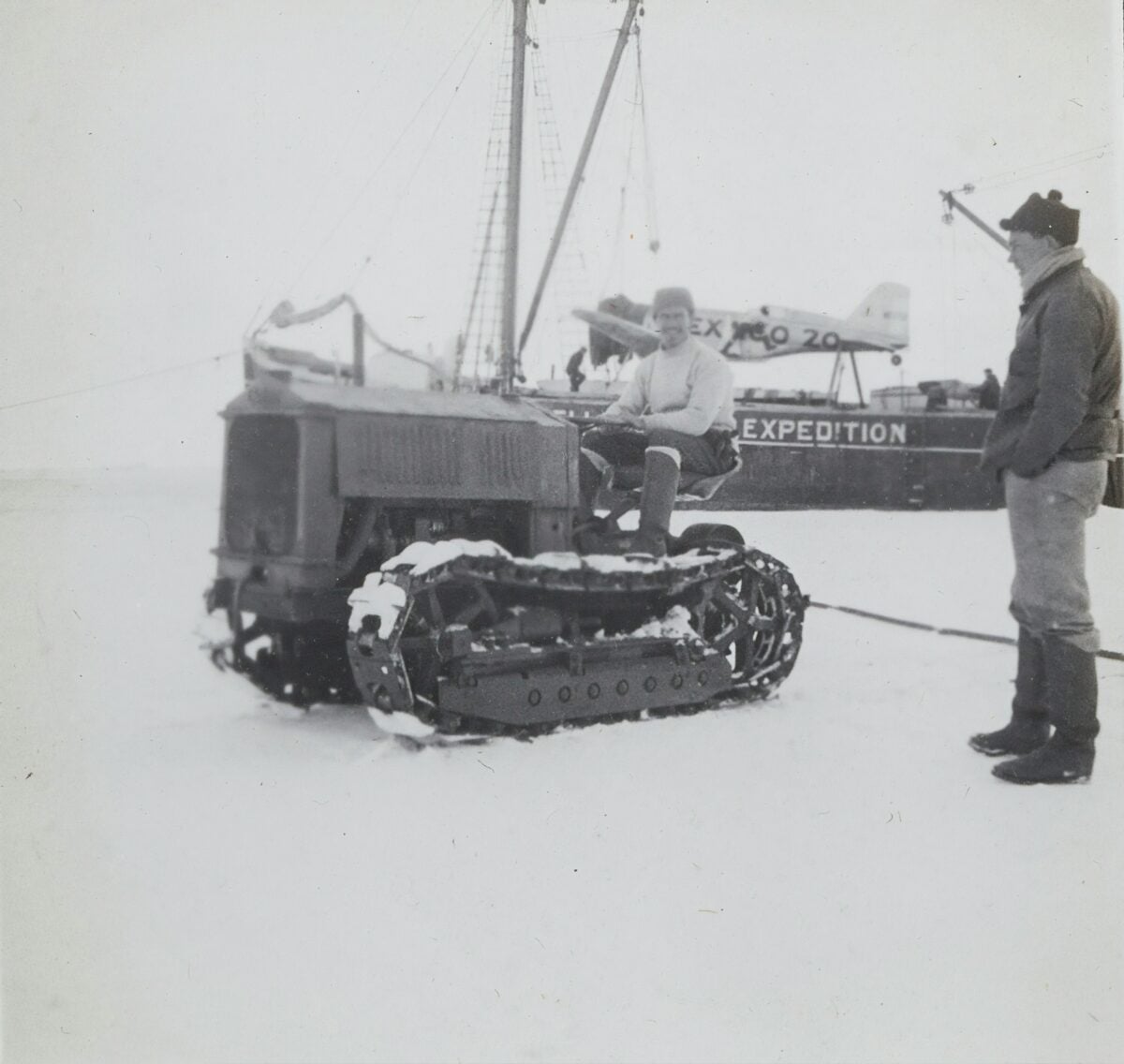
Engineers stationed at Arctic and Antarctic research outposts maintain critical systems in extreme isolation. Assignments can last months, with winter crews cut off from outside contact entirely.
The work involves keeping generators, heating systems, and scientific equipment operational in temperatures that freeze exposed skin in minutes. Equipment failures become life-threatening when replacement parts can’t arrive for months.
Engineers work largely alone or with one other technician, troubleshooting problems in harsh conditions. Salaries with hazard pay typically exceed $100,000, compensating for the isolation and risk.
Psychological assessments screen candidates, but even mentally prepared individuals find the experience challenging.
Where Silence Becomes Ordinary

Some jobs stick around ’cause somebody’s gotta handle tasks no one else sees. Folks picking these paths aren’t escaping – instead, they’re chasing a life unlike the usual grind.
Being alone means something deep to them, something most won’t get. Quiet? It doesn’t scare them. Isolation?
Doesn’t weaken their drive. They find pieces of who they are once alone time kicks in.
Not everyone’s path, sure – yet for some, being cut off isn’t an issue – it’s the whole idea.
More from Go2Tutors!

- The Romanov Crown Jewels and Their Tragic Fate
- 13 Historical Mysteries That Science Still Can’t Solve
- Famous Hoaxes That Fooled the World for Years
- 15 Child Stars with Tragic Adult Lives
- 16 Famous Jewelry Pieces in History
Like Go2Tutors’s content? Follow us on MSN.



