17 Things You’d Only See at Malls in the 2000s
Shopping malls in the 2000s were basically teenage kingdoms where you could spend entire weekends roaming from store to store, buying overpriced accessories and pretending to be way cooler than you actually were. The decade had its own unique mall culture that feels almost alien compared to today’s mostly empty shopping centers and online everything.
These weren’t just shopping destinations — they were social hubs where fashion trends were born, friendships were tested in dressing rooms, and your parents dropped you off for hours of unsupervised fun. Here is a list of 17 things that defined the 2000s mall experience and made those Saturday afternoon trips so memorable.
Abercrombie Models at Store Entrances
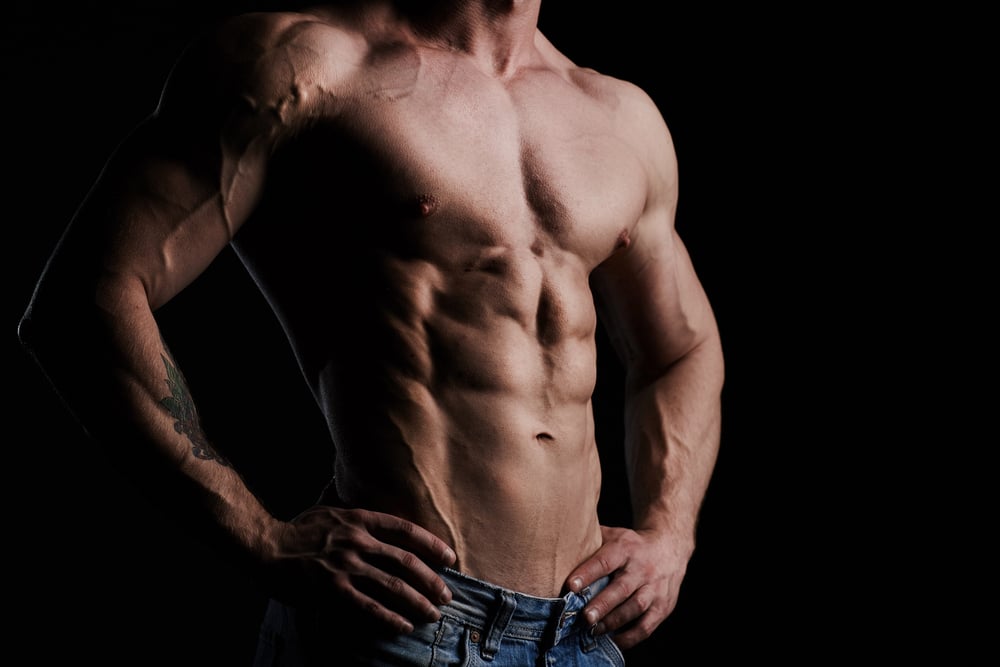
Nothing said ‘intimidating retail experience’ quite like walking past shirtless male models standing at Abercrombie & Fitch entrances. These weren’t mannequins — they were actual people hired to look impossibly perfect while greeting shoppers.
Hot Topic’s Wall of Band Merchandise

Hot Topic was the go-to destination for anyone who wanted to broadcast their music taste through clothing. The entire back wall was covered floor to ceiling with band t-shirts, posters, and patches from every nu-metal and pop-punk group imaginable.
Spencer’s Inappropriate Gift Section
Spencer’s had this magical ability to sell items that probably shouldn’t have been in a family-friendly mall environment. Their back section was like a rite of passage — you’d wander in looking for funny bumper stickers and end up discovering products that made you blush.
Claire’s Ear Piercing Stations

Getting your ears pierced at Claire’s was practically a childhood milestone, complete with the signature piercing gun that made that distinctive ‘thunk’ sound. The whole experience was simultaneously exciting and terrifying, especially when you realized the teenager behind the counter had probably only been trained for about fifteen minutes.
Food Court Asian Restaurants with Generic Names
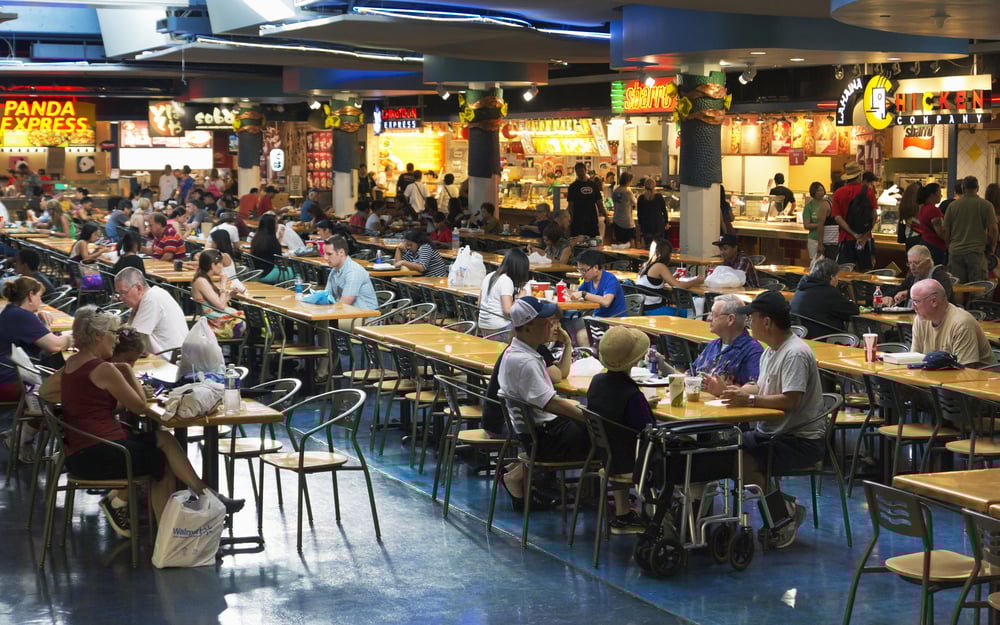
Every mall food court had at least three Asian restaurants with names like ‘Panda Express,’ ‘China Kitchen,’ or ‘Tokyo Grill.’ They all served basically the same orange chicken and fried rice, but somehow each one claimed to be authentic.
Hollister’s Pitch-Black Interior

Hollister stores were so dark inside that you literally couldn’t see the clothes properly, which seemed like a questionable retail strategy. The dimly-lit, over-perfumed environment was supposed to feel like a cool beach shack, but mostly just made shopping frustrating.
GameStop Trade-In Lines

Before digital downloads killed physical game sales, GameStop was the center of teenage commerce. Kids would line up with stacks of old games, hoping to get enough trade-in credit to buy whatever new release had just dropped.
Bath & Body Works’ Seasonal Scent Walls
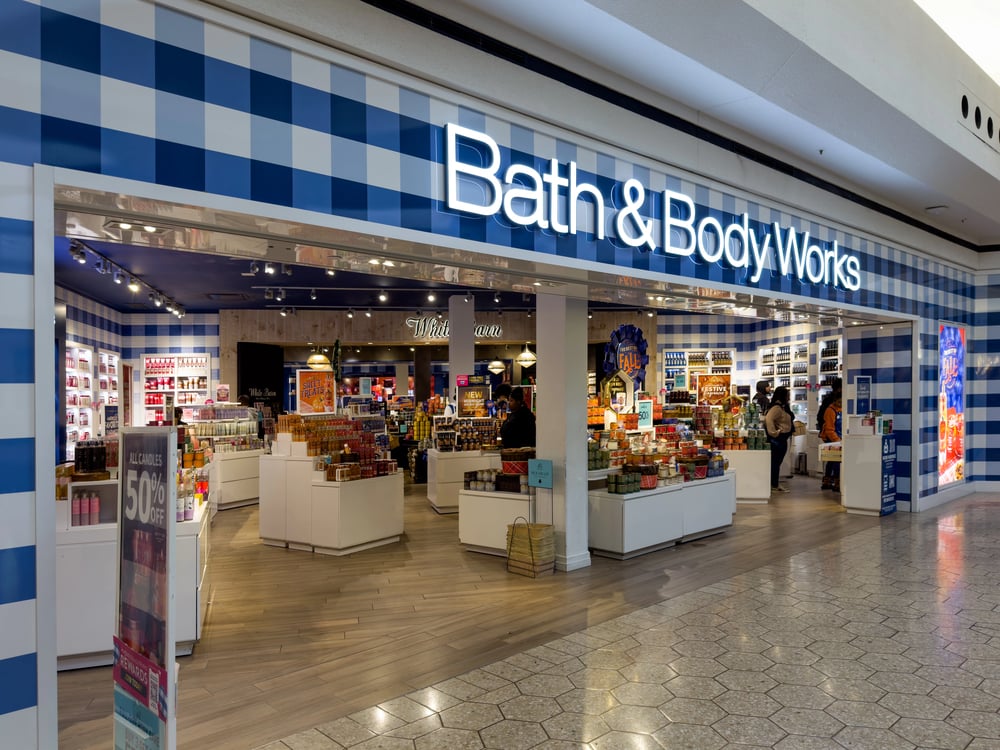
Bath & Body Works turned fragrance shopping into a full sensory assault with their walls of seasonal scents. Walking in during fall meant being hit with pumpkin spice everything, while summer brought coconut and vanilla overload.
FYE’s Listening Stations
FYE (For Your Entertainment) had these headphone stations where you could preview entire albums before buying them. This was revolutionary technology at the time — being able to hear a full song instead of just the radio edit felt like magic.
Victoria’s Secret Pink Dog Giveaways
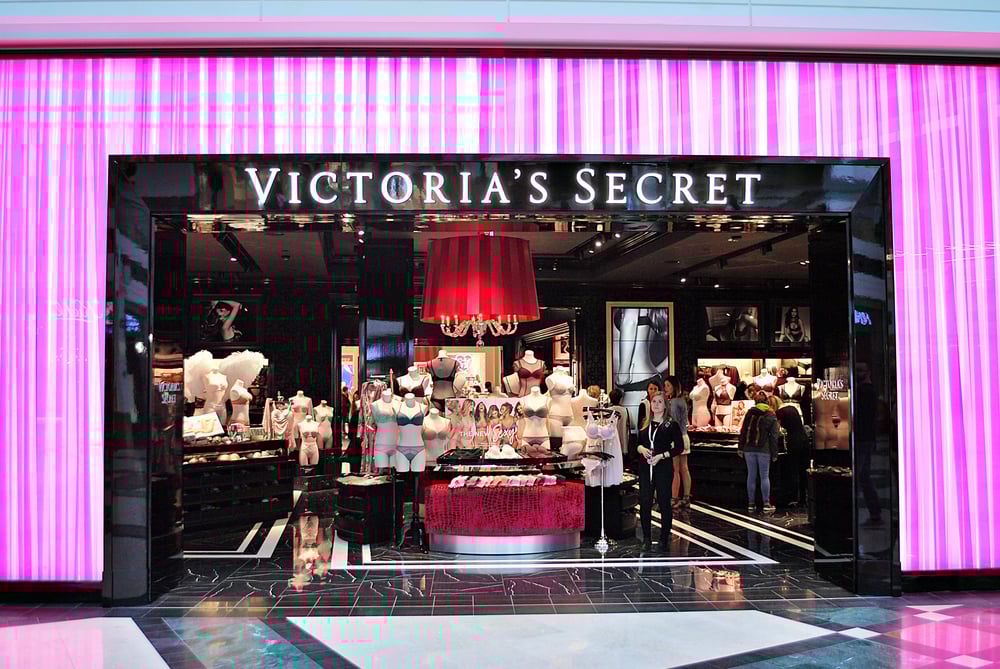
Victoria’s Secret Pink would occasionally give away small stuffed dogs with purchase, and these things became instant status symbols among teenage girls. Having one of those little pink dogs hanging from your backpack or car mirror announced to the world that you shopped at VS Pink.
Build-A-Bear Workshop Experience

Build-A-Bear turned stuffed animal shopping into performance art. You’d pick an unstuffed shell, watch it get filled with fluff, add a voice box with your own recorded message, then dress it in tiny outfits that cost more than human clothing.
Brookstone’s Massage Chairs
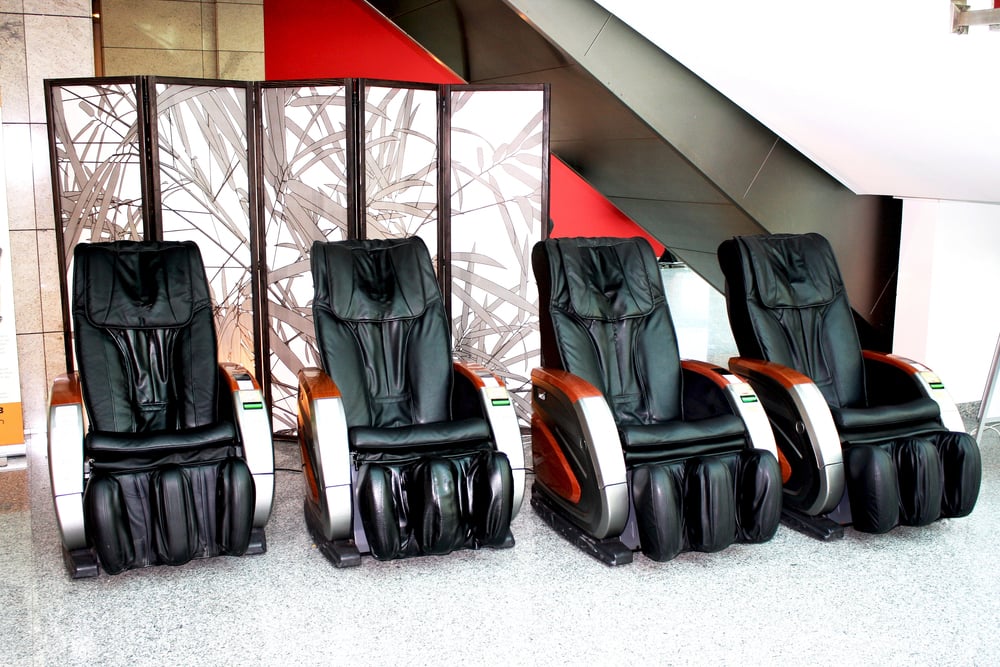
Brookstone was basically a playground for adults who wanted to test expensive gadgets they’d never actually buy. The massage chairs were the main attraction — you could sit there for twenty minutes getting a mechanical back rub while pretending to consider purchasing a two-thousand-dollar chair.
American Eagle’s Denim Wall

American Eagle organized their jeans by wash and style along an entire wall, creating this denim rainbow that was oddly satisfying to look at. They had names for every shade — ‘vintage wash,’ ‘rinse wash,’ ‘destroyed’ — that made choosing jeans feel like selecting paint colors.
RadioShack’s Random Electronics
RadioShack somehow survived in malls by selling the most random collection of electronics and cables imaginable. Need a specific adapter for a device that was discontinued three years ago? RadioShack probably had it.
Payless ShoeSource’s BOGO Sales
Payless made shoe shopping feel like winning the lottery with their constant buy-one-get-one-half-off sales. You’d walk in needing one pair of shoes and leave with four because the math just made sense.
Orange Julius Smoothie Stands

Orange Julius stands were scattered throughout mall food courts, serving smoothies that somehow tasted better than anything you could make at home. The signature Orange Julius drink was this perfect blend of orange juice and mystery ingredients that created the smoothest, most refreshing beverage imaginable.
KB Toys’ Action Figure Displays
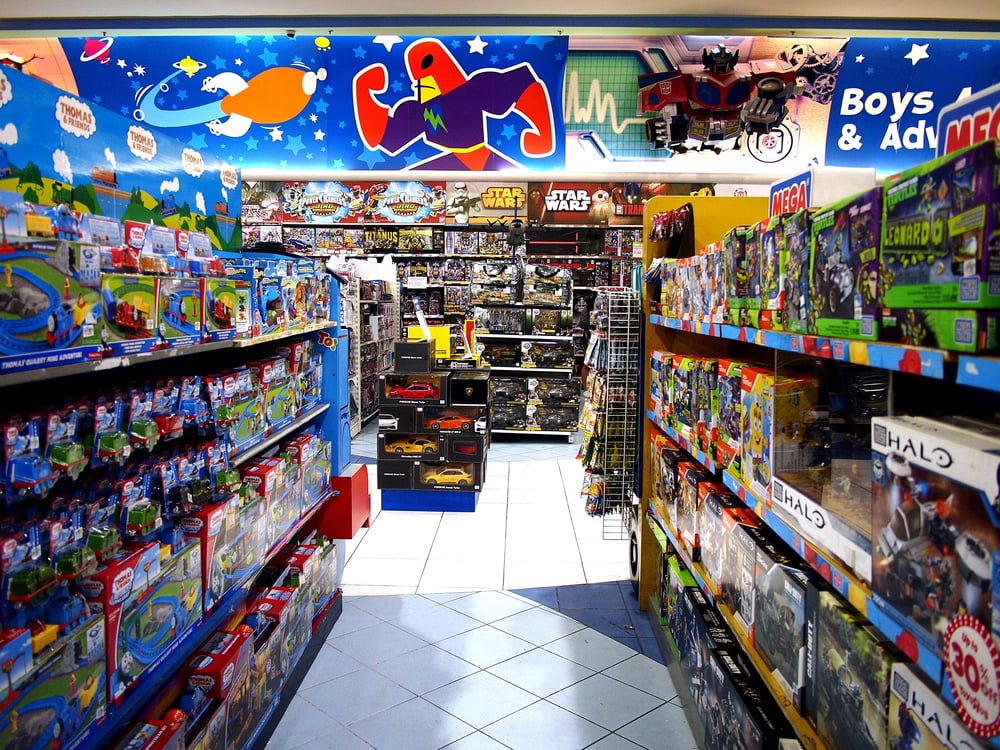
KB Toys had these elaborate action figure displays that turned toy shopping into window shopping at a museum. Every new movie release meant new toy lines with incredibly detailed packaging and accessories.
When Malls Were Social Media

These 2000s mall experiences created a shared cultural language that connected teenagers across the country — everyone knew what it meant to ‘meet at the food court’ or why finding the perfect low-rise jeans at American Eagle was so important. Today’s shopping happens mostly online, with algorithms suggesting purchases instead of friends debating outfit choices in cramped dressing rooms.
The mall culture of the 2000s represented the last era of truly communal retail experiences, where shopping was as much about socializing as it was about buying stuff. Those seemingly silly rituals — from getting friendship bracelets at Claire’s to testing every massage chair at Brookstone — were actually building connections that social media would later try to replicate digitally.
More from Go2Tutors!

- The Romanov Crown Jewels and Their Tragic Fate
- 13 Historical Mysteries That Science Still Can’t Solve
- Famous Hoaxes That Fooled the World for Years
- 15 Child Stars with Tragic Adult Lives
- 16 Famous Jewelry Pieces in History
Like Go2Tutors’s content? Follow us on MSN.