17 Childhood Tech Problems Gen Z Won’t Get
Growing up with technology meant dealing with problems that seem absurd now. Dial-up internet that disconnected when someone used the phone. Game cartridges that needed special breathing techniques to work properly. CD players that skipped if you walked too fast while wearing them.
Gen Z kids grew up with WiFi, smartphones, and streaming services that just worked. They never experienced the unique frustrations of older technology that required patience, ritual, and sometimes actual physical intervention to function. Here is a list of 17 childhood tech problems that Gen Z will never understand.
Waiting for Photos to Develop

Taking pictures meant committing to them without knowing how they turned out. You’d finish a roll of film, drop it off at the photo lab, then wait days or weeks to see your results.
Half the photos might be blurry, overexposed, or have someone’s thumb covering the lens, but you didn’t find out until you picked up the prints.
Rewinding VHS Tapes
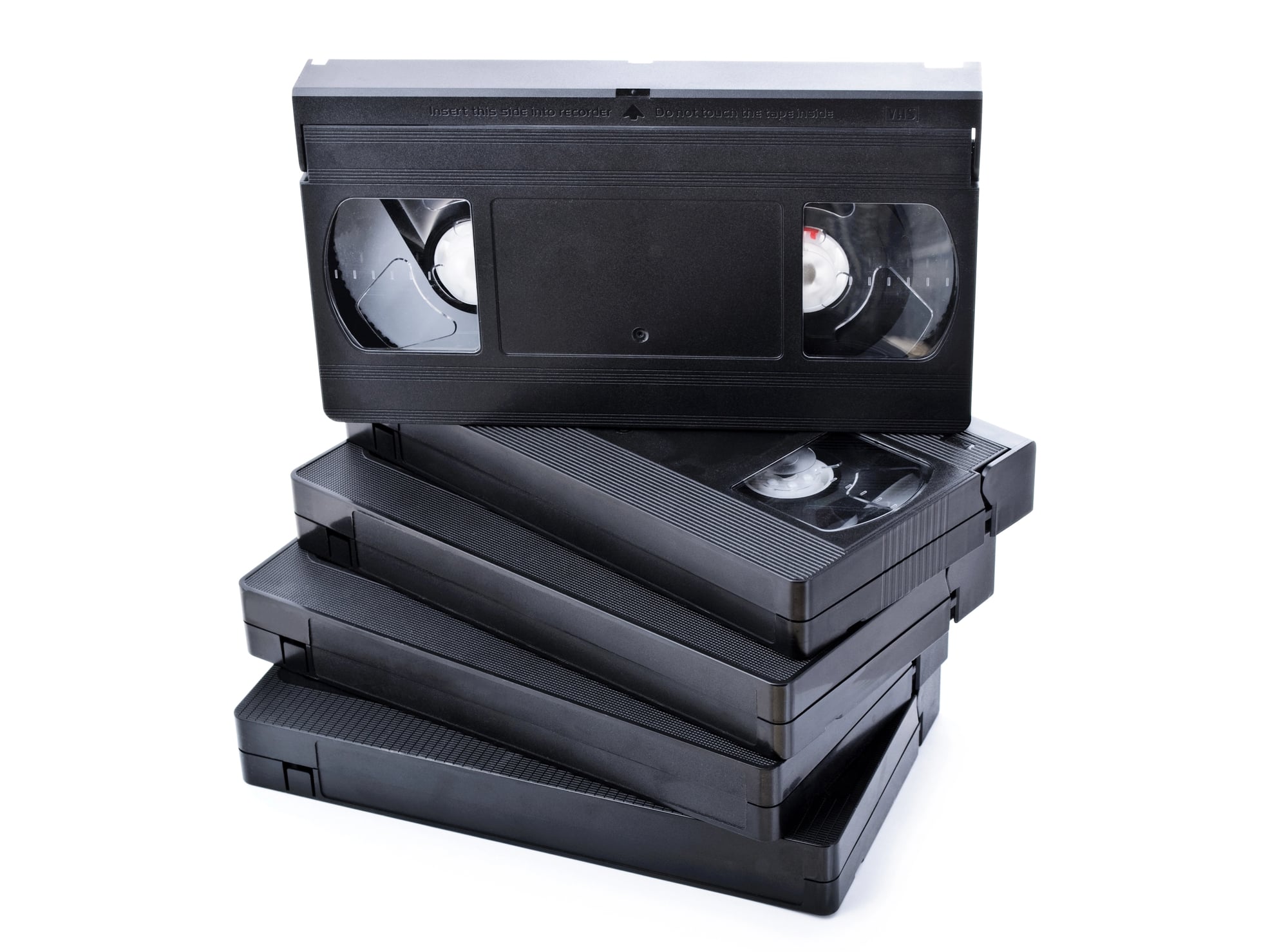
Every movie night started with rewinding whatever tape the last person forgot to rewind. The VCR made grinding mechanical noises while slowly pulling all that tape back to the beginning.
Blockbuster charged fees if you returned movies without rewinding them, turning it into a family responsibility that someone always forgot.
CD Players Skipping
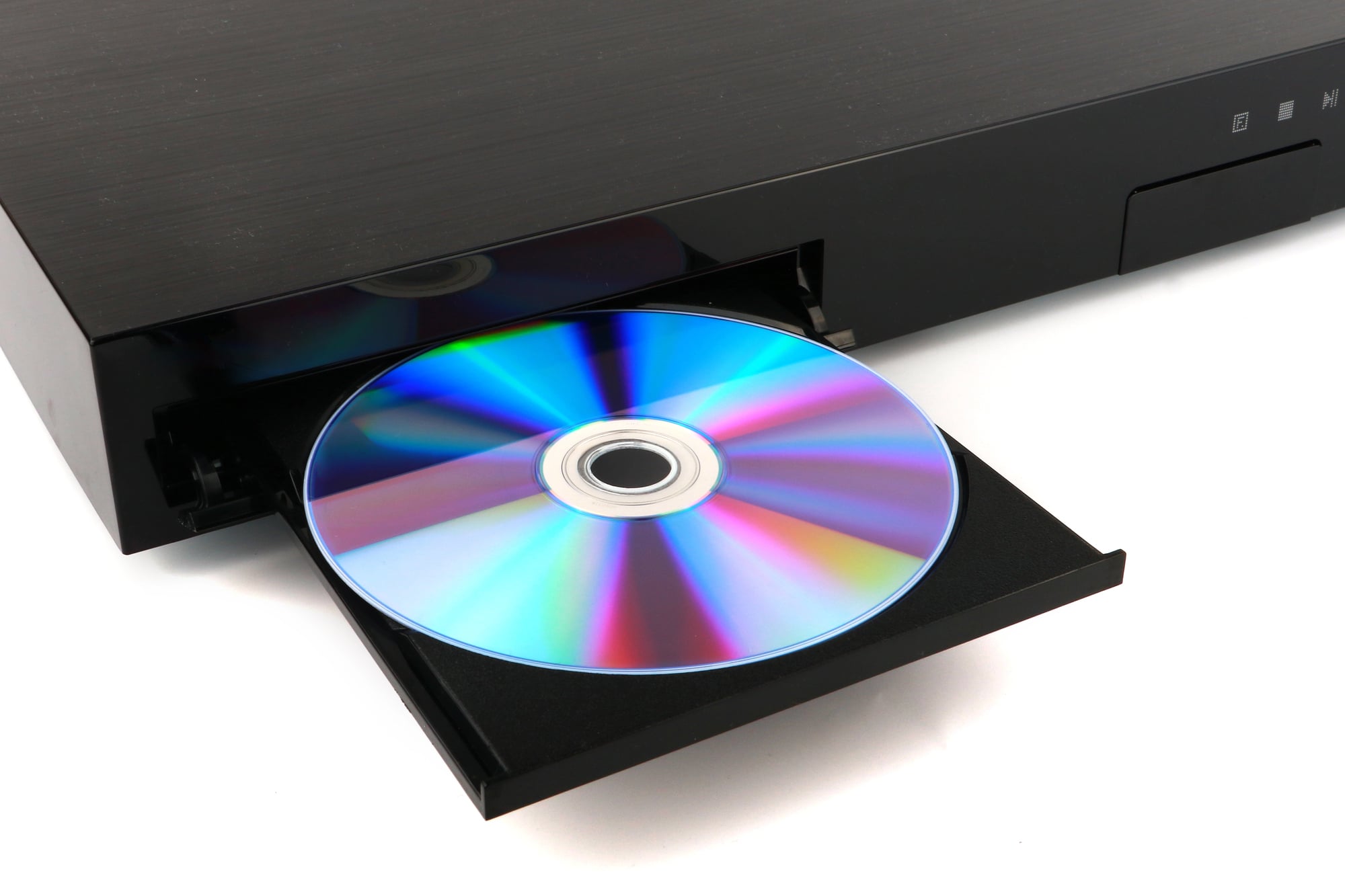
Portable CD players were amazing until you tried walking with them. Every step could make the music skip or stop completely.
Anti-skip protection helped but wasn’t perfect — running with a Discman was basically impossible. Car CD players were slightly better but still hiccupped over every pothole.
Dial-up Internet Disconnecting

The phone ringing meant instant internet death. Someone picking up the extension would kill your download that had been running for two hours.
You learned to coordinate internet time with family phone schedules, and downloads larger than a few megabytes became overnight projects.
Recording Songs from Radio

Getting free music meant sitting by the radio with a blank cassette, waiting for your favorite song to play. You had to time it perfectly — start recording too early and you’d catch the DJ talking, too late and you’d miss the beginning.
The DJ always seemed to talk over the intro on purpose.
Blowing into Game Cartridges
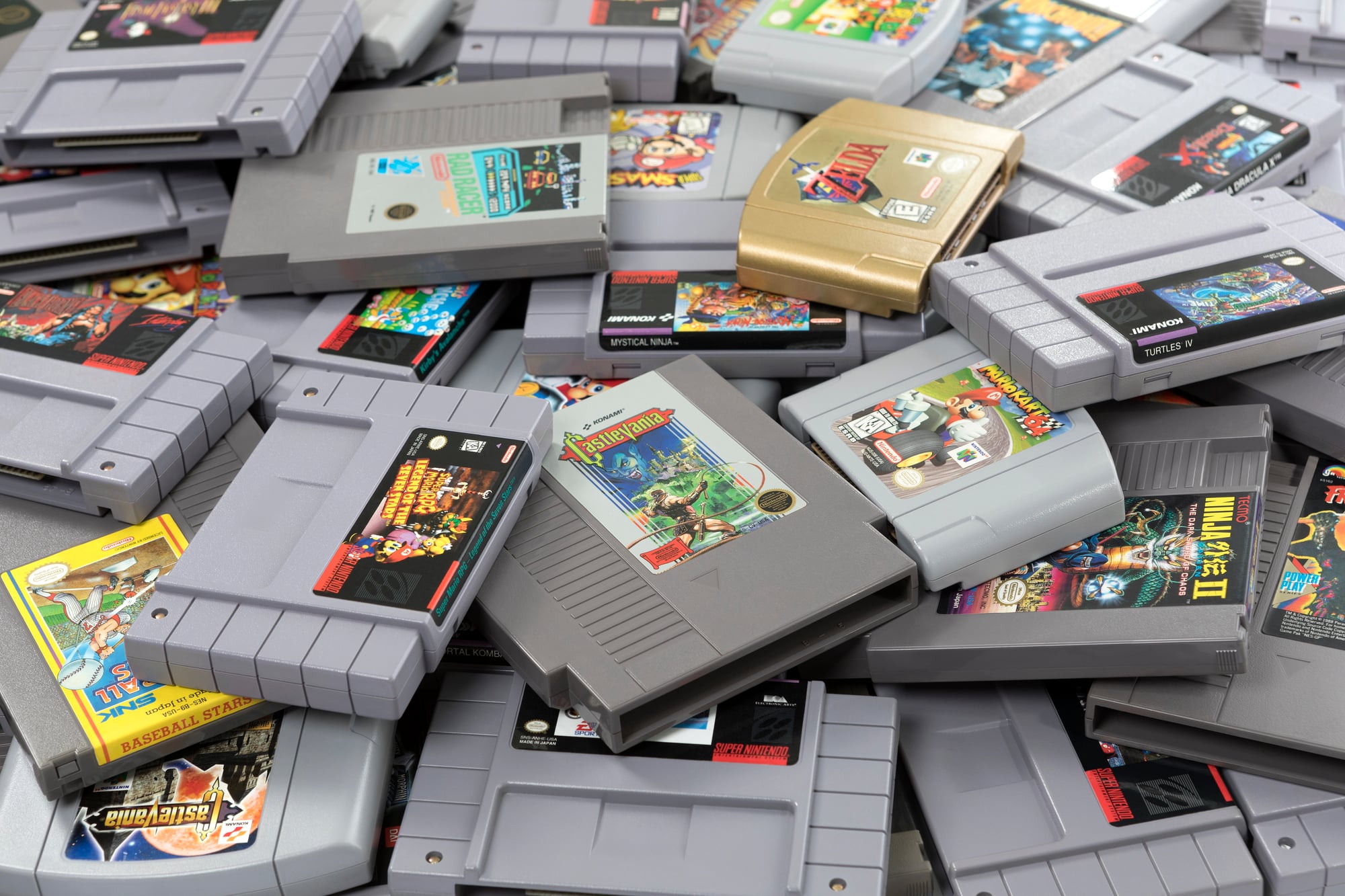
When Nintendo games wouldn’t load, the universal solution was removing the cartridge and breathing on the metal contacts. This probably made things worse by adding moisture, but it felt like performing tech magic.
Everyone had their own technique — short puffs, long breaths, or the aggressive two-handed approach.
Adjusting TV Antennas

Clear television reception required constant antenna adjustment. Moving the rabbit ears a few inches could mean the difference between watchable TV and static snow.
Someone always got assigned antenna duty during important shows, standing in weird positions while others yelled directions from across the room.
Tangled Headphone Cables

Wired headphones turned into impossible knots the moment you put them in your pocket. Untangling them became a daily ritual that required patience and sometimes actual strategy.
Some knots seemed physically impossible yet appeared overnight in backpacks and jacket pockets.
Typing on T9 Keyboards

Texting on old phones meant pressing number keys multiple times to spell words. Want to type ‘hello’? Press 4 twice, 3 twice, 5 three times, 5 three times, 6 three times.
T9 predictive text helped but often guessed wrong words, leading to accidentally hilarious messages that made no sense.
Choosing Which Games to Delete

Early gaming systems had limited memory, forcing impossible decisions about which saved games to sacrifice. Your Pokemon file or your friend’s Tony Hawk progress?
Memory cards were expensive, so most kids learned to manage their digital lives like precious resources, carefully choosing what deserved permanent storage.
Buffering and Loading Screens

Streaming video meant watching progress bars crawl across screens while videos loaded one painful second at a time. Real Player and Windows Media Player became familiar enemies, promising smooth playback but delivering stuttering, pixelated disappointment.
Watching a 3-minute video could take 15 minutes of actual time.
Missing TV Shows Forever

If you missed your favorite show’s weekly episode, that was it. No streaming, no on-demand, no easy way to catch up unless the network decided to air reruns months later.
VCR programming was complicated and unreliable, so most missed episodes stayed missed forever.
Sharing Computers with Family

Personal computers weren’t personal when families owned one machine that everyone shared. You had to negotiate computer time, save everything to floppy disks, and hope nobody deleted your files while you weren’t around.
Privacy meant password-protecting folders and hoping your siblings couldn’t guess your codes.
Slow File Downloads

Downloading anything larger than a song took hours or days on dial-up internet. A single photo could take minutes to load line by line.
Software updates were major decisions because they might tie up the internet connection for an entire evening, assuming the download didn’t fail halfway through.
Gaming System Region Locks

Buying games while traveling was pointless because consoles only played games from their specific regions. Japanese games wouldn’t work on American systems, and European versions had different standards entirely.
Import gaming required special adapters or modified systems that voided warranties and confused parents.
Calling Time and Temperature

Before smartphones, checking the current time or weather meant calling specific phone numbers that provided recorded information. These services are charged per call, making frequent time checks expensive.
Some people memorized multiple time numbers for different cities, treating them like essential phone contacts.
Physical Media Storage Problems
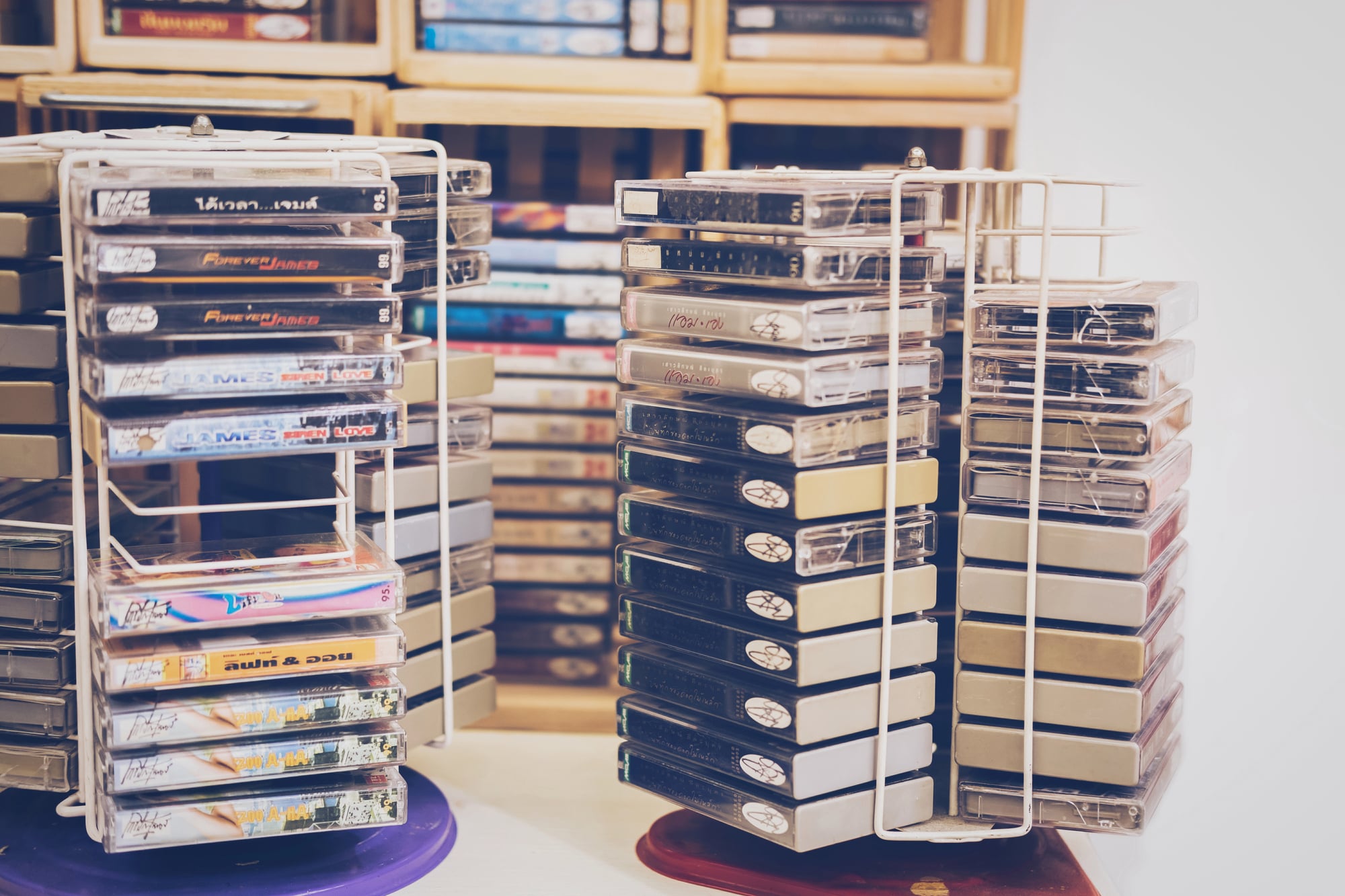
CDs and DVDs scratched if you looked at them wrong, rendering expensive games and movies unplayable. Storing hundreds of discs required dedicated furniture and careful organization.
Lending movies to friends was risky because scratches and lost cases meant replacing entire collections piece by piece.
The Digital Patience Era

These problems taught an entire generation that technology required patience, problem-solving, and acceptance that things wouldn’t always work perfectly. Every piece of tech had quirks and limitations that users needed to understand and work around.
Gen Z grew up expecting technology to be instant, intuitive, and reliable — expectations that seemed impossible to previous generations who learned to troubleshoot everything. The difference isn’t just technological advancement; it’s a complete shift in how people relate to their devices and what they expect from digital experiences.
More from Go2Tutors!

- The Romanov Crown Jewels and Their Tragic Fate
- 13 Historical Mysteries That Science Still Can’t Solve
- Famous Hoaxes That Fooled the World for Years
- 15 Child Stars with Tragic Adult Lives
- 16 Famous Jewelry Pieces in History
Like Go2Tutors’s content? Follow us on MSN.