17 Times Style and Culture Collided in Unexpected Ways
Fashion and cultural movements share a complex dance through history. They twist together, push apart, and sometimes crash into each other with spectacular results.
These collisions often start small yet ripple outward, reshaping not just how we dress but how we think about ourselves and society. The meeting points between style trends and cultural shifts reveal surprising connections that neither fashion designers nor cultural commentators could have predicted.
Here is a list of 17 remarkable moments when style and culture crashed into each other in ways nobody saw coming, creating impacts that still influence our self-expression today.
Punk’s Safety Pin Revolution

The humble safety pin jumped from sewing kits to fashion statements when punk exploded across 1970s London. Vivienne Westwood didn’t just use these practical fasteners – she transformed them into weapons of mass disruption against fashion norms.
Underground clubs birthed this aesthetic before it leaked upward, eventually getting repackaged by luxury brands charging thousands for deliberately distressed clothing. The safety pin’s journey shows how anti-establishment symbols often end up embraced by the very systems they once challenged.
Blue Jeans Behind the Iron Curtain

American denim became forbidden treasure during Cold War tensions. Young people throughout Soviet-bloc countries weren’t just buying pants – they were purchasing little pieces of Western freedom, sometimes spending a month’s wages for authentic Levi’s.
Communist officials actually banned jeans in certain regions – their fear of denim demonstrating how even basic clothing items can become charged with political meaning when cultures clash. These blue cotton symbols represented rebellion without requiring a single spoken word of protest.
Like Go2Tutors’s content? Follow us on MSN.
Sneakers Meet Fine Art

Run-DMC didn’t just wear Adidas – they celebrated them through music, transforming everyday footwear into cultural touchstones worthy of devotion. Their iconic track ‘My Adidas’ sparked the first major endorsement deal connecting hip-hop artists with corporate athletic wear.
The sneaker culture that followed has turned functional sportswear into investment pieces – with some rare models now commanding prices that rival traditional artwork at prestigious auctions. Athletic shoes leapt from gym floors to museum pedestals through this unexpected cultural partnership.
The Miniskirt’s Social Revolution

Mary Quant created more than a shorter hemline – she designed a fabric revolution that perfectly embodied the 1960s social upheaval. This dramatic rise in hemlines coincided with women’s expanding freedoms and questioning of traditional gender roles.
Several countries tried banning the garment outright, and their panicked reactions highlighted how threatening a simple clothing modification could be to established power structures. The miniskirt became visual shorthand for women’s liberation during a pivotal decade of social transformation.
Grunge From Seattle to Runway

Marc Jacobs didn’t just lose his job over his 1992 Perry Ellis grunge collection – he sparked fashion’s most controversial conversation that decade. Critics recoiled at seeing flannel shirts and combat boots – staples of rainy Pacific Northwest practicality – presented as luxury items.
The collection transformed what began as utilitarian clothing choices for Seattle musicians into global style statements. Jacobs effectively crashed two worlds together: high-fashion’s polished perfection and grunge’s deliberate dishevelment – creating aesthetic tension that still influences designers today.
Like Go2Tutors’s content? Follow us on MSN.
Maharishi’s Military Repurposing

Hardy Blechman’s Maharishi label didn’t simply recycle military surplus – it reimagined war’s visual language through peace-focused symbolism. The late 1990s saw his embroidered dragons and pacifist messages appearing on repurposed army fatigues – creating deliberate visual dissonance between the garments’ origins and their new meanings.
This juxtaposition forced viewers to reconsider military aesthetics while demonstrating how fashion can transform an object’s entire cultural significance through thoughtful recontextualization.
Hip-Hop’s Logomania Effect
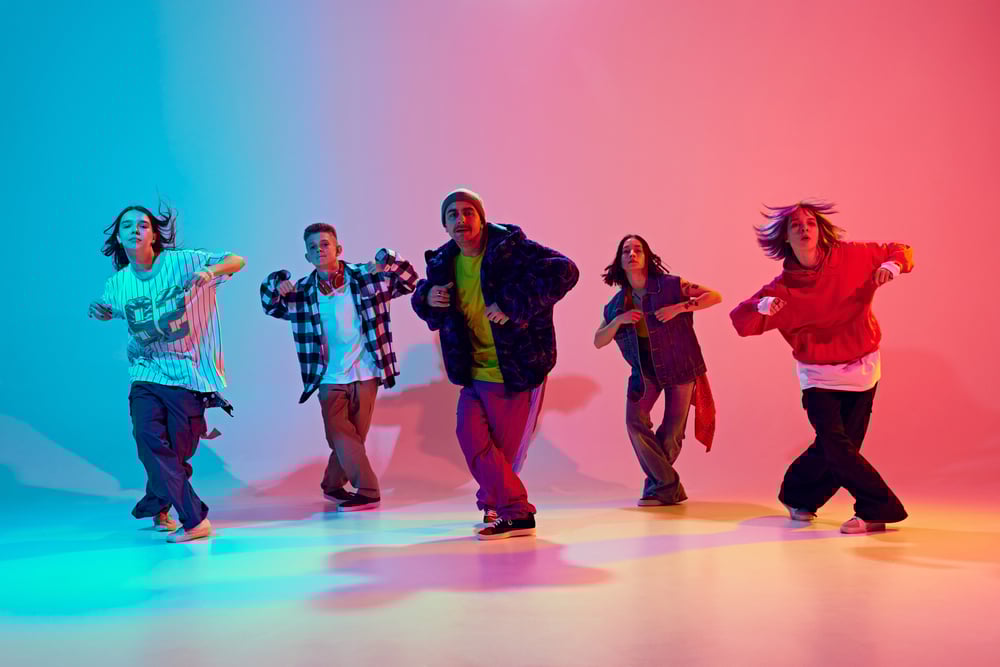
Dapper Dan didn’t wait for permission when he began customizing garments with luxury logos throughout 1980s Harlem. His creations for hip-hop artists reimagined European luxury codes through an urban American perspective – long before official collaborations became commonplace.
The fashion houses initially fought his unauthorized interpretations, only to adopt similar aesthetics themselves. This evolution demonstrates how cultural outsiders can fundamentally reshape exclusive traditions by forcing new conversations about authenticity and ownership.
Galliano’s Homeless Collection

John Galliano’s 2000 ‘Hobo’ collection for Christian Dior wasn’t merely controversial – it became fashion’s most uncomfortable ethical conversation. Models pushed shopping carts down runways while wearing newspaper-lined garments inspired directly by Paris’s homeless population.
Critics called it exploitative while defenders claimed it highlighted social problems through provocative imagery. This collision between extreme privilege and extreme poverty demonstrated fashion’s capacity to both offend deeply and potentially spark important societal discussions through its visual language.
Like Go2Tutors’s content? Follow us on MSN.
Obama’s Tan Suit Controversy

President Obama’s tan suit choice during a 2014 press conference shouldn’t have made headlines – yet it triggered an astonishing media meltdown about presidential decorum. The disproportionate reaction revealed America’s unwritten dress codes for political figures alongside troubling racial double standards.
What seemed like simple summer attire became a lightning rod for political criticism, demonstrating how clothing choices for public figures carry outsized cultural significance beyond mere fabric preferences.
Met Gala’s Religious Imagery

The 2018 Met Gala theme “Heavenly Bodies” wasn’t just filled with religious imagery – it created a stunning intersection of sacred imagery and celebrity culture. Celebrities arrived dressed up as religious icons, blurring lines most people believed inviolate.
Some Catholics were applauding the artistic license while others were appalled at the perceived disrespect of sacred imagery. This celebrity spectacle illustrated how fashion can recontextualize religious imagery persuasively, creating fascination and offense as traditional symbols entered new cultural discourse.
Korean Wave Reshapes Global Style

BTS and other K-pop groups have not only dominated music charts – they’ve set international fashion trends with their distinctive style tastes. Their appearances on foreign magazine covers with traditional Korean motifs combined with contemporary designs stimulated worldwide interest in Korean beauty standards and fashion tactics.
This cultural exchange has reshaped global beauty standards while pushing Korean designers to unparalleled global success. The phenomenon shows how non-Western style customs now play an active role in shaping global trends rather than responding to them.
Like Go2Tutors’s content? Follow us on MSN.
Dreadlocks on White Models

Marc Jacobs sparked intense outrage when he sent predominantly white models down the catwalk with dreadlocks in 2016. The controversy was over cultural appropriation and the tendency of the fashion industry to borrow marginalized cultures without acknowledging them properly or showing them respect.
The styling choice was the final straw for brewing tensions over who “owns” particular visual conventions and how power relations underlie these conflicts. The incident was a turning point in the cultural sensitivity controversy in fashion styling.
Billie Eilish’s Anti-Body Focus

Early in her career, Billie Eilish challenged the hypersexualization of young female performers in the music industry by dressing in unusually oversized attire. Her baggy shapes produced visual opposition to conventional norms for female performers.
Younger generations looking for alternatives to binding beauty standards were particularly attracted to this deliberate covering-up tactic. Eilish showed how, contrary to traditional business practice, fashion choice can be a work of art and a political act.
The White Bonnet as Protest Symbol

Margaret Atwood’s Handmaid’s Tale costume crossed from literature and television to become potent real-life protest symbols. Activists co-opted the red cloaks and white bonnets as signs of women’s rights protests worldwide, especially regarding reproductive rights.
This remarkable turn of events demonstrates how fictional fashion can become an actual political force when social conditions echo dystopian fiction. The plain bonnet became instant visual shorthand for resisting gender oppression.
Like Go2Tutors’s content? Follow us on MSN.
Colin Kaepernick’s Nike Campaign

Nike’s choice to include Colin Kaepernick after his national anthem protests linked athletic apparel to political activism in ways that had not existed before. Their “Believe in something” campaign generated both fervent boycotts and record-breaking sales numbers.
This corporate adoption of polarizing activism was a sign of the evolving role of brands to make authentic political statements. The campaign was the way in which sportswear has transcended a performance product to become a vehicle for social commentary.
Sustainable Fashion Goes Mainstream

Stella McCartney pioneered luxury-level sustainable fashion by challenging fundamental industry assumptions about desirable design practices. Her steadfast refusal to use leather or fur initially appeared radical but gradually influenced industry-wide reconsideration of material choices.
This represented a significant collision between consumer values and production methods that continues transforming how fashion evaluates its worth beyond aesthetics alone. McCartney demonstrated that ethical production could coexist with high-end design sensibilities.
Balenciaga’s Luxury Trash Bag

Balenciaga stunned the world with its $1,790 leather bag, which was literally designed to resemble a simple trash bag. The 2022 design specifically asked questions about value, status objects, and what luxury is today.
Critics criticized it as an offending joke, and its defenders applauded it as a genius observation on consumption. This intentional contrast between high fashion and simple trash provoked uncomfortable conversation about what exactly we’re paying for when we purchase luxury.
Like Go2Tutors’s content? Follow us on MSN.
Fashion’s Digital Transformation

Digital-only fashion collections and NFT wearables have dissolved ancient distinctions between physical and virtual modes of style. Designers craft items that will never exist physically but sell at high prices within virtual reality.
This boundary-disrupting technology upends our fundamental assumptions concerning the materiality of fashion and proposes a reality in which virtual appearances could be as significant, or even more significant, than material ones. Virtual fashion worlds have opened new avenues for unlimited expression previously restrained by the limitations of materiality.
Style Beyond Boundaries

What we wear connects deeply to who we are and how society changes around us. These seventeen moments show style functioning as both mirror and catalyst – reflecting shifting values while simultaneously helping shape them.
As digital and physical realms increasingly merge, and global influences become more democratized, we’ll undoubtedly witness even more surprising collisions between style and culture. The most revolutionary style developments rarely emerge from corporate planning sessions.
They bubble up from unexpected cultural intersections – where street meets elite, tradition encounters innovation, and necessity sparks creative expression. These collisions remind us that fashion transcends mere aesthetics to become a visual language through which we navigate identity, power, and meaning in our increasingly complex world.
More from Go2Tutors!

- 18 Unexpectedly Valuable Collectibles You Might Have Lying Around
- 20 Little-Known Historical Battles That Had Huge Consequences
- 20 Historical Artifacts That Scientists Can’t Explain
- 20 Cars That Were Banned from the Roads (and Why)
- 20 Discontinued Snacks from the 70s and 80s That We Still Miss
Like Go2Tutors’s content? Follow us on MSN.