14 People Who Did All the Work But Got None of the Credit
Despite their enormous achievements, some people are frequently highlighted in history texts while others are marginalized. Though their names are rarely mentioned in textbooks or headlines, these unsung heroes frequently contributed the insight, ingenuity, and tenacity that enabled well-known accomplishments.
Behind many well-known discoveries and inventions are people whose contributions were either ignored in their lifetime or are still disregarded today. These 14 outstanding individuals should have received much more credit for their ground-breaking efforts than they did.
Rosalind Franklin

Rosalind Franklin’s X-ray crystallography work was crucial to understanding DNA’s structure, producing the famous “Photo 51” that clearly showed DNA’s double-helix formation. While Watson and Crick received the Nobel Prize in 1962 for discovering DNA’s structure, they had secretly been shown Franklin’s research without her knowledge or permission.
Franklin died of cancer at age 37, never receiving proper acknowledgment for her fundamental contribution to one of science’s greatest discoveries.
Jocelyn Bell Burnell

As a graduate student in 1967, Bell Burnell discovered the first radio pulsars, one of the most significant astronomical findings of the 20th century. Her thesis advisor, Antony Hewish, along with fellow researcher Martin Ryle, received the 1974 Nobel Prize in Physics for this discovery, while Bell Burnell was completely excluded.
Despite this injustice, she went on to have a distinguished career in astronomy. She later received the Special Breakthrough Prize in Fundamental Physics in 2018, though the Nobel oversight remains a prominent example of scientific credit misattribution.
Like Go2Tutors’s content? Follow us on MSN.
Ada Lovelace
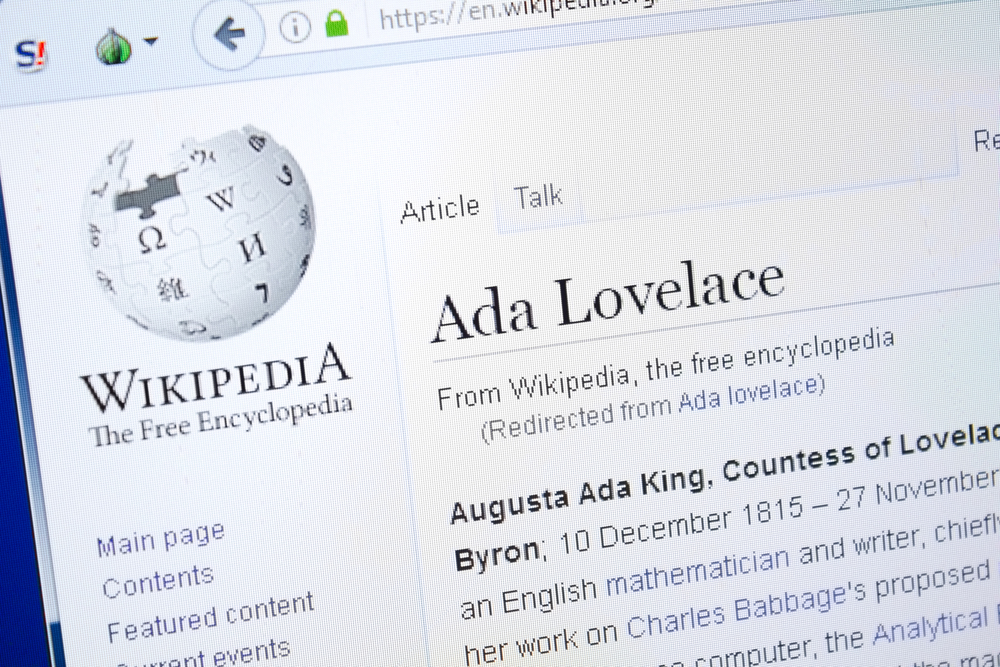
While Charles Babbage is often called the ‘father of the computer’ for his analytical engine design, Ada Lovelace wrote what many consider the first computer program in the 1840s. Her notes on translating mathematical problems into code for Babbage’s theoretical machine demonstrated remarkable vision about computers’ potential beyond mere calculation.
For nearly a century, her contributions were forgotten until computer scientists in the 1950s rediscovered her work and recognized her pioneering role in programming concepts.
Hedy Lamarr
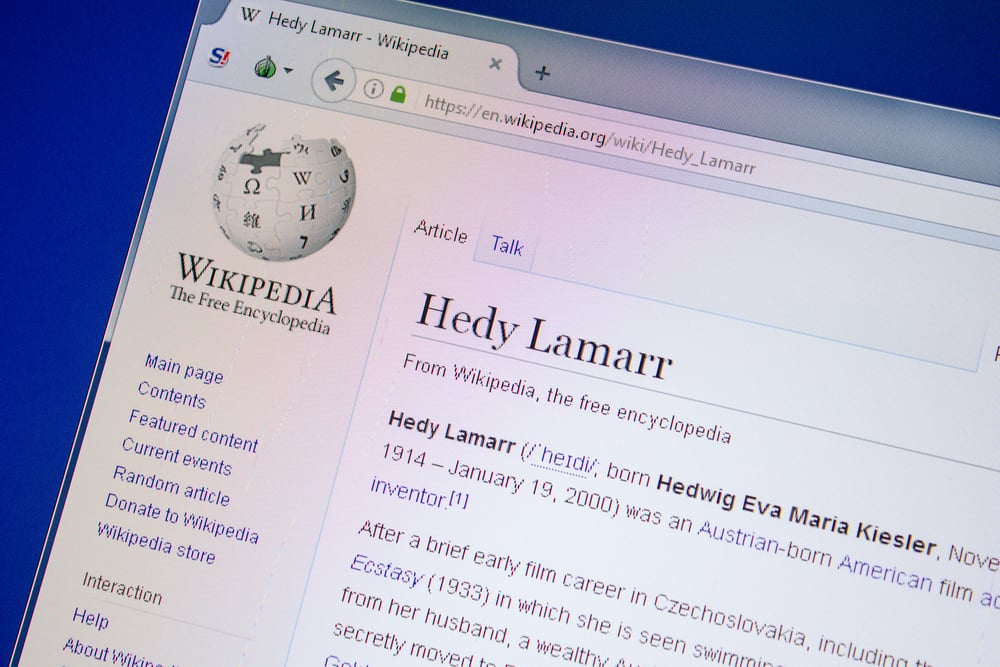
Hedy Lamarr, known mostly as a beautiful Hollywood actress, was also an inventor who created frequency-hopping technology with composer George Antheil during World War II. Later, this invention became absolutely necessary for Bluetooth, secure military communications, and WiFi technologies we use daily.
Decades later, her technical input went unacknowledged until the Electronic Frontier Foundation eventually honored her in 1997, only three years before her passing.
Katherine Johnson
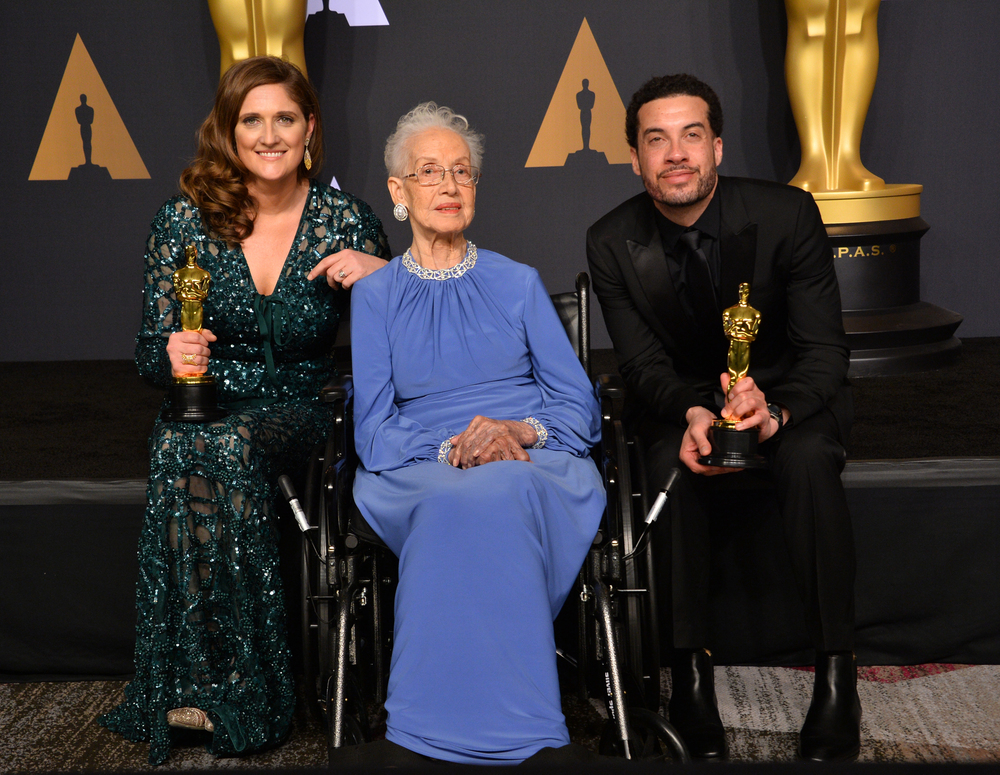
Katherine Johnson performed critical trajectory calculations for NASA’s early space missions, including Alan Shepard’s first flight and John Glenn’s historic orbit around Earth. As an African American woman working at NASA during the segregation era, her mathematical brilliance was overshadowed by the male astronauts and engineers who received public recognition.
Her story remained largely unknown until the book and film ‘Hidden Figures’ brought her remarkable contributions to light decades later.
Chien-Shiung Wu

Nicknamed the ‘First Lady of Physics,’ Wu conducted the groundbreaking experiment that disproved the law of conservation of parity, a fundamental principle in nuclear physics. Her male colleagues Tsung-Dao Lee and Chen-Ning Yang proposed the theory but needed Wu’s experimental expertise to confirm it.
They received the 1957 Nobel Prize for this revolutionary discovery, while the Nobel committee overlooked Wu’s crucial experimental work.
Like Go2Tutors’s content? Follow us on MSN.
Lise Meitner
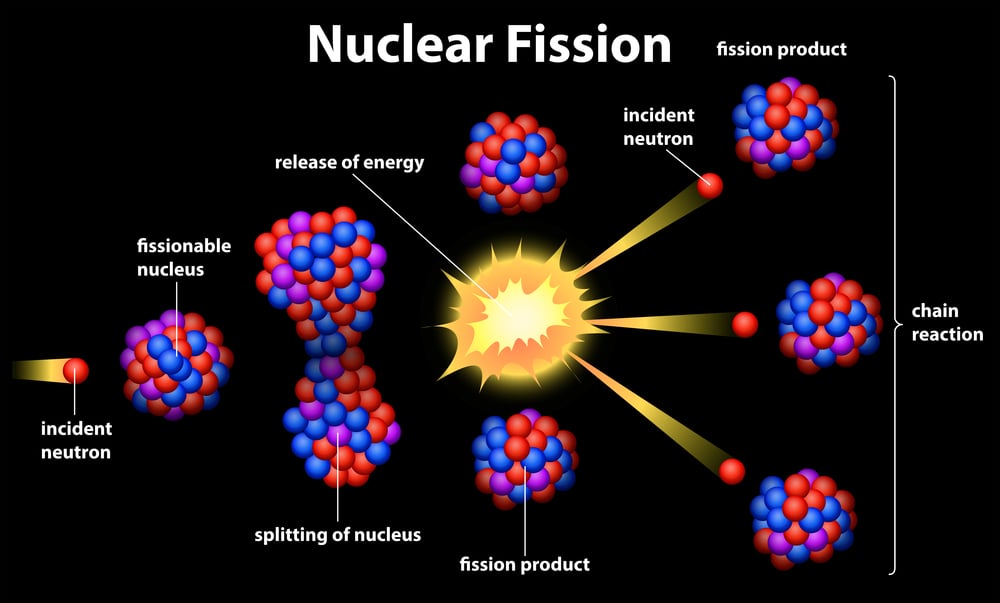
Austrian physicist Lise Meitner was central to discovering nuclear fission, working closely with chemist Otto Hahn for decades. When Nazi Germany annexed Austria, Meitner, who was Jewish, fled to Sweden while Hahn remained in Berlin.
Her calculations explaining their experimental results provided the theoretical foundation for understanding nuclear fission. However, only Hahn received the 1944 Nobel Prize in Chemistry, with Meitner’s pivotal role unacknowledged despite her providing the physical explanation for the phenomenon.
Margaret Keane

For years, Margaret Keane created the internationally famous ‘big-eyed children’ paintings while her husband Walter took full credit, signing her work and enjoying both the fame and fortune they generated. Walter threatened and intimidated Margaret into silence about the true authorship of the paintings.
Only after their divorce did she challenge him, eventually proving her authorship in court by painting one of her distinctive works while Walter claimed illness prevented him from demonstrating ‘his’ technique.
Mileva Marić
As Albert Einstein’s first wife and fellow physicist, Mileva Marić collaborated with him during his most productive scientific period. Many historians suggest she contributed significantly to his groundbreaking papers in 1905, including special relativity.
Einstein’s letters indicate they worked together, referring to ‘our research’ and ‘our paper.’ However, her precise contributions remain contentious, with Marić receiving no formal recognition while Einstein became the iconic figure of modern physics.
Like Go2Tutors’s content? Follow us on MSN.
Delia Derbyshire

The iconic Doctor Who theme tune, one of the most recognizable television themes ever, was composed by Ron Grainer but brought to life through the electronic music wizardry of Delia Derbyshire in 1963. Working at the BBC Radiophonic Workshop, Derbyshire painstakingly created the otherworldly sounds by recording individual notes and splicing tape together by hand.
Though Grainer wanted her to receive co-composer credit, BBC policy prevented electronic music arrangers from receiving such recognition.
Nettie Stevens

Through her careful study of mealworms, biologist Nettie Stevens found in the early 1900s that chromosomes define an organism’s sex, hence locating the X and Y chromosomes. Around the same time, her male coworker Edmund Wilson published comparable results but got much of the historical acclaim.
Stevens’ revolutionary work created one of the basic ideas of genetics. Her femininity and her life being cut short when she died of breast cancer at age 50 both helped to downplay her impact.
Matthew Alexander Henson

Henson most certainly arrived at the North Pole before Robert Peary did during his well-known 1909 voyage. Despite his exceptional arctic survival abilities and his ability to interact with the Inuit, Henson’s significant contribution as an African American man in the early 20th century was downplayed in the majority of historical sources.
Peary got the medals and praise, but Henson wasn’t given enough credit until decades later. He was given a presidential honor just before he passed away in 1955.
Like Go2Tutors’s content? Follow us on MSN.
Esther Lederberg

Microbiologist Esther Lederberg made several fundamental discoveries in genetics, including bacterial conjugation and specialized transduction. Her husband Joshua Lederberg received the Nobel Prize in 1958 for their joint work, but Esther’s critical contributions went unacknowledged by the Nobel committee.
She also discovered the lambda phage, a bacterial virus that became a key tool in molecular biology and genetic engineering, yet her name remains relatively unknown compared to her husband’s.
Alice Ball

The ‘Ball Method,’ which was the most successful leprosy therapy in the early 20th century and was used for decades, was created by chemist Alice Ball when she was just 23 years old. Her colleague Arthur Dean named the procedure after her and publicized her discoveries without giving her credit following her untimely death in 1916.
It was almost nine decades before Ball’s accomplishment was formally acknowledged by the University of Hawaii, which honored her posthumously in 2000 for her efforts that saved numerous lives.
The Legacy of Unacknowledged Genius

The stories of these overlooked contributors remind us that progress rarely comes from solitary genius but from collaboration, persistence, and diverse perspectives. Their achievements shine even brighter considering the additional barriers of discrimination, institutional biases, and social norms they often faced.
While historical records may have initially failed these remarkable individuals, recognizing their contributions today helps complete our understanding of how scientific and cultural advancements truly unfold.
Like Go2Tutors’s content? Follow us on MSN.
More from Go2Tutors!

- 18 Unexpectedly Valuable Collectibles You Might Have Lying Around
- 20 Little-Known Historical Battles That Had Huge Consequences
- 20 Historical Artifacts That Scientists Can’t Explain
- 15 Inventions That Were Immediately Banned After Being Created
- 20 Actors Who Were Almost Cast in Iconic Roles
Like Go2Tutors’s content? Follow us on MSN.



