17 U.S. Foods with Strange Origins
American cuisine is like a melting pot where unexpected ingredients, chance encounters, and cultural mix-ups create the most beloved dishes. Many foods we consider quintessentially American have backstories that would surprise even the most devoted food historians.
From salads invented during Prohibition to cookies that sparked international legal battles, these culinary creations prove that sometimes the best recipes come from the most unlikely circumstances. Here is a list of 17 American foods with origins that are stranger than fiction.
Caesar Salad
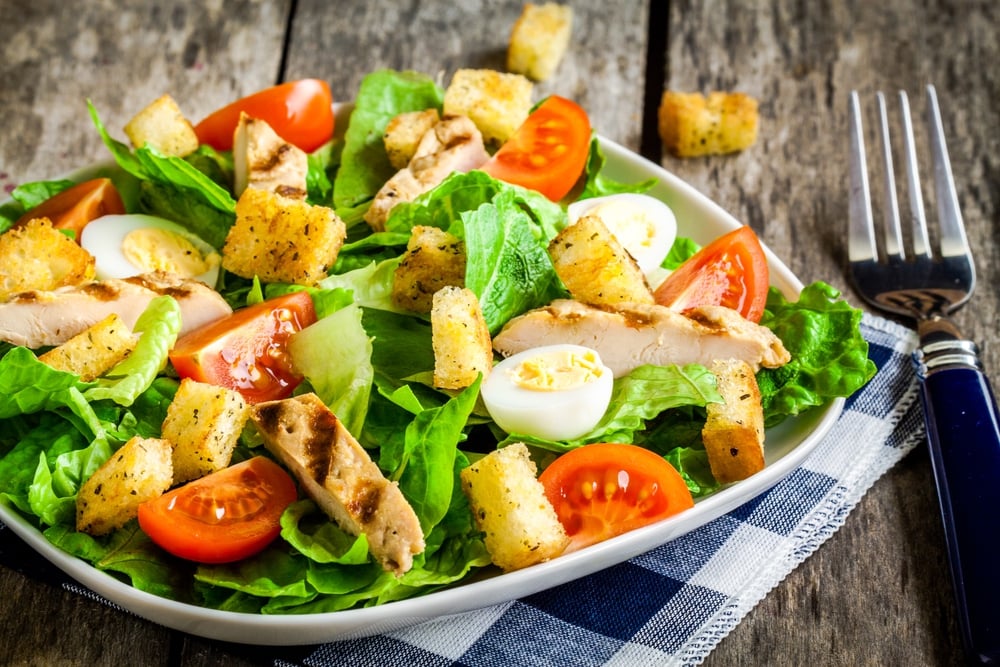
Most people assume this classic salad hails from Italy, given its Roman name and widespread popularity in Italian-American restaurants. The Caesar salad was actually created on July 4, 1924, by Caesar Cardini at Caesar’s in Tijuana, Mexico, when the kitchen was overwhelmed and short on ingredients. Cardini, an Italian immigrant, had moved his restaurant south of the border to serve alcohol during Prohibition. When a Fourth of July rush depleted his kitchen supplies, he improvised with what remained: smaller lettuce leaves, coddled eggs, olive oil, black pepper, lemon juice, garlic, and Parmesan cheese. The salad was originally eaten as finger food, with diners using the lettuce leaves as edible spoons.
Ranch Dressing
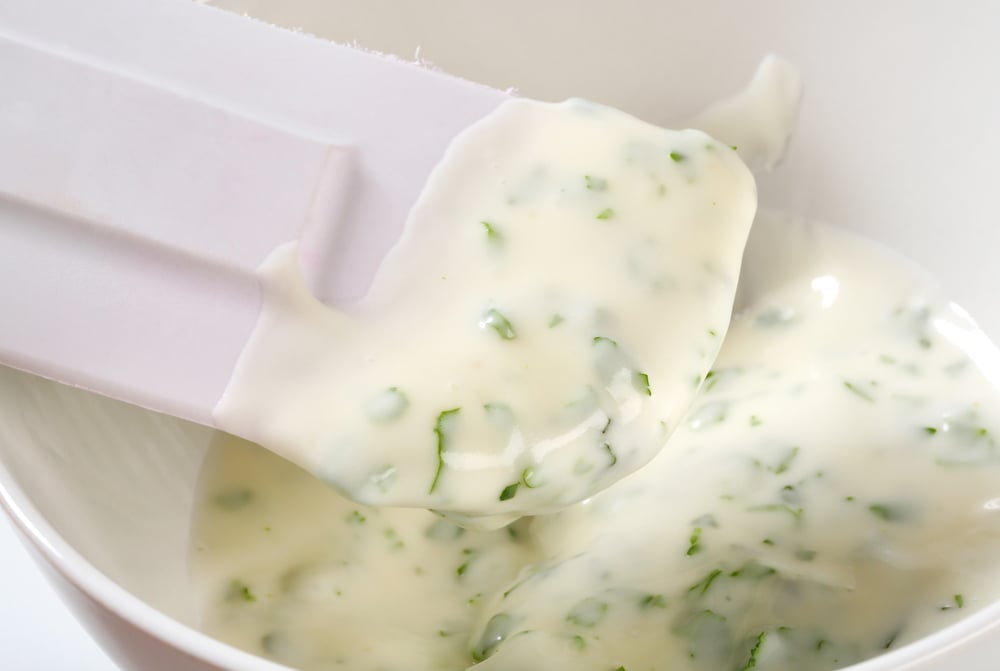
America’s favorite condiment has surprisingly humble beginnings that have nothing to do with cowboys or ranches. Ranch dressing was invented in the early 1950s by Steven Henson, a plumbing contractor working in the Anchorage, Alaska area, while cooking to feed his work crews. Henson retired from plumbing at age 35 and moved to Santa Barbara County, California, where in 1956 he purchased a guest ranch and renamed it Hidden Valley Ranch. Guests loved his homemade dressing so much they’d buy jars to take home, eventually turning a plumber’s kitchen experiment into a billion-dollar industry.
Fortune Cookies
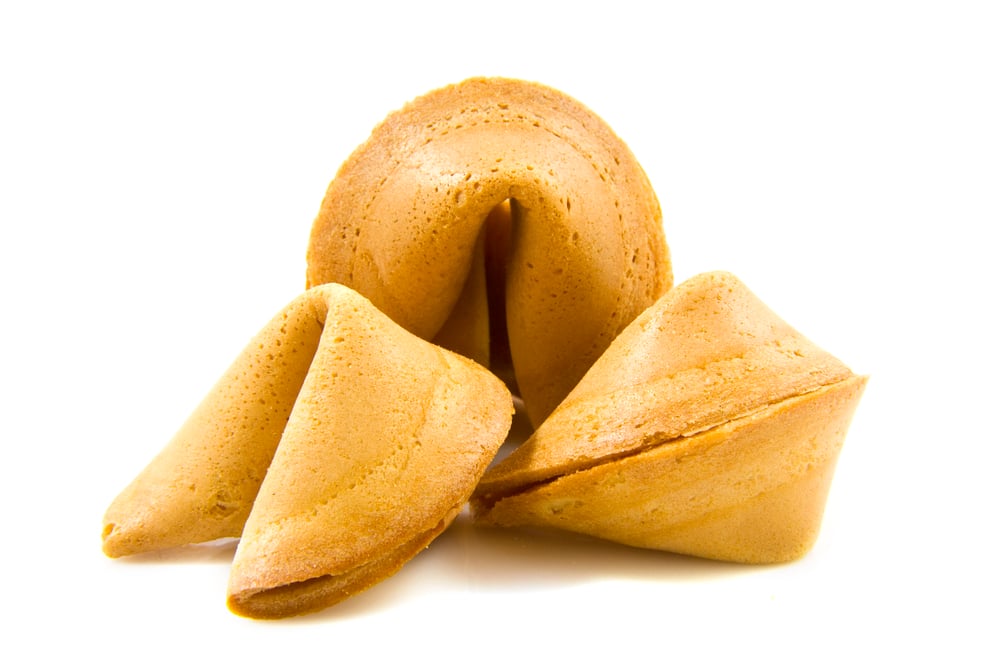
These crispy treats are served at virtually every Chinese restaurant in America, but they’re about as Chinese as apple pie. They most likely originated from cookies made by Japanese immigrants to the United States in the late 19th or early 20th century. Japanese immigrants in San Francisco and Los Angeles made these senbei crackers at their bakeries in the early 1900s, and Chinese restaurants began buying them when they lacked desserts on their menus. The fortune cookie eventually wound up in Chinese American hands during World War II when Japanese American businesses closed due to internment camps. Today, China doesn’t even serve them, but they’re found worldwide as symbols of American Chinese cuisine.
Buffalo Wings
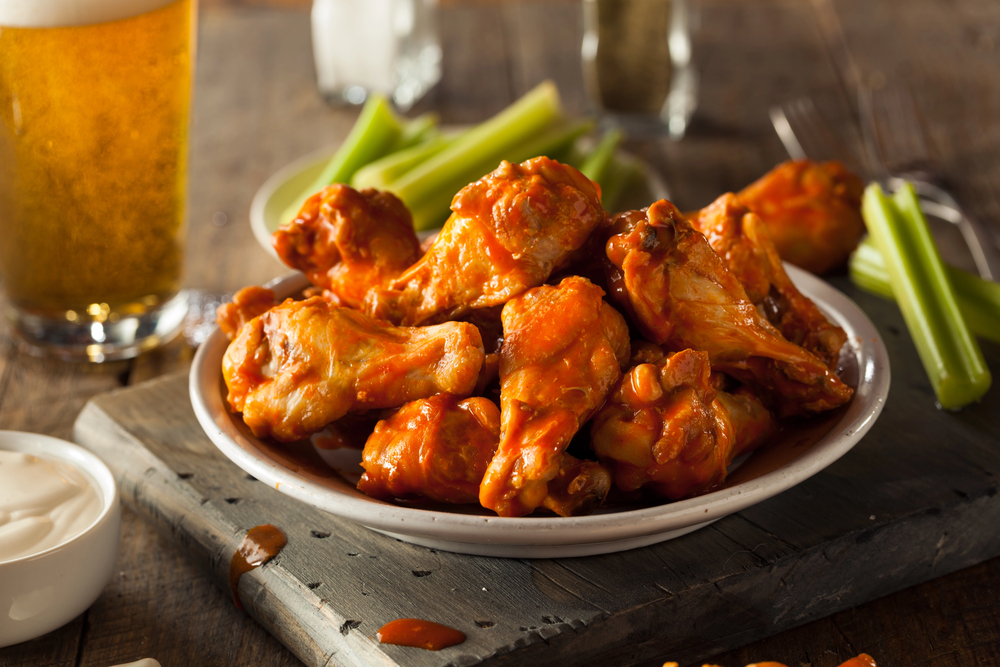
One of America’s most popular bar foods exists because of a late-night snack emergency and a mother’s resourcefulness. The late restaurateur Teressa Bellissimo cooked the first batch of Buffalo wings by happenstance one winter night in 1964 at Anchor Bar in Buffalo when her son’s friends came in late at night. She was preparing food for the following day and decided to deep-fry chicken wings, which were typically used only for soup, then tossed them in her own hot sauce creation. What started as an impromptu midnight snack for a few college kids launched a multi-billion-dollar wing industry.
Philly Cheesesteak
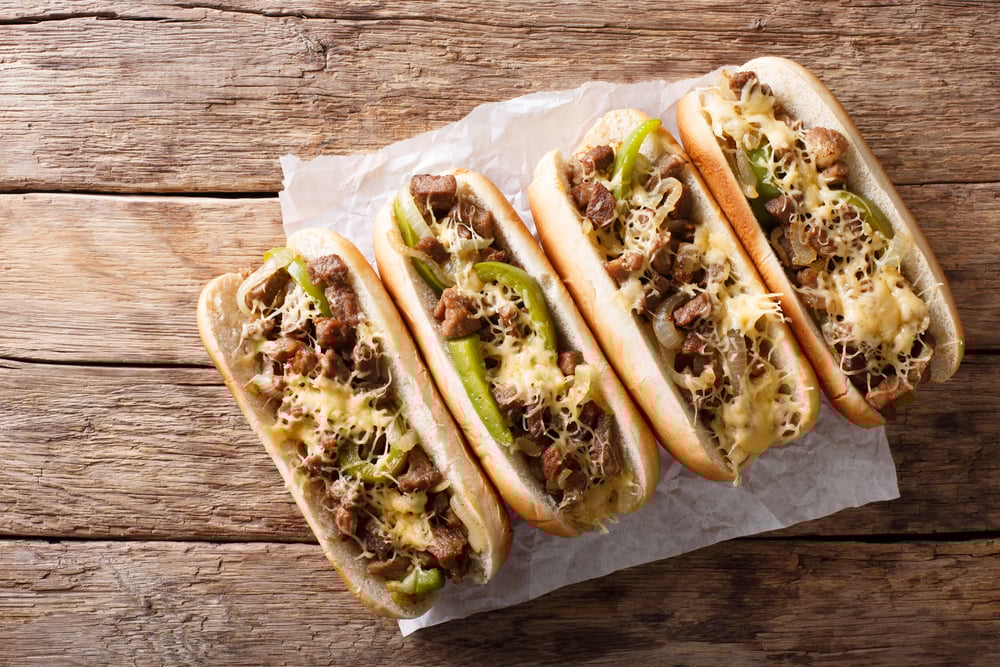
Philadelphia’s signature sandwich began not as a culinary masterpiece, but as a hot dog vendor’s lunch experiment. In 1930, Italian-American Pat Olivieri had a hot-dog cart in South Philly and one afternoon decided to try something different by grilling beef scraps with onions instead of his usual hot dogs. A passing cabdriver was intrigued and after eating the sandwich, told Pat to ‘forget about those hot dogs, you should sell these.’ Ironically, the famous ‘cheese’ part didn’t arrive until the 1940s when a manager at Pat’s restaurant added provolone slices to the creation.
Ketchup

— Photo by MingPhoto
America’s most popular condiment traces its roots to an ingredient that would horrify modern ketchup lovers. The word ‘ketchup’ comes from a Hokkien Chinese word ke-tsiap, which was a sauce derived from fermented fish that was wildly popular in southeastern China. British traders tried to replicate this fish sauce at home, and eventually Henry J. Heinz got involved and started producing his own ketchup recipe in 1876. The tomato-based version we know today is completely different from its fishy ancestor, though both share that addictive umami flavor profile.
Fried Chicken
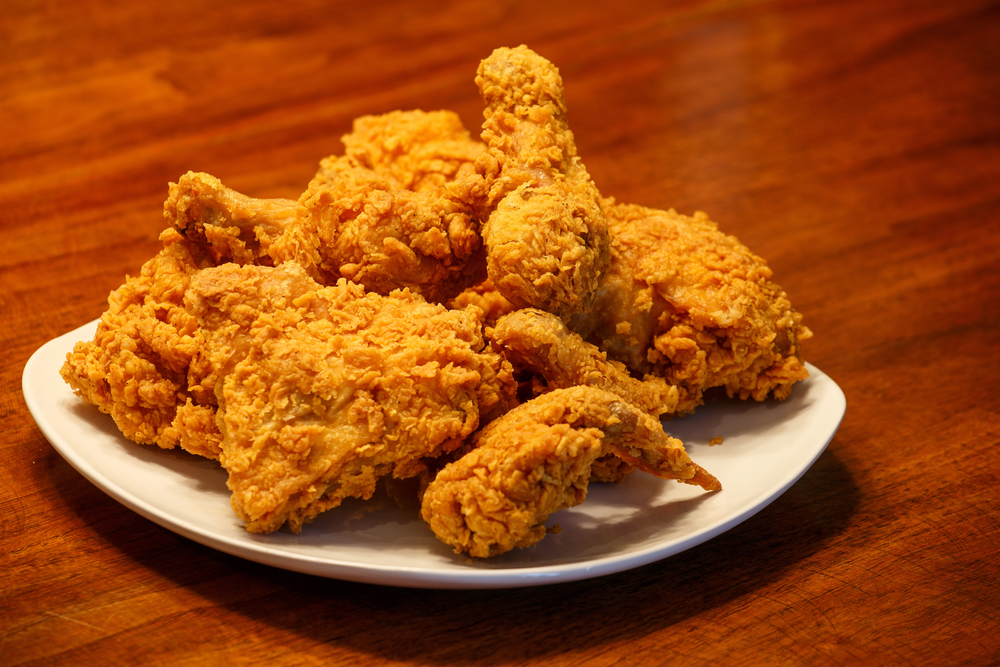
The American South’s most iconic dish actually crossed the Atlantic long before it reached Georgia or Kentucky. Fried chicken was actually invented in Scotland, where medieval Scots were among the only people who preferred to cook their chicken in hot fat. Scottish immigrants came to the United States in the 1800s, widely populating the American South and bringing the dish to prominence, but African slaves turned it into the delight we know today. The technique may have been Scottish, but the soul food transformation happened entirely in America.
Chicken and Waffles
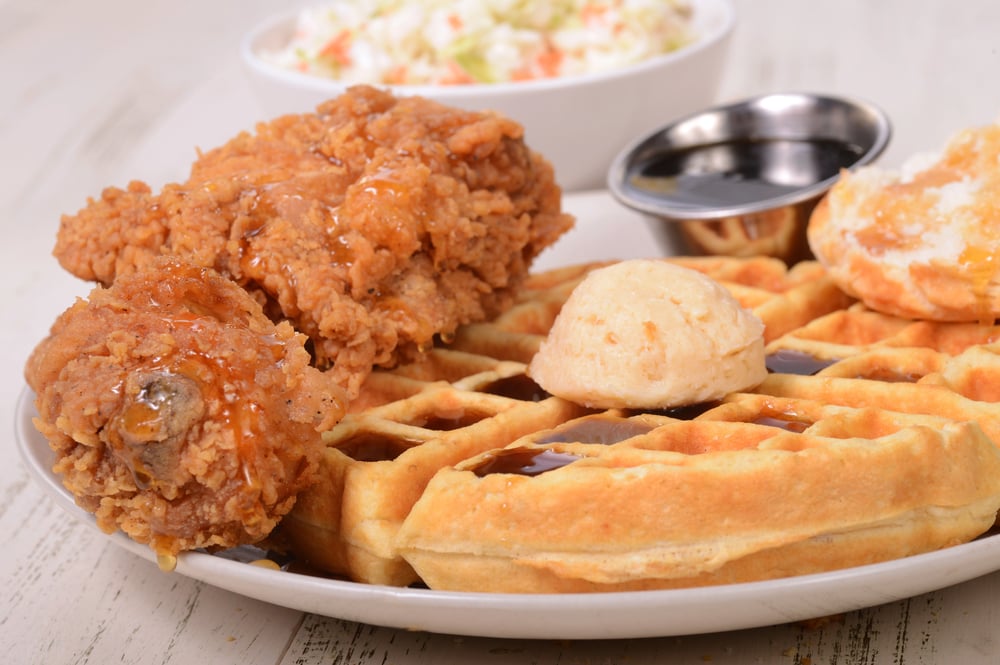
This unlikely pairing seems random until you understand its cultural significance and practical origins. The dish has roots in the African American community, particularly in Harlem, New York, where it became a popular late-night meal for jazz musicians in the early 20th century. Musicians would finish their gigs too late for dinner but too early for breakfast, so creative cooks combined the best of both worlds. The sweet waffle provided energy while the savory fried chicken offered protein, creating the perfect post-performance meal that satisfied both dinner and breakfast cravings.
Hot Dogs
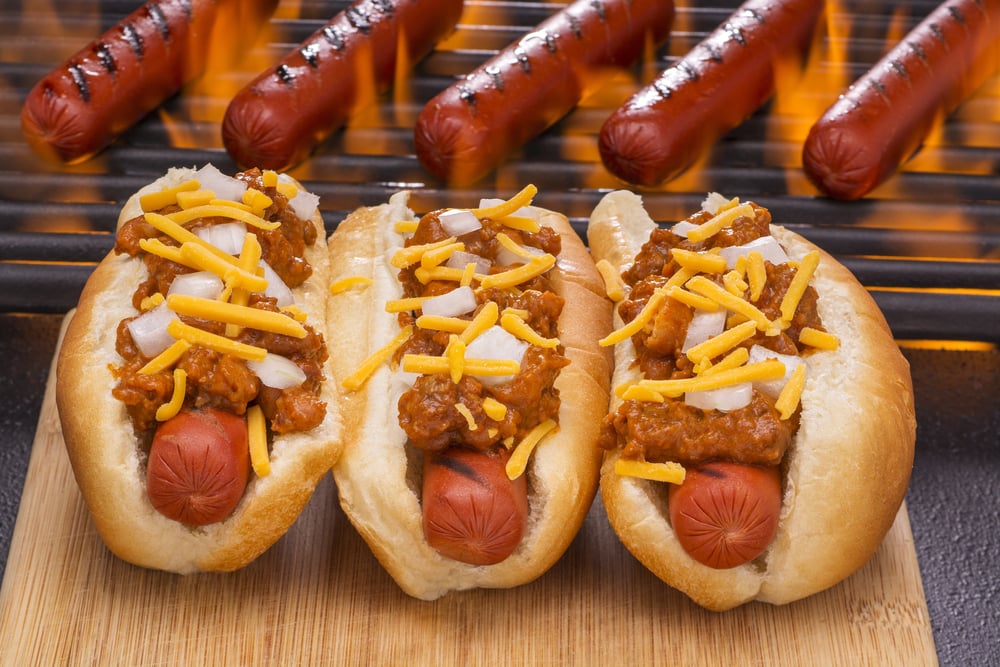
America’s ballpark staple has German engineering written all over it, though the name has a distinctly American twist. Hot dogs were invented in Germany, where they were called ‘dachshund’ or ‘little dog’ sausages because they were smaller and thinner than traditional German sausages. The inventor, Johann Georghehner, took his product to Frankfurt to market it, giving birth to the term ‘frankfurter.’ The name ‘hot dog’ was supposedly coined by drunken college students who figured out the sausage’s canine nickname and found it hilarious. Sometimes the best food names come from the most juvenile humor.
Hamburger
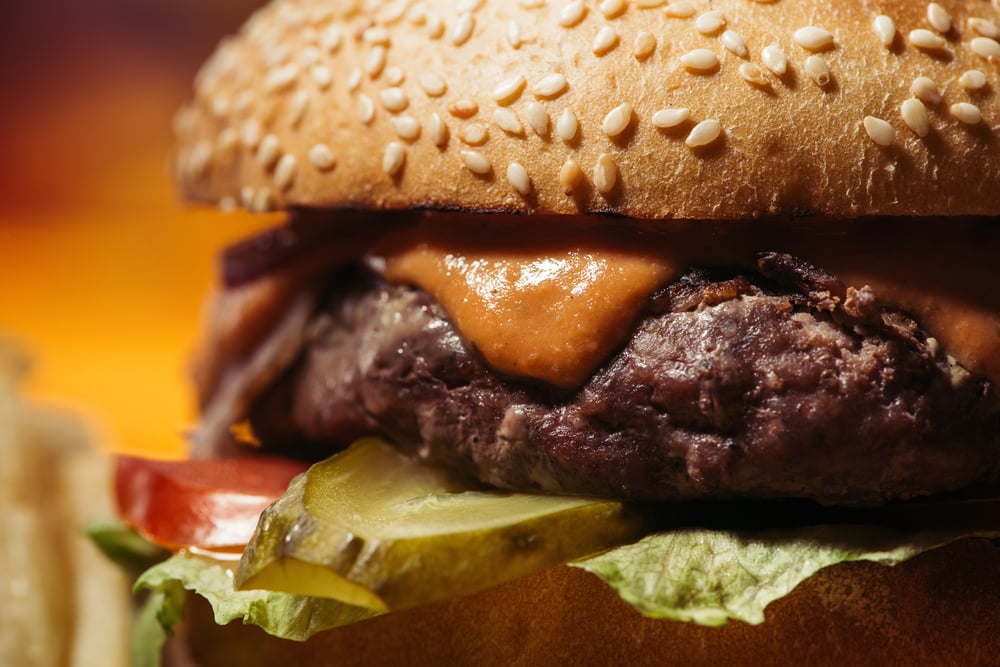
Despite being named after Hamburg, Germany, the modern hamburger has a decidedly American assembly story. Someone whose name is lost to history started putting meat between two pieces of bread to make it easier to eat while working, creating the modern-day hamburger. While the concept of ground beef came from Germany, the sandwich format was pure American innovation born from workplace convenience. The genius wasn’t in the meat preparation but in the simple realization that bread makes an excellent edible plate and napkin combined.
Chocolate Chip Cookies
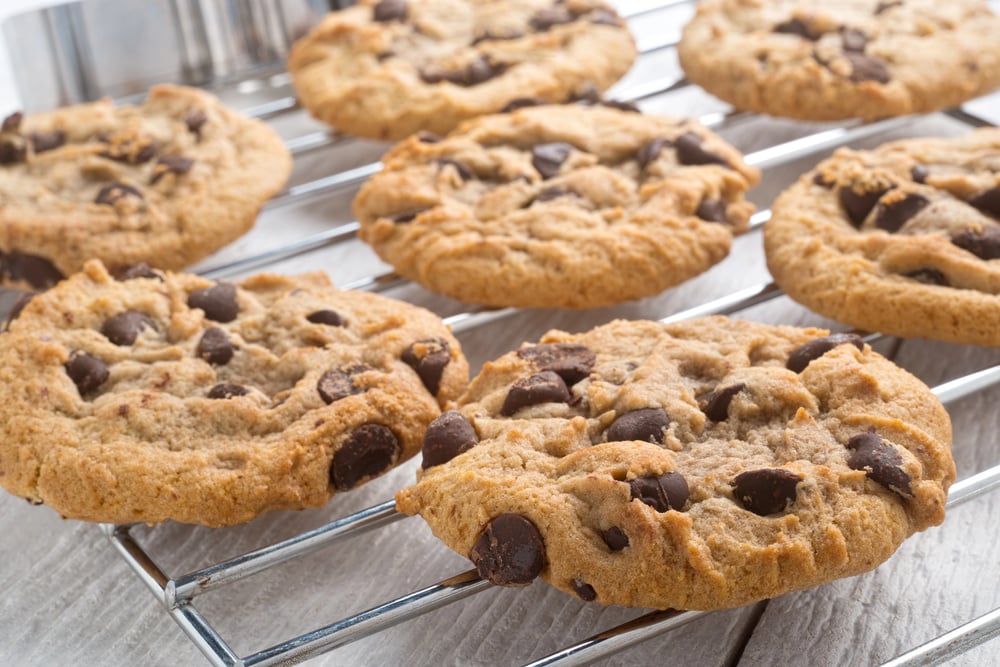
One of America’s most beloved cookies exists because of a baker’s assumption and a fortunate mistake. Ruth Wakefield invented chocolate chip cookies in the late 1930s at the Toll House restaurant when she broke up a chocolate bar into her cookie dough, expecting it to melt and create chocolate cookies. Instead, the chocolate held its shape, creating the first chocolate chip cookies. In 1939, she granted Nestle the rights to her recipe and the Toll House name, and her original recipe is still printed on Nestle chocolate chip bags today. Sometimes culinary accidents create the most enduring traditions.
Pink Lemonade

This carnival classic has two competing origin stories, both involving questionable hygiene and creative resourcefulness. In one version, circus worker Henry Allott accidentally dropped red cinnamon candies in a vat of lemonade and sold it anyway. In the second version, circus worker Pete Conklin ran out of water while making lemonade and grabbed a nearby washtub that had been used to wash pink tights, using the stained wash water instead. Either way, pink lemonade owes its existence to circus workers who refused to waste a batch of lemonade, regardless of how it got its color.
Ranch-Style Beans
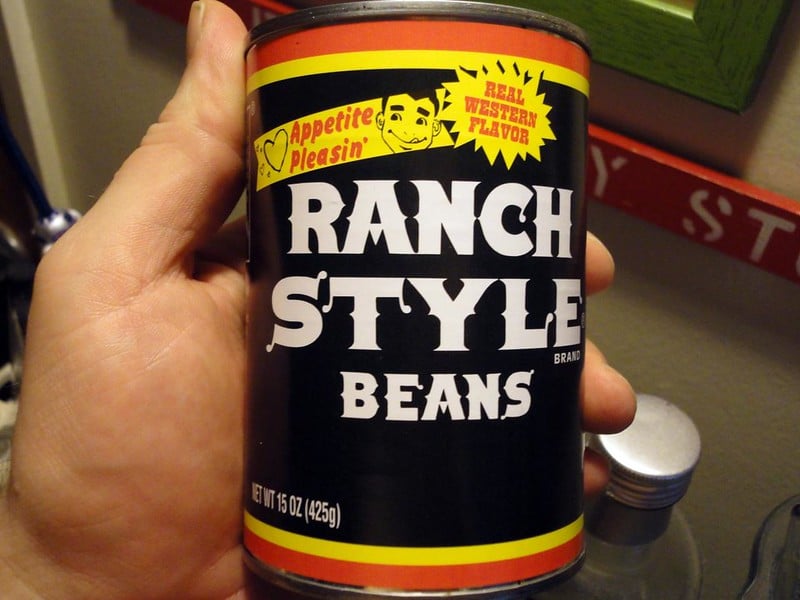
The lawsuit surrounding this humble pantry staple reveals the complicated relationship between regional food names and trademark law. Since the early 1930s, there had been an existing brand of pinto beans called ‘Ranch Style Beans,’ and in 1975, the Texas-based manufacturer sued Kraft Foods and General Foods for trademark infringement over their ‘ranch style’ products. The case went to federal court in Fort Worth, where the judge ruled in favor of the bean company. This means ranch-style beans technically had legal claim to the ‘ranch’ name before Hidden Valley Ranch dressing became famous.
Tater Tots
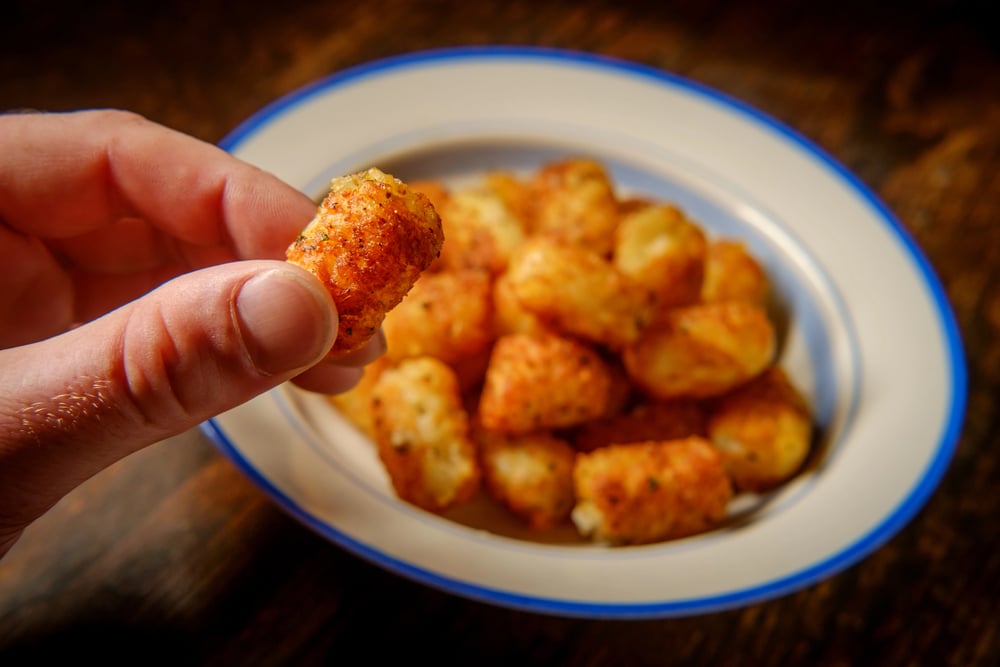
These crispy potato cylinders were born from a desire to minimize food waste and maximize profit margins. Tater tots are a famous food from Oregon invented by Ore-Ida. The Ore-Ida company created them as a way to use potato scraps left over from french fry production. Instead of throwing away perfectly good potato pieces, they shredded them, formed them into small cylinders, and deep-fried them. The name ‘tater tots’ stuck because it perfectly captured both the ingredient and the bite-sized format that made them perfect for kids’ meals.
Scrapple
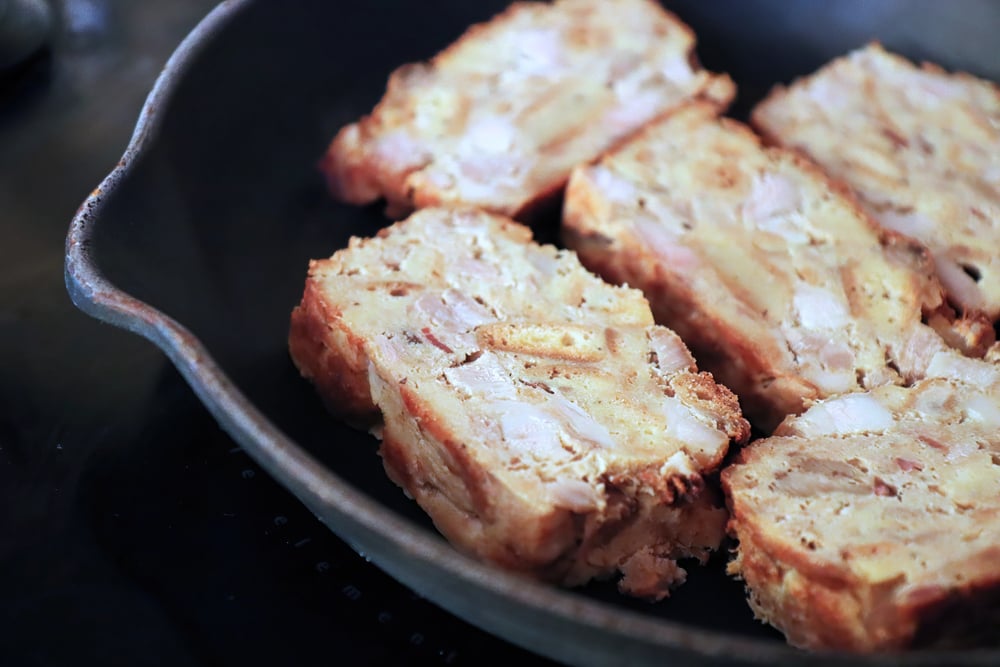
This Pennsylvania Dutch creation exemplifies the immigrant tradition of using every part of an animal to avoid waste. Scrapple hails from Pennsylvania Dutch country, where it originated as a resourceful way to use up all the parts of a pig, including the heart, liver, and other edible organs. These bits are boiled up, combined with cornmeal and wheat flour, then turned into a mush, which is chilled and sliced to be pan-fried. While the ingredient list might sound intimidating, scrapple represents the practical wisdom of immigrant communities who understood that survival sometimes required creative cooking.
Livermush
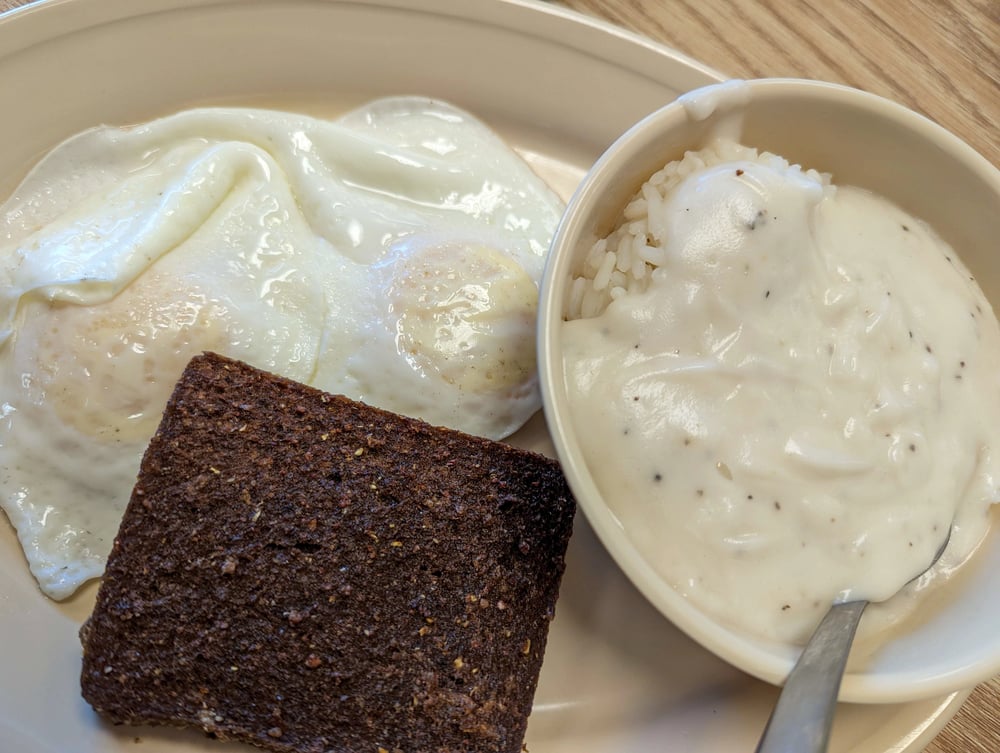
This regional North Carolina specialty showcases how geographic isolation can preserve unique food traditions. Livermush originates from Western North Carolina and is only found in that region, made from a unique combination of ingredients that isn’t known by many outside the area. Like scrapple, it uses organ meats combined with cornmeal, but the specific preparation method and regional loyalty make it distinctly Carolinian. The fact that it’s remained geographically contained for generations shows how local food traditions can resist homogenization, even in our connected world.
Spam Musubi
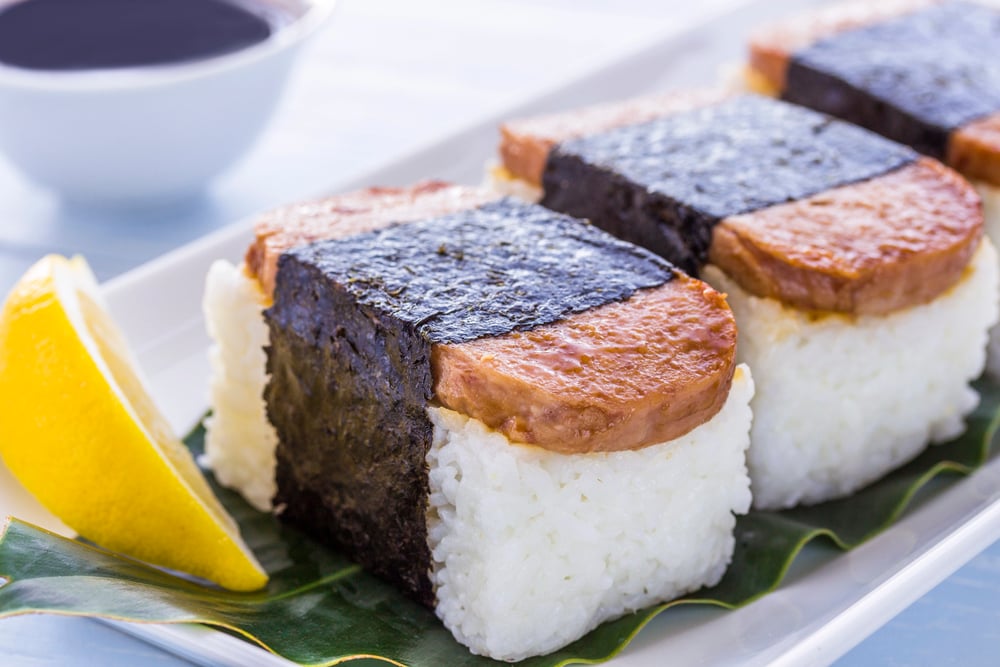
This Hawaiian staple demonstrates how wartime necessities can evolve into beloved cultural foods. Spam musubi consists of a slice of grilled Spam on top of a block of rice, wrapped in nori (seaweed), and its origins can be traced back to World War II when Spam became a staple food in Hawaii due to its long shelf life and availability. Japanese Americans in Hawaii adapted the traditional musubi (a rice orb wrapped in seaweed) to include Spam, creating a unique and delicious fusion dish. What began as a wartime convenience food transformed into a cherished local specialty that perfectly represents Hawaii’s multicultural culinary landscape.
From Accidents to Icons
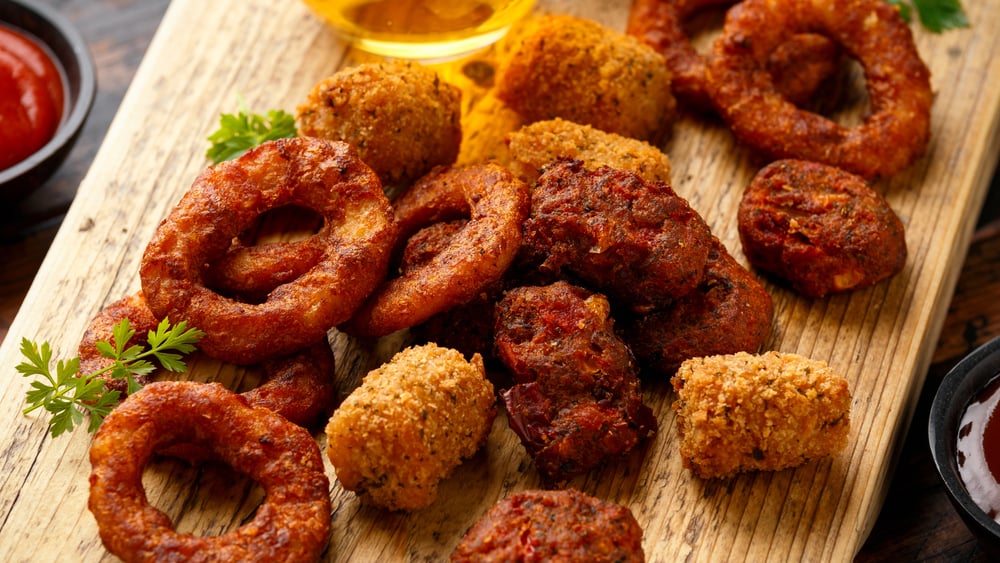
These strange origin stories remind us that American cuisine isn’t about ancient traditions or carefully preserved recipes passed down through generations. Instead, it’s about adaptation, innovation, and the wonderful accidents that happen when different cultures collide in kitchens across the country. Whether born from wartime rationing, Prohibition-era creativity, or simple workplace convenience, these foods prove that the best culinary traditions often start with someone just trying to make the best of an unexpected situation.
More from Go2Tutors!

- 16 Historical Figures Who Were Nothing Like You Think
- 12 Things Sold in the 80s That Are Now Illegal
- 15 VHS Tapes That Could Be Worth Thousands
- 17 Historical “What Ifs” That Would Have Changed Everything
- 18 TV Shows That Vanished Without a Finale
Like Go2Tutors’s content? Follow us on MSN.