18 Newspaper Comics That Caused Controversies
Newspaper comics have been making people laugh for over a century, but they’ve also been stirring up trouble just as long. What started as simple entertainment has occasionally crossed lines, challenged authority, and sparked debates that reached far beyond the funny pages. Some strips got pulled from papers, others triggered boycotts, and a few even inspired new laws.
The world of newspaper comics isn’t as innocent as it might seem. Here’s a list of 18 newspaper comics that caused major controversies throughout history.
Pogo
Leonora (Ellie) Enking/ Flickrr
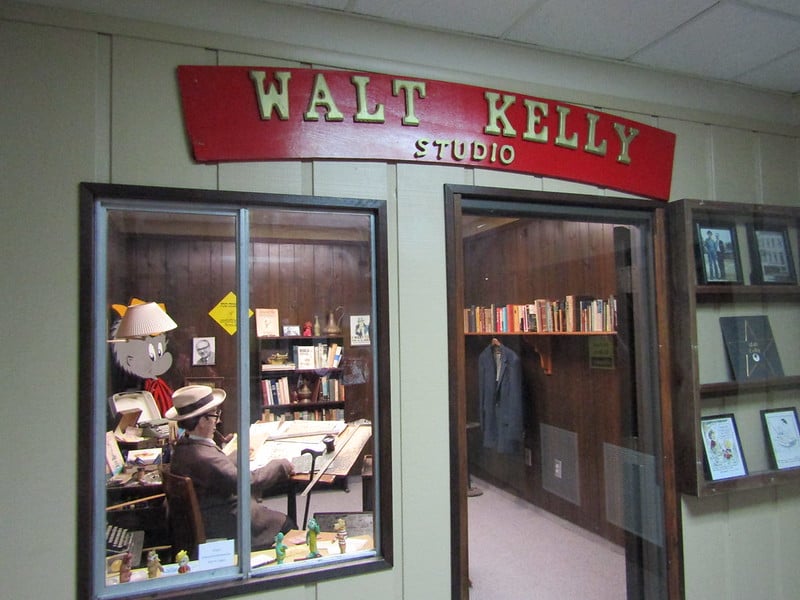
Walt Kelly’s Pogo was the most controversial and censored comic strip of the 1950s, featuring satiric wordplay, slapstick, and appearances by Joe McCarthy, Richard Nixon, Nikita Khrushchev, J. Edgar Hoover, and the John Birch Society, all in animal form. Kelly received threats from those who opposed his views being represented in what had traditionally been called the “funny pages”, with little room for liberal editorial comment.
The strip about an opossum and his swamp friends proved that comics could be political weapons disguised as entertainment.
Doonesbury

Doonesbury was the first daily comic strip to win a Pulitzer Prize for tackling social issues, politics and war. Garry Trudeau’s strip has been pulled from newspapers countless times for addressing everything from Watergate to abortion rights.
A six-part comic was rejected by newspapers entirely. The strip continues to push boundaries today, with some papers still refusing to run certain storylines.
Like Go2Tutors’s content? Follow us on MSN.
Li’l Abner
jeff covey/ Flickrr
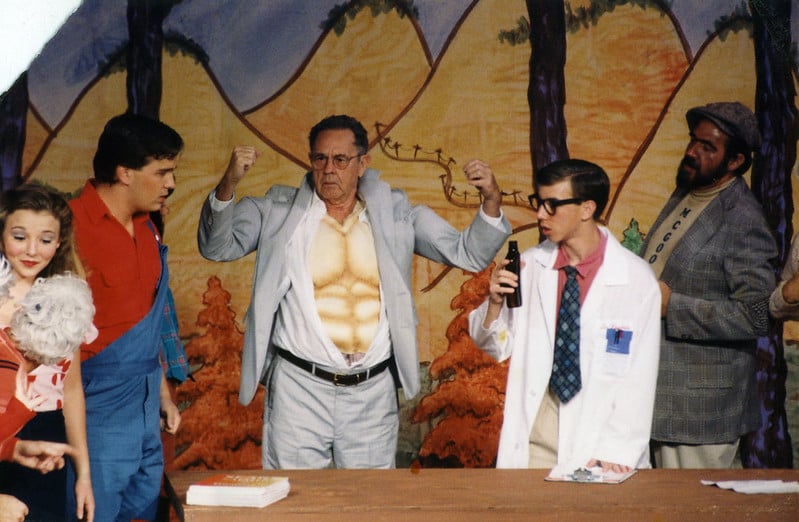
Li’l Abner was censored in September 1947 and was pulled from the Pittsburgh Press by Scripps-Howard over Capp’s portrayal of the U.S. Senate. Al Capp’s creation started as harmless hillbilly humor but evolved into sharp political commentary.
Capp’s increasingly controversial political views and personal scandals eventually overshadowed the strip’s earlier success. The cartoonist’s feuds with other creators and his shifting political stance made him a lightning rod for criticism.
Non Sequitur
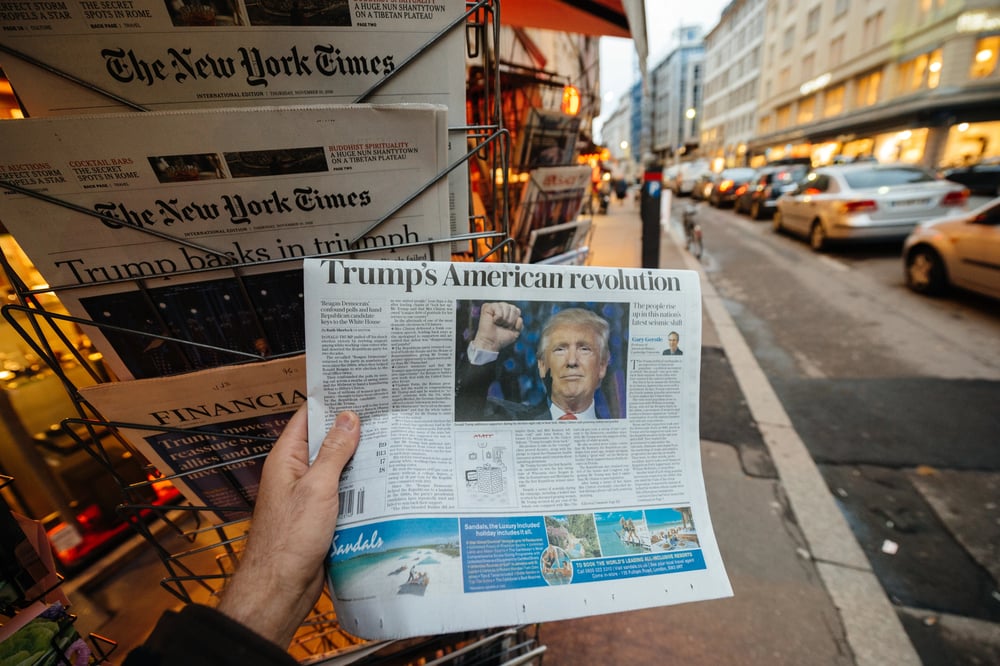
In 2019, Non Sequitur was discontinued in one Pennsylvania newspaper after its publisher discovered that Wiley had hidden an “easter egg” in one of his comic strips: a scrawled message which, when read correctly, said, “We fondly say go f*** yourself to Trump.” More than twelve local papers permanently removed Non Sequitur following the mistake, including Ohio’s Columbus Dispatch.
Wiley Miller’s hidden message proved that even tiny details in comics don’t go unnoticed by sharp-eyed readers.
The Boondocks
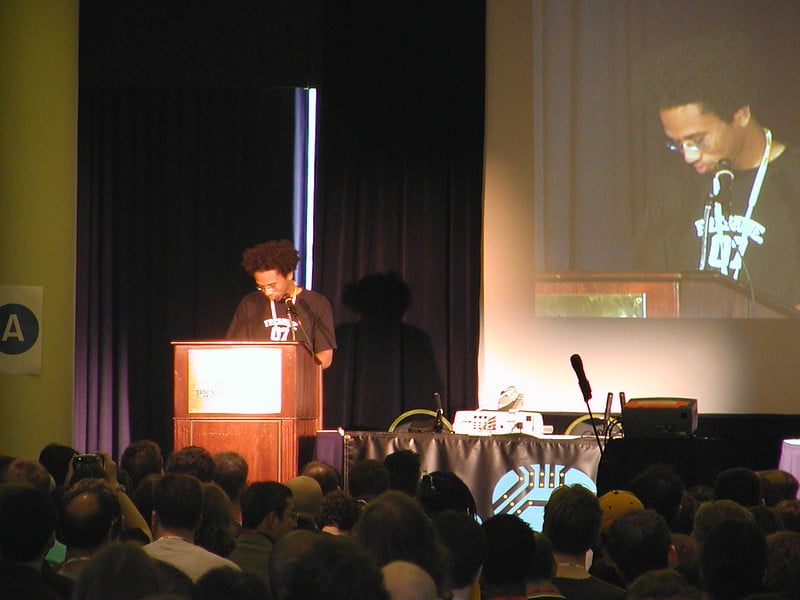
Aaron McGruder’s strip about two African American boys living in suburbia regularly tackled racism, politics, and social issues head-on. The strip was pulled from several papers for its controversial takes on everything from the Iraq War to celebrity culture.
McGruder never shied away from calling out public figures by name, making newspaper editors nervous about potential lawsuits and reader backlash.
Like Go2Tutors’s content? Follow us on MSN.
Mallard Fillmore

Bruce Tinsley’s conservative duck has been just as controversial as his liberal counterparts. The strip’s right-wing political commentary has drawn criticism from progressive readers and praise from conservative ones.
Several newspapers have dropped the strip over complaints about its political content, while others have added it specifically to balance out more liberal voices on their comics pages.
Pearls Before Swine

Stephan Pastis regularly pushes the envelope with dark humor and meta-commentary that sometimes crosses into territory that makes editors uncomfortable. The strip has been pulled or edited by various newspapers for content deemed too adult or controversial for the comics page.
Pastis often addresses these censorship issues directly in his strip, creating an ongoing dialogue about editorial standards.
Bloom County
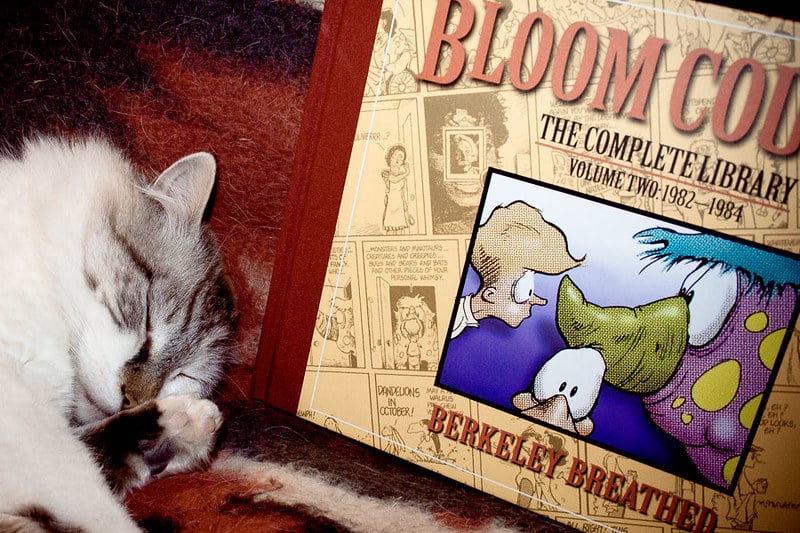
Berkeley Breathed’s strip featuring Opus the penguin and his friends tackled political and social issues with satirical bite. The strip was frequently censored or pulled from newspapers for its commentary on everything from televangelists to political figures.
Breathed’s willingness to mock both sides of the political spectrum made him enemies across the ideological spectrum.
Like Go2Tutors’s content? Follow us on MSN.
Garfield Minus Garfield
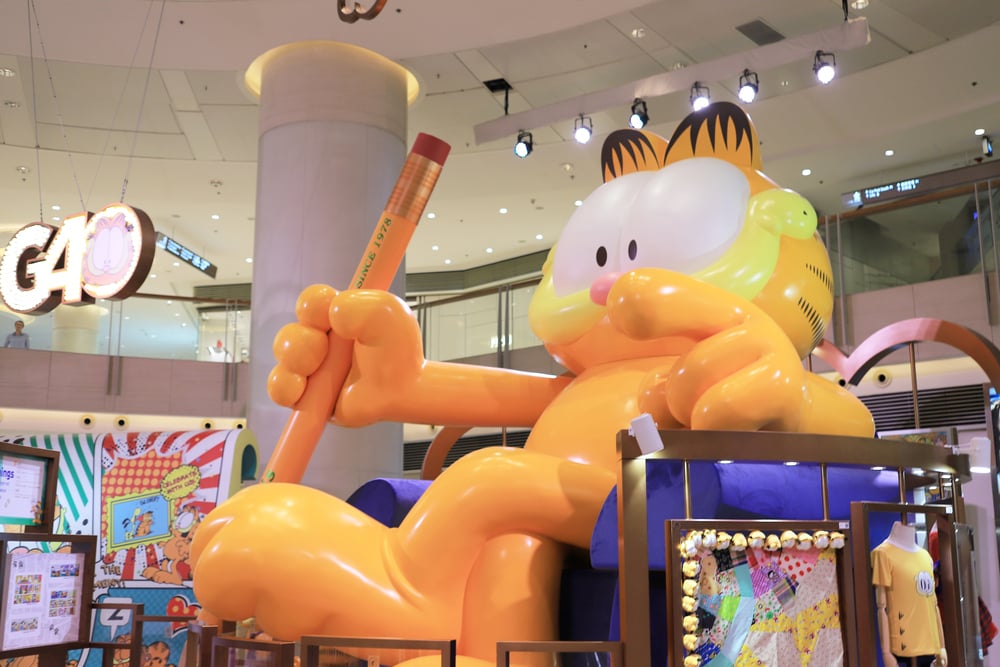
While not technically controversial in content, this internet phenomenon caused a stir when fans began removing Garfield from Jim Davis’s strips, leaving only Jon Arbuckle talking to himself. The result was a surreal, existential comic that some found brilliant and others found disturbing.
Davis eventually embraced the concept, but it sparked debates about copyright and fair use in the digital age.
Zippy the Pinhead

Bill Griffith’s surreal strip about a microcephalic character has been controversial since its inception. The strip’s absurdist humor and sometimes adult themes have made it a target for censorship.
Some disability rights advocates have criticized the strip’s portrayal of its main character, while others praise its subversive approach to mainstream comic conventions.
The Fusco Brothers

J.C. Duffy’s strip about four dysfunctional brothers has been pulled from newspapers for its dark humor and adult themes. The strip’s cynical view of modern life and relationships has made some editors uncomfortable with its placement on the family-friendly comics page.
Duffy’s willingness to tackle subjects like depression and dysfunction sets it apart from more traditional family strips.
Like Go2Tutors’s content? Follow us on MSN.
Cathy

Cathy Guisewite’s strip about a single woman navigating career and relationships was groundbreaking for its time but later became controversial for different reasons. Critics argued that the strip reinforced negative stereotypes about women being obsessed with food, shopping, and relationships.
The strip’s long run meant it evolved through changing social attitudes, sometimes finding itself out of step with contemporary feminist thought.
Jump Start

Robb Armstrong’s strip about an African American family has occasionally stirred controversy for its handling of racial issues. While generally praised for positive representation, some storylines addressing police brutality and discrimination have made newspaper editors nervous.
The strip walks a careful line between addressing serious social issues and maintaining its family-friendly tone.
Opus

Berkeley Breathed’s follow-up to Bloom County continued his tradition of political satire with the beloved penguin character. The strip was pulled from newspapers multiple times for its commentary on political figures and social issues.
Breathed’s decision to end the strip abruptly in 2008 after newspapers refused to run certain storylines highlighted ongoing tensions between creators and publishers.
Like Go2Tutors’s content? Follow us on MSN.
Shoe
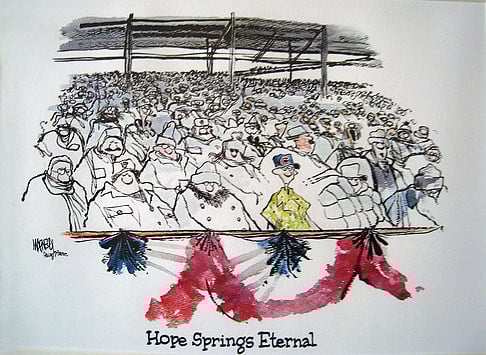
Jeff MacNelly’s strip about newspaper-working birds has been controversial for its portrayal of journalists and its political commentary. The strip’s cynical view of the media industry and its occasional political jabs have drawn criticism from both sides of the political spectrum.
After MacNelly’s death, the strip’s continuation by other creators has maintained its edge while navigating modern sensitivities.
Tank McNamara
This sports-themed strip has courted controversy by addressing real-world sports scandals and issues. The strip’s willingness to tackle subjects like performance-enhancing drugs, domestic violence by athletes, and corruption in sports has sometimes put it at odds with newspaper sports departments.
Its realistic approach to sports journalism sets it apart from more lighthearted sports comics.
Funky Winkerbean

Tom Batiuk’s strip evolved from light high school humor to addressing serious issues like teen pregnancy, alcoholism, and terrorism. The strip’s dramatic shift in tone has been controversial, with some readers feeling betrayed by the darker direction.
Storylines addressing school shootings and other tragic events have led to the strip being pulled from some newspapers.
Like Go2Tutors’s content? Follow us on MSN.
For Better or For Worse

Lynn Johnston’s strip about a Canadian family was revolutionary for allowing its characters to age in real time. The strip became controversial when it addressed topics like coming out, divorce, and death.
Johnston’s decision to have a teenage character come out as gay sparked both praise and criticism, with some newspapers pulling the strip during that storyline.
Comics That Started Conversations

These controversial strips prove that comics can be more than just entertainment—they can be catalysts for important discussions about society, politics, and culture. While some readers and editors prefer their funny pages to stay light and non-controversial, these creators understood that comics have the power to challenge, provoke, and inspire change.
Their willingness to risk controversy helped expand what comics could accomplish as an art form.
More from Go2Tutors!

- 16 Historical Figures Who Were Nothing Like You Think
- 12 Things Sold in the 80s That Are Now Illegal
- 15 VHS Tapes That Could Be Worth Thousands
- 17 Historical “What Ifs” That Would Have Changed Everything
- 18 TV Shows That Vanished Without a Finale
Like Go2Tutors’s content? Follow us on MSN.