Entertainment Moments from the 80s and 90s That Went Viral
Before viral tags ever existed, some events in showbiz caught fire fast. Not TV alone carried them – papers shouted, radios repeated, whispers passed between friends kept them alive.
When a story exploded, nights stretched into mornings talking about it on airwaves. Even classrooms hummed days later, voices layering over each other in hallways.
Weeks slipped by and people still circled back to the same moment again. A glance back at scenes with staying power – moments folks keep circling around, years fading behind them.
Not every spark lasts, but these did, somehow sticking in the air like dust in sunlight.
The ‘Thriller’ Premiere
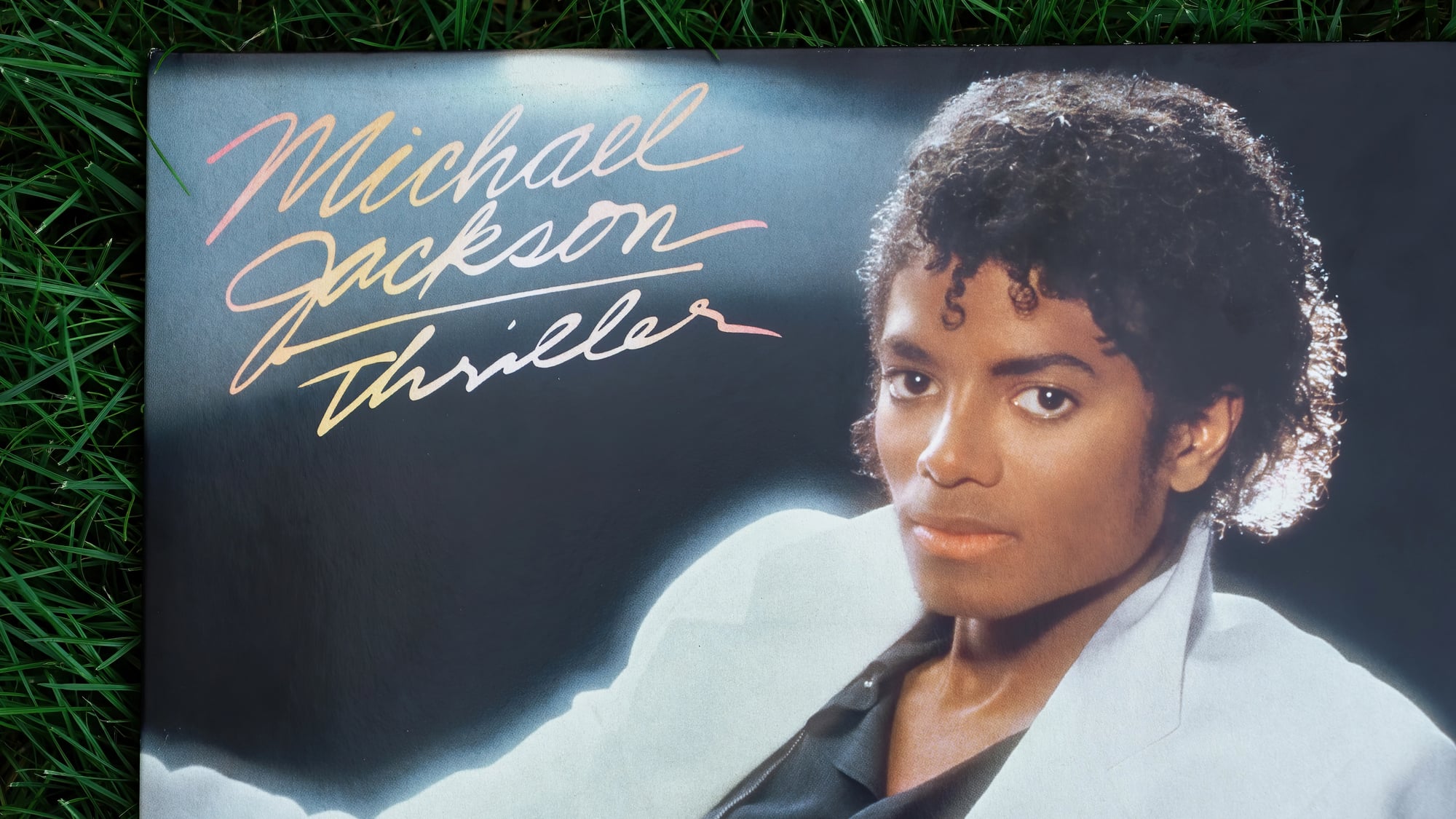
When Michael Jackson introduced the short film for “Thriller” in 1983, he was doing more than just plugging a song. He was reinventing the music video as a film experience.
While the film, which debuted on MTV, is a pop-horror tale of almost 14 minutes, there is something about the choreography that instantly became iconic.
But what made this feel like a viral phenomenon is that MTV played it over and over, and people saw it in theaters and on VHS. That red jacket, that zombie dance, that Vincent Price narration – all of this became a part of global pop culture almost immediately.
Madonna At The 1984 MTV Video Music Awards
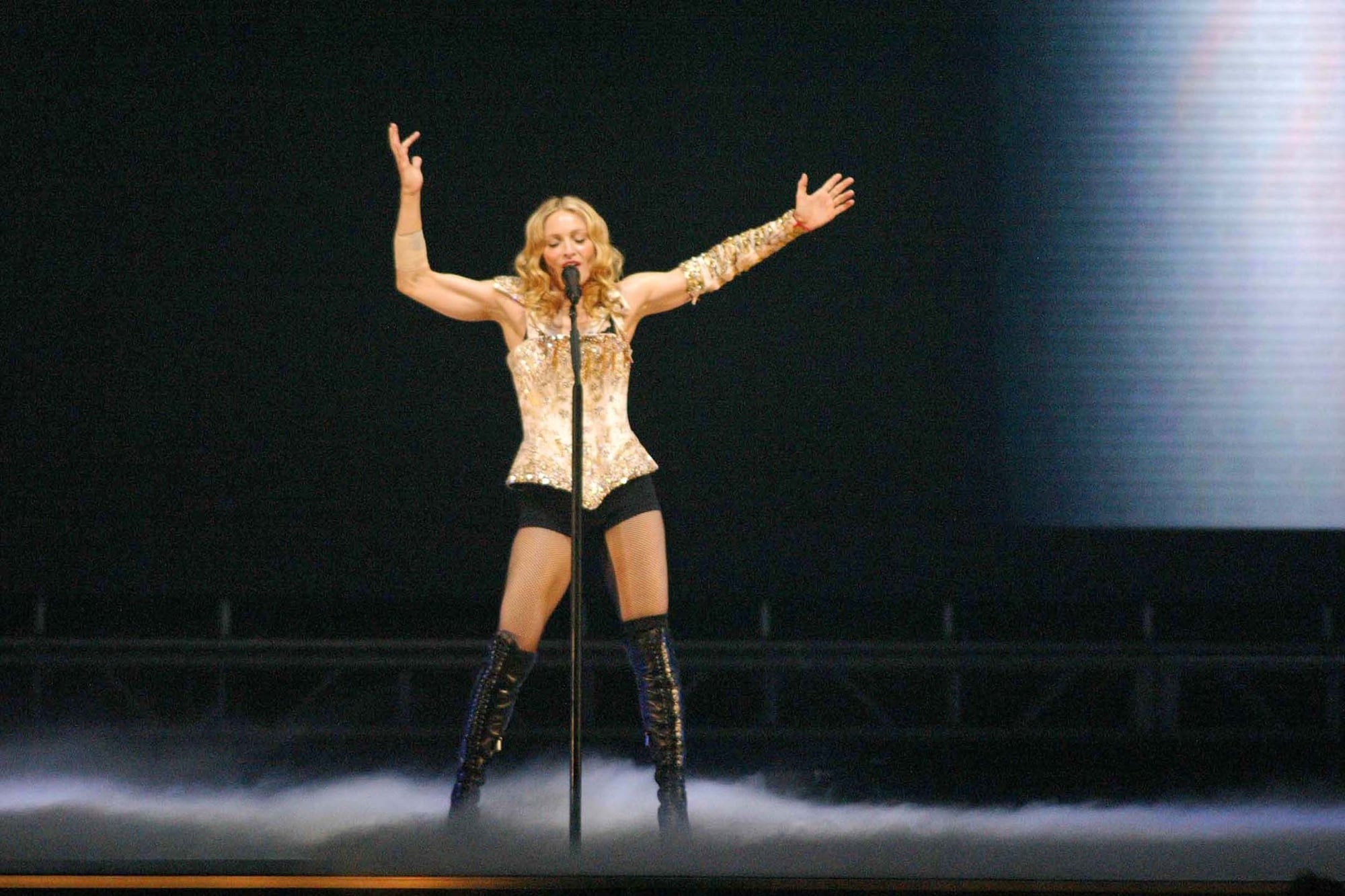
In 1984, Madonna performed ‘Like a Virgin’ at the inaugural MTV Video Music Awards. Dressed in a wedding gown and rolling across the stage floor, she delivered a performance that felt rebellious and calculated at the same time.
Still, the real impact came from the aftermath. Morning shows replayed the footage, newspapers debated it, and cultural critics weighed in on what it meant for mainstream television.
In an era before social media outrage cycles, this moment generated days of national conversation. It cemented Madonna as a master of spectacle.
The O.J. Simpson Car Chase
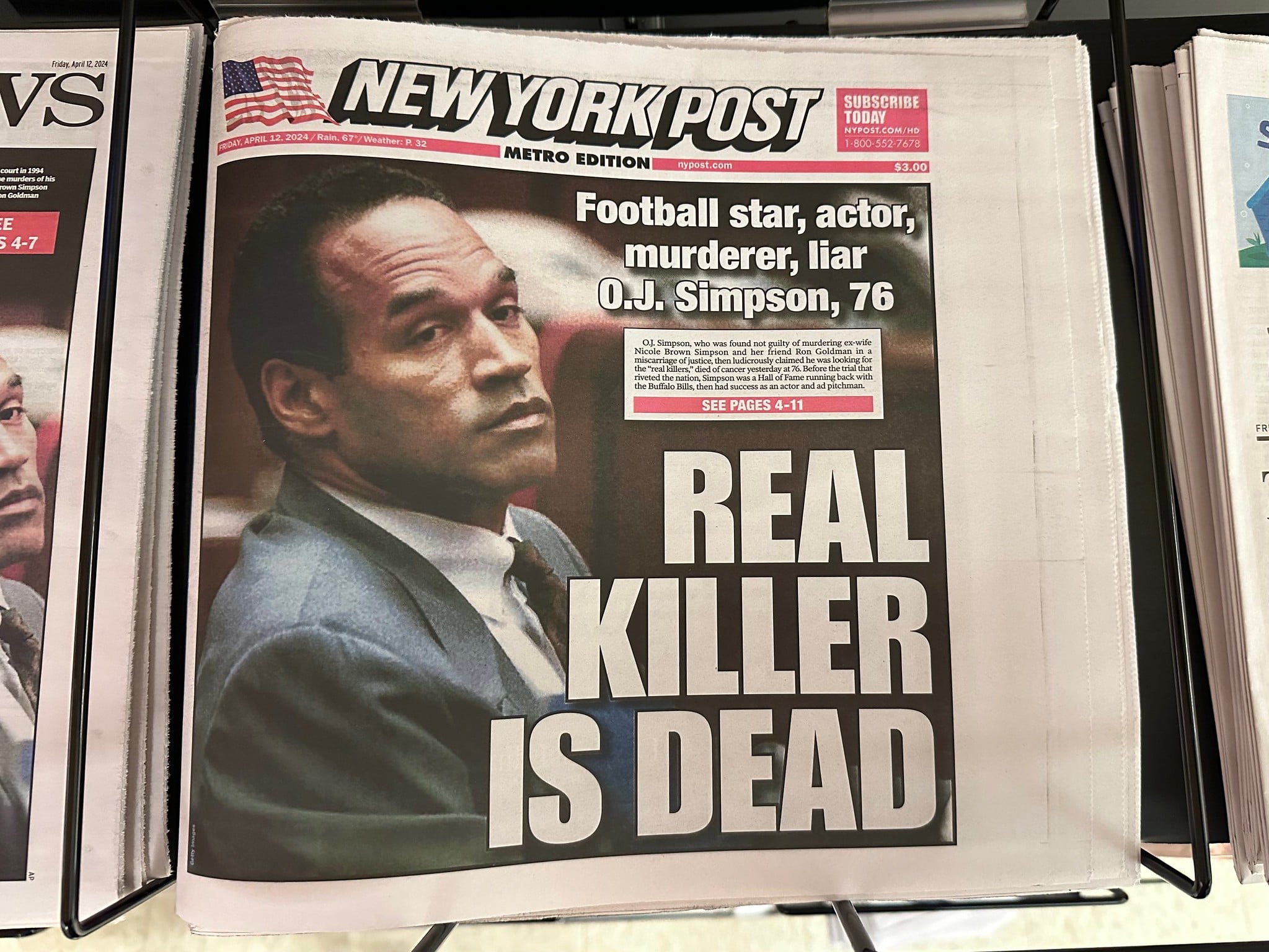
In June 1994, the slow-speed police pursuit of O.J. Simpson unfolded live on television. The white Ford Bronco moved along Los Angeles highways at under 50 miles per hour, while millions of viewers watched in stunned silence.
That said, the numbers alone reveal its reach. An estimated 95 million people tuned in across multiple networks.
Regular programming was interrupted, and the chase became a shared national experience. It proved that real-life drama could eclipse scripted television in an instant.
Milli Vanilli’s Lip-Sync Scandal
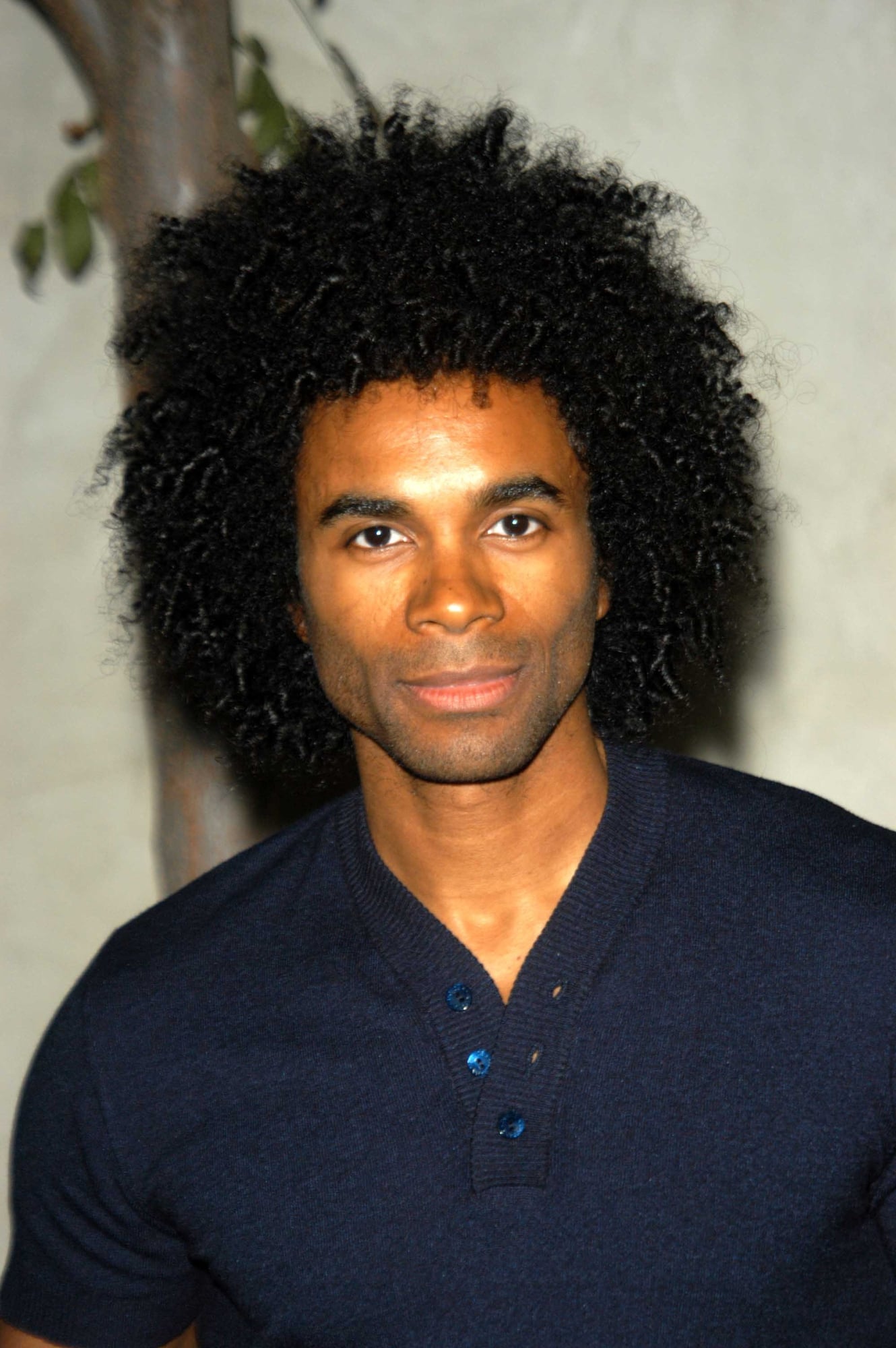
When it was revealed in 1989 that Milli Vanilli had not actually sung on their recordings, the backlash was swift. The duo’s Grammy Award was revoked, and the scandal dominated entertainment news cycles.
On the other hand, the story spread so widely because it struck at authenticity. Fans felt betrayed, and late-night comedians had endless material.
The scandal became shorthand for deception in pop culture, long before viral exposés were a regular feature of the internet age.
Princess Diana’s BBC Interview
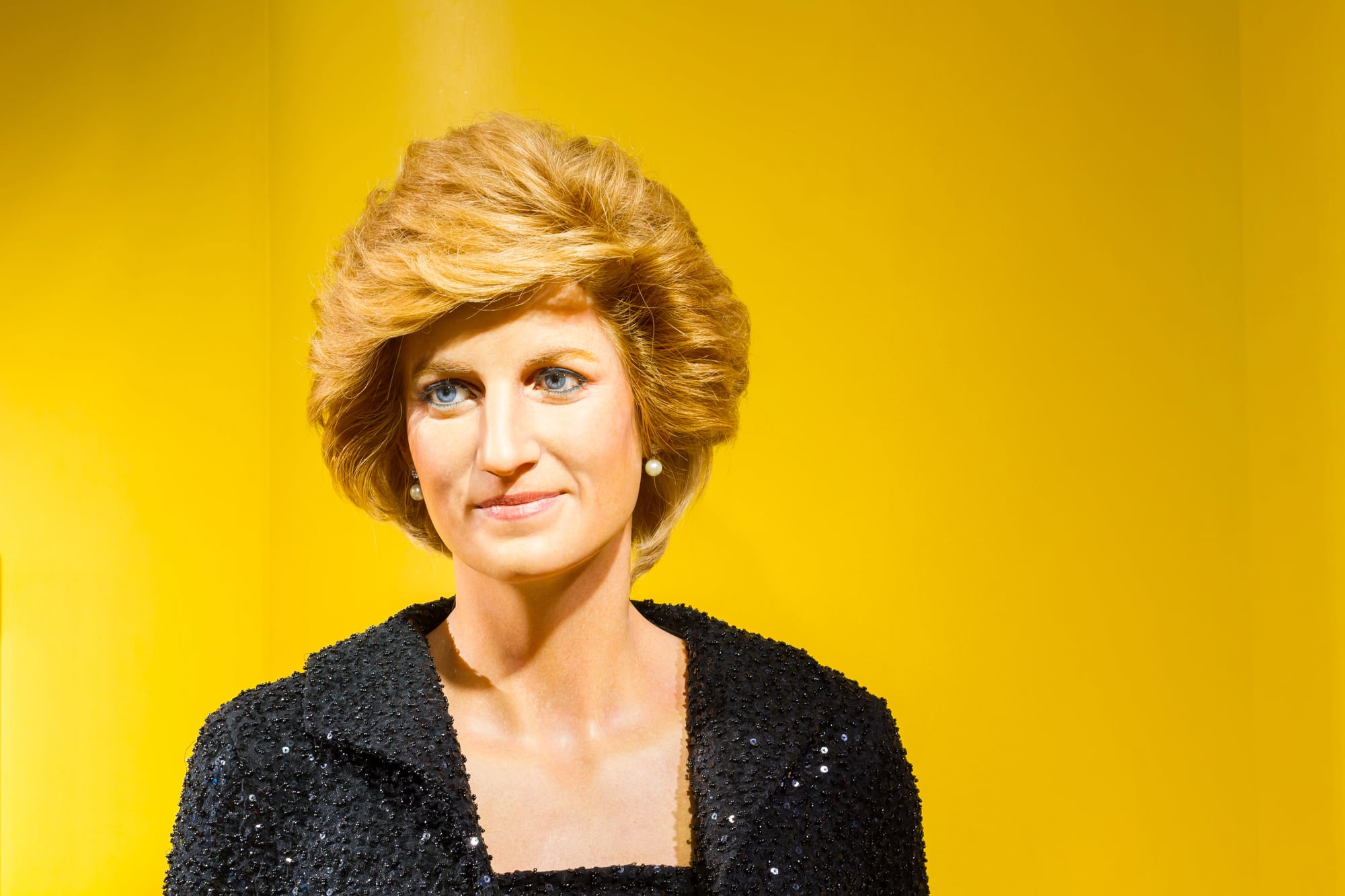
In 1995, Princess Diana sat down with journalist Martin Bashir for a televised interview on the BBC program Panorama. Her candid remarks about royal life and her marriage drew a global audience of tens of millions.
Even so, the interview’s staying power came from its vulnerability. Clips replayed across continents, and headlines lingered for weeks.
It shifted public perception of the monarchy and demonstrated how a single televised conversation could reshape an institution’s image.
Mike Tyson Vs. Evander Holyfield
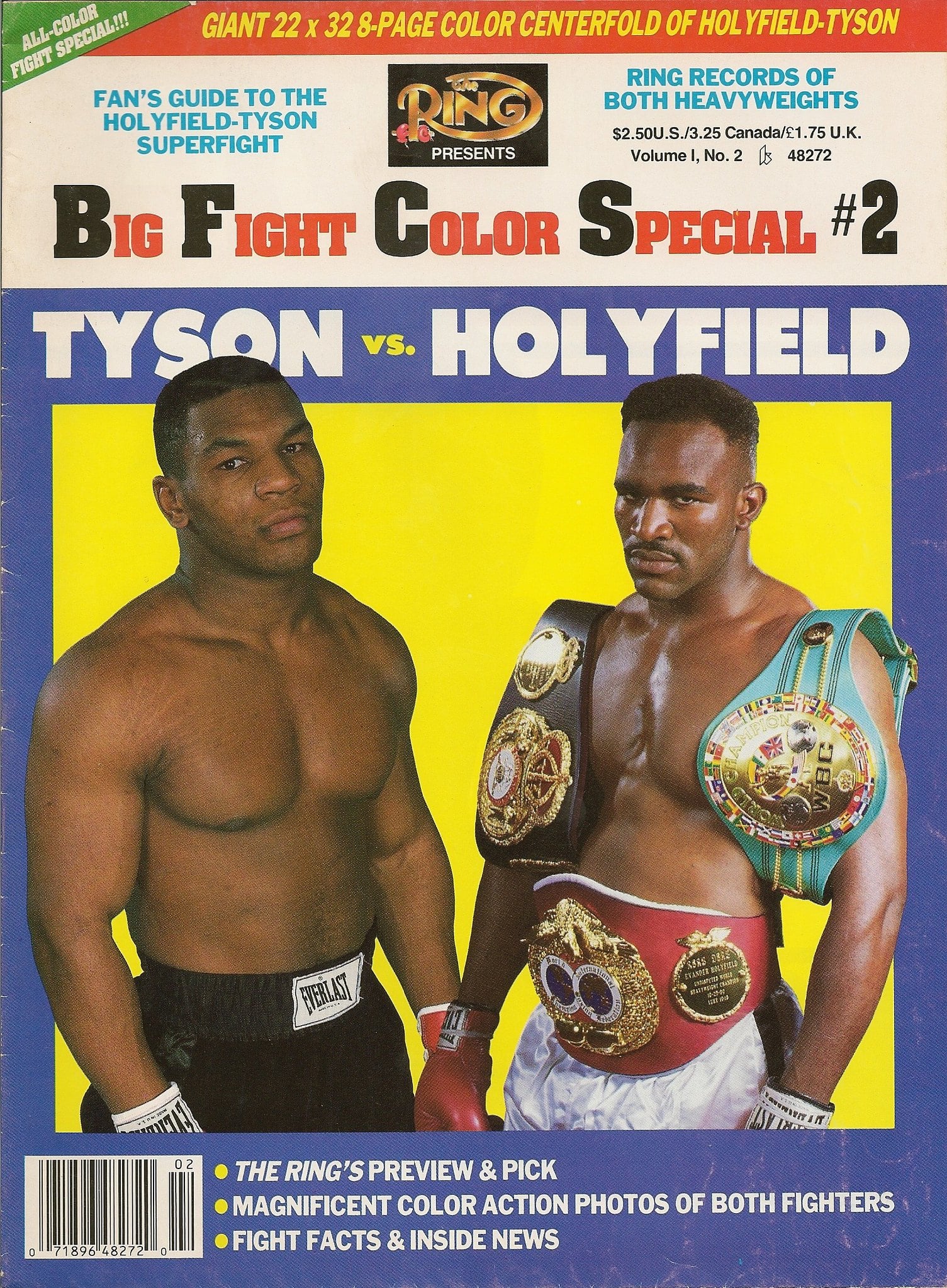
In 1997, during a rematch fight, Mike Tyson bit the ear of Evander Holyfield. The incident stunned viewers and was replayed endlessly on sports networks.
Still, what elevated it beyond a sports controversy was its shock value. Broadcasters slowed down the footage, newspapers splashed it across front pages, and casual observers who rarely followed boxing suddenly had opinions.
It became one of the most replayed moments in sports television history.
The Seinfeld Finale

When Seinfeld aired its final episode in 1998, over 70 million viewers tuned in. It was treated like a national event, with watch parties and countdown specials building anticipation.
That said, the divisive reaction afterward fueled its virality. Some fans loved the self-referential humor, others felt let down.
The debate played out across radio shows, office water coolers, and newspaper columns. The finale proved that even dissatisfaction can amplify cultural impact.
The Launch Of MTV

In 1981, MTV launched with the words ‘Ladies and gentlemen, rock and roll.’ The first video played was ‘Video Killed the Radio Star’ by The Buggles, a choice that felt symbolic even at the time.
Even so, the channel’s rapid influence is what made it viral in spirit. It reshaped how artists marketed themselves and how audiences consumed music.
Teenagers across America suddenly dressed like the performers they saw on screen, and the visual era of pop culture was fully underway.
The 1993 Super Bowl Halftime Show
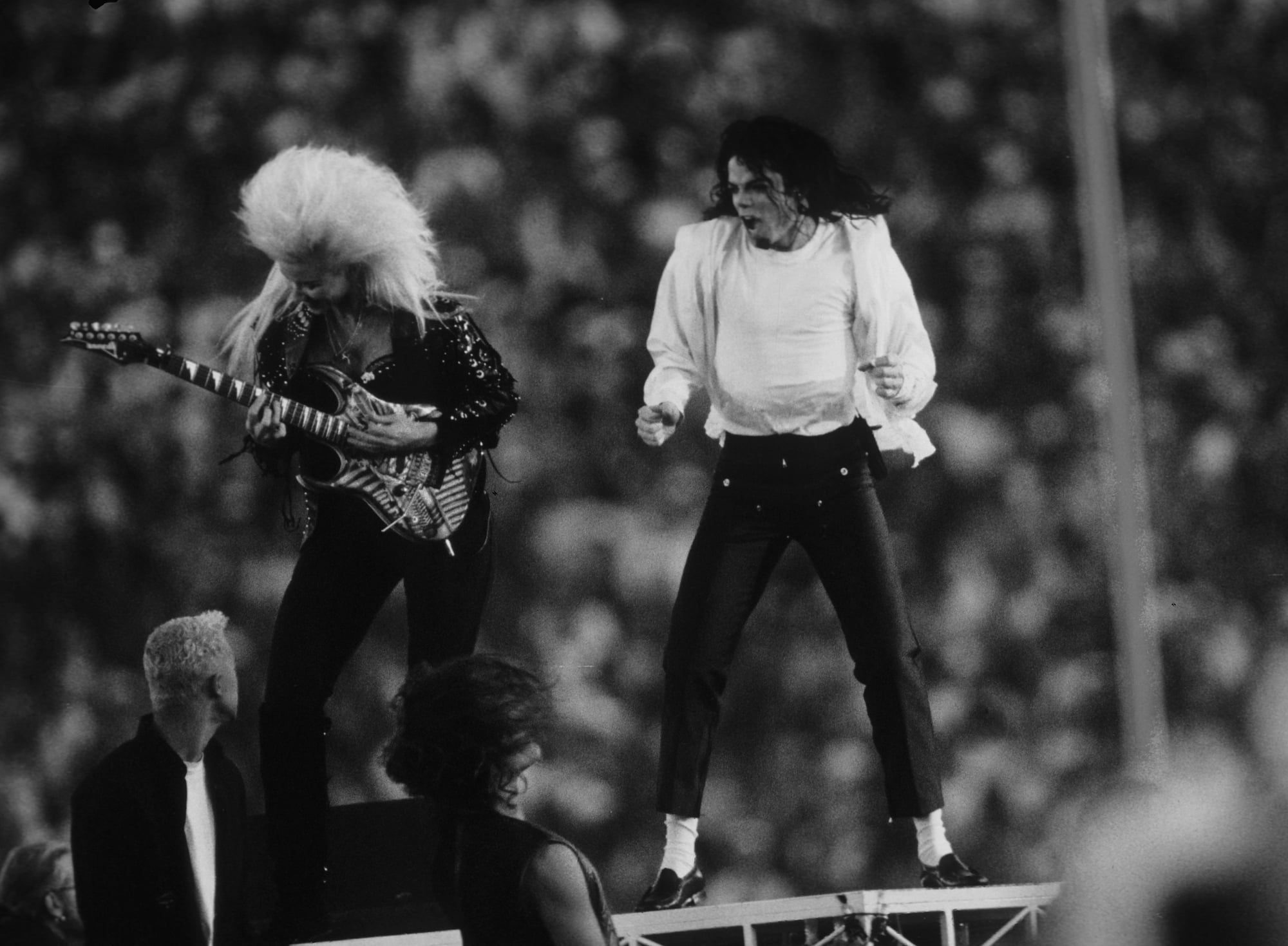
When Super Bowl XXVII featured Michael Jackson as its halftime performer, the broadcast reached unprecedented halftime viewership. At one point, more people watched the halftime show than the game itself.
Still, the performance changed the expectations for future halftime productions. It turned what had been a marching-band intermission into a headline act.
The model remains in place today, with global pop stars treating the slot as a career-defining moment.
The Death Of Kurt Cobain

In 1994, news broke that Kurt Cobain, frontman of Nirvana, had died at age 27. The announcement spread rapidly through television and radio before dominating print media in the days that followed.
Even so, the moment resonated beyond music fans. Candlelight vigils appeared in cities thousands of miles apart, and album sales surged as listeners revisited his work.
It marked the end of an era for grunge and underscored how deeply connected audiences felt to artists of that generation.
The Rise Of Titanic
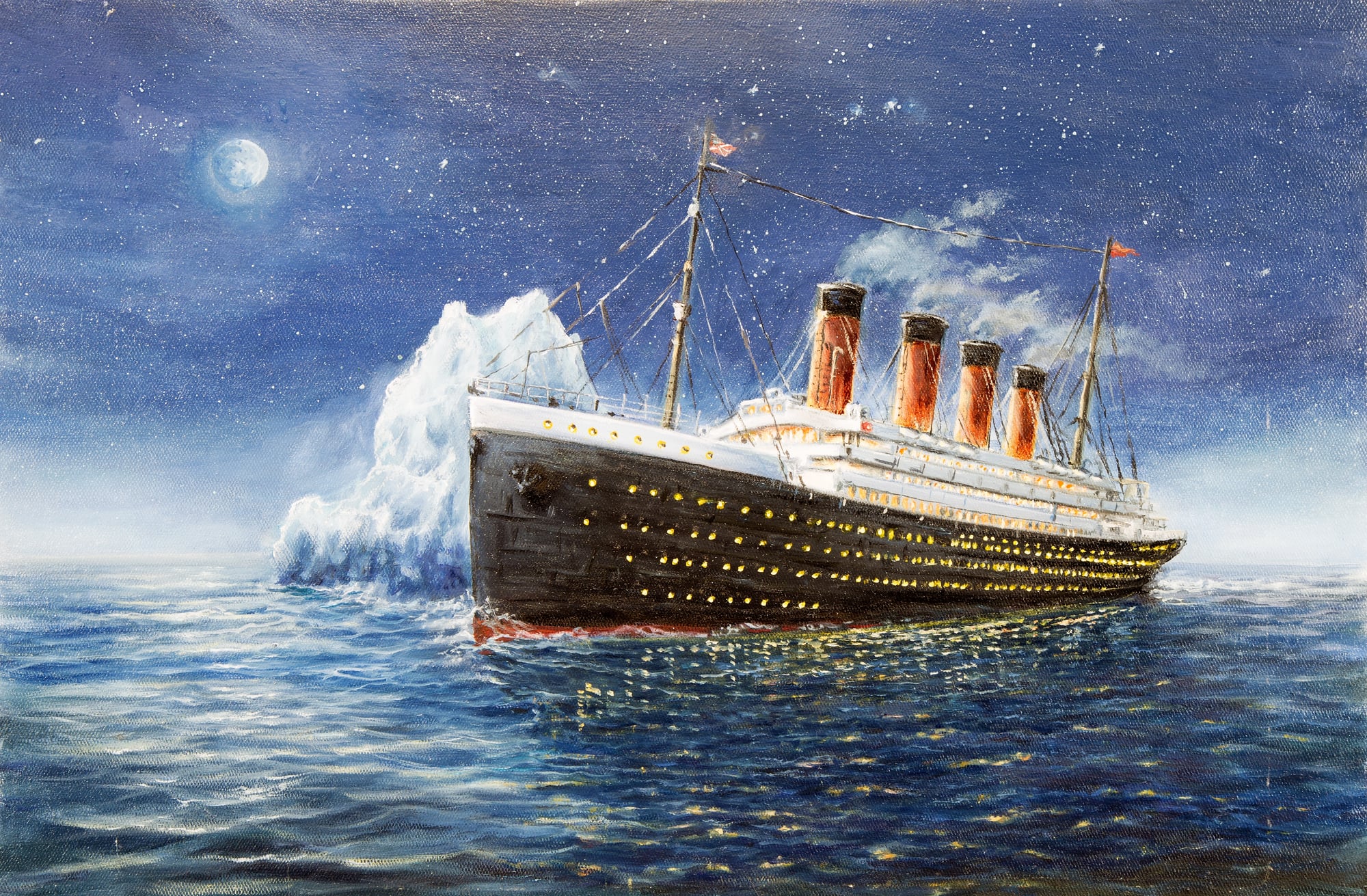
When Titanic premiered in 1997, it quickly became a box office juggernaut. Directed by James Cameron and starring Leonardo DiCaprio and Kate Winslet, the film dominated theaters for months.
On the other hand, its cultural spread extended far beyond ticket sales. Soundtrack CDs flew off shelves, posters covered bedroom walls, and repeat viewings became common.
The film’s scale and romance turned it into a shared emotional experience, one that lingered long after the credits rolled.
The Macarena Craze
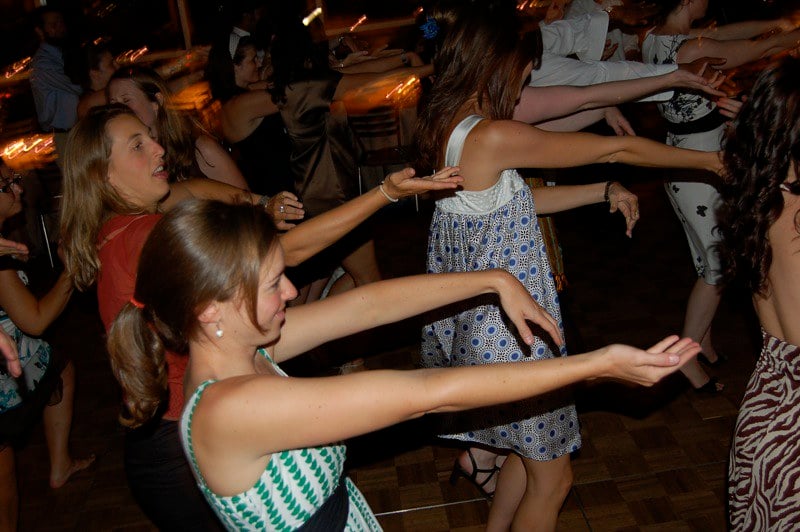
However, the ‘Macarena’ dance by Los del Río was a dance phenomenon in the mid-1990s. It was simple enough for a wedding reception or a school dance.
However, the popularity of the ‘Macarena’ dance made it seem like it was everywhere. It was featured at sporting events, political rallies, and on TV shows.
It was a prime example of how repetition through media outlets was the key to making a song a cultural icon.
Why These Moments Still Echo
Flickering screens in living rooms carried the signal – no feeds, no likes, still whole crowds ended up watching the same thing. Network broadcasts stitched people together, tapes got passed hand to hand, attention drifted like weather.
A hit didn’t climb charts, it just showed up everywhere overnight. Culture caught flame slowly, then lit everything at once.
Nowadays, what spreads fast jumps from one app to another without slowing down. Still, the pattern feels familiar – big moments, sudden twists, strong feelings, things you watch again and again.
What’s changed isn’t the core idea, just how quickly it flies by. Behind every rush stands an echo of what came before.
Still remembered, those first encounters stuck around simply due to being lived together when life moved slower. What lingers isn’t measured in taps or views, rather in how sharply a second stays fixed in minds long after.
More from Go2Tutors!

- The Romanov Crown Jewels and Their Tragic Fate
- 13 Historical Mysteries That Science Still Can’t Solve
- Famous Hoaxes That Fooled the World for Years
- 15 Child Stars with Tragic Adult Lives
- 16 Famous Jewelry Pieces in History
Like Go2Tutors’s content? Follow us on MSN.