17 Unusual Phobias That Actually Have Names
Despite knowing about common fears like heights or spiders, humans have developed anxieties about some genuinely unexpected things. Fear manifests in countless forms, yet the world of named phobias stretches far beyond typical suspects into truly bizarre territory.
Hundreds of specific phobias have been identified and catalogued by psychologists, who’ve given official names to fears that might seem completely random to outsiders. Here’s a list of 17 unusual phobias that actually have names.
Despite knowing about common fears like heights or spiders, humans have developed anxieties about some genuinely unexpected things. Fear manifests in countless forms, yet the world of named phobias stretches far beyond typical suspects into truly bizarre territory.
Hundreds of specific phobias have been identified and catalogued by psychologists, who’ve given official names to fears that might seem completely random to outsiders. Here’s a list of 17 unusual phobias that actually have names.
Pogonophobia

More people than expected suffer from beard phobia. Ranging from mild discomfort around facial hair to full panic attacks when encountering someone with a beard—the intensity varies dramatically between individuals.
While some sufferers trace their fear to childhood experiences or cultural associations, others can’t pinpoint exactly why whiskers provoke such overwhelming anxiety.
Chirophobia

Overwhelming fear of hands, whether their own or belonging to others, affects people with chirophobia. Intense panic can be triggered just by the sight of hands, making everyday interactions incredibly challenging—imagine trying to shake hands or even watch someone gesture.
Traumatic experiences involving hands or obsessive concerns regarding germs and contamination often lead to this phobia’s development.
Automatonophobia
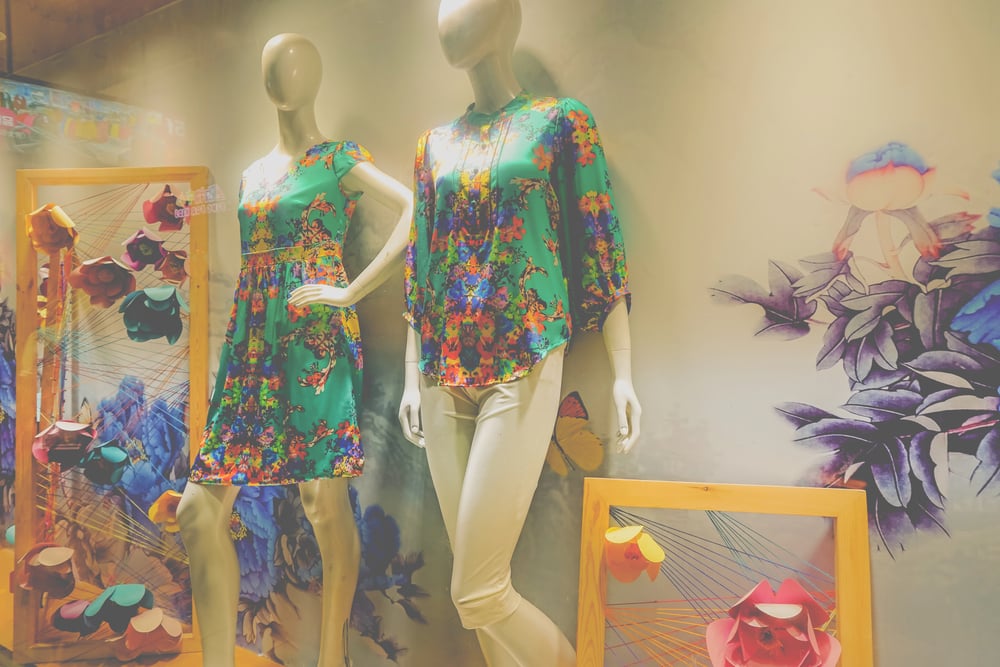
Humanoid figures like mannequins, wax figures, ventriloquist dummies, plus some robots fall under this fear. The uncanny valley effect causes automatonophobia—where things that look almost human but aren’t quite right trigger deep unease.
Department stores, museums, and anywhere else these lifelike figures might lurk are avoided by many people with this condition.
Ombrophobia
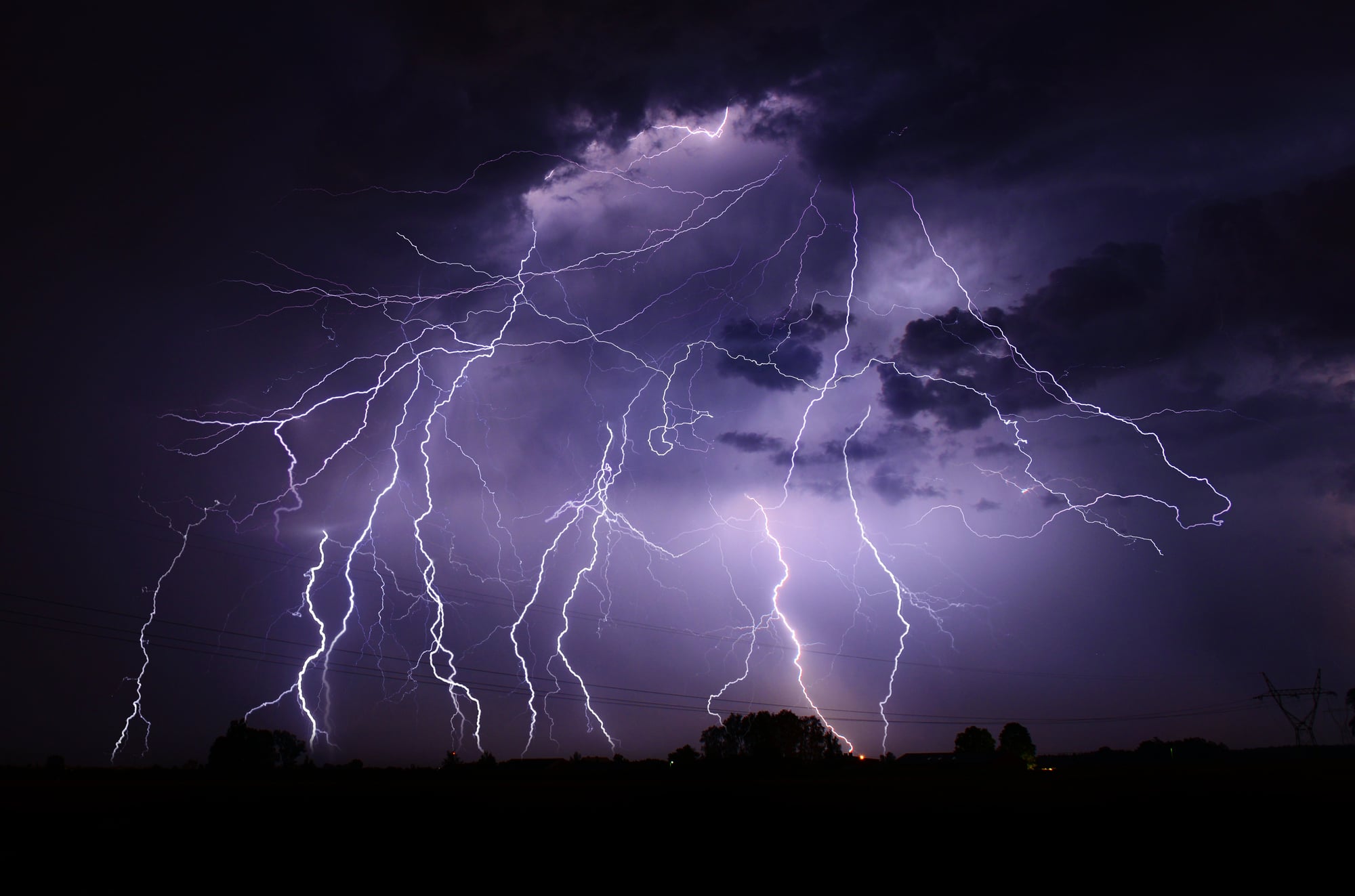
Intense fear of rain or being caught in rainstorms characterizes ombrophobia. Though most folks enjoy the sound of raindrops, those with this phobia experience genuine terror at the first sign of precipitation—even weather forecasts can provoke anxiety.
Cloudy skies and that distinctive smell that comes before storms often extend the fear further.
Globophobia

Birthday parties and celebrations become absolute nightmares for sufferers of balloon phobia. The unpredictable popping sound often becomes the focus of globophobia, though some people fear the texture, smell, or even just the sight of balloons.
Anticipating a potential pop proves just as terrifying as the actual sound.
Xanthophobia

An irrational fear of the color yellow or yellow objects plagues people with xanthophobia. Since yellow appears everywhere—from traffic signs to flowers to food—daily life becomes extremely difficult.
Certain shades might be tolerable for some sufferers while others panic at any hint of yellow, making grocery shopping or driving particularly challenging.
Trypophobia
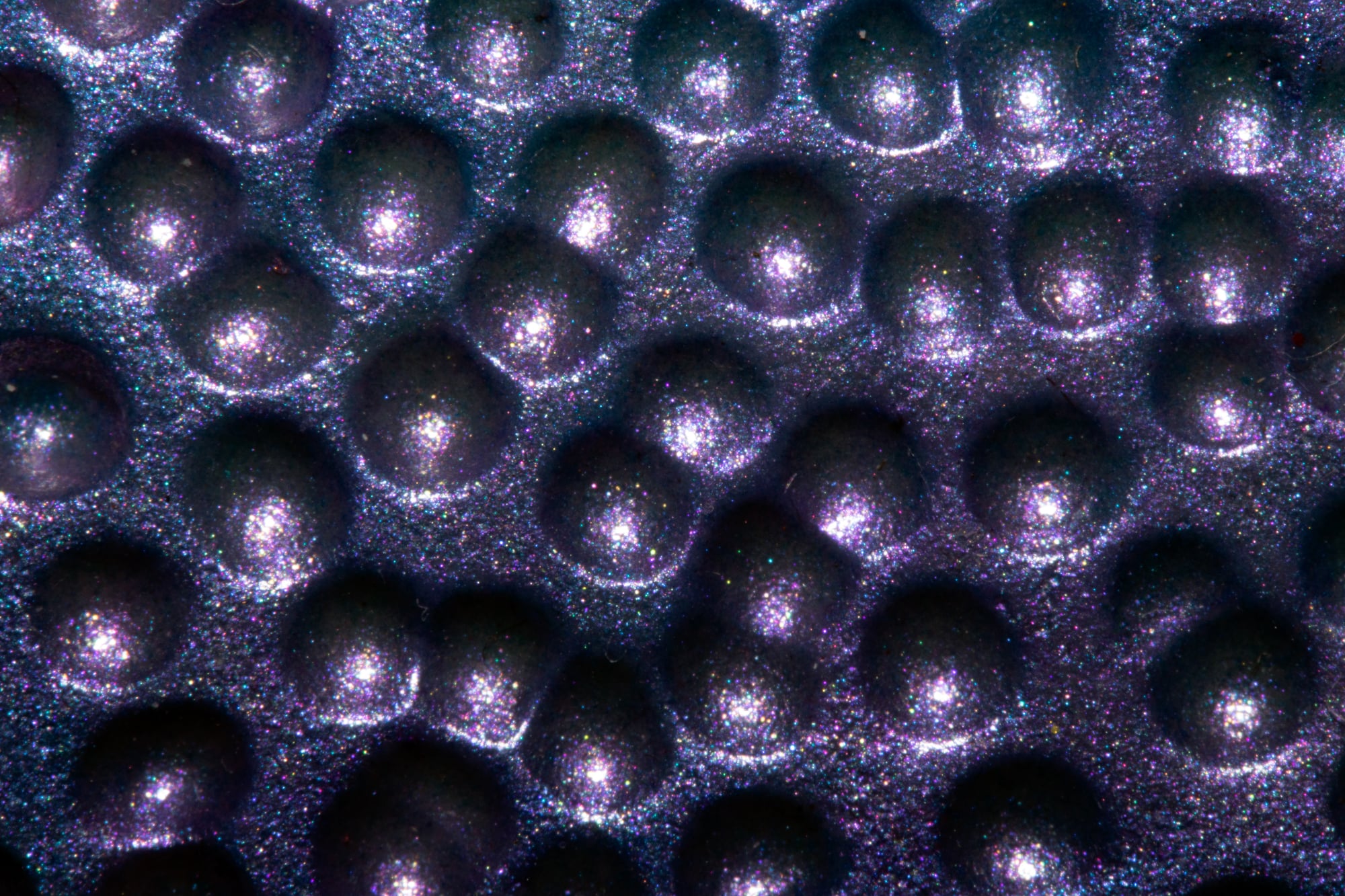
Fear of clusters containing small holes or bumps represents this relatively newly recognized phobia. Lotus seed pods, honeycomb patterns, or even soap bubbles in images can trigger intense disgust and anxiety—the reaction is often visceral and immediate.
Through social media, trypophobia gained widespread attention, where many people discovered they shared this specific fear.
Nomophobia

Anxiety about being without your smartphone or losing connectivity defines this modern fear, short for ‘no mobile phone phobia.’ Dead batteries, no signal, forgetting your phone at home—basically any scenario that cuts off digital connection gets included in nomophobia.
Across all age groups, this phobia has grown increasingly common as smartphones become more essential to daily life.
Koumpounophobia
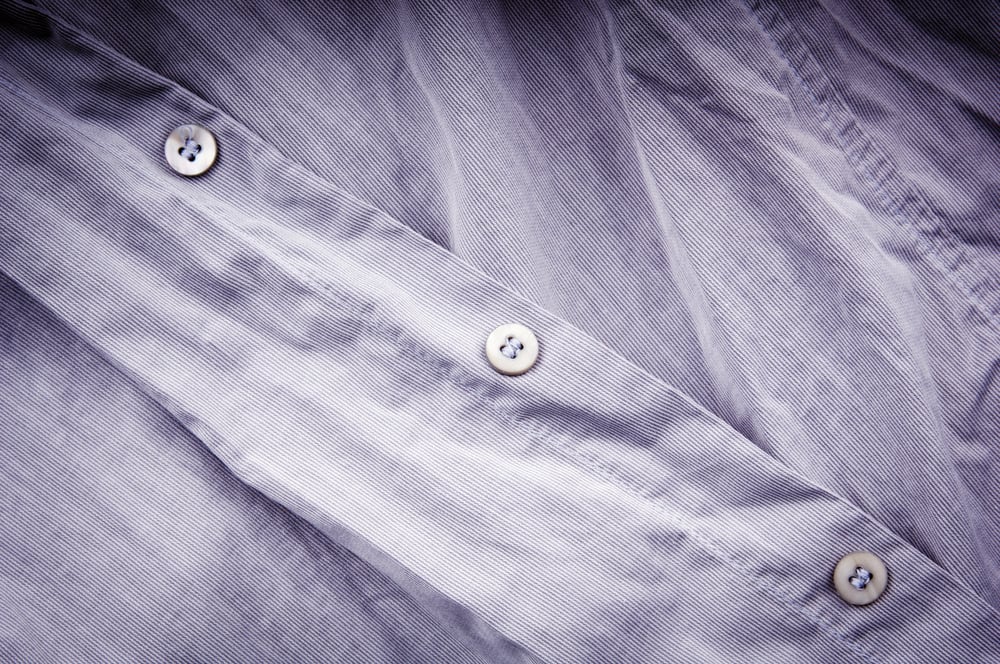
More people than you’d think are affected by fear of buttons, particularly clothing buttons. Certain clothes might get avoided, touching buttons can cause nausea, or panic occurs when seeing others handle them.
The texture and appearance can be genuinely disturbing for people with koumpounophobia.
Megalophobia

Fear of large objects like skyscrapers, massive statues, huge ships, or even oversized food items involves megalophobia. Overwhelming feelings of vulnerability and panic can be triggered by the sheer scale of these objects.
It’s about being dwarfed by something immense.
Submechanophobia

Submerged man-made objects like sunken ships, underwater statues, or flooded machinery become the specific focus of this fear. Elements of deep water fear combine with unease about hidden artificial structures in submechanophobia.
Even photographs of underwater objects can trigger intense anxiety in people with this condition.
Ablutophobia

Fear of washing, bathing, or cleaning oneself goes by the name ablutophobia. Far beyond simple dislike of bath time, this can cause serious hygiene and health problems.
Traumatic experiences, extreme perfectionism about cleanliness, or anxiety about water temperature and pressure often serve as the fear’s origin.
Papyrophobia

Paper fear affects people with papyrophobia, which makes modern life incredibly challenging since paper appears almost everywhere. The texture, sound of rustling, potential for paper cuts, or even just the sight of paper products might become the focus.
Reading, writing, and most office environments turn into sources of constant anxiety.
Eisoptrophobia

Mirrors or seeing one’s own reflection become sources of fear in eisoptrophobia. Using bathrooms, dressing rooms, or even car mirrors can become extremely difficult.
Supernatural elements associated with mirrors might frighten some sufferers, while others have anxiety about their appearance or the distorted reality mirrors can create.
Hippopotomonstrosesquippedaliophobia

Fear of long words ironically gets this deliberately lengthy name as a form of cruel irony. Complex vocabulary or scientific terminology encounters cause anxiety for people with this phobia.
Education and professional development can be interfered with by the condition, particularly in fields requiring technical language.
Anatidaephobia
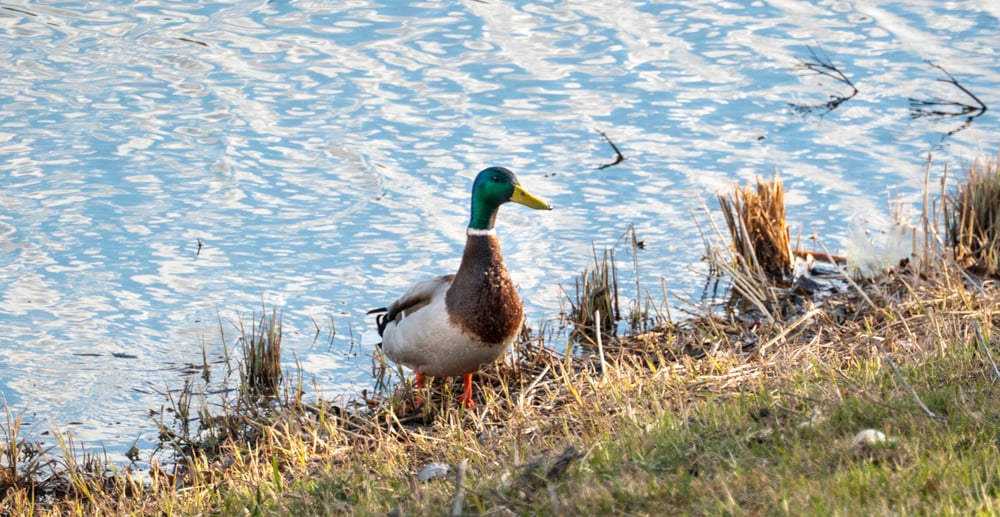
Believing that somewhere, somehow, a duck is watching you characterizes this unusual fear. Elements of paranoia combine with specific animal phobia in anatidaephobia.
Though it might sound humorous, genuine distress and hypervigilance about potential duck encounters affect sufferers.
Arachibutyrophobia

Peanut butter sticking to the roof of your mouth becomes a source of fear in arachibutyrophobia. Peanut butter might get avoided entirely or panic can occur when eating sticky foods by people with this condition.
Thick substances adhering to their mouth trigger intense anxiety and sometimes difficulty breathing.
Understanding Fear’s Many Faces

Human anxiety can latch onto virtually anything, as these unusual phobias demonstrate, creating very real distress around the most unexpected triggers. Though some of these fears might seem amusing to outsiders, genuine psychological challenges that can significantly impact daily life are what they represent.
More compassionate responses to the many ways fear shows up in human experience are fostered by understanding and acknowledging these diverse phobias. When it comes to anxiety, no limit exists to what the mind can perceive as threatening.
More from Go2Tutors!

- The Romanov Crown Jewels and Their Tragic Fate
- 13 Historical Mysteries That Science Still Can’t Solve
- Famous Hoaxes That Fooled the World for Years
- 15 Child Stars with Tragic Adult Lives
- 16 Famous Jewelry Pieces in History
Like Go2Tutors’s content? Follow us on MSN.



