17 Unusual Royal Traditions Still Practiced Today
Royal families look elegant and polished, but behind the shiny crowns and grand ceremonies, some traditions are pretty surprising. Many of these customs go back hundreds of years and feel strange today, yet they remain part of royal life. These rituals may not always make sense, but they are tied closely to history and the way royalty presents itself to the world.
Let’s take a deeper look at these unusual royal habits that might leave you wondering why they still happen.
Weighing Guests at Christmas

At Christmas in Sandringham, the royal family weighs guests both before and after the holiday feast. This strange custom started with King Edward VII, who wanted to make sure his visitors were well-fed during their stay.
Gaining weight was seen as a sign of good hospitality. Though it may sound awkward, this tradition reportedly continues today, showing how much royals care about the details—even the ones that feel odd to outsiders.
No Shellfish Allowed

Royal family members usually avoid eating shellfish in public or while traveling. This is less about taste and more about safety.
Shellfish can cause food poisoning if not fresh or prepared correctly, and illness could seriously disrupt royal duties. Even though it’s not an official ban, avoiding shellfish is a strong habit, protecting royals from unnecessary risks when they have important events to attend.
Black Outfit Always Packed

When royals travel, especially overseas, they always pack at least one full set of black clothes. This is because if a family member dies while they are away, they must be ready to return home wearing mourning attire.
This practice became firm after Queen Elizabeth II had to fly back from Kenya in 1952 without proper clothes for mourning. Since then, packing black outfits has become a serious rule, reflecting how royal life can be unpredictable and demanding.
Bowing and Curtsying Hierarchy

In the royal family, the way people bow or curtsy depends heavily on their rank and who they are greeting. It’s not a simple “one size fits all” gesture. Even royals have to know the exact order of respect and follow it perfectly.
When spouses are involved, the rules get even more complicated. These rituals might seem outdated, but they’re important for maintaining clear social order within the family.
Birthday Celebrated Twice

The UK monarch celebrates two birthdays every year. One is their actual birthday, but the public celebration is held separately, usually in June. This second birthday is marked with a grand parade called Trooping the Colour.
The reason for the double celebration is practical—June typically offers better weather for outdoor events than the monarch’s real birthday, which might fall in a colder month. It’s a way to keep traditions alive while making sure celebrations go smoothly.
No Autographs or Selfies

Members of the royal family avoid signing autographs or taking selfies with fans. This isn’t about being unfriendly. Autographs can easily be faked, causing security issues.
Selfies break the formal distance the royals are expected to keep with the public. While they often greet people warmly and smile for photos, they draw a line to protect their privacy and the dignity of their role.
Dinner Starts When the Monarch Eats
At royal dinners, guests are expected to wait until the monarch takes the first bite before beginning their meal. The tradition also says that when the monarch finishes, everyone should stop eating too. This rule keeps meals very formal and in sync.
While it can be tough if someone is still hungry, it’s a way to show respect and keep things orderly during these important events.
Tiaras After 6PM Only

Tiaras are only worn after 6 p.m. at formal events. They are not just fancy jewelry—they carry meaning. Typically, married royal women wear tiaras, while unmarried ones save them for their weddings.
Wearing a tiara is a symbol of status and tradition, and the timing of when it’s worn reflects royal etiquette that few outside the family fully understand.
The Queen Must Approve All Marriages

Royal family members who are close to the throne must get the monarch’s permission before marrying. This tradition ensures that marriages meet the family’s standards and maintain the monarchy’s image.
Without the monarch’s approval, a marriage might not be officially accepted. While it sounds strict, this rule has shaped royal relationships for centuries and is still in effect today.
No PDA in Public

Public displays of affection such as holding hands, hugging, or kissing are generally avoided by royals. Even married couples tend to keep things very reserved in public settings.
This isn’t about being cold; it’s about keeping the royal image dignified and controlled. It’s part of how they manage their public presence, making sure personal feelings don’t overshadow their official roles.
Walking Order is Strictly Planned

When royals walk together in public, the order is carefully planned based on rank and seniority. Walking side by side isn’t casual—it sends a message about status and importance.
If someone steps out of their place, it can confuse the public or upset the balance of respect. The walking order is another way royals keep their family hierarchy clear to everyone watching.
Monarch Travels with Blood Supply

When the monarch travels, a supply of their own blood is often taken along. This safety measure is in case they need an emergency transfusion while away from home.
Together with the royal doctor, this precaution ensures quick medical care if needed. It’s one of many ways the monarchy protects the health of its members at all times, no matter where they go.
Weddings Must Be Approved by Parliament (Sometimes)

Some royal marriages require the approval of Parliament, especially those closest to the throne. This rule comes from the Royal Marriages Act of 1772, although it has been softened over time.
It means that royal love isn’t just about feelings—there’s government involvement too. Even today, this tradition influences which marriages are recognized and which aren’t.
Wearing Gloves in Public

Many royal women, including Queen Elizabeth II, are known for always wearing gloves during public appearances. This practice helps avoid spreading germs when shaking hands and adds a polished, traditional look.
While younger royals may choose gloves less often, this habit still holds a place in royal etiquette and formal occasions.
No Monopoly in the Royal Household

Surprisingly, Monopoly is banned inside royal homes. The reason? The game reportedly gets “too competitive” and causes arguments among family members.
This unusual rule shows that even royals set limits when it comes to fun, making sure game nights don’t turn into battles. It’s a small but telling glimpse of family life behind palace doors.
Served Backwards at State Banquets

At state dinners, servers walk backwards when leaving the room after placing dishes in front of guests. This isn’t clumsiness—it’s a sign of respect. Turning one’s back to the monarch is seen as rude, so staff are trained to retreat without looking away.
It’s a small, practiced gesture that shows how seriously formality is taken in royal circles.
No Political Opinions—Ever

Royal family members don’t share their political views publicly. They don’t vote or speak about politics, keeping themselves neutral. This silence helps maintain respect across all parties and keeps the monarchy above political disputes.
It’s one of the few jobs where saying nothing is considered part of the duty.
Still Holding On to the Old Ways
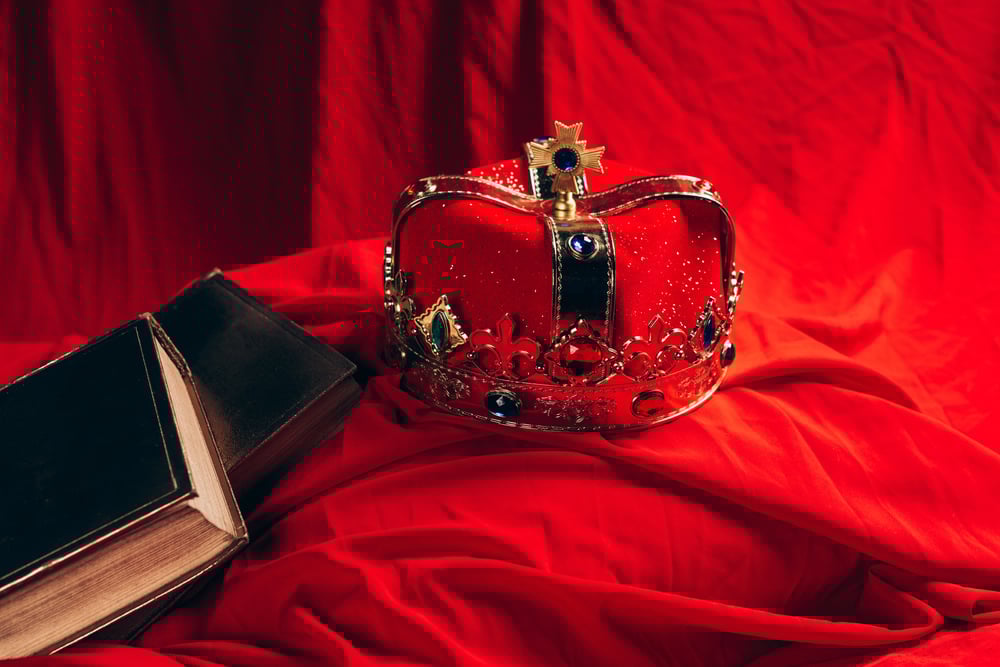
Even with modern times, royal traditions are deeply held and carefully preserved. These customs connect today’s royals to a long history that shapes who they are.
Although the world moves fast, these rituals provide stability and remind everyone that the monarchy is more than just power—it’s a living link to the past. They show how history and tradition still matter, even in a changing world.
More from Go2Tutors!

- The Romanov Crown Jewels and Their Tragic Fate
- 13 Historical Mysteries That Science Still Can’t Solve
- Famous Hoaxes That Fooled the World for Years
- 15 Child Stars with Tragic Adult Lives
- 16 Famous Jewelry Pieces in History
Like Go2Tutors’s content? Follow us on MSN.