17 Movies That Were Supposed to Be Comedies (But Ended Up as Something Else)
Hollywood’s creative process often takes unexpected turns. What often begins as a regular lighthearted comedy script can transform into something dramatically different by the time it hits theaters. The journey from the beginning to the final cut involves countless decisions, studio interventions, and sometimes complete tonal shifts that leave audiences experiencing something entirely different from what was initially planned.
Here is a list of 17 movies that started their lives as comedies but evolved into very different films along the way.
Adaptation
Charlie Kaufman was hired to write a straightforward comedy adaptation of Susan Orlean’s ‘The Orchid Thief.’ Instead, he created a surreal meta-commentary on the creative process itself, featuring himself as the main character struggling with writer’s block.
The movie transitioned from a simple comedy into a mind-bending exploration of art, identity, and the impossibility of adaptation, culminating in a bizarre third act that deliberately sabotages its own premise.
American Psycho
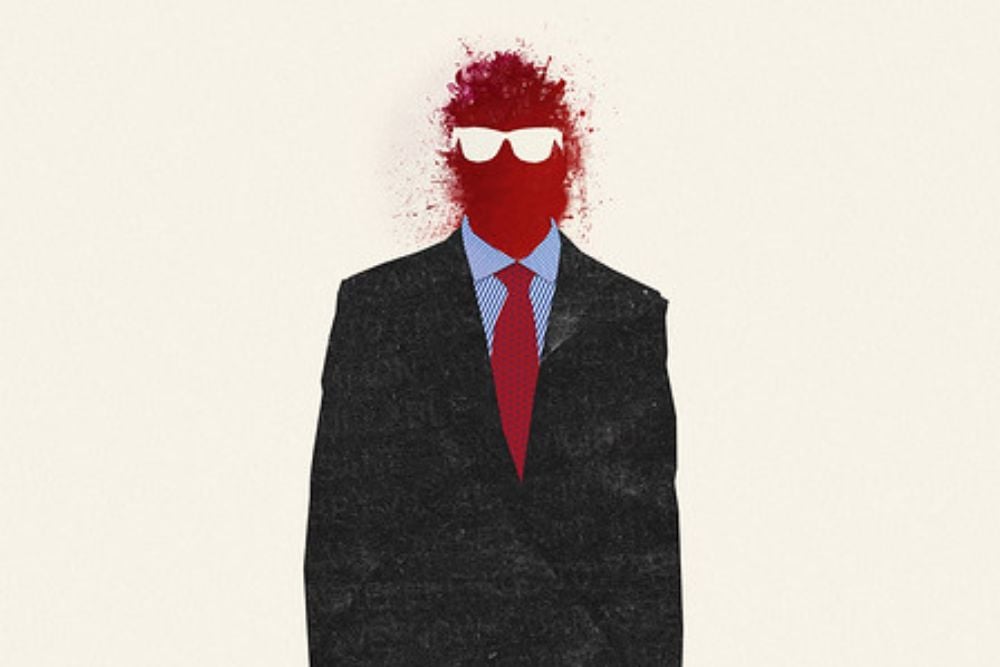
This controversial film began development as a black comedy meant to satirize 1980s Wall Street excess. Director Mary Harron maintained elements of dark humor, but the final product became a disturbing psychological horror film that left audiences debating whether the events were real or imagined.
Christian Bale’s intense performance transformed what could have been a straightforward satire into a chilling character study that still divides viewers on its true meaning.
Like Go2Tutors’s content? Follow us on MSN.
The Truman Show
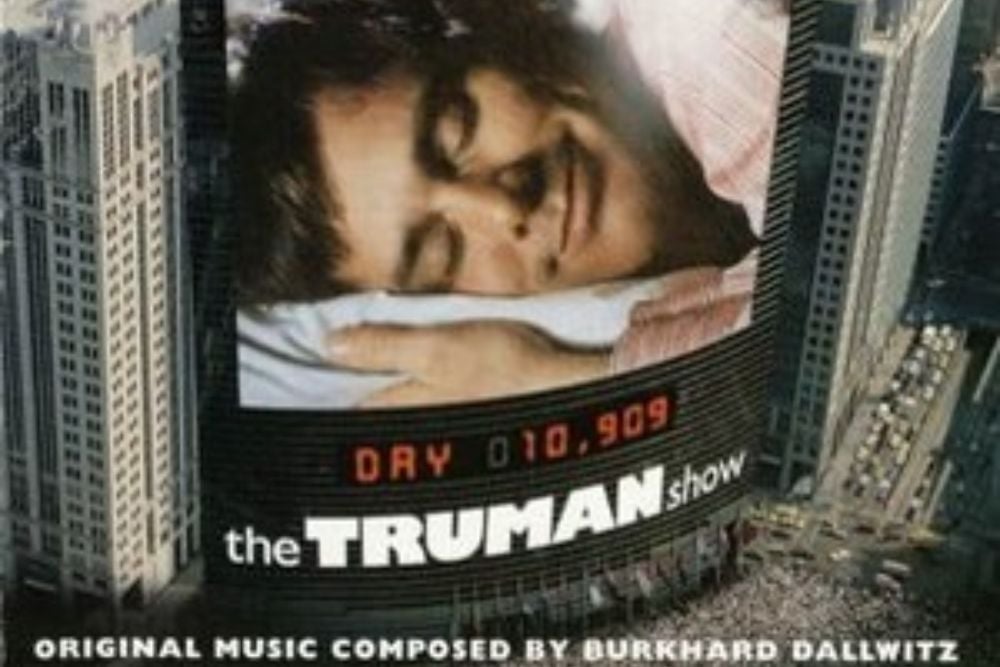
Initially conceived as a broad Jim Carrey comedy about a man whose life is secretly a television show, the project evolved into something more profound. Director Peter Weir steered the film toward existential drama territory, creating a poignant meditation on free will, reality, and media manipulation.
While humorous moments remain, the film’s lasting impact comes from its surprisingly moving emotional core and philosophical questions rather than its comedic elements.
Midnight Cowboy
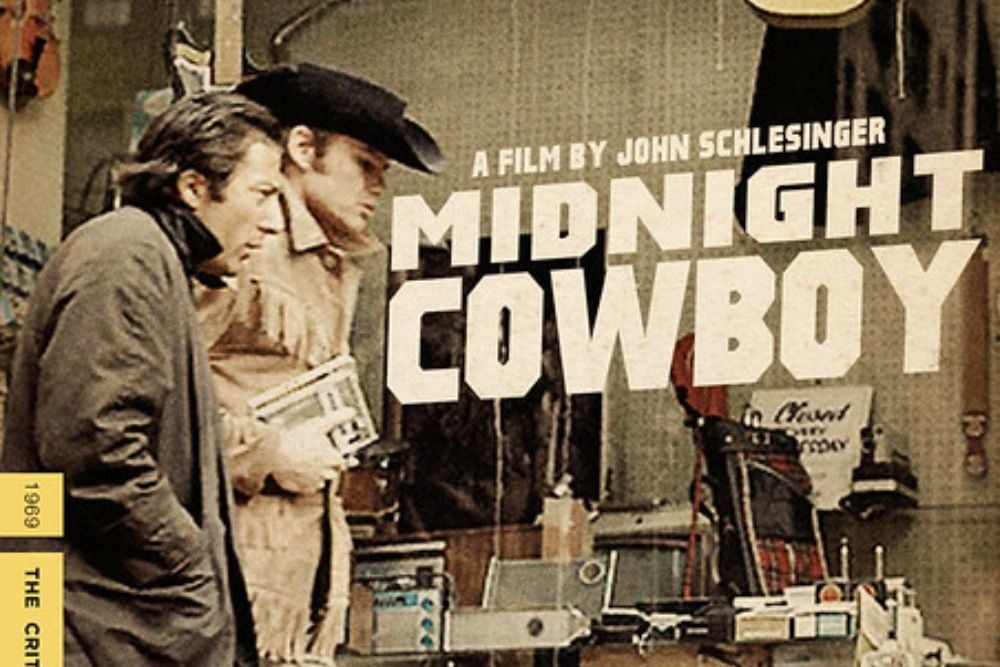
The producers originally envisioned a light comedy about a naive Texas hustler trying to make it in New York City. The project took a darker turn when director John Schlesinger transformed it into a gritty, unflinching look at urban alienation and friendship between two desperate men on society’s margins.
The result was so intense that it initially received an X rating, yet went on to win Best Picture at the Academy Awards—the only X-rated film ever to achieve this distinction.
Get Out

Jordan Peele, known primarily for sketch comedy, initially approached this project as a satirical comedy with horror elements. As development progressed, the film evolved into a groundbreaking social thriller that used horror conventions to explore racial tensions in America.
Though darkly humorous moments remain, the film’s transformation into a psychological horror with social commentary earned it an Oscar for Best Original Screenplay and established Peele as a serious filmmaker beyond comedy.
Like Go2Tutors’s content? Follow us on MSN.
Dr. Strangelove

Stanley Kubrick began adapting the novel ‘Red Alert’ as a serious Cold War thriller about nuclear annihilation. During development, Kubrick realized the scenarios were so absurd that the material worked better as a dark satire.
The resulting film maintained the structure of a tense military thriller but infused it with satirical elements and Peter Sellers’ iconic comedic performances. This transformation created one of cinema’s most distinctive black comedies that somehow makes doomsday scenarios laughable.
Being John Malkovich
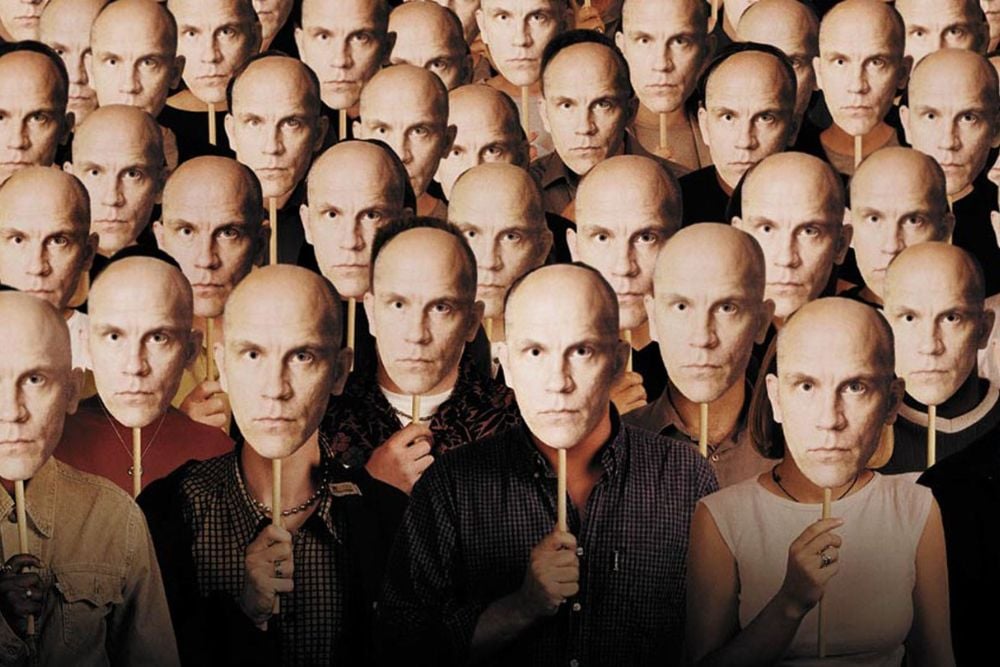
This film started as an offbeat comedy about people discovering a portal into actor John Malkovich’s mind. In Spike Jonze’s hands, the concept evolved into a surreal exploration of identity, desire, and the nature of consciousness.
While maintaining comedic elements, the film became increasingly strange and philosophical, culminating in an ending that’s more existentially disturbing than funny. The transformation resulted in one of the most original American films of the 1990s.
Lost in Translation
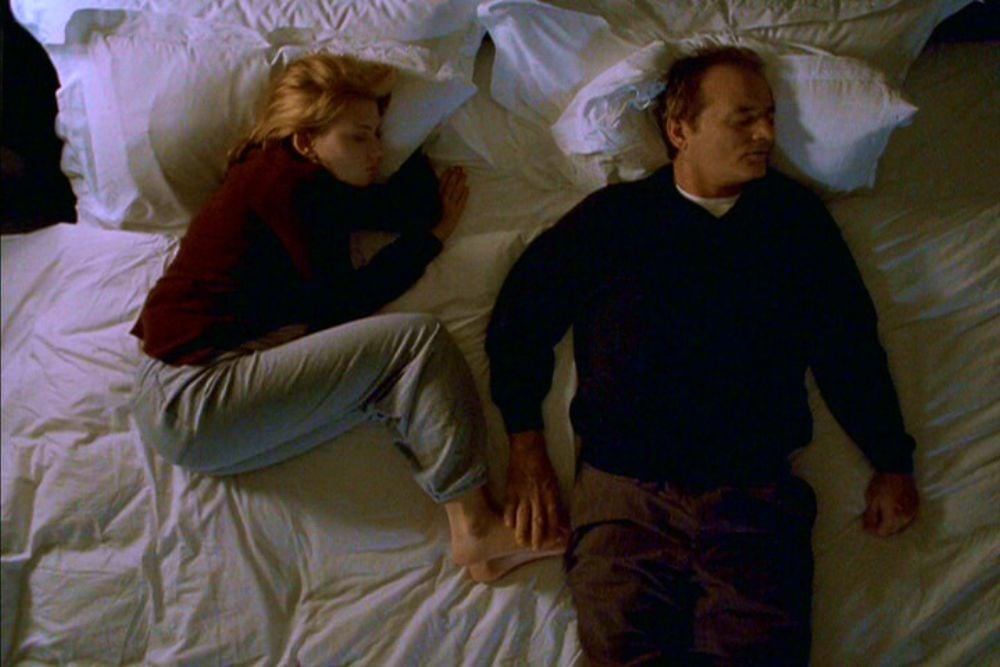
Sofia Coppola’s screenplay began as a fish-out-of-water comedy about Americans experiencing culture shock in Tokyo. During production, the film evolved into a nuanced, melancholic meditation on isolation, connection, and mid-life crises.
Bill Murray’s performance retains his comedic timing but channels it into something more subdued and poignant. The result is a quietly moving drama punctuated by moments of gentle humor rather than the broad comedy initially envisioned.
Like Go2Tutors’s content? Follow us on MSN.
Groundhog Day
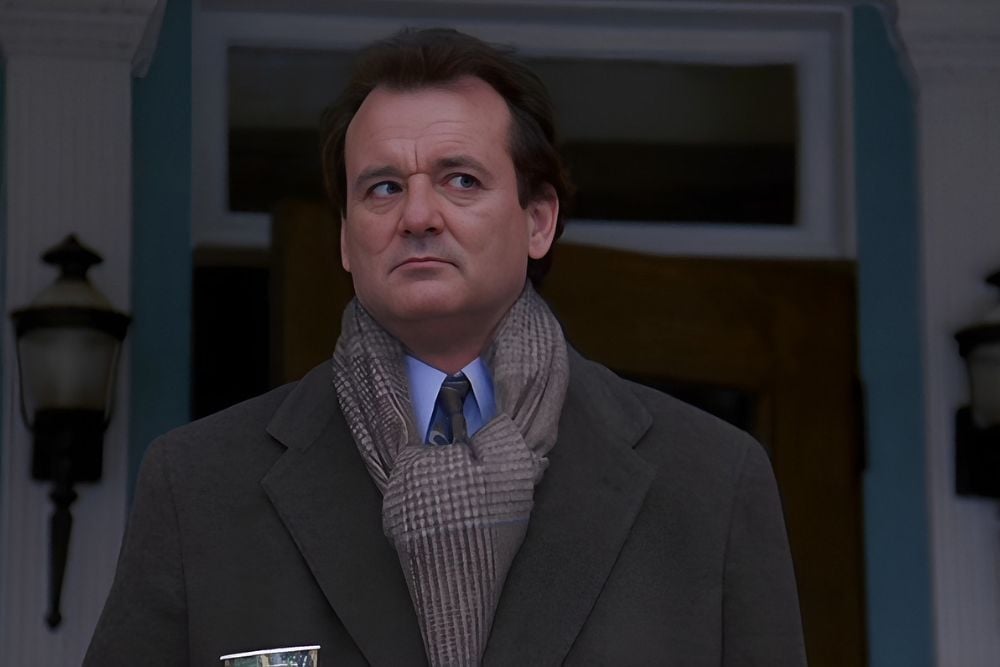
While always conceptualized as a comedy, this film was initially planned as a much more straightforward laughfest about a man reliving the same day. Director Harold Ramis and star Bill Murray gradually pushed the concept into more existential territory, exploring themes of personal growth, redemption, and the meaning of life.
The final film maintains its comedic framework but resonates on a deeper philosophical level that transformed it from a simple high-concept comedy into a beloved classic with surprising emotional depth.
Eternal Sunshine of the Spotless Mind
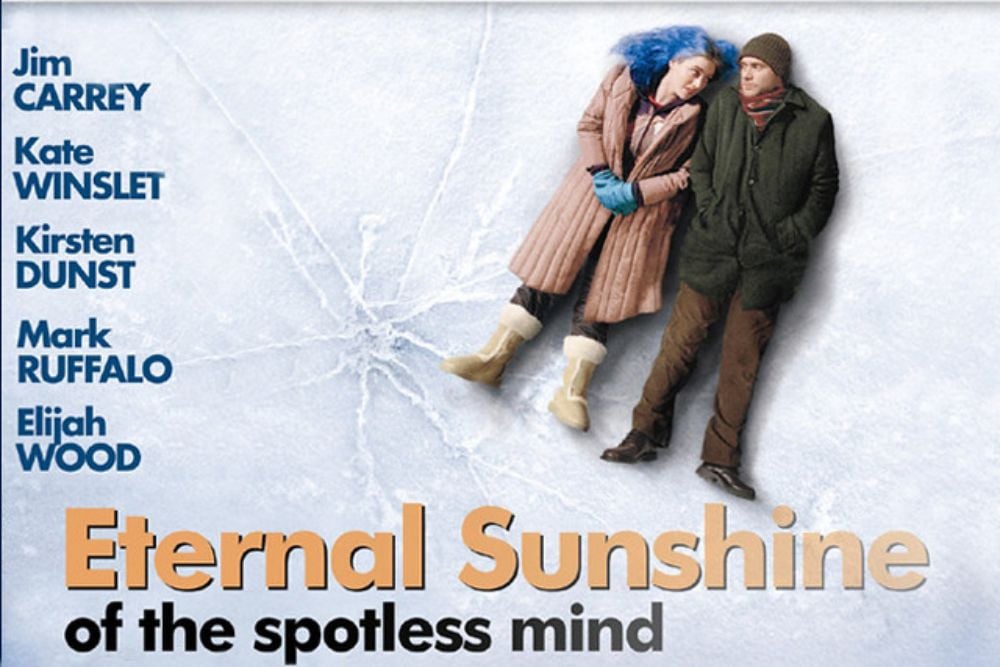
The original script was pitched as a romantic comedy with a science fiction twist about erasing memories of past relationships. Director Michel Gondry and screenwriter Charlie Kaufman transformed it into something more experimental and heartbreaking.
The resulting film retains humorous moments but evolves into a poignant exploration of memory, identity, and the inevitable pain of love. Its fragmented narrative structure and emotional complexity elevate it far beyond its initial comedic concept.
Birdman
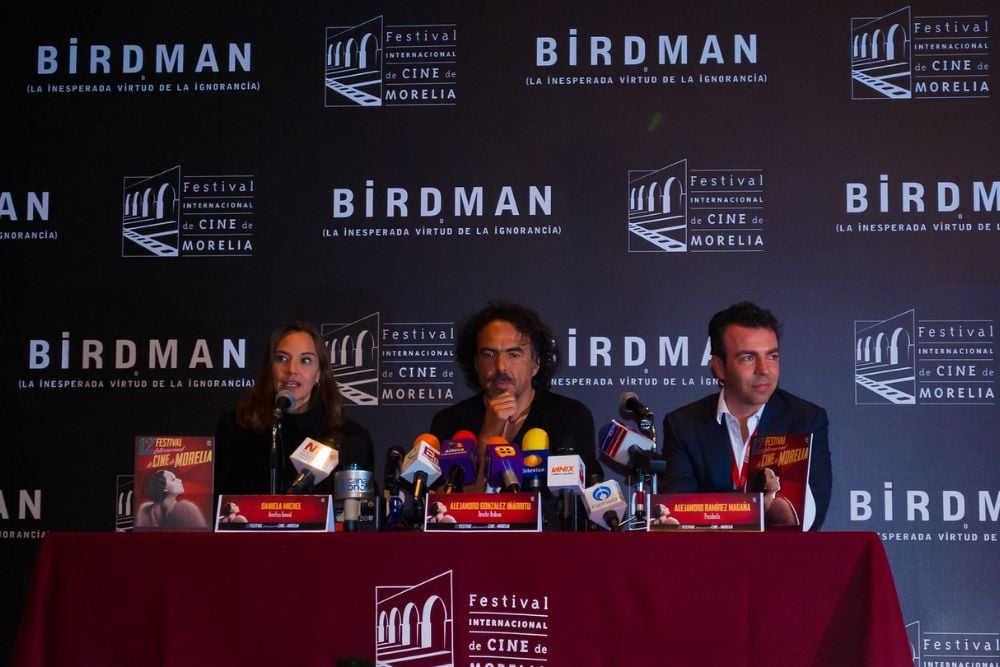
This project began development as a more conventional Hollywood satire about an actor famous for playing a superhero. Director Alejandro González Iñárritu transformed it into a technically ambitious, surrealist character study presented as a single continuous shot.
While darkly funny moments persist, the film evolved into an exploration of ego, art, and relevance that defies easy categorization. The transformation earned it Best Picture and established a new benchmark for formal experimentation in mainstream cinema.
Like Go2Tutors’s content? Follow us on MSN.
Full Metal Jacket
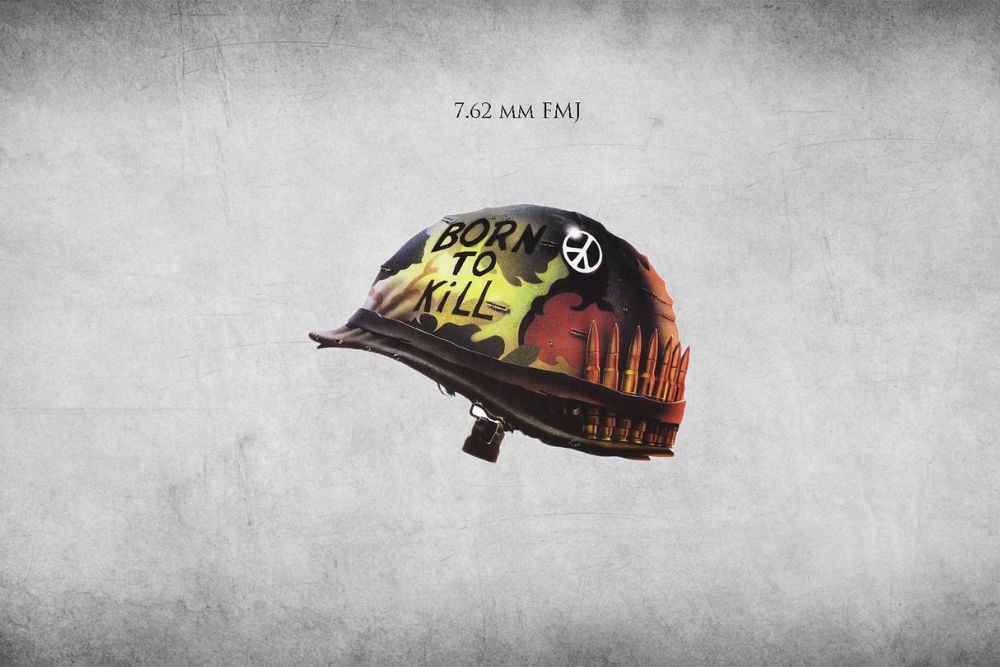
Stanley Kubrick initially approached this Vietnam War film with elements of dark comedy based on Gustav Hasford’s novel ‘The Short-Timers.’ Though the first half maintains a grimly satirical perspective on military training, the film evolves into something more disturbing and nihilistic once the action shifts to Vietnam.
The transformation creates a disjointed but powerful meditation on dehumanization and war that leaves viewers with existential dread rather than the catharsis typical of war films.
Downsizing

Alexander Payne conceived this film as a social satire about people who shrink themselves to tiny size to live more economically and reduce their environmental footprint. The completed film starts with this comedic premise but unexpectedly shifts into a somber meditation on environmental apocalypse, economic inequality, and personal responsibility.
This tonal inconsistency confused many viewers expecting a straightforward comedy, resulting in a film that feels caught between multiple genres.
Synecdoche, New York

The directorial debut of Charlie Kaufman began as a horror-comedy about a man with a mysterious disease. It later on changed into something far more ambitious—a sprawling, surreal exploration of art, mortality, and the impossible task of capturing life’s meaning.
The film also stands by Kaufman’s trademark humor but embeds it within an increasingly complex and melancholy framework that challenges conventional narrative expectations. The transformation resulted in one of modern cinema’s most divisive yet intellectually stimulating works.
Like Go2Tutors’s content? Follow us on MSN.
Barton Fink
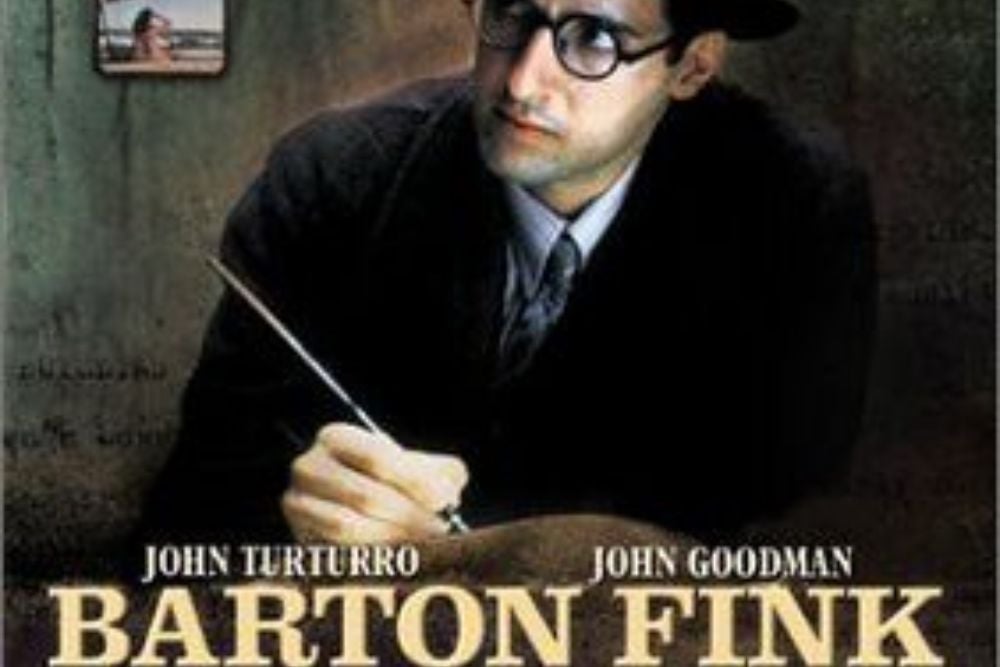
The Coen Brothers first began writing this as a comedy about a playwright suffering writer’s block while trying to write a wrestling picture in Hollywood. During the development of the script, it morphed into a surrealist nightmare that defies genre classification.
The film suggests darkly comic moments but gradually transforms into something more disturbing, culminating in apocalyptic imagery and existential horror. This development created one of the Coens’ most enigmatic and debated films.
The Cable Guy

Originally developed as a light comedy about an annoying but harmless cable installer, the project took a darker turn when Jim Carrey and director Ben Stiller pushed for a more unsettling tone. The resulting film became an uncomfortable psychological thriller about obsession and loneliness that audiences in 1996 weren’t prepared for from Carrey.
Its transformation from expected slapstick to disturbing character study initially disappointed viewers but has gained appreciation over time for its ambitious tonal experiment.
Observe and Report
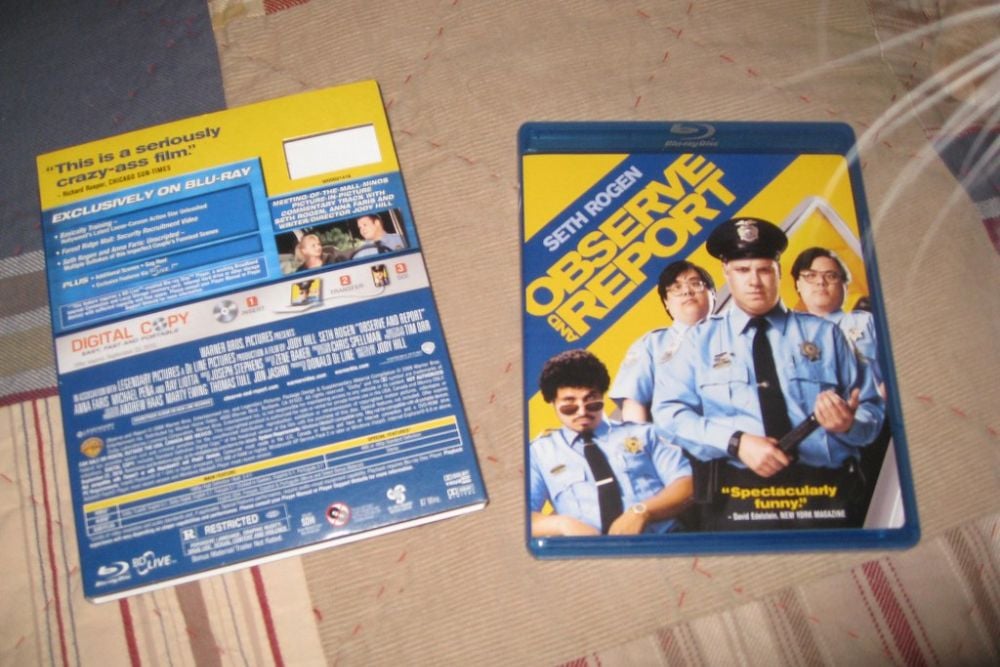
This mall cop comedy starring Seth Rogen was marketed as a typical raunchy laughfest but delivered something much darker. Director Jody Hill created a disturbing character study of a delusional, bipolar security guard with violent tendencies and delusions of grandeur.
While maintaining surface-level comedic elements, the film evolved into an uncomfortable exploration of mental illness and toxic masculinity that left many audiences unsettled rather than amused by its increasingly dark trajectory.
Like Go2Tutors’s content? Follow us on MSN.
The Future of Genre-Bending

Cinema continues to evolve beyond rigid categorization, with filmmakers increasingly creating works that deliberately subvert audience expectations. These 17 films demonstrate how the creative process can transform initial concepts into something unexpected and often more meaningful than originally intended.
The most memorable cinematic experiences often come from these evolutionary accidents—movies that began as one thing but found their true identity by becoming something else entirely along the way.
More from Go2Tutors!

- 18 Unexpectedly Valuable Collectibles You Might Have Lying Around
- 20 Little-Known Historical Battles That Had Huge Consequences
- 20 Historical Artifacts That Scientists Can’t Explain
- 15 Inventions That Were Immediately Banned After Being Created
- 20 Actors Who Were Almost Cast in Iconic Roles
Like Go2Tutors’s content? Follow us on MSN.