17 Vintage Magic Tricks Sold as Children’s Toys
Children’s magic sets promised a taste of the stage for the price of a toy. Inside the box were gadgets built to fool grown-ups, with instructions that made the secret feel like a prize.
These tricks, many of them decades old, showed up in sets and mail-order ads again and again. Condition and completeness matter to collectors, since a trick missing its key piece is only a puzzle.
Mysto Magic Sets
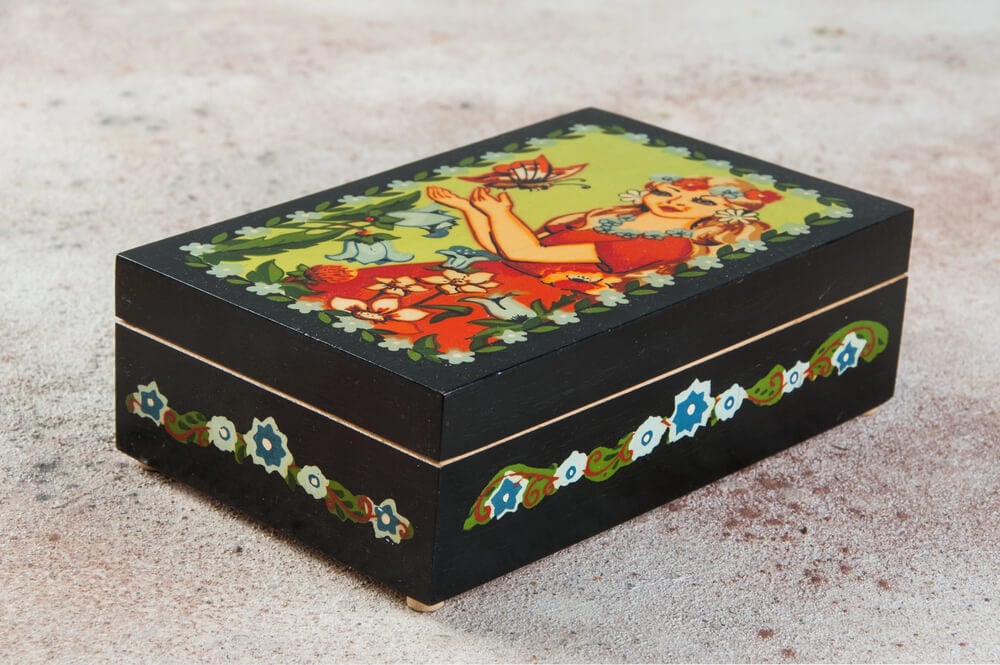
Alfred Carlton Gilbert founded the Mysto Manufacturing Company in 1909 to sell magic sets, and the sets stayed on the market from the 1910s until the 1950s. Contents included interlocking rings, playing cards, and a magic wand. Gilbert was also the creator of the Erector set.
Complete sets in their original boxes are worth far more than loose pieces.
The Svengali Deck
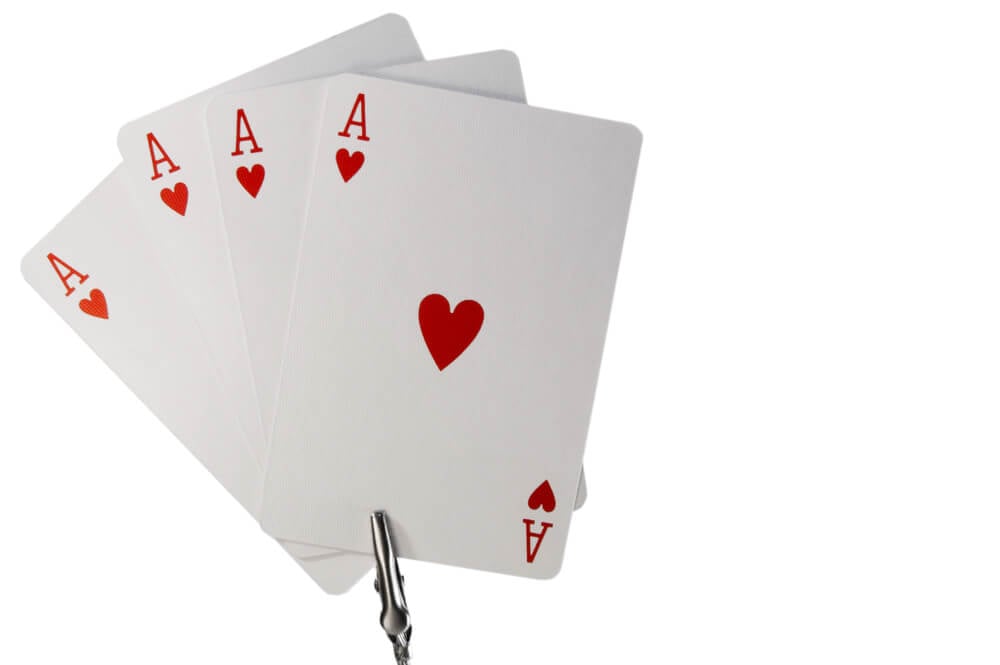
The Svengali deck looks like an ordinary pack of cards, but alternating cards are shorter and a chosen card can be forced on a volunteer. The name comes from the hypnotist in George du Maurier’s 1894 novel Trilby.
Riffling the deck shows different cards, while a different handling shows only one card repeated. Kid-friendly versions made the trick easy to learn.
TV Magic Cards
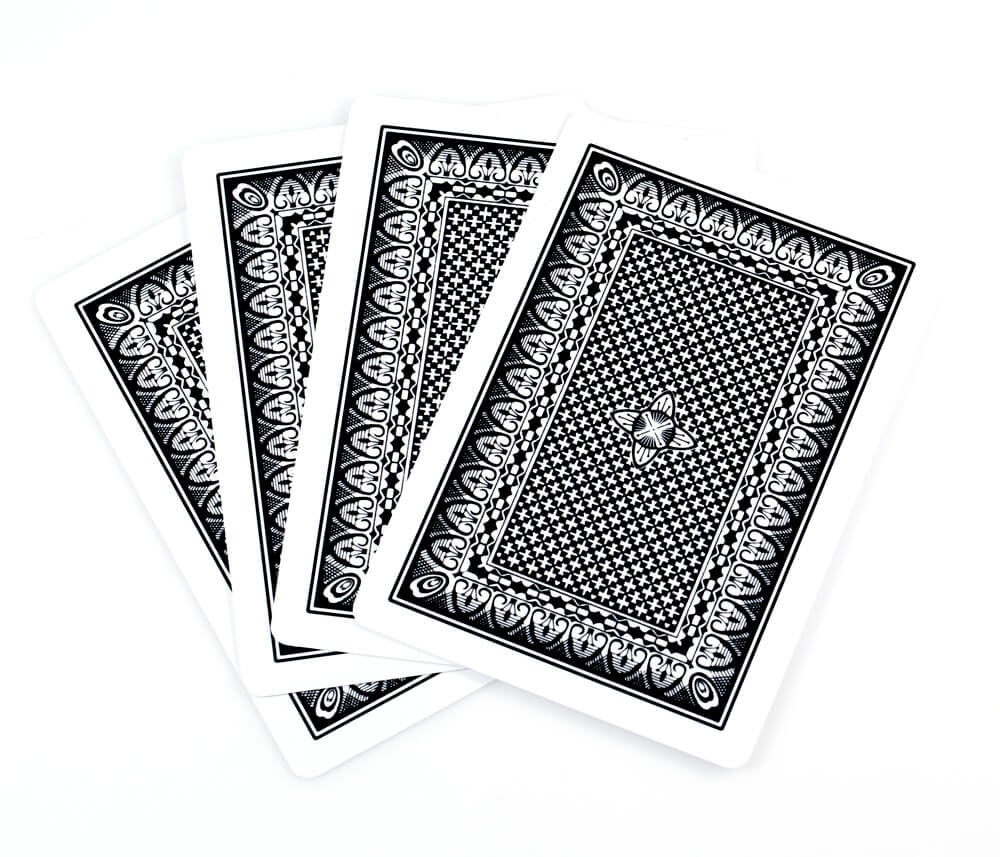
Marshall Brodien created TV Magic Cards in 1970 as a renamed Svengali deck, and heavy television advertising helped sell more than 17 million decks. Brodien was also the Wizzo the Wizard of Chicago’s Bozo’s Circus, which put him in front of young viewers.
The decks appeared in comic book ads in black and white. Original packs with their instruction sheets are the prize.
Chinese Linking Rings

Linking rings are solid metal hoops that appear to pass through one another, and they were included in Mysto Magic sets. The effect depends on one ring with a gap that the performer keeps hidden.
The trick is far older than the toys that sold it. Sets with all their rings intact are rare, since a lost ring ends the routine.
The Okito Box

Theodore Bamberg, known as Okito, invented the Okito box in the early 1900s after noticing how the lid of an indigestion-tablet box fit both ends. Coins placed in the cylindrical brass box seem to vanish, reappear, or pass through.
The trick is simple enough to appear in junior sets. Boxes with clean threads and tight-fitting lids are the best examples.
The Magic Wand

Magic wands were usually black with white tips, a pattern that has become the visual shorthand for stage magic. The wand also serves as misdirection, because the audience watches it instead of the hand holding the secret.
Mysto sets included one, and later kits copied the style. Wands with intact tips and unscratched finish are easy to sell.
Thumb Tips

A thumb tip is a hollow fake thumb that hides a small object such as a silk, coin, or tiny trinket. The performer slips it over a real thumb and conceals the prop inside.
Kids’ sets used plastic or rubber versions in a pale pink shade. Tips that haven’t yellowed or cracked are the most collectible.
Silk Handkerchiefs
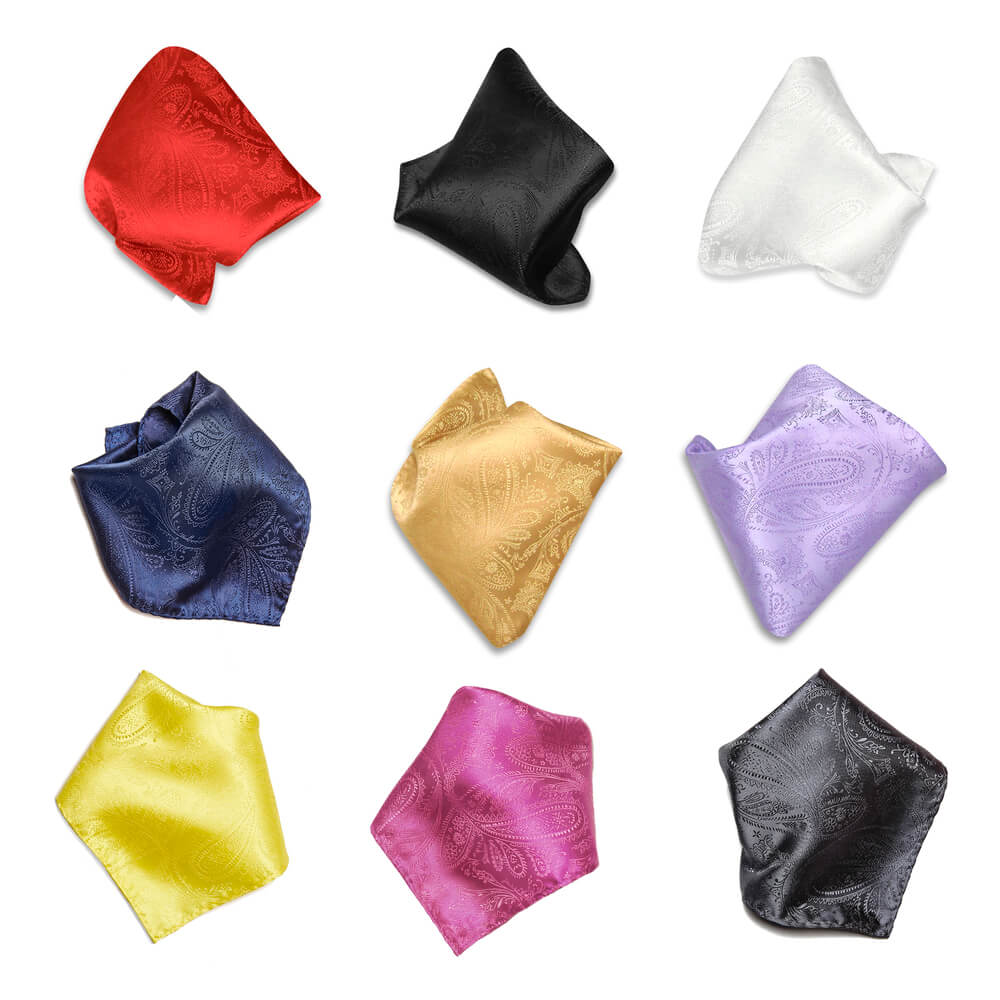
Magicians favor silk because it packs small, flows well, and shows bright colors. Kids’ sets included a few squares for vanishing and color-change tricks.
The tiny cloth could appear from a fist or hide in a tube. Silks that haven’t faded or frayed are worth looking for.
Sponge Rabbits

Soft foam rabbits squeezed small enough to hide in a fist, then expanded to fill the hand when released. One rabbit could become two, which made the trick a classic.
Sets often included a pair of rabbits and a cloth. Sponge items crumble with age, so intact examples are scarce.
The Die Box
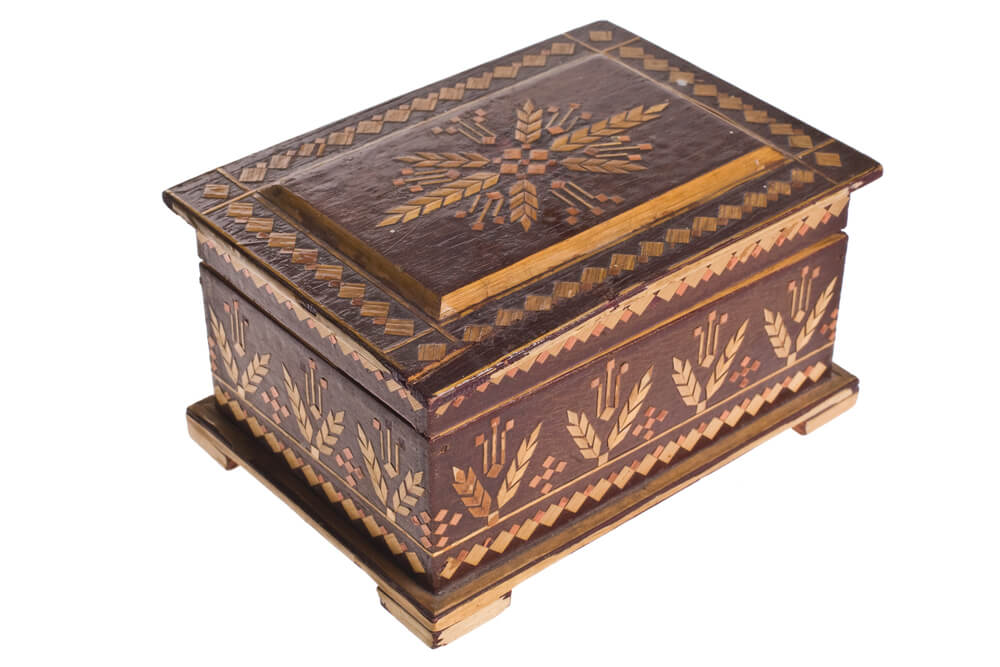
A die box looks like a wooden box with a lid, but a hidden compartment lets the performer make a block vanish and reappear. The trick appears in many children’s sets because it uses simple carpentry.
The box is usually painted in bright colors. Pieces with all their parts and undamaged paint are the best finds.
The Magic Coloring Book

In the magic coloring book trick, the pages seem empty, then show color, then return to black and white. The effect uses cleverly printed pages that the performer flips in a specific order.
Kids found it easy to learn and fun to show. Complete books with no coloring scribbles are rare.
Cut and Restored Rope
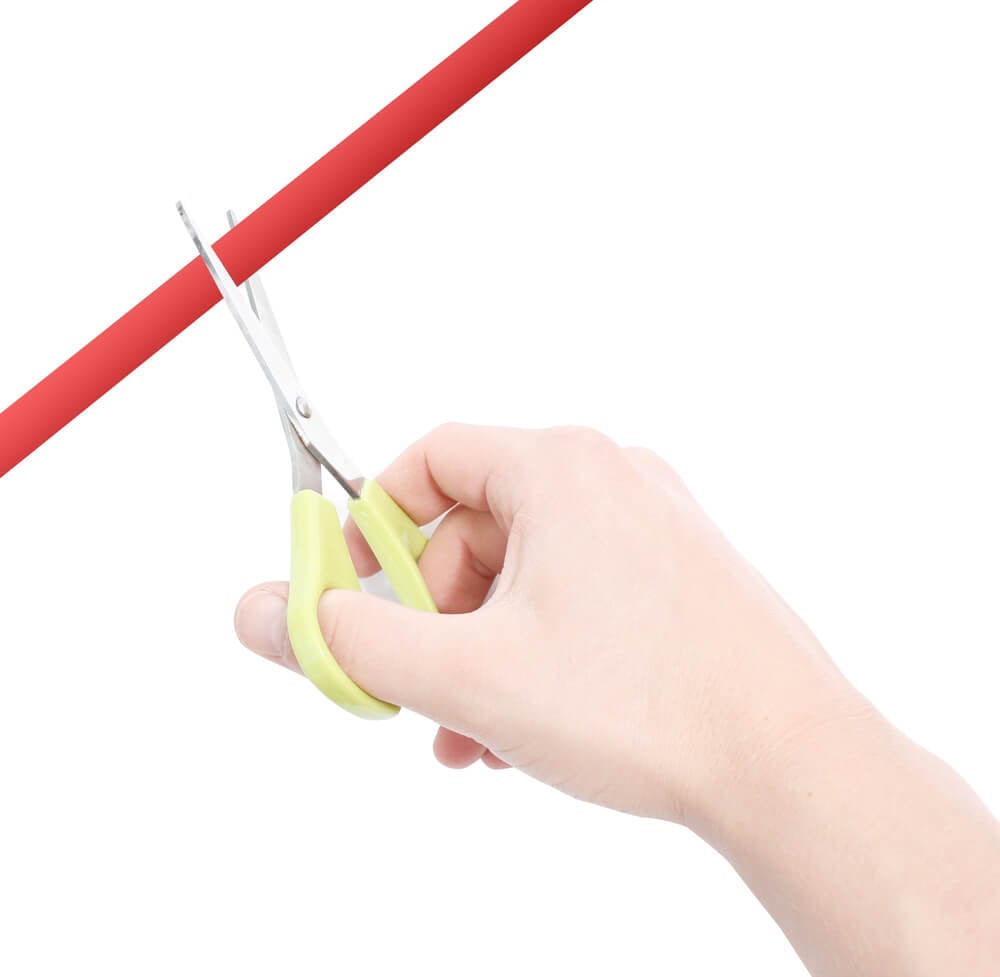
A length of rope is cut in two, then restored to one piece, a staple of kids’ sets because it uses an ordinary object. The method depends on a small gimmick the performer keeps out of sight.
The trick works best with soft cotton rope. Sets with all their ropes intact are worth more than ones missing a piece.
The Egg Bag

An egg bag is a cloth bag with a hidden pocket used to make an egg vanish and reappear. The trick calls for timing and patience, which made it a challenge for young performers.
Sets often included a wooden or plastic egg instead of a real one. Bags with their original stitching are best.
Invisible Thread
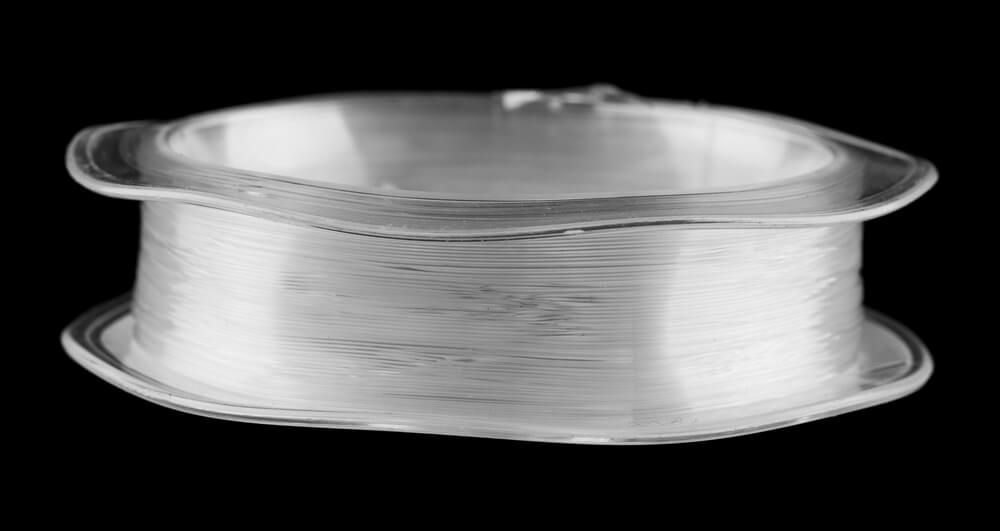
Fine thread attached to an object can make it appear to float or move on its own, and children’s sets often included a spool. The effect depends on lighting and a patient performer.
The thread breaks easily, so a set with unused thread is a good sign. Original spools in good condition add a charming detail.
The Appearing Cane

An appearing cane produces a full-length cane from a closed hand in a flash. Children’s versions used lightweight metal or plastic and sprang open with a flick.
The trick demands practice, and a bent cane can ruin the effect. Complete canes with original packaging are rare.
Miser’s Dream

In the Miser’s Dream routine, coins seem to appear from thin air and drop into a bucket or hat. Kids’ sets included a handful of coins and a small container.
The act builds in rhythm as the performer reaches for each new coin. Complete sets with coins and a bucket in sound condition are hard to find.
The Rising Card
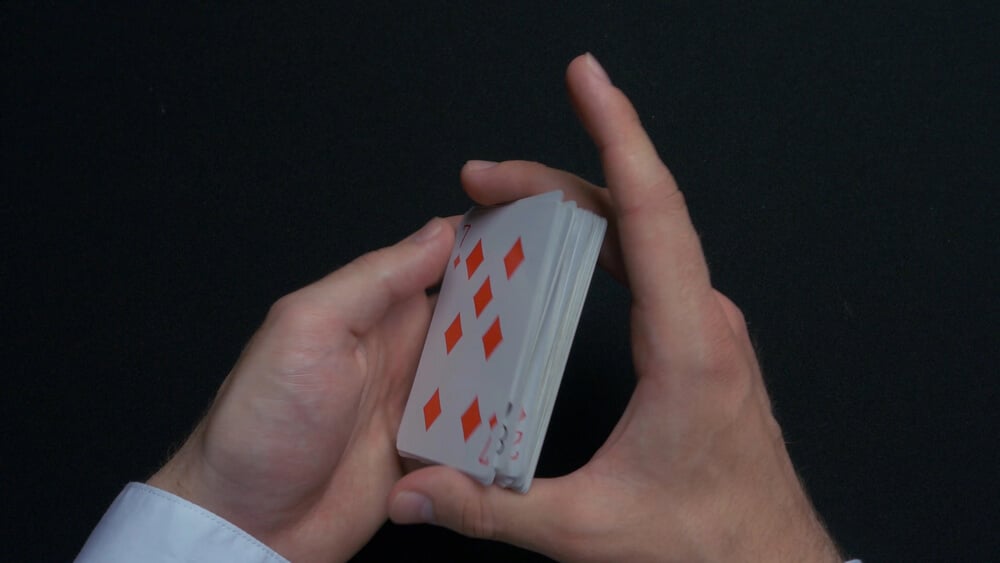
In the rising card trick, a card chosen by a volunteer and returned to the deck climbs slowly out of the pack as if pulled by an unseen hand. Children’s sets included a simple version that relied on a hidden thread or a clever deck, and the effect rewarded a performer who kept a straight face.
Practice mattered more than props, since the slow rise sold the illusion. Decks with every card present and a clean instruction sheet are the ones worth keeping.
Secrets Sealed in a Box

Children’s magic sets taught patience and showmanship at the same time. A child learned to hide a secret, tell a story, and stay calm while someone stared at their hands.
The tricks were simple enough to master in an afternoon and rich enough to practice for years. Some young magicians kept going and became professionals, and many more simply kept the memory.
The boxes in attics still hold wands, silks, and ropes that fooled a family once. A well-kept set is a small museum of how wonder was sold in the last century.
More from Go2Tutors!

- 27 Silver Dollars and Half Dollars Worth Keeping
- 28 Restaurant Menu Items Nobody Orders Anymore
- 17 Places Built in Seemingly Impossible Spots
- 27 Vintage Rings Worth More Than They Look
- 25 Restricted Sites Tourists Can’t Enter
Like Go2Tutors’s content? Follow us on MSN.