Boomer Era Celebrities Everyone Had A Crush On And Totally Forgot About
Somewhere between the rise of social media and the endless cycle of modern celebrity scandals, a whole generation of heartthrobs quietly faded from collective memory. These weren’t just pretty faces — they were the magnetic personalities who dominated magazine covers, sparked teenage fantasies, and made entire generations swoon.
Yet today, mention most of these names to someone under 40, and you’ll likely get a blank stare. Time has a way of being ruthless with fame, especially when it comes to the particular brand of charisma that defined an era.
Suzanne Somers

Before she became the ThighMaster queen of late-night infomercials, Suzanne Somers was the blonde bombshell who made stepping into an elevator look like high art. Her role as Chrissy Snow on “Three’s Company” turned ditzy into desirable, and her poster sales rivaled those of Farrah Fawcett.
Somers had this particular combination of vulnerability and sensuality that felt approachable — like the girl next door if the girl next door happened to model swimwear for a living.
Erik Estrada

Estrada’s Officer Frank “Ponch” Poncherello didn’t just patrol California highways — he cruised straight into the fantasies of anyone who watched “CHiPs” in the late seventies and early eighties. That uniform, that motorcycle, that smile that could probably charm its way out of any traffic violation.
But here’s what made Estrada more than just another pretty face in a cop show: he brought genuine warmth to what could have been a thankless role, and he looked like he was actually having fun doing it.
The show itself might seem hopelessly dated now — two motorcycle cops solving crimes that somehow always involved car chases and minimal actual police work. But Estrada’s easy charm made the whole thing feel less ridiculous than it probably was.
And that smile, which appeared in approximately every third shot, managed to suggest that being pulled over by Officer Poncherello might not be the worst thing that could happen to you on the freeway.
Lynda Carter
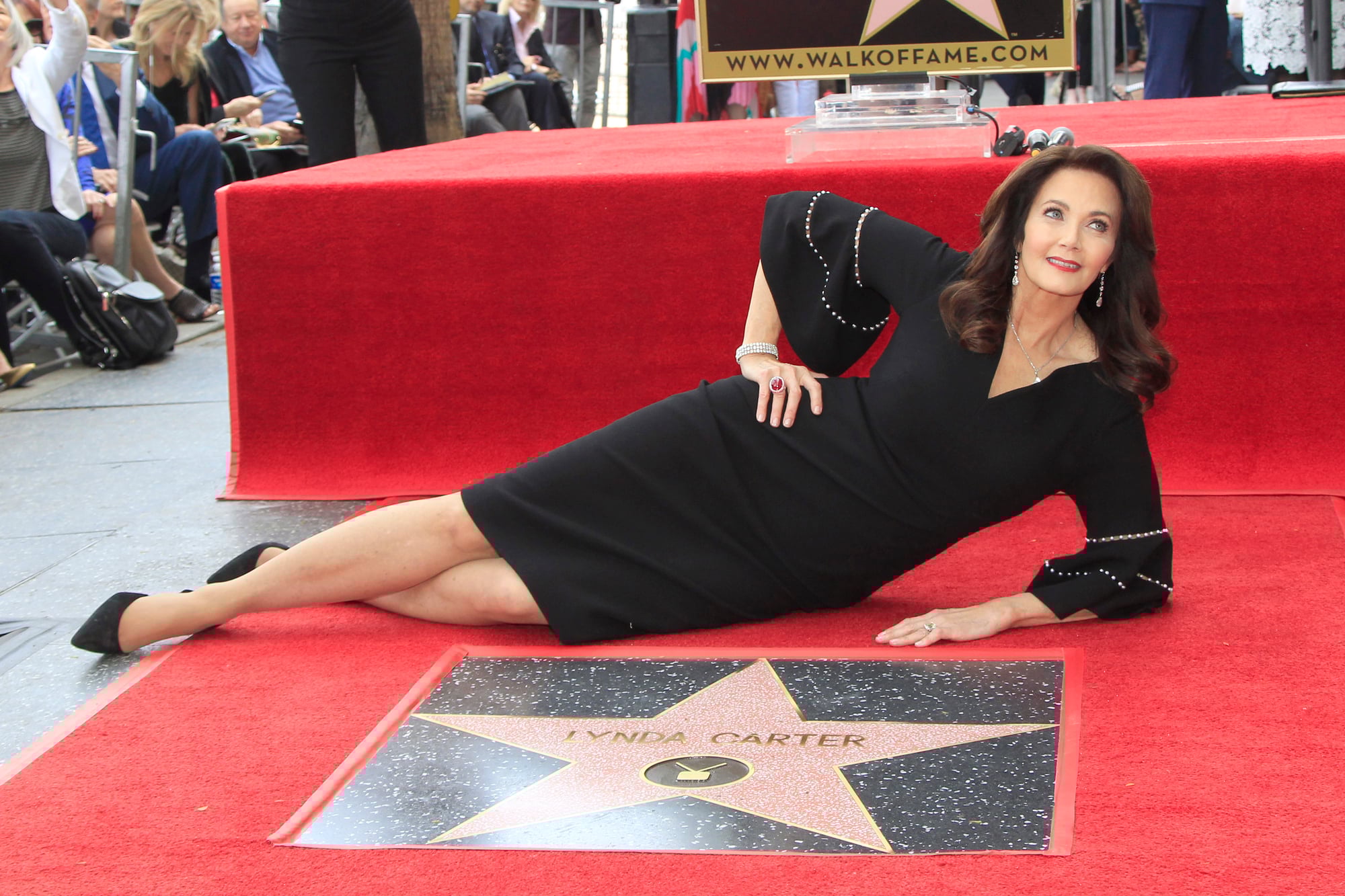
Wonder Woman didn’t just fight crime in star-spangled hot pants; she redefined what it meant to be both powerful and beautiful on television. Carter brought a particular kind of strength to the role that felt both mythic and grounded.
There was something almost otherworldly about her presence, as if she really had stepped out of some ancient myth where goddesses walked among mortals and made it look effortless.
The spinning transformation sequence became iconic not just because of the special effects but because of the way Carter sold it. She made you believe that changing from Diana Prince to Wonder Woman was both magical and completely natural.
Like slipping into clothes that fit perfectly after wearing something uncomfortable all day.
John Schneider

The Duke boys might have spent most of their time jumping cars over creeks and outrunning Boss Hogg, but it was John Schneider’s Bo Duke who made “The Dukes of Hazzard” appointment television for millions of viewers. Schneider had this particular brand of country boy charm that felt genuine rather than manufactured.
Like he really could fix your car, charm your grandmother, and look good doing both.
His chemistry with Tom Wopat was undeniable, but there was something about Schneider’s solo moments that revealed a depth most people didn’t expect from a show about moonshine runners in Georgia.
Catherine Bach
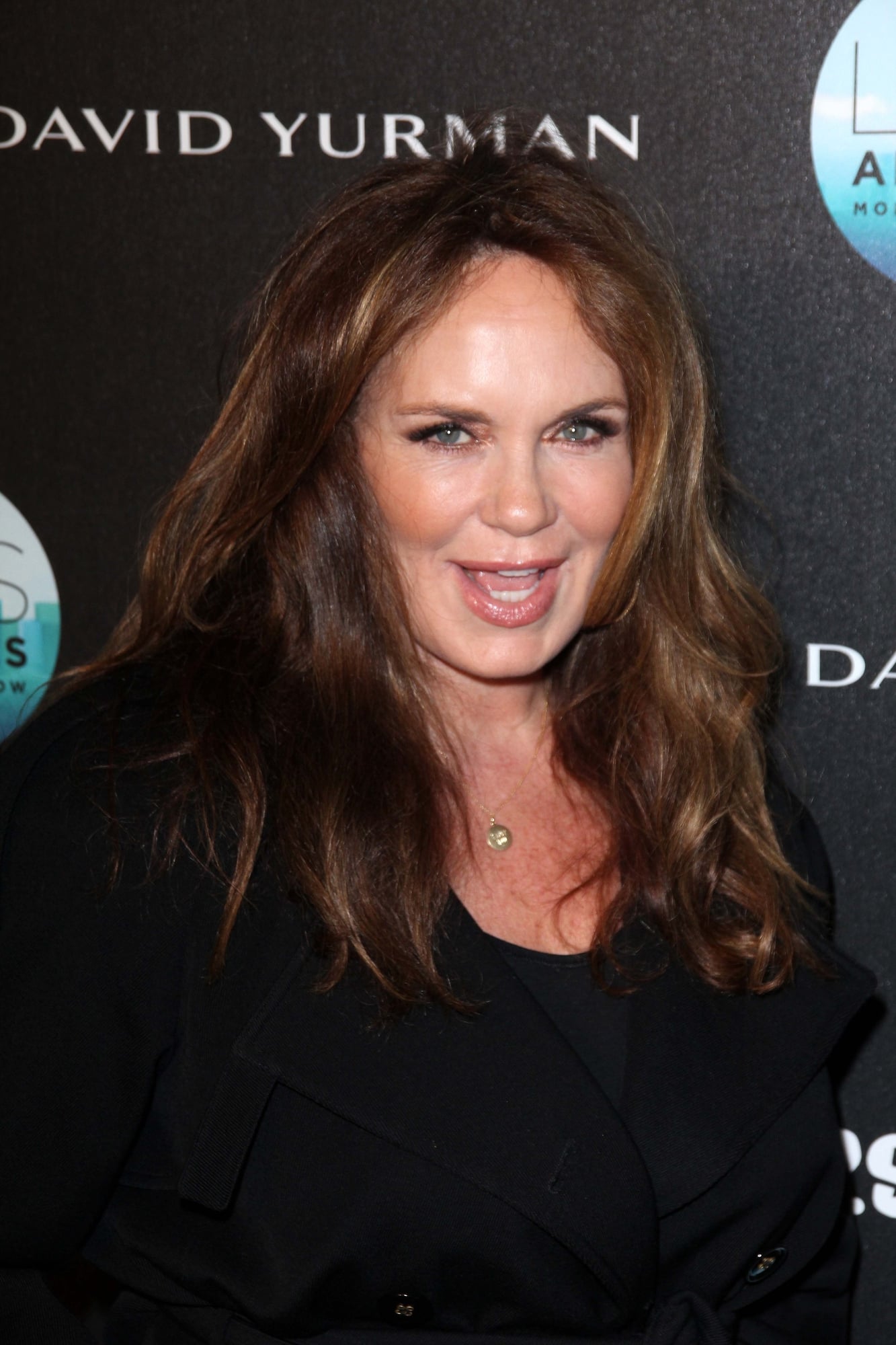
Speaking of “The Dukes of Hazzard,” Catherine Bach’s Daisy Duke didn’t just wear those famous denim shorts — she made them part of the cultural lexicon. Bach brought intelligence and sass to what could have been a thankless role as the token female character in a show about car chases and good old boys.
She managed to be both the object of desire and the person you’d actually want on your side in a fight, which is a more difficult balance to strike than most people realize.
Those shorts became so iconic they earned their own name, but what made Bach memorable wasn’t just her look — it was the way she carried herself.
Confident without being aggressive, flirtatious without being vapid. She suggested that small-town Southern charm could coexist with sharp intelligence, and she made it look easy.
Tom Selleck

Magnum P.I. turned the private investigator genre on its head by casting someone who looked like he belonged on a romance novel cover rather than in a gritty detective story. Selleck’s Thomas Magnum solved crimes while wearing Hawaiian shirts and sporting a mustache that became as much a part of his identity as the red Ferrari he drove around Oahu.
But Selleck brought more than just good looks and facial hair to the role. He had this particular kind of masculine vulnerability — tough enough to handle the bad guys, sensitive enough to care about the victims, and self-deprecating enough to make fun of his own image.
The show worked because Selleck never took himself too seriously. Which paradoxically made him more attractive than if he’d played it completely straight.
Victoria Principal

Dallas might have been about oil, power, and family dysfunction, but Victoria Principal’s Pamela Barnes Ewing provided the emotional anchor that kept viewers invested in all the scheming and backstabbing. Principal had this quality of seeming genuinely surprised by the chaos swirling around her.
As if she’d wandered into someone else’s soap opera and was trying to figure out how to navigate it with her principles intact.
Her on-screen chemistry with Patrick Duffy was the kind that made you believe these two people actually liked each other. Which was refreshing in a show where most relationships seemed based on revenge, manipulation, or both.
Principal brought a softness to Dallas that balanced out all the hard edges.
Don Johnson

Miami Vice didn’t invent the concept of the cool detective, but Don Johnson’s Sonny Crockett perfected it for the MTV generation. Johnson managed to make pastel blazers and no socks look like the height of masculine sophistication.
He had this effortless cool that made everything seem intentional, from the unshaven look to the way he leaned against his Ferrari Testarossa.
The show itself was style over substance in many ways. But Johnson brought enough genuine charisma to make you forget that the plots often made little sense.
Heather Locklear

Dynasty established Joan Collins as the queen of primetime soap villainy, but it was Heather Locklear who perfected the art of being bad in a way that made you root for her anyway. Her Sammy Jo was selfish, manipulative, and completely unapologetic about it.
Locklear made all of that seem charming rather than despicable. She had this particular gift for delivering cutting lines with a smile that suggested she was having as much fun being terrible as the audience was having watching her do it.
Locklear later moved to “Melrose Place,” where she essentially played the same character in a different zip code. But by then she’d established herself as the gold standard for glamorous troublemaker.
Lorenzo Lamas

Before he became a fixture on late-night cable action movies, Lorenzo Lamas was Lance Cumson on “Falcon Crest.” He played the kind of smoldering heir to a wine fortune that only existed in primetime soap operas.
Lamas had this intensity that worked perfectly in a world where everyone was constantly plotting against each other and dramatic confrontations happened over dinner every night.
His dark hair and brooding expression made him the perfect foil to the more clean-cut leading men of the era. While other actors were going for approachable charm, Lamas leaned into something more dangerous and unpredictable.
He suggested that getting involved with him would probably end badly. But it would be exciting while it lasted.
Jaclyn Smith

Charlie’s Angels made stars of all three original leads, but Jaclyn Smith had a particular elegance that set her apart from her more famous co-stars. While Farrah Fawcett got the iconic poster and Kate Jackson got the smart girl roles, Smith got to be the one who looked effortlessly sophisticated whether she was going undercover at a country club or chasing bad guys through a parking garage.
She brought a classic Hollywood glamour to a show that was otherwise firmly rooted in seventies style.
Smith had this quality of seeming genuinely nice, which is harder to pull off than most people realize. Especially in a show where the entire premise was built around beautiful women using their looks to solve crimes.
She made you believe that Kelly Garrett really cared about helping people.
Parker Stevenson

The Hardy Boys mysteries might have been written for teenagers, but Parker Stevenson’s Frank Hardy made plenty of adults tune in to the Sunday night ABC show. Stevenson brought a maturity to the role that elevated it beyond typical teen detective fare.
He made you believe that these brothers really could solve crimes that stumped the adults around them.
His chemistry with Shaun Cassidy worked because they seemed like actual siblings who genuinely liked each other. Stevenson later moved on to more adult roles, but there was something about his turn as the older Hardy brother that captured a particular moment when wholesome entertainment still felt genuinely appealing rather than ironic.
He made earnestness seem cool.
Cheryl Ladd

Stepping into Farrah Fawcett’s role on Charlie’s Angels was an impossible task, but Cheryl Ladd managed it by creating something entirely her own rather than trying to copy what came before. Her Kris Munroe was Jill’s younger sister, which gave Ladd built-in permission to be different from Fawcett while still honoring what made the show work.
Ladd brought a sweetness to the role that felt genuine rather than calculated.
She had this particular combination of toughness and vulnerability that worked perfectly for the show’s format. She could handle herself in a fight scene and still seem like someone you’d want to have coffee with.
Ladd proved that sometimes the replacement can be just as compelling as the original. Just in a completely different way.
The Fading Of The Spotlight

These faces once graced bedroom walls, magazine covers, and the dreams of millions, yet they’ve largely disappeared from our collective cultural conversation. Maybe it’s the pace of modern media, or maybe it’s simply that every generation needs its own objects of desire.
But there’s something almost poetic about the way these particular stars have receded into memory — not forgotten entirely, but no longer part of the active conversation about what makes someone irresistibly attractive.
They remain frozen in time, forever young in syndicated reruns and faded photographs. Ambassadors from an era when charisma felt more mysterious and fame seemed more permanent than it actually was.
More from Go2Tutors!

- The Romanov Crown Jewels and Their Tragic Fate
- 13 Historical Mysteries That Science Still Can’t Solve
- Famous Hoaxes That Fooled the World for Years
- 15 Child Stars with Tragic Adult Lives
- 16 Famous Jewelry Pieces in History
Like Go2Tutors’s content? Follow us on MSN.