17 Vintage Photos Of Flight Attendants and Air Travel from the Glamorous Jet Age
Air travel used to be an event. Not the kind of event where you arrive three hours early to remove your shoes and stand in fluorescent-lit lines, but the sort where people dressed up, ordered cocktails at 30,000 feet, and flight attendants looked like they’d stepped out of a fashion magazine.
These vintage photographs capture that brief, shining moment when flying was less about getting from point A to point B and more about the elegant journey in between.
Pan Am Stewardess In Her Iconic Blue Uniform, 1960s
The Pan Am uniform wasn’t just clothing. It was a statement piece that said “international sophistication” in a way that made passengers feel like they were part of something bigger than a simple flight.
The tailored blue dress, the perfectly positioned hat, the white gloves — every detail was calculated. These weren’t just work clothes; they were costumes for a performance that happened seven miles above the earth.
TWA Flight Attendants Serving Dinner With Real Silverware
Before airline food became a punchline, it was actually something passengers looked forward to. This photograph shows TWA attendants serving full meals on actual china plates, with honest-to-goodness metal silverware that wasn’t considered a security threat.
The service was theatrical in the best possible way — flight attendants moved through the cabin like dancers who had memorized every step, and passengers (who had paid what would be hundreds of dollars in today’s money for their tickets) expected nothing less than restaurant-quality presentation, even at cruising altitude.
A 1950s Stewardess Checking Her Appearance In The Airplane Lavatory Mirror

There’s something achingly human about this image — a young woman stealing a moment to check her lipstick in a tiny airplane mirror, making sure everything is still perfect before she returns to the cabin. The lavatory itself looks more like a powder room than the cramped spaces passengers squeeze into today.
It’s a glimpse behind the curtain of all that supposed effortlessness. Even the most polished performance requires touch-ups. Even at 30,000 feet, appearances mattered — perhaps especially at 30,000 feet, where you were literally above the ordinary world and everything was supposed to be just a little bit more magical than what people left behind on the ground.
Passengers Boarding A Boeing 707 In Formal Attire, 1958

Flying used to require a dress code that wasn’t written anywhere but everyone understood. Men wore suits and ties. Women wore dresses and heels. Nobody showed up in flip-flops and sweatpants because the idea wouldn’t have occurred to them.
This wasn’t pretension — it was recognition that air travel was still remarkable enough to warrant your best behavior and your nicest clothes. The Boeing 707 in the background looks sleek and futuristic in a way that promised passengers they were participating in the future of transportation.
BOAC Stewardess Demonstrating Safety Procedures With A Genuine Smile
Safety demonstrations used to be performed by actual humans instead of video screens, and somehow the flight attendants managed to make putting on a life jacket look graceful. The BOAC uniform in this photo is particularly striking — fitted jacket, coordinated accessories, and a hairstyle that somehow stayed perfect despite cabin pressure changes.
But what’s most remarkable is the expression: she looks genuinely pleased to be there, like someone who enjoys her job rather than someone who’s gone through the same routine 10,000 times before (even if she has). There’s an earnestness to it that feels almost foreign now — the idea that demonstrating safety equipment could be done with style and apparent enthusiasm, rather than the barely contained resignation that characterizes most modern safety presentations.
The Spacious First-Class Cabin Of A 1960s Jet
First class used to mean something different than it does today. The seats were larger, yes, but more importantly, there was space — actual room to move around, to cross your legs, to exist without your elbows bumping into your neighbor.
The cabin in this photograph looks more like a living room than a transportation vehicle. Passengers are reading newspapers, having conversations, looking relaxed in a way that seems impossible in modern air travel.
Eastern Airlines Stewardess Serving Champagne From A Proper Bottle
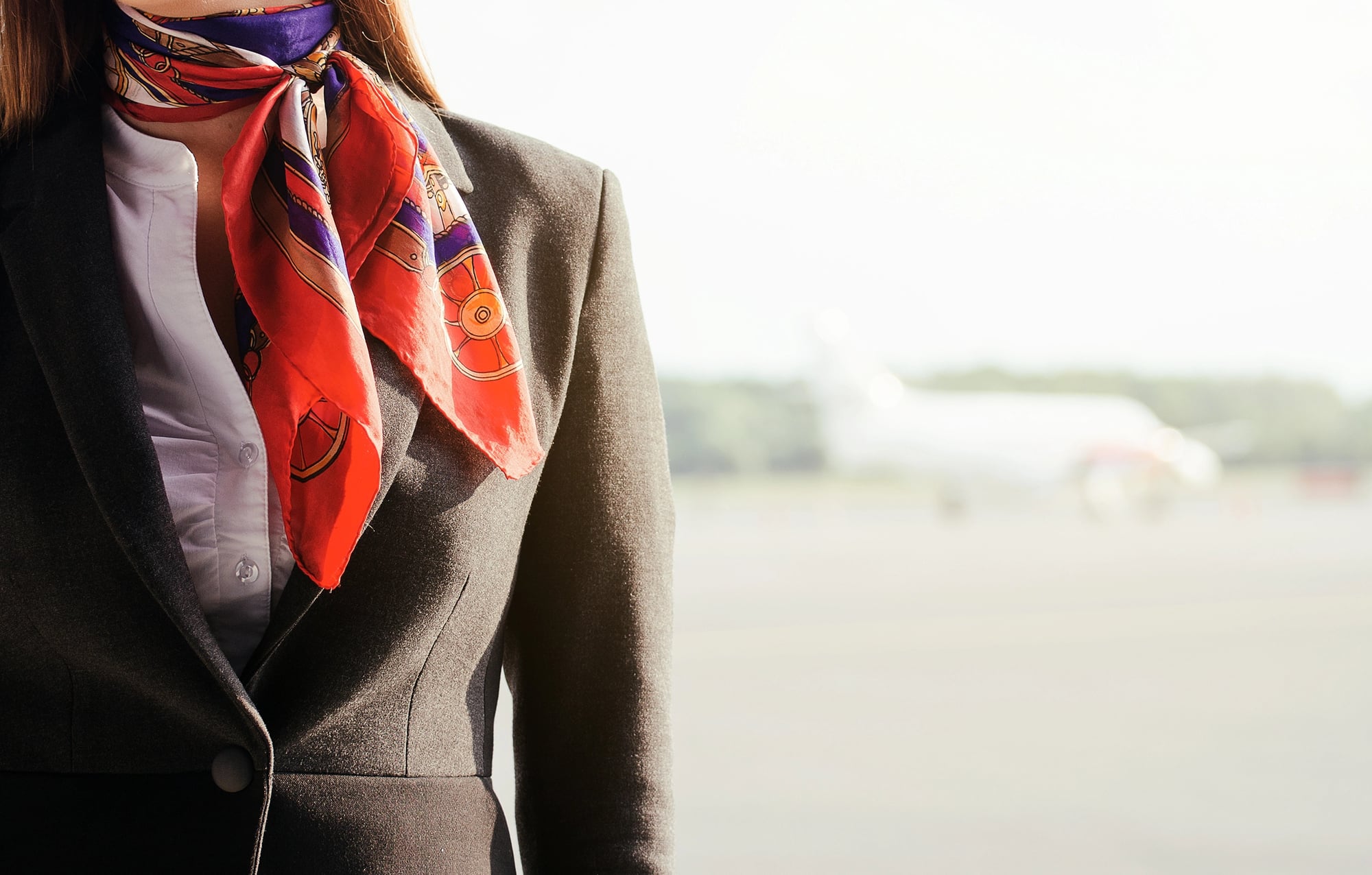
This photograph captures something that seems almost mythical now: a flight attendant opening an actual bottle of champagne in the aisle of an airplane. Not a miniature bottle, not a plastic cup of something that might have once been near grapes, but real champagne in real glasses.
The stewardess is performing this task with the kind of practiced ease that suggests this was routine, not special occasion service. Her expression is focused but relaxed — someone who has opened champagne bottles at 35,000 feet enough times that it no longer seems remarkable. For passengers, though, it must have felt like being invited to a very exclusive party that happened to be taking place in the clouds.
A United Airlines Flight Attendant’s Perfectly Styled Hair And Makeup
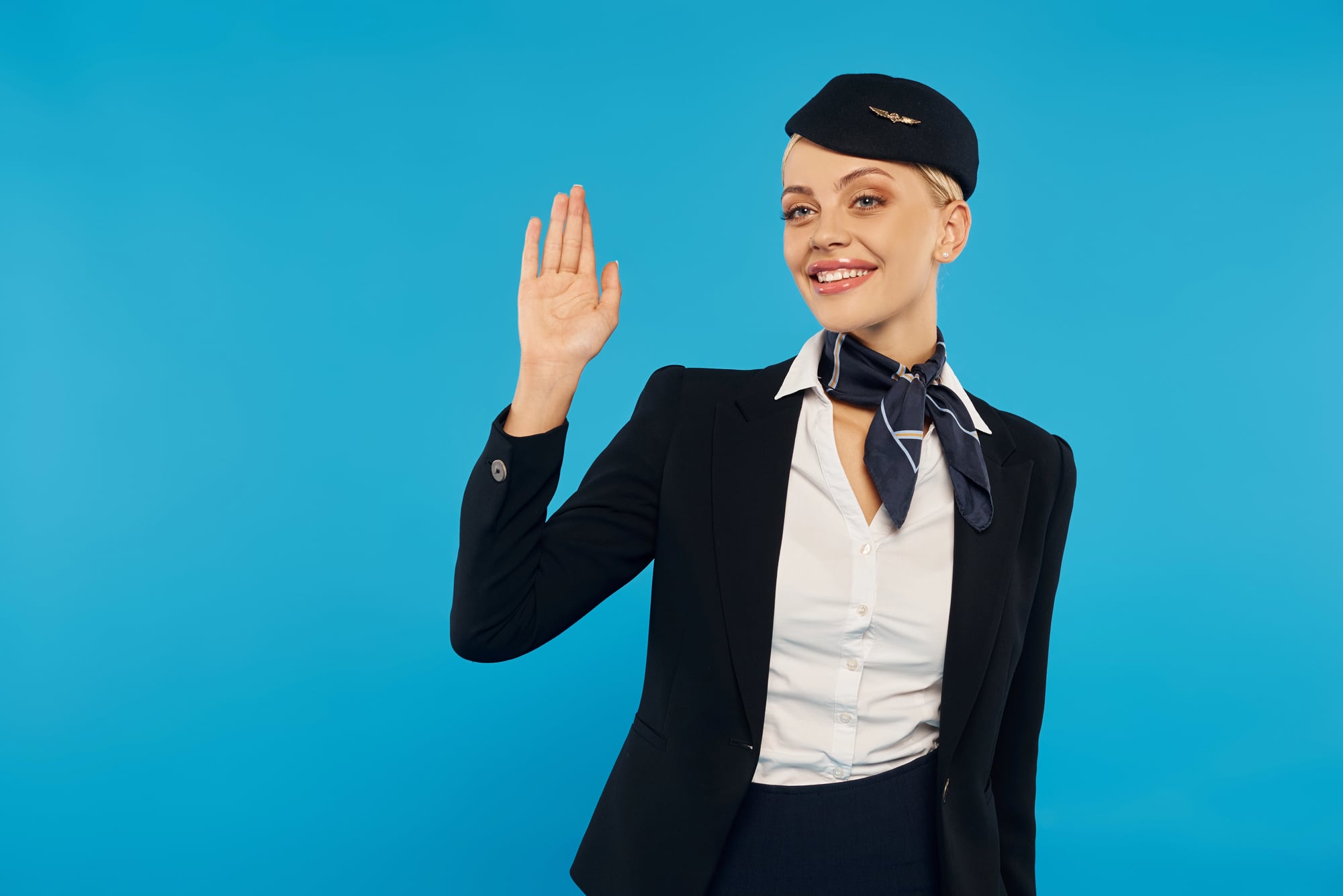
The beauty standards for flight attendants in the 1960s were exacting in a way that would seem absurd today. Hair had to be styled just so, makeup applied with precision, nails perfectly manicured. This photograph shows the result: a look so polished it’s almost architectural.
But there’s something fascinating about the commitment to glamour even in what was essentially a service job. These women were expected to be part hostess, part safety instructor, and part fashion model, all while dealing with air pressure, turbulence, and passengers who had paid premium prices and expected premium treatment. The fact that they pulled it off — that they made it look effortless — is its own kind of achievement.
Passengers Enjoying Cocktails In The Main Cabin, 1965
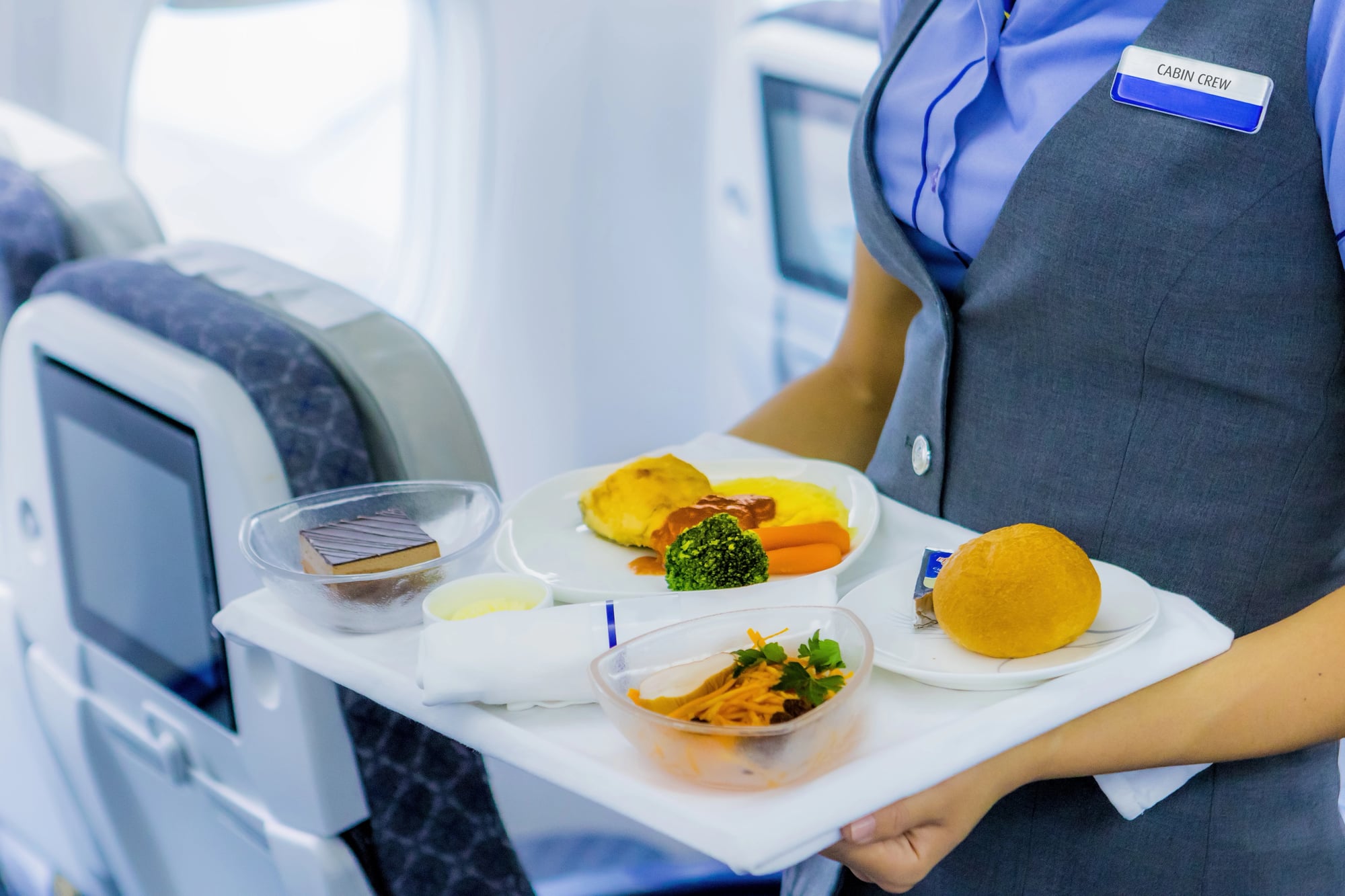
The main cabin used to serve real cocktails in actual glassware, and passengers dressed like they were heading to a cocktail party rather than traveling across the country. This photograph captures that sense of occasion — people who look genuinely pleased to be where they are, doing what they’re doing.
The seats are spacious enough that passengers can turn to face each other for conversation. The lighting is soft and warm. The overall atmosphere is more “sophisticated dinner party” than “budget transportation,” which makes sense when you consider that air travel was still expensive enough to be genuinely special for most people.
A 1970s Flight Attendant In The Galley Preparing Meals
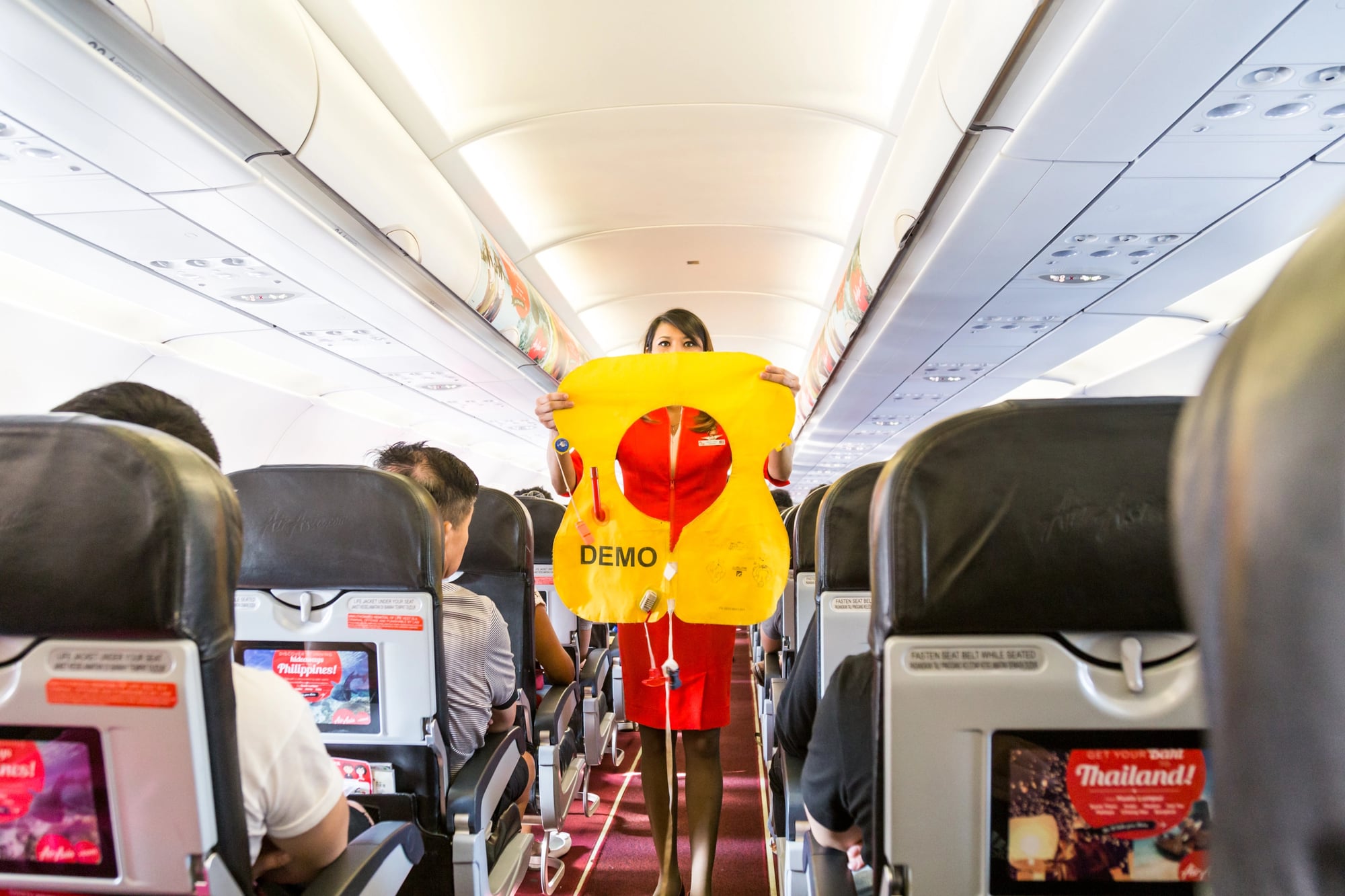
Before meals came pre-packaged and reheated, flight attendants actually prepared food in airplane galleys that looked like tiny, efficient kitchens. This photograph shows a flight attendant arranging what appears to be a proper meal on proper dishware.
Her uniform is crisp, her hair is styled, and she’s approaching food preparation with the same attention to detail that a restaurant server might bring to plating an expensive dinner. The galley itself is compact but well-organized — everything has its place, and everything appears to be of decent quality rather than the plastic disposable items that dominate modern air travel.
The Elegant Boarding Process At A 1960s Airport Gate

Airport gates used to look like departure lounges in fancy hotels rather than holding areas in institutional buildings. This photograph shows passengers boarding a flight in what appears to be a civilized, almost leisurely process.
People are dressed well, moving at a reasonable pace, and the gate area itself has architectural details that suggest someone cared about aesthetics as well as function. There’s no sense of urgency or stress — just people who look like they’re beginning an adventure rather than enduring a necessary inconvenience.
A Stewardess Serving Coffee In Delicate China Cups
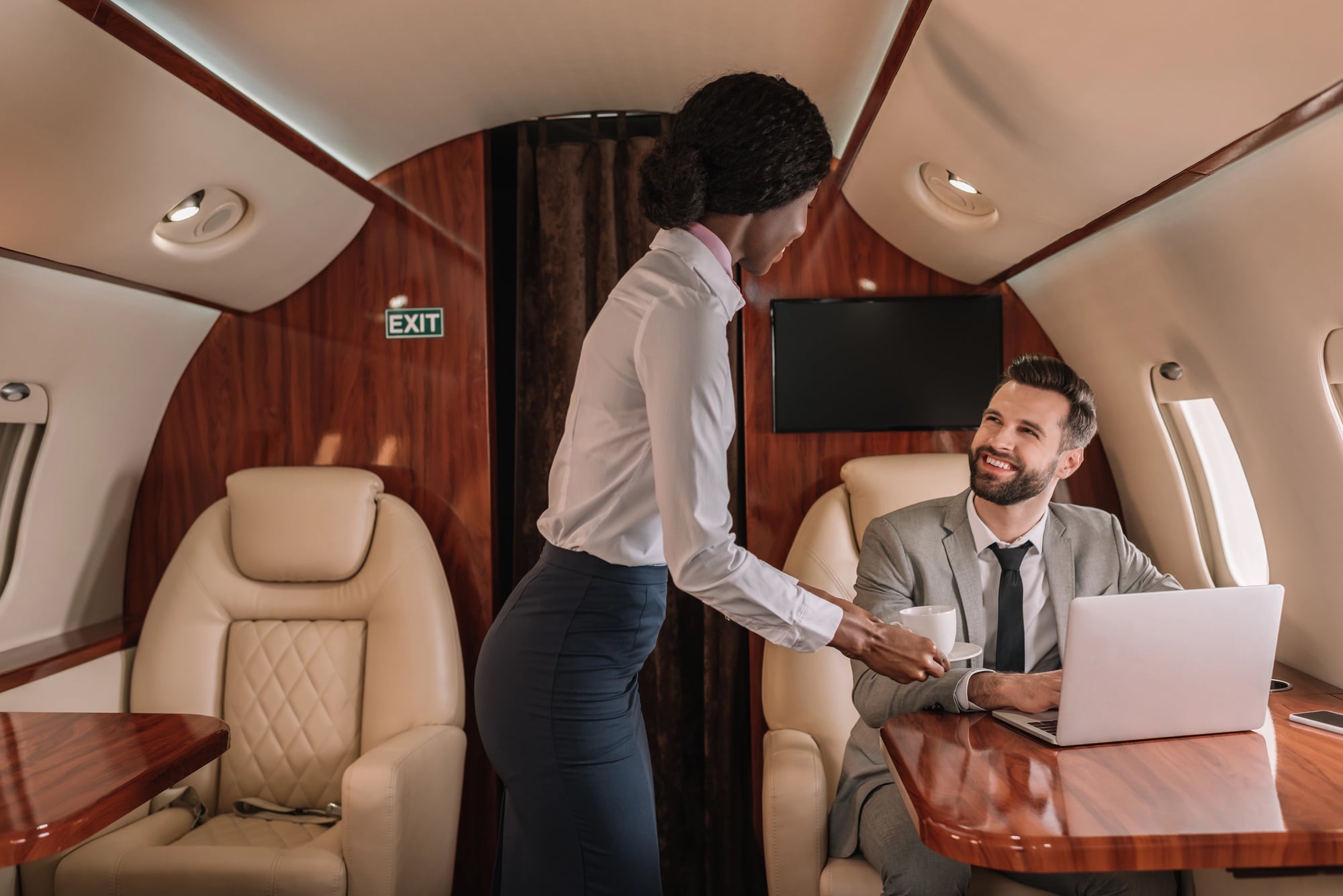
Coffee service used to involve actual cups and saucers, not paper cups with plastic lids. This flight attendant is pouring coffee into china that looks like it belongs in someone’s dining room, not on an airplane.
The ritual of it — the careful pouring, the proper cups, the attention to detail — elevated what could have been a simple beverage service into something that felt more ceremonial. Passengers weren’t just getting caffeine; they were participating in a tradition of hospitality that happened to be taking place at 30,000 feet.
The Luxurious Lounge Area Of A 1970s Wide-Body Jet
Some airplanes used to have actual lounge areas where passengers could stand up, move around, and socialize during flight. This photograph shows what looks more like a hotel bar than part of an airplane — comfortable seating, proper lighting, and enough space for people to gather and have conversations.
The design is distinctly 1970s, but the concept feels almost futuristic from today’s perspective: the idea that air travel could include dedicated social spaces, that flying could be as much about the journey as the destination, that passengers might want to do something other than sit in their assigned seats for the entire flight.
A Flight Attendant’s Detailed Uniform Accessories And Jewelry

The accessories were as important as the uniform itself. This close-up photograph shows the attention paid to every detail — the precisely positioned pin, the coordinated jewelry, the way even small elements like buttons and trim were designed to complement the overall look.
These weren’t afterthoughts or personal choices; they were part of a complete visual package that was supposed to convey professionalism, style, and international sophistication. The level of coordination required — and achieved — is remarkable when you consider that these uniforms had to function in the practical environment of an airplane cabin while maintaining this level of visual polish.
Passengers Relaxing In Spacious Economy Class Seats, 1969
Even economy class used to offer more personal space than many first-class seats provide today. This photograph shows passengers who look genuinely comfortable — reading, sleeping, conversing — without the cramped, sardine-like conditions that characterize modern coach travel.
The seat pitch (the distance between seats) was generous enough that people could actually cross their legs. The armrests appear to be wide enough to accommodate actual human arms. The overall atmosphere is relaxed rather than stressed, which makes sense when passengers had enough physical space to feel human rather than cargo.
A Northwest Orient Flight Attendant In Her Distinctive Red Uniform
Different airlines had distinctive uniform colors and styles that served as visual branding long before marketing departments turned everything into focus groups and demographic studies. Northwest Orient’s red uniform was instantly recognizable and designed to convey both professionalism and approachability.
The cut is tailored but not restrictive, the color is bold without being garish, and the overall effect is of someone who takes her job seriously while maintaining a sense of style and personality. The uniform works as both functional workwear and as part of the larger theater of air travel during an era when flying was still considered special enough to warrant this level of attention to aesthetics.
The Captain And Crew Posing In Front Of Their Aircraft
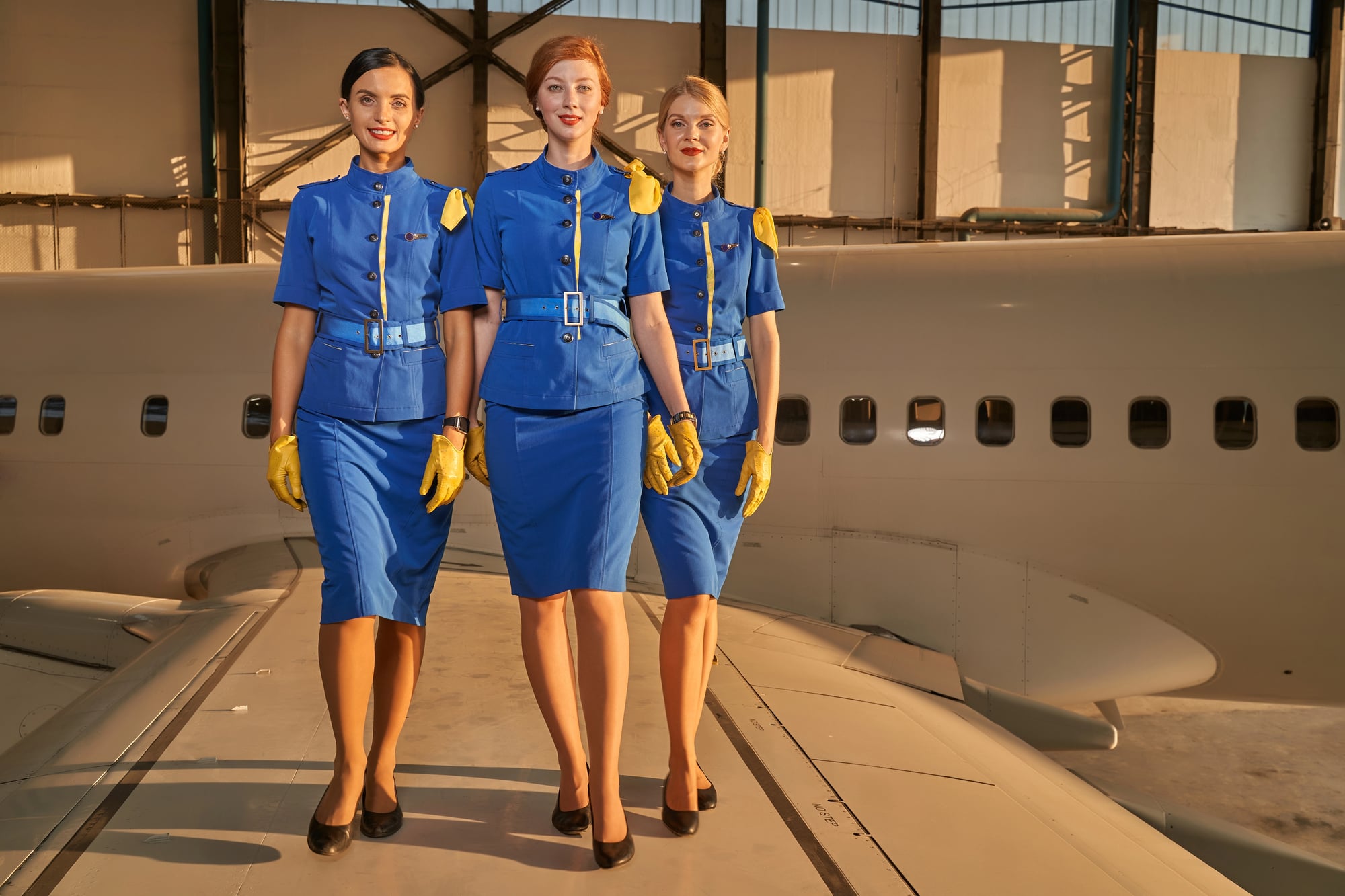
Flight crews used to pose for photographs like they were movie stars rather than transportation workers, and in a way, they were. Air travel was glamorous enough that pilots and flight attendants were genuinely celebrity-adjacent figures — people whose jobs seemed exotic and sophisticated to the general public.
This group photograph captures that sense of pride and professionalism. Everyone looks pressed, polished, and genuinely pleased to be associated with their airline and their aircraft. The airplane in the background is gleaming and modern, representing the cutting edge of technology and the promise of adventure. It’s a reminder that these jobs once carried genuine prestige and that the people who held them understood themselves to be part of something larger and more romantic than simple transportation.
When Flying Felt Like Flying
Those photographs aren’t just historical curiosities — they’re evidence of a time when commercial aviation understood itself as something more ambitious than moving people from one place to another as cheaply and efficiently as possible. Flying was theater, service was art, and passengers were guests rather than cargo.
The glamour wasn’t sustainable, of course. Deregulation made air travel accessible to people who couldn’t afford the premium prices, which meant airlines had to cut costs somewhere, and they cut them everywhere. But looking at these images, it’s hard not to feel that something valuable was lost in the process — not just the champagne service and the china cups, but the entire idea that travel could be elegant, that service could be graceful, and that the journey itself could be worth remembering.
More from Go2Tutors!

- The Romanov Crown Jewels and Their Tragic Fate
- 13 Historical Mysteries That Science Still Can’t Solve
- Famous Hoaxes That Fooled the World for Years
- 15 Child Stars with Tragic Adult Lives
- 16 Famous Jewelry Pieces in History
Like Go2Tutors’s content? Follow us on MSN.



