Constellations Removed From Star Maps And Why
The night sky feels permanent, unchanging — stars arranged in patterns that have guided travelers and storytellers for millennia. But star maps, those careful catalogs of celestial landmarks, have never been as fixed as the constellations they chart.
Throughout history, astronomers have added, subtracted, and reorganized the sky with surprising frequency. Some constellations have vanished entirely from modern charts, erased by shifting scientific standards, cultural politics, or simple practicality.
Argo Navis
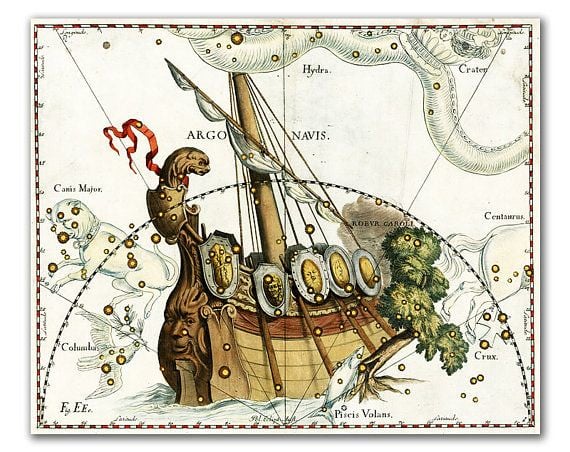
Argo Navis was too big for its own good. The massive constellation represented Jason’s ship from Greek mythology, sprawling across a quarter of the southern sky.
By the 18th century, astronomers found it unwieldy — too large to navigate, too complex to catalog efficiently.
French astronomer Nicolas Louis de Lacaille dismantled it in the 1750s. He carved Argo Navis into four smaller, more manageable pieces: Carina (the keel), Puppis (the stern), Vela (the sails), and Pyxis (the compass).
The original ship disappeared from official star maps, though its brightest star, Canopus, still bears the designation Alpha Carinae — a ghost label from a constellation that no longer exists.
Antinous
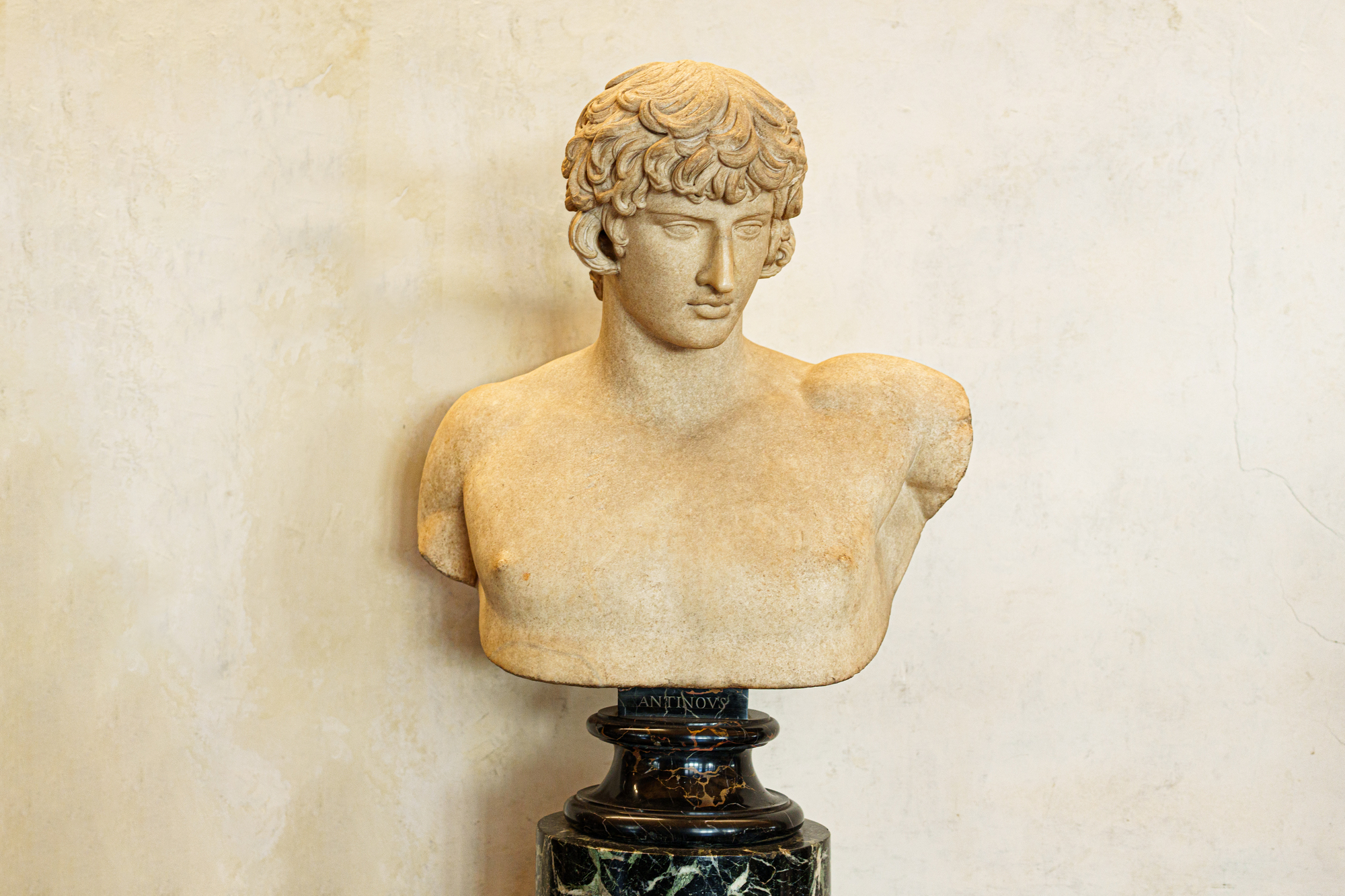
This constellation honored a young man who drowned in the Nile River in 130 CE. Emperor Hadrian, grief-stricken over the loss of his favorite companion, placed Antinous among the stars — a gesture both romantic and politically calculated (since deifying mortals was good imperial propaganda).
For nearly 1,800 years, Antinous occupied a patch of sky near Aquila the Eagle.
The International Astronomical Union eliminated Antinous in 1930 during their great standardization project. The stars that once formed the young man’s figure were absorbed into neighboring constellations.
Modern astronomers decided that personal grief, even imperial grief, wasn’t sufficient justification for cluttering up the official sky.
Quadrans Muralis

Here’s the peculiar thing about legacy: sometimes it outlives the thing that created it. Quadrans Muralis, the Mural Quadrant, commemorated an 18th-century astronomical instrument used for measuring star positions.
The constellation itself lasted barely a century before being absorbed into Boötes, but it left behind something more permanent than most living constellations ever achieve.
Every January, meteor showers streak across the sky from the direction where Quadrans Muralis used to be. Astronomers still call them the Quadrantids — named for a constellation that hasn’t existed for over a century.
So the stars themselves vanished from the maps, but the meteor shower carries on like a postal service delivering mail to an address that was demolished long ago. The sky remembers what the charts forgot, and every winter reminds us that some absences are more persistent than presence ever was.
Noctua

Noctua represented a small owl perched on the tail of Hydra, the water snake. French astronomer Pierre Charles Le Monnier created it in 1776, carving out a few faint stars that seemed too dim and scattered to command much attention.
The constellation never gained widespread acceptance. Other astronomers found it unnecessary — the stars were perfectly fine as part of Hydra, and adding a tiny owl clutching a massive serpent struck many as more whimsical than useful.
Noctua faded from star charts within decades, leaving behind no meteor showers, no bright stars, and no particular regrets.
Honores Friderici
This constellation existed for one reason: shameless flattery. Johann Bode created Honores Friderici (the Honors of Frederick) in 1787 to celebrate Frederick the Great of Prussia.
The star pattern supposedly resembled military honors and medals, though it’s unclear whether anyone besides Bode could make out the resemblance.
Political constellations tend to have short lifespans, and this one proved no exception. After Frederick’s death and Prussia’s declining influence, astronomers lost interest in preserving his celestial memorial.
The stars returned to their original constellations, and royal honors disappeared from the night sky — which seems appropriate, since earthly honors rarely survive the rulers who bestowed them.
Officina Typographica

The Printing Office might be the most optimistically modern constellation ever created. Bode introduced it in 1801, during an era when printing technology was revolutionizing how knowledge spread across Europe.
He carved out a small patch of southern sky and dedicated it to the noble art of typography.
But constellations drawn from contemporary technology age poorly, like naming a star after your favorite smartphone. And this one had the additional problem of being invisible from most of Europe — Bode created a southern constellation that his northern colleagues couldn’t observe.
The Printing Office was quietly removed from star charts, and its stars were redistributed to more established constellations. Turns out the printing press was revolutionary for books, not so much for astronomy.
Tarandus
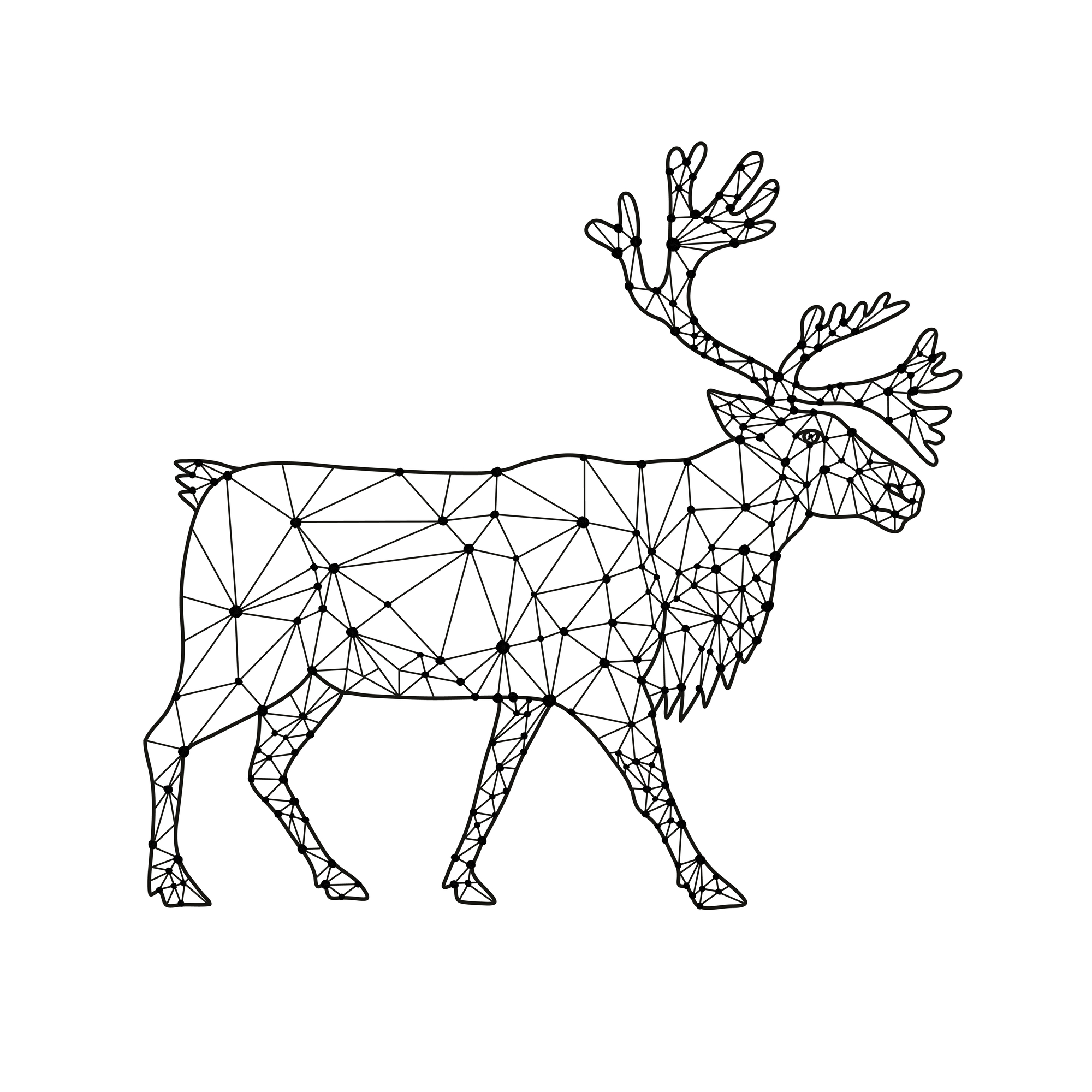
Tarandus represented a reindeer wandering between Auriga and Perseus. French astronomer Pierre Charles Le Monnier created it in 1736, possibly inspired by the exotic animals being brought back from Arctic expeditions.
The reindeer occupied a sparse region of sky with few bright stars — appropriate for an animal adapted to barren landscapes.
The constellation never caught on with other astronomers. Reindeer, however charming, lacked the mythological weight of lions, eagles, and hunters.
By the 19th century, Tarandus had vanished from most star charts, its stars absorbed back into surrounding constellations. The Arctic sky returned to being populated by Greek heroes rather than Arctic wildlife.
Machina Electrica

Johann Bode had a weakness for commemorating scientific instruments in the sky. Machina Electrica, the Electrical Machine, celebrated the static electricity generators that fascinated 18th-century scientists.
Bode placed it near Fornax, apparently believing that electrical apparatus deserved permanent representation among the stars.
The constellation disappeared along with most of Bode’s technological tributes. Static electricity machines became obsolete, and astronomers grew tired of maintaining constellations that honored outdated equipment.
The stars went back to Fornax and neighboring constellations, leaving electrical science to find other ways to remember its history.
Sceptrum Brandenburgicum
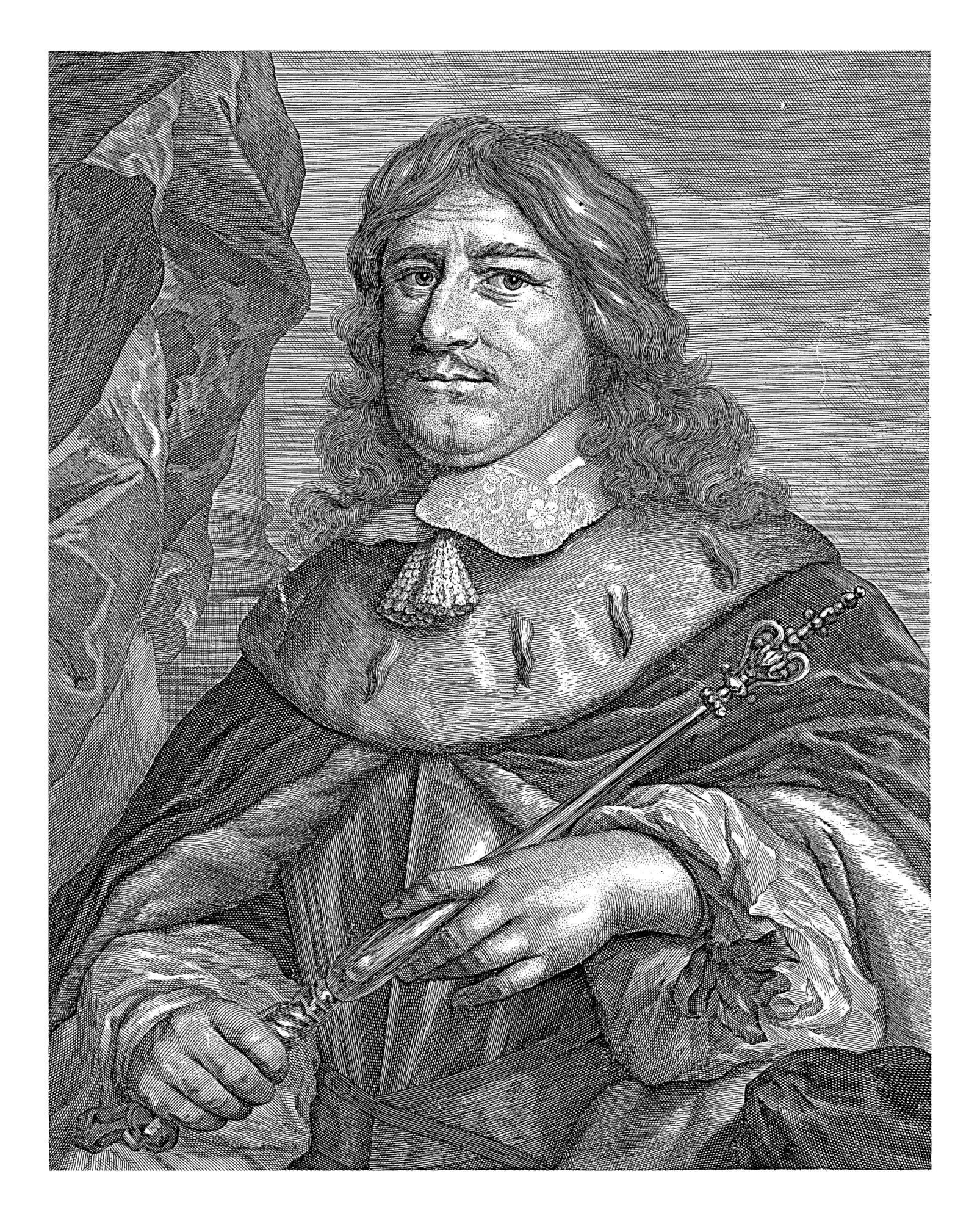
The Brandenburg Scepter was another of Bode’s political constellations, created in 1688 to honor the Elector of Brandenburg. The scepter stretched across a region between Eridanus and Lepus, supposedly resembling the royal staff carried by Prussian rulers.
Political astronomy has always been risky — rulers fall, borders change, and royal scepters lose their relevance. This constellation survived longer than some, lasting nearly two centuries before the International Astronomical Union’s 1930 standardization eliminated it.
The stars returned to their original constellations, and Brandenburg’s celestial scepter joined the growing collection of political monuments that once decorated the sky.
Globus Aerostaticus

The Hot Air Balloon constellation commemorated one of the 18th century’s most exciting technological achievements. Bode created Globus Aerostaticus in 1798, inspired by the Montgolfier brothers’ successful balloon flights.
He placed it in a sparse region of the southern sky, where it floated near Piscis Austrinus.
But balloons, like many technological marvels, proved more historically significant than astronomically necessary. The constellation gradually faded from star charts as astronomers focused on more traditional star patterns.
The hot air balloon descended from the sky, leaving its stars to be redistributed among neighboring constellations. Sometimes progress moves too fast for the stars to keep up.
Felis

Felis was simply a cat — not a mythological creature or a scientific instrument, just a domestic cat crouched between Antlia and Hydra. French astronomer Jérôme Lalande created it in 1805, reportedly declaring that he was tired of dogs having multiple constellations while cats had none.
The cat constellation never gained official recognition from other astronomers. While Lalande’s frustration with canine favoritism in the sky was understandable (Canis Major, Canis Minor, and others), his solution didn’t catch on.
Felis disappeared from star charts within decades, though cat lovers occasionally still point to those stars and remember when felines briefly claimed their place among the constellations.
Turdus Solitarius

The Solitary Thrush occupied a small patch of sky near Hydra, created by French astronomer Pierre Charles Le Monnier in 1776. The constellation represented a type of bird found on remote islands, known for its haunting song and preference for isolation.
Even by 18th-century standards, a solitary thrush seemed like an odd choice for immortalization among the stars. The constellation failed to attract support from other astronomers and gradually vanished from star maps.
The thrush’s brief celestial existence proved as solitary as the bird it represented — flying alone across the sky before disappearing entirely.
Lochium Funis

The Log Line constellation celebrated maritime navigation — specifically, the rope and wooden device sailors used to measure their ship’s speed. Bode created it in 1801, placing it near Pyxis (the compass) in what seemed like a logical grouping of navigational instruments.
Maritime themes made sense for constellations, given astronomy’s close relationship with navigation. But the log line was too technical, too specific to resonate with astronomers who preferred broader, more universal symbols.
The constellation sank from star charts, its stars redistributed to nearby constellations. Navigation found better representation in the compass and sextant constellations that survived the standardization process.
Looking Back At The Vanished Sky

These lost constellations reveal something about how humans organize the cosmos — and how those organizations change when the culture that created them shifts. The night sky we navigate today is tidier than the one astronomers knew 300 years ago, when star charts overflowed with hot air balloons, printing presses, and royal scepters.
The International Astronomical Union’s 1930 standardization created the 88 official constellations we recognize now, but in doing so, it erased dozens of others that once seemed just as permanent.
Some losses were inevitable. Constellations created to flatter long-dead rulers or commemorate obsolete technology were always going to struggle for relevance.
Others, like the dismantling of Argo Navis, served practical purposes that made astronomy more manageable. But each erasure also eliminated someone’s attempt to see meaning in a particular arrangement of stars — whether that meaning honored a drowned companion, celebrated a new invention, or simply gave cats equal representation in the sky.
More from Go2Tutors!

- The Romanov Crown Jewels and Their Tragic Fate
- 13 Historical Mysteries That Science Still Can’t Solve
- Famous Hoaxes That Fooled the World for Years
- 15 Child Stars with Tragic Adult Lives
- 16 Famous Jewelry Pieces in History
Like Go2Tutors’s content? Follow us on MSN.



