18 Unusually Long Scientific Names (Non-Amphipods)
Scientific naming follows a system created by Carl Linnaeus in the 1750s, where every living thing gets a two-part Latin name. Most scientific names are reasonably short and pronounceable, but some scientists have pushed the boundaries of what’s acceptable. Whether honoring impossibly long place names, cramming descriptive details into a single word, or simply showing off their classical language skills, researchers have created some truly marathon monikers.
Here is a list of 18 scientific names that will make your tongue twist and your spell-checker surrender.
Myxococcus llanfairpwllgwyngyllgogerychwyrndrobwllllantysiliogogogochensis

This bacterial heavyweight holds the record for the longest scientific name ever published, clocking in at 73 letters. The researchers who discovered this myxobacterium in Welsh soil decided to name it after the famous Welsh town with an equally ridiculous name. The town name was actually created as a publicity stunt in the 1860s, and now a bacterium shares its fame for being utterly unpronounceable.
Parastratiosphecomyia stratiosphecomyioides
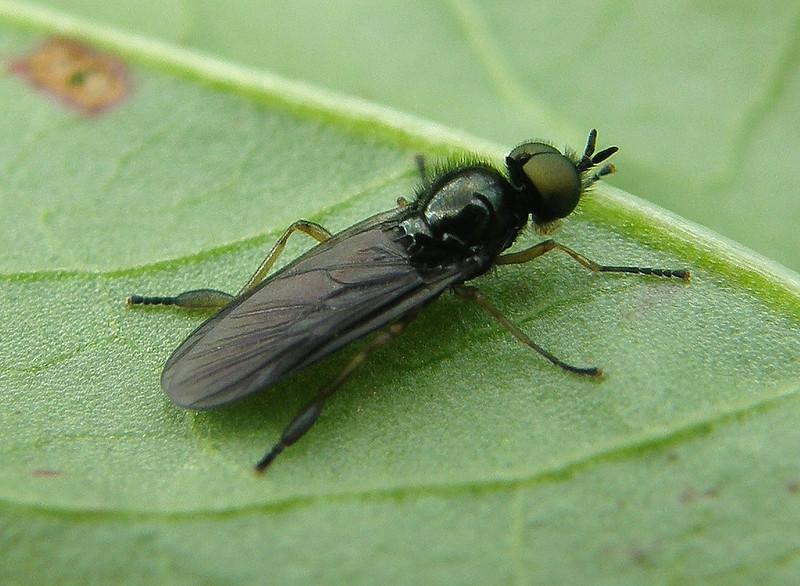
At 42 letters, this Southeast Asian soldier fly holds the title for the longest valid animal name. The name basically means ‘near soldier wasp-fly that looks like a wasp-fly,’ which seems redundant until you realize taxonomists needed to distinguish it from other similar flies. Despite its impressive name, the actual fly is tiny and metallic green, proving that size definitely doesn’t matter in the naming game.
Thermoanaerobacterium thermosaccharolyticum

This anaerobic bacterium’s name is a mouthful at 35 letters, but it’s actually quite descriptive. The name tells you everything you need to know: it’s a bacterium that loves heat and breaks down sugars without oxygen. Originally placed in a different genus with a shorter name, it got this extended moniker when scientists reclassified it based on DNA analysis.
Alkalihalobacterium alkalicellulosilyticum

Another bacterial champion, this 34-letter name describes a microbe that thrives in extremely alkaline and salty conditions while breaking down cellulose. The name was recently corrected from its original masculine ending to a neutral one when scientists realized the genus name was neuter, not masculine. Even bacteria names need proper grammar.
Halodesulfovibrio spirochaetisodalis

This 33-letter bacterial name describes a salt-loving, sulfur-reducing microbe that was isolated from marine soil in India. The name references its curved shape and its ability to produce antibiotics. Scientists discovered it while looking for new sources of natural antibiotics, proving that sometimes the longest names belong to the most useful organisms.
Crepidiastrixeris denticulatoplatyphylla

Moving into the plant kingdom, this 39-letter name belongs to a flowering plant that sports both tiny teeth on its leaves and broad, flat foliage. The name was originally hyphenated but modern rules prefer removing hyphens from scientific names. Botanists created this lengthy description to capture the plant’s distinctive leaf characteristics in a single word.
Ornithogalum adseptentrionesvergentulum

This 38-letter plant name belongs to a member of the lily family. The specific epithet roughly translates to ‘turning toward the north,’ which might describe the plant’s growth pattern or the direction its flowers face. Plant names often get lengthy when botanists try to cram geographical and morphological information into the species name.
Ophiognomonia clavigignenti-juglandacearum
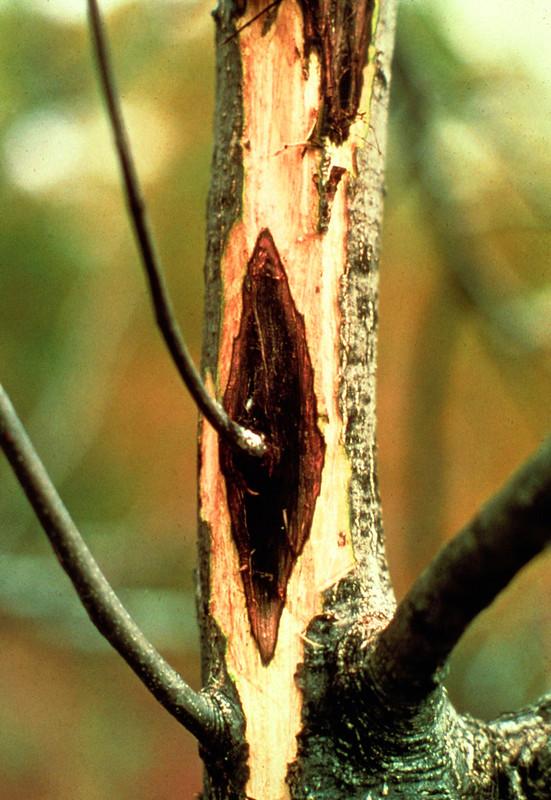
This 37-letter fungal name describes the pathogen that causes butternut canker, a disease that’s devastating North American butternut trees. The name was extended when the fungus was moved from one genus to another, picking up extra letters in the process. The name references both its club-shaped spores and its preference for walnut family trees.
Griseotyrannus aurantioatrocristatus
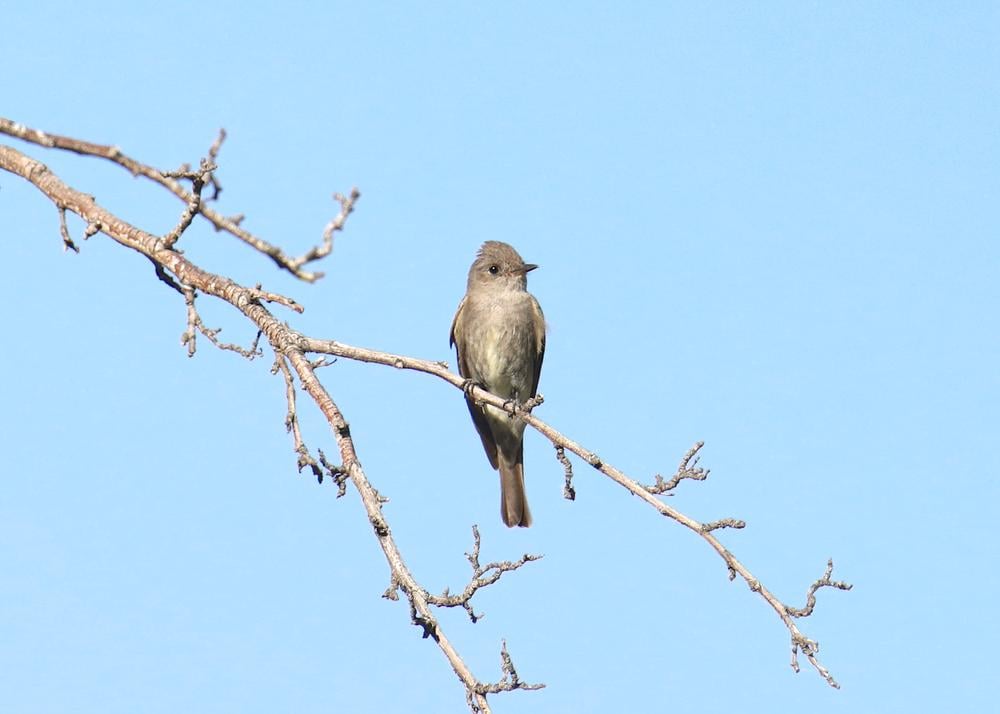
This 32-letter name belongs to the crowned slaty flycatcher, a South American bird with gray plumage and an orange-black crest. When scientists moved it from one genus to its own private genus, it gained the distinction of having the longest bird name on record. The name perfectly describes its coloration, though saying it three times fast remains impossible.
Hemisphaerocoryphe pseudohemicranium
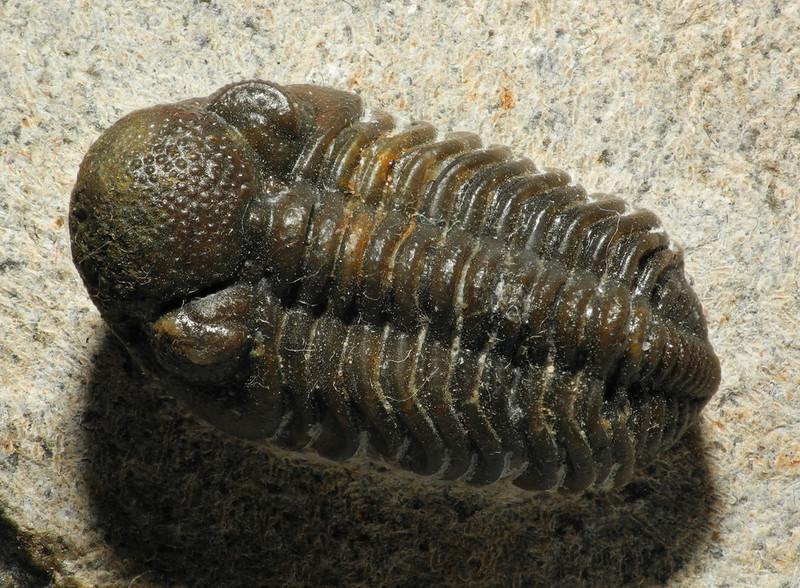
This 31-letter fossil trilobite name from Estonia packs a lot of description into its moniker. The name describes its dome-shaped head region and references its similarity to other trilobite genera. Paleontologists often create lengthy names when trying to capture the subtle differences between closely related extinct species.
Pseudoperissocytheridea parahieroglyphica
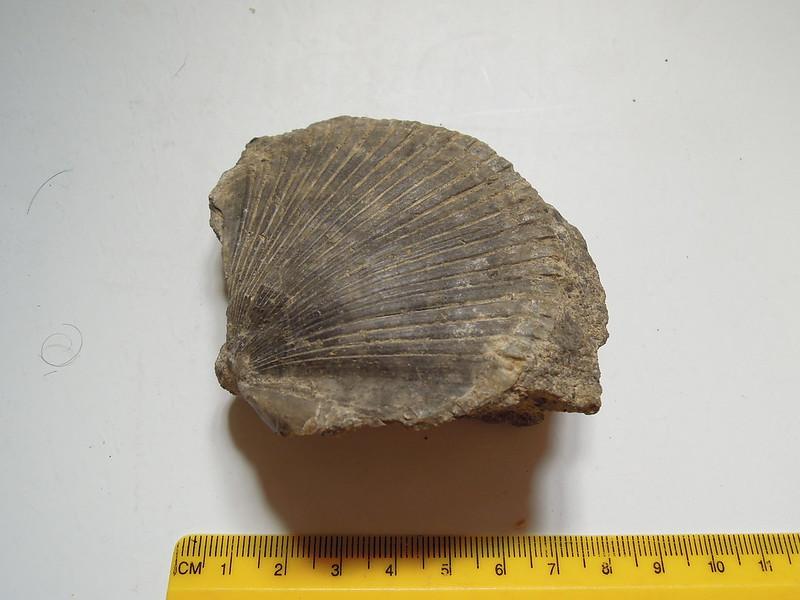
Another 30-letter fossil name, this one belonging to an extinct ostracod (tiny crustacean). The name suggests it has hieroglyph-like markings on its shell, which must have impressed the paleontologist who first described it. Fossil names tend to grow longer as scientists try to distinguish between increasingly similar ancient species.
Betacoronavirus pandemicum

This recently coined virus name represents the new binomial naming system for viruses, similar to what botanists and zoologists have used for centuries. At 27 letters, it’s not the longest name on this list, but it represents thousands of virus species getting new formal names. The name obviously references the recent pandemic, though scientists can still use ‘SARS-CoV-2’ in everyday conversation.
Orthoflavivirus nilense

Another example of the new virus naming system, this 23-letter name is the formal designation for West Nile virus. The old system allowed viruses to have multiple informal names, leading to confusion. The new system brings viral taxonomy in line with the rest of biology, even if some scientists think the names are unnecessarily pompous.
Lentivirus humimdef1

This 20-letter name is the new formal designation for HIV-1, replacing the descriptive common name with a binomial format. Many virologists resist using these new formal names, preferring the familiar abbreviations they’ve used for decades. The transition period has created some confusion, with both naming systems currently in use.
Idaeovirus rubi

At 14 letters, this raspberry virus name isn’t particularly long by the standards of this list, but it represents how even shorter scientific names can pack meaning. The name references both the genus of the virus and the raspberry plant it infects. Virus names often incorporate host plant information, creating compound terms that sound more complex than they are.
Triavirus phi2958PVL

This 18-letter virus name includes alphanumeric designations, which the new naming system allows. The combination of letters and numbers helps scientists track specific viral strains while maintaining the binomial format. These hybrid names represent a compromise between traditional naming conventions and modern molecular identification methods.
Vesiculovirus indiana

This 20-letter name follows the traditional binomial format more closely, using a latinized geographic reference for the species name. The name refers to vesicular stomatitis virus, which was first isolated in Indiana. Geographic references in virus names help scientists track disease origins and spread patterns.
Potyvirus species
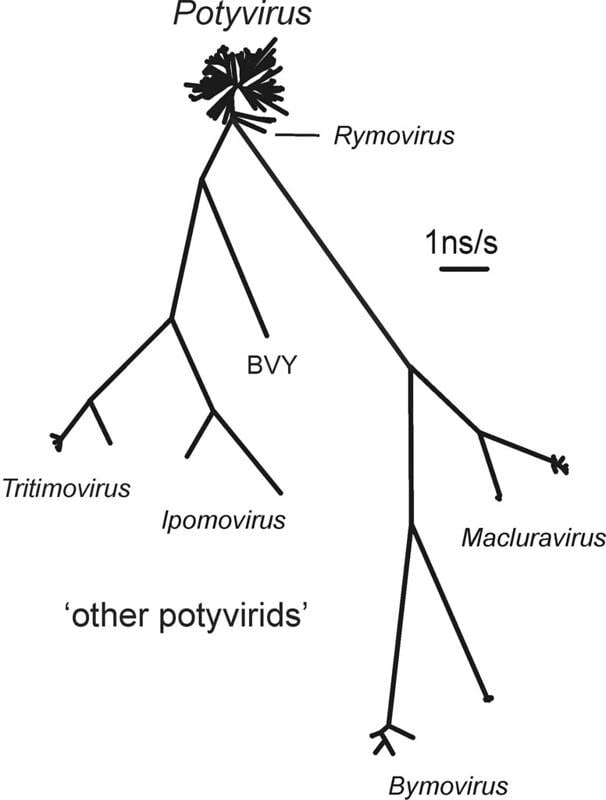
While not exceptionally long at 16 letters, this represents thousands of plant viruses that are gradually receiving binomial names. The genus Potyvirus includes many agriculturally important plant pathogens that cause significant crop losses worldwide. Each species will eventually receive its own formal binomial designation.
The Persistence of Pronunciation Problems

These linguistic marathons reveal how scientific naming has evolved from Linnaeus’s simple system into something approaching performance art. While most scientists appreciate descriptive names that convey useful information, there’s a growing debate about whether 73-letter bacterial names serve any practical purpose. The Welsh bacterium’s name might be a record-breaker, but pronouncing it correctly requires more skill than most microbiologists possess. As DNA sequencing makes species identification easier, perhaps future scientists will favor shorter, more practical names over these impressive but impractical linguistic monuments.
More from Go2Tutors!

- 16 Historical Figures Who Were Nothing Like You Think
- 12 Things Sold in the 80s That Are Now Illegal
- 15 VHS Tapes That Could Be Worth Thousands
Like Go2Tutors’ content? Follow us on MSN.



