17 Websites That Were Huge for One Month
The internet moves fast. One day a website is nobody, the next it’s getting millions of visitors, and a month later it’s forgotten. It’s the digital equivalent of a one-hit wonder, except instead of a catchy song, it’s usually something completely ridiculous that captures everyone’s attention for exactly long enough to burn bright and fade away.
Some sites crash and burn because they can’t handle the traffic. Others just lose their novelty once the joke gets old. Here’s a list of 17 websites that ruled the internet for about a month before disappearing into digital history.
The Million Dollar Homepage
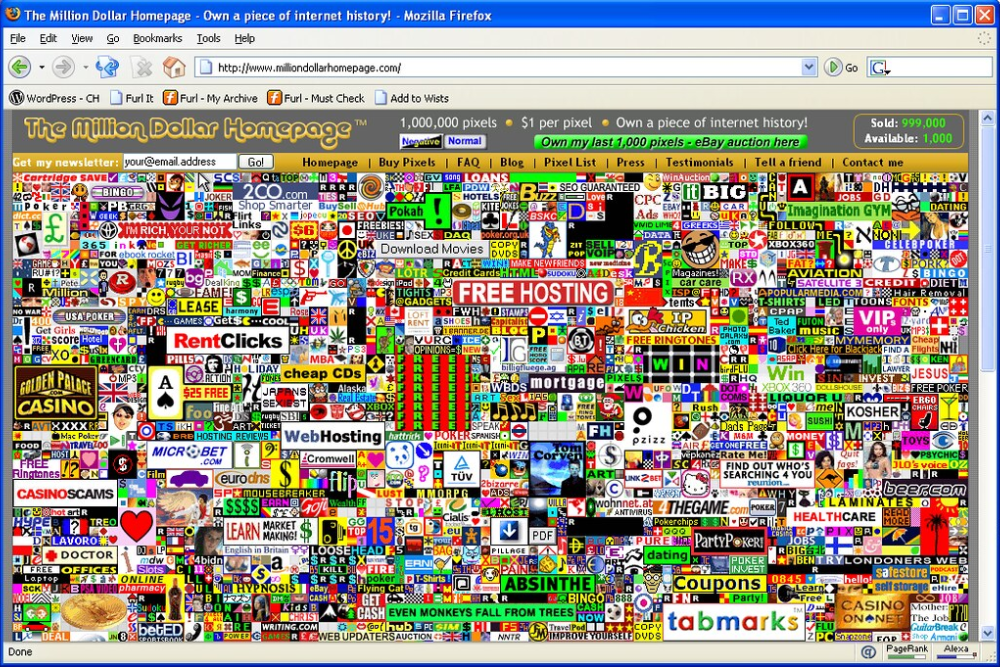
Back in 2005, a broke college student named Alex Tew had a brilliant idea: sell pixels on a webpage for a dollar each. The Million Dollar Homepage was exactly what it sounds like—a million pixels arranged in a 1000×1000 grid, with each pixel sold as advertising space.
The concept was so absurd that it worked perfectly, attracting massive media attention and curious visitors who couldn’t believe someone was actually selling virtual real estate one pixel at a time.
Zombo.com
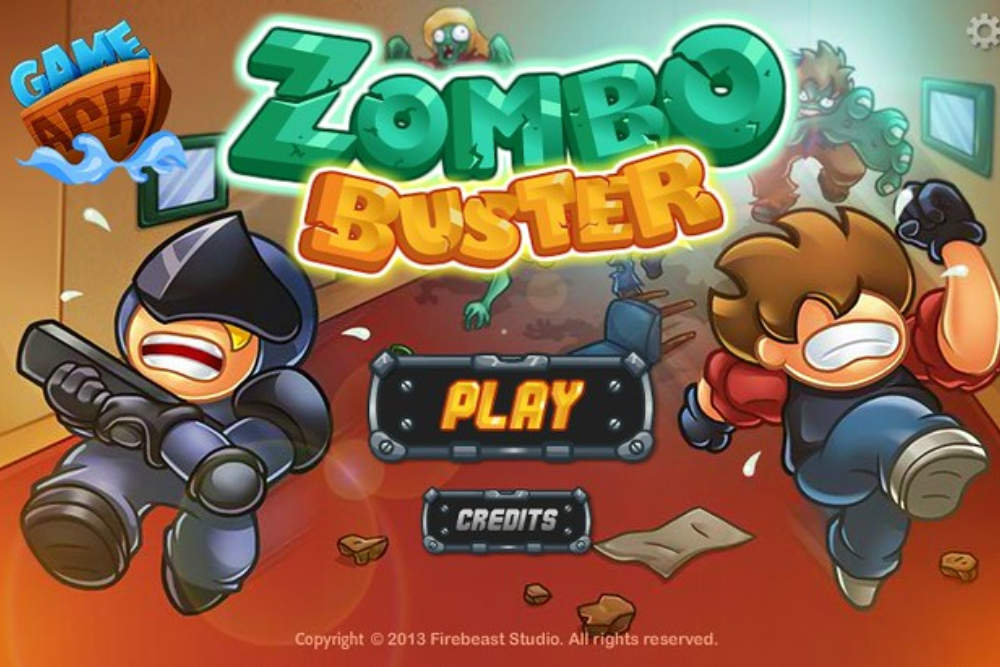
This site did absolutely nothing except play a looping audio clip telling visitors they could do anything at Zombo.com. The page never loaded any actual content, just an endless stream of encouragement about the infinite possibilities that awaited.
People shared it everywhere because of its beautiful absurdity—a website that promised everything and delivered nothing but motivational nonsense.
Like Go2Tutors’s content? Follow us on MSN.
Hampster Dance

One of the earliest viral websites featured rows of animated hamsters dancing to a sped-up sample from a Disney song. The site had no purpose beyond watching tiny rodents wiggle to annoying music, but it perfectly captured the early internet’s love for pointless entertainment.
Millions of people visited just to see what the fuss was about, then immediately regretted their life choices.
Is It Christmas?

This website answered one crucial question: is it Christmas? The site displayed either ‘YES’ or ‘NO’ in large letters, updating once per year.
Despite its simplicity, it went viral because people found the commitment to such a specific, limited-use website hilarious. The joke was that someone actually built and maintained a site that was only useful one day per year.
Purple.com

Before Google dominated search, Purple.com tried to be a search engine with personality. The site featured a bright purple background and claimed to make searching more fun and colorful.
It gained massive attention for a few weeks as people curious about this Google alternative flooded the servers, but the novelty wore off quickly when users realized the search results weren’t actually better than existing options.
Like Go2Tutors’s content? Follow us on MSN.
Time Cube

Created by Gene Ray, this website presented his ‘theory’ that each day actually contains four simultaneous days occurring in the same 24-hour period. The site was a wall of rambling text in various fonts and colors, making wild claims about time, education, and society.
It became internet famous for being completely incomprehensible, attracting visitors who wanted to experience the madness firsthand.
Dancing Baby

This site hosted the original 3D-rendered dancing baby animation that later appeared on TV shows and email forwards. The creepy computer-generated infant doing a cha-cha became one of the first internet memes to cross over into mainstream media.
People visited the site obsessively, downloading the animation to share with friends who hadn’t yet witnessed the disturbing spectacle.
All Your Base Are Belong To Us
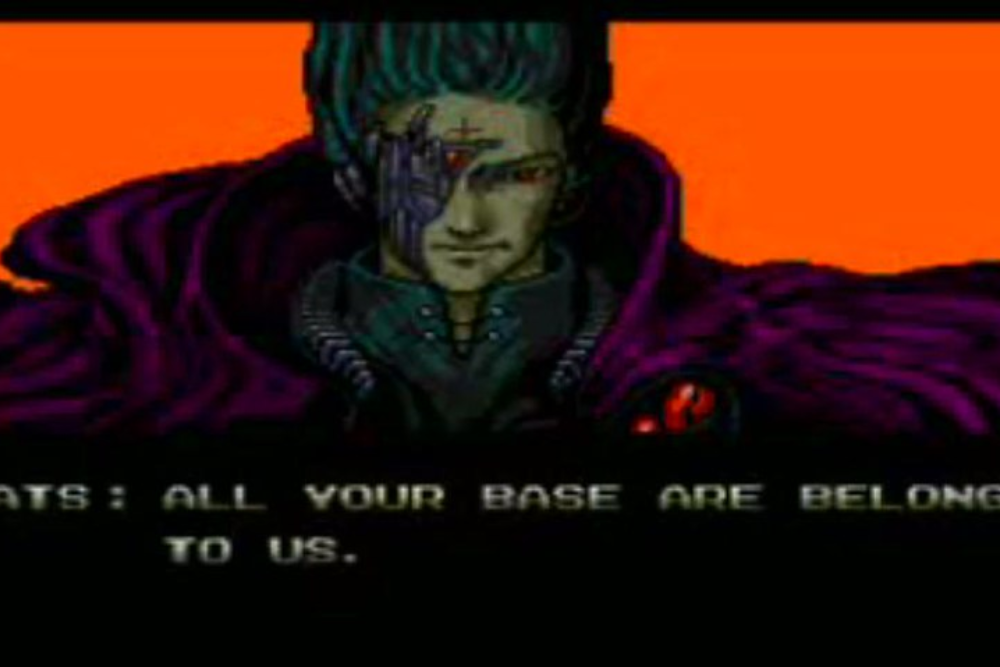
Based on a poorly translated line from a Japanese video game, this site showcased the meme that took over the internet in 2001. The phrase was edited into photos, videos, and other images, creating a viral phenomenon that introduced many people to the concept of internet culture.
The site served as headquarters for the meme, collecting submissions and spreading the joke further.
Like Go2Tutors’s content? Follow us on MSN.
Peanut Butter Jelly Time

This site featured a dancing banana singing about peanut butter jelly time to an infectious beat. The simple Flash animation became hugely popular, spawning countless remixes and parodies.
People couldn’t stop visiting the site to watch the banana dance, even though the novelty should have worn off after about thirty seconds.
Badger Badger Badger
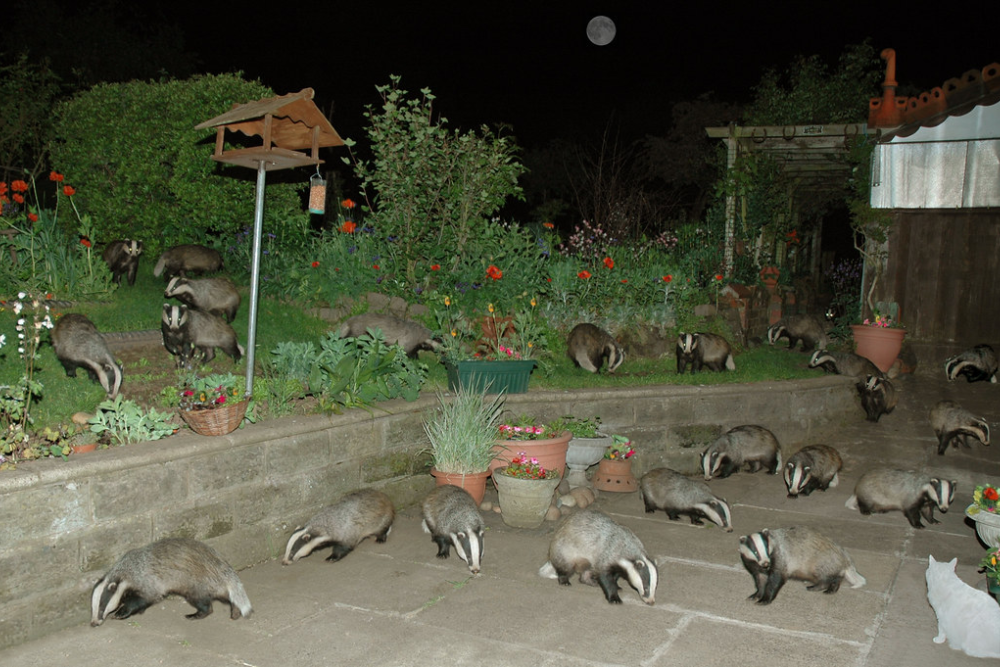
Created by the same person behind the dancing banana, this site showed animated badgers bouncing while a voice repeated ‘badger’ over and over, occasionally interrupted by ‘mushroom’ and ‘snake.’ The hypnotic repetition somehow became addictive, with visitors returning multiple times to watch the endless loop.
The site’s popularity proved that internet users would watch literally anything if it was weird enough.
I Love Bees

This alternate reality game served as marketing for Halo 2, but most visitors had no idea it was an advertisement. The site appeared to be hacked by an AI, displaying cryptic messages and GPS coordinates that led players on real-world treasure hunts.
The mystery generated massive traffic as people tried to solve puzzles and uncover the truth behind the strange messages.
Like Go2Tutors’s content? Follow us on MSN.
Subservient Chicken
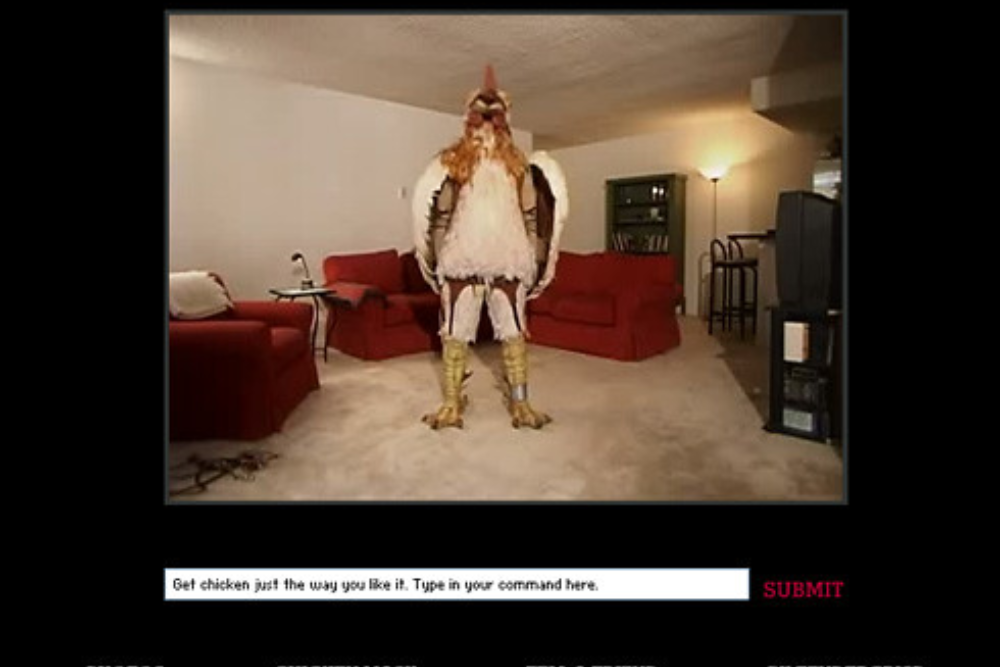
Burger King created this interactive website featuring a person in a chicken costume who would perform commands typed by visitors. You could tell the chicken to dance, exercise, or just stand there, and it would actually do it through pre-recorded video responses.
The novelty of controlling a human-sized chicken through the internet attracted millions of curious visitors who spent way too much time giving commands to poultry.
Strong Bad Email
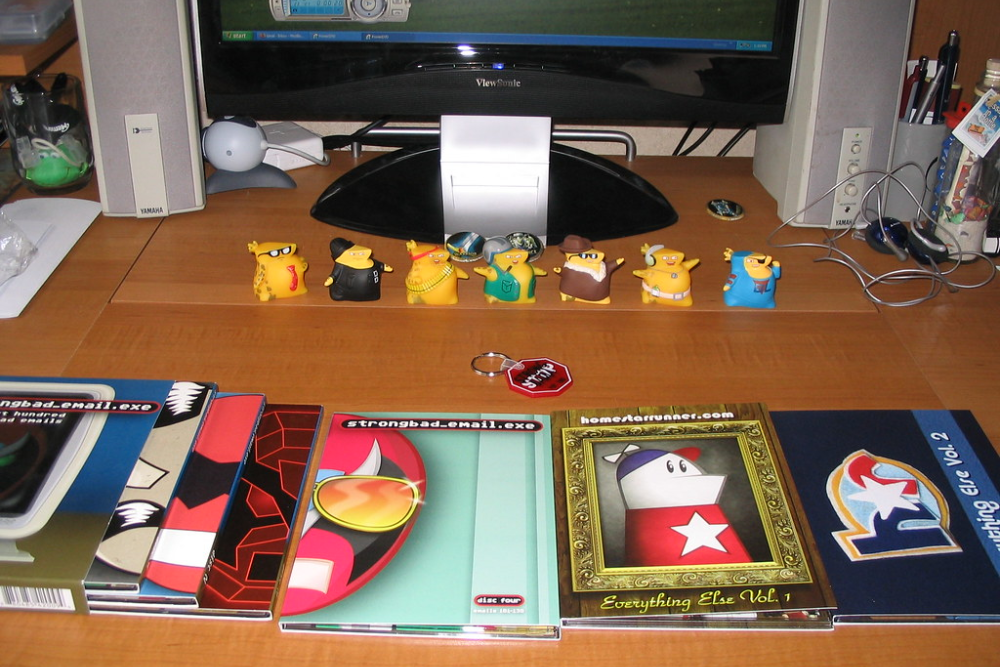
This site featured a character called Strong Bad answering viewer emails in Flash animations. The humor was absurd, and the animations were deliberately crude, but the combination worked perfectly for early 2000s internet culture.
New episodes generated massive traffic spikes as fans rushed to see Strong Bad’s latest responses to ridiculous questions about everything from career advice to relationship problems.
Salad Fingers
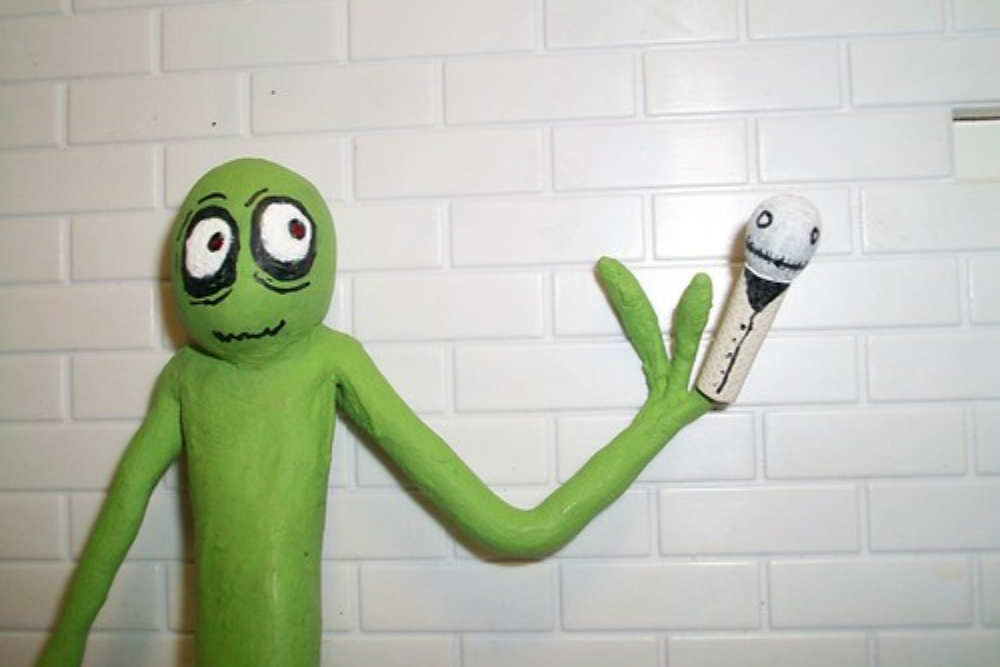
This deeply disturbing Flash animation series featured a green character with long fingers who spoke in a creepy voice about rusty spoons and other bizarre topics. The psychological horror elements attracted viewers who couldn’t look away from the nightmare fuel, creating a cult following.
People visited the site obsessively, both fascinated and horrified by the unsettling content.
Like Go2Tutors’s content? Follow us on MSN.
Joe Cartoon
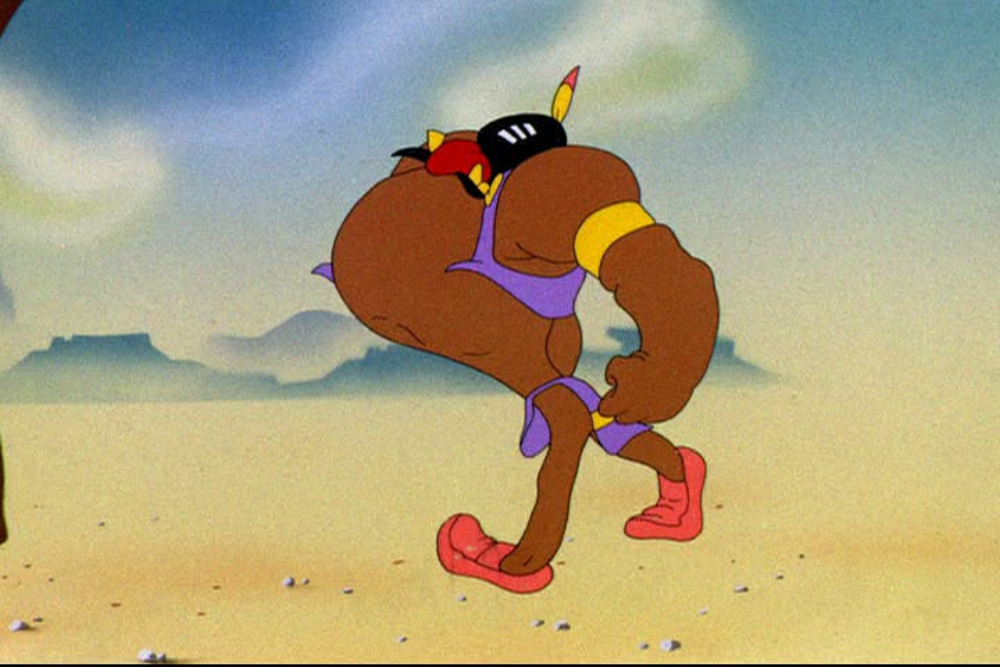
This site hosted violent Flash animations featuring characters getting killed in creative ways, often involving household appliances or office equipment. The dark humor and shocking content attracted huge audiences who shared the animations with friends as digital shock value.
The site’s popularity peaked when everyone was discovering what Flash animation could do, especially when it involved cartoon violence.
Stick Death
Similar to Joe Cartoon but focused specifically on stick figure violence, this site featured simple animations of stick people meeting gruesome ends. The minimalist art style somehow made the violence more palatable and shareable.
Visitors flocked to see new ways stick figures could be eliminated, turning cartoon death into entertainment.
End of the World

This Flash animation depicted various countries launching nuclear weapons while a narrator provided commentary in different accents. The apocalyptic humor resonated with early 2000s audiences who found geopolitical destruction hilarious when presented as a cartoon.
The site’s traffic exploded as people shared the animation, making nuclear war unexpectedly quotable.
Like Go2Tutors’s content? Follow us on MSN.
When Novelty Becomes Nostalgia

These websites remind us that internet fame is often fleeting, built on moments when something perfectly captures the collective mood or sense of humor. Most of these sites are still technically accessible, but they exist now as digital museums rather than active entertainment.
They represent a time when the internet was smaller and weirder, when a single ridiculous idea could unite millions of people in shared bewilderment or joy.
More from Go2Tutors!

- 16 Restaurant Chains That Went Too Fast
- 12 Things Sold in the 80s That Are Now Illegal
- 15 Strange Things People Have Tried to Ban (And Failed)
- 16 Collectibles People Tossed Out Too Soon
- 17 Myths from Your Childhood That Were Actually Based on Real Things
Like Go2Tutors’s content? Follow us on MSN.