18 Unconventional Superstitions Held By Stage Actors
Theater has always been a world where tradition meets mystery. Performers who spend their lives under the spotlight have developed some of the strangest beliefs imaginable, passed down through generations like sacred rituals that no one dares to break.
These aren’t your everyday superstitions. Let’s explore the odd traditions that actors swear by before every curtain call.
The Scottish Play Curse

Saying the name of Shakespeare’s tragedy about a Scottish king inside a theater is considered catastrophic. Actors refer to it only as ‘the Scottish play’ or ‘the Bard’s play’ to avoid disaster.
The superstition stems from centuries of accidents, injuries, and even deaths associated with productions of this particular work. If someone slips up and speaks the forbidden title, they must leave the theater, spin around three times, spit, curse, and then knock to be let back in.
Peacock Feathers Bring Ruin

Bringing peacock feathers anywhere near a theater is asking for trouble. The eye-like patterns on the feathers are believed to cast an evil gaze on the production.
Many theaters refuse to use them in costumes or set designs. Some productions have been canceled or plagued with problems simply because someone innocently brought these decorative plumes backstage.
Whistling Backstage Summons Disaster
Whistling in a theater is one of the fastest ways to anger fellow performers. This belief comes from the old days when stagehands used whistle signals to coordinate set changes and fly systems.
An accidental whistle could cause scenery to drop on someone’s head. The tradition stuck even after theaters modernized their systems, and actors still scold anyone who whistles in the wings.
Mirrors Face The Wall

Mirrors in dressing rooms should never reflect the stage or performance space. Actors often turn them around or cover them with cloth before a show.
The superstition suggests that mirrors can trap souls or steal the energy needed for a convincing performance. Some believe a mirror breaking during a show means seven years of failed auditions rather than just bad luck.
Ghost Lights Keep Spirits Happy

Every theater leaves a single light burning on stage when the building is empty. This bare bulb on a simple stand serves two purposes: it prevents people from falling into the orchestra pit in the dark, and it appeases the theater ghosts who want to perform when humans aren’t around.
Theaters without ghost lights reportedly experience more unexplained accidents and technical failures.
Green Costumes Court Catastrophe

Wearing green on stage has long been considered unlucky, particularly in British theater. The superstition may come from the days when green dyes contained arsenic and actually made performers sick.
Others say green blends too well with natural outdoor settings where traveling performers once worked, making actors invisible to audiences. Either way, costume designers often avoid the color entirely or use it sparingly with protective rituals.
Flowers Before The Final Curtain

Receiving flowers before the last performance of a run supposedly jinxes the entire production. Admirers must wait until after the final curtain falls to present bouquets.
Early flowers suggest the show is already over in spirit. Performers who receive premature blooms often refuse them or pass them along to avoid the curse, no matter how beautiful the arrangement.
Bad Dress Rehearsal Means Good Opening
A disastrous final dress rehearsal actually brings relief to theater people. They believe a terrible run-through uses up all the bad luck before opening night.
Forgotten lines, broken props, and missed cues during the dress rehearsal become signs that the premiere will be flawless. Directors sometimes breathe easier when everything goes wrong during this last practice.
Blue Replaces Certain Colors

Instead of wishing someone ‘good luck’ backstage, performers say ‘break a leg’ because stating positive outcomes directly invites the opposite. The phrase might come from bending your knee in a curtain call bow, or from understudies hoping the lead would literally break a leg so they could perform.
Saying the actual words ‘good luck’ is considered a guarantee that something will go wrong.
Soap In The Dressing Room

Keeping a bar of soap in the dressing room wards off bad luck and poor performances. Some actors never perform without their lucky soap nearby.
The tradition’s origins remain murky, but performers treat their theater soap with reverence. Using someone else’s soap or removing it from the dressing room can cause serious offense and supposedly ruins upcoming shows.
Real Money Never Appears On Stage

Productions never use actual currency as props. Fake bills and coins must stand in for the real thing.
Using genuine money on stage is believed to guarantee the production will lose money at the box office. Some say it angers the theater spirits who feel mocked by displays of actual wealth. Prop masters take this rule seriously and double-check every scene.
Shoes Never Sit On Tables

Placing shoes on any surface where people sit or put their belongings brings terrible luck. This applies to dressing room tables, prop tables, and costume racks at head height.
The superstition connects to old beliefs about death and poverty. Shoes on tables supposedly meant someone in the production would soon need a coffin or go bankrupt.
Spinning Clockwise Only

Actors who need to turn around on stage always spin clockwise. Turning counterclockwise goes against the natural order and invites negative energy.
The superstition ties into ancient beliefs about sun movement and positive versus negative directions. Directors choreograph movements carefully to ensure performers never accidentally spin the wrong way during crucial scenes.
No Sleeping On Stage

Using the actual performance stage as a napping spot disturbs the theatrical spirits. Actors might rehearse lying down or pretending to sleep, but actually dozing off on the boards is forbidden.
Those who break this rule supposedly experience forgotten lines and missed cues during performances. The stage is a sacred space reserved for conscious artistic work, not rest.
Real Food Brings Problems

Eating actual food during performances instead of fake stage food causes difficulties. While some shows require real eating for authenticity, traditional actors prefer substitutes whenever possible.
Real food can spoil under hot lights, cause choking hazards, or trigger allergies. Beyond practical concerns, some believe consuming real meals on stage blurs the line between reality and performance in dangerous ways.
Never Leave Through The Same Door

Actors should always exit the theater through a different door than they entered. Using the same entrance and exit supposedly traps your luck inside the building.
This superstition encourages performers to explore different paths and perspectives. Some actors map out their routes carefully before arriving at a new theater to avoid accidentally leaving through their entrance door.
Broken Legs And Encores
Bending your knees again and again – that happens when crowds keep clapping after a strong performance. Picture standing on stage, dipping slightly each time hands rise in approval.
The longer people cheer, the more those movements pile up. Tired legs? That signals it went well. So when someone says break a leg, they’re pointing toward that moment – when applause won’t quit and feet ache from gratitude. What sounds harsh becomes a quiet wish for overwhelming response.
A Sweep Tool Stays Where Everyone Can See It Near The Performance Area

Hidden corners never hold the broom – it stays in sight, always ready. Without its presence nearby, performances stumble into disorder.
A worn handle carries echoes of old plays, swept clean each night. Caretakers treat it like memory: replace only when frayed, then honor what came before. Out of reach? Trouble follows fast.
Old Ways Walk Beside Now
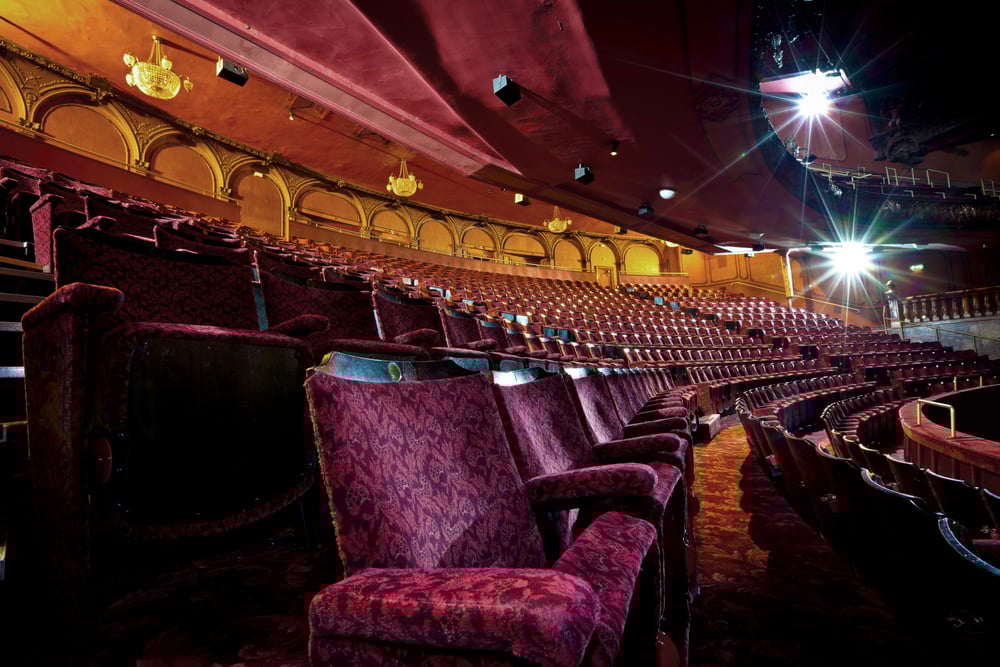
Even now, old beliefs live on inside theaters, long after spotlights replaced gas lamps. Following such customs sticks because some truly buy it while others just pay tribute to how things have always been done.
It does not matter if rituals help or merely settle nerves in a shaky job – they are stitched into daily theater rhythm. Skipping them? Most performers would rather not learn the hard way.
More from Go2Tutors!

- The Romanov Crown Jewels and Their Tragic Fate
- 13 Historical Mysteries That Science Still Can’t Solve
- Famous Hoaxes That Fooled the World for Years
- 15 Child Stars with Tragic Adult Lives
- 16 Famous Jewelry Pieces in History
Like Go2Tutors’s content? Follow us on MSN.



