17 Weird Battlefield Tactics Used in Ancient Wars
War has always been about outsmarting the enemy. Sometimes that meant better weapons, sometimes stronger fortifications.
But occasionally, military commanders got creative in ways that sound almost too strange to believe. These bizarre tactics actually worked — or at least seemed worth trying when desperation met ingenuity on ancient battlefields.
War Elephants With Flaming Tusks

Ancient armies strapped burning materials to elephant tusks and sent them charging into enemy lines. The sight alone caused panic, but the real damage came from the chaos that followed.
Horses bolted, soldiers scattered, and organized formations collapsed into confused masses. The elephants didn’t always cooperate with the plan, but when they did, the psychological impact was devastating.
Mirror Warfare
Greek mathematicians like Archimedes understood something about focused sunlight that most generals ignored (until Syracuse needed defending, anyway) — bronze mirrors could be arranged to concentrate solar energy into a weapon that burned ships from a distance, and while historians still debate whether this actually happened during the Roman siege, the concept was sound enough that multiple ancient armies experimented with similar tactics.
And the beauty of mirror warfare was its silence: no warning arrows, no catapult stones arcing through the sky, just an inexplicable fire that seemed to start from nowhere and spread with supernatural speed. Turns out physics makes for unsettling warfare.
Scythed Chariots
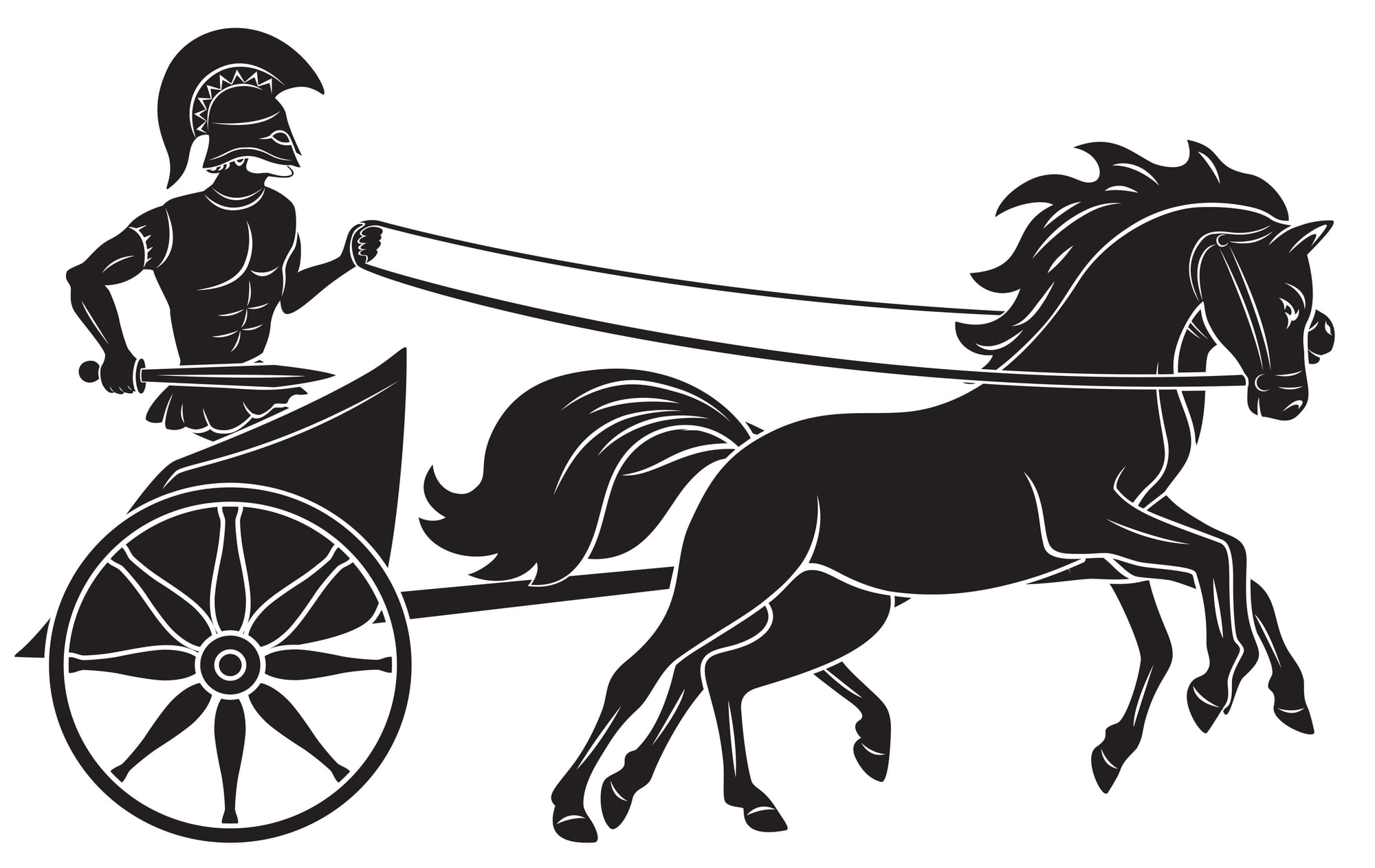
Picture a chariot, but every surface bristles with blades. Wheels, axles, the platform itself — all designed to slice through infantry like a harvesting machine.
The Persians loved this approach. It looked terrifying rolling across a battlefield, and the psychological effect often mattered more than the actual cutting.
Though when it worked, it really worked.
Burning Pigs

This tactic operates on a principle that military strategists rarely acknowledge: elephants are surprisingly neurotic about certain sounds and smells, particularly the high-pitched squealing of terrified pigs, and ancient armies discovered that coating pigs in pitch, setting them ablaze, and driving them toward enemy war elephants would send those massive creatures into full retreat faster than any weapon or formation could manage.
The Romans documented this method, though they wrote about it with the kind of detached professionalism that makes you wonder how many flaming pig experiments went wrong before they perfected the technique. So armies kept pigs in their supply trains specifically for anti-elephant operations.
Which is a sentence that probably appeared in actual military logistics reports.
Dead Horse Catapults
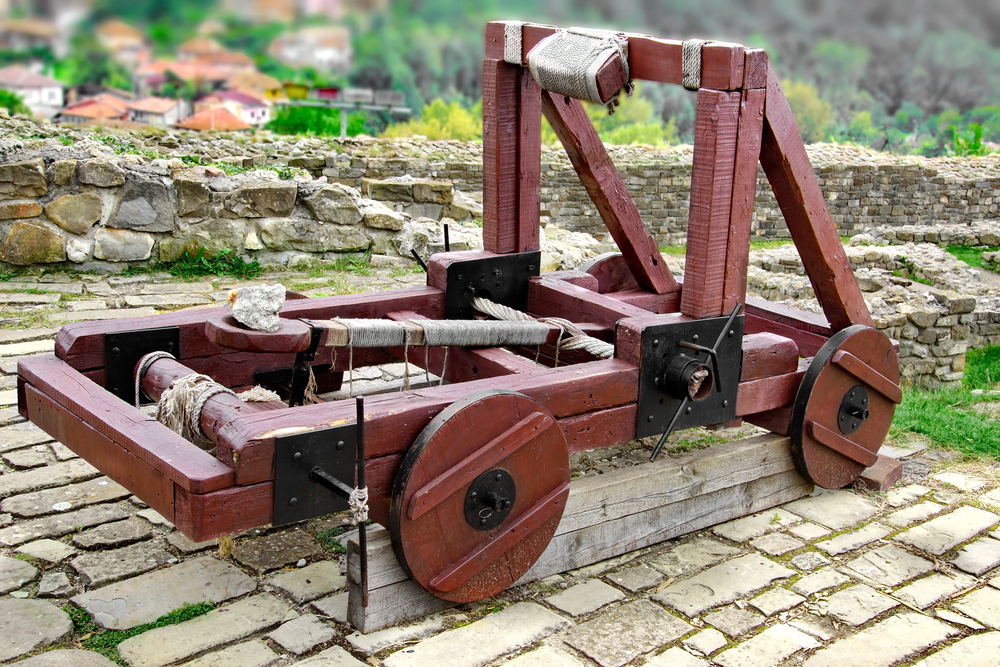
The Mongols had a practical view of biological warfare. When besieging cities, they loaded their catapults with diseased animal carcasses and flung them over the walls.
Horse corpses were preferred — they were large enough to cause real damage and would decompose quickly in the heat. The stench alone could make a city surrender, but the disease that followed was the real weapon.
Formation of the Testudo With Spikes
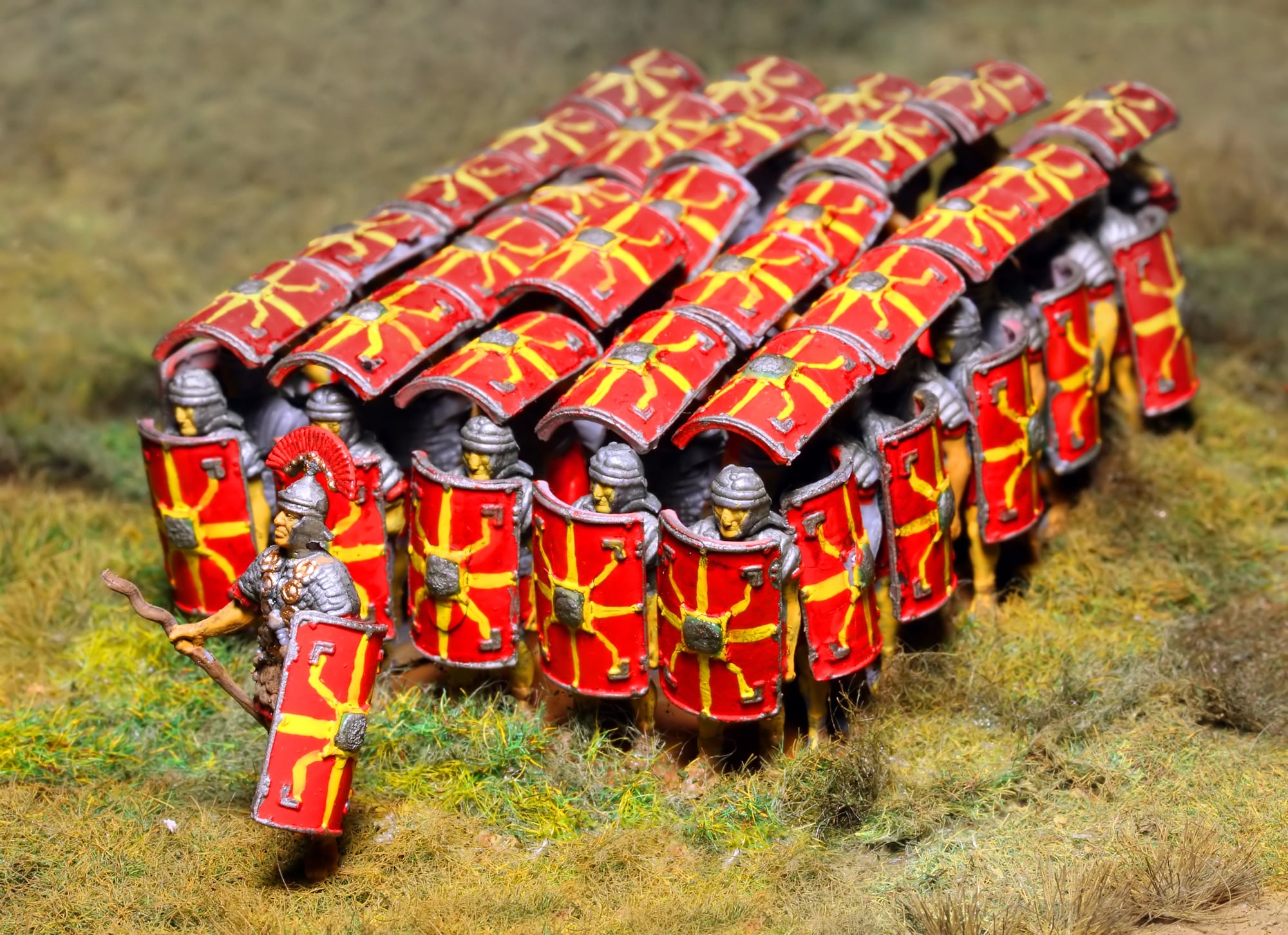
The Roman testudo gets attention for its defensive capabilities, but some legions modified it into something more aggressive. Soldiers would attach spikes to their shield tops and advance as a mobile fortress that could also puncture.
The formation moved slowly, but it was nearly impossible to break, and those spikes made it dangerous to approach from any angle. It turned defense into a weapon.
Fake Retreat With Hidden Pits
Nomadic armies perfected the art of running away convincingly. They would flee from battle, leading pursuing enemies across terrain they had prepared days in advance with hidden pits, sharpened stakes, and concealed archers.
The Parthians made this famous against Roman legions. The key was making the retreat look genuine — panicked, disorganized, vulnerable.
Then the ground would literally open up beneath the pursuers.
War Dogs With Armor and Fire
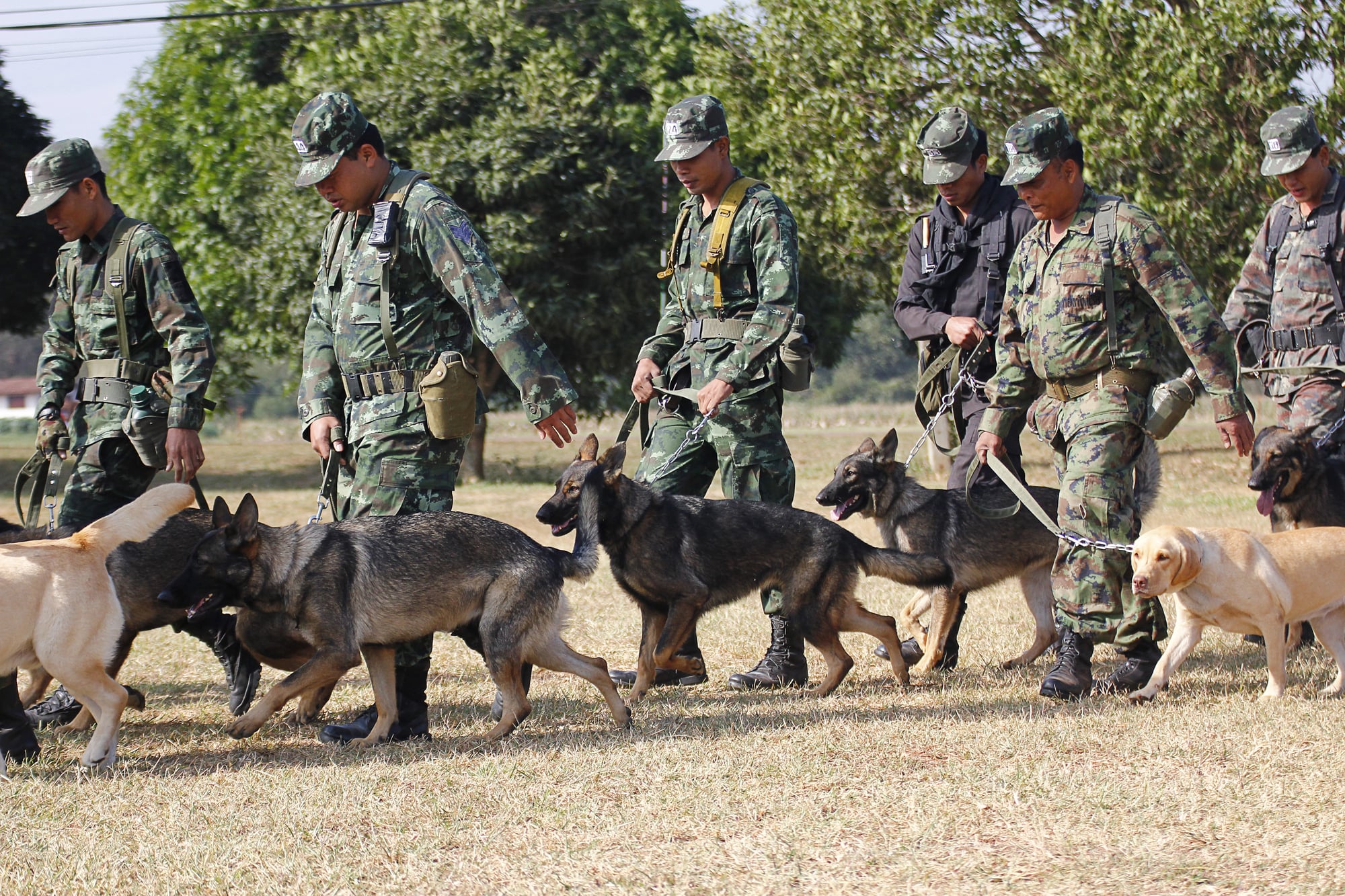
Ancient armies didn’t just use dogs for hunting and companionship (they strapped leather armor onto mastiffs, attached incendiary materials to their backs, and trained them to charge enemy lines, creating a combination of psychological warfare and actual burning that proved remarkably effective against infantry formations that had never encountered such tactics).
The dogs were trained to target specific parts of enemy soldiers — legs, arms, anything that would bring a fighter to the ground where they became vulnerable to follow-up attacks from human soldiers. And the sight of armored dogs emerging from morning mist, carrying fire on their backs like some mythological creature, had a way of breaking enemy morale before the actual fighting even began.
But perhaps the strangest part was how quickly armies adapted to counter-dog tactics once word spread.
Human Torpedo Swimmers
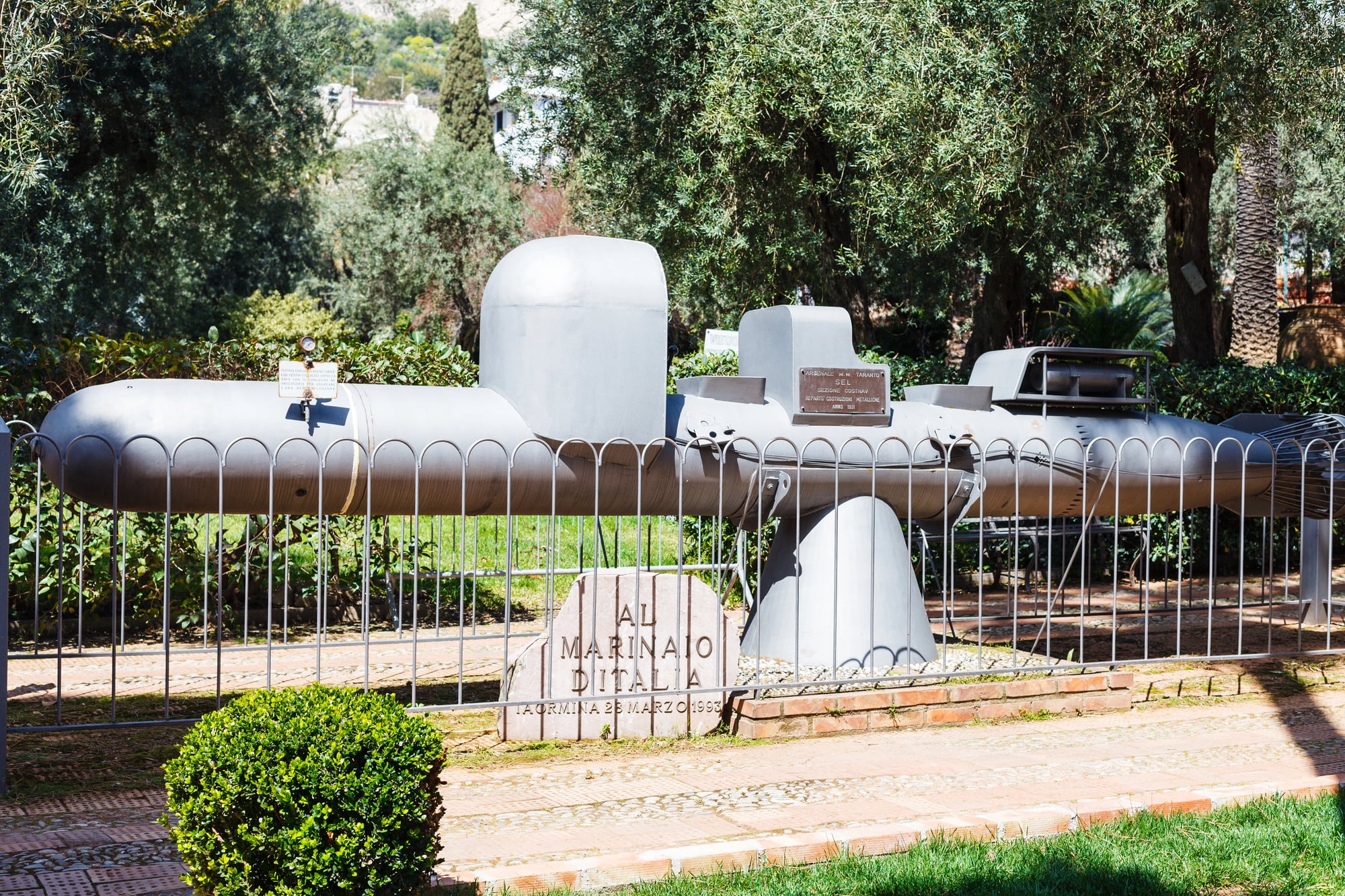
Greek and Roman naval warfare included divers who would swim underwater to enemy ships and either drill pits in the hull or attach ropes to the rudder. These early combat swimmers worked without breathing apparatus, holding their breath for dangerous lengths of time.
They carried small tools and relied entirely on stealth. Many drowned in the attempt, but the ones who succeeded could sink entire vessels.
Honey Traps

This involves actual honey, not espionage. Armies would leave barrels of fermented honey — essentially ancient alcohol — along retreat routes, knowing that pursuing enemies would stop to drink.
Once the enemy forces were intoxicated, the retreating army would circle back for an easy victory. The Scythians used this against Cyrus the Great, leaving behind enough honey wine to incapacitate thousands of Persian soldiers.
Salt the Earth Tactics

Roman generals understood that winning a war meant more than defeating armies — it meant ensuring the enemy couldn’t recover, and salting conquered farmland was their way of turning fertile ground into barren waste that would remain unproductive for years, forcing populations to abandon their homes permanently rather than simply rebuild after military defeat.
The psychological impact matched the agricultural damage: entire civilizations would relocate rather than face the slow starvation that followed ruined soil. So Roman legions carried salt specifically for this purpose, treating it as a strategic resource rather than just a food preservative.
Which meant that in Roman logistics, salt ranked alongside weapons and siege equipment as essential military supply.
Boiling Oil and Sand Mixtures

Defenders would heat oil and sand together, then pour the mixture over attacking forces. The oil stuck to armor and skin while the sand acted as an abrasive that made the burns worse.
This combination was harder to remove than oil alone and caused more severe injuries. Castle defenders could prepare large quantities in advance and deploy it quickly when walls were breached.
Ghost Army Illusions
Creating the impression of larger forces through carefully orchestrated deception became an art form in ancient warfare. Armies would build extra campfires, set up dummy tents, and march the same troops past enemy scouts multiple times to inflate their apparent numbers.
The most sophisticated version involved coordinating these illusions across multiple locations, making a single army appear to be three or four separate forces converging simultaneously.
Trained War Bears
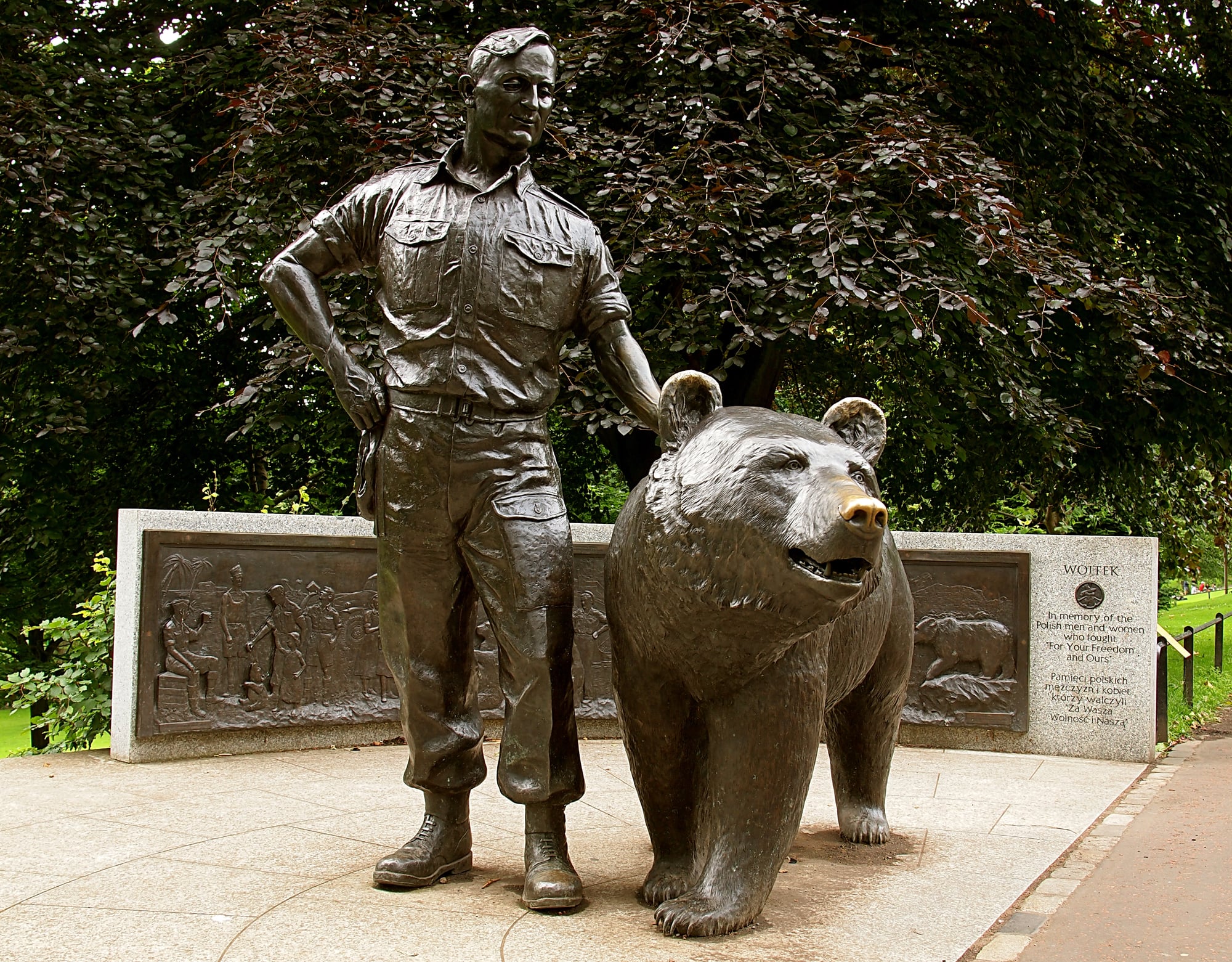
Some northern armies captured and trained bears for combat roles. These weren’t pets — they were weapons with unpredictable temperaments and natural fighting instincts.
Bears would be released into enemy formations or used to defend specific positions. The training was dangerous and the results inconsistent, but a charging bear could break cavalry charges and scatter infantry in ways that human soldiers couldn’t.
Noise Warfare With Bronze Vessels

Ancient armies discovered that coordinated noise could be weaponized effectively (Greek and Roman forces would position bronze vessels, drums, and horn players to create overwhelming sound that disrupted enemy communications and caused physical discomfort, particularly in confined spaces like mountain passes where the noise would echo and amplify).
The timing had to be precise: too early and enemies would adapt, too late and your own forces might be caught in the chaos. And the psychological effect worked both ways — soldiers creating the noise often felt more confident and aggressive, while enemies experienced genuine fear mixed with confusion that made organized resistance nearly impossible.
Artificial Fog and Smoke Screens

Armies would burn wet materials upwind from battlefields to create artificial fog that concealed troop movements. This required understanding wind patterns and timing the burns correctly.
Some forces used this to hide retreats, others to mask surprise attacks. The smoke could be maintained for hours if the materials and weather conditions were right, essentially turning daylight battles into night fighting where experience mattered more than numbers.
Time Capsule Warfare
This strategy involved patience that most military minds couldn’t comprehend. Armies would bury weapons, supplies, and even small groups of soldiers in concealed positions months before major campaigns.
When battles began, these hidden resources would emerge behind enemy lines or provide fresh supplies to forces that appeared to be retreating. The logistics were complicated, but the psychological impact of enemies appearing from the ground itself often decided battles before the main fighting began.
When Desperation Breeds Innovation

These tactics remind you that warfare has always been about adaptation under pressure. Ancient commanders faced the same fundamental challenge that military leaders deal with today — finding ways to overcome enemies who might be stronger, better equipped, or more numerous.
The solutions they developed seem bizarre now, but they emerged from the same creative desperation that drives innovation in any competitive field. Some worked, some failed spectacularly, and some became legends that may or may not reflect what actually happened on ancient battlefields.
The line between military history and military mythology gets blurry when the tactics sound too strange to believe.
More from Go2Tutors!

- The Romanov Crown Jewels and Their Tragic Fate
- 13 Historical Mysteries That Science Still Can’t Solve
- Famous Hoaxes That Fooled the World for Years
- 15 Child Stars with Tragic Adult Lives
- 16 Famous Jewelry Pieces in History
Like Go2Tutors’s content? Follow us on MSN.



