Strange Words That Changed Meaning Over Time
Language moves like water through rocks — slowly, then suddenly. Words you use every day once meant something entirely different to your great-grandmother.
They shifted meaning so gradually that nobody noticed until one day, someone opened an old book and discovered that “awful” used to be a compliment. The English language has been collecting and transforming words for over a thousand years, borrowing from Latin, stealing from French, and quietly reshaping meanings when nobody was looking.
Some changes happened because of historical events. Others shifted because people simply started using words wrong so consistently that the wrong way became right.
Awful
“Awful” used to inspire reverence, not revulsion. The original meaning was “full of awe” — something so magnificent it left you speechless.
Standing before a cathedral or witnessing a miracle was awful in the best possible way. Somewhere around the 1800s, people started using “awful” to describe anything that provoked a strong reaction (and most strong reactions aren’t pleasant ones).
So the word slid from “awe-inspiring” to “terrible” without anyone officially changing the definition.
Silly
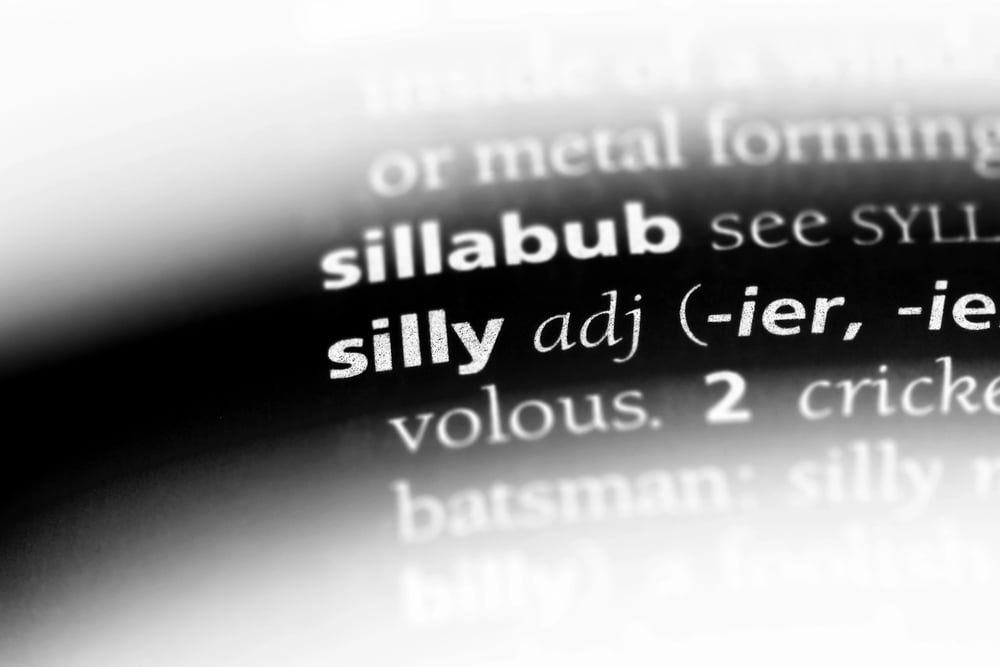
This word traveled the furthest from its origins. In Old English, “silly” meant blessed or holy.
A silly person was spiritually pure, possibly touched by divine grace. The transformation happened in stages: holy became innocent, innocent became naive, naive became foolish.
By Shakespeare’s time, calling someone silly was already an insult (though a gentle one). The word spent centuries climbing down from heaven to end up describing your uncle’s jokes.
Meat
Before the Norman Conquest, “meat” meant any food at all — bread was meat, fruit was meat, vegetables were meat. The word came from an Old English term that simply meant “something to eat.”
Animal flesh had its own specific words back then. But as French influence grew stronger after 1066 (because the Norman French loved their culinary distinctions), “meat” gradually narrowed its focus.
And by the time your grandmother was cooking Sunday dinner, meat meant one thing only.
Awful (Revisited Through Different Eyes)
Here’s what strikes you about language change — it happens without permission. Nobody called a meeting to decide that “awful” should flip meaning completely.
The shift crept through ordinary conversations, one misuse at a time, until the new version felt more natural than the old one. It’s like watching a river change course.
You don’t notice the daily erosion, just that one morning you wake up and the water is flowing somewhere else entirely. And once enough people started using “awful” to mean terrible (rather than wonderful), trying to correct them would have been like arguing with gravity.
The most unsettling part isn’t that meanings change — it’s how thoroughly they change. Try using “awful” in its original sense today, and people will think you misspoke.
The old meaning didn’t just fade; it disappeared so completely that its opposite took over the same word.
Naughty
“Naughty” originally described someone who had nothing — literally “naught” plus a suffix. A naughty person was poor, unfortunate, possibly destitute.
The meaning shifted from economic to moral somewhere along the way. Having nothing became worth nothing, which became behaving badly.
Children who misbehaved were called naughty by the 1600s, and the word stuck there.
Clue
This one comes from Greek mythology, though most people don’t realize it. “Clue” started as “clew,” meaning a round of yarn or thread.
Theseus used a clew to navigate the labyrinth and escape the Minotaur. The detective meaning emerged because thread literally leads you somewhere.
A clew showed you the path out; a clue shows you the solution. The spelling changed, but the concept of following something to find your way remained exactly the same.
Bully
“Bully” meant sweetheart in the 1500s. You’d call your romantic partner “bully” the same way you might say “honey” today.
It was a term of endearment, possibly derived from the Dutch word for lover. The transformation to its current meaning happened gradually.
“Bully” came to describe a fine fellow, then a swaggering fellow, then someone who swaggered too much and picked on smaller people. Teddy Roosevelt still used “bully” to mean excellent — “bully for you!” — even as the modern meaning was taking hold.
Nice
Nice used to be an insult of the most precise kind. It came from the Latin word for ignorant, and calling someone nice meant they were foolish, simple-minded, or just plain stupid.
The word underwent one of history’s most dramatic rehabilitations. Ignorant became overly particular (as in “a nice distinction”), which became pleasant, which became agreeable.
So when you tell someone they’re nice today, you’re using a word that once meant the opposite of intelligent. Language has a sense of humor about these things.
Fantastic
“Fantastic” described delusions and fantasies — things that existed only in someone’s imagination and probably indicated mental instability. If something was fantastic, it wasn’t real and probably wasn’t healthy to think about.
The positive meaning developed because fantasy became associated with creativity rather than madness. By the 1900s, calling something fantastic meant it was wonderfully imaginative instead of worryingly delusional.
The word kept its connection to the unreal but lost its judgment about whether that was good or bad.
Manufacture

Before the Industrial Revolution, everything was manufactured by hand. The word literally means “made by hand” — “manus” (hand) plus “facere” (to make).
A manufactured item was proof of human craftsmanship. Then machines took over, and “manufacture” came to mean mass production in factories.
The word stayed the same while describing the exact opposite process. Today’s manufactured goods are made by machines, not hands, but the old word stuck around to describe the new reality.
Gossip
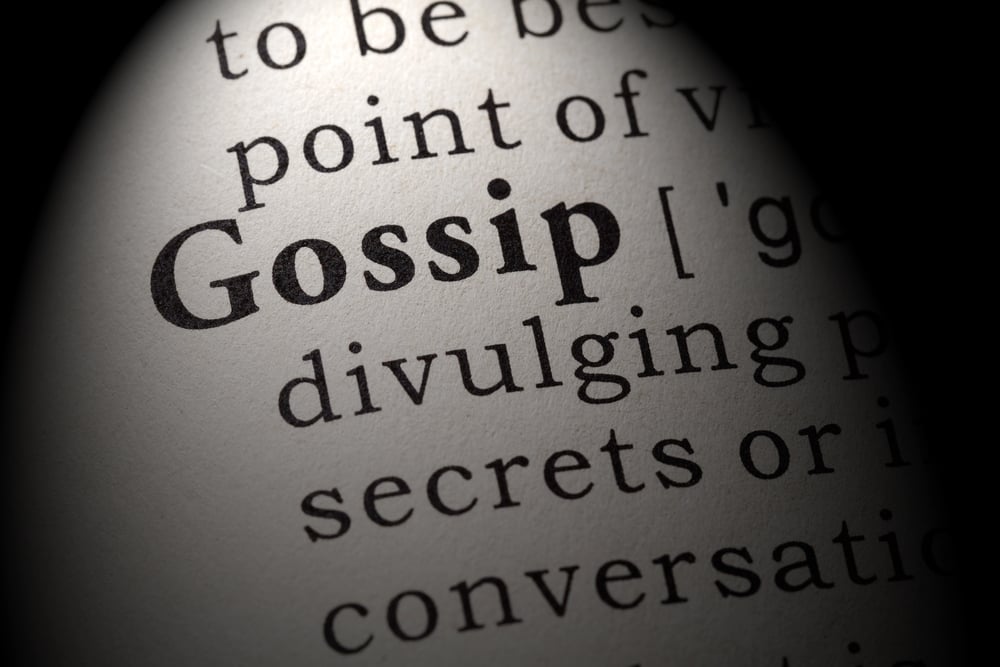
A gossip was originally a godparent — someone who sponsored a child at baptism. The word came from “God-sib,” meaning a person related to you through God rather than blood.
Godparents talked at baptisms, weddings, and other church gatherings. Eventually, “gossip” came to mean anyone who chatted at social events, then anyone who spread news, then anyone who spread rumors.
The word traveled from sacred family relationships to idle chatter in a few centuries.
Discipline
“Discipline” started as education, pure and simple. It came from the Latin word for teaching and learning.
A disciplined person was well-educated, someone who had learned important skills or knowledge. The punishment meaning crept in because medieval education involved quite a bit of physical correction.
Learning required discipline in both senses — acquiring knowledge and enduring correction when you got things wrong. Eventually, the punishment aspect grew stronger than the learning aspect, and discipline became something you imposed rather than something you gained.
Egregious
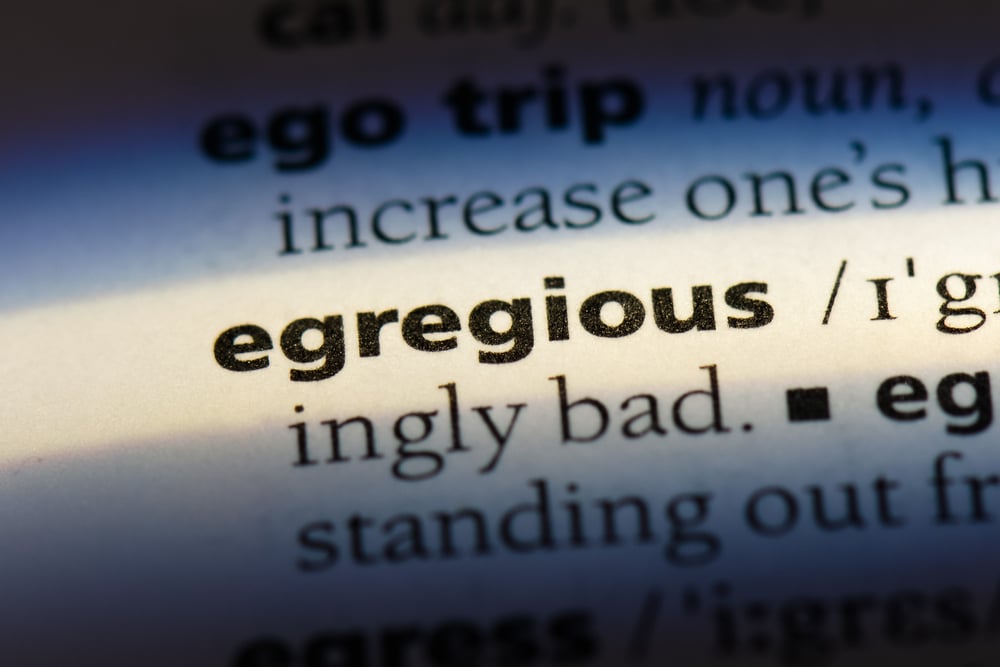
This word flipped completely. “Egregious” originally meant outstanding in a good way — remarkably excellent, standing out from the flock in the best possible sense.
It came from Latin words meaning “out of the herd,” and being out of the herd was admirable. Somewhere around the 1600s, people started using “egregious” sarcastically to describe things that stood out for terrible reasons.
The sarcastic usage became so common that it replaced the original meaning entirely. Now egregious means remarkably bad, and the positive meaning is completely extinct.
The Way Words Wander

Words don’t change meaning because linguists decide they should. They change because people — regular people having regular conversations — start using them differently.
Someone uses “awful” to mean “terrible” instead of “wonderful,” and if enough people follow that lead, the dictionary eventually surrenders and updates the definition. What’s remarkable isn’t that meanings change, but how completely they can reverse themselves.
“Awful” and “egregious” now mean the opposite of what they originally meant. “Nice” went from insult to compliment. “Silly” fell from holy to foolish.
These aren’t minor adjustments — they’re complete transformations. And it’s still happening.
Words you use today will probably mean something different to your grandchildren. Language never stops moving, never stops adapting to how people actually talk rather than how they’re supposed to talk.
The dictionary follows the conversation, not the other way around.
More from Go2Tutors!

- The Romanov Crown Jewels and Their Tragic Fate
- 13 Historical Mysteries That Science Still Can’t Solve
- Famous Hoaxes That Fooled the World for Years
- 15 Child Stars with Tragic Adult Lives
- 16 Famous Jewelry Pieces in History
Like Go2Tutors’s content? Follow us on MSN.