17 Weird Coins Minted for Just One Day
Numismatics—the study of coins and currency—is filled with fascinating stories of rare, unusual, and sometimes downright bizarre pieces of money. Many collectors dream of finding those elusive coins that were produced in limited quantities or under unusual circumstances.
Here is a list of 17 strange coins that were minted for just a single day, making them some of the most coveted items in any serious coin collection.
1933 Double Eagle

The 1933 Double Eagle gold coin is perhaps the most famous one-day mint in American numismatic history. Though nearly half a million were struck, President Roosevelt’s gold recall order meant almost all were melted down before leaving the mint.
Only about 13 are known to exist, with one selling for a staggering $7.6 million at auction. The government actually seized most known examples, making this coin as notorious as it is valuable.
1913 Liberty Head Nickel

Despite the Liberty Head design being officially replaced in 1912, someone at the Philadelphia Mint secretly produced five Liberty Head nickels dated 1913. These unauthorized coins were made on a single day without official approval.
Today, these five coins rank among the most valuable nickels ever, with one specimen selling for over $3 million at auction.
Like Go2Tutors’s content? Follow us on MSN.
Flowing Hair Stella

The Flowing Hair Stella, a $4 gold coin, was produced for just one day in 1879 as a pattern coin for international trade. The unusual denomination was meant to compete with European currencies, featuring a distinctive star on the reverse.
Though never adopted for circulation, around 425 were made during that single production run, and they now command prices approaching $1 million when they rarely appear at auction.
1974 Aluminum Penny

When copper prices soared in the early 1970s, the U.S. Mint experimented with aluminum pennies for a day in 1974. Almost all the 1.5 million produced were destroyed when Congress rejected the idea.
Only a dozen or so examples survived destruction, and technically they remain government property if found. The aluminum composition made them look strikingly silver compared to their copper cousins.
1943 Copper Penny

During World War II, copper was needed for the war effort, so the U.S. Mint switched to zinc-coated steel pennies. However, a few copper blanks remained in the presses on the first day of 1943 production.
These accidental copper pennies are now worth upwards of $200,000 each. Their creation was purely accidental—leftover copper planchets that got mixed with the new steel ones.
Like Go2Tutors’s content? Follow us on MSN.
The 1804 Silver Dollar
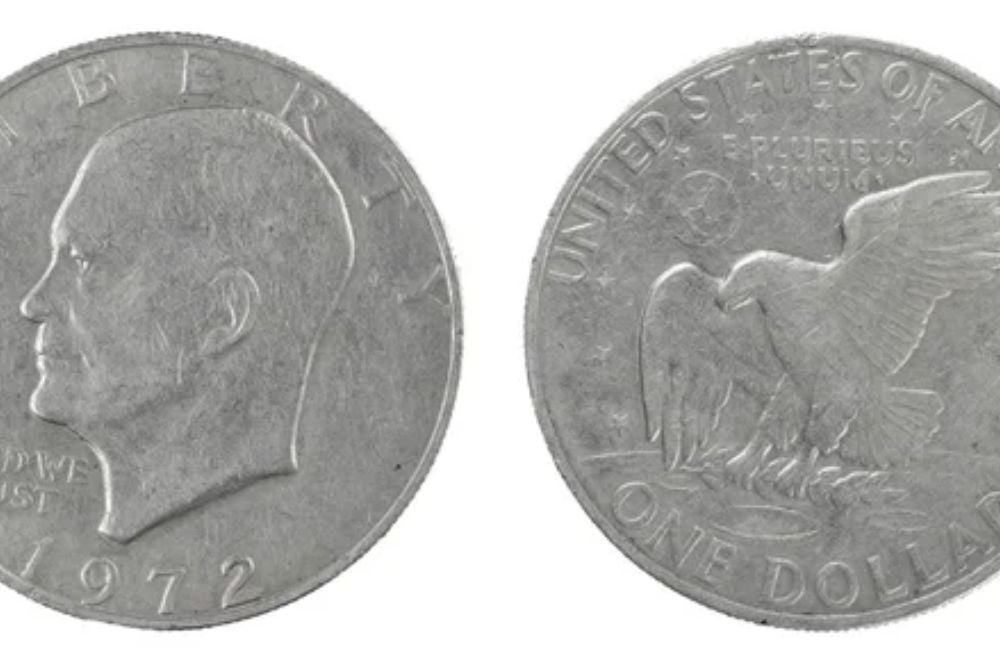
Despite its date, the famous 1804 Silver Dollar wasn’t actually struck until 1834, when the U.S. State Department ordered special diplomatic gift sets. The Mint produced just 15 of these coins in a single day using the outdated 1804 date, creating one of the most famous errors in minting history.
These “King of American Coins” can fetch over $4 million at auction.
2000 Sacagawea Mule
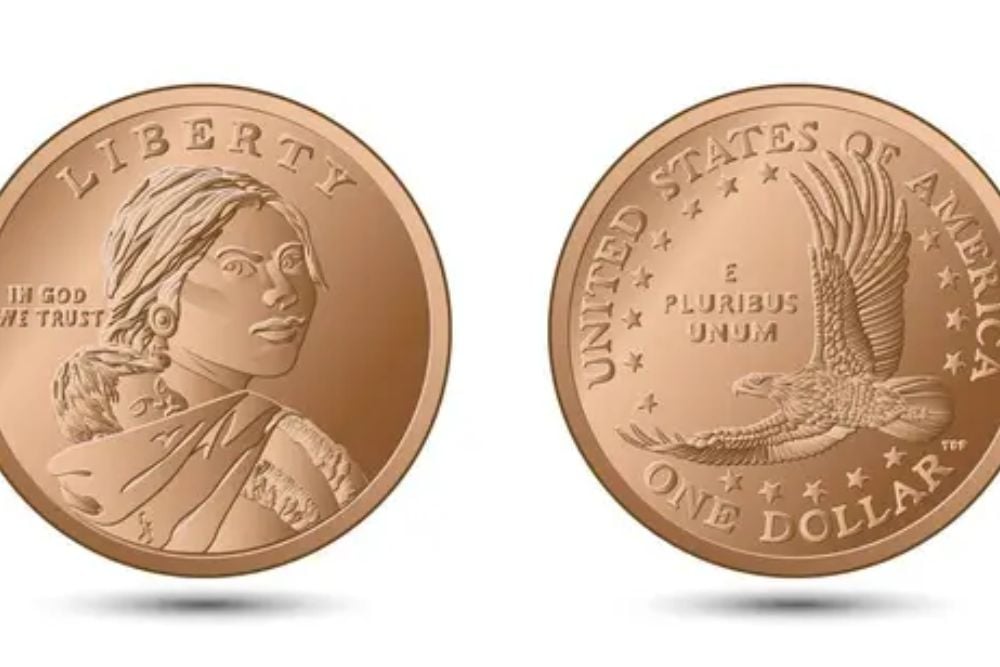
In a bizarre minting error, a batch of 2000 Sacagawea dollar coins was struck with a Washington quarter obverse on one day in 2000. Only about 20 examples of this “mule” (a coin with mismatched sides) are known to exist.
Each coin features the unexpected pairing of George Washington on one side and an eagle on the other, commanding prices over $100,000 when they appear for sale.
1943-D Bronze Lincoln Cent

The Denver Mint produced exactly one bronze penny in 1943, likely from a leftover planchet. This uniquely rare coin—literally one of a kind—sold for over $1.7 million in 2010.
The coin exists because a single copper blank somehow remained in the production line when all cents were supposed to be made from steel that year.
Like Go2Tutors’s content? Follow us on MSN.
1849 Double Eagle Pattern

The very first $20 gold Double Eagle was struck as a pattern coin for a single day in 1849. Only one example exists today, securely held in the Smithsonian Institution.
The coin commemorated the California Gold Rush and was designed by James B. Longacre. Its creation marked an important moment in American monetary history, even though regular production didn’t begin until 1850.
1792 Half Disme
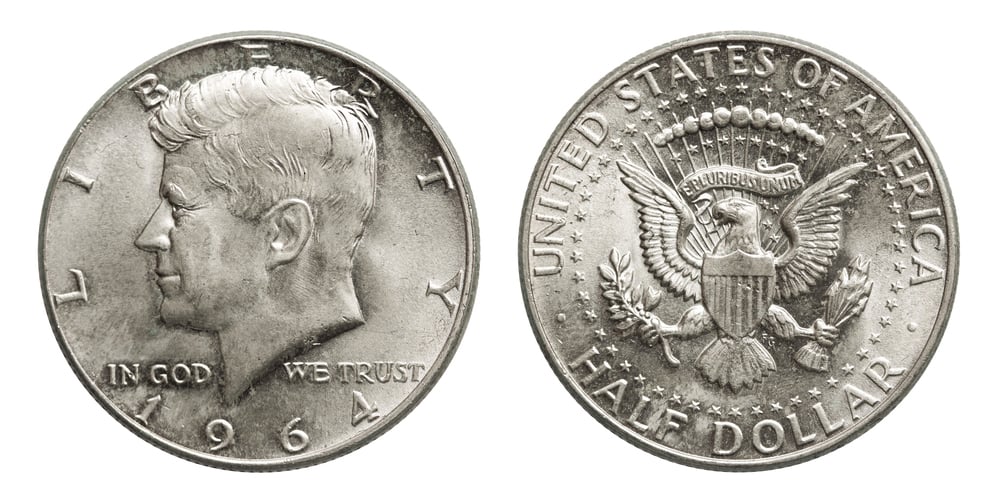
The 1792 Half Disme (pronounced “dime”) represents America’s first official coinage, with about 1,500 struck on a single day in July 1792. Legend claims the silver came from George Washington’s personal tableware.
These tiny five-cent pieces were produced before the Mint was officially established, in a makeshift facility in Philadelphia’s Basement, and now command six-figure prices.
The 1794 Flowing Hair Dollar

The very first silver dollars produced by the United States Mint were struck on October 15, 1794, with only about 2,000 made that day. The finest known example sold for over $10 million in 2013, making it one of the most valuable coins ever.
The primitive striking technology of the time meant many came out weakly struck or flawed.
Like Go2Tutors’s content? Follow us on MSN.
The 1974 Eisenhower Silver Dollar

For just one day in 1974, the Philadelphia Mint accidentally struck Eisenhower dollars without the mint mark. Approximately 200,000 were produced before the error was discovered, creating an instant collector’s item.
Most were distributed to casinos in Las Vegas, where they were quickly put into circulation, making well-preserved examples particularly hard to find today.
1959 Lincoln Cent With Wheat Reverse

Though the Lincoln cent design changed from wheat stalks to the Lincoln Memorial in 1959, for one day the Philadelphia Mint accidentally paired the new 1959 obverse with the old wheat reverse. Perhaps a dozen examples exist, making them among the rarest modern minting errors.
The coin represents a fascinating transitional error between two iconic American designs.
The 2007 Godless Presidential Dollar

In 2007, a batch of George Washington Presidential dollars were struck without the edge lettering that included “In God We Trust.” These coins were produced for a single day before quality control caught the issue.
The press immediately dubbed them “Godless Dollars,” creating a minor controversy and instant collector demand. Thousands were released into circulation before the mistake was discovered.
Like Go2Tutors’s content? Follow us on MSN.
The 2004-D Wisconsin State Quarter With Extra Leafv

For just one shift at the Denver Mint, a damaged die created what appears to be an extra leaf on the corn stalk of the Wisconsin state quarter. Though not intentionally designed this way, these error coins—created from what was likely a die gouge—now sell for hundreds of dollars each.
The resulting anomaly looks remarkably like an intentional design element rather than an error.
1922 No-D Lincoln Cent
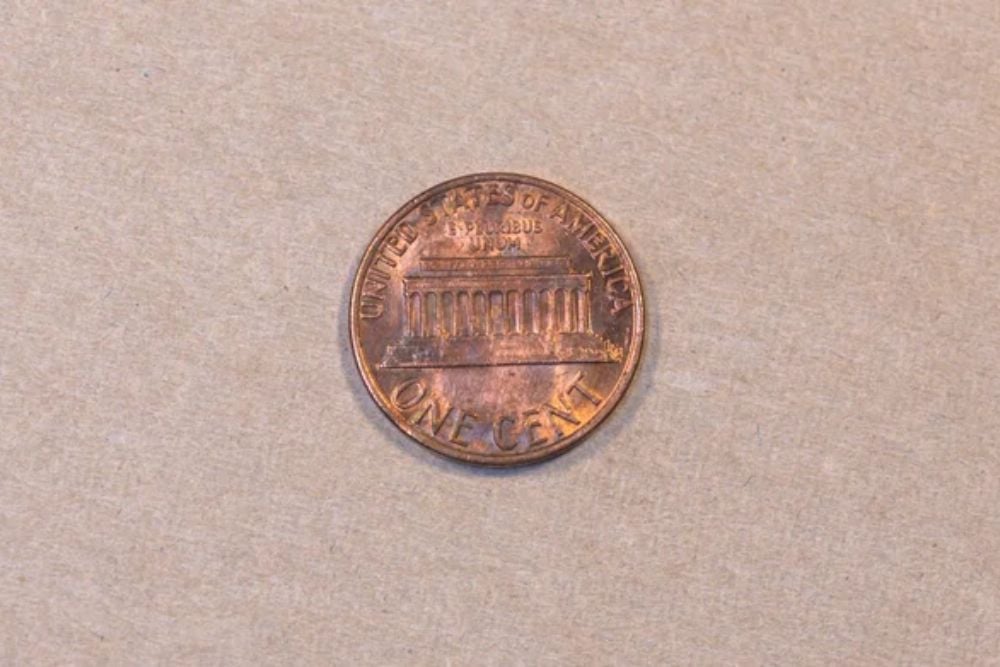
Due to worn dies at the Denver Mint, a batch of 1922 pennies was struck without the “D” mint mark, all produced on a single day. The worn die created a plain 1922 penny that many collectors consider essential to a complete Lincoln cent collection.
Despite being an error coin, it’s recognized as a distinct variety and valued at thousands of dollars in good condition.
The 1776 Continental Dollar

Though dated 1776, historians believe these pewter dollars were actually struck on a single day in early 1777 as the first attempt at a national currency. Featuring a sundial design and the motto “Mind Your Business,” fewer than 100 authentic examples survive today.
The coins represent America’s first attempt at establishing monetary independence from Britain during the Revolutionary War.
Like Go2Tutors’s content? Follow us on MSN.
The Legacy of Limited Mintage

These one-day wonders remind us that coins are more than just currency—they’re tangible connections to specific moments in history. Each of these coins tells a story about changing technologies, wartime necessities, human error, or political decisions.
Their extreme rarity transforms what might have been ordinary pocket change into museum-worthy treasures sought by collectors worldwide. Whether created by accident, necessity, or design, these short-lived minting runs have created some of the most fascinating chapters in numismatic history.
For collectors, the thrill of possibly owning something produced for just hours during a single day continues to fuel the passion that drives the hobby forward.
More from Go2Tutors!

- 16 Restaurant Chains That Went Too Fast
- 12 Things Sold in the 80s That Are Now Illegal
- 15 Strange Things People Have Tried to Ban (And Failed)
- 16 Collectibles People Tossed Out Too Soon
- 17 Myths from Your Childhood That Were Actually Based on Real Things
Like Go2Tutors’s content? Follow us on MSN.



