18 Amazing Facts About Famous Landmarks
Landmarks aren’t just nice spots to visit—they hold stories, quirks, and surprises that most folks never hear about. Some are older than many countries, while others have popped up in recent decades and still managed to make a name for themselves. Either way, they’ve all got something unusual hiding behind their fame.
Chances are you’ve seen pictures of all of these. But here’s a collection of facts that’ll help you look at them with fresh eyes.
The Eiffel tower changes size
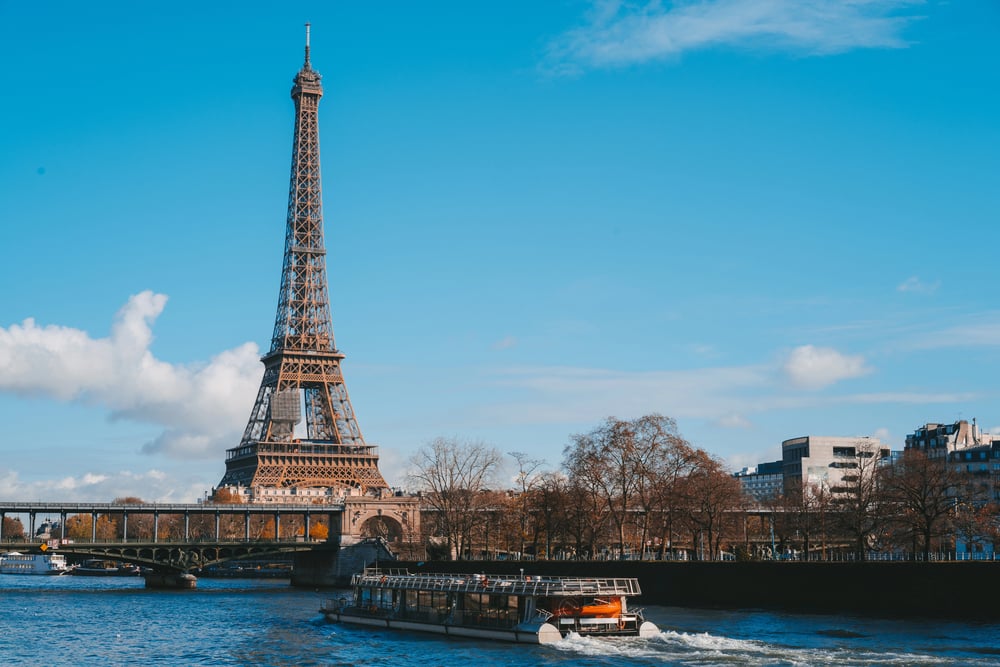
Strange as it sounds, the Eiffel Tower doesn’t stay the same height all year. In the summer heat, the iron in the structure expands just a little, making the whole thing grow by around six inches.
Cooler months? It contracts right back down. No special effects—just basic physics.
So depending on when you’re standing beneath it, it’s either slightly taller or shorter than usual. It’s funny to think a giant steel tower can actually breathe like a living thing with the seasons.
The Great wall of china isn’t one long wall
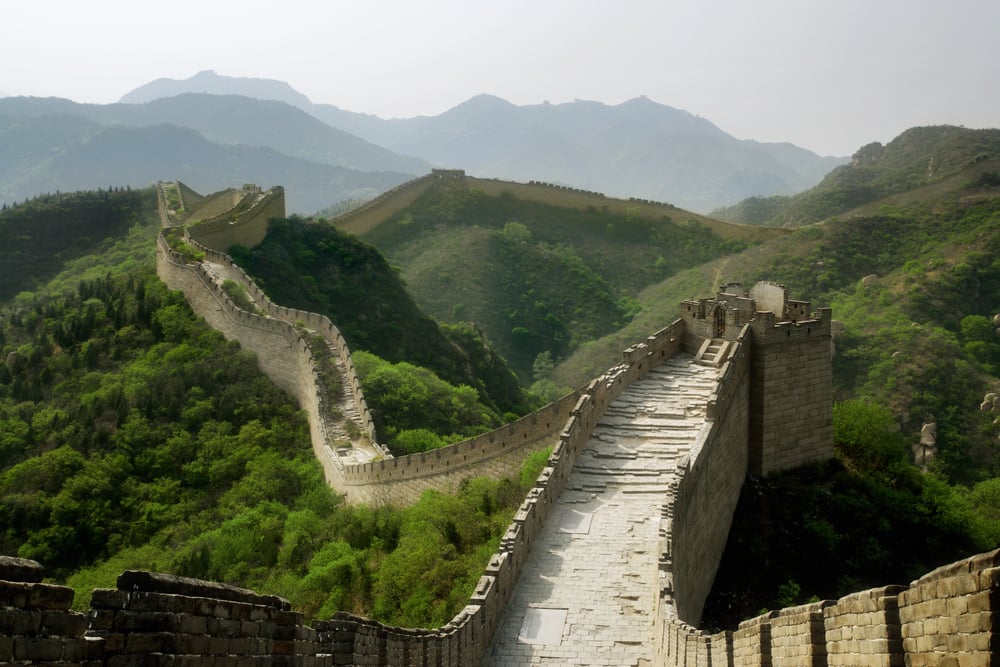
It’s easy to imagine one never-ending wall snaking through the mountains, but the Great Wall is more like a network. Built across different centuries by several Chinese dynasties, it includes walls, watchtowers, and other defenses—some still standing, some long gone.
Add it all up, and it stretches over 13,000 miles. That’s a lot more than what shows up in the tourist photos.
Also, different sections use different materials, from stone to brick to even wood. Walking one part is like stepping through a huge history book.
Like Go2Tutors’s content? Follow us on MSN.
Mount Rushmore hides a secret chamber
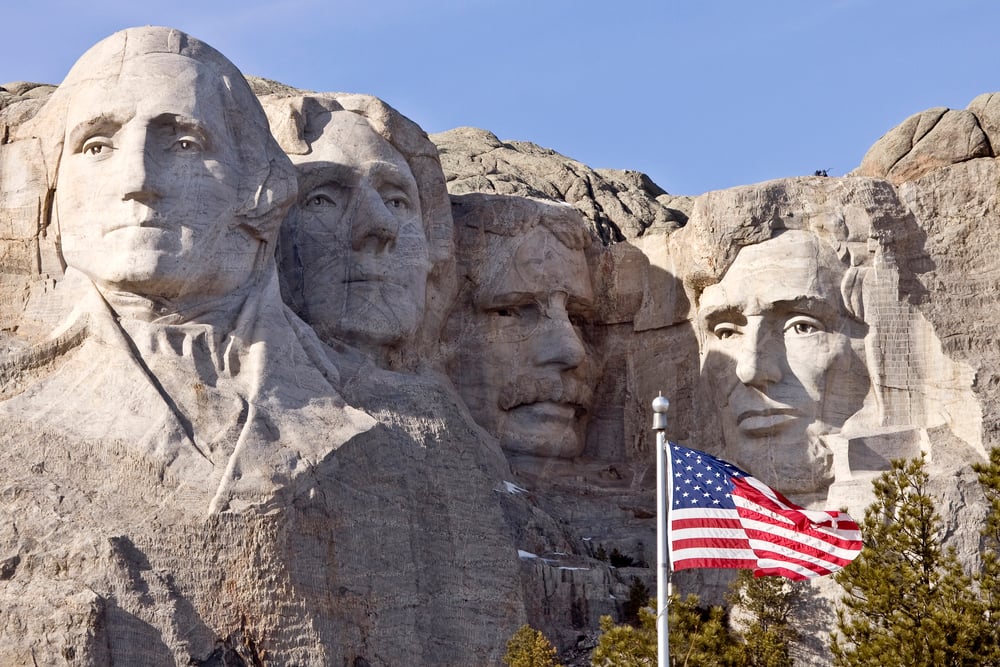
Most people know the four presidents carved into the mountain, but what’s hidden behind Lincoln is less well known. There’s a small, sealed-off chamber that was intended to hold key U.S. documents, kind of like a time capsule.
It never quite got finished the way it was planned, but the room is still there. You can’t visit it, but it’s a real part of the monument’s history.
It’s like a hidden room waiting quietly inside a giant rock face.
The Leaning tower of Pisa wasn’t supposed to lean
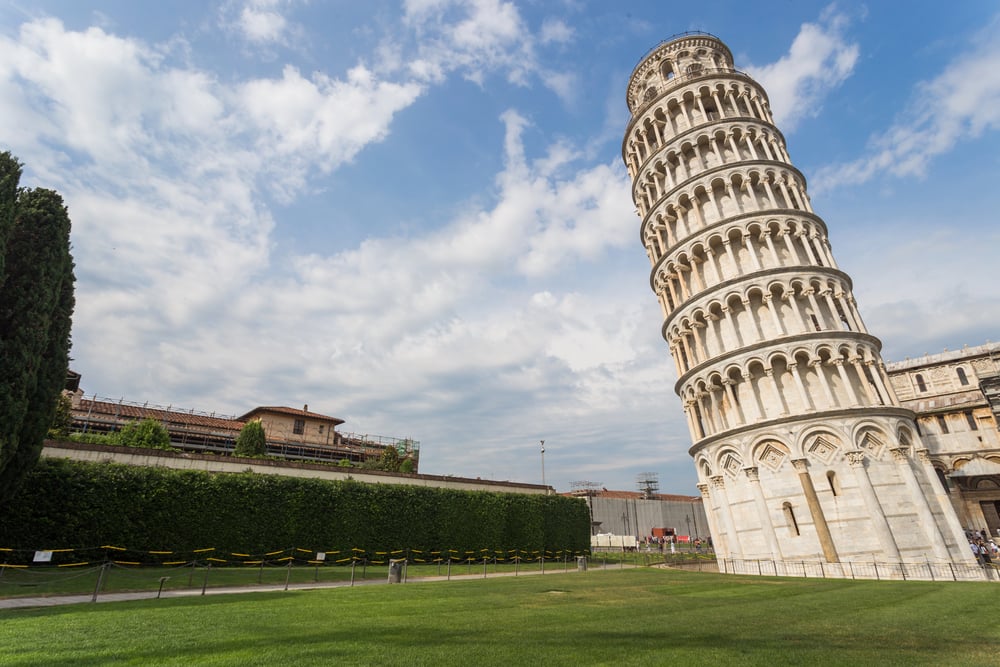
The tilt that made this tower famous? That was never in the plan. Builders didn’t realize the ground beneath was too soft on one side, which caused the structure to lean early in the construction.
It got worse over time until modern engineers stepped in to stop it from falling. Even though it still leans, it’s safe—just not what the original architects had in mind.
In fact, the lean made it famous worldwide and turned a potential disaster into a tourist magnet.
The Taj Mahal changes color throughout the day
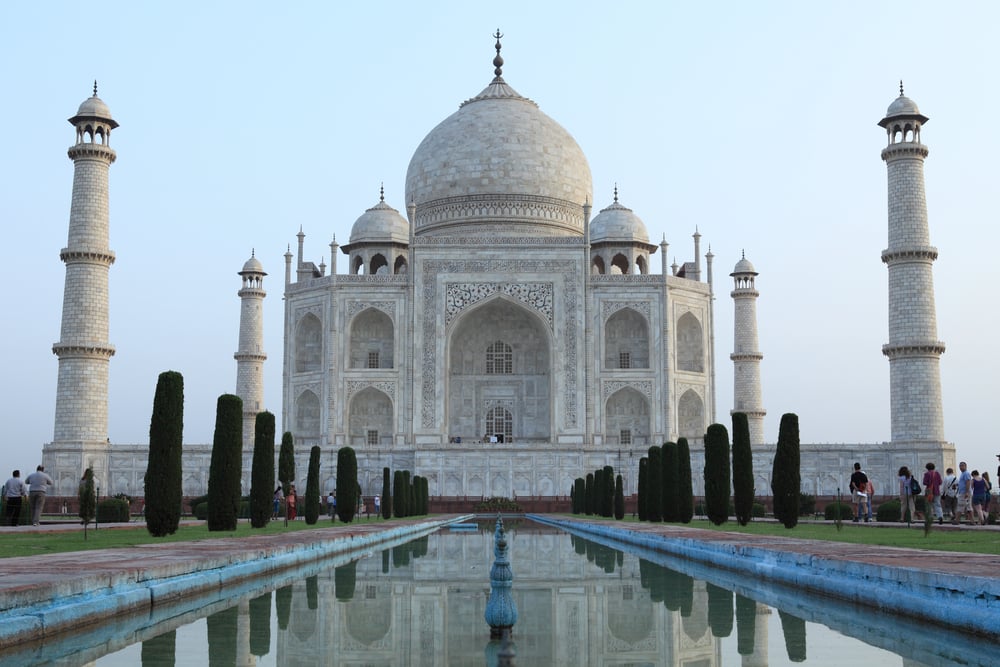
If you ever visit, don’t be surprised if the Taj Mahal looks a bit different at various times of the day. In the morning, it might seem to have a pinkish tone.
Later, it shifts to bright white. And if there’s moonlight? It takes on a yellowish or bluish glow.
People say the changing colors reflect different moods, especially since it was built as a tomb for a beloved wife. The marble itself is translucent, which lets light pass through and cause these shifts.
It’s a beautiful way the monument seems alive with emotion.
Like Go2Tutors’s content? Follow us on MSN.
The Statue of Liberty almost ended up in Egypt
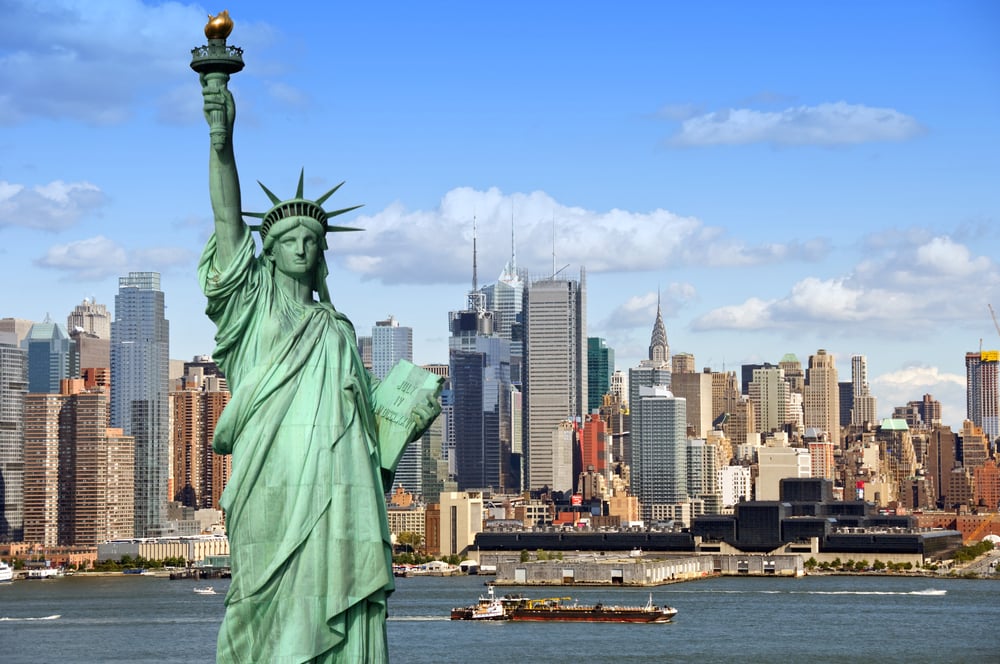
Lady Liberty wasn’t originally intended for the United States. The sculptor who designed it first proposed a version for the Suez Canal in Egypt.
That project didn’t work out, so he reworked the design and eventually offered it to the U.S. as a symbol of freedom. That twist of fate changed the statue’s destiny—and gave New York one of its most iconic landmarks.
It’s fascinating how art can travel and find a home where it’s most needed.
The Colosseum was once a fortress

Before it became a famous tourist stop, the Colosseum had a very different life. After the fall of the Roman Empire, parts of it were used as living quarters or military space by powerful families.
Later on, people stripped it for building stones. So what’s left today is just part of a long and pretty messy history.
It’s been more than a stage for gladiators. Every layer of stone tells a story of survival, reuse, and change over the centuries.
Machu Picchu stayed hidden for centuries
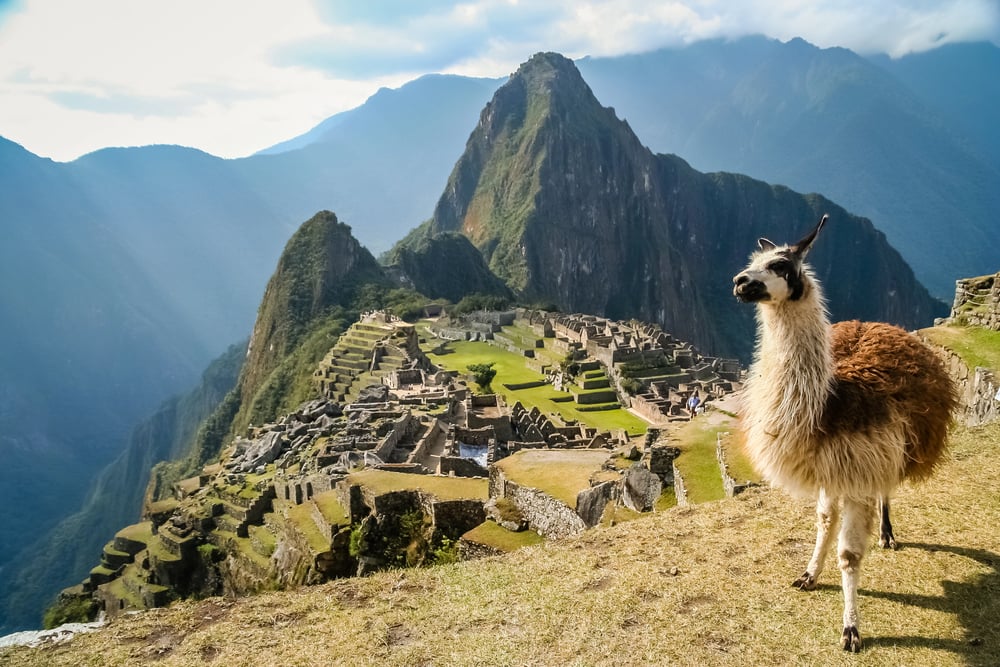
Built by the Inca in the 1400s, this stone city sat high in the Andes for hundreds of years, untouched. Spanish invaders never discovered it, which helped keep it intact.
It wasn’t until 1911 that an American explorer—guided by locals—brought it to international attention. Before that, it was known only by the people living nearby.
The site’s remote location helped protect it but also made it mysterious for so long, almost like a secret kept by the mountains.
Like Go2Tutors’s content? Follow us on MSN.
Big Ben isn’t the clock’s name

Everyone says “Big Ben” when they see the iconic clock tower in London, but that’s not the full story. Big Ben is actually the name of the bell inside.
The tower itself? It’s called Elizabeth Tower, renamed in 2012 to honor Queen Elizabeth II. So technically, most people have been calling it the wrong name all this time.
It’s an easy mistake, though, because the bell’s chimes are what many remember most.
The Sydney Opera House was inspired by orange slices
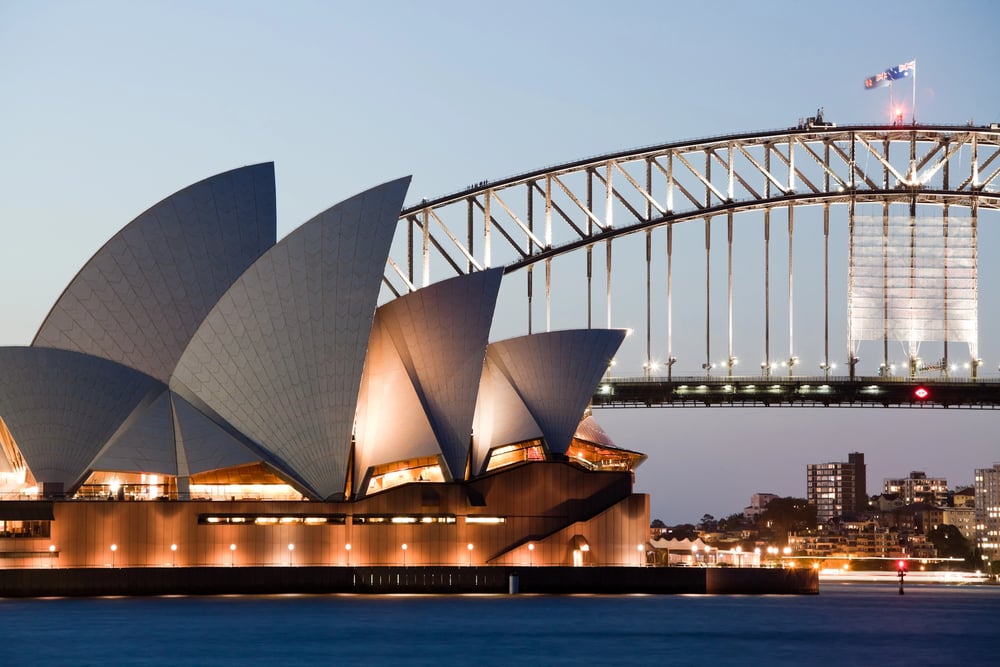
The roof of the Opera House has that unique look for a reason—it was based on fruit. The architect figured out the shape by imagining slices of an orange.
This idea helped him solve the complicated design problems that kept the project stalled for years. So that eye-catching design actually came from something as ordinary as citrus.
It’s proof that inspiration can come from the simplest places.
The Pyramids of Giza were originally shiny

When the pyramids were first built, they didn’t have that sandy, worn-down look. They were covered in polished limestone that reflected the sun, making them shine brightly.
Some people think they could be seen glittering from miles away. Most of that smooth covering is gone now, but a few pieces still remain near the base.
Imagine how amazing it must have looked standing tall and gleaming under the Egyptian sun.
Like Go2Tutors’s content? Follow us on MSN.
Christ the Redeemer was built with soapstone

Rio’s famous statue of Jesus isn’t made from just any material. The outer layer is made from soapstone, which holds up well against wind, rain, and heat.
That’s one reason it’s still in such good shape after nearly a century. The stone also gives the statue that soft, matte finish that people recognize.
It’s one of those choices that combine beauty and durability in one.
The Berlin Wall fell by mistake
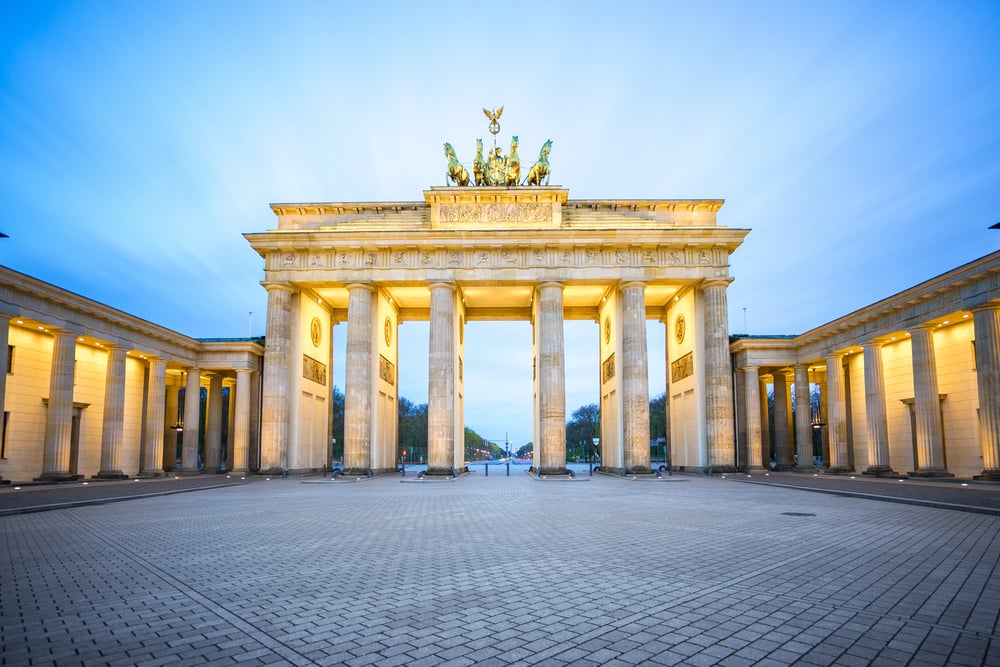
What brought the Berlin Wall down? Not some huge planned event—but a simple mistake.
A government spokesperson misspoke in a press conference and said that East Berliners could cross into the West right away. People showed up at the wall, guards didn’t know what to do, and just like that—it came down.
That one moment changed everything. Sometimes history turns on a single word spoken at the right time.
Petra was forgotten for hundreds of years

This city in Jordan was once a thriving place carved into stone. But after earthquakes and shifting trade routes, it was abandoned.
Locals knew it was there, but outsiders had no idea until the early 1800s, when a European explorer found it. He got there by pretending to be a local traveler—it was the only way he could get close.
Petra’s stone buildings make it look like something from a movie, and its rediscovery brought it back to the world’s attention.
Like Go2Tutors’s content? Follow us on MSN.
The Golden Gate Bridge wasn’t always golden
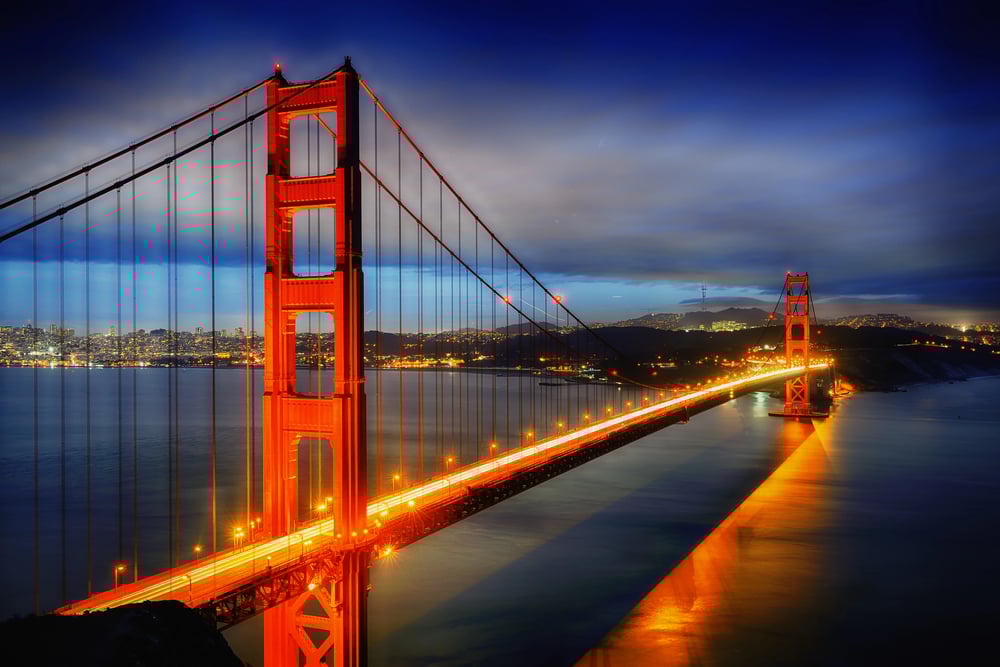
Despite the name, this bridge has never been gold. The color it’s famous for—called “international orange”—was first just a primer to protect it from the ocean’s salty air.
But people liked it so much, they kept it. It turned out to be the perfect match for the foggy San Francisco skyline.
The color helps the bridge stand out but also blends nicely with the natural surroundings.
Angkor Wat faces west for a reason

Unlike most temples that face the sunrise, Angkor Wat points toward the west. That might seem odd, but it may have been built as a tomb, and west is the direction of death in Hindu tradition.
Some also say the temple lines up with solar events. Whatever the case, it’s one of those rare structures where even the direction holds meaning.
Its giant moat and detailed carvings make it a breathtaking sight from every angle.
Niagara Falls isn’t just one waterfall
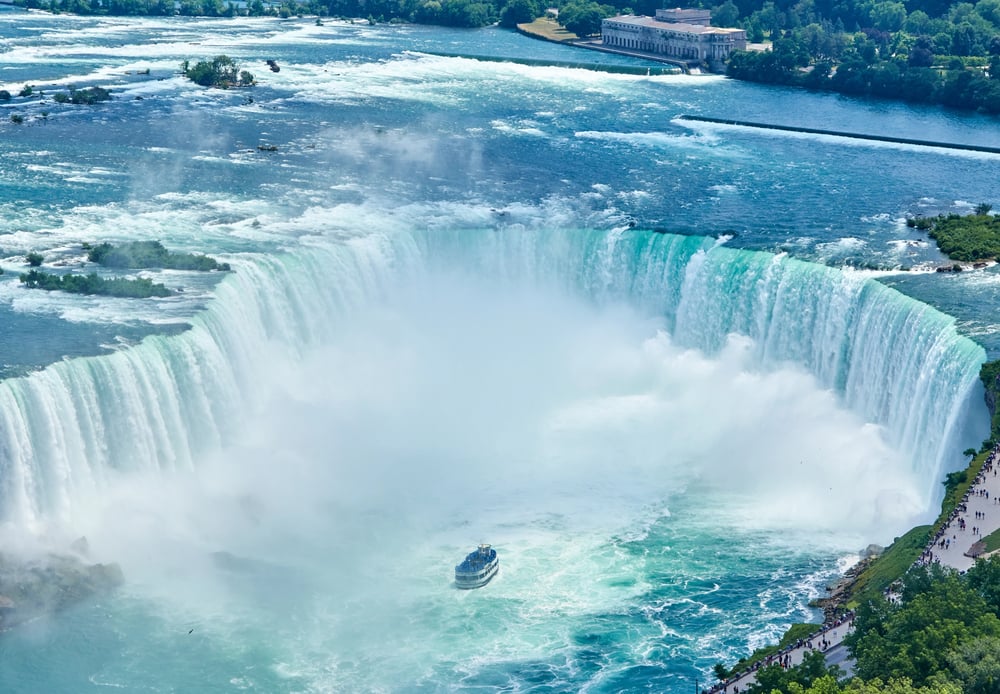
Most folks see the pictures and assume it’s one big waterfall. In truth, Niagara Falls is made up of three separate falls: Horseshoe Falls, American Falls, and Bridal Veil Falls.
Each one has a different shape and size. Together, they make up one of the most powerful natural sites in North America.
The thunderous sound and constant spray make it feel alive, no matter which side you visit.
Like Go2Tutors’s content? Follow us on MSN.
The London Eye was meant to be temporary

The London Eye wasn’t built to last forever. It was originally planned as part of the millennium celebration and was only supposed to be up for a few years.
But people loved it, and it drew in so many visitors that they decided to keep it standing. Now, it’s a permanent part of the London skyline.
Its gentle rotation offers a unique view of the city, turning it into a favorite for locals and tourists alike.
Landmarks that live through time

Landmarks aren’t just frozen pieces of history—they’re living stories that stretch across generations. Every scratch, tilt, or change in color adds something to their story.
People pass them down through photos, stories, and memories. And even though the world keeps changing, these places stay rooted.
They keep reminding us of where we’ve been—and how far we’ve come. These spots show that history isn’t locked away but something we all share and experience.
More from Go2Tutors!

- 16 Historical Figures Who Were Nothing Like You Think
- 12 Things Sold in the 80s That Are Now Illegal
- 15 VHS Tapes That Could Be Worth Thousands
- 17 Historical “What Ifs” That Would Have Changed Everything
- 18 TV Shows That Vanished Without a Finale
Like Go2Tutors’s content? Follow us on MSN.