Inventions Inspired by Insects
Nature has spent millions of years perfecting designs that humans are only now beginning to understand. Insects, despite their tiny size, have solved problems that engineers and scientists still struggle with today.
Their wings, eyes, legs, and even their social structures have inspired some of the most practical innovations in modern technology. You might not realize it, but insect-inspired designs already surround you.
They’re in the buildings you walk through, the screens you look at, and the robots being developed in labs around the world.
Velcro from Burrs and Hooks
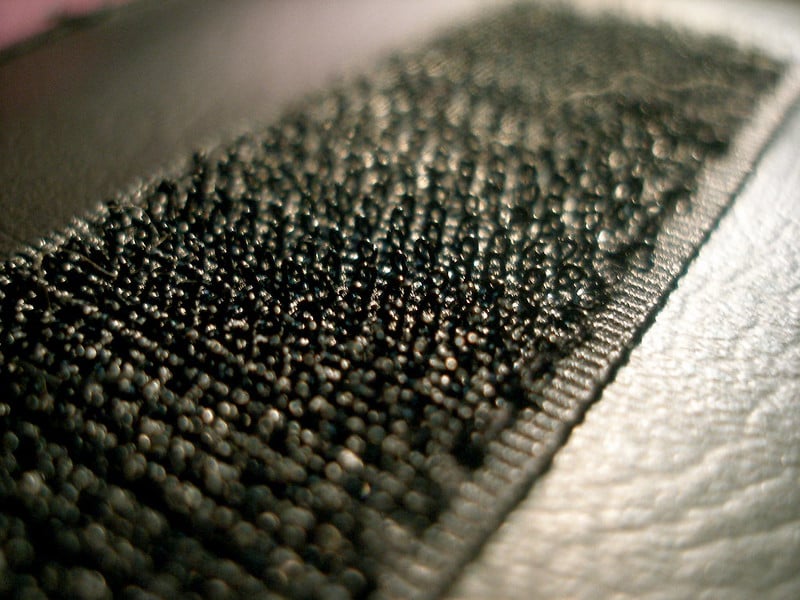
George de Mestral took his dog for a walk in 1941 and came back covered in burrs. Instead of just brushing them off, he looked at them under a microscope.
The tiny hooks on the burrs had latched onto the loops in his clothing and his dog’s fur. That observation led to Velcro, which mimics the hook-and-loop mechanism found in nature.
Insects use similar structures. Many species have tiny hooks on their legs that let them grip onto surfaces that seem impossibly smooth.
The design principle remains the same—small hooks catching onto flexible loops create a strong but reversible bond.
Self-Cleaning Surfaces

Lotus leaves stay clean in muddy water because of tiny bumps on their surface that make water bead up and roll off, taking dirt with it. But several insects figured this out long before anyone studied lotus leaves.
Butterfly wings have microscopic scales arranged in patterns that repel water and prevent dirt from sticking. This discovery led to self-cleaning paints, fabrics, and even building materials.
The texture matters more than the chemistry. When you create the right microscopic structure, water forms tight droplets instead of spreading out, and those droplets pick up contamination as they roll away.
Compound Eyes and Better Cameras
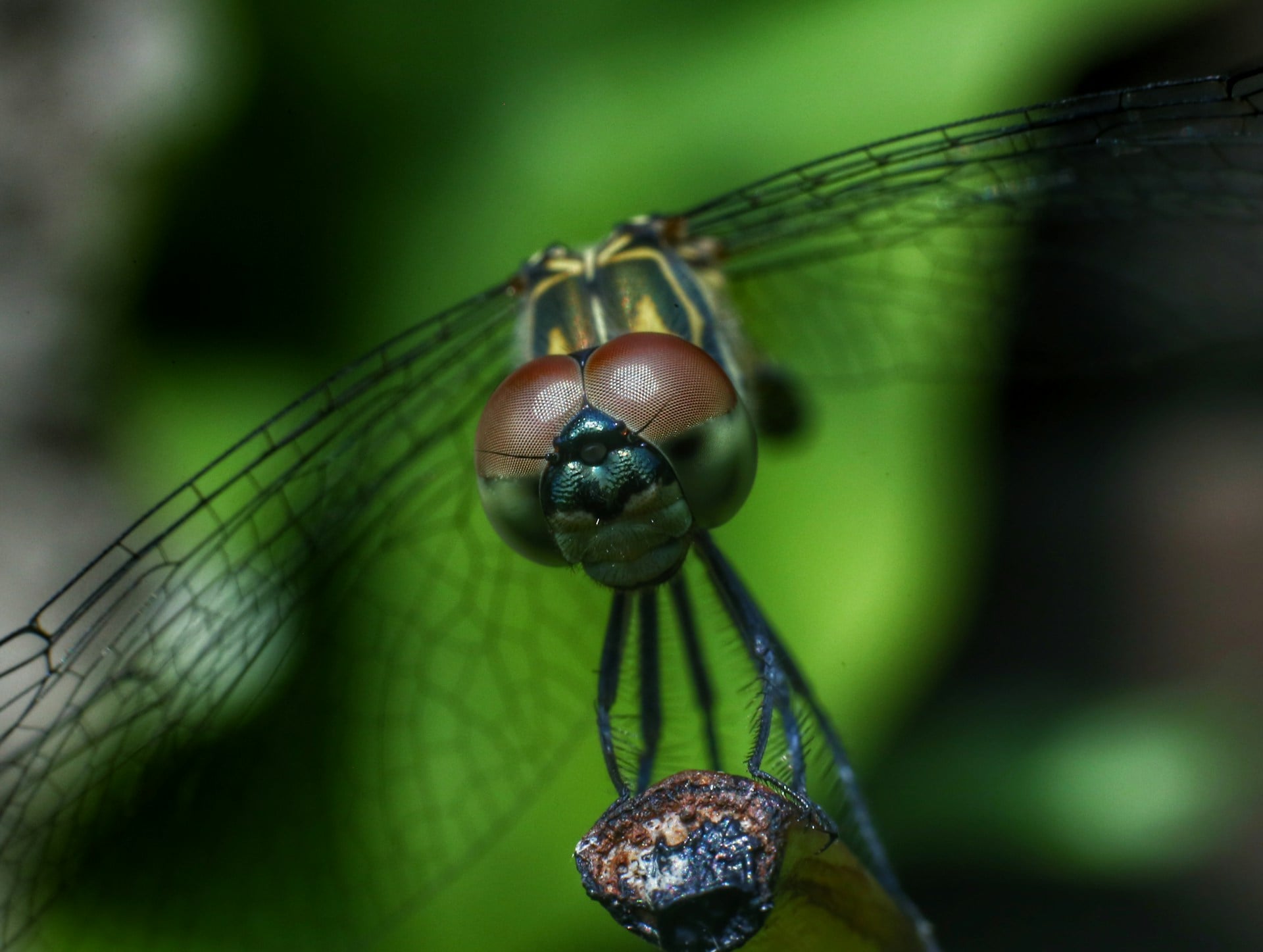
Insect eyes don’t work like human eyes. They have thousands of tiny lenses clustered together, each capturing a slightly different angle.
Dragonflies have up to 30,000 individual lenses in their eyes. This gives them an incredibly wide field of vision and the ability to detect movement almost instantly.
Engineers have built cameras based on this design. These cameras can capture panoramic views without distortion and track multiple objects simultaneously.
Medical imaging devices now use similar principles to create better endoscopes that can see around corners inside the body. The designs also show up in motion detection systems and security cameras where tracking fast movement matters.
Efficient Flight Mechanics
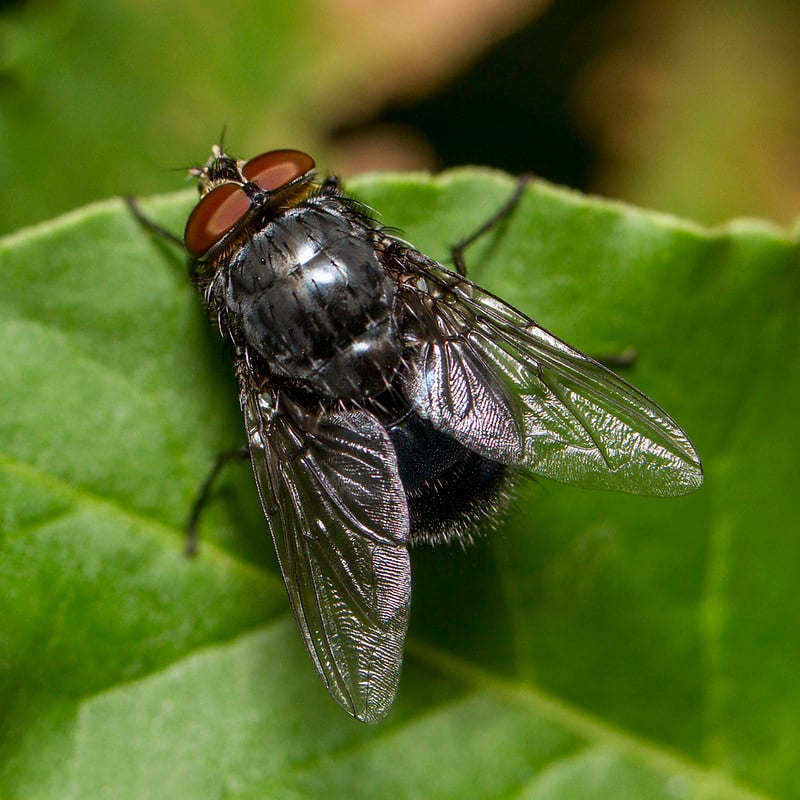
Fly wings don’t just flap up and down. They twist and rotate in complex patterns that create unexpected amounts of lift.
Scientists spent years trying to figure out how insects generate enough force to stay airborne when their wing size seems too small for their body weight. The answer involves tiny vortices of air that form and shed from the wings during each stroke.
Micro-drones now use these same principles. The small flying robots you see today wouldn’t exist without understanding how fruit flies and bees manipulate airflow at such small scales.
Some of these drones weigh less than a gram. They can hover in place, dart in any direction, and handle gusty conditions that would knock down a conventionally designed aircraft.
Waterproof Breathing Systems
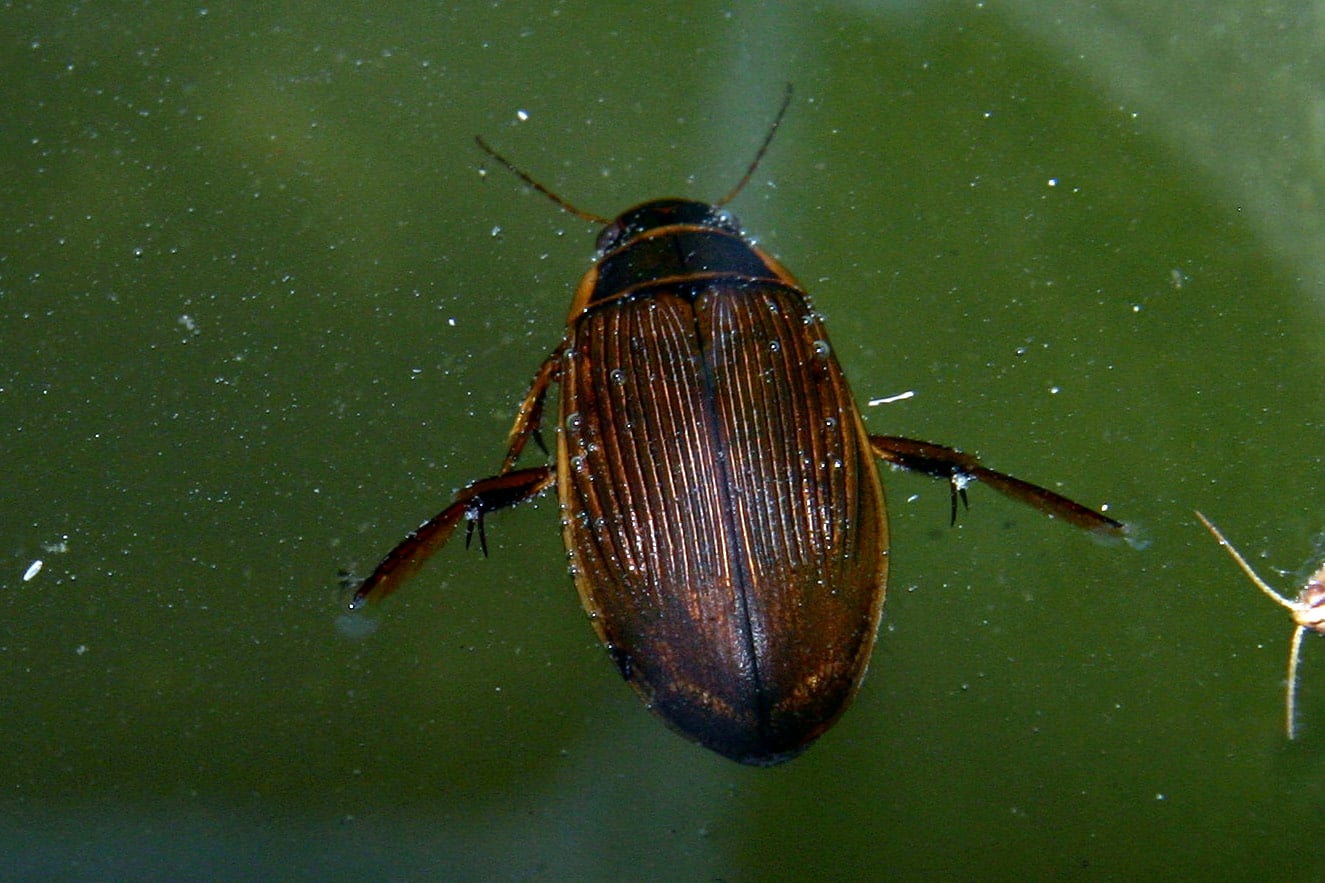
Diving beetles can stay underwater for hours without gills. They trap air bubbles against their bodies using water-repellent hairs.
The bubble acts as an external lung, extracting oxygen from the surrounding water as the beetle uses up the oxygen inside. This inspired designs for better underwater breathing equipment and water-resistant fabrics.
The principle shows up in materials that need to be waterproof but still breathable—letting water vapor escape while keeping liquid water out. Sports clothing, medical textiles, and protective gear all use versions of this technology.
Honeycomb Structures

Bees build hexagonal cells because that shape uses the least wax while creating the most storage space. The geometry distributes weight evenly and creates remarkable strength from minimal material.
Aircraft manufacturers build honeycomb panels for airplane floors and walls. These panels weigh far less than solid sheets but maintain incredible strength.
The same design appears in packaging materials, car doors, and even in some skateboard decks. You can press on a honeycomb panel and feel how it resists buckling despite being mostly air inside.
Termite Mound Ventilation

Termite mounds maintain steady internal temperatures even when outside conditions swing wildly. Some termite species in Africa farm fungus inside their mounds, and that fungus needs precise temperature control to survive.
The mounds have channels and chambers that create natural airflow through convection currents. Architects in Zimbabwe designed a shopping center based on termite mound principles.
The Eastgate Centre uses 90% less energy for climate control than conventional buildings its size. The design relies on thermal mass and carefully placed vents instead of traditional air conditioning.
Similar ideas are now being applied to office buildings and homes in hot climates.
Adhesive Feet
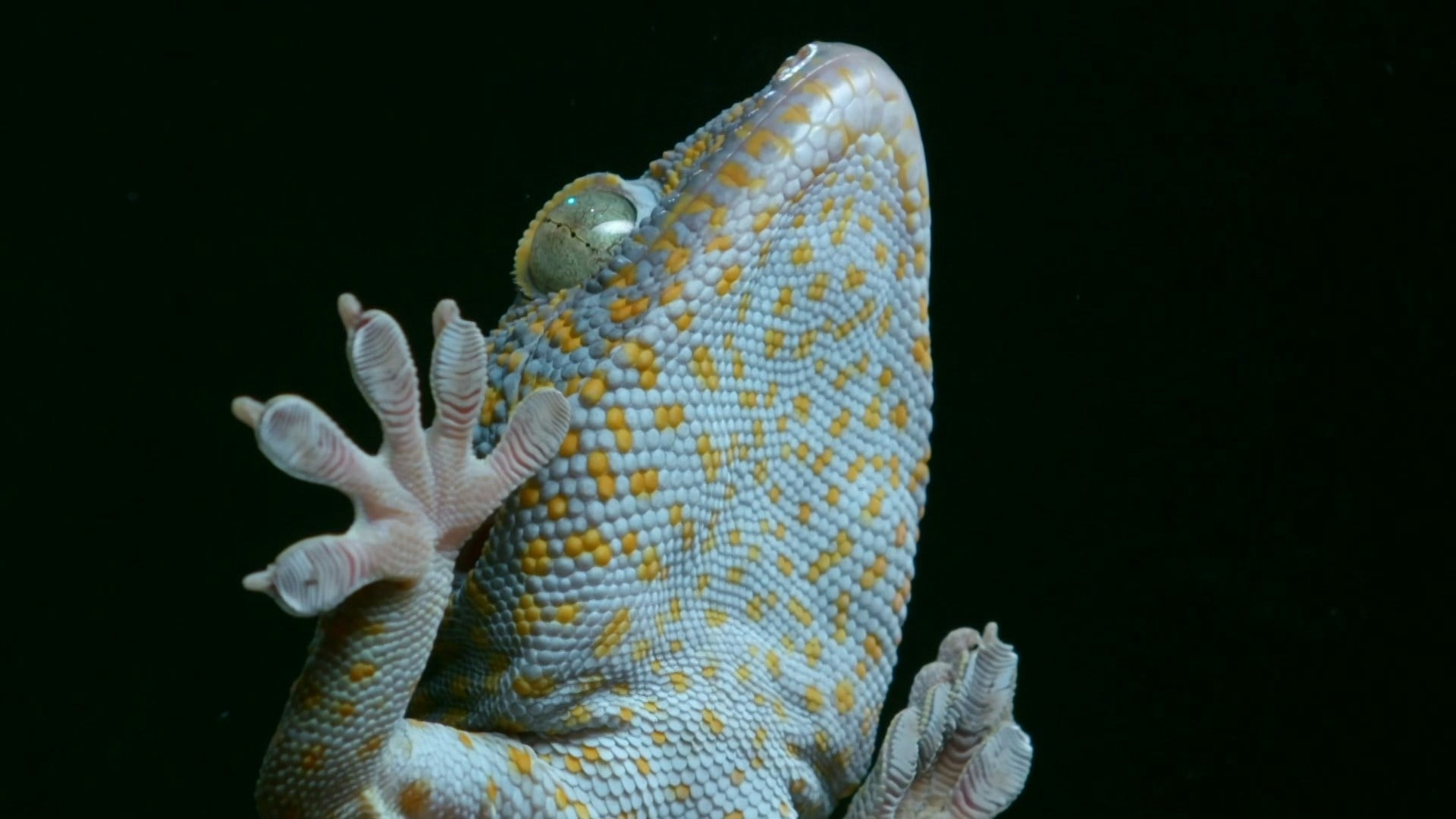
Gecko feet get all the attention for wall-climbing, but many insects mastered this first. Flies and beetles have pads on their feet covered in microscopic hairs.
Each hair splits into even tinier branches that create molecular bonds with surfaces through van der Waals forces. Researchers created synthetic adhesives that work the same way.
These adhesives stick to smooth surfaces without leaving residue and can be reused thousands of times. They work in vacuum conditions, which makes them useful for space applications.
Medical applications include surgical tape that holds firmly but removes without damaging tissue.
Swarm Intelligence

Ants find the shortest path between their nest and food sources without any central planning. Each ant follows simple rules—leave a chemical trail when carrying food, follow stronger trails when searching.
The collective behavior produces optimal solutions to complex routing problems. This inspired algorithms that now optimize everything from delivery routes to network traffic.
Telecommunications companies use ant colony optimization to route data packets. The algorithms adapt to changing conditions just like real ant colonies do when their paths get blocked.
The same principles apply to warehouse robots that coordinate their movements without a central controller telling each one where to go.
Iridescent Colors Without Pigment

Morpho butterfly wings shimmer with brilliant blue colors that never fade. The color doesn’t come from pigment—it comes from the microscopic structure of the wing scales.
These structures reflect specific wavelengths of light through interference patterns. This structural color technology shows up in security features on currency and official documents.
It also appears in cosmetics, fabrics, and automotive paints. The colors stay vibrant indefinitely because they depend on physical structure rather than chemical dyes that break down over time.
Scientists are developing display screens based on the same principle. These screens would use almost no power because they rely on reflected light instead of emitting their own light.
Jumping Mechanisms

Fleas can jump 150 times their own body height. They don’t do this with muscle power alone—that would be physically impossible.
Instead, they use a spring mechanism made from a protein called resilin. The flea compresses the spring slowly using its muscles, then releases it all at once.
Engineers built tiny jumping robots using the same principle. These robots can leap over obstacles many times their size, which makes them useful for search and rescue operations in rubble.
The spring mechanism also inspired new prosthetic designs that store and release energy more efficiently during walking and running.
Water Collection from Fog
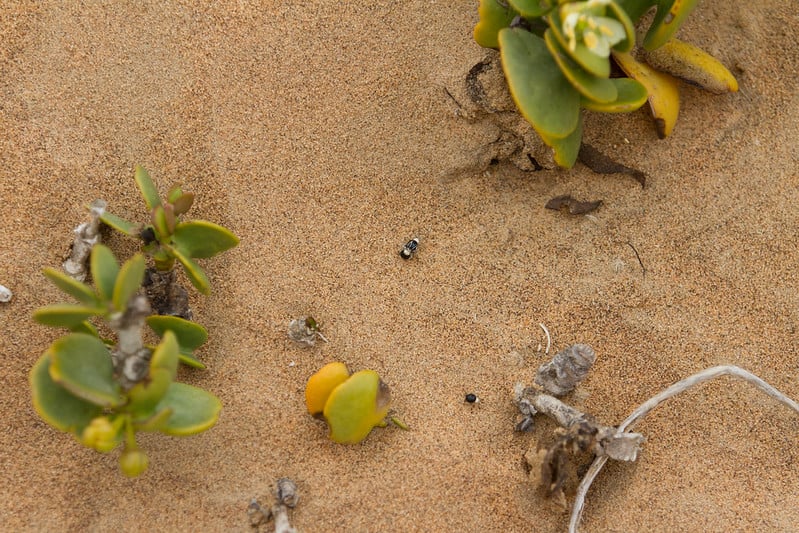
Beetles in Africa’s Namib Desert collect water from morning fog. Their shells have a pattern of water-attracting bumps surrounded by water-repelling valleys.
Fog condenses on the bumps and then rolls down into the beetle’s mouth. This design inspired fog-catching nets that provide drinking water in arid regions.
The nets use materials with alternating hydrophilic and hydrophobic properties to maximize water collection. Similar technology helps prevent frost formation on aircraft wings and improves heat exchangers in industrial equipment.
Antennae Sensors

Faint traces of chemicals float through the air, yet insect antennae catch them without effort. From great distances, moths sense pheromones – just a handful of molecules enough to signal across fields.
Tiny structures on their antennae, built for exactness, lock onto particular substances like keys fitting unseen locks. Smell-detecting devices inspired by bug antennas spot hidden explosives, illegal substances, or signs of illness in human breath.
From scanning luggage at airports to finding tumors sooner, they serve many roles. Instead of chasing a single flawless detector, success comes from copying nature’s method: multiple receptor types reacting in unique ways to various molecules.
That variety works far better than aiming for one-size-fits-all precision.
Where Small Minds Lead

Built by time instead of blueprints, insect answers mirror human engineering. Similar limits lead to similar results – no surprise there.
Getting around fast matters, so does noticing what’s nearby, putting up shelters, using only what you have. Humans plan each step.
Insects arrived through endless small mistakes across ages. Something small, like a bee mid-flight, can show what we’ve missed.
A closer look at an ant’s world might hold answers hiding in plain sight. Breakthroughs often start where things seem too ordinary to study.
Watch long enough, life stops being simple.
More from Go2Tutors!

- The Romanov Crown Jewels and Their Tragic Fate
- 13 Historical Mysteries That Science Still Can’t Solve
- Famous Hoaxes That Fooled the World for Years
- 15 Child Stars with Tragic Adult Lives
- 16 Famous Jewelry Pieces in History
Like Go2Tutors’s content? Follow us on MSN.



