18 Buildings That Change Shape With the Weather
Architecture has always responded to environmental conditions, but some buildings take this relationship to extraordinary levels. These structures don’t just withstand weather—they actively transform, breathe, and adapt like living organisms.
Here is a list of 18 buildings that demonstrate remarkable responsiveness to atmospheric conditions, changing their form, function, or appearance as temperatures shift, humidity fluctuates, and seasons cycle.
Al Bahar Towers
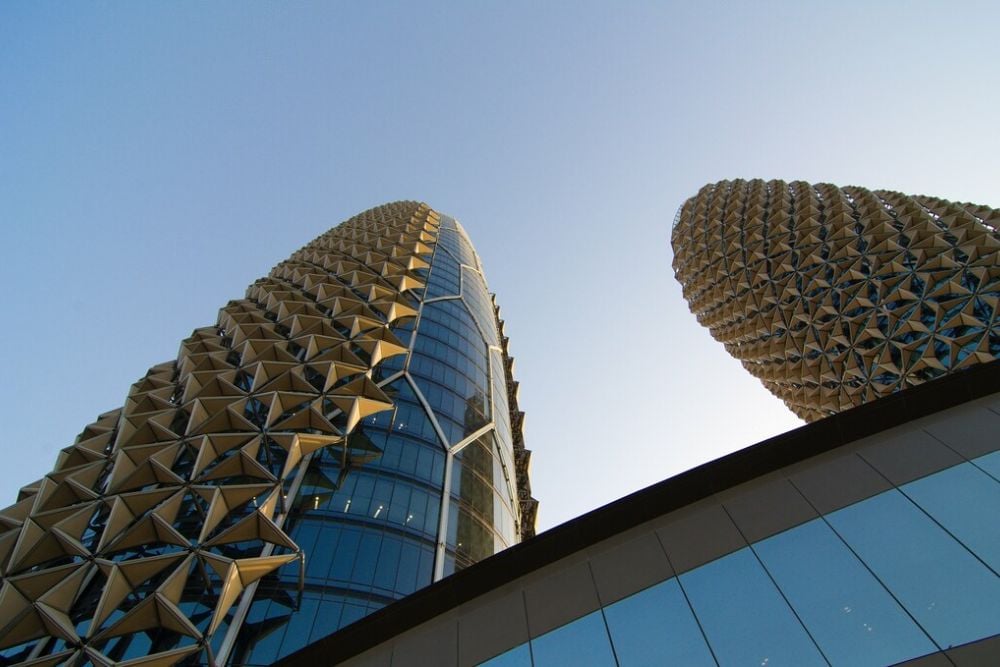
The Al Bahar Towers in Abu Dhabi feature a revolutionary responsive facade that opens and closes based on the sun’s position. These twin towers are wrapped in a secondary skin of geometric panels that automatically adjust throughout the day, creating patterns that shift like flowers blooming and closing.
The system reduces solar heat gain by up to 50%, while the building’s exterior constantly transforms from a geometric honeycomb to varied abstract patterns.
One Ocean Thematic Pavilion
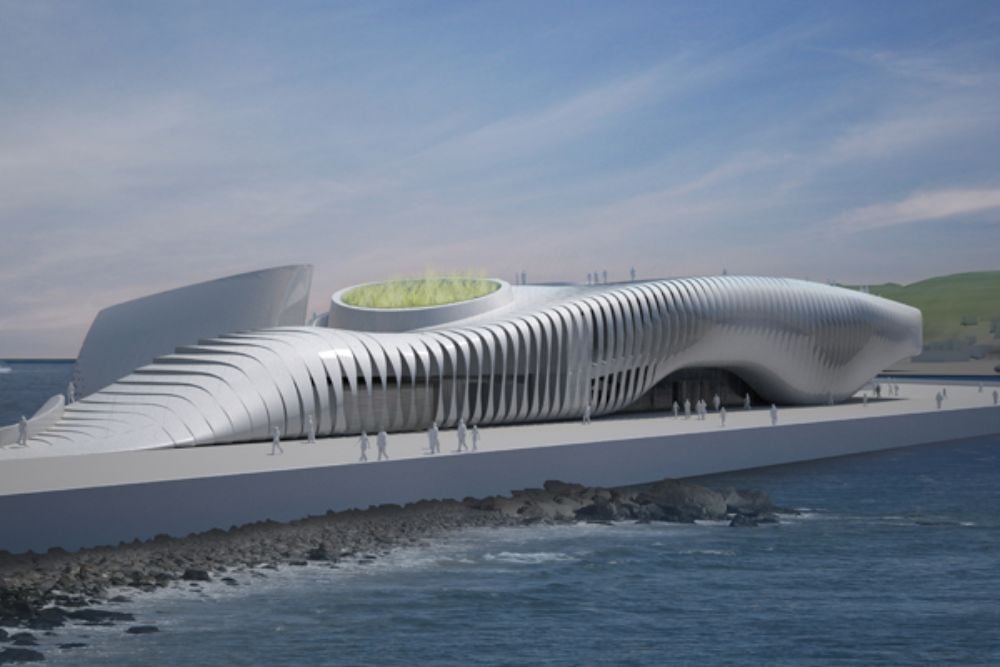
Located in South Korea, the One Ocean Thematic Pavilion mimics the movement of ocean waves through its kinetic facade. The building’s exterior consists of thousands of metal fins that respond to wind patterns and temperature changes, creating undulating motions across the structure’s surface.
During different weather conditions, the pavilion appears to breathe and flow, with its metallic skin catching and reflecting light in ever-changing ways.
Like Go2Tutors’s content? Follow us on MSN.
BIQ House
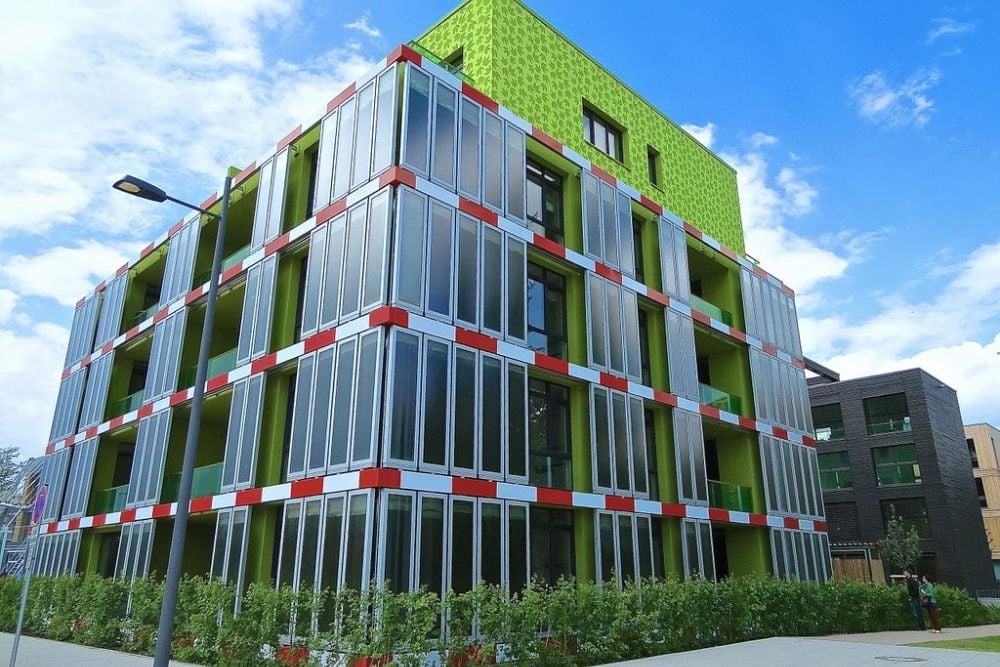
Hamburg’s BIQ House features the world’s first bio-reactive facade made of algae-filled glass panels. These living walls change color throughout the day and seasons as the algae respond to sunlight, temperature, and nutrient levels.
During summer months, the facade glows bright green, while cooler weather produces more subdued earth tones, making the building a living barometer of environmental conditions.
Institut du Monde Arabe
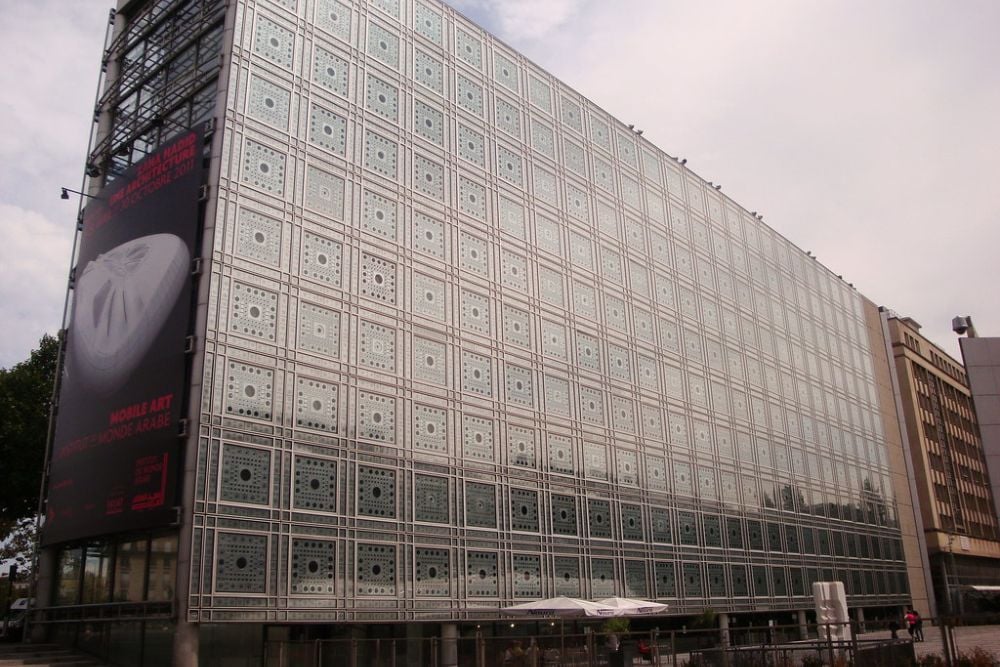
Jean Nouvel’s Institut du Monde Arabe in Paris incorporates thousands of mechanical apertures inspired by traditional Islamic geometric patterns. These photo-sensitive diaphragms automatically open and close in response to sunlight intensity, controlling interior lighting while creating mesmerizing patterns on the building’s south facade.
The effect resembles a massive camera lens constantly adjusting to optimal settings.
Council House 2
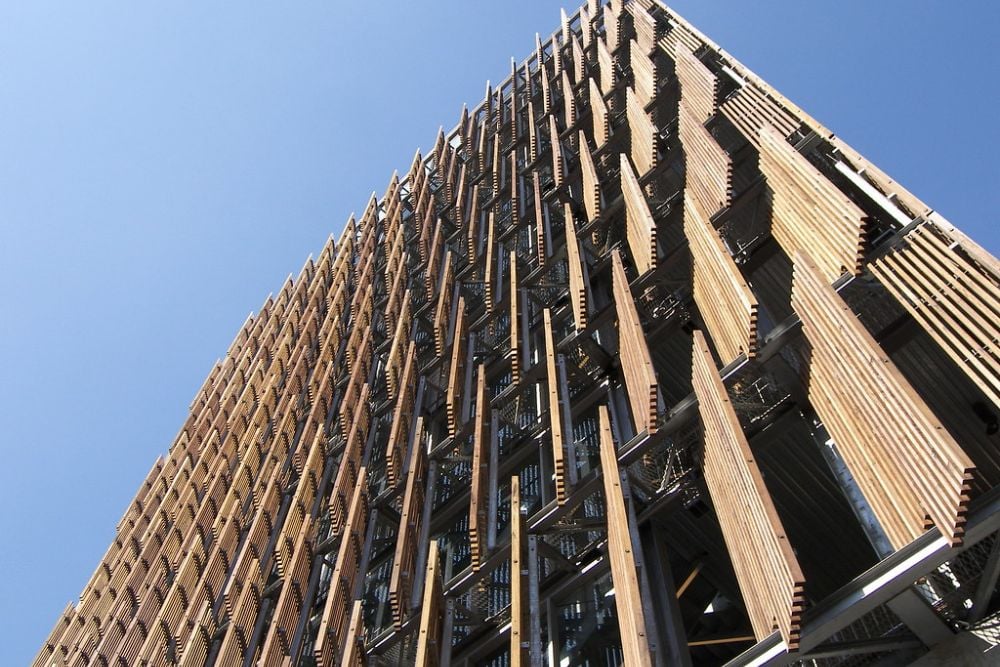
Melbourne’s Council House 2 features automated timber louvers that adjust their angle based on solar conditions and internal temperature requirements. The building’s wooden exterior shifts throughout the day like venetian blinds on a massive scale, optimizing natural light while preventing overheating.
These responsive elements give the structure an almost organic quality as it adapts to Melbourne’s famously variable weather.
Like Go2Tutors’s content? Follow us on MSN.
Adaptive Building Facade
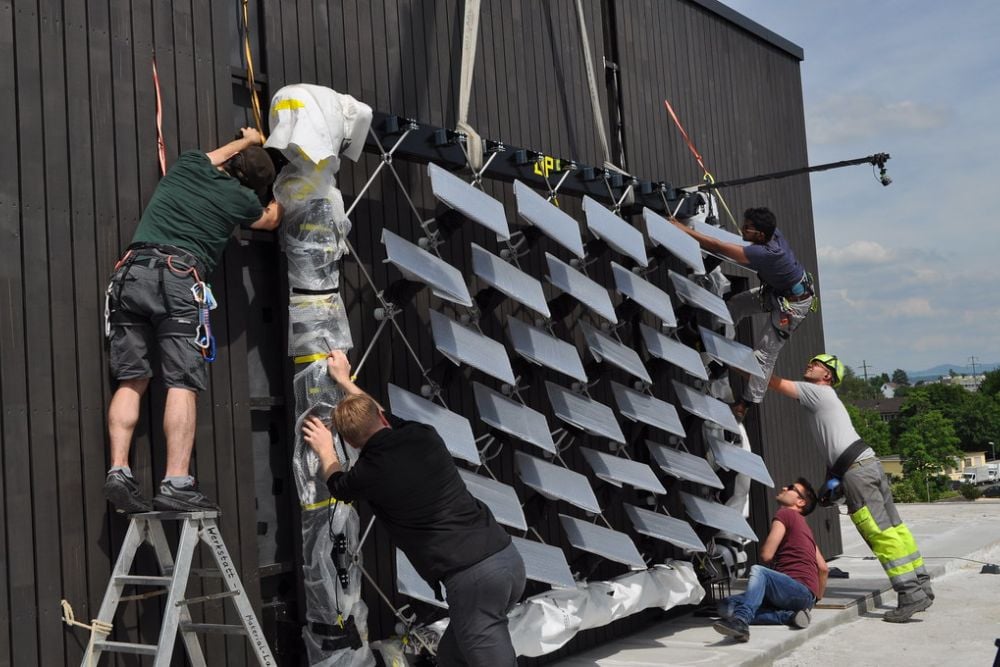
The Adaptive Building Facade in Toronto consists of hexagonal panels that open and close like mechanical flowers responding to temperature and humidity levels. Each panel operates independently, creating complex patterns across the building’s surface that mirror weather conditions in real-time.
The facade becomes more animated during temperature fluctuations, with rapid opening and closing movements during transitional weather periods.
Esplanade Theaters
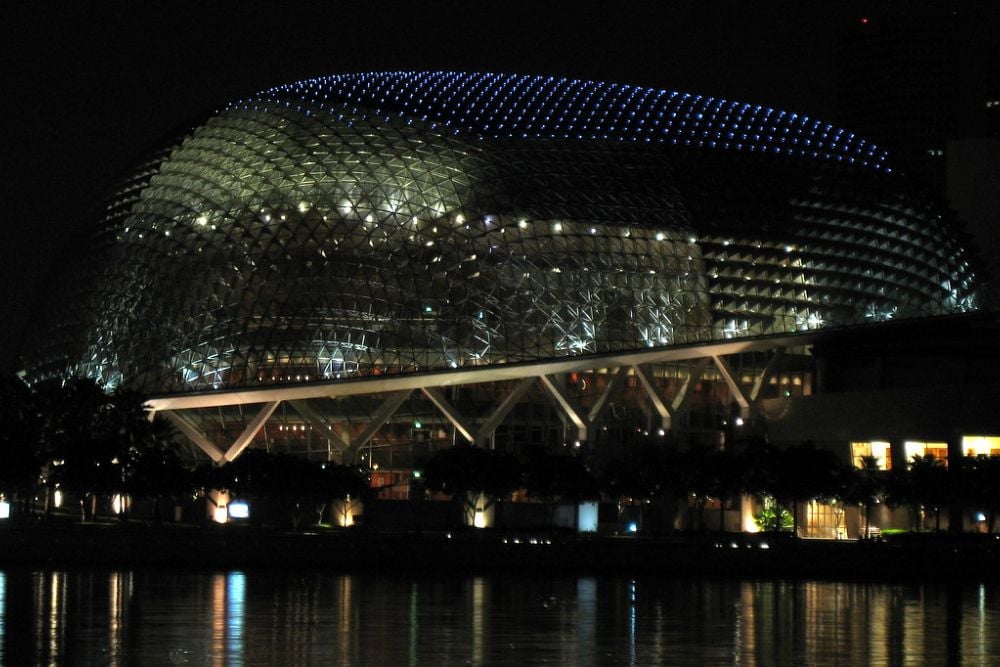
Singapore’s Esplanade Theaters feature distinctive aluminum sunshades that adjust automatically to control solar heat gain and optimize interior comfort. The building’s spiky exterior transforms throughout the day as thousands of triangular panels shift position, earning it the nickname ‘the durian’ for its resemblance to the thorny tropical fruit.
During different weather conditions, the structure’s silhouette changes dramatically.
Media-TIC Building
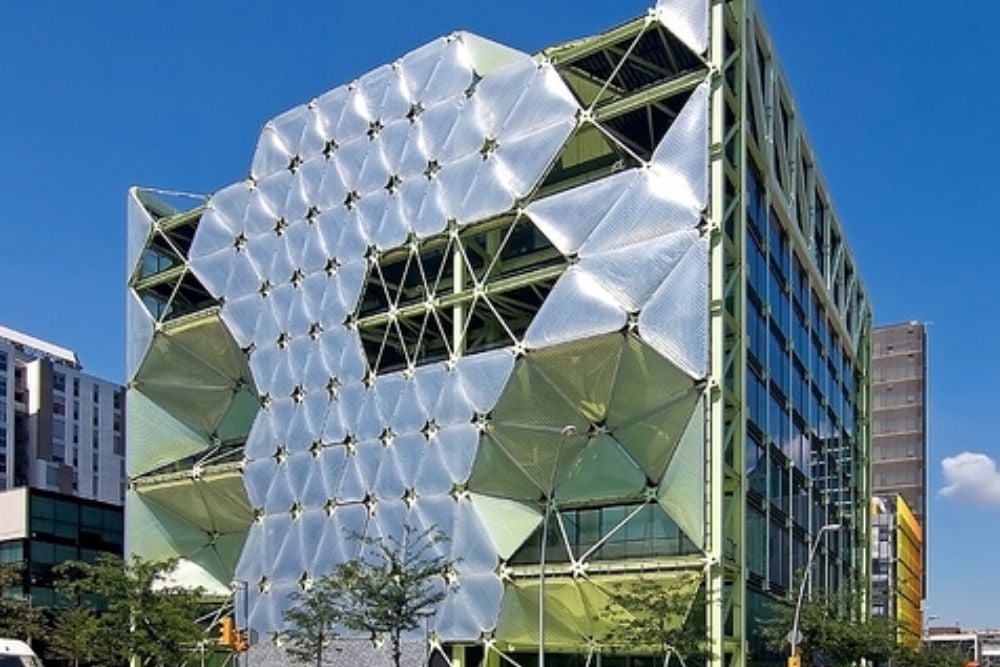
Barcelona’s Media-TIC Building incorporates an innovative pneumatic facade system that inflates and deflates chambers based on thermal requirements. The building’s exterior features transparent cushions that expand during hot weather to provide additional insulation and contract during cooler periods for maximum transparency.
This breathing wall creates an ever-changing geometric pattern that reflects the Mediterranean climate’s daily rhythms.
Like Go2Tutors’s content? Follow us on MSN.
Homeostatic Facade System

The Homeostatic Facade System at the University of Southern California features shape-memory alloy components that curl and uncurl in response to temperature changes. These metal strips create a surface that appears to have muscle-like contractions, adjusting the building’s porosity without any mechanical systems or energy input.
The facade becomes more animated during temperature swings, creating wave-like movements across the structure.
Bloom Pavilion
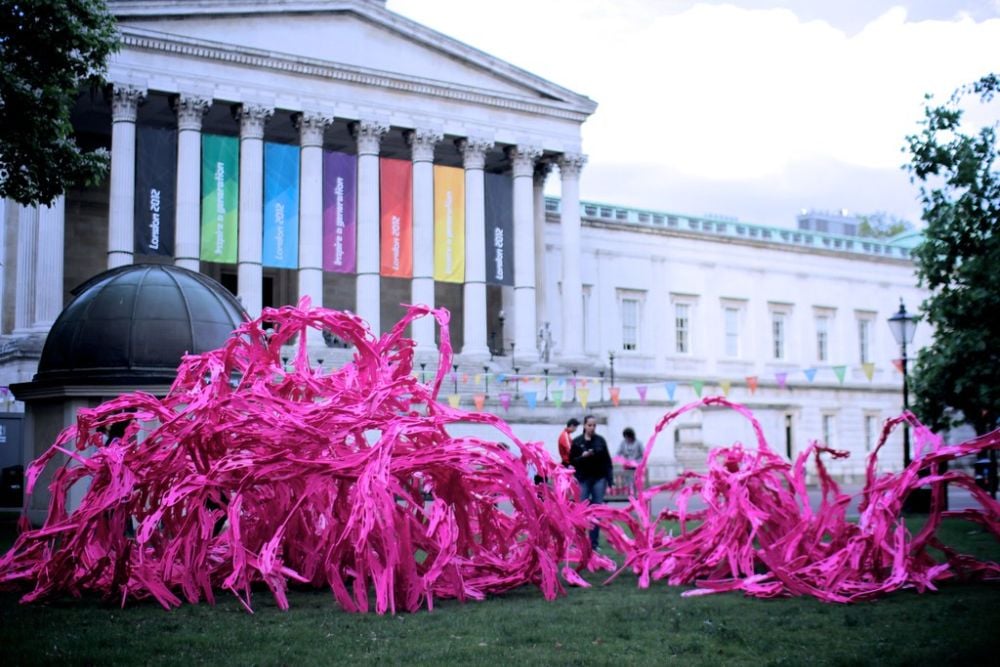
The Bloom Pavilion uses thermobimetal technology to create petals that open and close based on ambient temperature. These mechanical flowers cover the structure’s exterior, creating a surface that literally blooms when the sun comes out and closes during cooler conditions.
The pavilion demonstrates how buildings can respond to weather with the same sensitivity as natural organisms.
Muscle Building
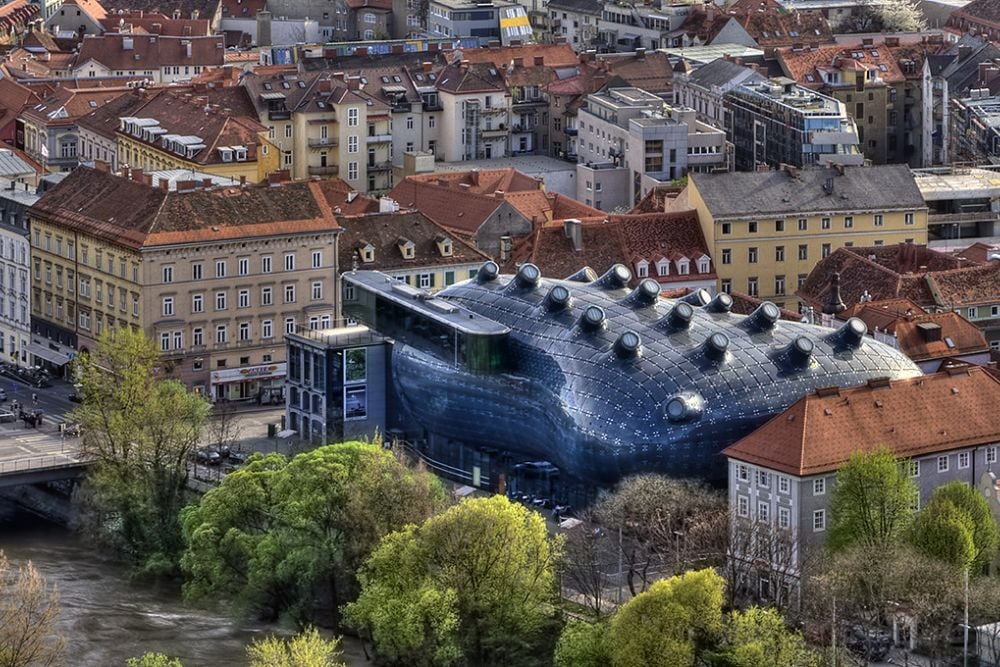
The experimental Muscle Building in Austria features a facade covered in pneumatic actuators that contract and expand like biological muscles. The system responds to wind pressure, temperature, and humidity, creating undulating movements across the building’s skin.
During storms, the structure appears to tense and flex, while calm weather produces gentle, rhythmic breathing motions.
Like Go2Tutors’s content? Follow us on MSN.
Solar Carve Tower
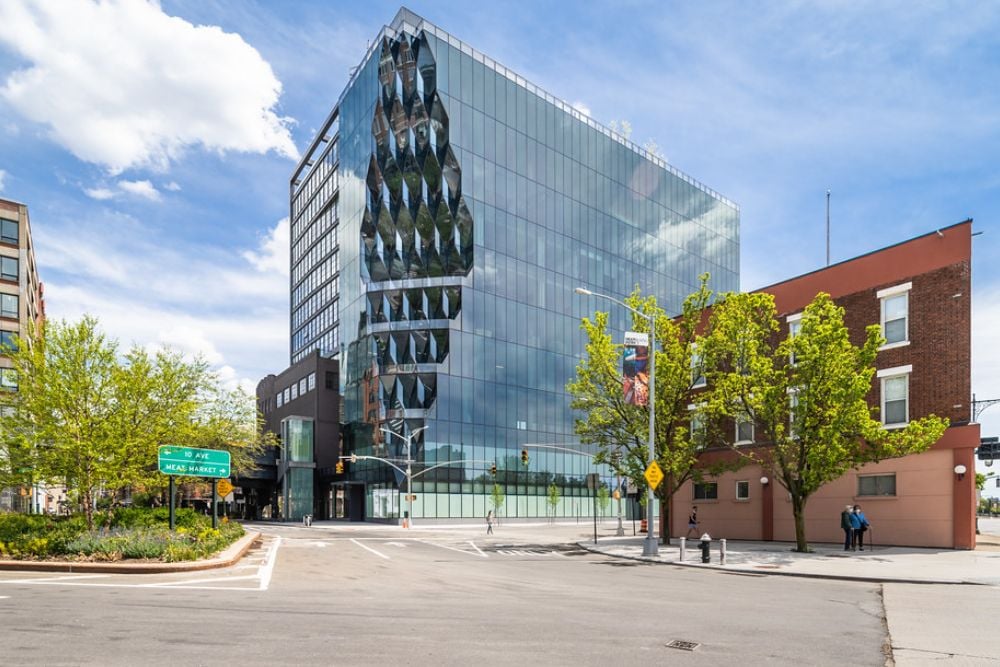
New York’s Solar Carve Tower features automated external blinds that track the sun’s path and adjust accordingly throughout the day. The building’s east and west facades transform continuously as horizontal louvers rotate to optimal angles, creating shifting patterns of shadow and light.
The structure’s appearance changes so dramatically between morning and evening that it seems like two different buildings.
Kiefer Technic Showroom

The Kiefer Technic Showroom in Austria incorporates a kinetic facade that responds to both internal climate needs and external weather conditions. The building’s exterior consists of moveable panels that create different configurations based on seasonal requirements, opening up during summer for ventilation and closing during winter for insulation.
The structure literally reshapes itself as weather patterns change.
One Central Park
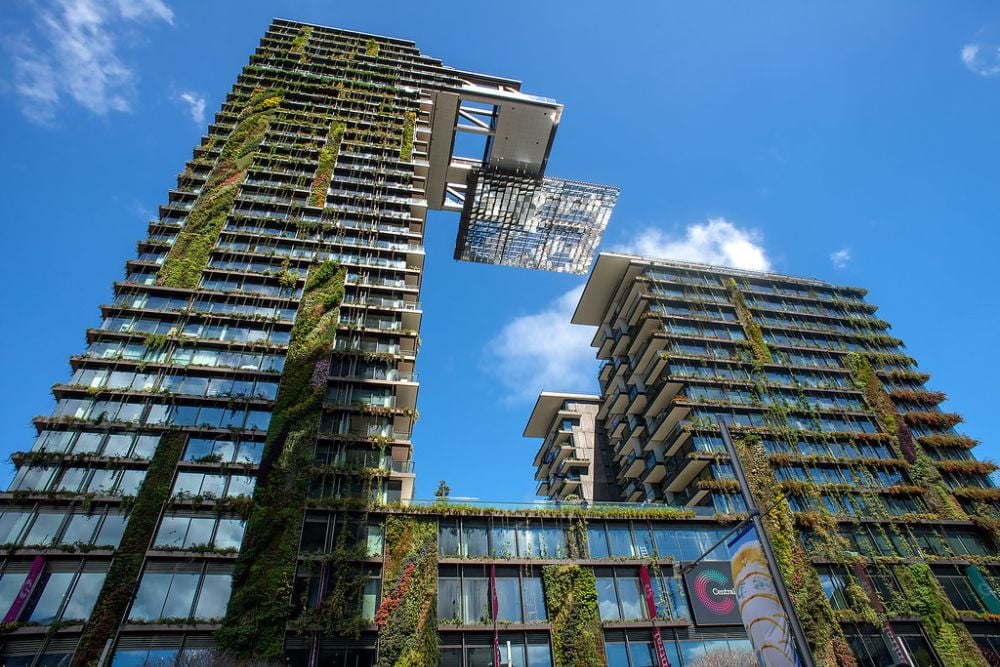
Sydney’s One Central Park features a heliostat system that tracks sunlight and redirects it to shadowed areas of the building throughout the day. The structure includes motorized mirrors that constantly adjust their angles, creating dancing reflections and light patterns that change with cloud cover and sun position.
The building’s light display becomes more dramatic during partly cloudy conditions when shadows and brightness alternate rapidly.
Like Go2Tutors’s content? Follow us on MSN.
Torre Agbar
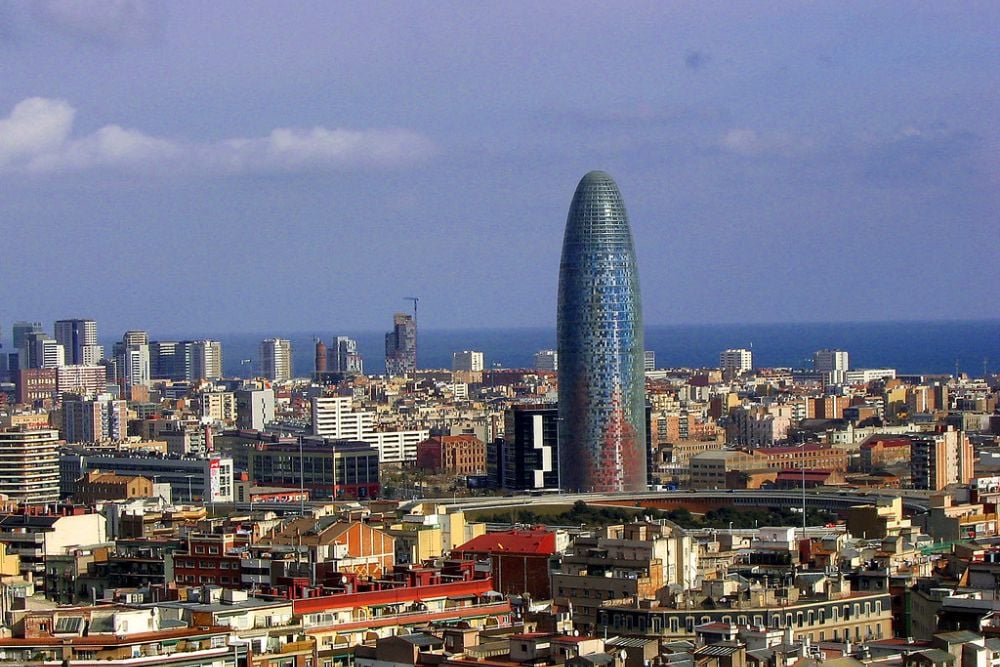
Barcelona’s Torre Agbar uses a double-skin facade with automated ventilation systems that respond to temperature and wind conditions. The building’s outer layer adjusts its transparency and airflow based on weather patterns, while thousands of LED lights create different color displays that correspond to atmospheric conditions.
During different seasons, the tower’s appearance shifts from translucent to opaque as climate control systems activate.
Dynamic Tower
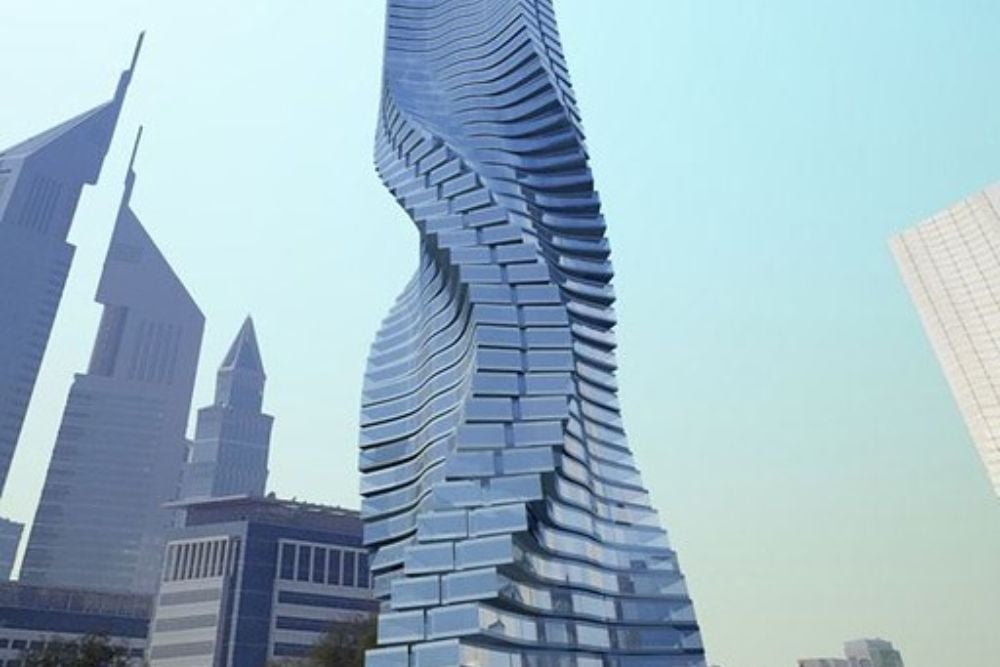
The planned Dynamic Tower in Dubai represents the ultimate expression of shape-changing architecture, with entire floors designed to rotate independently based on wind patterns and solar positioning. Each level moves at different speeds, creating a constantly evolving silhouette that never repeats the same configuration twice.
The building would literally twist and transform its profile throughout the day like a giant kinetic sculpture.
Flare Building
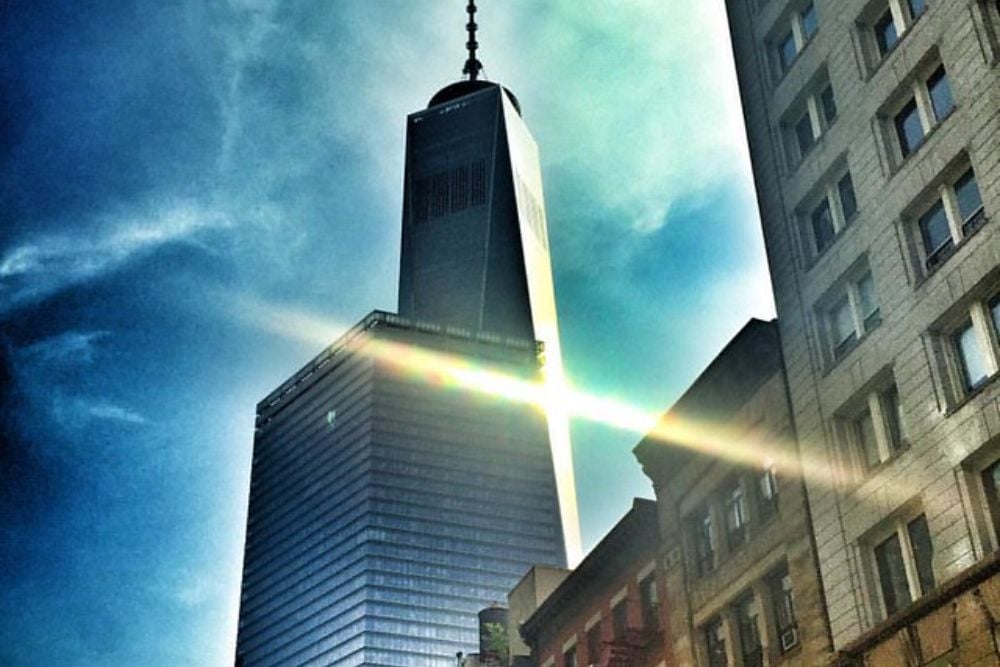
The Flare Building concept features a facade covered in shape-memory polymer panels that change color and transparency based on temperature fluctuations. These smart materials shift from opaque to translucent as temperatures rise, while their color changes from cool blues in winter to warm oranges in summer.
The building serves as a massive mood ring, reflecting atmospheric conditions through its material properties.
Like Go2Tutors’s content? Follow us on MSN.
Adaptive Climate Shell
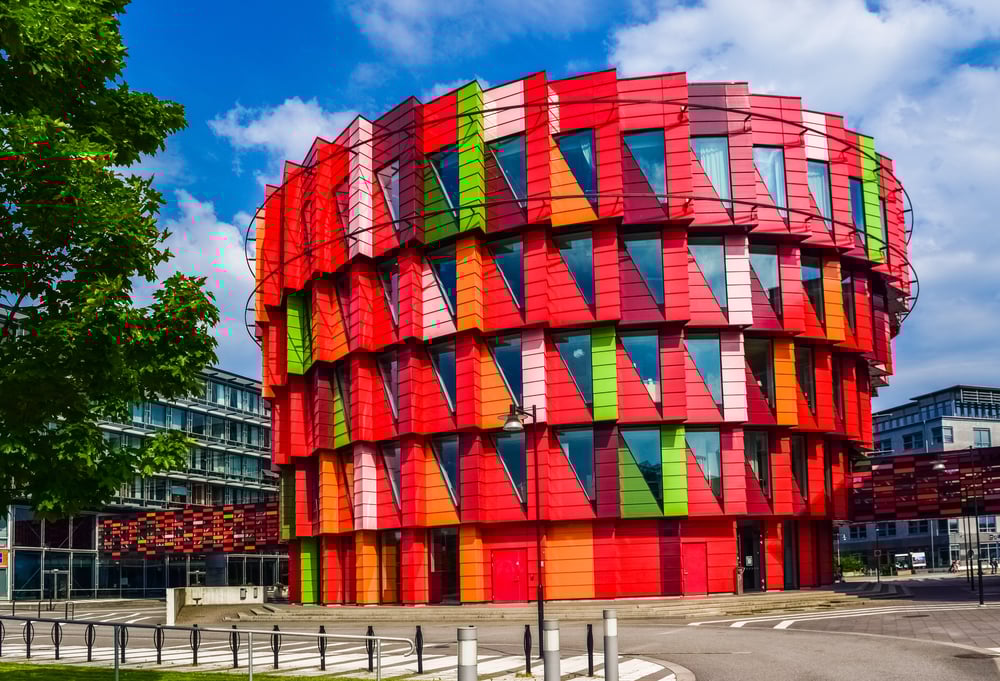
The Adaptive Climate Shell prototype incorporates hygroscopic materials that expand and contract based on humidity levels in the air. The building’s wooden exterior literally swells during humid conditions and shrinks during dry periods, creating a surface that breathes with atmospheric moisture content.
This natural responsiveness requires no energy input while providing automatic climate regulation.
Living Architecture Today

These innovative structures represent a fundamental shift from static architecture toward buildings that engage actively with their environment. Modern responsive facades reduce energy consumption by up to 40% while creating dynamic visual experiences that change throughout the day and seasons.
As climate-adaptive technologies become more sophisticated, we can expect buildings to develop even more nuanced relationships with weather patterns. The future of architecture lies not in resisting environmental forces, but in dancing gracefully with them through intelligent, responsive design.
More from Go2Tutors!

- 16 Historical Figures Who Were Nothing Like You Think
- 12 Things Sold in the 80s That Are Now Illegal
- 15 VHS Tapes That Could Be Worth Thousands
- 17 Historical “What Ifs” That Would Have Changed Everything
- 18 TV Shows That Vanished Without a Finale
Like Go2Tutors’s content? Follow us on MSN.